

What is Khums? (The Essential Definition)
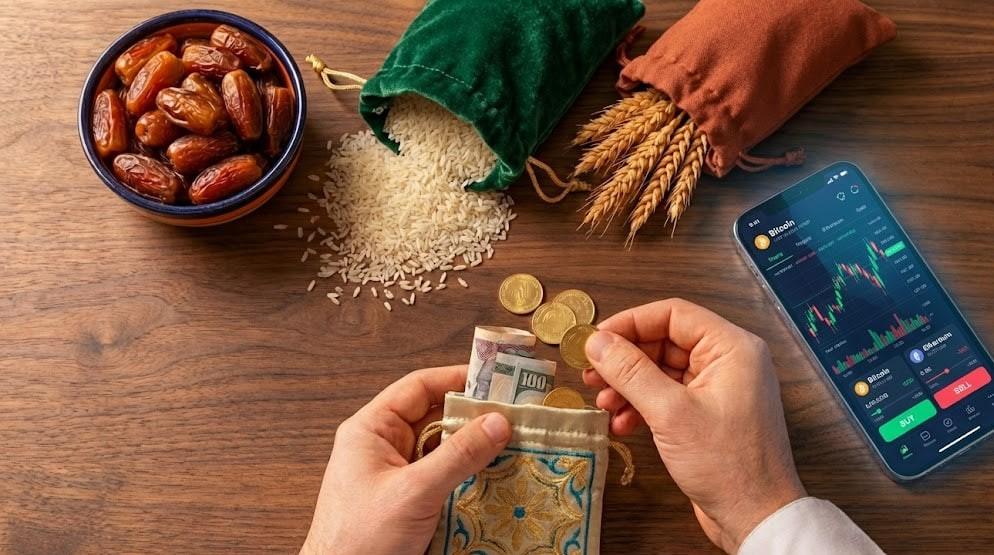
Khums is a mandatory 20% religious obligation in Shia Islam, applicable to a believer’s annual surplus wealth (net savings after expenses) and specific financial gains. By dedicating this “one-fifth” of excess income, Muslims purify their remaining assets and provide critical financial support to orphans, the impoverished, and the propagation of faith.
The Spiritual Economics of Khums: More Than Just a Tax
Imagine a community where no orphan goes hungry and every widow is shielded from financial ruin. This is not a utopian dream; it is the practical application of Khums.
In a world driven by accumulation, holding onto excess wealth while others suffer creates a spiritual blockage. It weighs on the conscience and stagnates the flow of grace (Barakah) in one’s life. You may feel that despite your earnings, something is missing – a sense of peace or purpose.
Khums offers the solution. It is the bridge between your financial success and social justice. By giving 20% of your surplus (not your total income, but what remains after you have lived comfortably), you are not losing wealth. You are securing it. You are transforming cold currency into warmth, shelter, and hope.
Today, thanks to blockchain technology, this ancient obligation has met the speed of the modern world. You can now fulfill your duty instantly, ensuring your contribution reaches the most vulnerable without delay.
The Distinction: Khums vs. Zakat vs. Sadaqa
To understand your financial obligations, it is vital to distinguish between these three concepts:
- Zakat: A general tax paid by all eligible Muslims on specific types of wealth (like gold, silver, and livestock) usually calculated at 2.5%.
- Khums: Specific to Shia jurisprudence, this is a 20% tax on surplus earnings (net savings at the end of your financial year).
- Sadaqa: This is voluntary charity. While highly encouraged to push away calamity, Sadaqa does not replace the mandatory nature of Khums or Zakat.
Calculating Your Contribution: The 20% Rule
The calculation of Khums is rooted in fairness. Islam does not ask you to give what you need for your livelihood. Be sure to consult your specific Marja (religious authority) for nuanced rulings, but the general formula is:
Total Annual Income – Household/Living Expenses = Surplus Wealth
Surplus Wealth x 20% = Khums Amount
If you end your financial year with nothing saved, generally, no Khums is due. However, if you have accumulated savings or assets not used for daily needs, the purification tax applies.
One of the biggest co
Where Does the Money Go? Transparency and Trust
ncerns for donors is: “Will this money actually reach the needy?”
In Shia jurisprudence, Khums is traditionally divided into two equal parts:
- Sehm-e-Imam (The Share of the Imam): Used for the propagation of the faith, religious schools (Hawza), and Islamic institutions.
- Sehm-e-Sadat (The Share of the Descendants): given to needy Sayyids (descendants of the Prophet) who are poor, orphans, or stranded travelers.
Deep trust is required here. You need to know that the organization handling these sacred funds is operating with absolute integrity.
The Role of Social Justice
Khums is the financial engine of social equity. It is designed to circulate wealth from the rich to the poor, preventing the hoarding of resources. It ensures that the most vulnerable members of society – specifically those who have no other safety net – are granted dignity, food, clothing, and education.
The Modern Philanthropist’s Choice
We are living in a digital age, and the way we fulfill our religious obligations is evolving. Donating your Khums via cryptocurrency (Bitcoin, Ethereum, USDT) is not just a trend; it is the most efficient way to maximize the value of your donation. Here is why tech-savvy donors are switching to crypto for Khums:
- Unmatched Speed for Emergencies
When a crisis strikes – be it an earthquake or a family facing eviction – traditional banking takes days to clear international transfers. Cryptocurrency is near-instant. Your Khums can move from your wallet to an aid organization’s wallet in minutes, providing immediate relief where it is needed most. - Radical Transparency (The Blockchain Ledger)
One of the core principles of Islamic finance is Amanah (Trust). Blockchain technology provides an immutable public ledger. This means the movement of funds is traceable. By donating crypto, you are supporting a system that values accountability over obscurity, ensuring your funds are not lost in bureaucratic shadows. - Lower Fees = More Aid
International bank wires and credit card processors often take hefty fees (sometimes up to 5-10% of the transaction). Crypto networks generally operate with fractionally lower costs. This means more of your 20% goes directly to the orphan or the student, rather than into the pockets of banking intermediaries. - Direct Global Reach
Crypto ignores borders. It allows you to send Khums from anywhere in the world to organizations serving the most destitute regions without currency conversion losses or governmental red tape.
Purify Your Wealth Today
Fulfilling the obligation of Khums is not just about avoiding sin; it is about embracing a lifestyle of generosity. It is about acknowledging that all wealth belongs to the Divine, and we are merely custodians.
When you pay Khums, you are washing your wealth of greed and planting seeds of prosperity for your community and your afterlife. Do not delay this obligation. The needs of the poor are urgent, and your surplus has the power to change lives immediately.
Calculate and Pay Your Khums in Crypto Now