Giving Zakat to Palestine: Your Crypto Contribution Matters
By giving just 2.5% of your crypto wealth as Zakat to Palestine, you can save lives, feed the hungry, provide clean water, medicine, and shelter to displaced families, support women’s health and hygiene, and help rebuild hospitals, water systems, and roads. Your Zakat not only fulfills your Islamic duty but also becomes a lifeline for our brothers and sisters in need.
Your Zakat will be spent in the best way: Saving the Lives of Palestinian Muslims.
Bitcoin
Ethereum
Solana
Tether
Your Islamic Duty as a Muslim: Save Palestinian Muslims
Just by donating 2.5% of your wealth, you can make a big difference in the lives of Palestinians. By paying Zakat as an obligatory religious payment to Palestine, you will both fulfill your Islamic duty as a Muslim and save Palestinian Muslims.
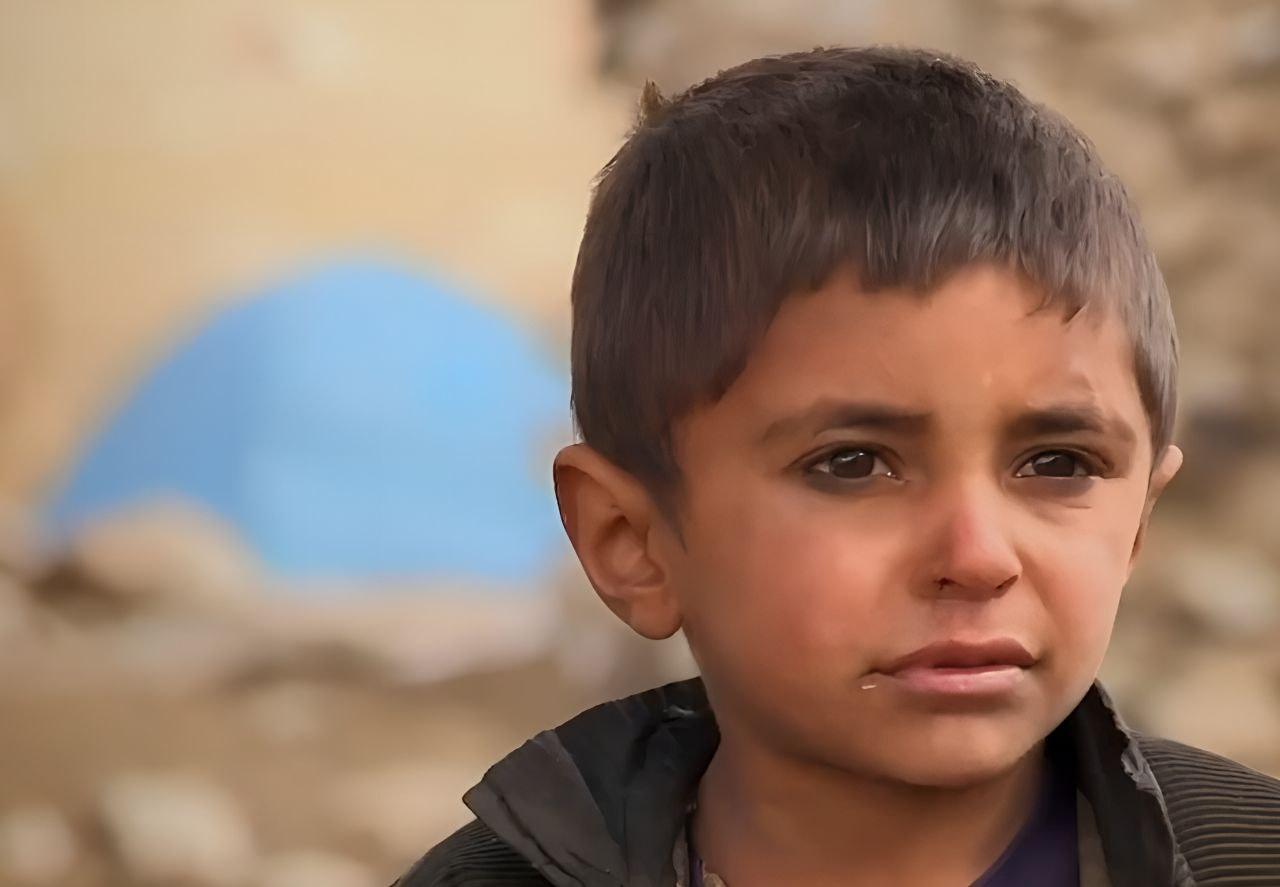
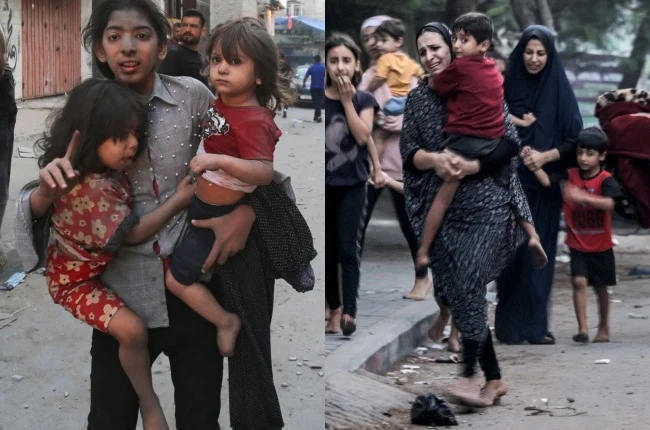
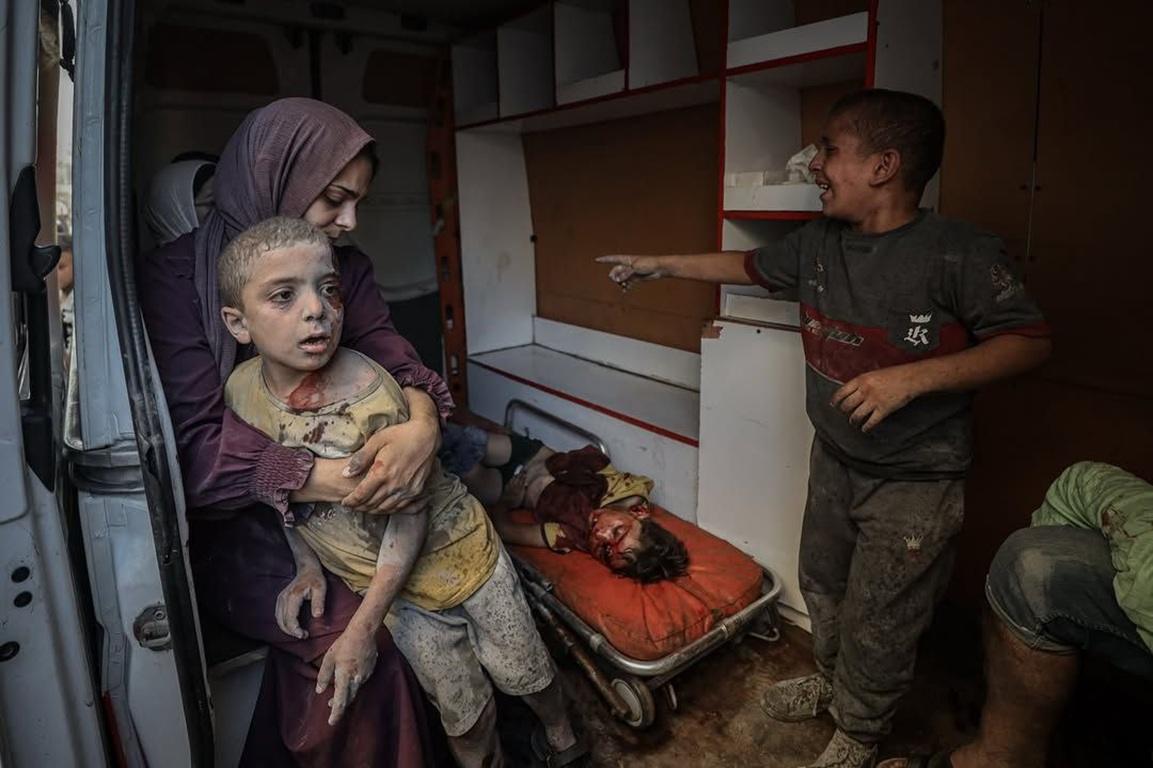
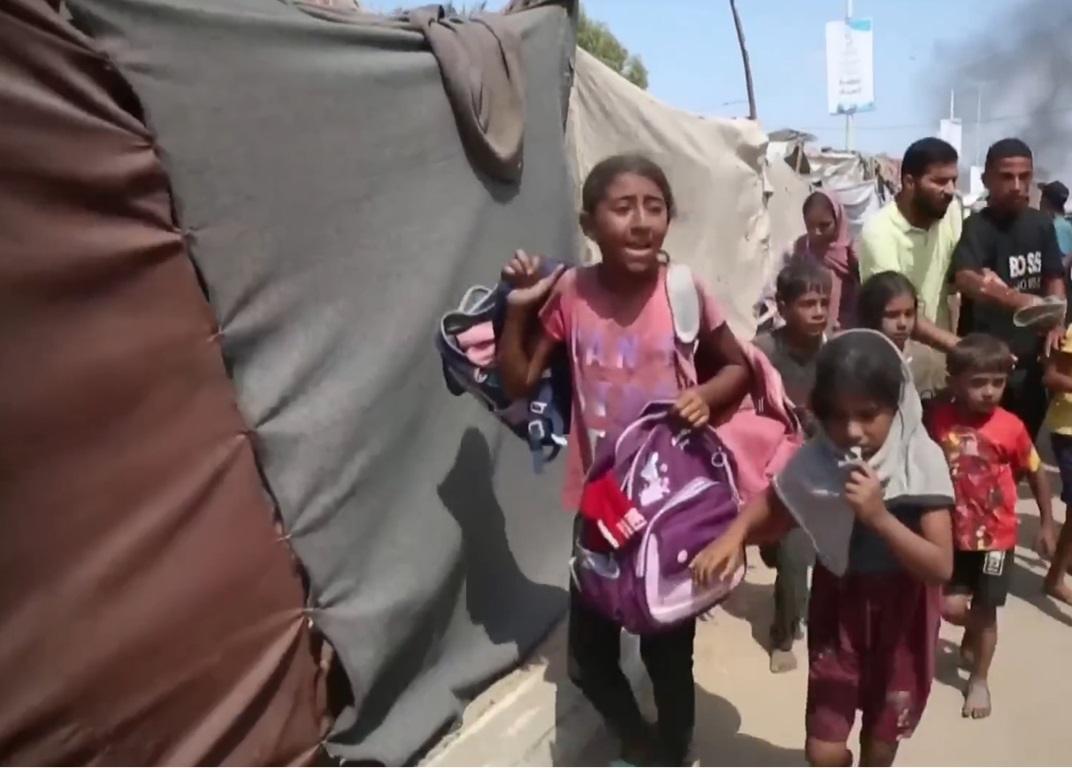
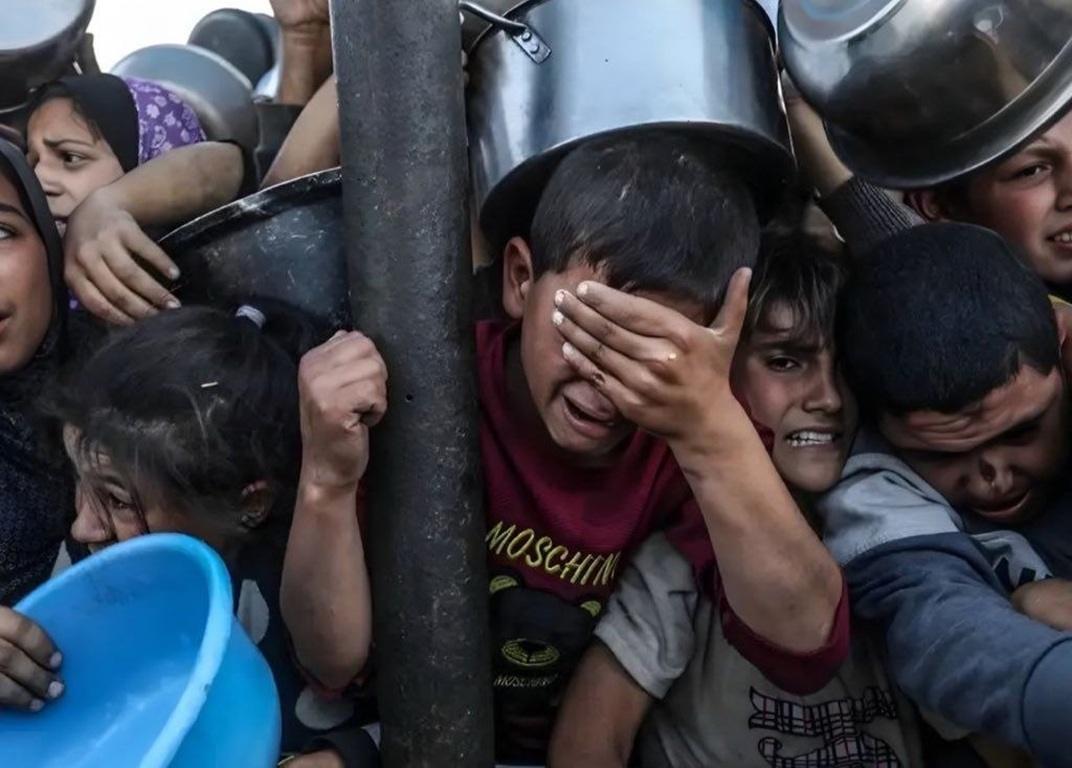
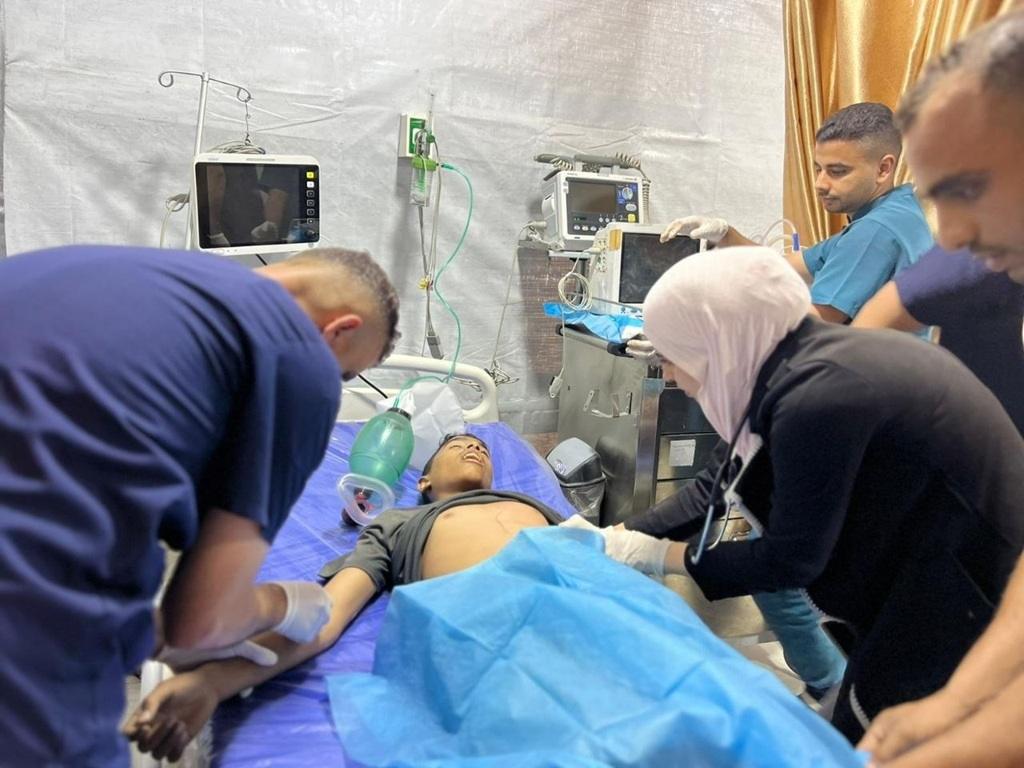
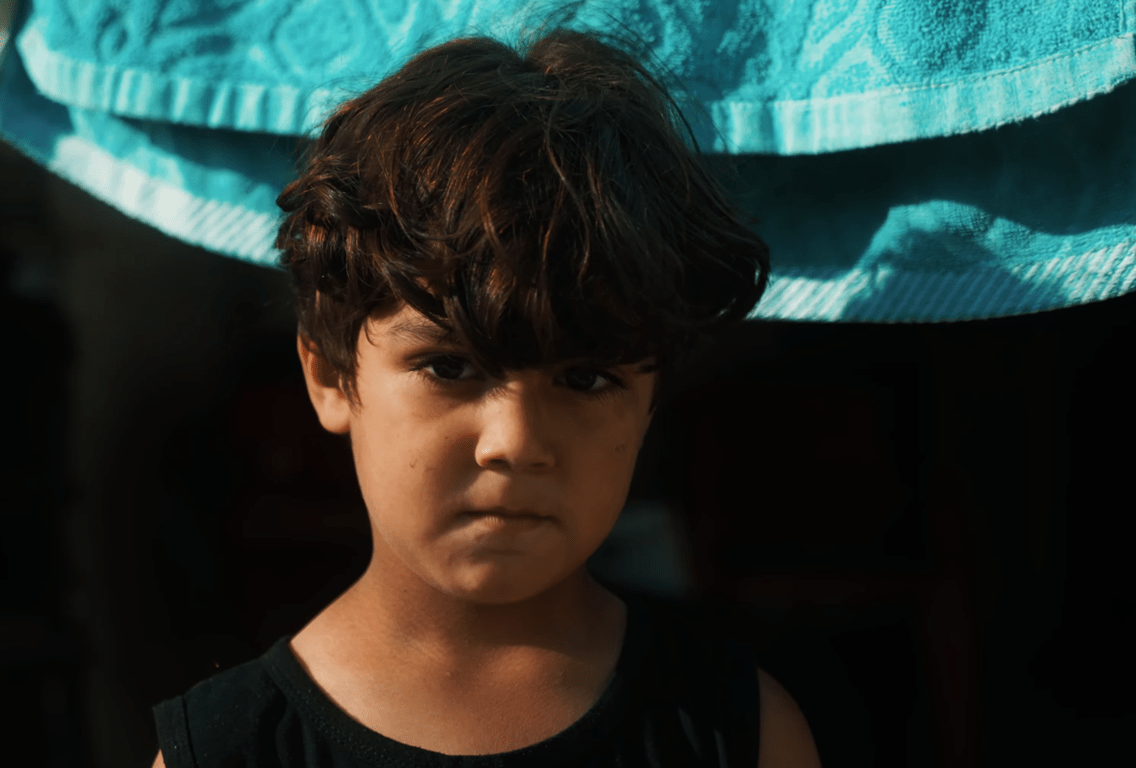
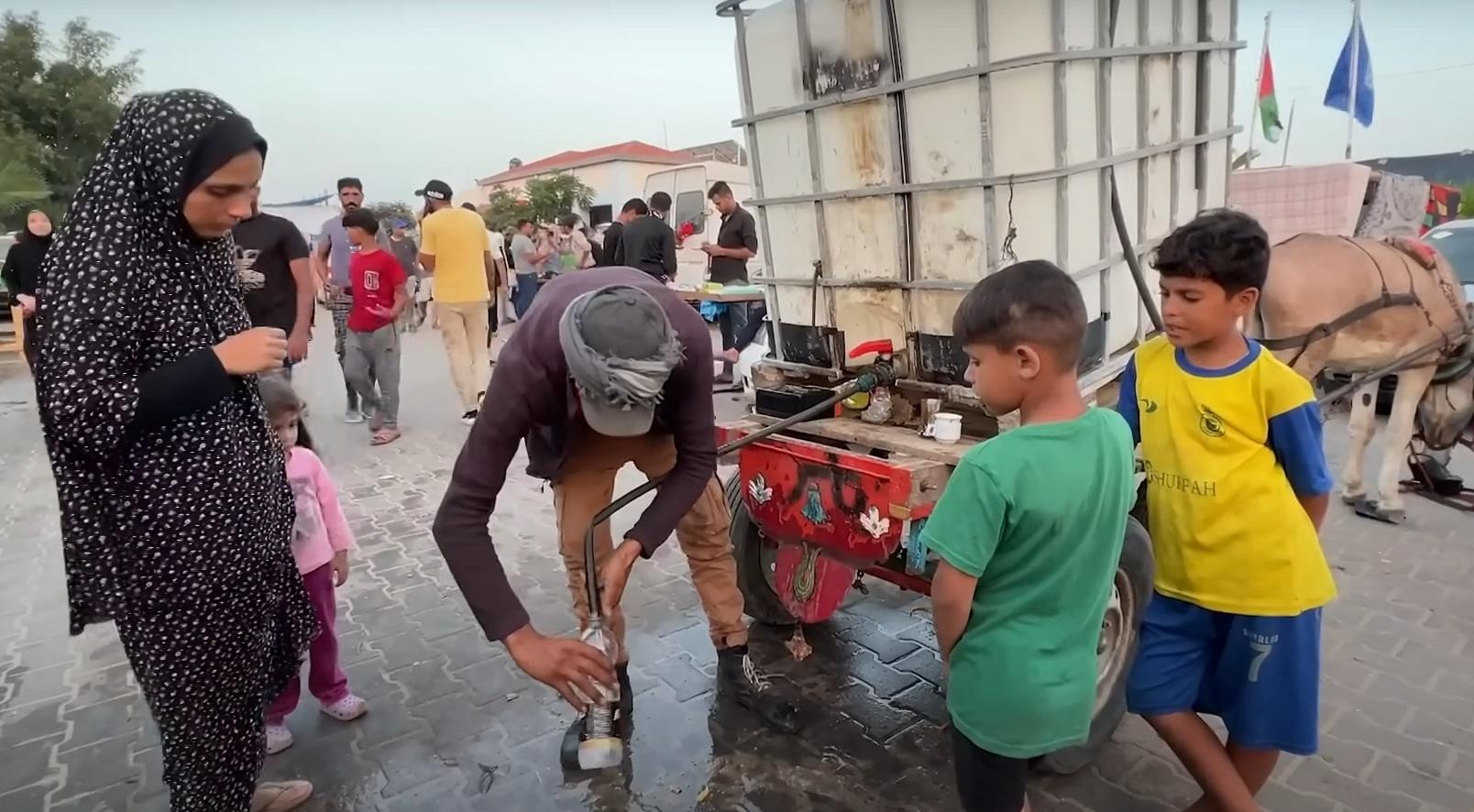
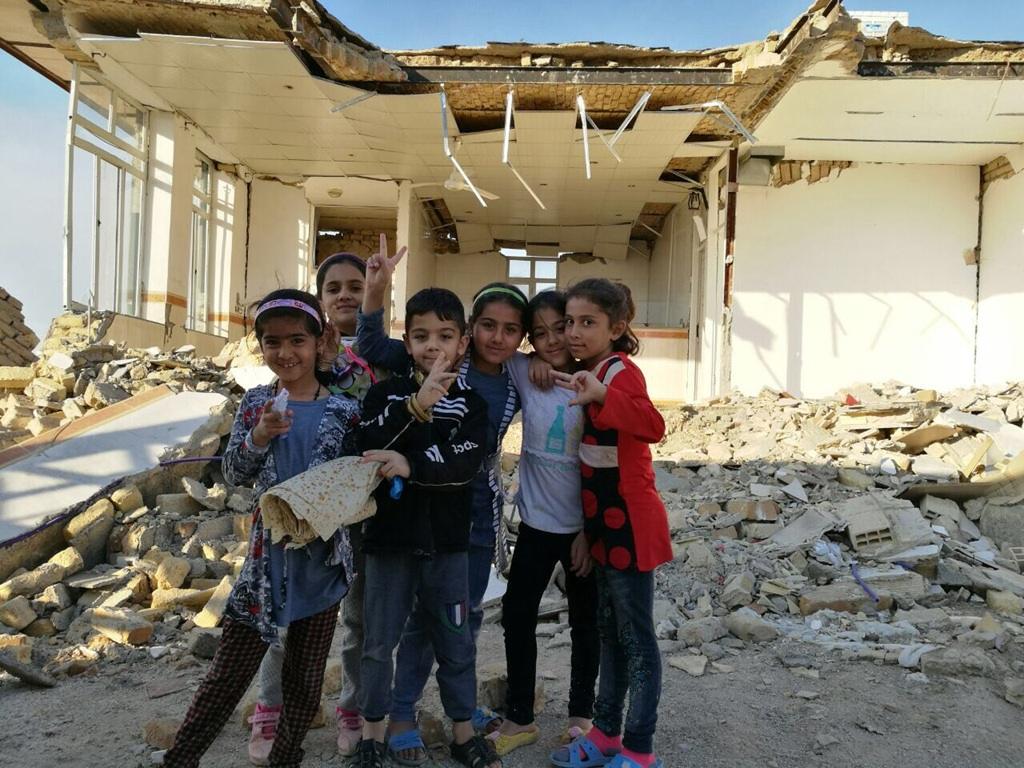
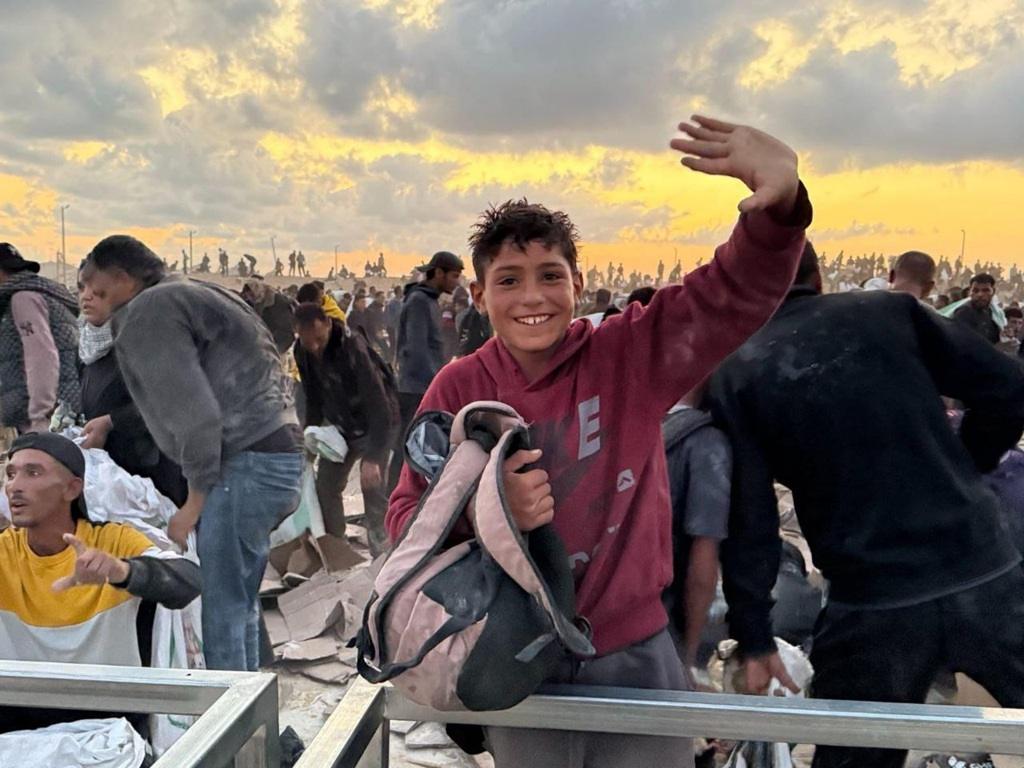
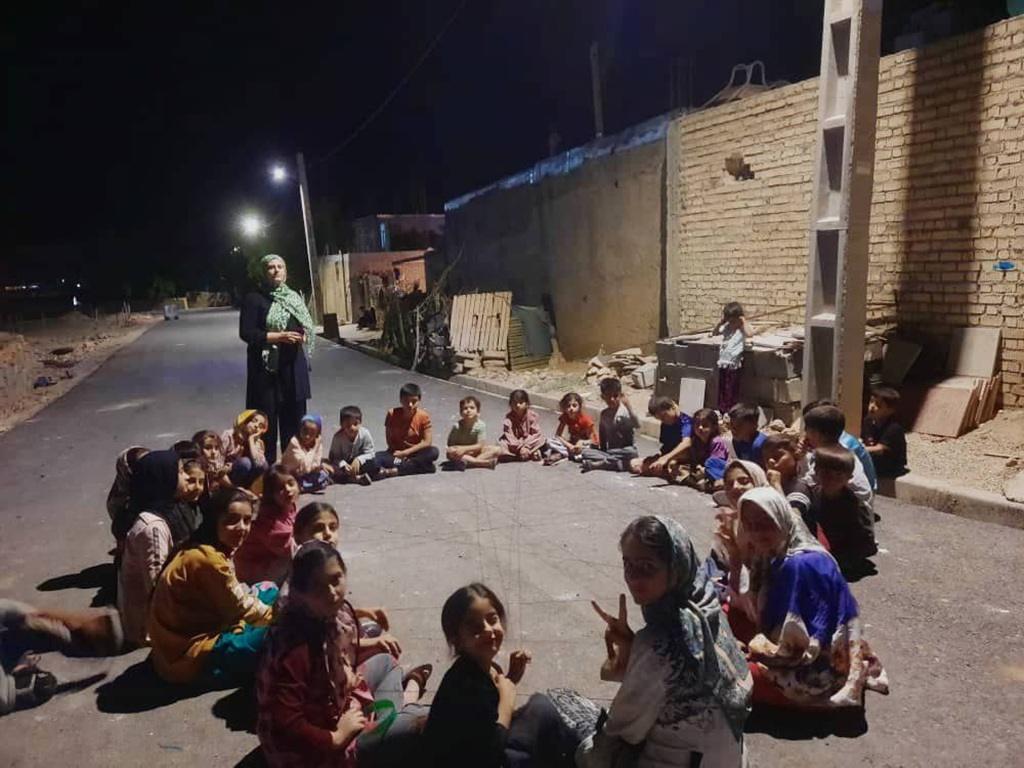
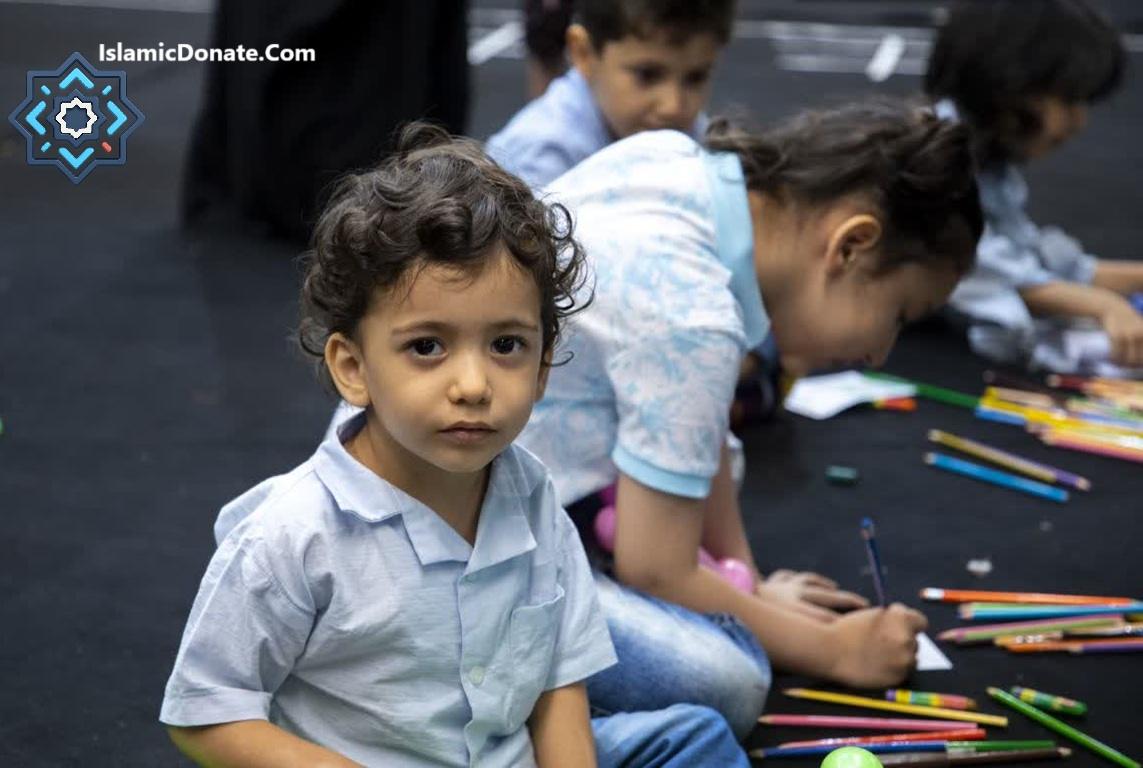
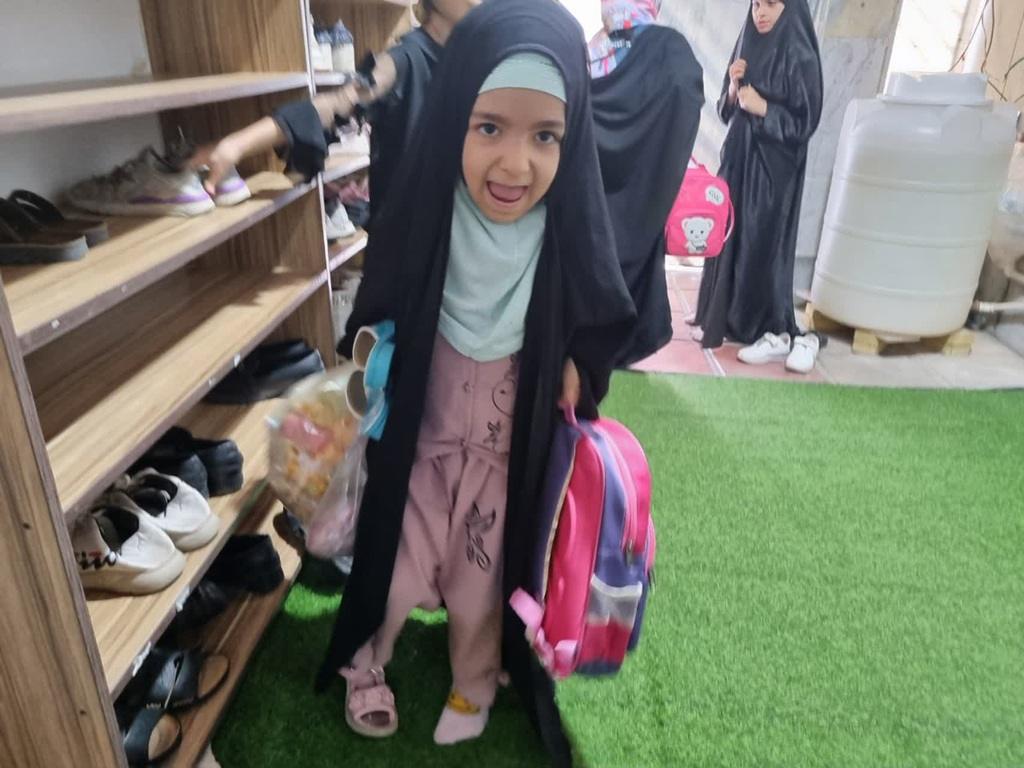
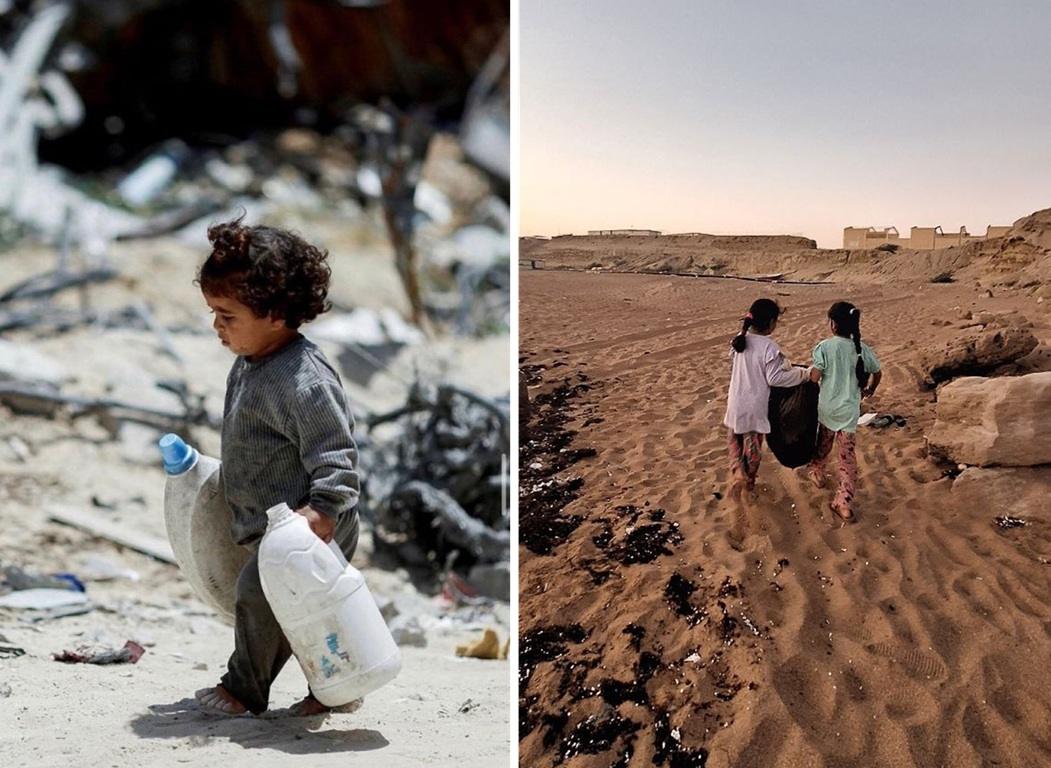
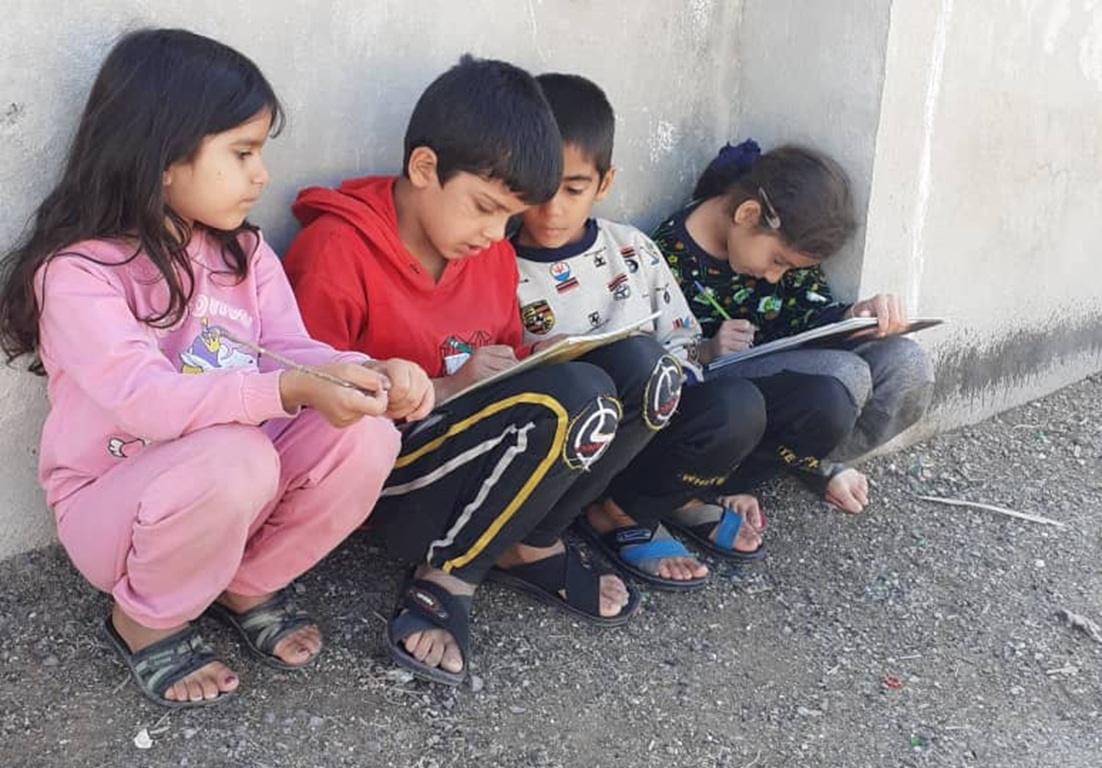
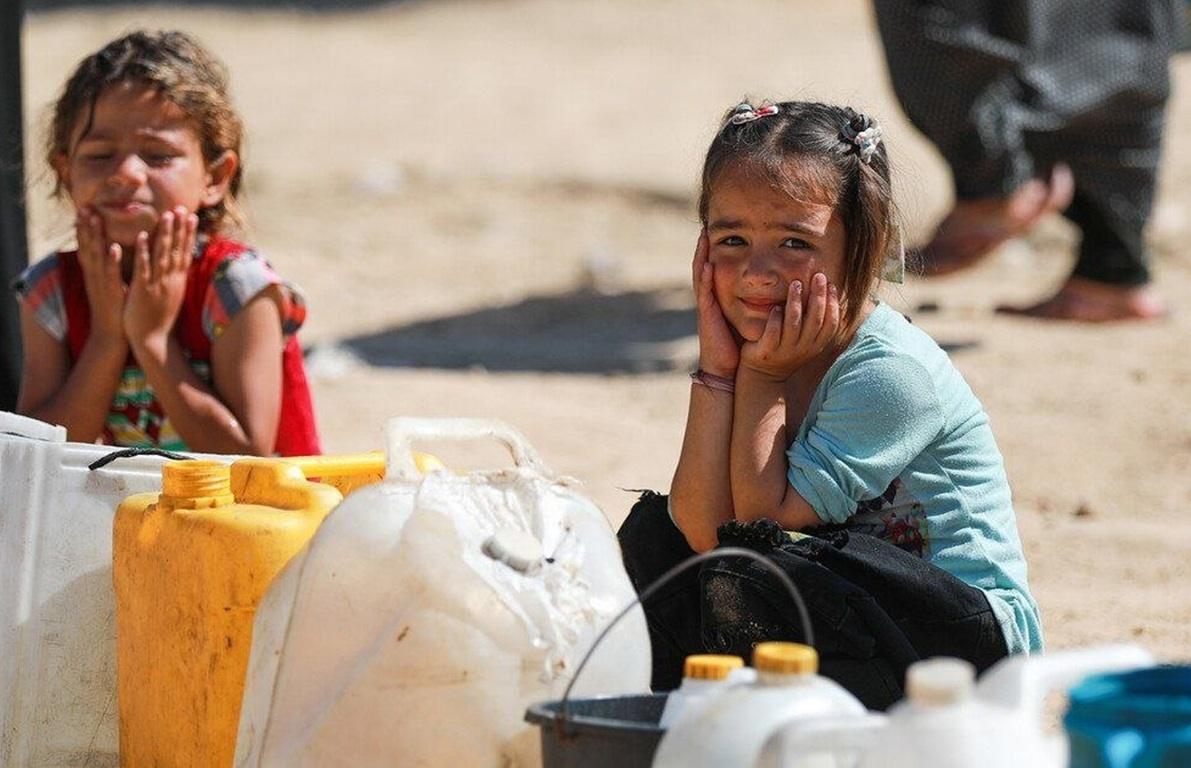
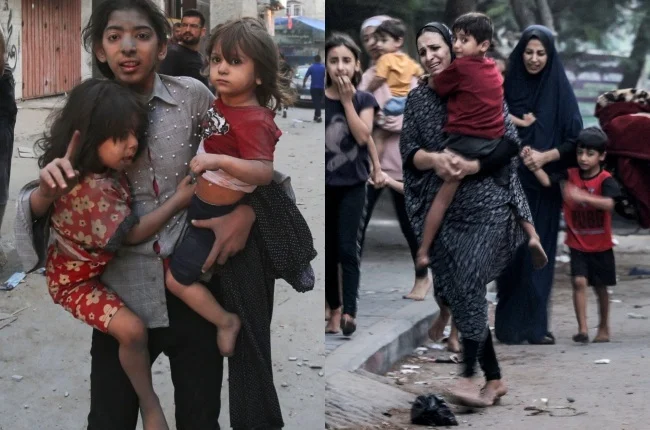
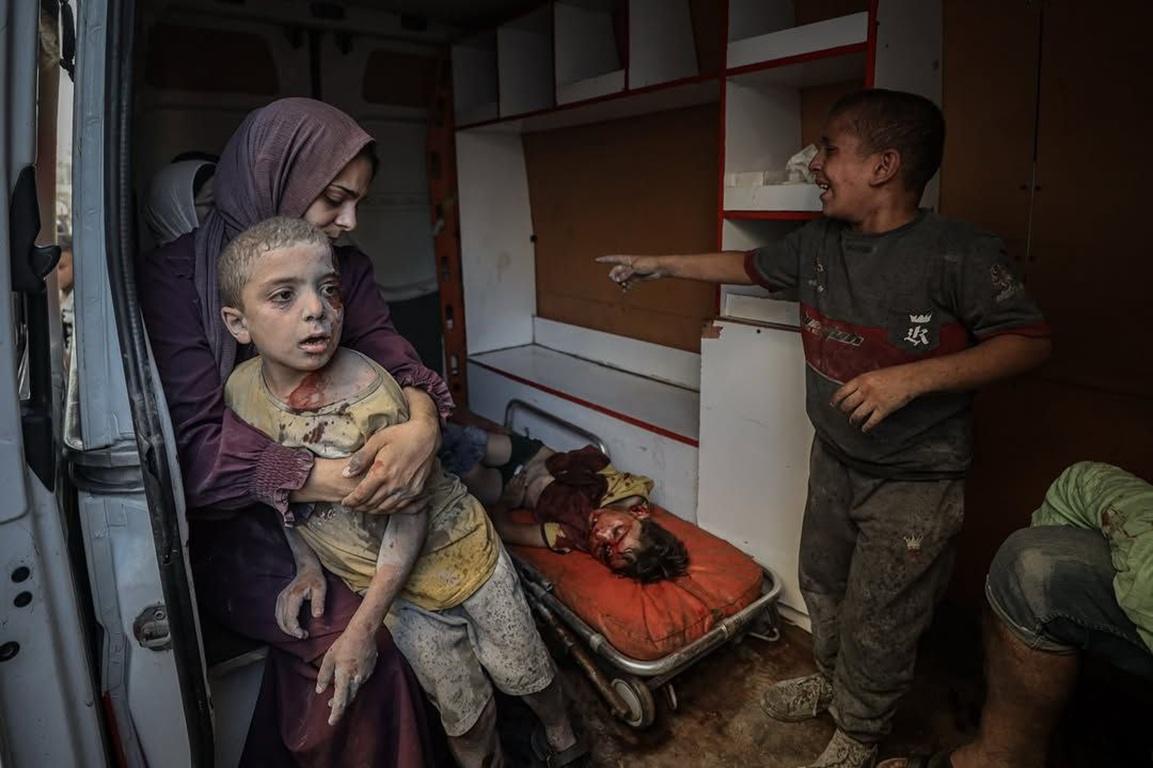
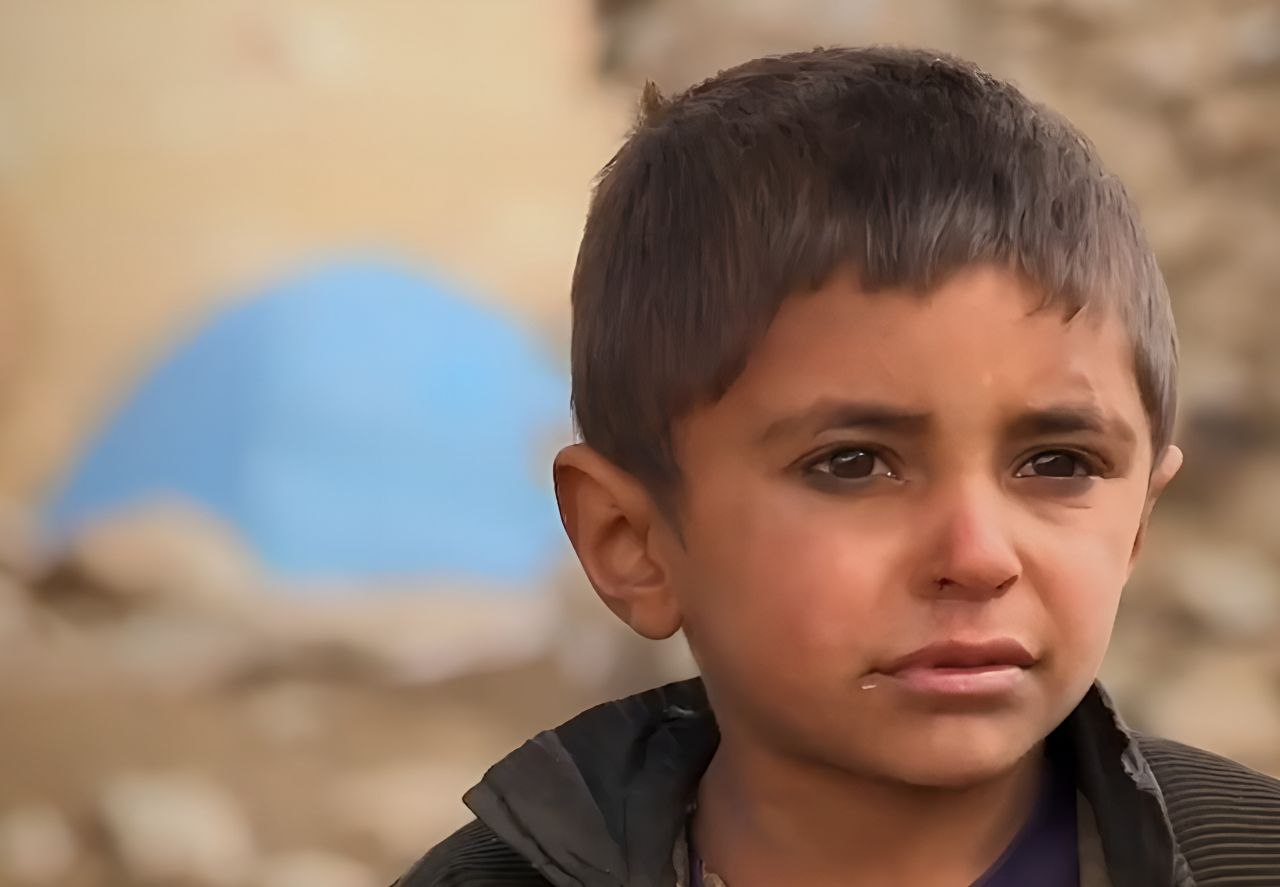
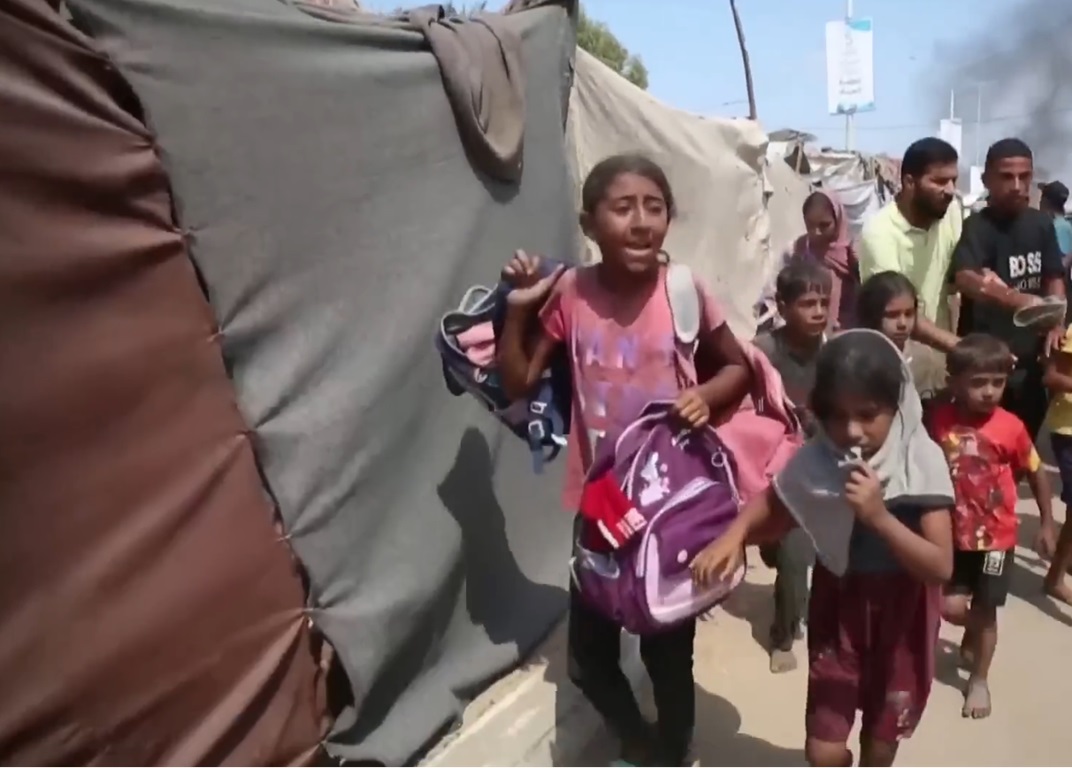
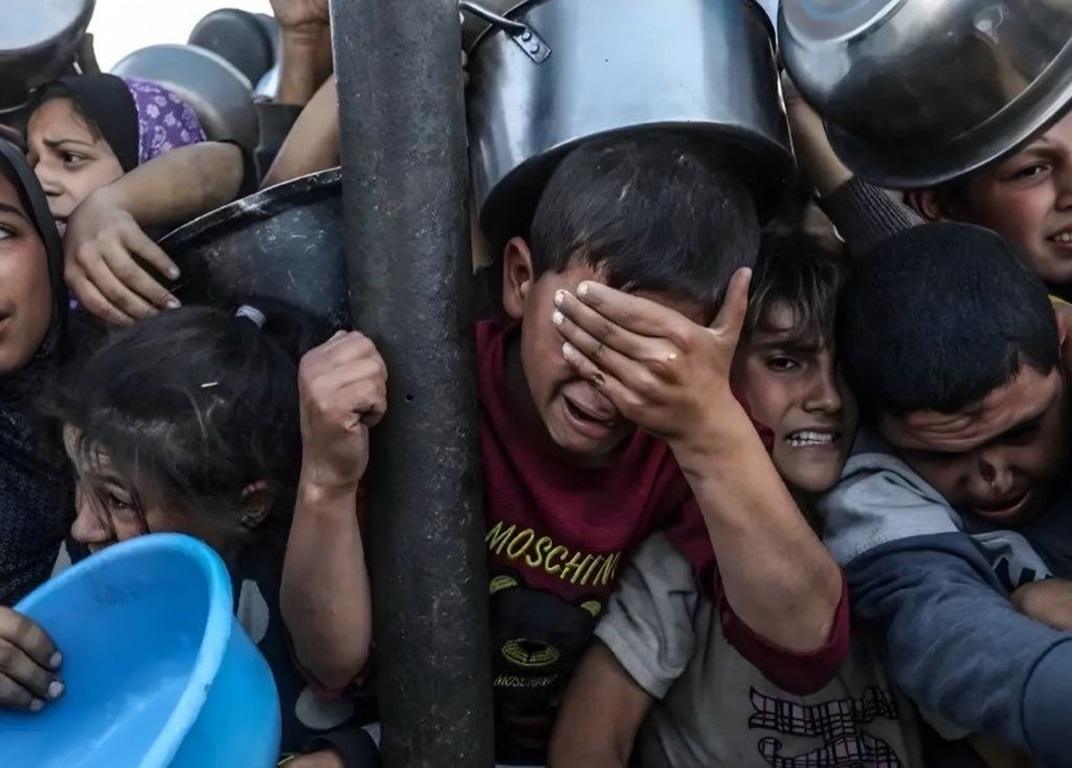
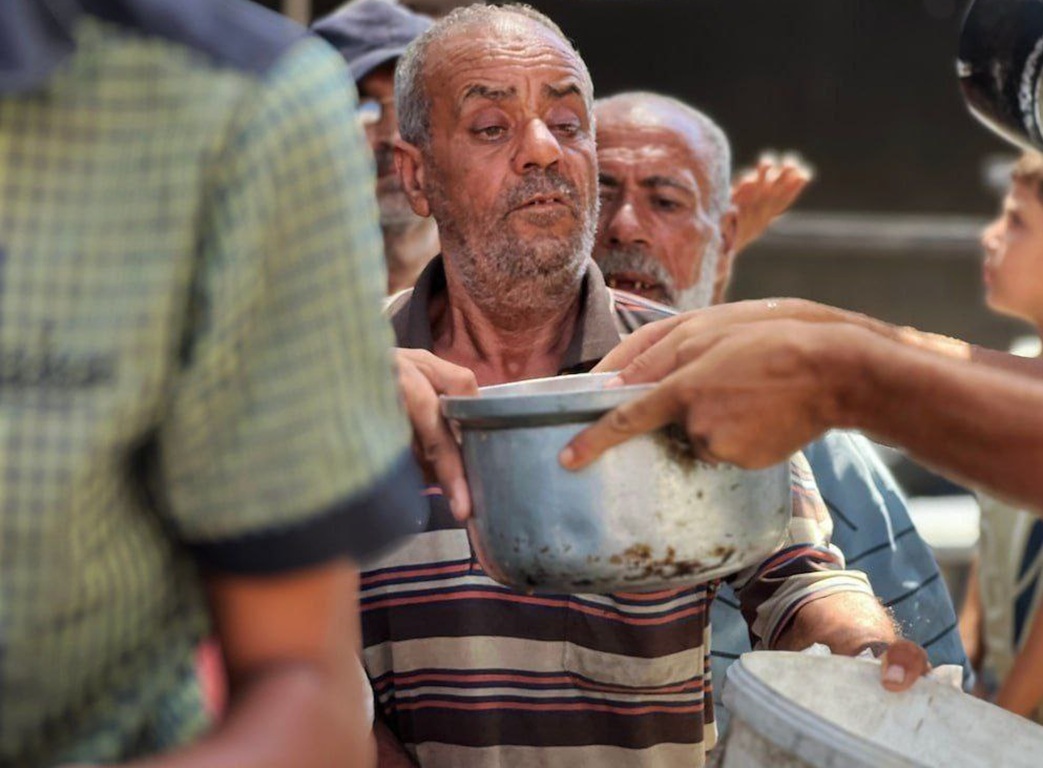
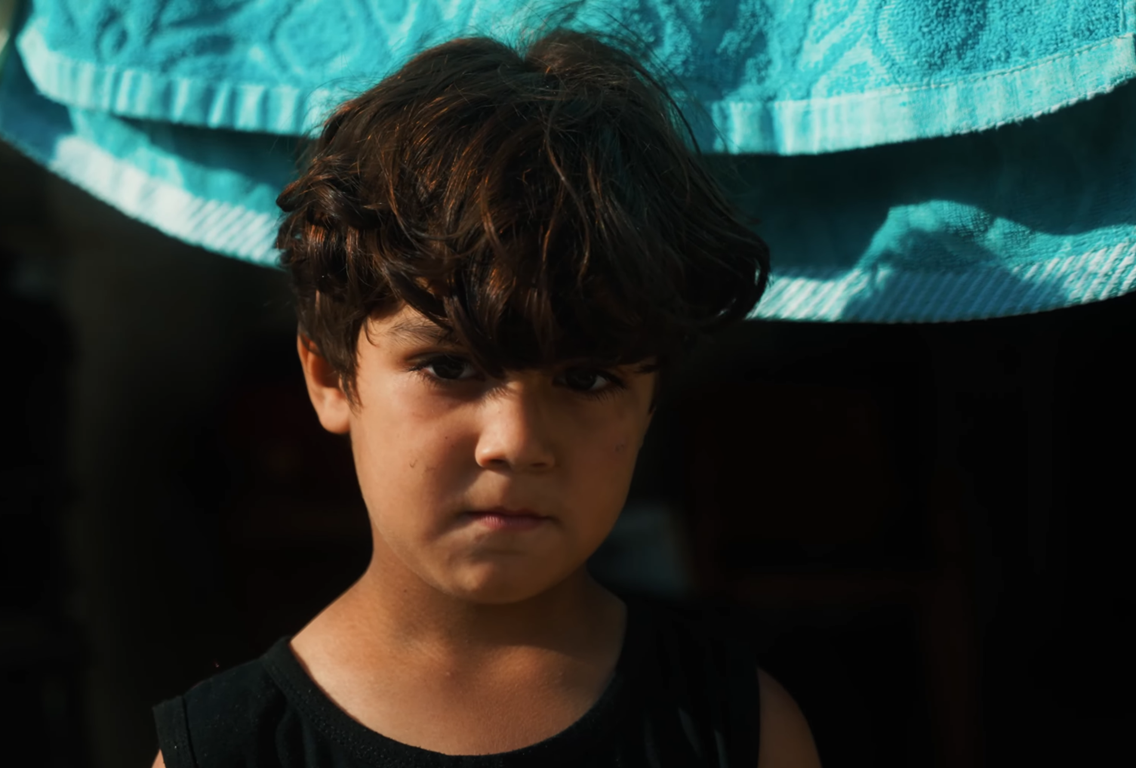
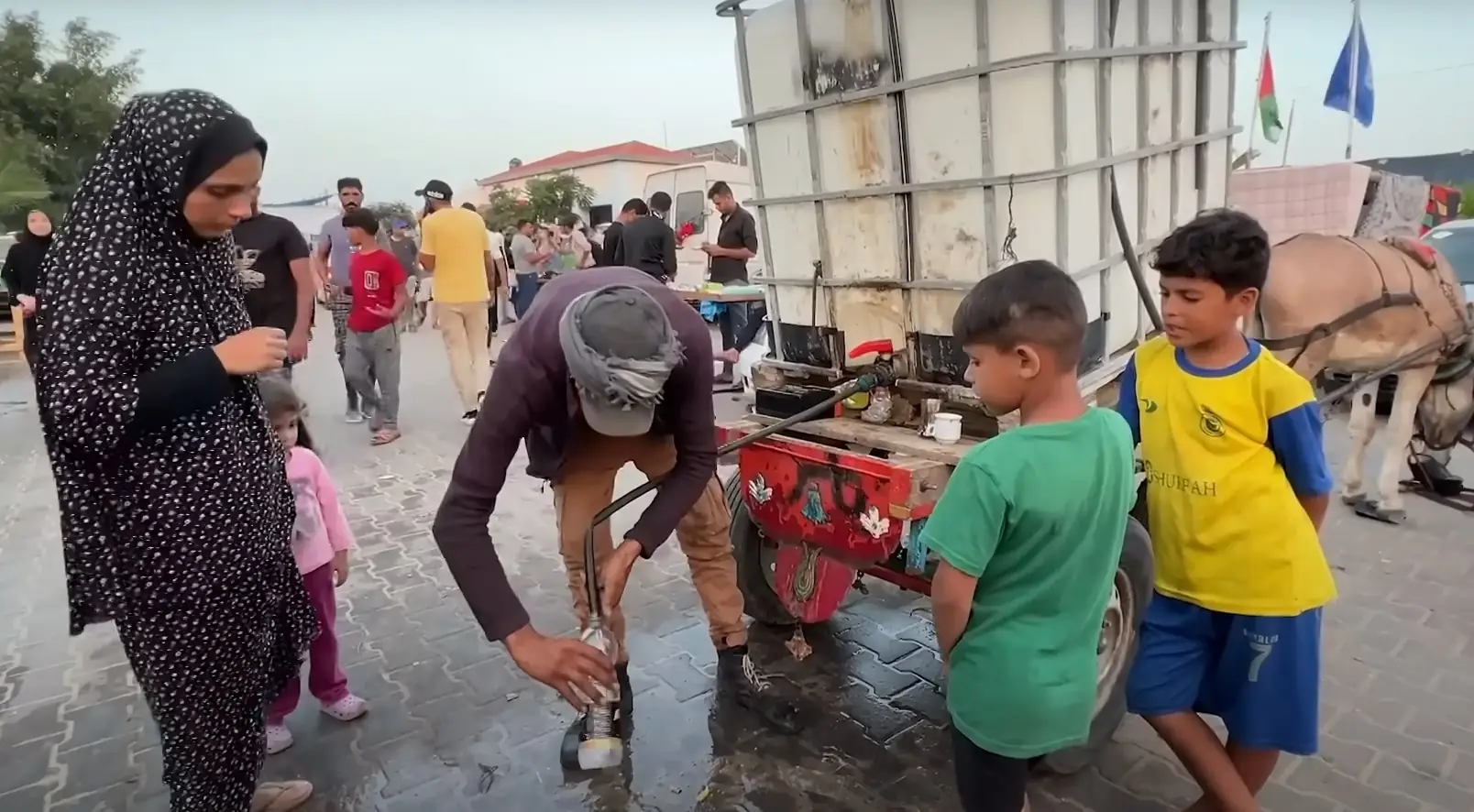
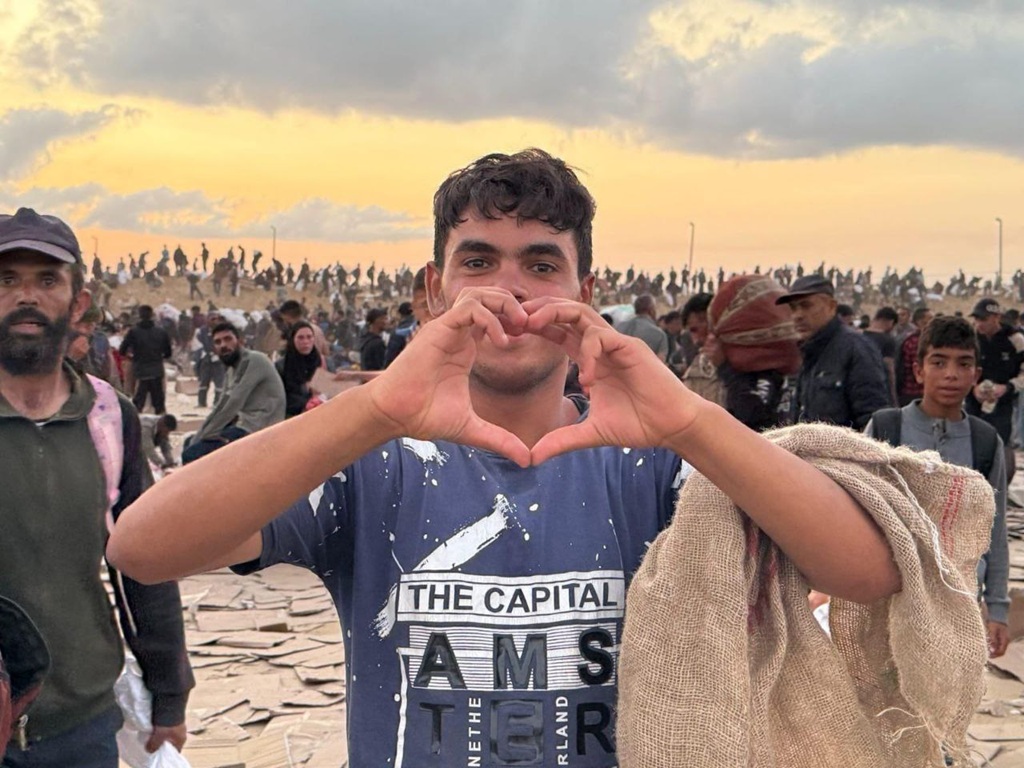
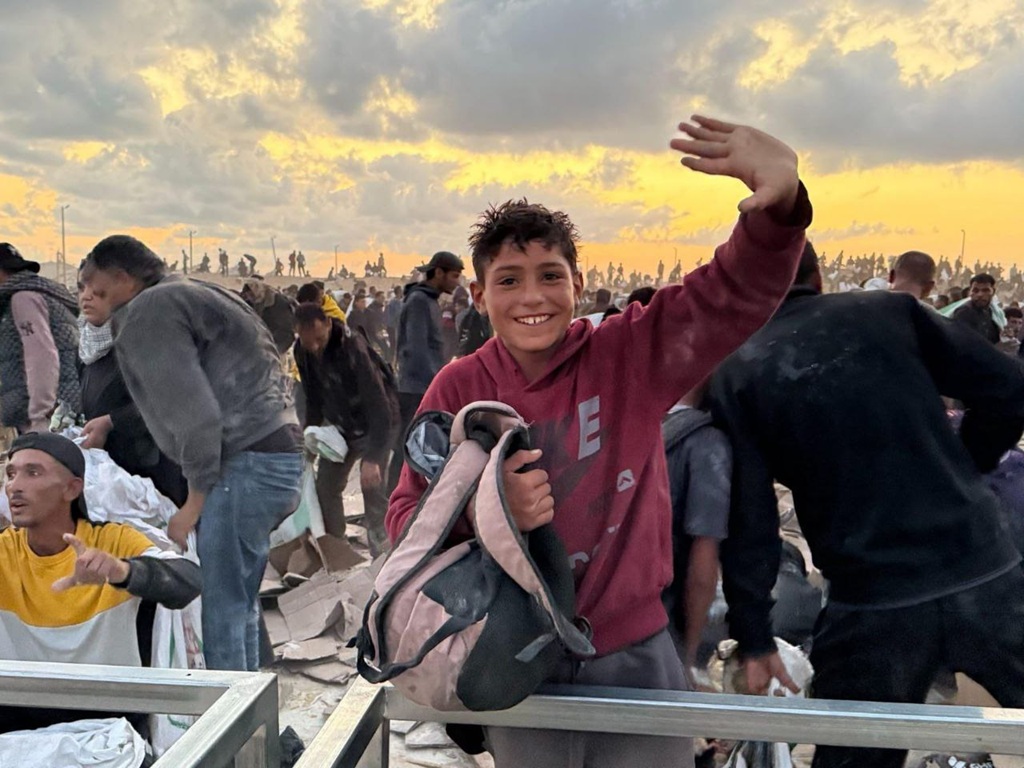
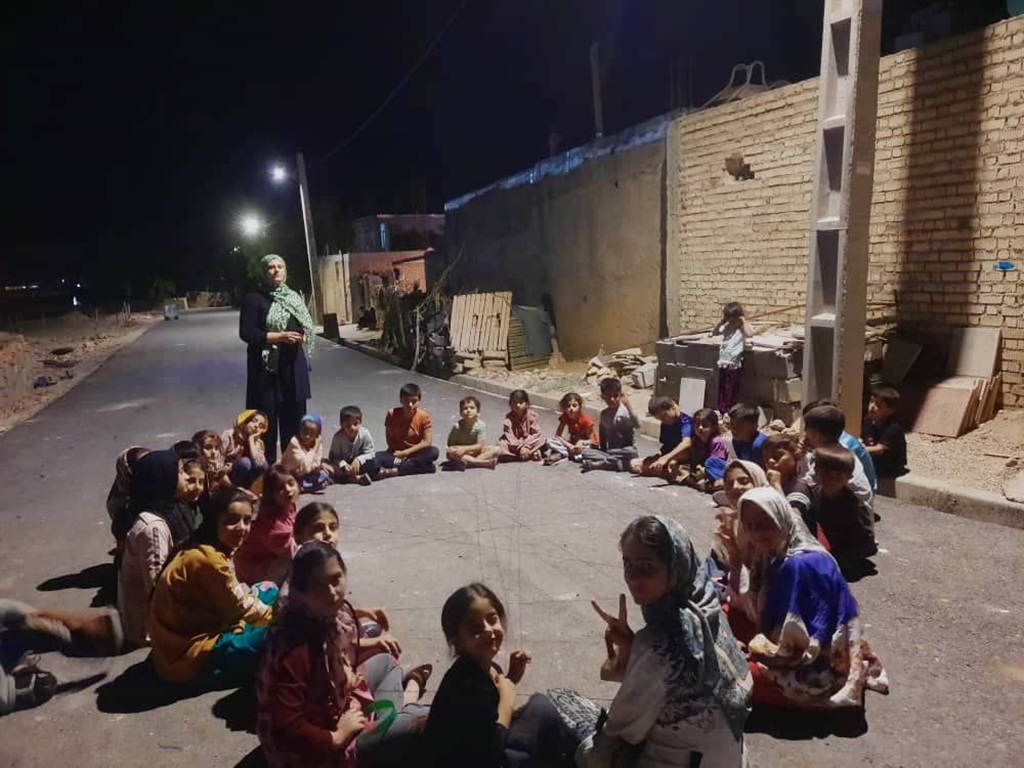
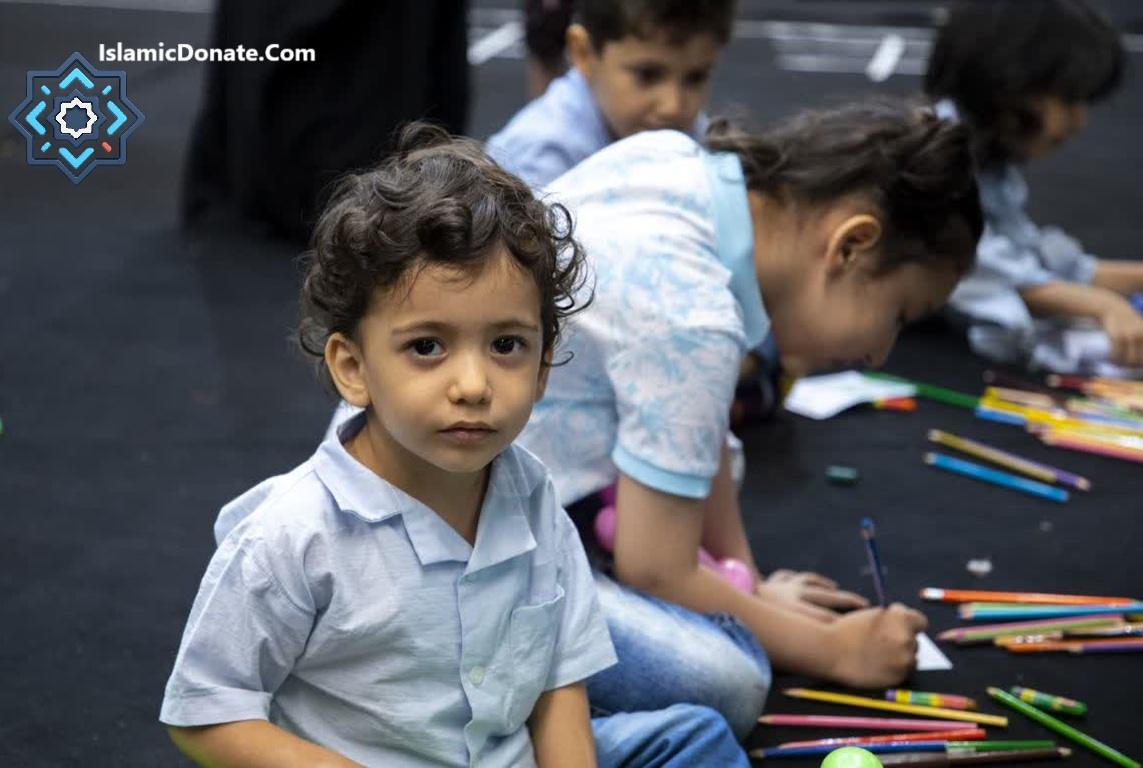
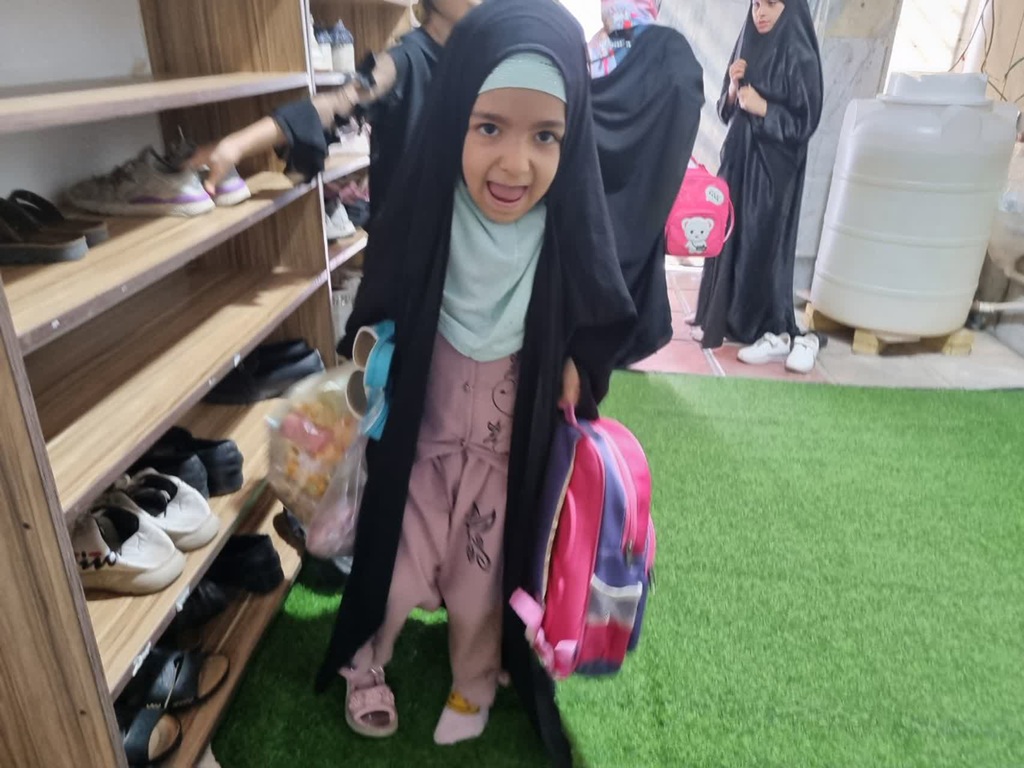
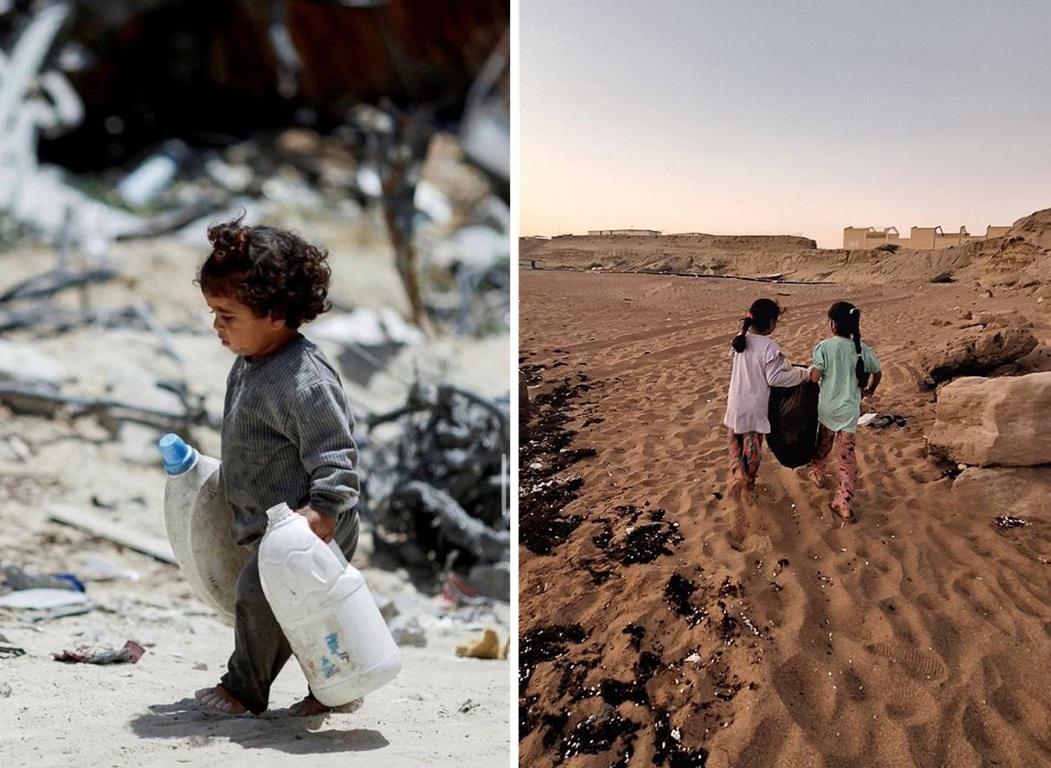
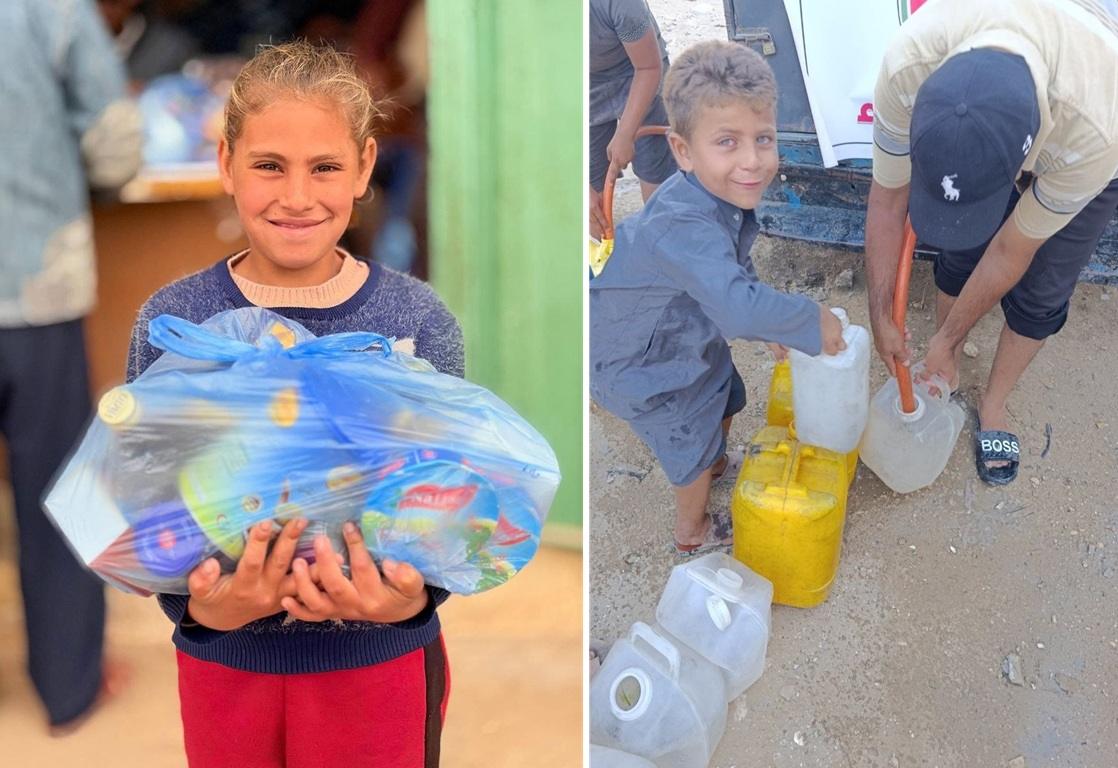
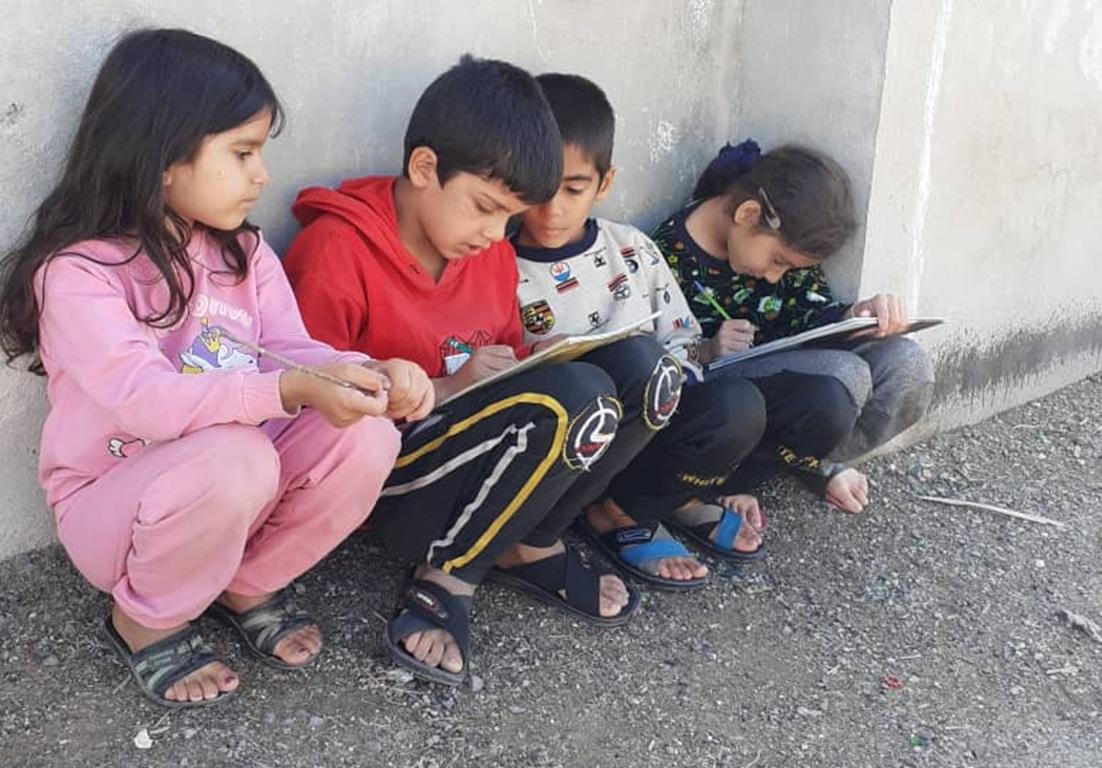
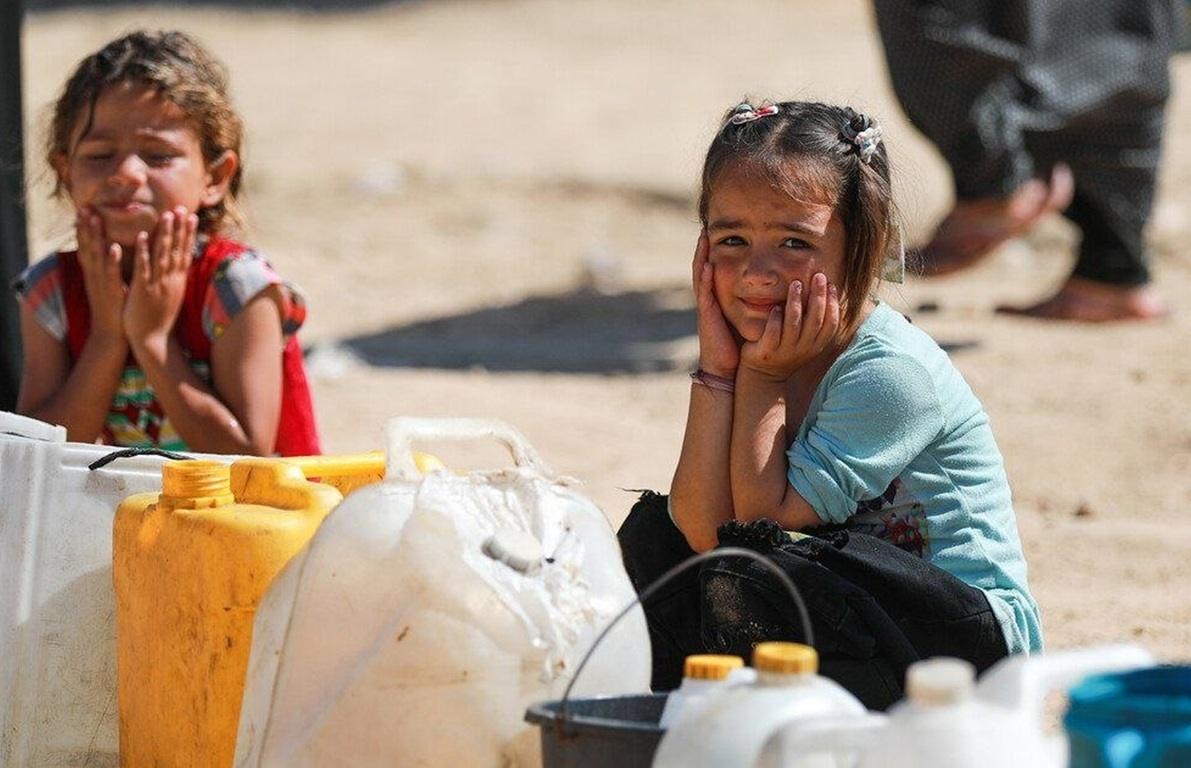
In Palestine, the crisis weighs most heavily on children, whose inherent vulnerability intensifies the hardships they face. Forced to navigate a reality designed for adults, these children often lose their youth to the daily struggle for survival, taking on heavy responsibilities just to meet their basic needs. Palestinian children struggle daily to access clean water and food.
Quick Q&A
What is Zakat? Zakat is an obligatory(Wajib) charitable payment that every Muslim must pay. It is equal to 2.5% of all wealth held for a lunar year. Every Muslim is required to calculate it and help other Muslims in the way of Allah.
What is crypto Zakat? Cryptocurrency Zakat is the payment of the obligatory 2.5% of your crypto assets to support the needy, including the oppressed and struggling people of Palestine. It is a modern way to fulfill your religious duty while utilizing the technology of blockchain for transparency and ease of transfer.
How much is crypto Zakat? The standard rate of Zakat is 2.5% of your total crypto wealth held for a lunar year. The percentage of crypto Zakat, like the rest of your assets, is equal to the same 2.5%. You can use this Zakat calculator link to calculate your Zakat with your cryptocurrency holdings.
Can I donate to Palestine? Yes, absolutely. In Islam, faith is the only factor that differentiates individuals, not nationality or country borders. As Allah says in the Quran: “Indeed, this, your religion, is one religion, and I am your Lord, so worship Me.” (Surah Al-Anbiya, 21:92)
Can I donate anonymously? Yes. In fact, Allah praises those who give charity in secret: “If you disclose your charitable expenditures, they are good; but if you conceal them and give them to the poor, it is better for you…” (Surah Al-Baqarah, 2:271)
What cryptocurrency can I give Zakat with? All cryptocurrencies we have introduced for donation to Palestine have been reviewed according to Islamic Sharia and are halal. This includes Bitcoin, Ethereum, Ripple, Solana, Litecoin, BNB and stablecoins like Tether, USDC and more.
Is it tax-free? Yes, donating cryptocurrency is tax-deductible.
Can I give part of the Zakat to Palestine? Yes, you can allocate part of your Zakat to Palestine and the remaining portion to other projects, such as supporting orphans, women’s health programs, and education initiatives.
Is reconstruction being helped? Yes. Your Zakat supports the reconstruction and equipping of public infrastructure, including urban water systems, hospitals, and roadways.
How is Zakat Spent to Help the Palestinian People?
In many regions of Palestine, traditional economic and banking infrastructures are virtually non-existent. Similar to other conflict zones, your crypto Zakat bypasses these systemic hurdles by integrating directly into local supply chains. The digital assets are either used to purchase essential goods immediately or converted into local fiat currency to facilitate the procurement of the following items:
Food aid
Water aid
Medicine help
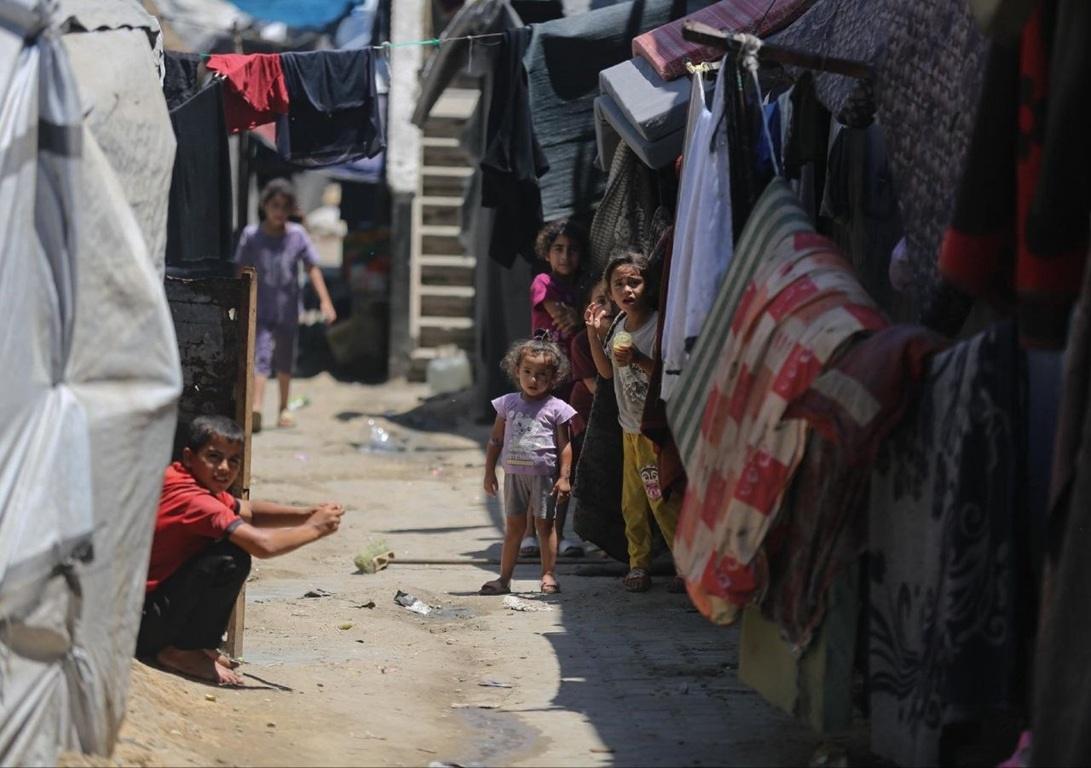
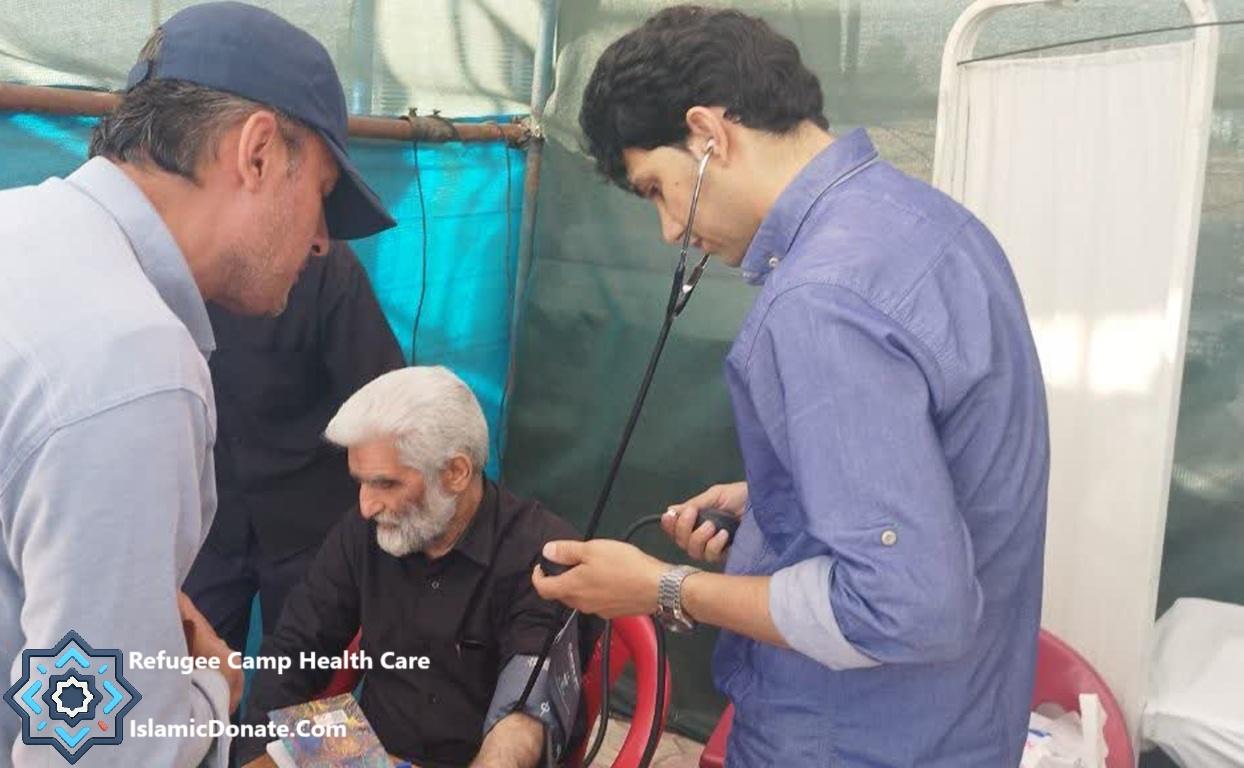
Providing for the needs of informal refugee camps
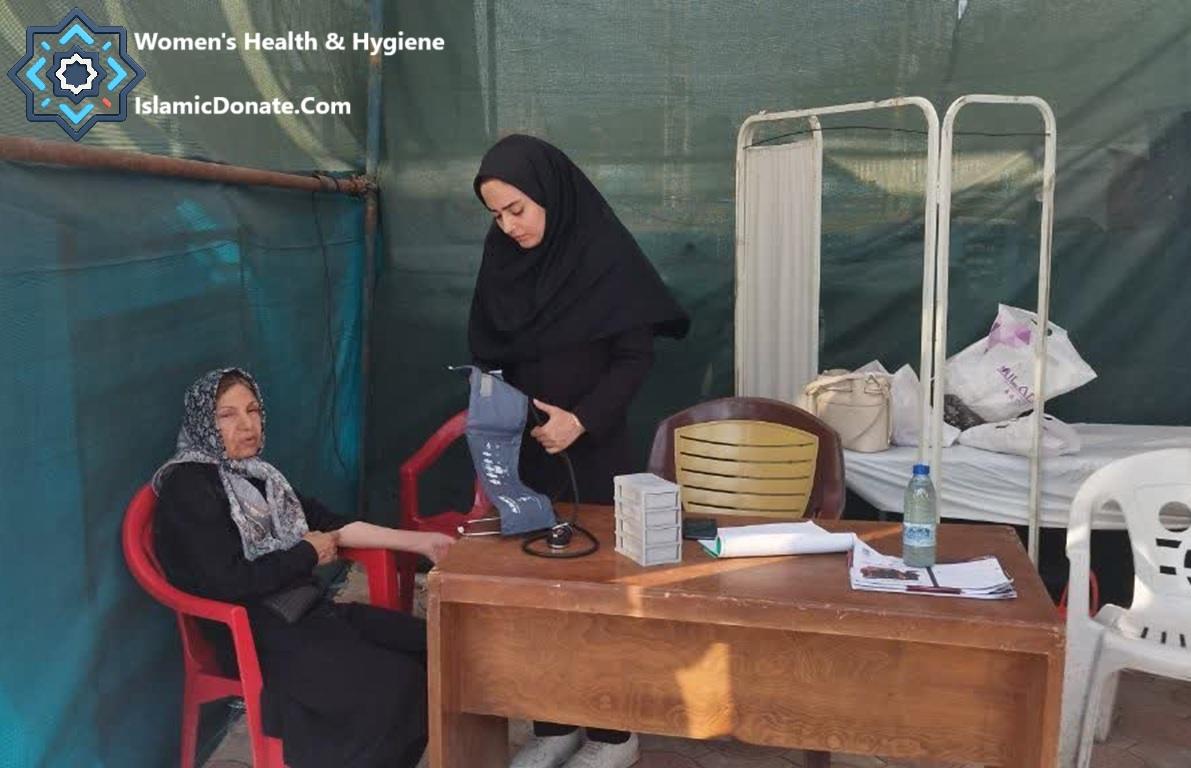
Public health (Especially women’s health and hygiene)
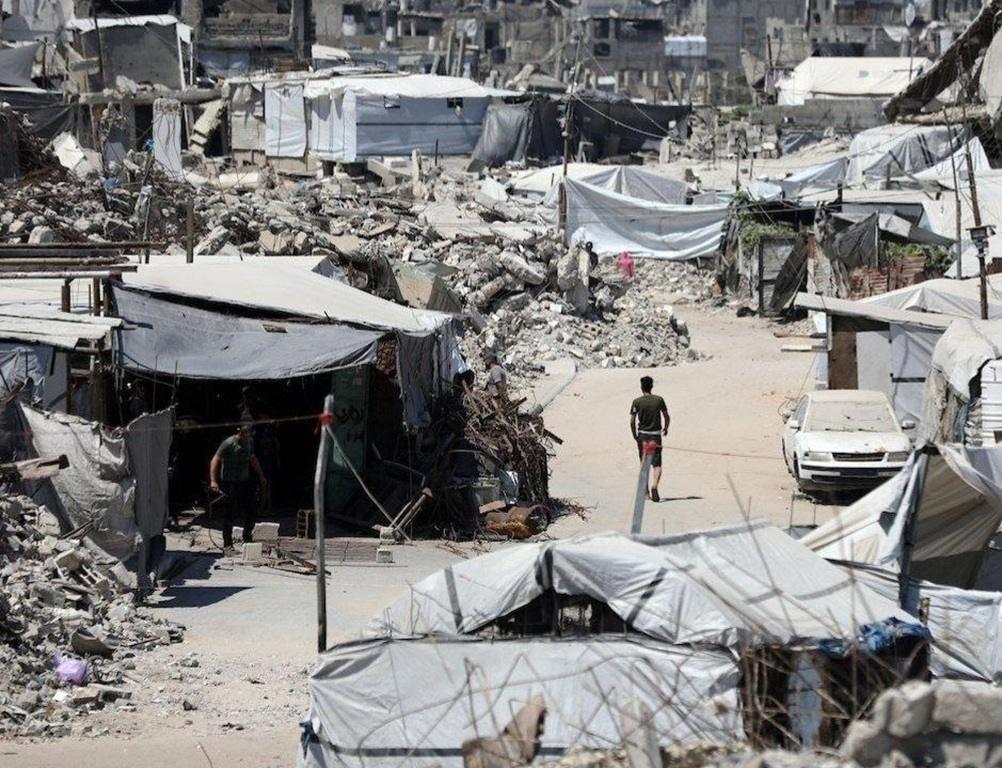
Reconstruction and equipping public places
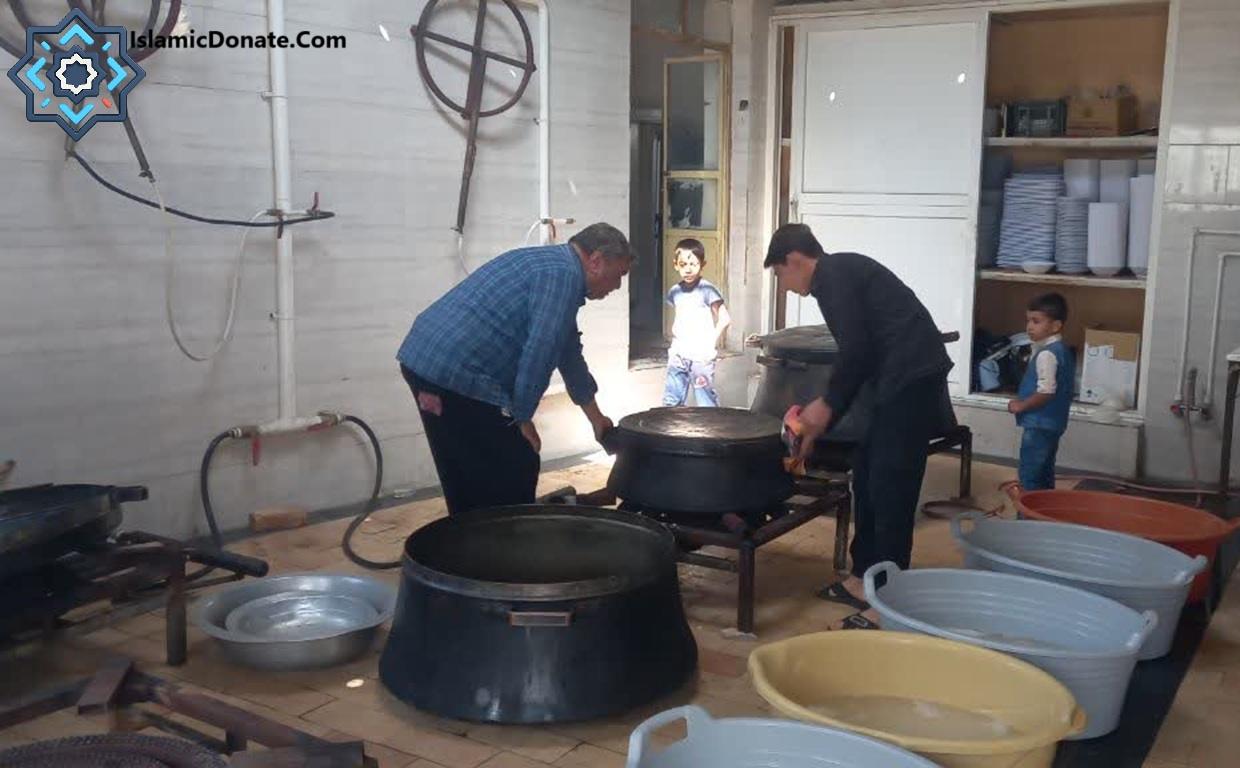
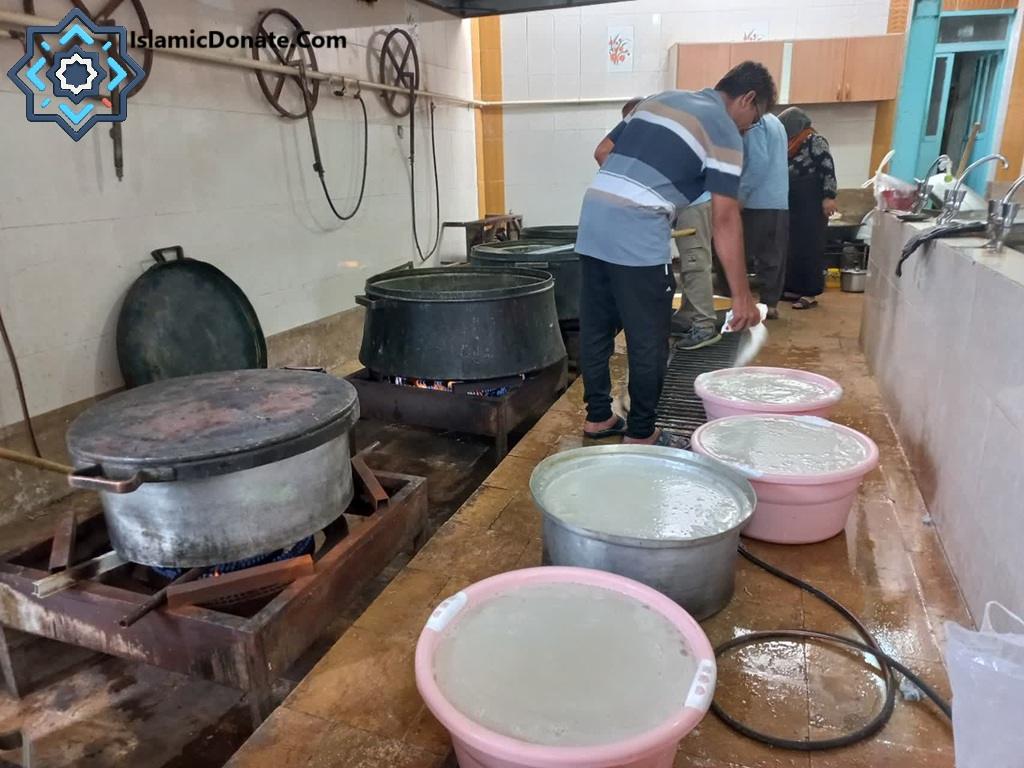
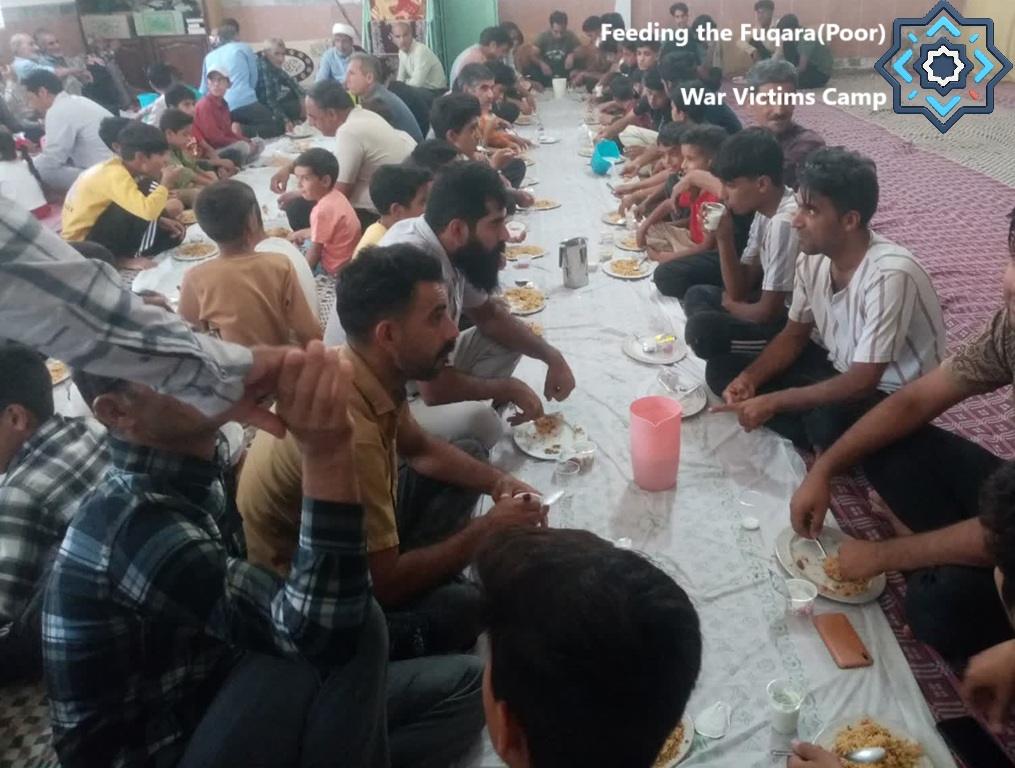
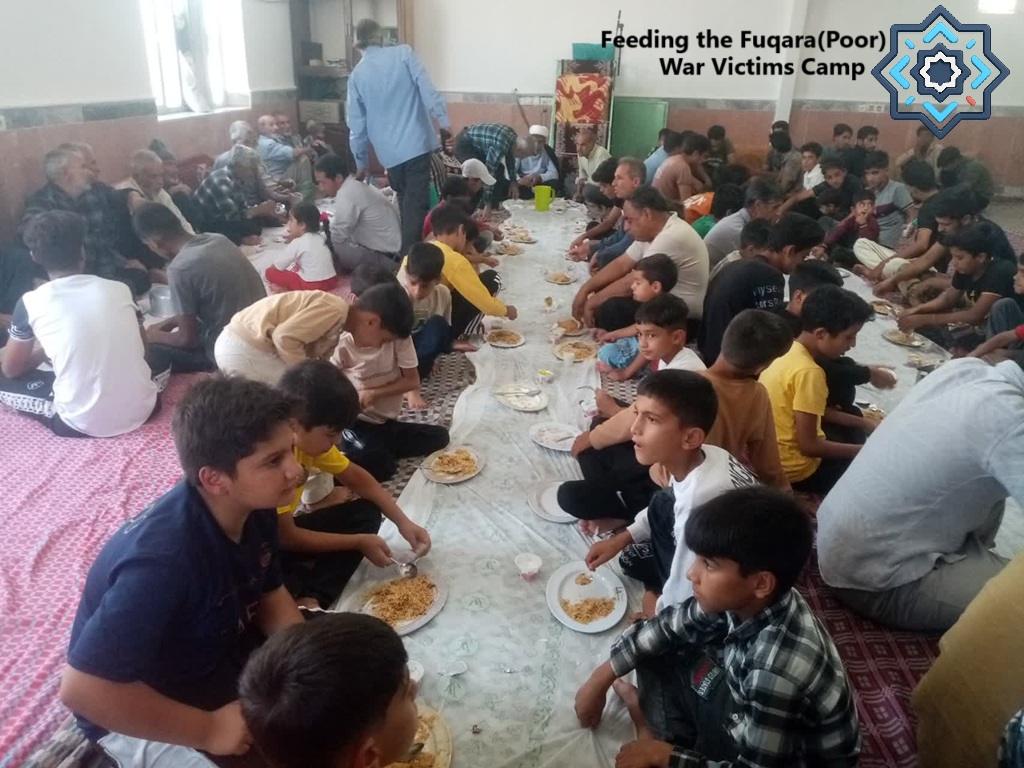
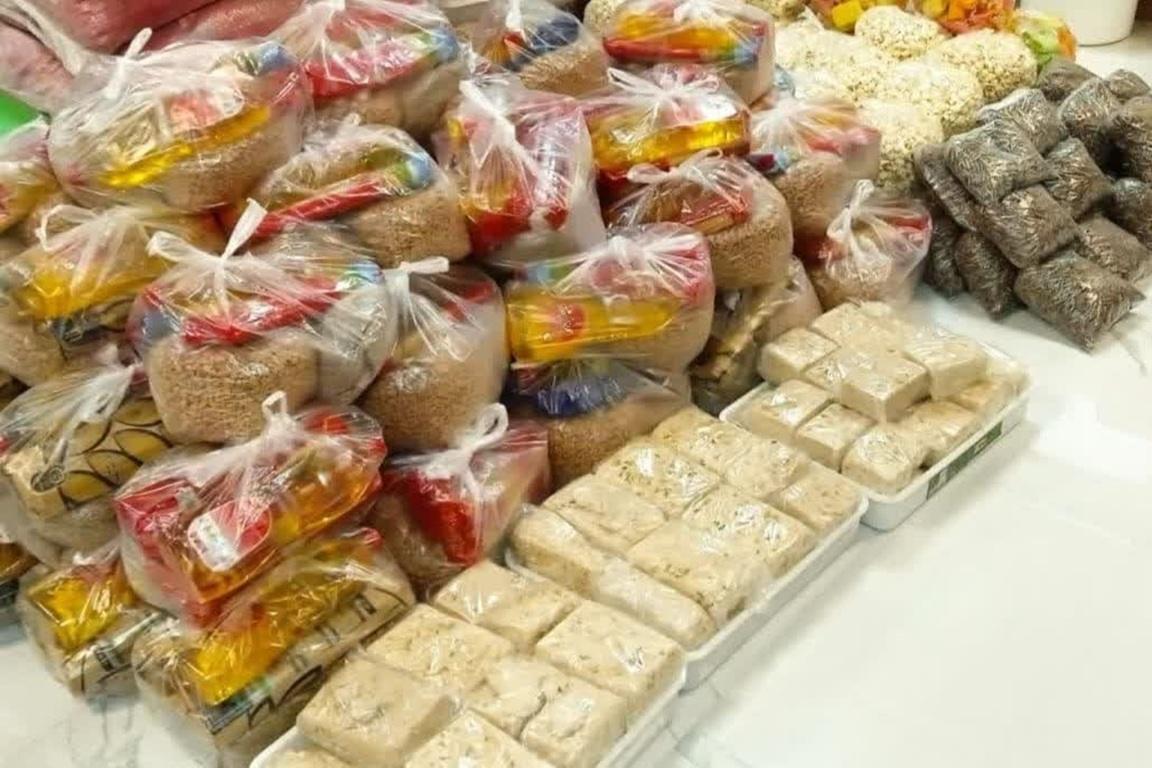
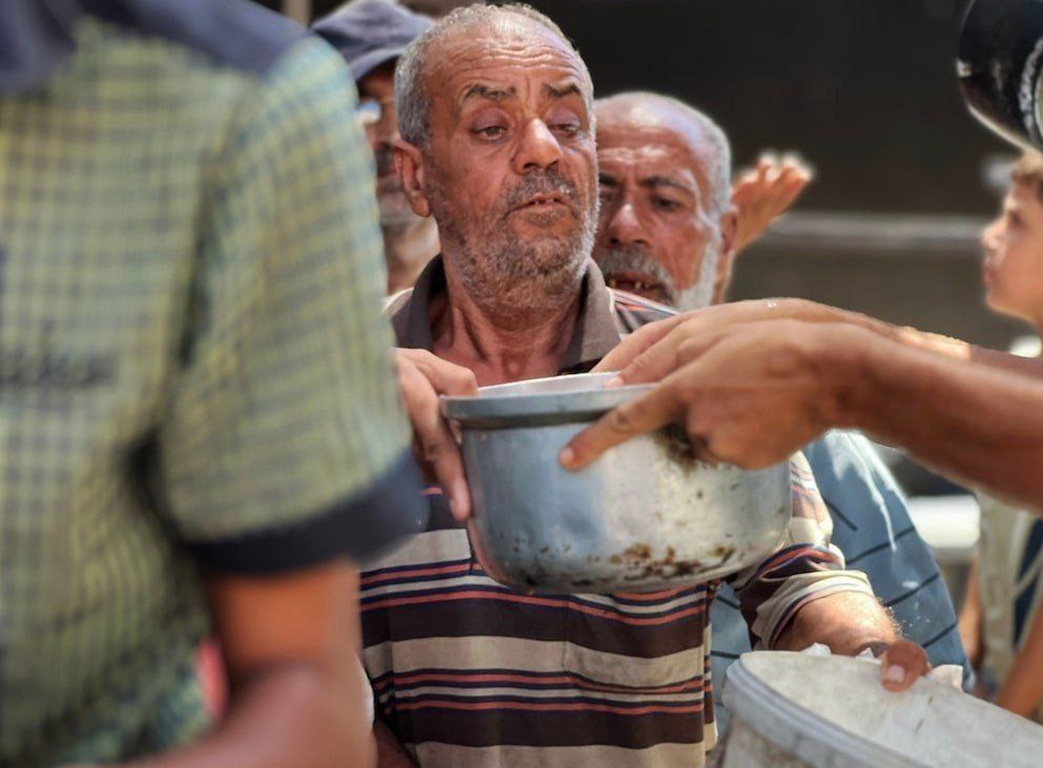
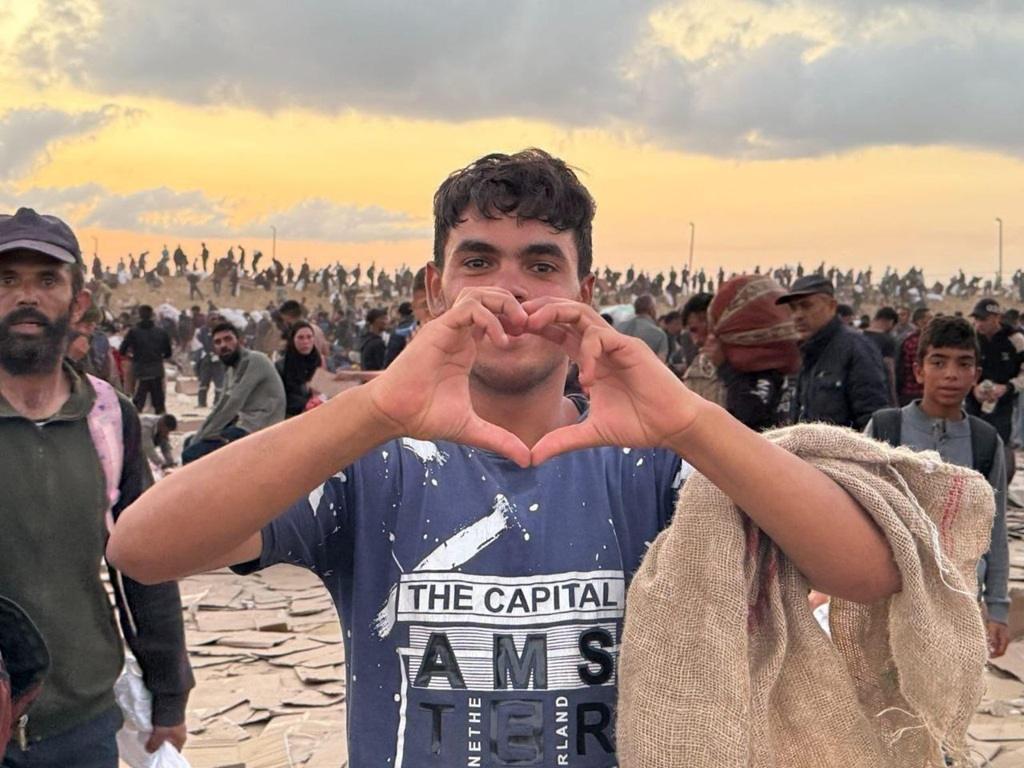
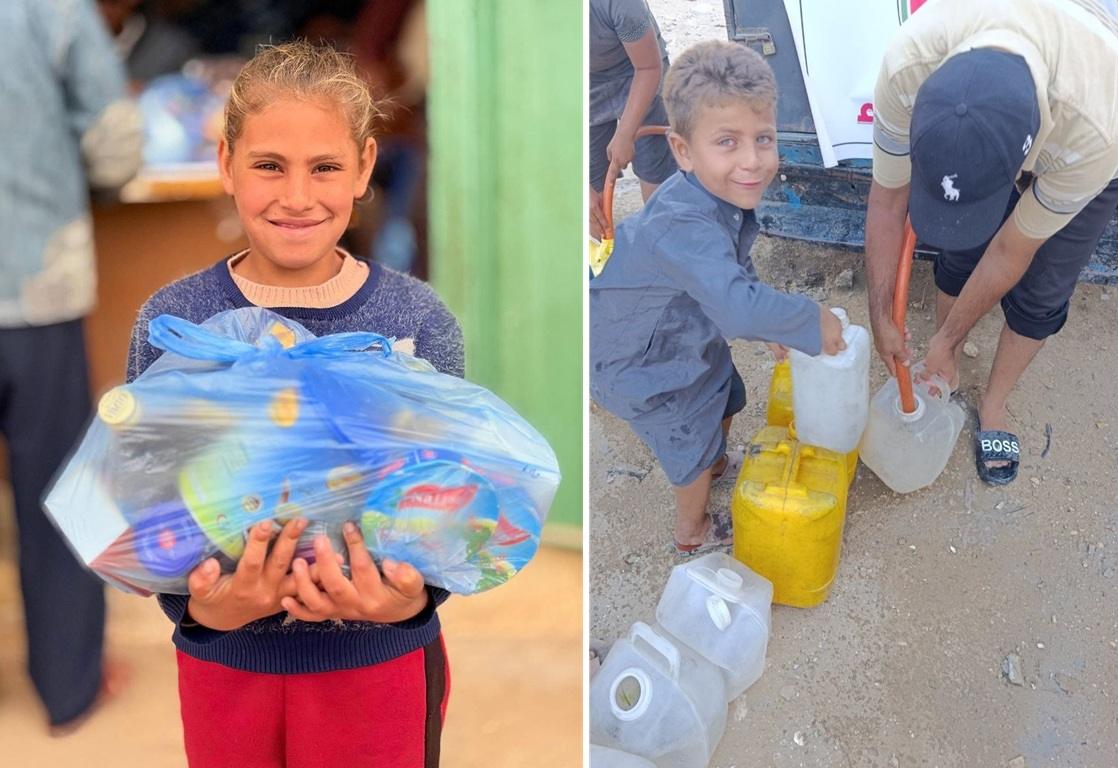
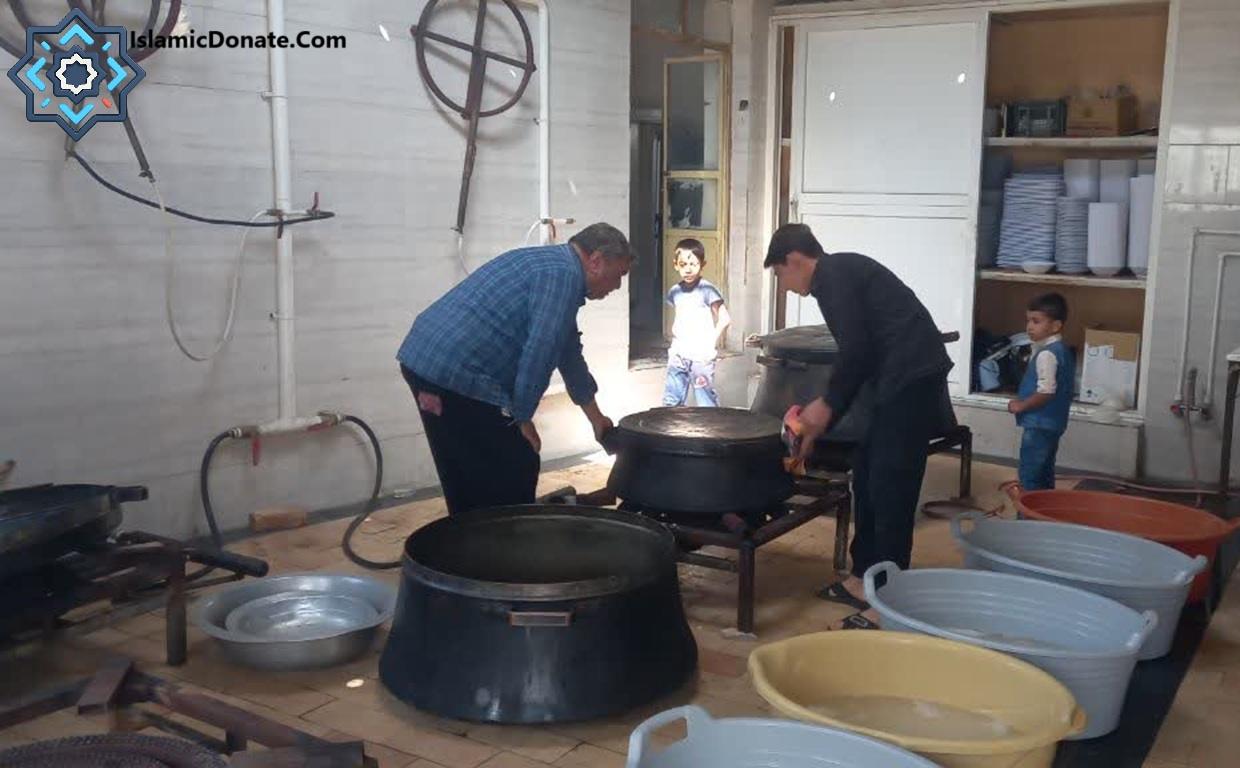
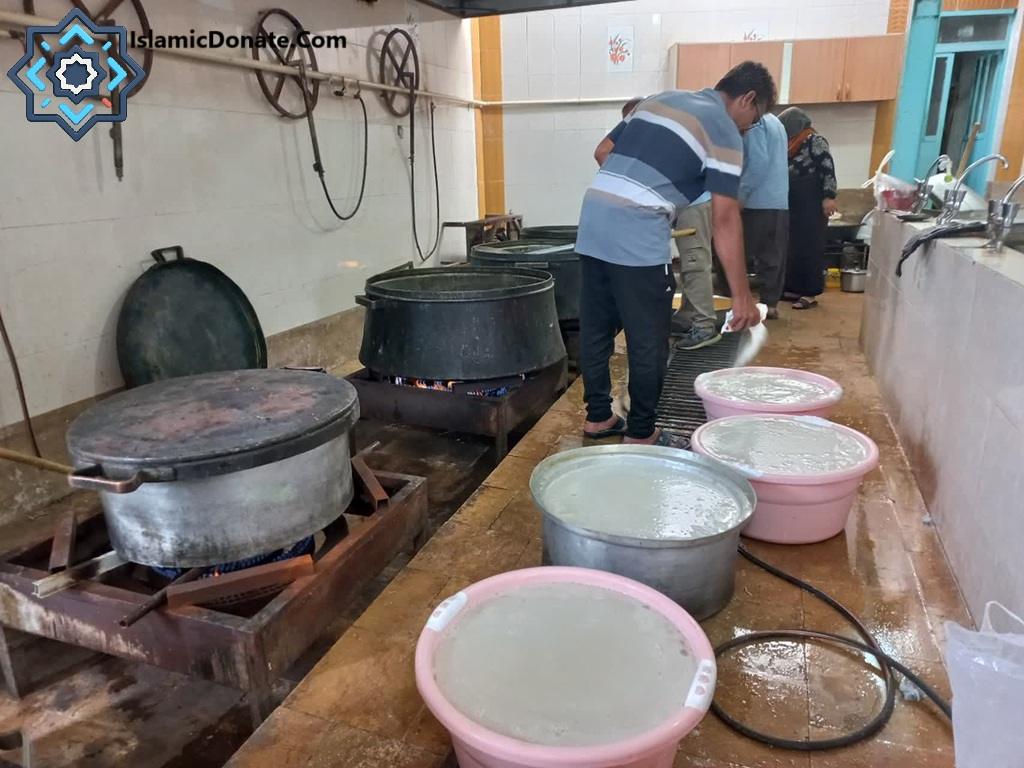
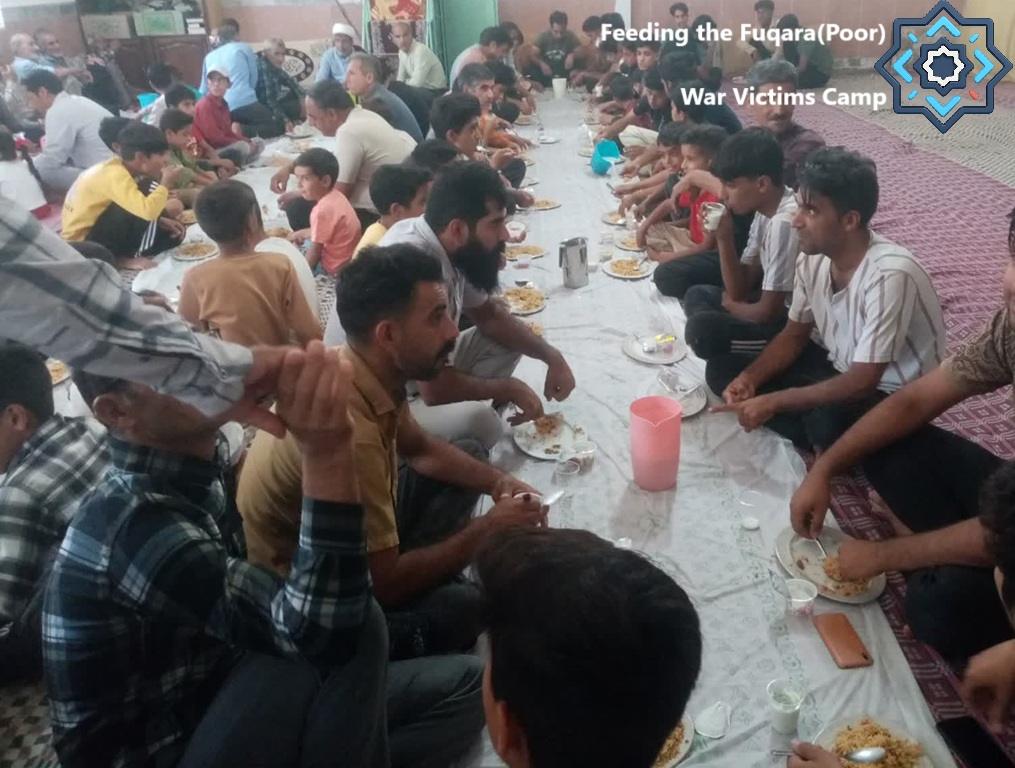
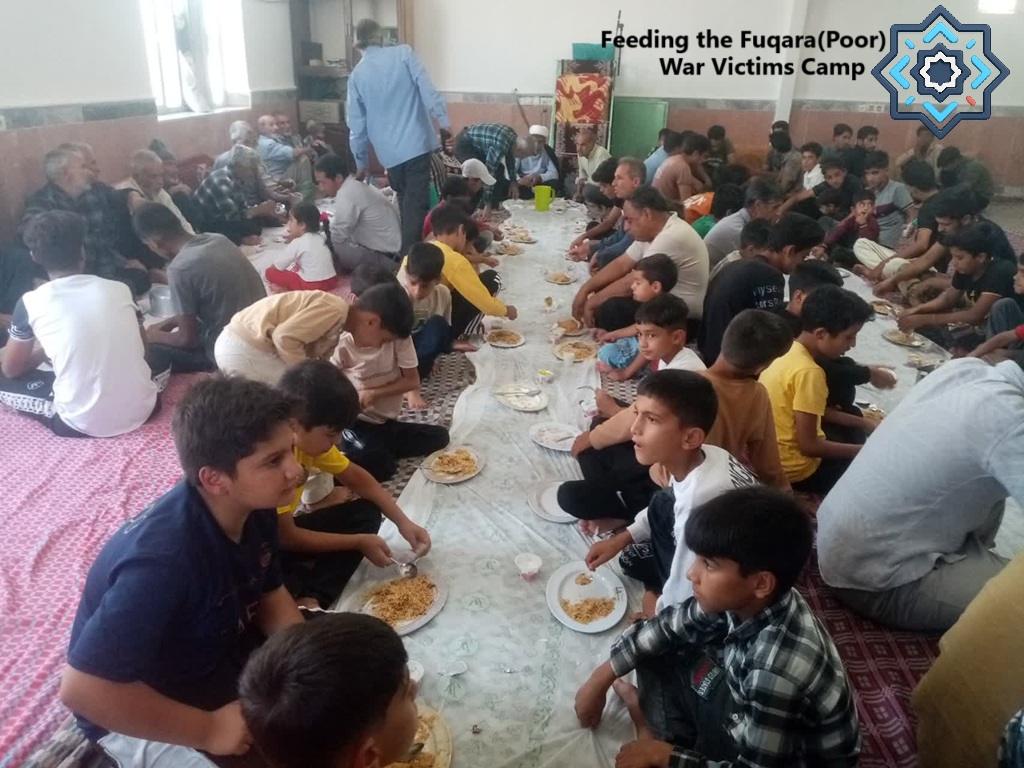
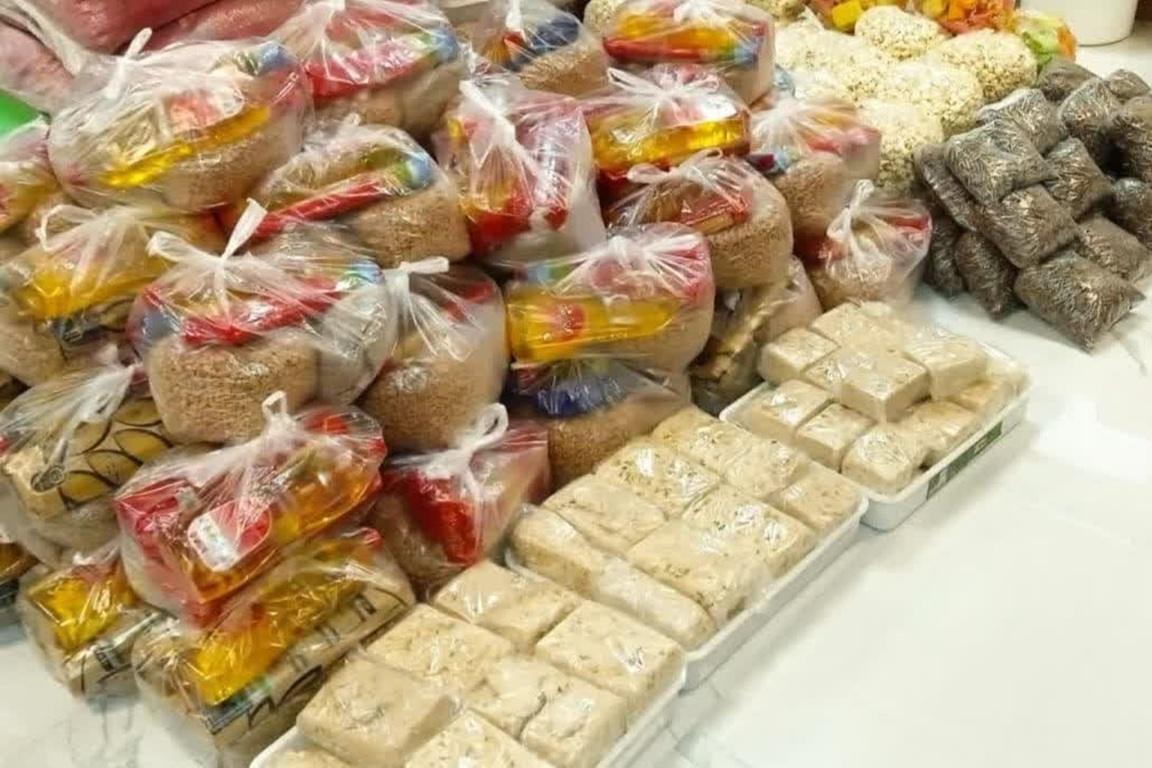
Food aid: Providing hot meals, bread, and essential groceries to families who are struggling to find food due to poverty and occupation. For example, our kitchens in Gaza prepare daily meals, Feeding hundreds of Palestinian Muslims.
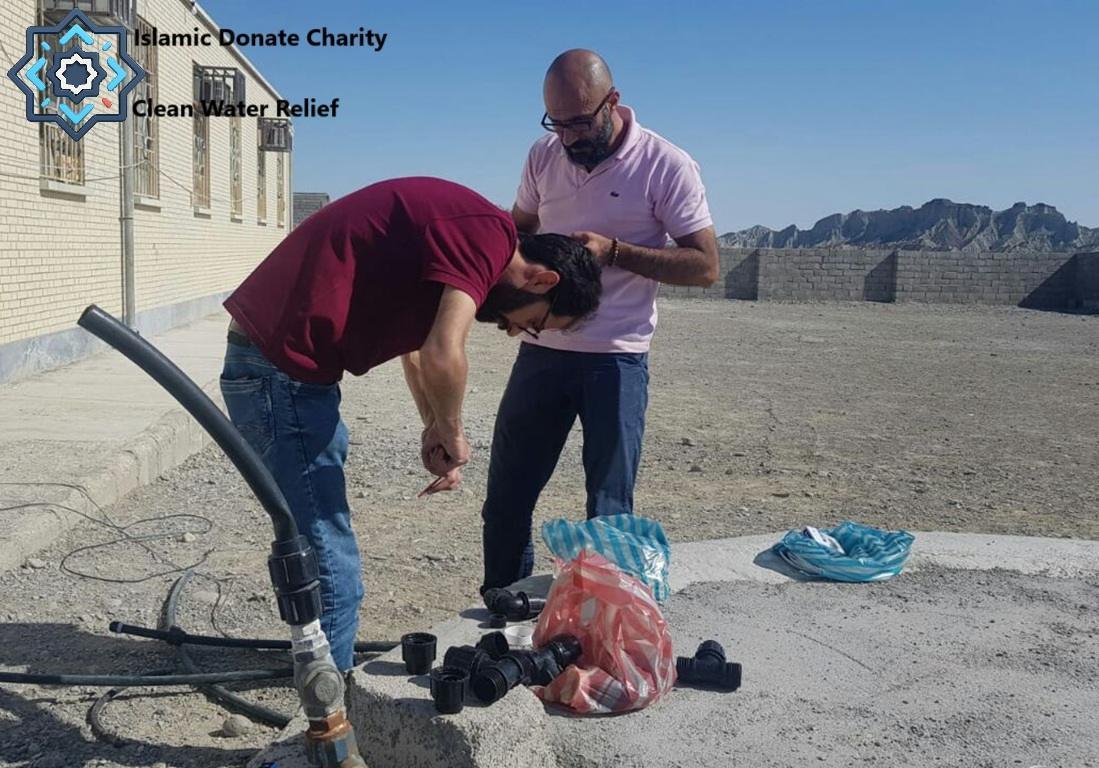
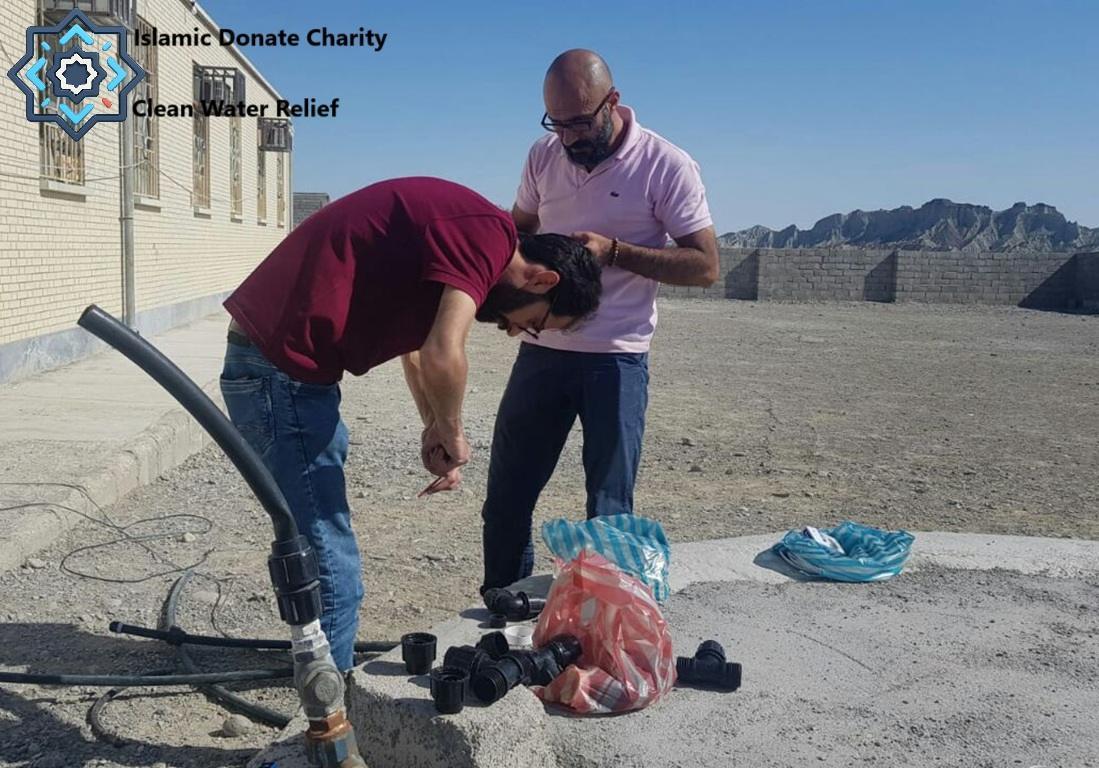
Water aid: Building clean water wells and distributing drinking water to areas suffering from water shortages. We have already established water filtration systems in refugee camps to prevent the spread of waterborne diseases.
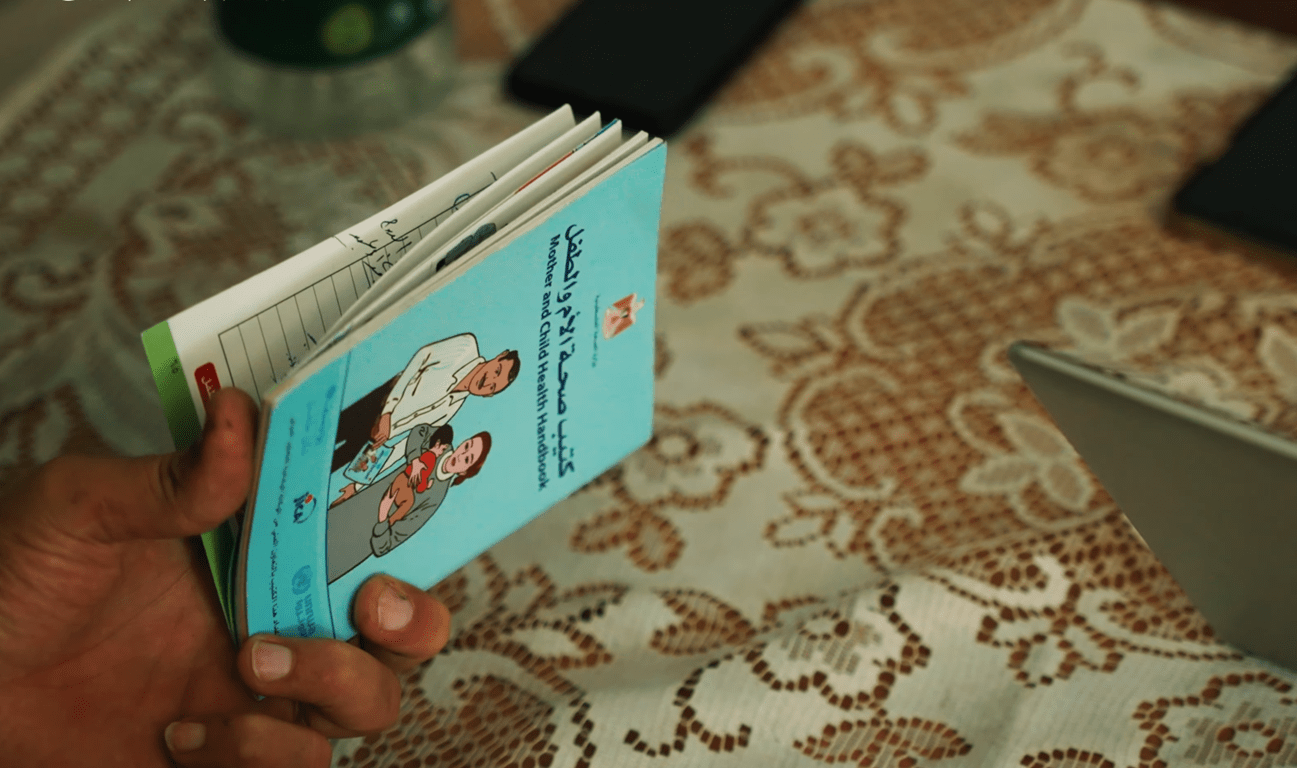
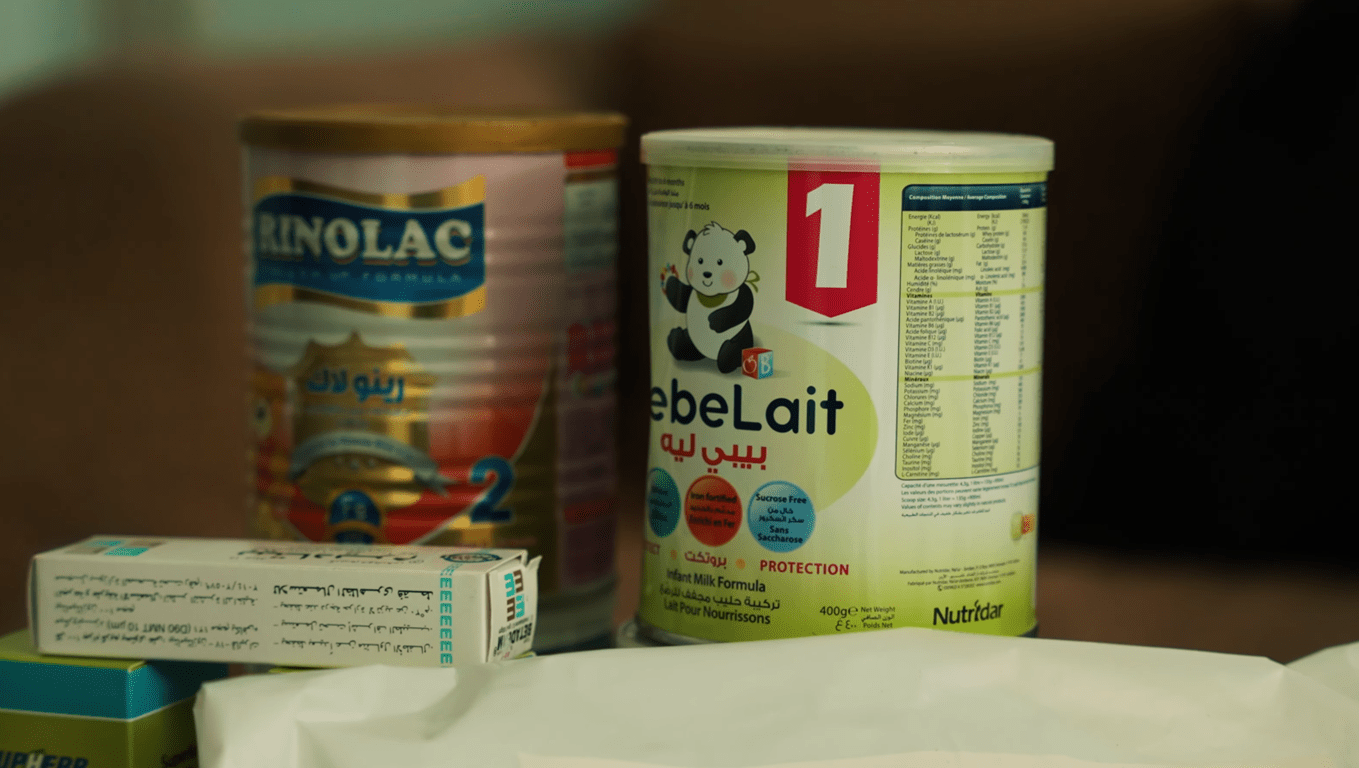
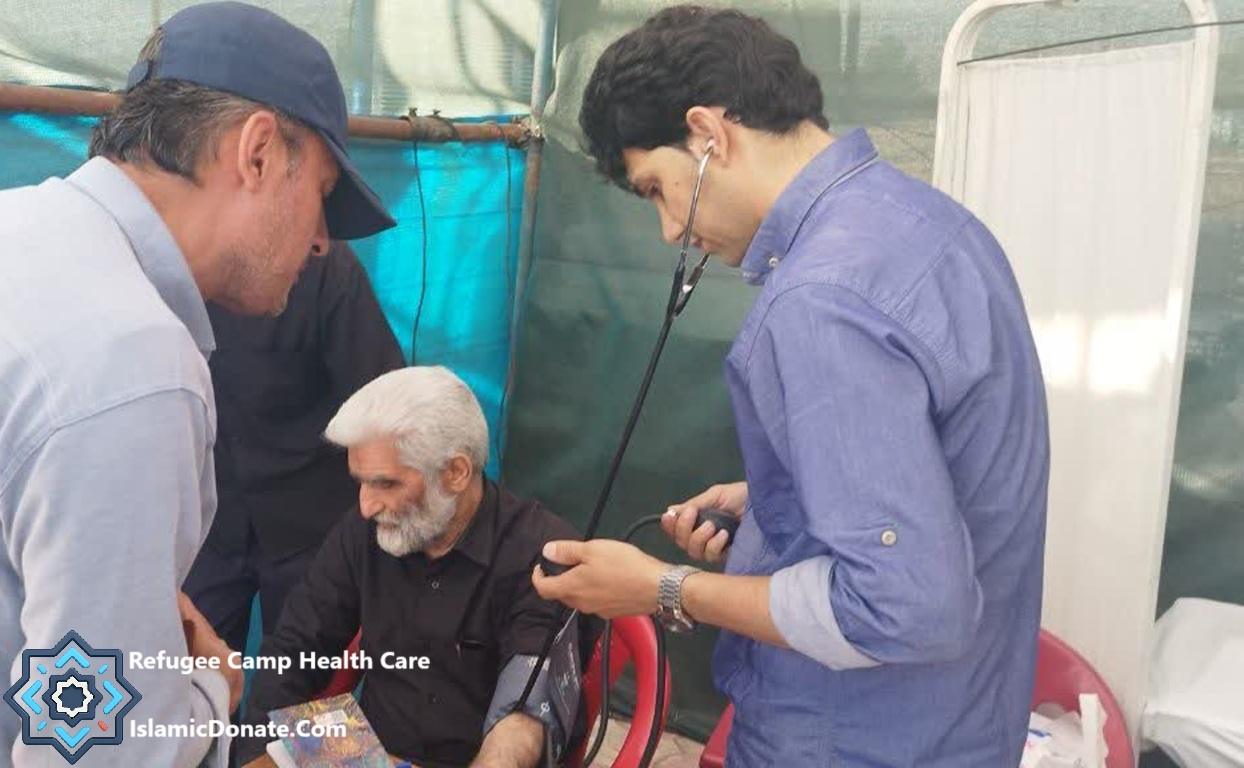
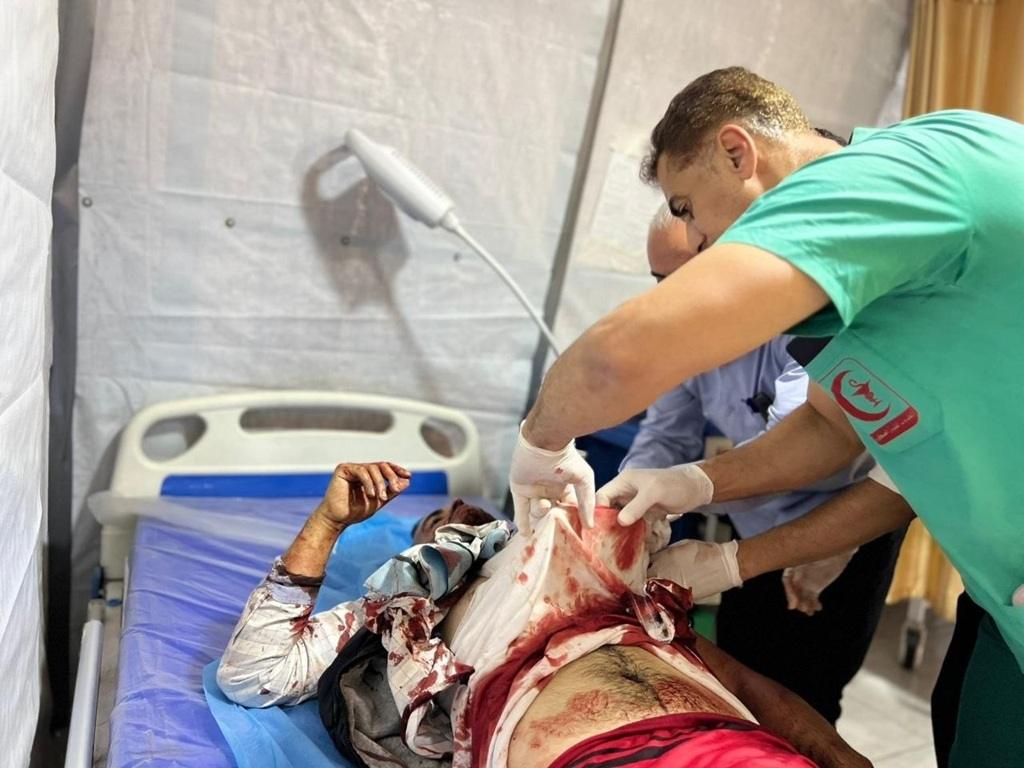
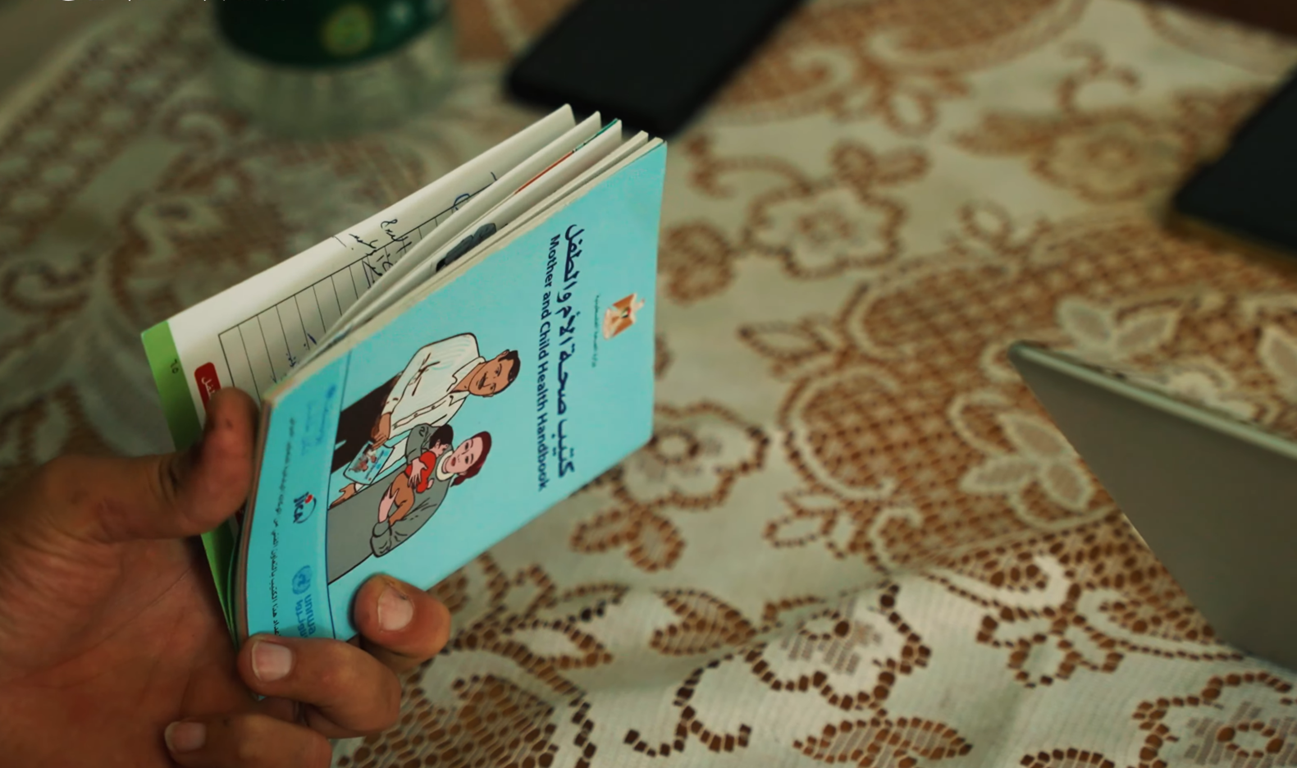
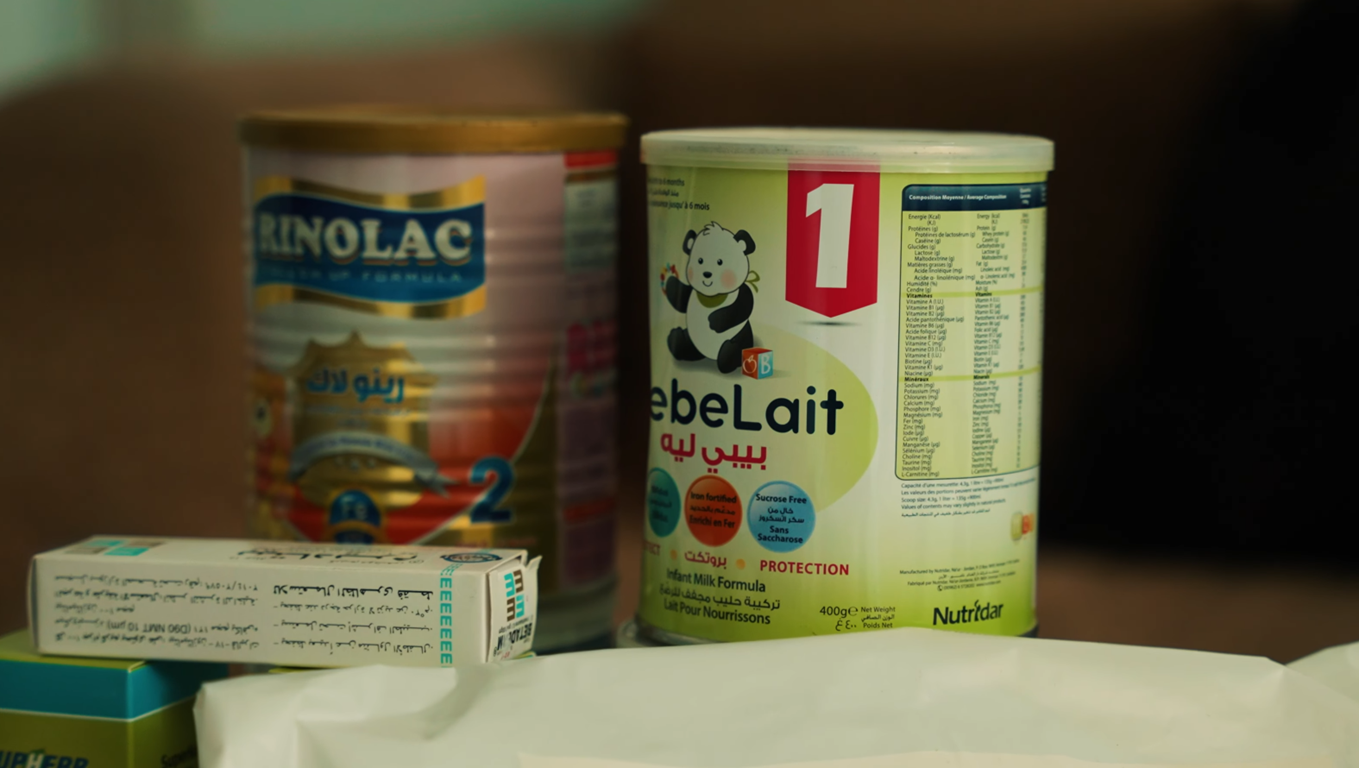
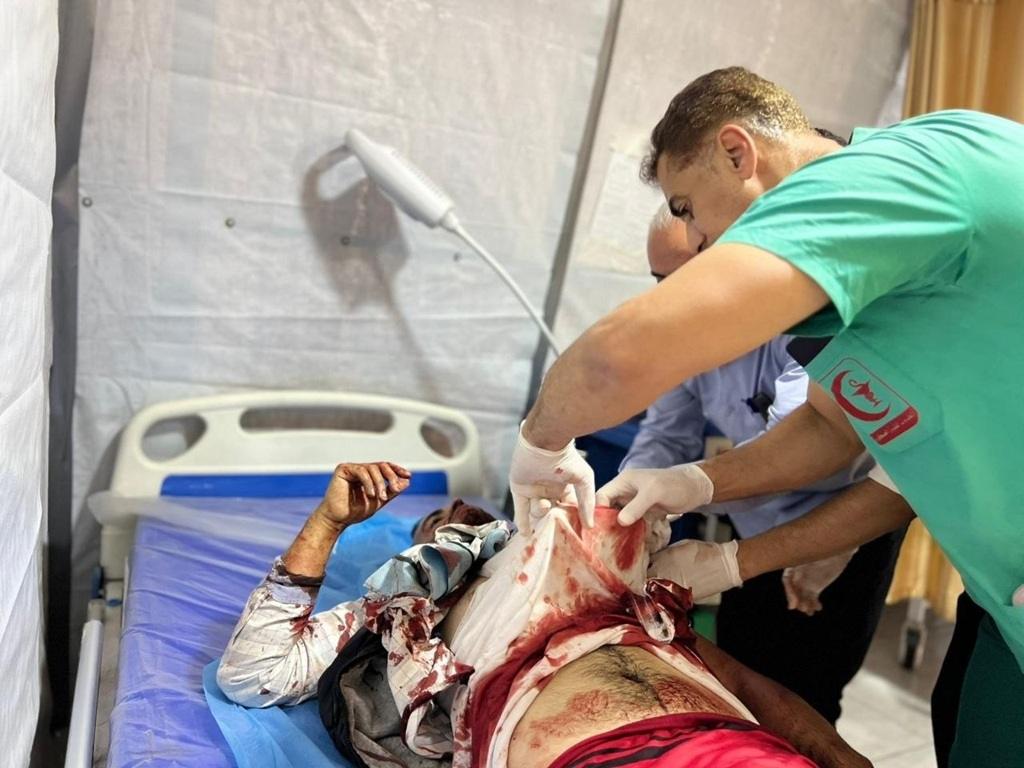
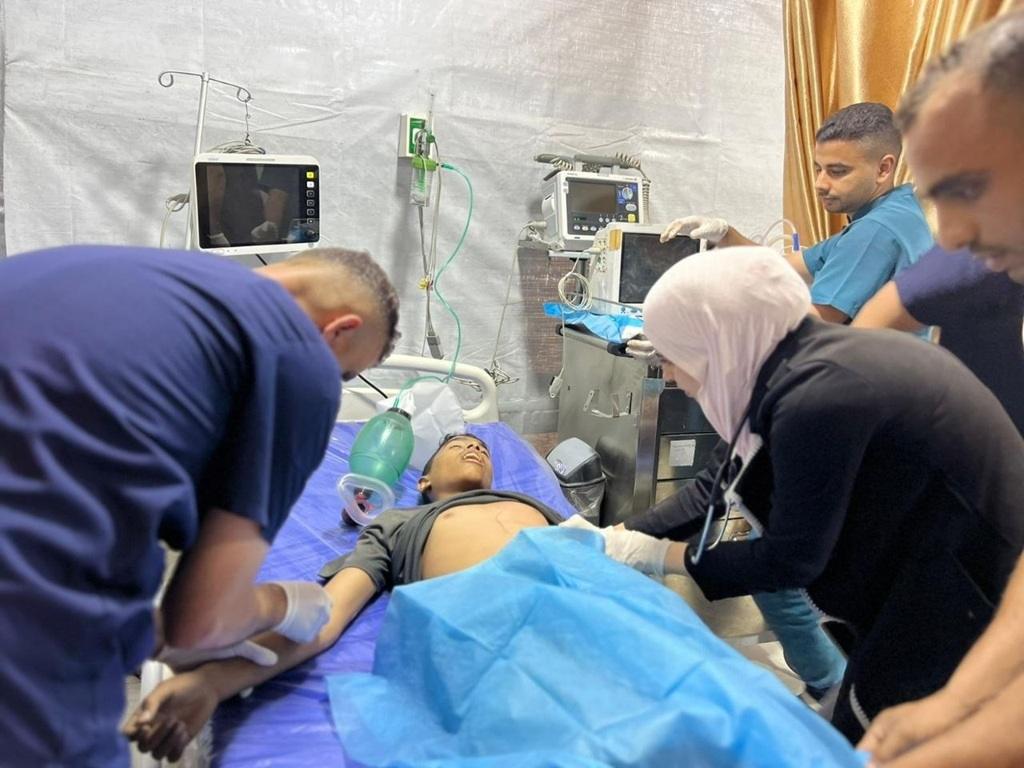
Medicine help: Supplying essential medications and supporting local hospitals that lack basic resources. We help cover the cost of surgeries for injured civilians and provide medical kits for emergency situations. We are wholeheartedly implementing mother and child support programs, recognizing the extreme vulnerability of mothers and young children in these difficult conditions. Their nutritional and medical needs demand urgent, careful attention and we are committed to meeting them with compassion and diligence.
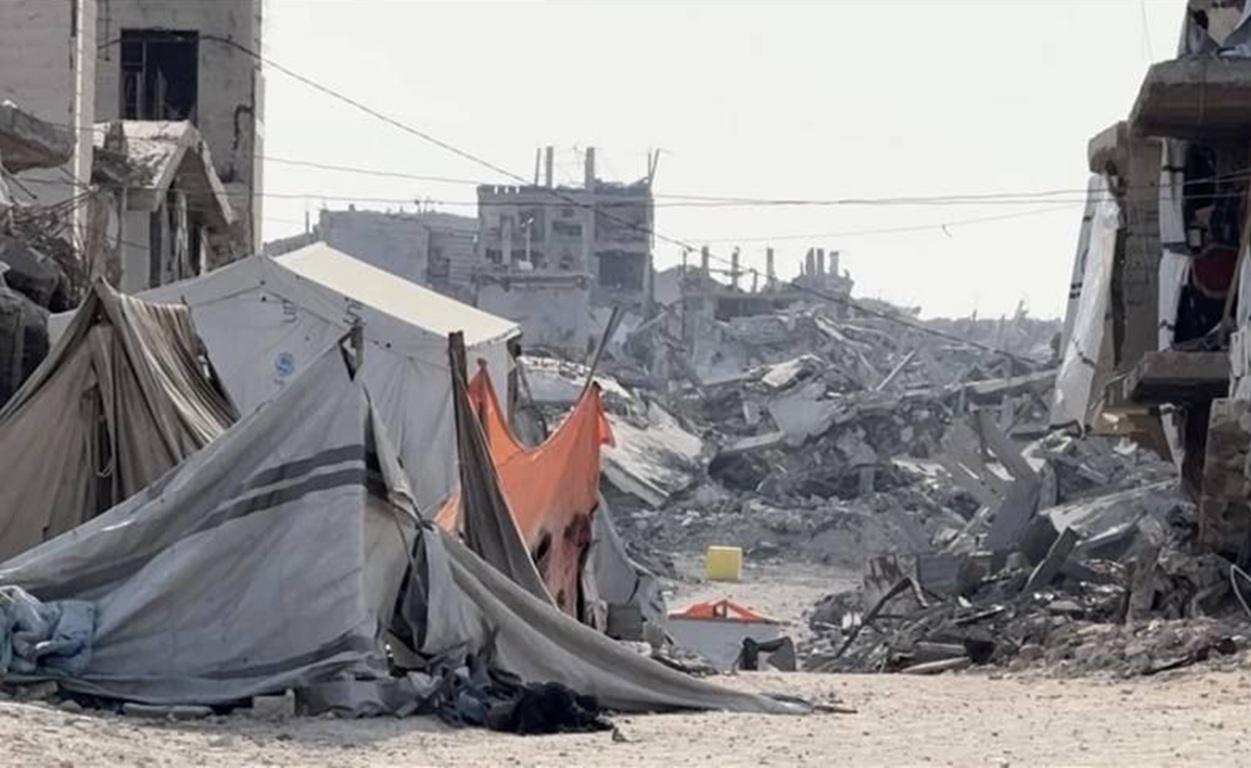
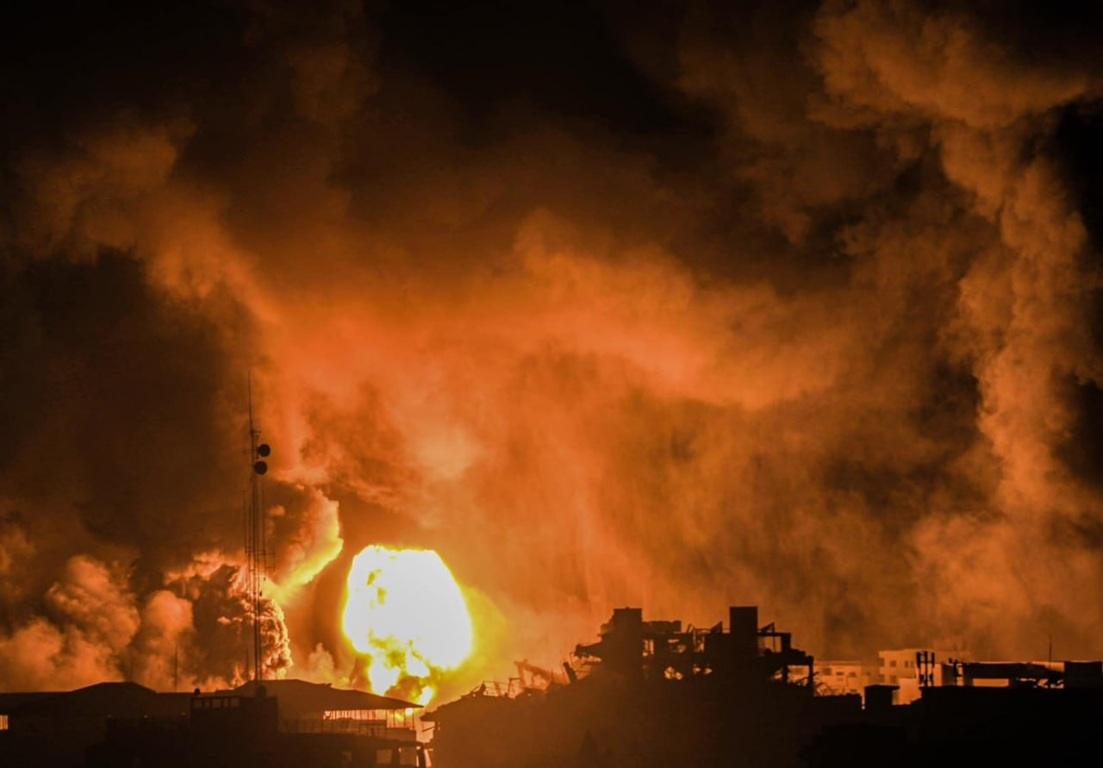
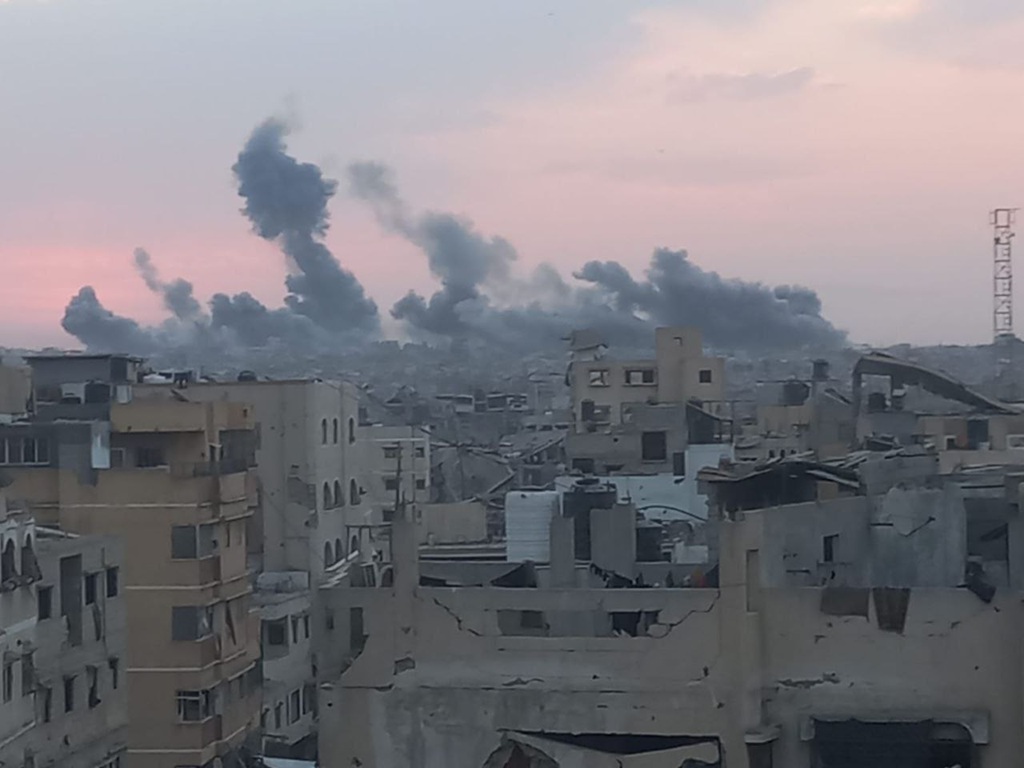
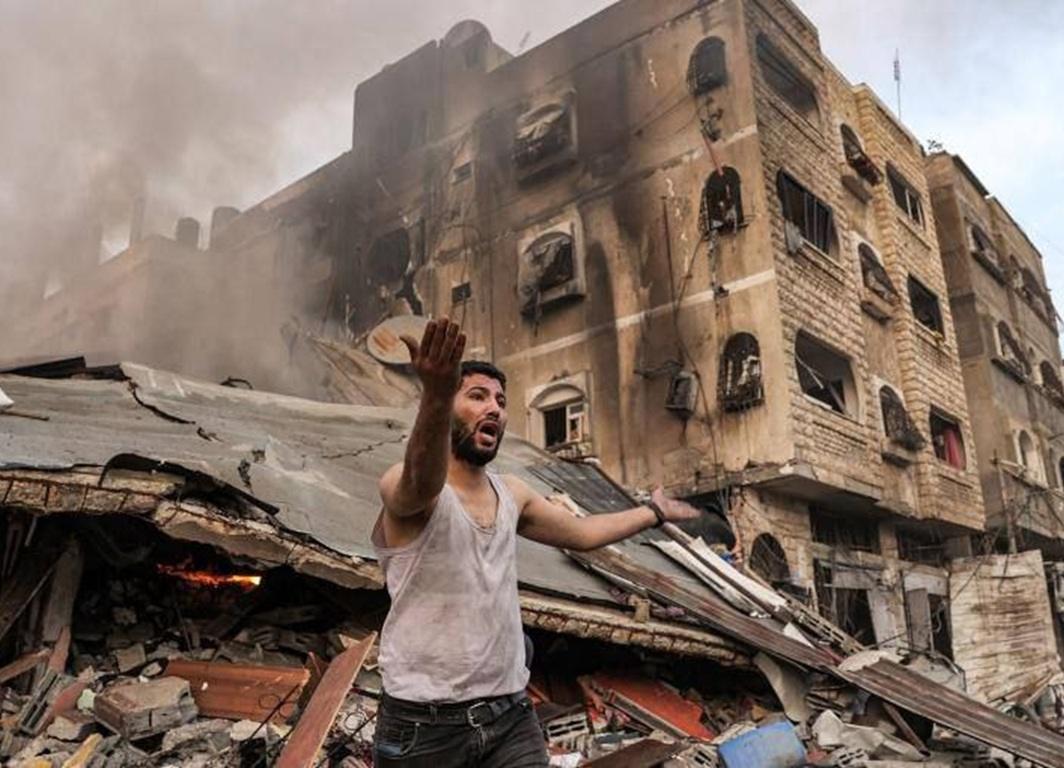
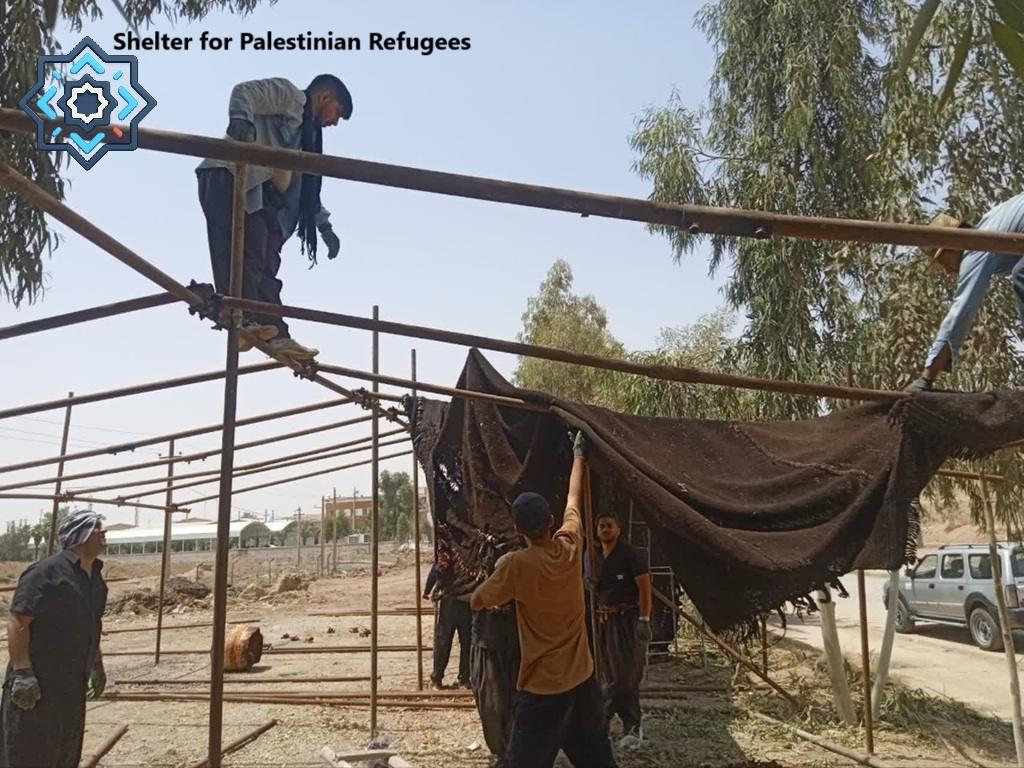
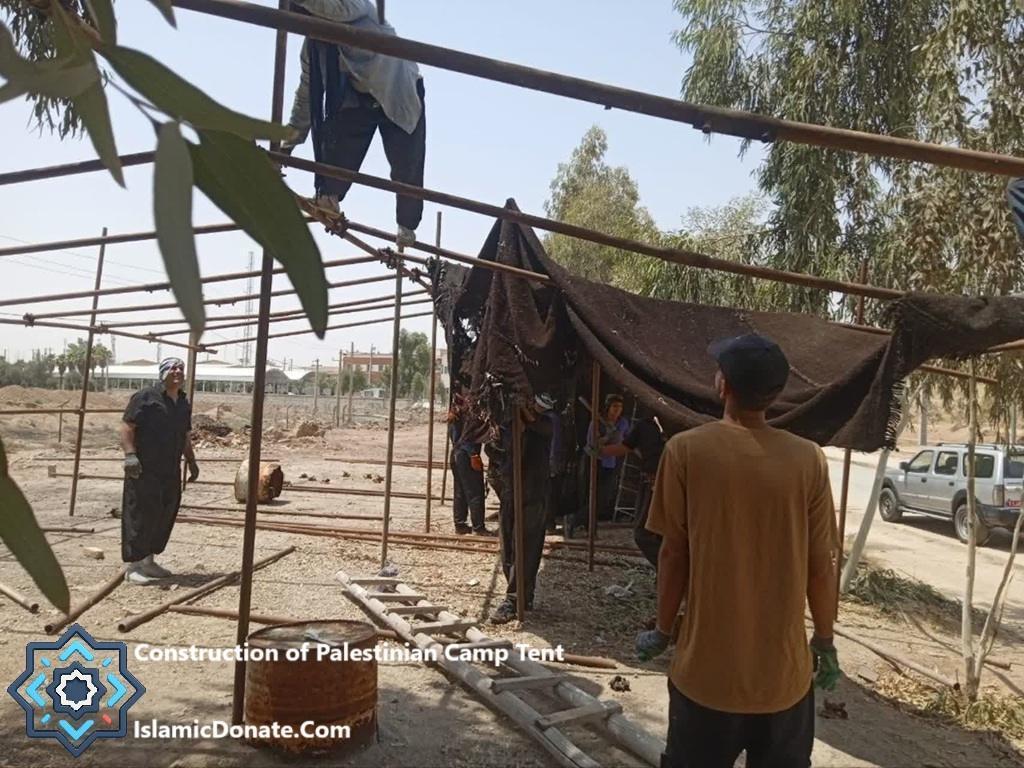
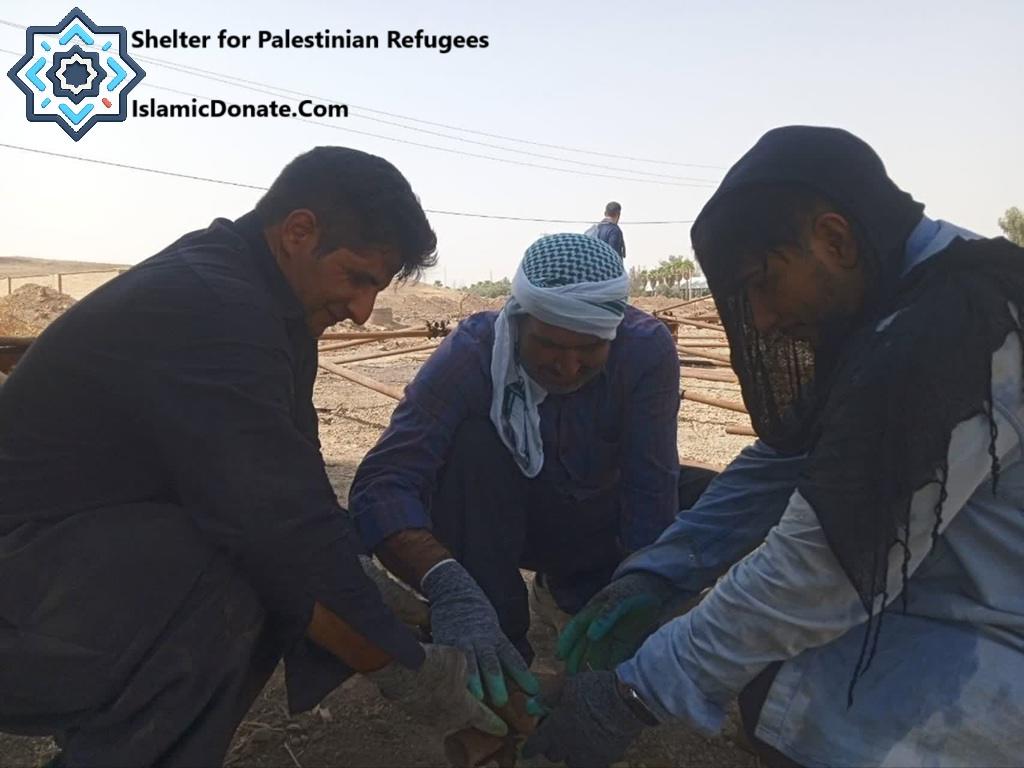
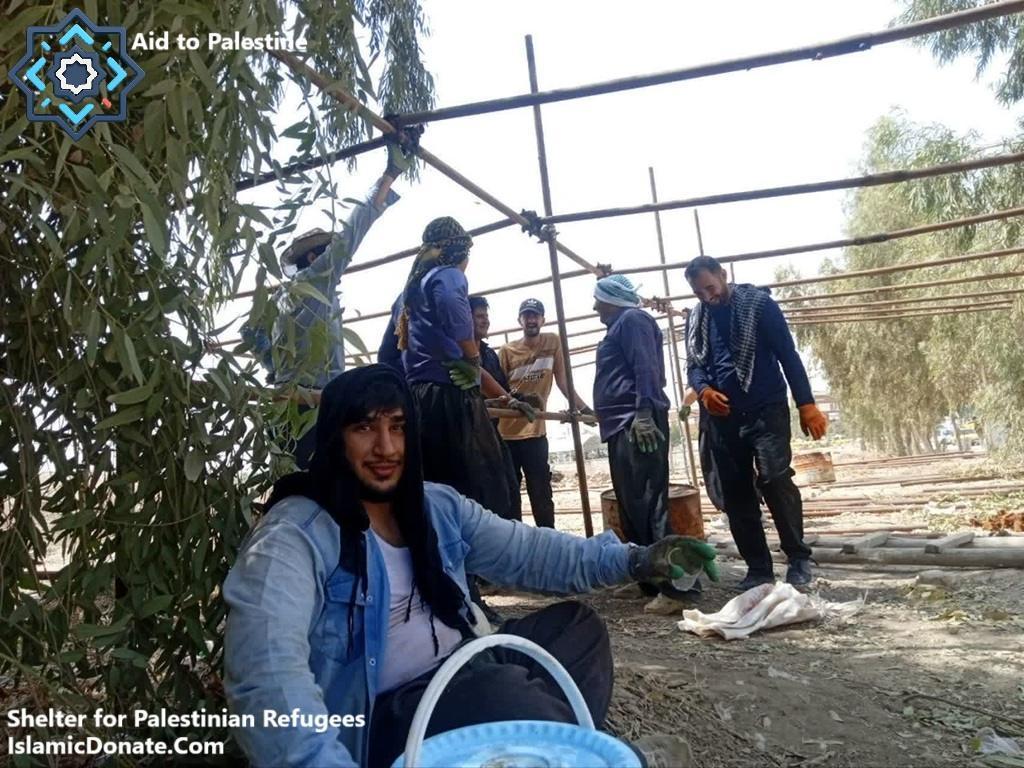
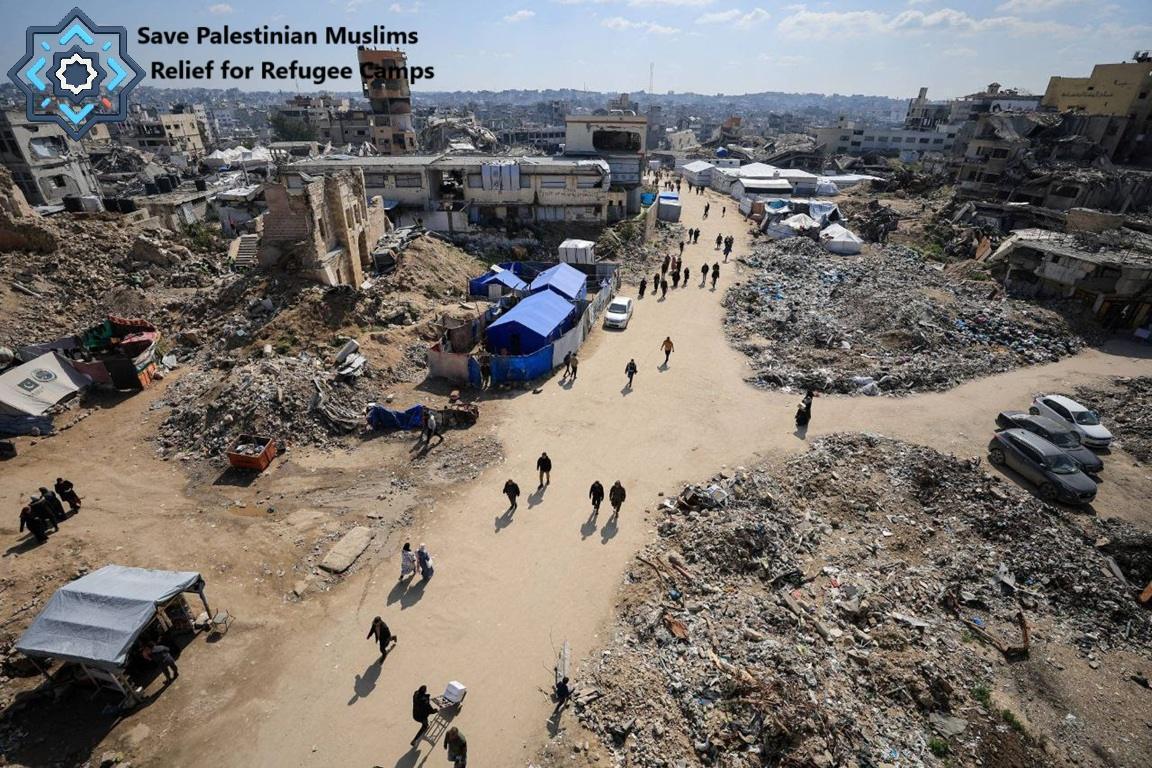
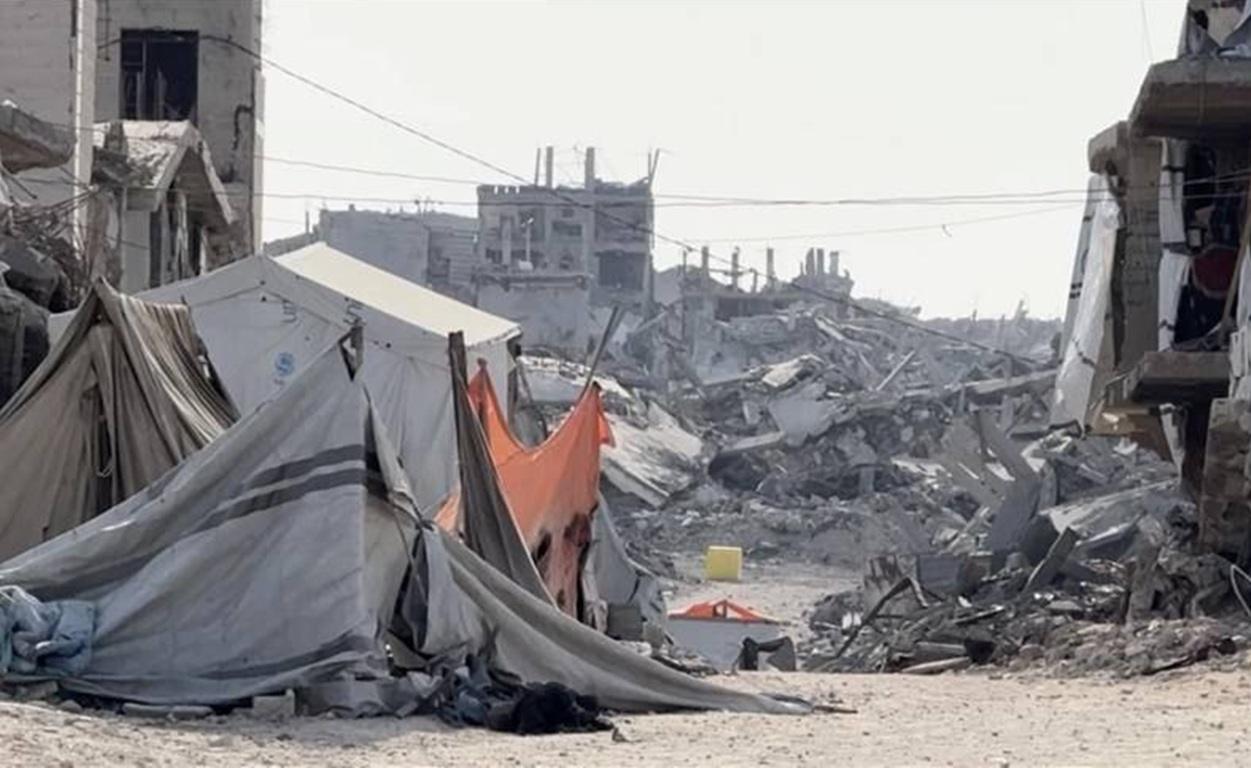
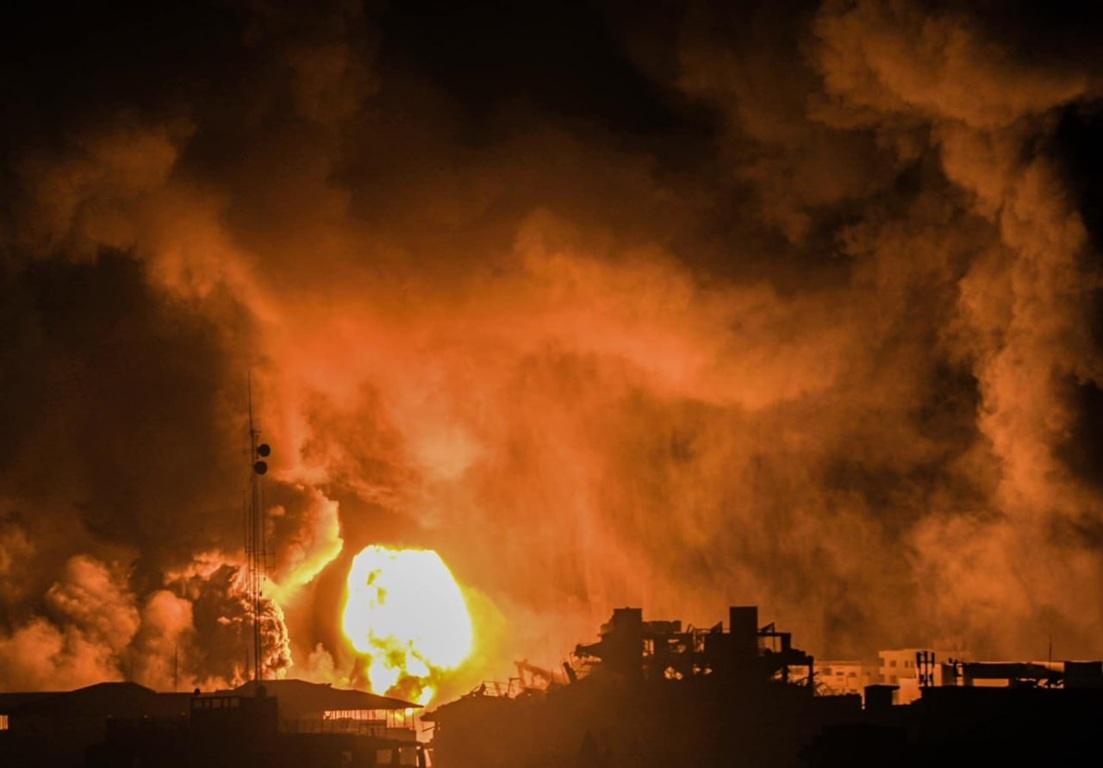
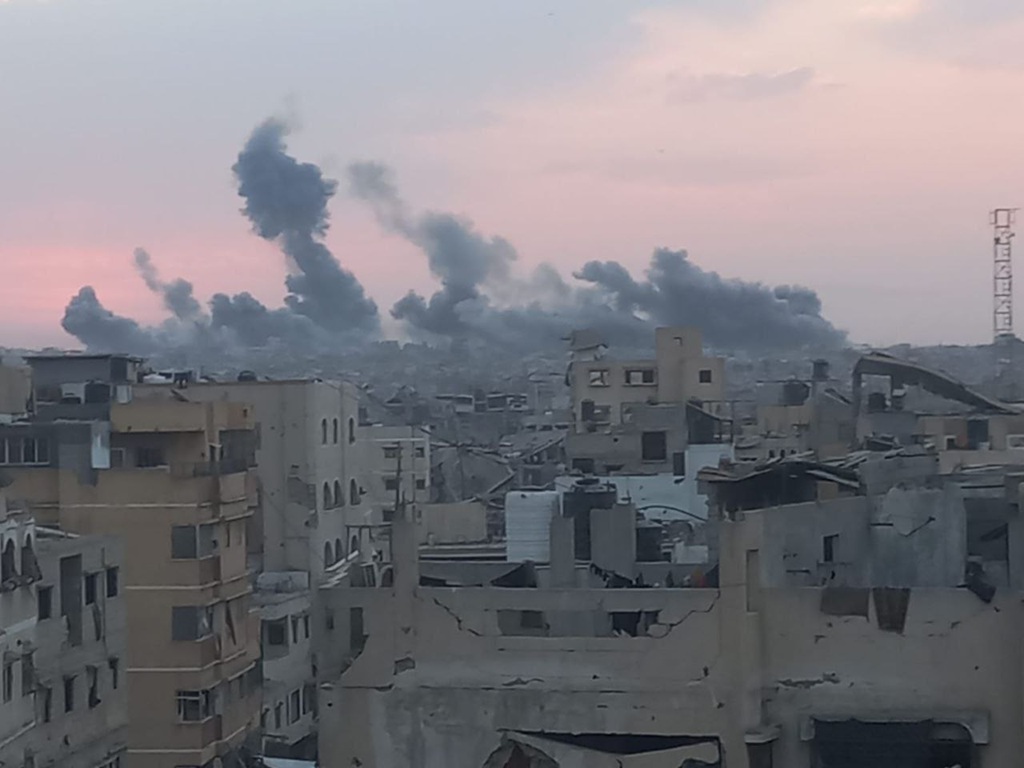
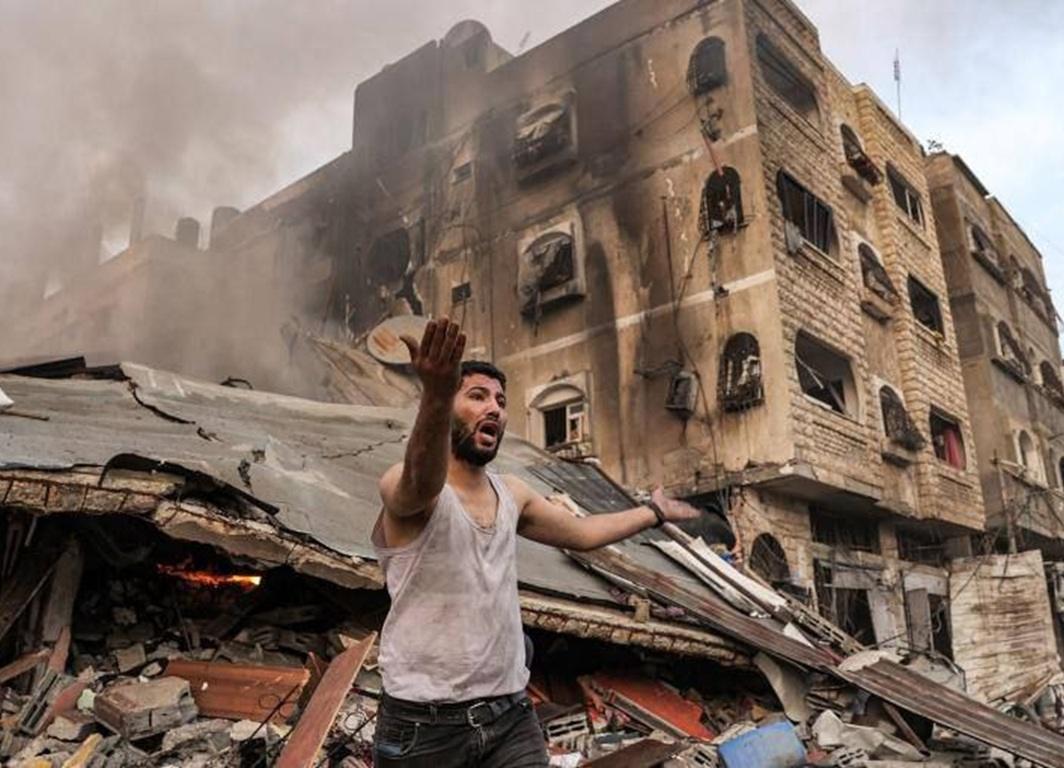
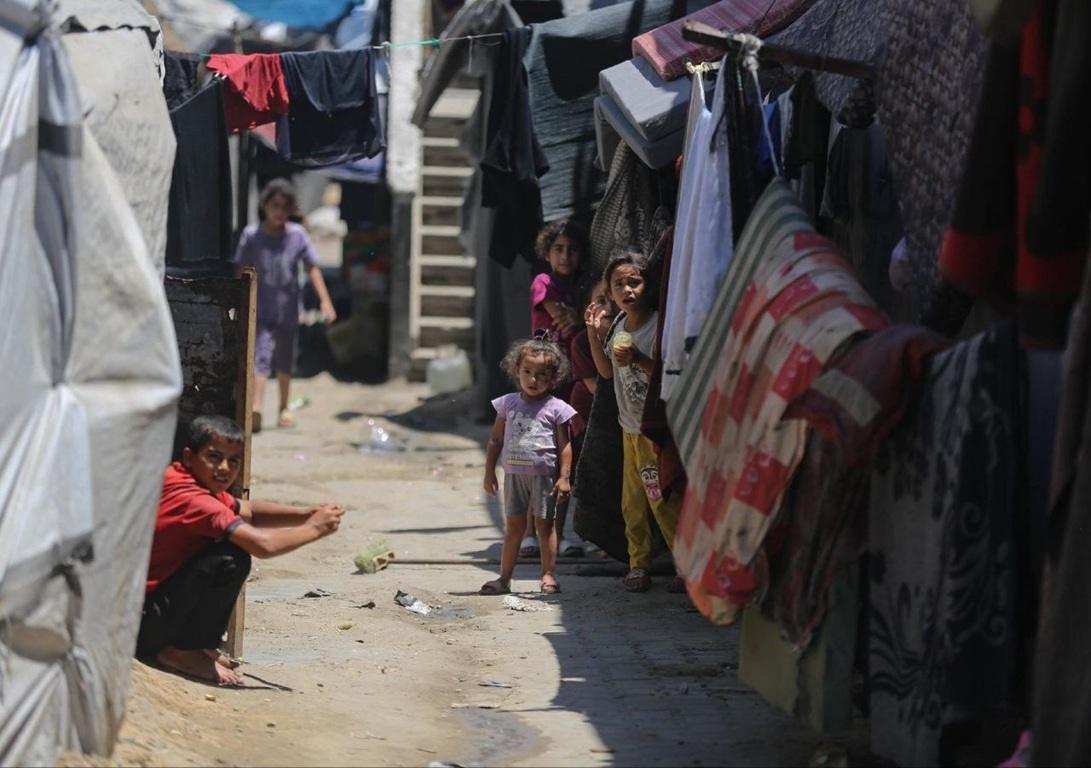
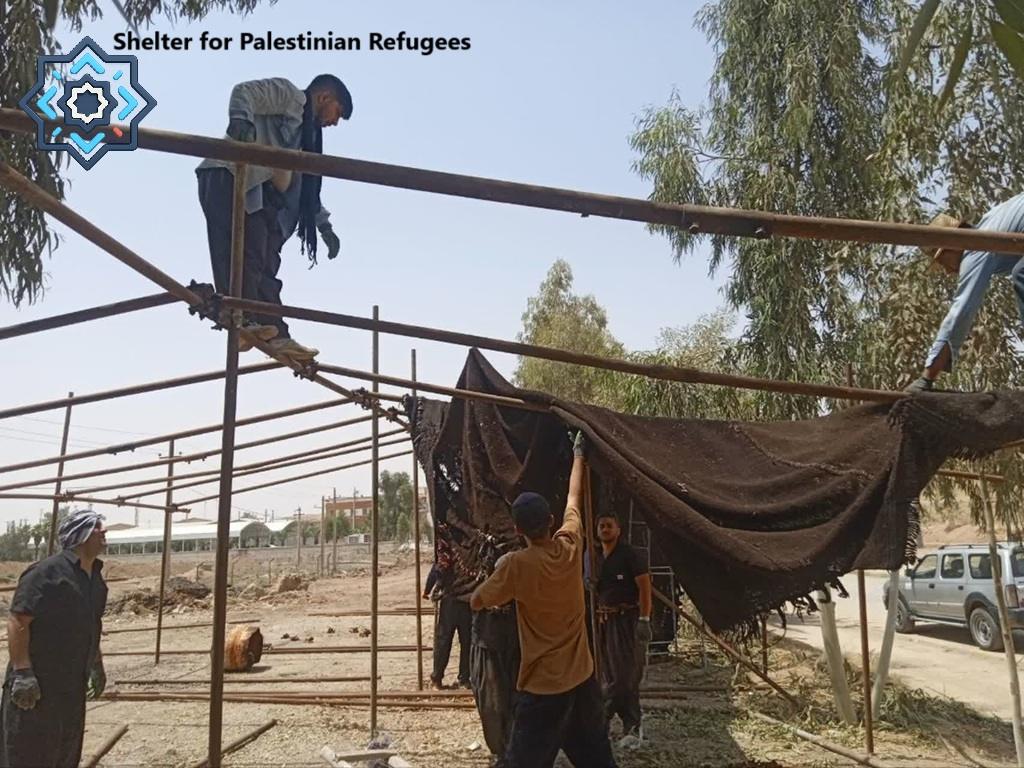
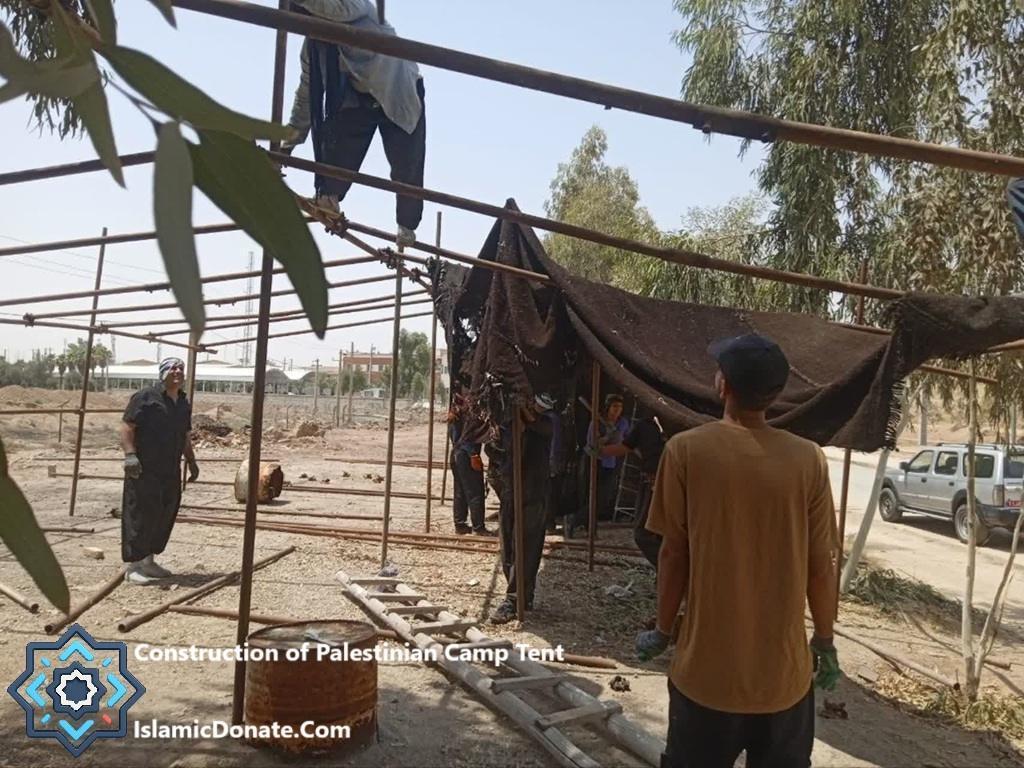
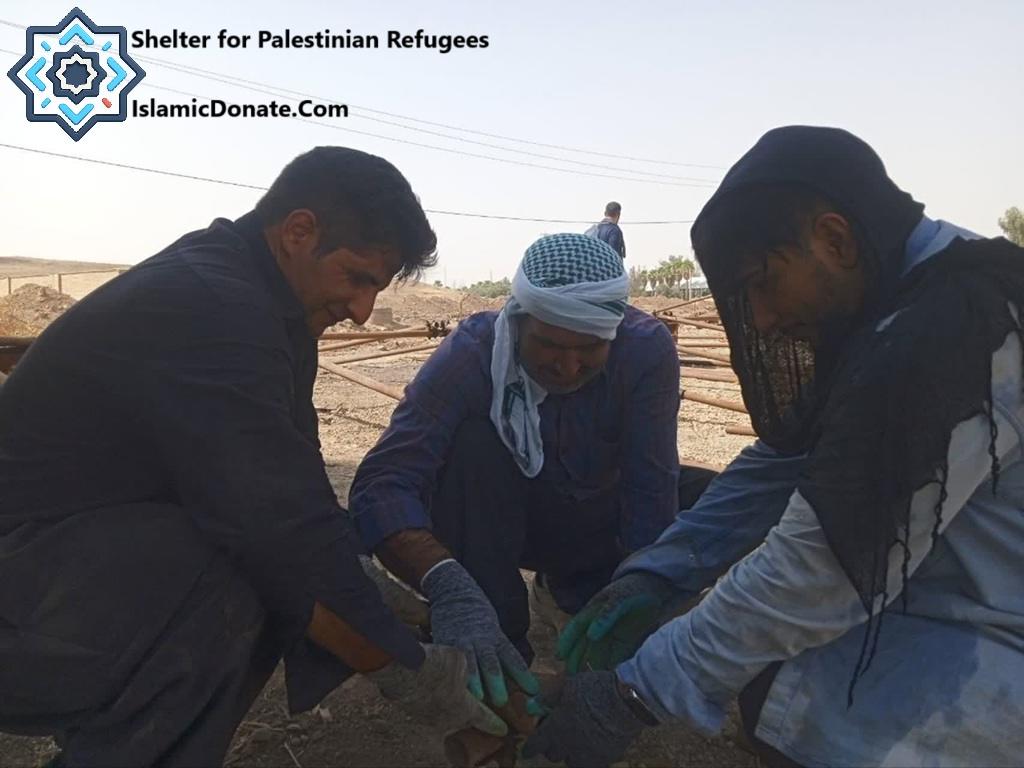
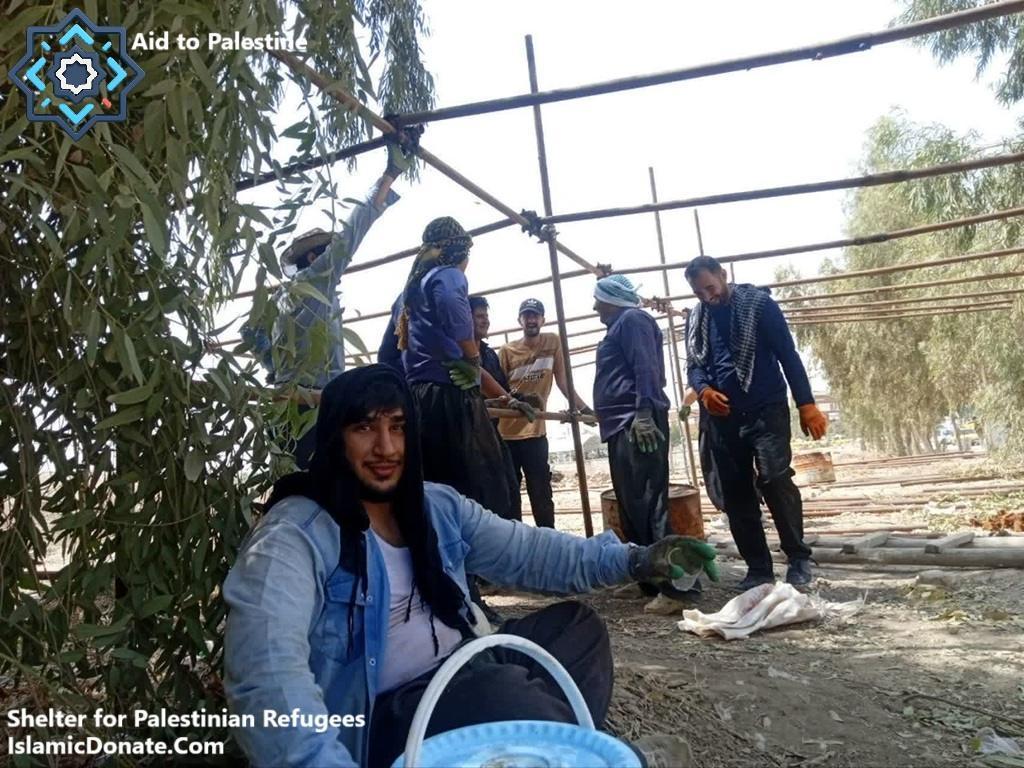
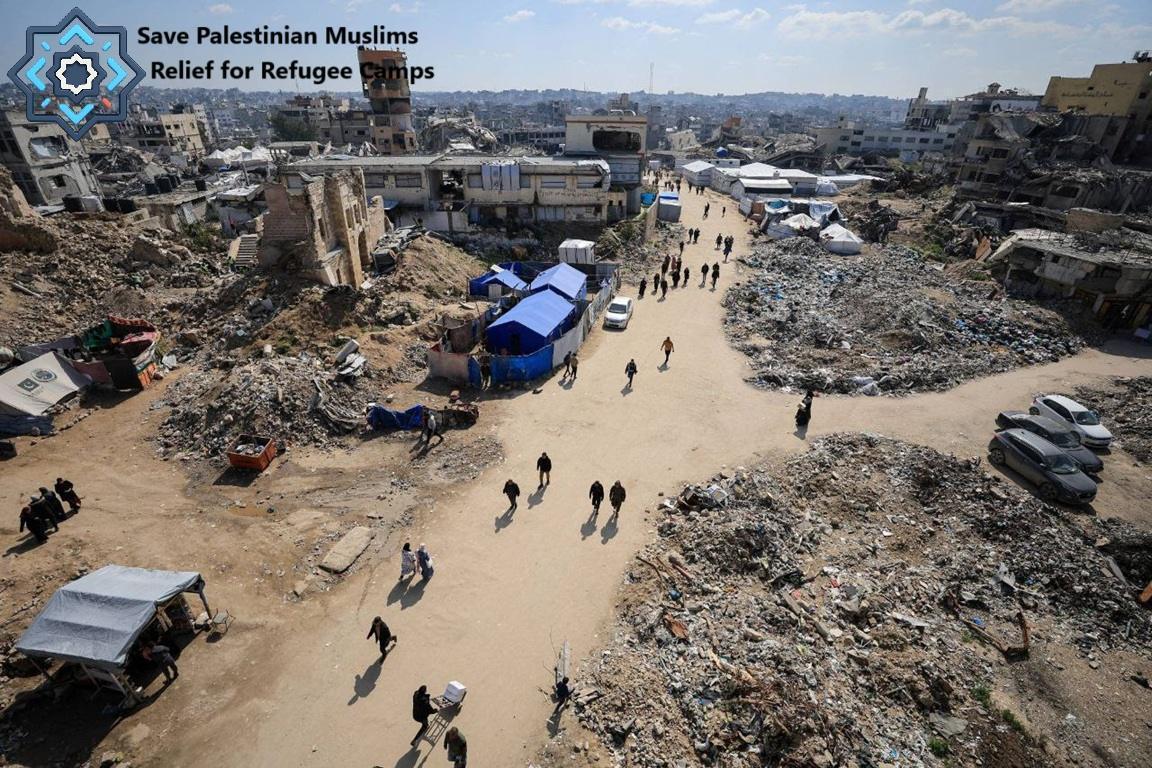
Organizing informal camps: One of the most critical actions we take is setting up temporary shelters for displaced families. These camps provide protection, food, and medical care for those who have lost their homes due to bombings and attacks.
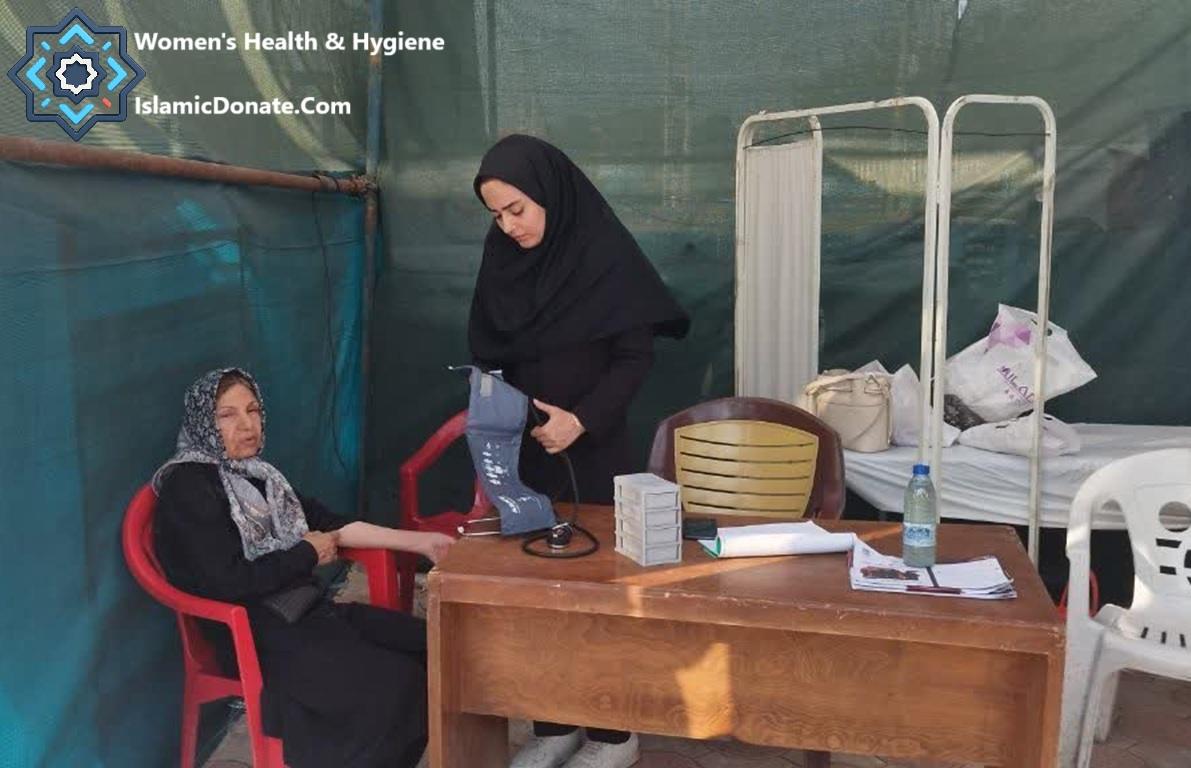
Public health, especially children’s and women’s health and well-being: We focus on educating women about hygiene practices, providing sanitary products, and ensuring access to prenatal and postnatal care. In crowded camps, we establish waste disposal systems and manage sewage to prevent the spread of diseases. You can Giving Zakat to Palestine and be a lifesaver for Palestinian children and youth.
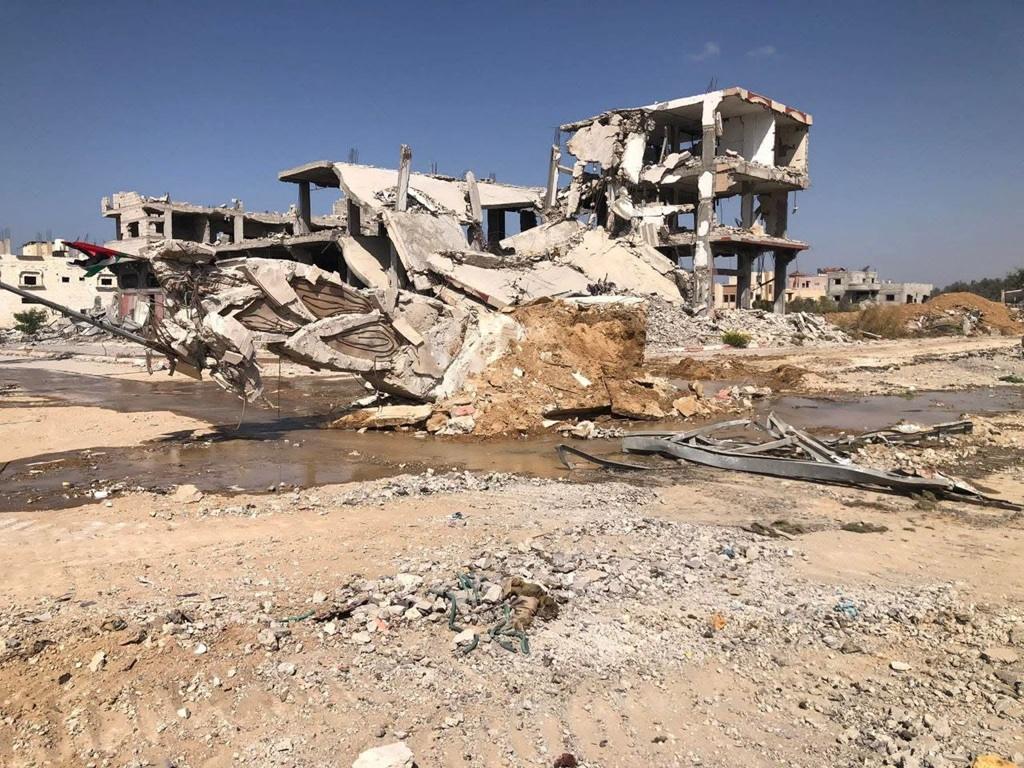
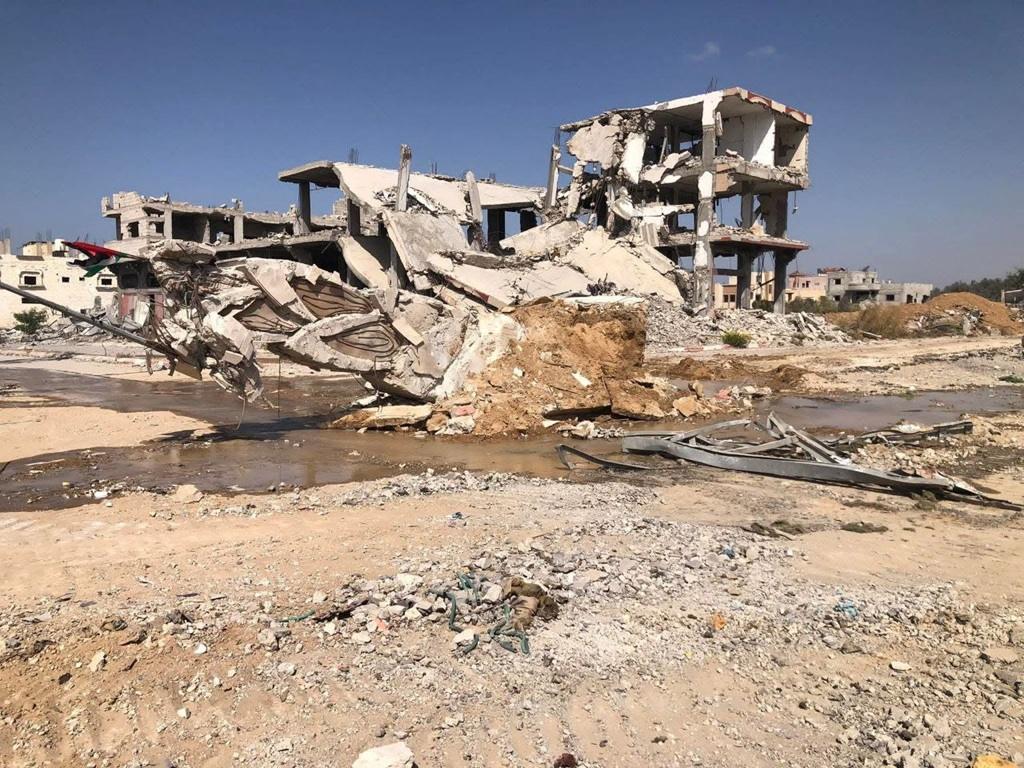
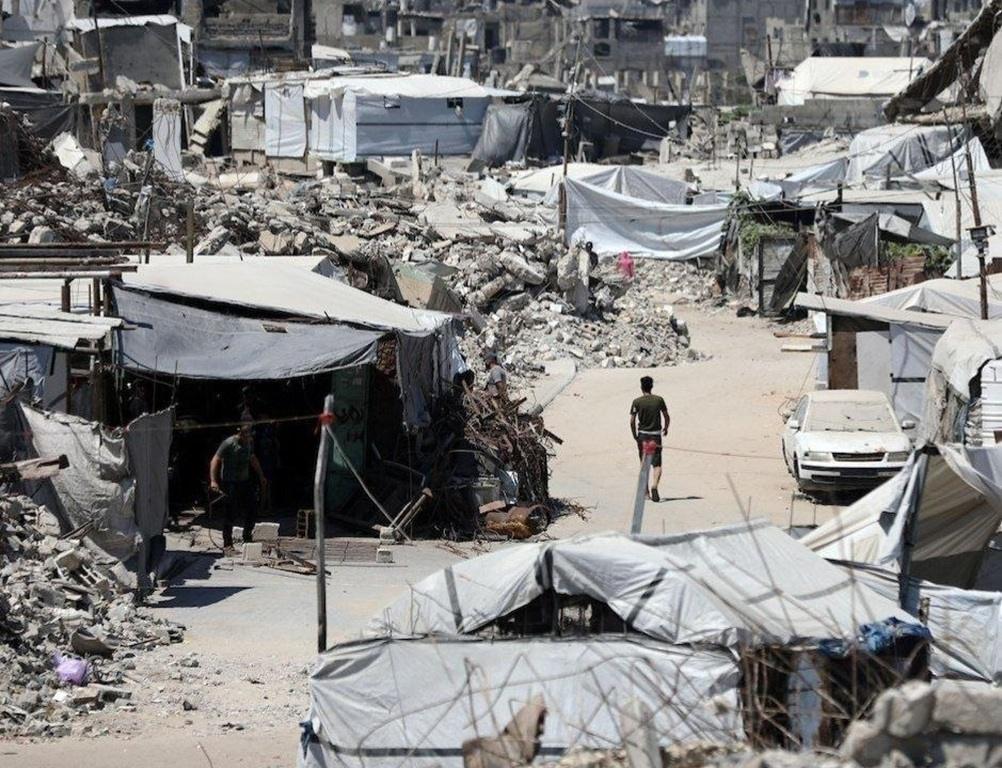
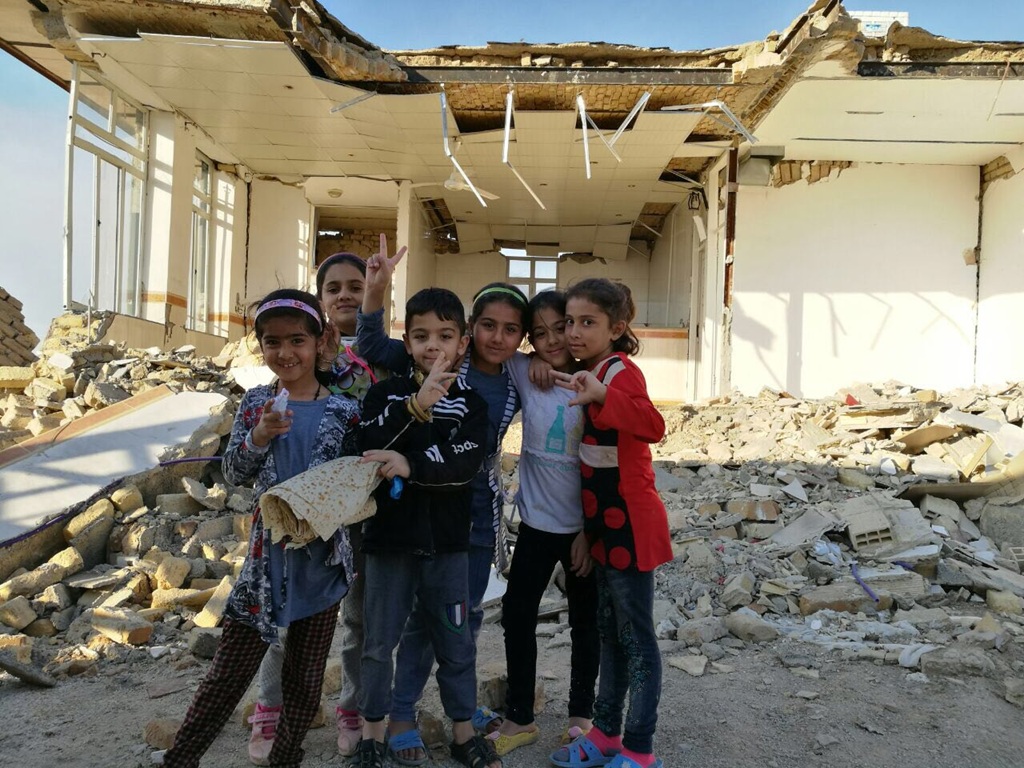
Reconstruction and equipping public places such as electricity, water pipes, hospitals, and roads: We rebuild damaged infrastructure, including hospitals and water systems, and restore electricity to schools and public facilities. For example, we repaired water pipelines in Khan Yunis in Gaza and reconstructed roads to improve access to essential services.
Organizing informal camps is one of the most critical actions that can be taken to support Palestinians. These camps provide shelter, safety, and basic necessities to displaced families who have lost everything due to ongoing conflicts and occupation.
Moreover, managing public health within these camps is vital to prevent the spread of diseases and maintain the well-being of the people. This includes proper waste and garbage disposal, drainage systems, and the creation of sewage systems to manage wastewater from toilets and field baths. These measures are essential to maintain hygiene and prevent the outbreak of epidemics. Let us alleviate the sorrow and poverty of the Palestinians and heal their suffering:
By choosing to give your crypto Zakat to Palestine, you are not only fulfilling your religious obligation but also contributing to saving lives and rebuilding communities. Let’s join hands and create a lasting legacy for Palestine together.
Frequently Asked Questions
1- How is crypto Zakat utilized to support the Palestinian people?
Crypto Zakat bypasses traditional banking hurdles by integrating directly into local supply chains. These digital assets are used to purchase essential food, clean water, and medicine. They also fund the reconstruction of vital infrastructure, such as hospitals, urban water systems, and roadways, ensuring aid reaches those in conflict zones efficiently.
2- Which cryptocurrencies are considered Sharia-compliant for Zakat donations?
All cryptocurrencies provided for donation have been reviewed according to Islamic Sharia standards to ensure they are halal. Acceptable assets include Bitcoin, Ethereum, Ripple, Solana, Litecoin, and BNB. Additionally, stablecoins like Tether (USDT) and USDC are supported, providing a transparent and secure way to fulfill your religious obligations.
3- What is the specific calculation rate for Zakat on cryptocurrency assets?
The standard rate for Zakat is 2.5% of your total wealth held for one lunar year. This includes all cryptocurrency holdings and digital assets. To ensure accuracy, donors can use a Zakat calculator to determine the exact amount based on their current crypto portfolio value before making a contribution.
4- How does Zakat aid specifically address public health and infrastructure?
Contributions fund critical public health projects, including the management of waste disposal and sewage systems in informal refugee camps to prevent disease outbreaks. Zakat also supports the repair of water pipelines, electricity restoration for schools, and the procurement of surgical equipment for local hospitals serving the Palestinian community.