


See how your donated cryptocurrency is categorized, converted, and spent on vital relief under Islamic oversight. Learn how we ensure full transparency.
Beyond Transparency: How We Manage Cryptocurrency Donations at Islamic Charity
At Islamic Donate charity, we’re dedicated to providing vital aid to those in need, while upholding the highest standards of transparency and accountability. A key element of this mission is embracing the growing popularity of cryptocurrency donations.
By accepting a wide range of cryptocurrencies, we empower our donors with greater flexibility and accessibility in contributing to our cause. This diversity, however, necessitates a robust system for managing, categorizing, and allocating these digital assets.
Multi-Layered Approach to Crypto Management
Our organization has implemented a comprehensive system to ensure the responsible handling of your cryptocurrency donations. This system involves a multi-layered approach for optimal efficiency and impact:
1. Classification by Characteristics
- Currency Type: We begin by categorizing the received cryptocurrencies by their specific type (e.g., Bitcoin, Ethereum).
- Token: We further classify them based on the specific token within the cryptocurrency ecosystem.
- Network Type: Additionally, we identify the network type used for the transaction (e.g., Ethereum blockchain). This initial categorization provides a clear understanding of the digital assets entrusted to us.
2. Categorization by Donation Intent
- Donation Nature: We delve deeper, considering the nature of the donation. Is it a one-time gift, a recurring pledge, or designated for a specific project?
- Donor Intent: We strive to understand your intended purpose for the funds. This includes factors like the geographic location for aid or the specific program you wish to support.
By understanding your preferences, we can ensure your generosity reaches the initiatives closest to your heart. For example, donating 1 Bitcoin as Sadaqah (charity) is different from donating 1 Bitcoin as Sadaqah Jariyah (ongoing charity), and each must be spent in accordance with its own Islamic laws. We do this with the close supervision of Islamic scholars and annual audits, and we do our best to please Allah down to the last Satoshi donated.
3. Allocation for Impact
Once comprehensively categorized, the funds are allocated to the appropriate budgeting locations within our organization. This meticulous process ensures that your contributions are directed to the projects and initiatives aligned with both your intention (Niyyah) and our charitable goals.
4. Conversion for Efficiency
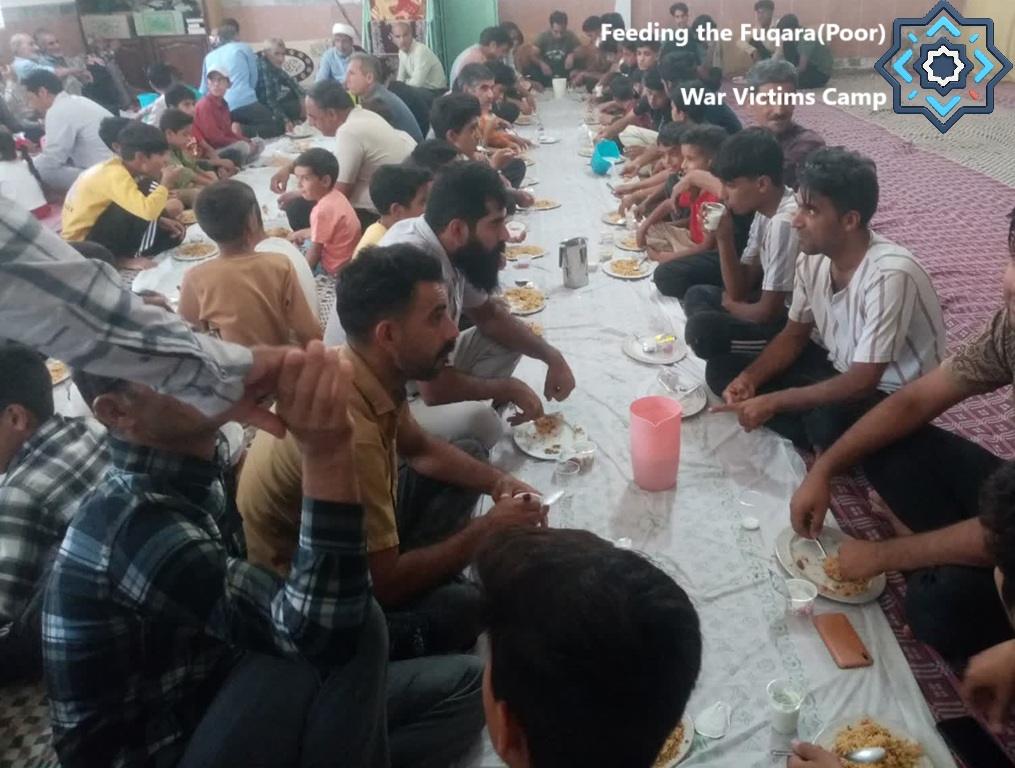
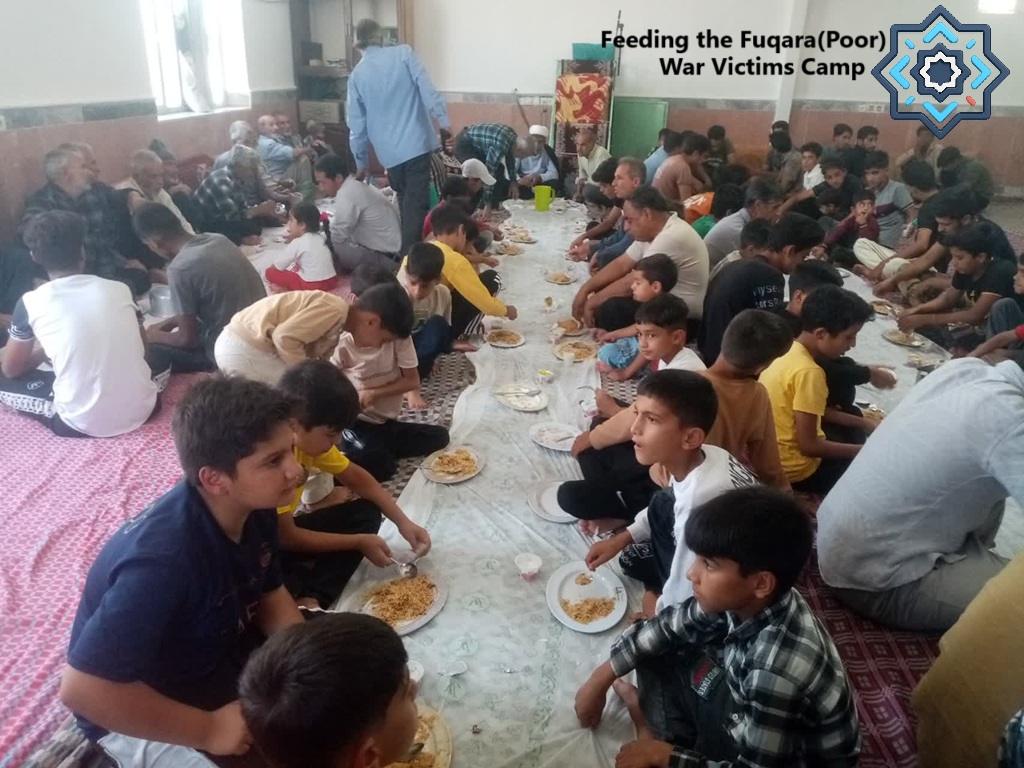
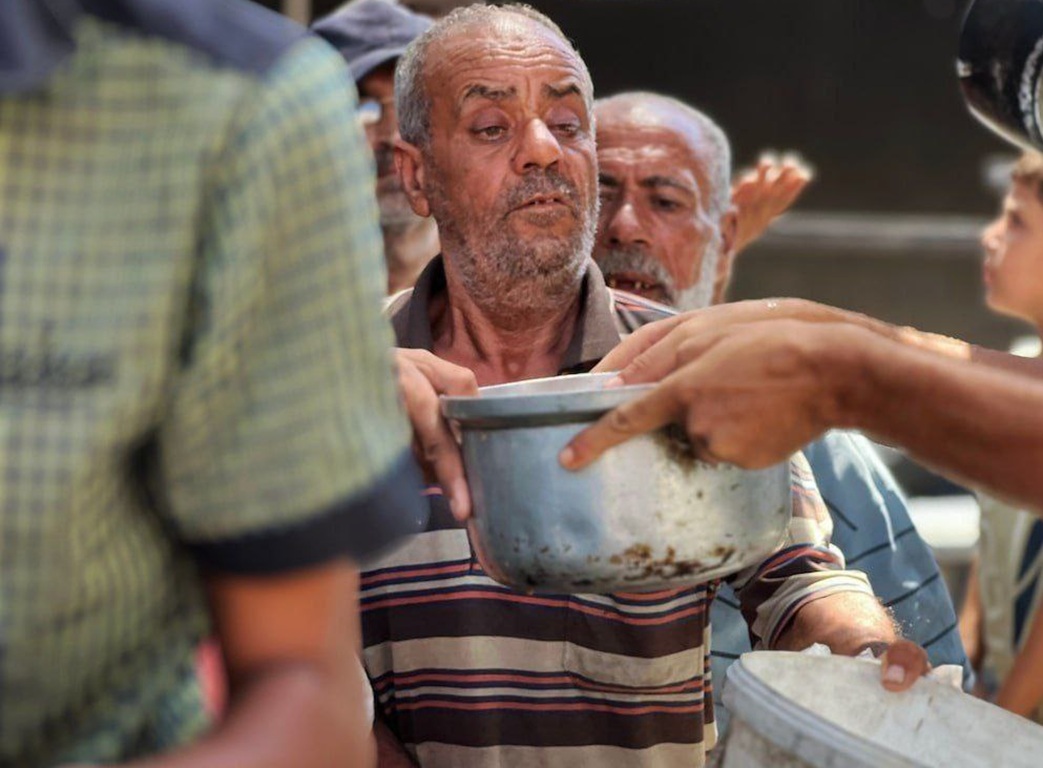
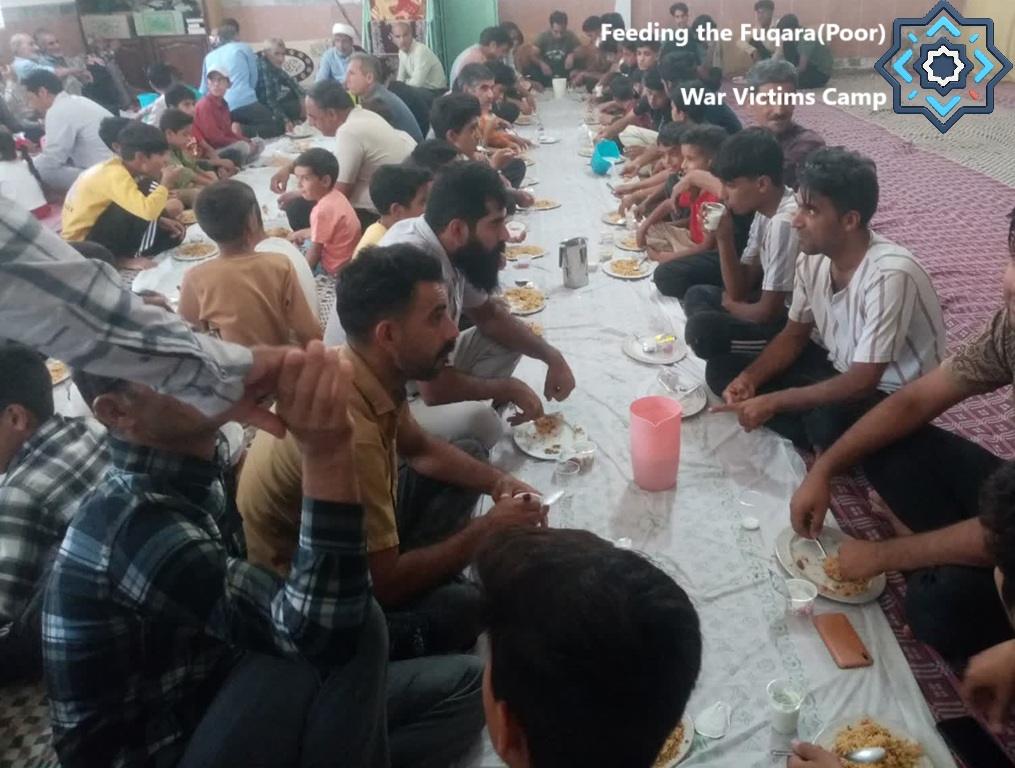
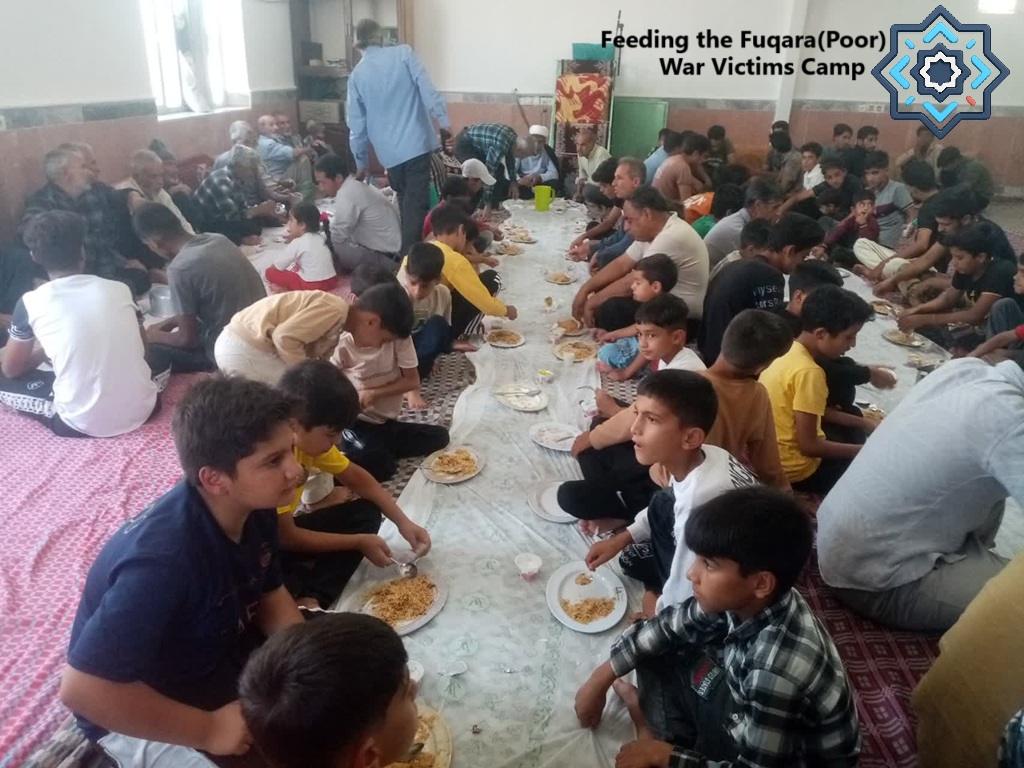
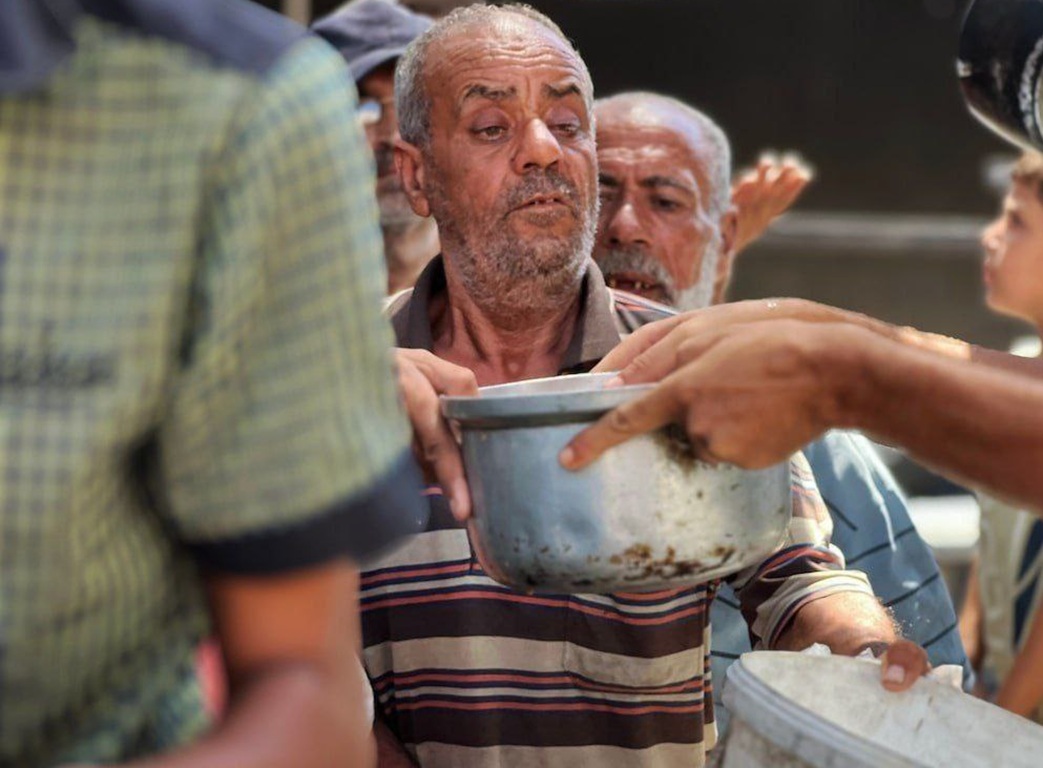
At Islamic Donate Charity, the process of converting cryptocurrency into essential resources like food and water for the needy follows a structured and ethical framework.
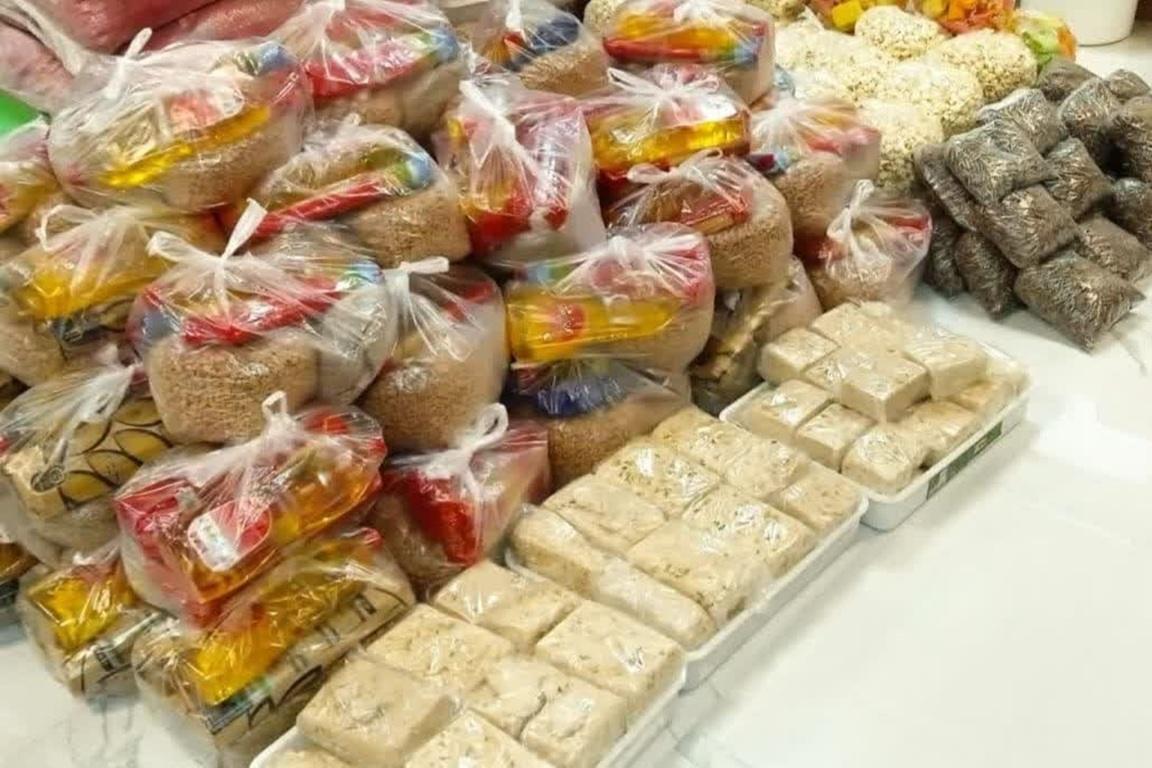
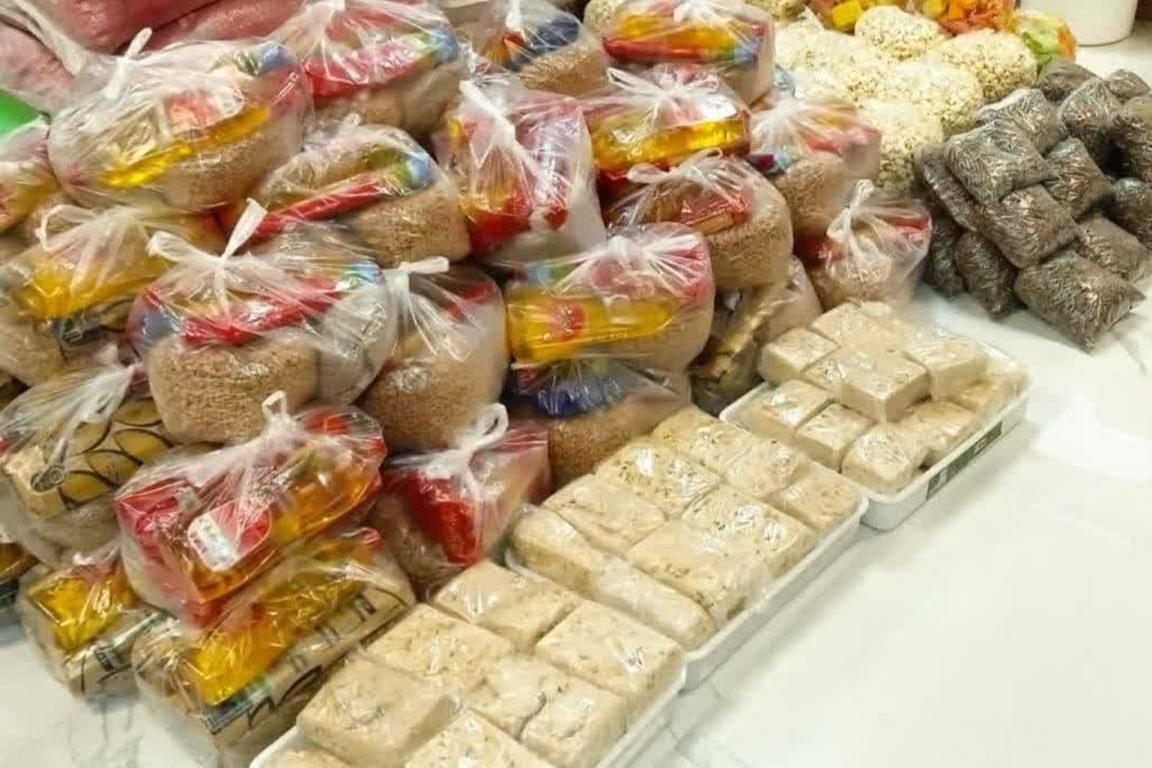
Our preferred and most efficient method is to directly exchange the same cryptocurrency, especially stablecoins like USDT or USDC with local or regional food and water suppliers who accept crypto payments. This allows us to procure raw materials such as rice, flour, oil, bottled water, and hygiene essentials without delays or the need for intermediaries. For cryptocurrencies like Bitcoin, Ethereum, Solana, Ripple, or Litecoin, which fluctuate in value, we responsibly convert them into stablecoins through trusted and standard exchanges, ensuring price stability and donor value preservation.
However, in regions where crypto-friendly suppliers are not available, such as Palestine (pound or junayh or shekel), Yemen (rial), Iraq (dinar), and Syria (pound), we reluctantly convert crypto into local fiat currencies to facilitate traditional purchasing. While this last option is not our ideal, we apply it when absolutely necessary, always aiming to return to crypto transactions as soon as possible due to their speed, transparency, and borderless nature, values we deeply believe in and have successfully applied with trustworthy suppliers for years.








Transparency: The Cornerstone of Our Mission
Transparency is paramount to our organization. By embracing a diverse range of cryptocurrencies and implementing a robust system for managing them, we strive to maximize the impact of your charitable contributions. Your trust and generosity are the foundation of our work, and we are committed to honoring them by making a tangible difference in the lives of those who need it most.
Explore the various cryptocurrency options available for donating to Islamic charity. Together, we can build a brighter future for those in need.
Frequently Asked Questions
1- How does the charity categorize different types of cryptocurrency donations?
The organization employs a multi-layered classification system to manage digital assets. Donations are first categorized by currency type, specific token, and network. They are then further classified by the donor's intent, such as one-time gifts or specific religious designations like Sadaqah or Sadaqah Jariyah to ensure Sharia compliance.
2- What is the primary method for converting crypto into humanitarian aid?
The preferred method is direct exchange. The charity pays food and water suppliers directly using stablecoins like USDT or USDC. This efficient process allows for the rapid procurement of essential materials like rice, flour, and hygiene kits without the delays or extra costs associated with traditional financial intermediaries.
3- How are volatile assets like Bitcoin handled to preserve their value?
To protect the value of generous contributions, volatile assets such as Bitcoin, Ethereum, Solana, and Ripple are responsibly converted into stablecoins through trusted exchanges. This strategy ensures price stability and preserves the donor's value, allowing the charity to budget effectively for long-term projects and immediate relief efforts.
4- What happens when cryptocurrency cannot be used directly in a region?
In regions like Palestine, Yemen, Iraq, or Syria where crypto-friendly suppliers are unavailable, the charity reluctantly converts digital assets into local fiat currencies. This necessary step facilitates traditional purchasing of resources. However, the organization prioritizes returning to crypto transactions whenever possible due to their superior speed and transparency.