

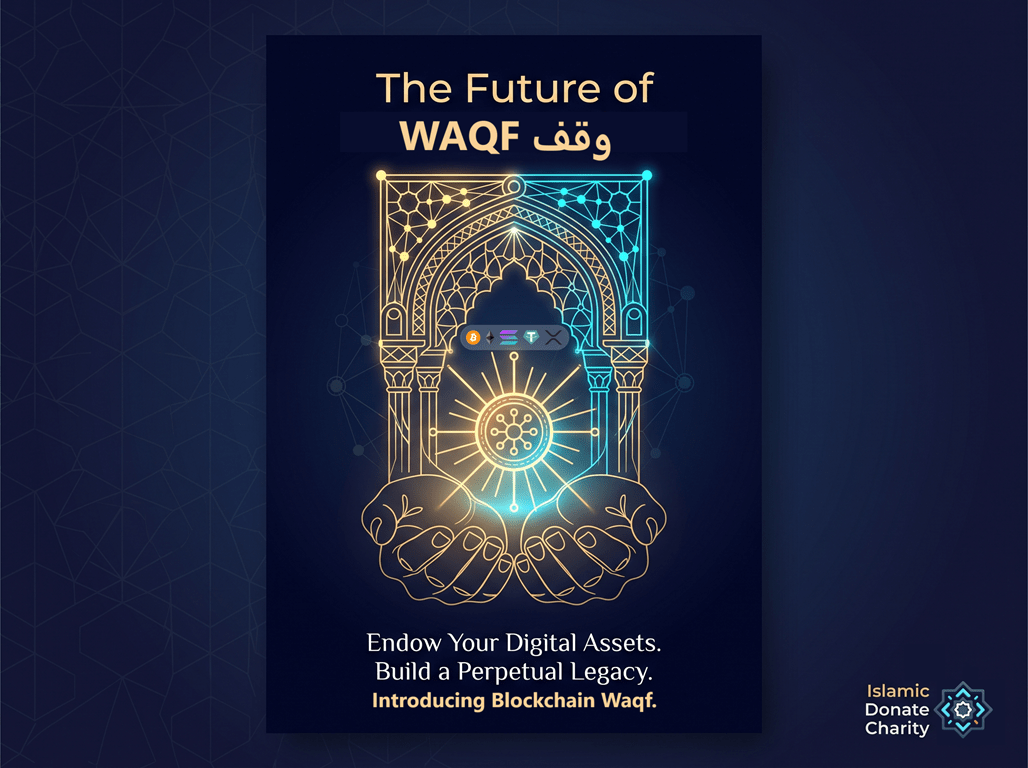
The Enduring Legacy of Waqf in Islamic Jurisprudence
Islamic scholars define Waqf as the permanent confinement of an asset and the continuous dedication of its profit for charitable purposes. Rooted in the Arabic word for “to hold” or “to retain,” this instrument of Islamic social finance requires the principal property to remain intact perpetually. The original asset is preserved, while its generated revenues flow without interruption to designated beneficiaries. This mechanism creates an ongoing cycle of Sadaqah Jariyah, providing continuous charity long after the initial dedication.
Historically, this system has served as a cornerstone of socioeconomic development across the Muslim world. Benefactors dedicate real estate, agricultural land, or commercial properties to fund essential public services. The proceeds build mosques, sustain religious academies, and provide food and shelter to vulnerable populations. Once a formal declaration is made before two witnesses in accordance with Islamic law, the endowed asset is completely immobilized. It can never be sold, gifted, or inherited.
The governance of these assets rests with a board of trustees, traditionally known as the Nazir. They hold the strict fiduciary duty to manage the property prudently and distribute the generated income exactly according to the donor’s original stipulations. Beyond religious preservation, this system creates profound economic stability. It generates local employment, sustains communities, and funds the maintenance of historic cultural heritage sites across centuries.
The Emergence of the Crypto-Waqf Model
The classical principles of traditional endowment are now expanding into the realm of digital Islamic philanthropy. As the global financial landscape evolves, Islamic scholars and financial technologists have developed the crypto-waqf model. This approach applies the timeless rules of perpetual charity directly to digital assets, creating a robust new frontier in halal crypto philanthropy.
In a cryptocurrency endowment, an individual dedicates a specific amount of digital currency to be held in trust forever. A benefactor might, for instance, endow 10 Bitcoins. The core principle of Waqf remains absolute in this scenario. The principal 10 Bitcoins are locked and retained securely as the foundational asset. The designated charity then utilizes the yields, staking rewards, or legitimate market profits generated by this principal to fund humanitarian activities. The original digital asset remains untouched, while the continuous digital revenues provide vital resources for the poor and marginalized.
This model integrates the inherent transparency of blockchain technology with the stringent requirements of Islamic law. It guarantees that the core capital is preserved indefinitely while generating a sustainable, recurring income stream for critical social welfare projects.
Facilitating Blockchain Waqf at Islamic Donate Charity
At Islamic Donate Charity, our team embraces these innovative financial models while strictly upholding classical Islamic jurisprudence. We fully facilitate the endowment of cryptocurrency tokens for donors seeking to establish a perpetual digital legacy.
Due to the complex regulatory and religious requirements surrounding digital assets, we process every crypto-waqf on a case-by-case basis. Donors interested in creating a cryptocurrency endowment must contact our specialists directly. Our team conducts a thorough consultation to ensure the digital assets meet all compliance standards and adhere completely to Sharia guidelines.
Only after completing these rigorous verification steps and confirming the exact terms of the dedication do we initiate the secure transfer of the cryptocurrency to our institutional wallets. The funds are then permanently locked as endowment capital. Our board of trustees actively manages these blockchain waqf assets, ensuring that every fraction of profit generated is deployed directly to our charitable initiatives on the ground. Through this meticulous process, we ensure your digital wealth serves the Ummah in perpetuity.