
What is Aqiqa in Islam?
‘Aqiqa (العقیقة) is the Islamic tradition of sacrificing a sheep, cow, or camel seven days after a child’s birth. This highly recommended practice spiritually protects the newborn from harm, expresses deep gratitude to Allah, and provides nourishing meat to the poor, orphans, and neighbors.
The Unseen Shield: Securing Your Child’s Future
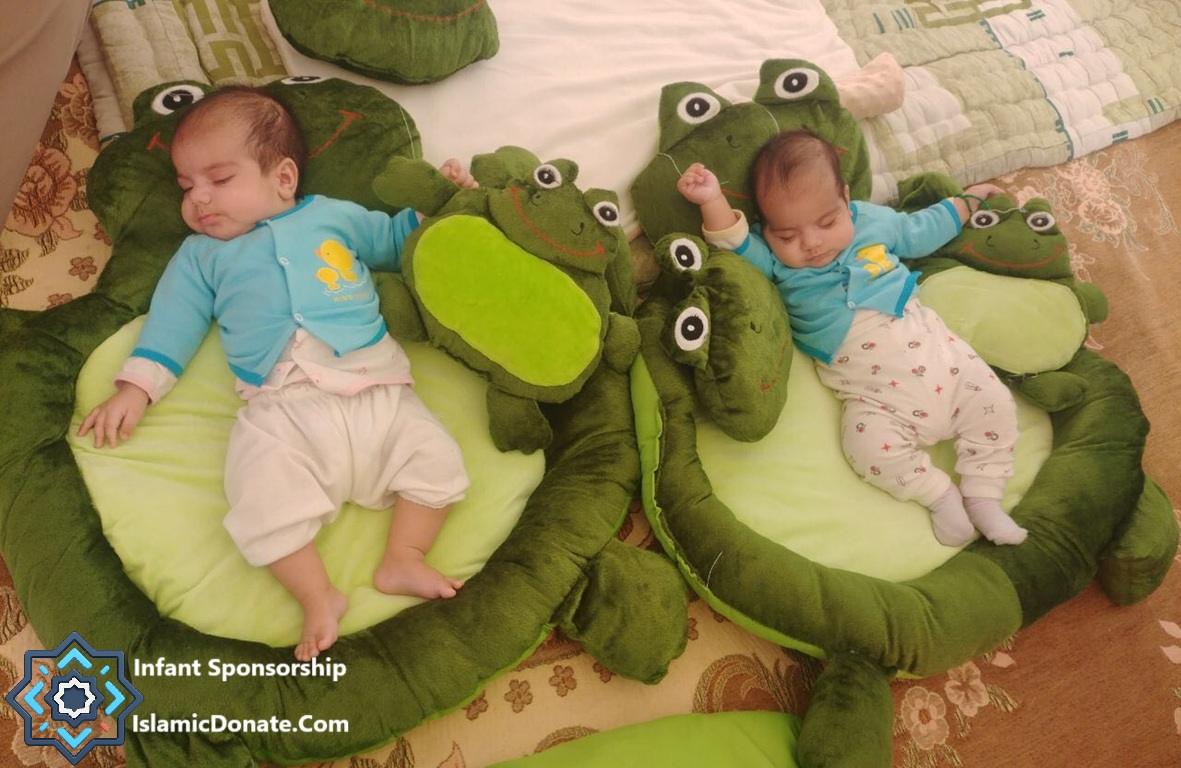
Holding your newborn for the first time changes you. The world fades. Only this fragile life matters.
Instantly, a fierce protective instinct takes over. You want to shield them from every illness, hardship, and unseen harm. But human hands can only do so much. True protection comes from above.
How do we secure the physical and spiritual safety of our children? The Ahl al-Bayt (AS) and the Prophet Muhammad (PBUH) gave us a clear, actionable path. Perform the ‘Aqiqa. It is not just a cultural habit. It is a spiritual fortress. A sacrifice that saves.
When you perform this vital Sunnah, you place a divine shield over your baby. You trade worldly wealth for heavenly protection.
The Prophetic Footsteps
According to Islamic jurisprudence (fiqh), the ‘Aqiqa is deeply rooted in the traditions of the Infallibles. The Prophet Muhammad (PBUH) performed this sacrifice for Imam al-Hasan (AS) and Imam al-Husayn (AS). Historically, Abu Talib also slaughtered an animal for the Prophet (PBUH).
There is profound wisdom here.
Fatima al-Zahra (SA) shaved the heads of her sons on their seventh day, giving silver equal to the weight of their hair as charity (sadaqa). Imam al-Baqir (AS) heavily emphasized this practice. When animals were scarce and expensive, he advised Zayd b. ‘Ali (AS) to persist in finding a sacrifice rather than just paying the equivalent in money. Why? Because Allah loves the shedding of blood for His sake and the feeding of the hungry.
Essential Rules for a Valid Sacrifice
To fulfill the ‘Aqiqa properly, specific conditions must be met. It is an act of precision and devotion.
- The Animal: It must be a sheep, cow, or camel.
- The Gender Match: It is highly recommended to slaughter a male animal for a boy and a female animal for a girl.
- The Timing: The seventh day after birth is the prime time. If missed, it remains recommended. Even adults can perform it for themselves if their parents did not.
- The Integrity of the Sacrifice: It is highly disliked to break the animal’s bones. They should be separated at the joints.
- The Hair Shaving: The baby’s head should be shaved, and the animal slaughtered immediately after, preferably in the same location.
The Sacred Du’a (Supplication)
Words matter. Intentions matter even more. When the sacrifice is made, it is recommended to recite the following prayer, mentioning the newborn’s name:
“In the name of Allah and by Allah, O Allah, an ‘Aqiqa for [Newborn’s Name]. Its meat for his/her meat, its blood for his/her blood, its bone for his/her bone. O Allah, make it a protection for the family of Muhammad, peace be upon him and his family.”
بسم اللّه و باللّه، اللّهمّ عقيقة عن
[new born’s name should be mentioned]
لحمها بلحمه،و دمها بدمه و عظمها بعظمه، اللّهمّ اجعلها وقاء لال محمّد عليه و اله السّلام.
According to another tradition, this devotional statement may be said at slaughtering an animal as oblation to Almighty Allah for the newborn:
يا قَوْمِ اِنّى بَرىٌ مِمّا تُشْرِكُونَ اِنّى وَجَّهْتُ وَجْهِىَ لِلَّذى فَطَرَ السَّمواتِ وَالاَرْضَ حَنيفاً مُسْلِماً وَ ما اَنَا مِنَ الْمُشْرِكينَ اِنَّ صَلوتى وَ نُسُكى وَ مَحْياىَ وَ مَماتى لِلَّهِ رَبِّ الْعالَمينَ لا شَريكَ لَهُ وَ بِذلِكَ اُمِرْتُ وَ اَنَا مِنَ الْمُسْلِمينَ اَللّهُمَّ مِنْكَ وَ لَكَ بِسْمِ اللّٰهِ وَ بِاللّٰهِ وَاللّٰهُ اَكْبَرُ اَللّهُمَّ صَلِّ عَلى مُحَمَّدٍ وَ آلِ مُحَمَّدٍ وَ تَقَبَّلْ مِنْ فُلانِ بْنِ فُلانٍ
mention the name of the newborn and his father’s name After this, one may slaughter the offered animal.
Distributing the Blessing
The meat of the ‘Aqiqa is a gift to the community.
- The Midwife’s Share: A quarter of the animal, typically the shank, belongs to the midwife. If absent, the mother gives sadaqa in its place.
- The Parents: It is strongly disliked for the parents of the newborn to consume this specific meat.
- The Vulnerable: Cook the meat and invite at least ten faithful individuals in need, alongside neighbors, to feast and pray for the child.
Sponsor a complete 'Aqiqa today using crypto
Uncompromising Trust with Islamic Donate Charity
Transparency is the backbone of philanthropy. When you entrust your child’s ‘Aqiqa to Islamic Donate Charity, we handle the entire process with meticulous adherence to Islamic fiqh.
We select the right animals. We recite the correct supplications. We distribute the cooked meals to the most impoverished families, orphans, and widows. You receive peace of mind. They receive a vital lifeline.
Fulfill Your Sunnah Globally via Cryptocurrency
Charity has evolved. Borders no longer restrict generosity.
Using cryptocurrency to fund your ‘Aqiqa offers unmatched advantages. It is fast. It is transparent. It bypasses heavy bank fees and bureaucratic delays. When a child is born, you want the sacrifice done on the seventh day. Traditional bank transfers can take days to clear internationally. Crypto settles in minutes.
By donating Bitcoin, Ethereum, or USDT through Islamic Donate Charity, your funds are deployed immediately to regions suffering from extreme poverty. You protect your child here. You feed a starving family across the globe.
Do not wait. The seventh day approaches quickly.
Shield your newborn today. Fund an orphan’s meal tomorrow. Send your crypto ‘Aqiqa donation right now.