

Discover how donating in Islam works. Learn the key differences between Zakat and Sadaqah, where funds go, and how your charity impacts lives.
Yes, donating or giving to charity is an important aspect of Islamic practice, and it is considered a way to earn reward and gain the pleasure of Allah.
The Virtuous Act of Giving in Islam: Zakat and Sadaqah
Giving to charity is a cornerstone of Islamic faith, deeply woven into the fabric of Muslim life. Charities are always founded on goodness and love for others. In Islam, many Quranic verses and hadiths of the Prophet refer to goodness and love for the needy and believers, to the extent that Muslims are called brothers and sisters. Islam goes further in the field of helping the needy, and many Islamic laws are related to the obligations that a Muslim must pay (Sharia payments) so that that money can be spent on the weak of the Ummah. Let’s delve into the two main forms of charitable giving in Islam: Zakat and Sadaqah.
Zakat: A Pillar of Islam and Purification of Wealth
Zakat, one of the five pillars of Islam, is a mandatory form of charity. This purifies their wealth and ensures its circulation within the community. Zakat funds support various causes, including:
- Providing food and shelter for the poor.
- Supporting education and healthcare initiatives.
- Assisting those in need during emergencies.
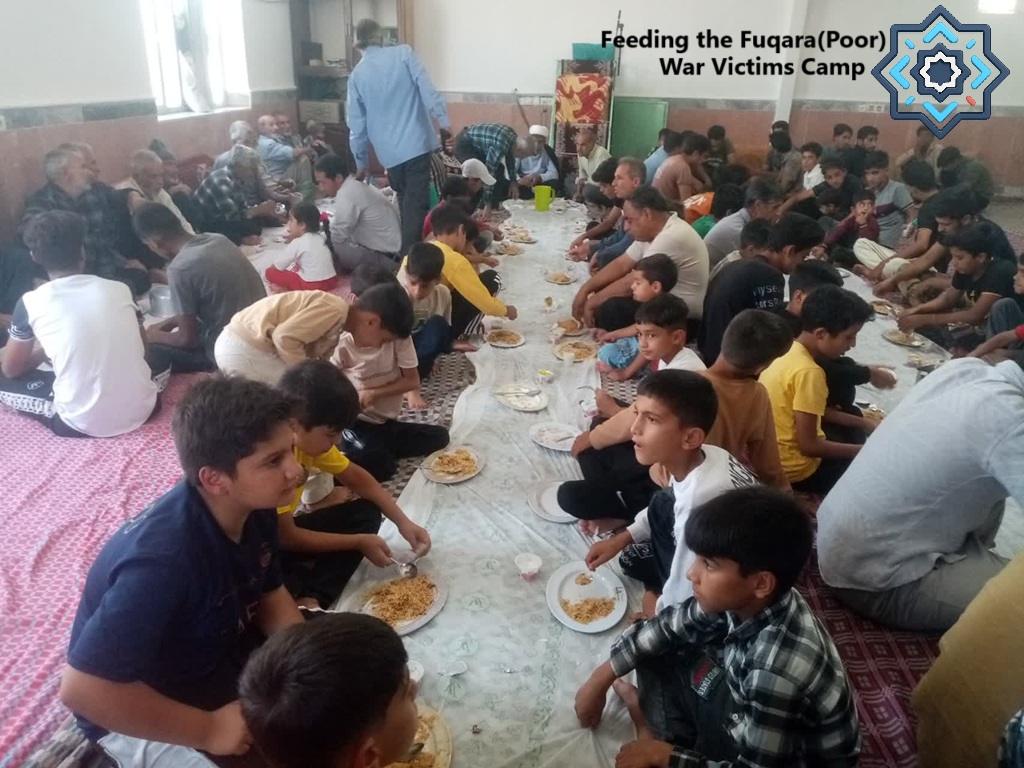
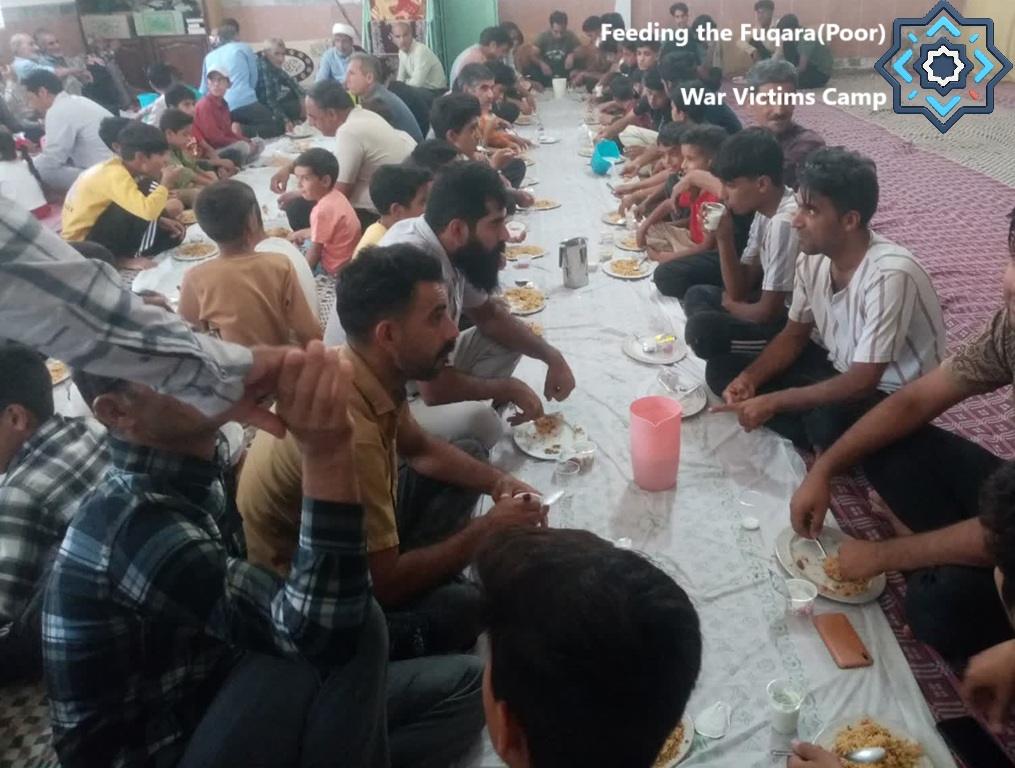


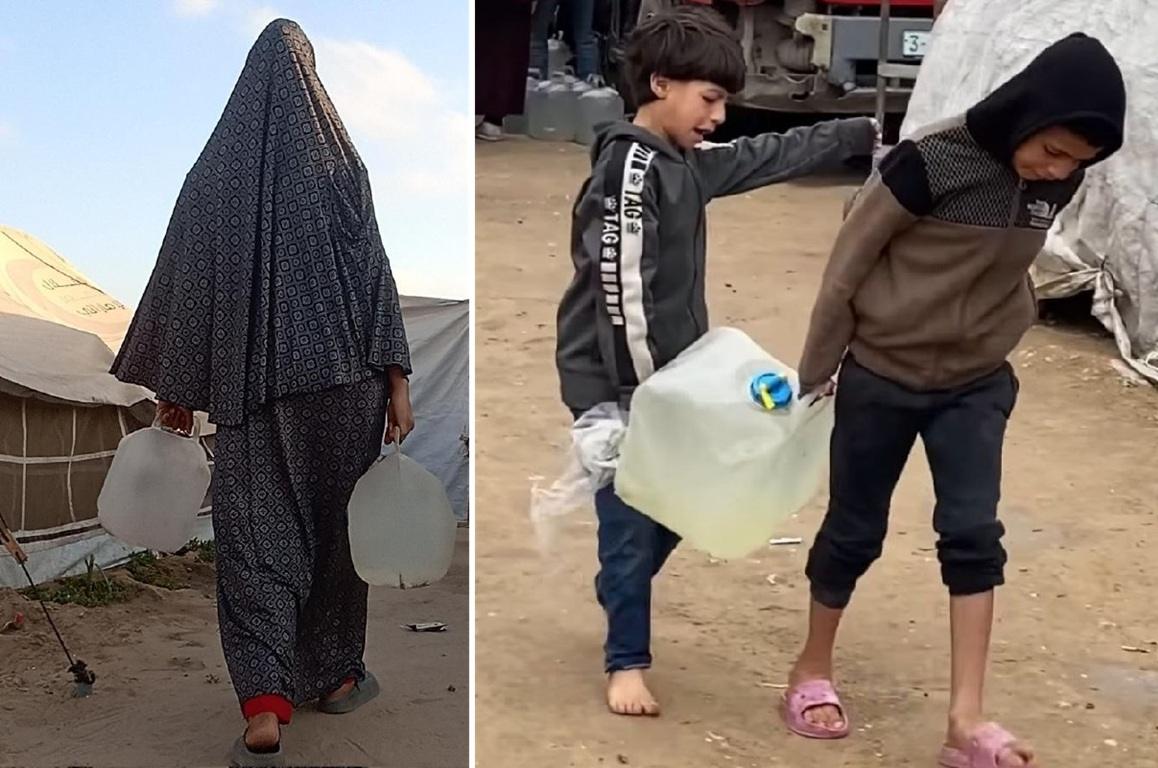


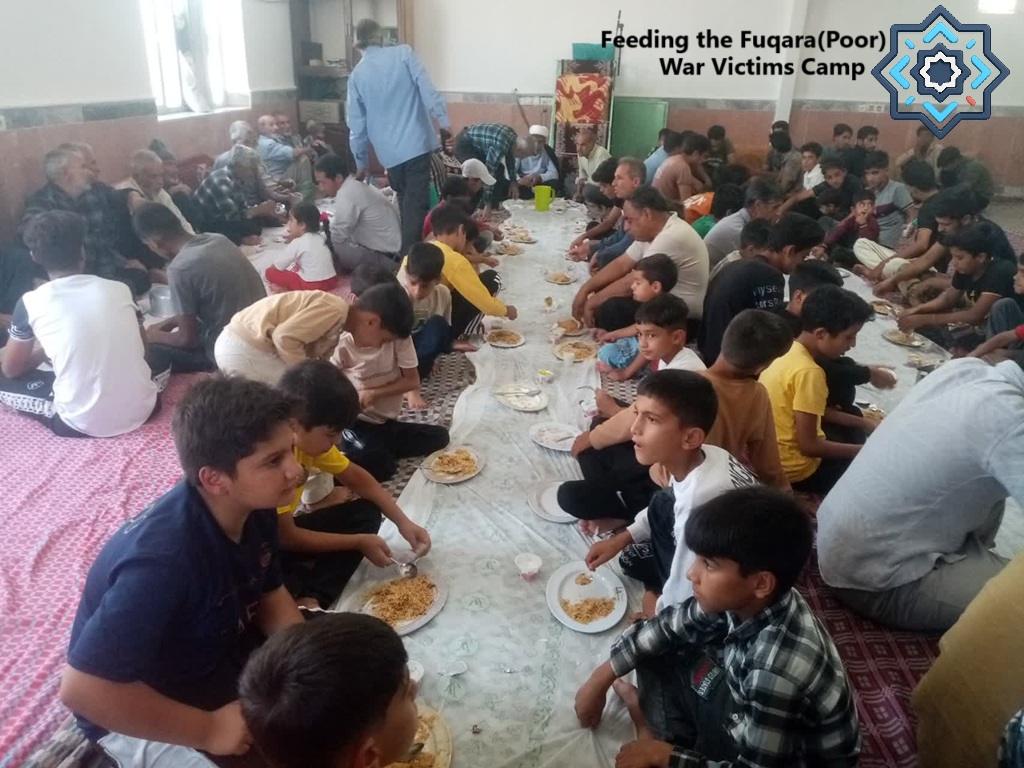
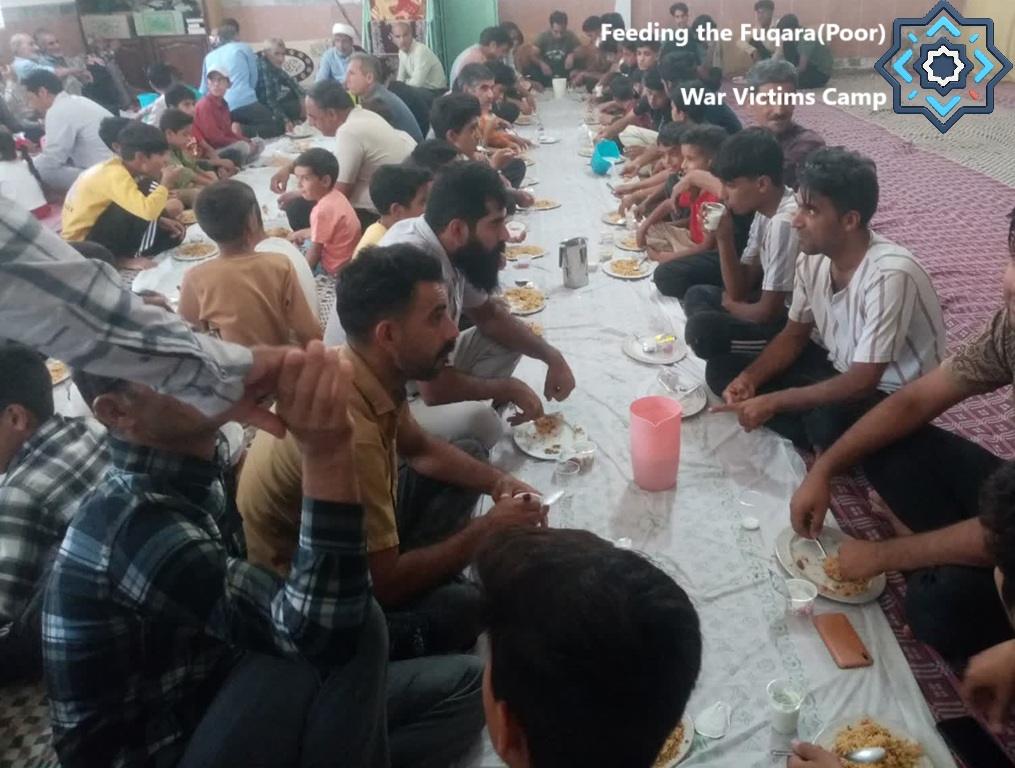


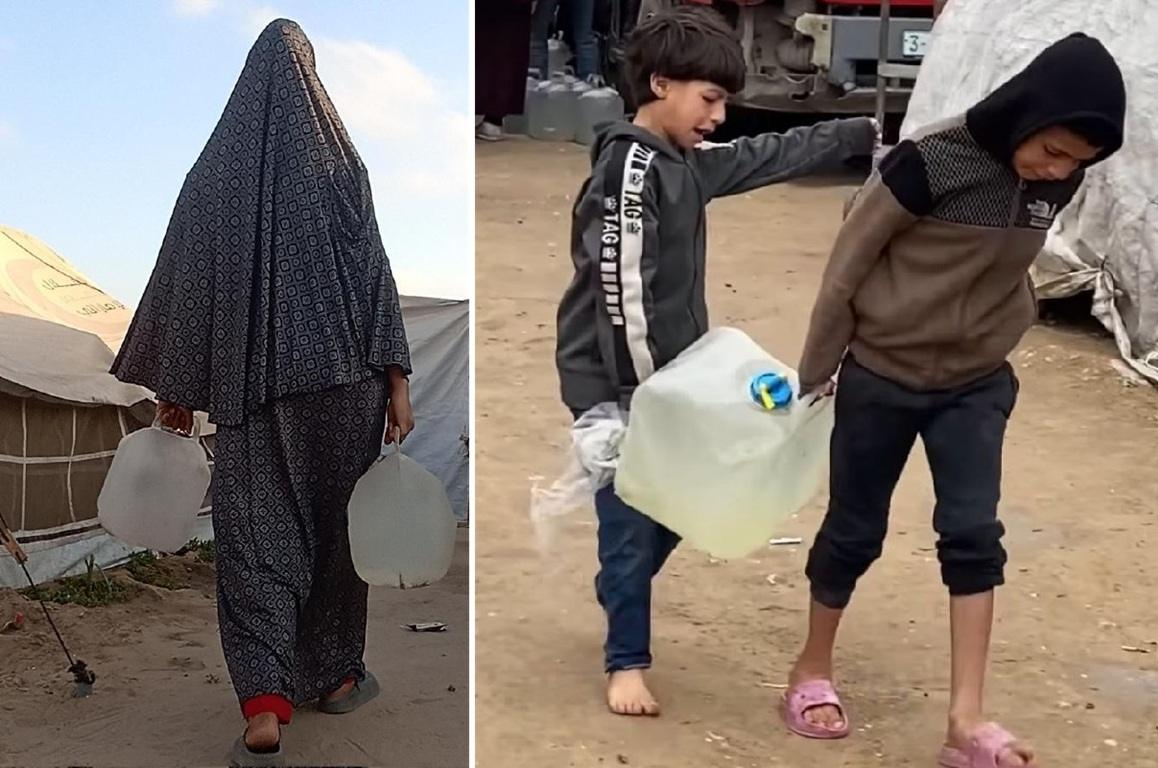


Zakat is one of the obligatory payments for Muslims that has a direct Quranic verse, and the method of its payment and expenditure is stated in detail in verse 60 of Surah At-Tawbah. Muslims who meet a specific wealth threshold are obligated to donate a fixed percentage (2.5%) of their qualifying assets annually. Zakat on crypto (Bitcoin(BTC) – Ethereum(ETH) – all types of stable coins such as Tether – types of ETFs – assets on DeFi or types of NFTs) is also calculated based on 2.5% and you can calculate your zakat from here.
Sadaqah: Voluntary Charity for All
Sadaqah, meaning “voluntary charity,” encompasses a wide range of acts of generosity. It can be as simple as offering a kind word, donating money or food, or even giving your time to help others. Sadaqah is not mandatory, but it’s highly encouraged in Islam. It allows everyone, regardless of wealth, to participate in the act of giving and contribute to the well-being of their community.
The Power of Giving: Earning Rewards and Building a Better World
Giving (Sadaqah or Sadaqa) in Islam transcends mere financial contributions. It cultivates a spirit of compassion and social responsibility. By helping others, Muslims express gratitude for their blessings and fulfill their duty towards humanity. Here are some key benefits of Sadaqah in Islam:
- Earning Divine Favor: Sadaqah pleases Allah and paves the way for His mercy and blessings.
- Purifying Wealth: Giving Zakat and Sadaqah purifies one’s wealth and fosters a sense of detachment from material possessions.
- Strengthening Communities: Charitable contributions support those in need, leading to a more just and equitable society.
- Leaving a Lasting Legacy: Acts of Sadaqah Jariyah (ongoing charity), like building wells or schools, continue to benefit others even after the giver’s lifetime.
Giving in Islam is Beautiful
Donating to charity is an important part of Islamic practice, and it is considered a way to earn reward and gain the pleasure of Allah. Through charitable giving, Muslims can help to build a more just and equitable society, and cultivate a spirit of generosity and compassion that is central to the teachings of Islam.
Giving in Islam is a beautiful expression of faith and compassion. By incorporating Zakat and Sadaqah into their lives, Muslims can contribute to a world where generosity flourishes and communities thrive. This act of giving not only benefits the recipient but also enriches the giver’s spiritual journey.
Today, Muslims have access to a variety of convenient and secure methods to donate, including online platforms and cryptocurrency options. This makes fulfilling Zakat and practicing Sadaqah easier than ever before. Islamic Donate Charity also defines many charitable projects, and we also accept cryptocurrency for donations, zakat, and alms.
Frequently Asked Questions
1- What is the difference between Zakat and Sadaqah in Islam?
Zakat is a mandatory pillar of Islam requiring Muslims who meet a specific wealth threshold to donate 2.5% of their assets annually. Conversely, Sadaqah refers to voluntary charity encompassing any act of kindness, including financial gifts, food, or time, aimed at helping the community and earning divine favor.
2- How is Zakat calculated on modern assets like cryptocurrency?
Zakat on digital assets, including Bitcoin, Ethereum, stablecoins like Tether, ETFs, and NFTs, is calculated based on the standard 2.5% rate. Modern platforms now facilitate these payments, allowing Muslims to purify their digital wealth and ensure its circulation to support education, healthcare, and emergency assistance for those in need.
3- Where are Islamic donation funds typically distributed?
Islamic donations are primarily directed toward supporting the weak and needy within the Ummah. Funds are used to provide essential food and shelter, fund healthcare initiatives, and support educational programs. Specific guidelines for expenditure are detailed in the Quran, ensuring that resources reach the most vulnerable society members.
4- What are the spiritual benefits of giving charity in Islam?
Giving charity serves to purify a believer's wealth and fosters a sense of detachment from material possessions. It is a powerful way to earn Allah's mercy and blessings while building a just society. Acts like Sadaqah Jariyah provide ongoing rewards for the giver, even after their lifetime.