
What is Khums and Where Can It Be Spent?
Khums is an obligatory Islamic tax of 20% on annual surplus income, historically divided into two portions: Sehm-e-Sadat (for needy descendants of the Prophet) and Sehm-e-Imam (for the propagation of Islam and public welfare). According to the consensus of major Marja’ Taqlids, these funds are strictly allocated to supporting Islamic seminaries, helping impoverished families, maintaining religious sites, and defending the faith.
The Sacred Duty: Fulfilling Your Obligation with Certainty
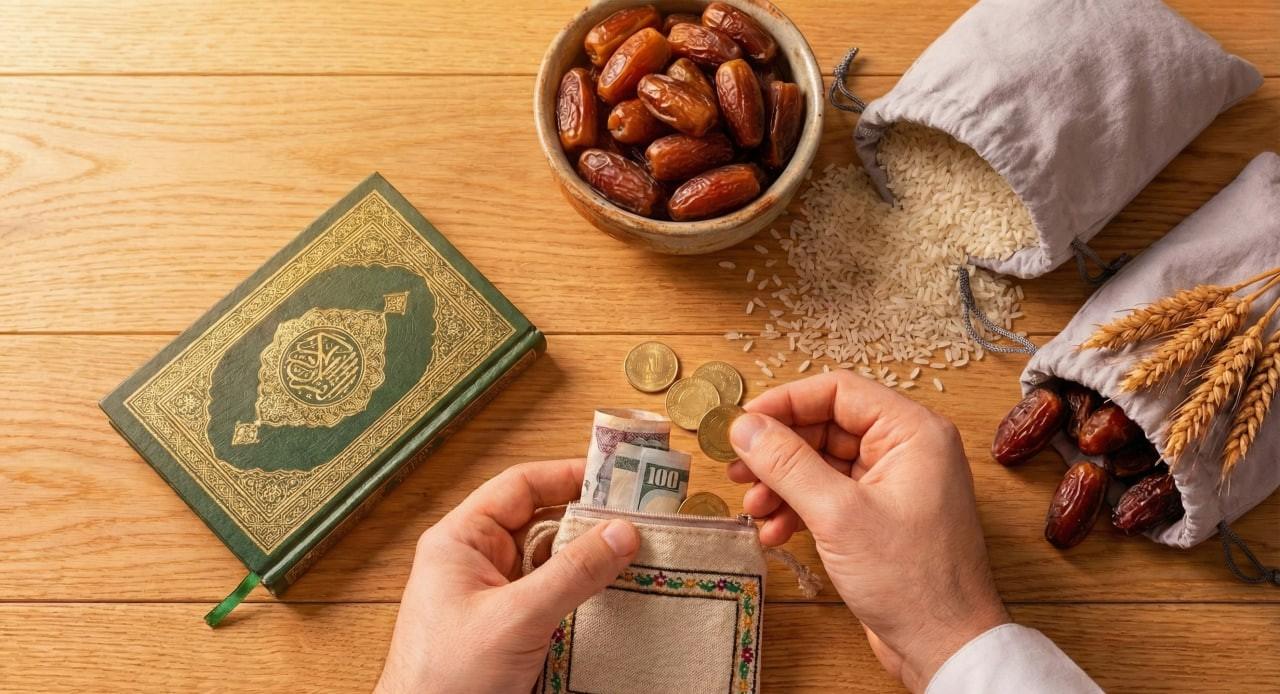
Imagine the weight of a religious obligation resting on your shoulders. You have worked hard, earned a halal living, and calculated your 20% Khums. But a lingering question remains: Will this money actually reach the hands that need it most?
For millions of believers, the anxiety isn’t about paying the amount; it is about the “Amanah” (trust). You worry about administrative costs eating into the funds. You worry about opacity. You worry if the specific conditions of your Marja’ (Religious Authority) are being met.
In a world filled with financial barriers and slow banking systems, the poor often wait months for aid that should arrive in minutes. This delay isn’t just an inconvenience; for a starving orphan or a student of knowledge, it is a crisis.
Fortunately, modern technology has bridged the gap between ancient jurisprudence and immediate impact. By understanding the specific rulings of your Marja’ and utilizing transparent payment methods, you can turn your religious duty into a direct lifeline for the vulnerable.
Detailed Rulings: How Khums is Distributed by Marja’
Below is a comprehensive guide to the spending avenues for Khums based on the treatises of the most prominent Marja’ Taqlids of the Shia world. While there is a strong consensus on the general principles, it is vital to respect the authority of the scholar you follow.
Ayatollah Sayyid Ali al-Husseini al-Sistani
According to the treatise of Ayatollah Sistani, the “Sehm-e-Imam” and “Sehm-e-Sadat” portions are prioritized for the following:
- Supporting needy Sayyids (descendants of Prophet Muhammad, PBUH) who require financial aid.
- Assisting general needy individuals who are stranded, in debt, or living in poverty.
- Funding the propagation of Islam and supporting Hawza students (scholars of Islamic knowledge).
- Preserving the sanctity and physical structure of Islamic shrines and places of worship.
- Supporting those strictly in the path of Allah, including defense of the faith.
Ayatollah Sayyid Ali Khamenei
The Supreme Leader’s rulings emphasize the structural strengthening of the Islamic community:
- Supporting the operational expenses of Islamic seminaries (Hawzas) and religious schools.
- Direct aid to the poor and destitute.
- Funding cultural activities that propagate Islamic values.
- Facilitating the marriage of young couples unable to afford dowries or wedding costs.
- Providing educational support for orphans and underprivileged children.
Ayatollah Muhammad Taqi al-Modarresi
For followers of Ayatollah Modarresi, Khums is directed towards:
- Needy Sayyids (descendants of the Holy Prophet).
- The training of Islamic scholars and the general spread of religious knowledge.
- Specific support for the most vulnerable: orphans and widows.
- Maintenance of holy shrines and mosques.
- Supporting those struggling in the path of Allah.
Ayatollah Bashir al-Najafi
Ayatollah Bashir al-Najafi’s rulings align closely with the Najaf seminary tradition:
- Financial support for impoverished Sayyids.
- Propagation of the faith and sponsorships for religious students.
- Humanitarian aid for the poor, specifically widows and orphans.
- The upkeep of places of worship and shrines.
- Defense of the faith and those striving in the path of God.
Ayatollah Muhammad al-Fayadh
According to his treatise, the specific avenues for Khums include:
- Supporting the descendants of the Prophet (Sayyids) in need.
- Educational funding for students of Islamic knowledge and propagation efforts.
- Relief for the poor, including specific provisions for orphans and widows.
- Preservation of Islamic heritage sites and shrines.
- Supporting expenses related to the defense of Islam and the path of Allah.
Ayatollah Naser Makarem Shirazi
Ayatollah Makarem Shirazi outlines the following authorized expenditures:
- Needy Sayyids (descendants of the Prophet PBUH).
- Promotion of Islamic culture and training of religious scholars.
- Welfare for the poor, focusing on orphans and widows.
- Construction and repair of mosques and shrines.
- Supporting legitimate struggles in the path of Allah.
Ayatollah Muhammad Saeed al-Hakim
The late Ayatollah’s rulings specify:
- Aid for needy Sayyids.
- Spreading the message of Islam and educating future scholars.
- Assisting the poor, orphans, and widows.
- The preservation and upkeep of Islamic shrines.
- Supporting those in the path of Allah.
Ayatollah Muhammad al-Yaqoubi
Followers of Ayatollah Yaqoubi should direct Khums toward:
- Impoverished Sayyids.
- Religious propagation and the education of knowledge seekers.
- Generally poor individuals, alongside orphans and widows.
- Maintenance of religious sites.
- Defense of the faith and path of Allah.
Ayatollah Sheikh Muhammad Hassan Akhtari
His treatise indicates the following usage:
- Supporting needy descendants of the Prophet.
- Training scholars and propagating the religion.
- Helping the poor, orphans, and widows.
- Upkeep of Islamic shrines and worship sites.
- Supporting the path of Allah and defense of Islam.
Ayatollah Hussein Vahid Khorasani
Ayatollah Khorasani strictly defines Khums usage for:
- Needy Sayyids.
- The propagation of Islam and support for students of knowledge.
- The poor and needy, orphans, and widows.
- Preservation of holy shrines.
- Those fighting in defense of the faith or striving in the path of Allah.
Ayatollah Mohaqiq Kabuli
The rulings include:
- Support for needy Sayyids.
- Propagation of Islam and student training.
- Welfare for the poor, orphans, and widows.
- Maintenance of shrines and mosques.
- Supporting the path of Allah.
Consensus Note: It’s important to note that the ways in which Khums can be spent can vary slightly between different Marja’ Taqlids, depending on their interpretation of Islamic law and the needs of their specific communities. Nonetheless, the universal pillars of Khums spending across all Marjas are Education (Hawza), Poverty Relief (Orphans/Widows), and Preservation of Faith.
Ensure Your Khums Counts: A Call to Purity
The obligation of Khums is not just a tax; it is a purification of your wealth. Just as you ensure your water is pure before Wudu, you must ensure your donation channel is pure, efficient, and direct.
Do not let bureaucracy delay your blessings. Fulfill your religious duty today with the speed and transparency of the blockchain.
Pay Your Khums Securely Here
Helping orphans, widows, and scholars has never been this direct. Your Marja’ has defined the path; technology has engaged the vehicle. It is time for you to drive the change.