

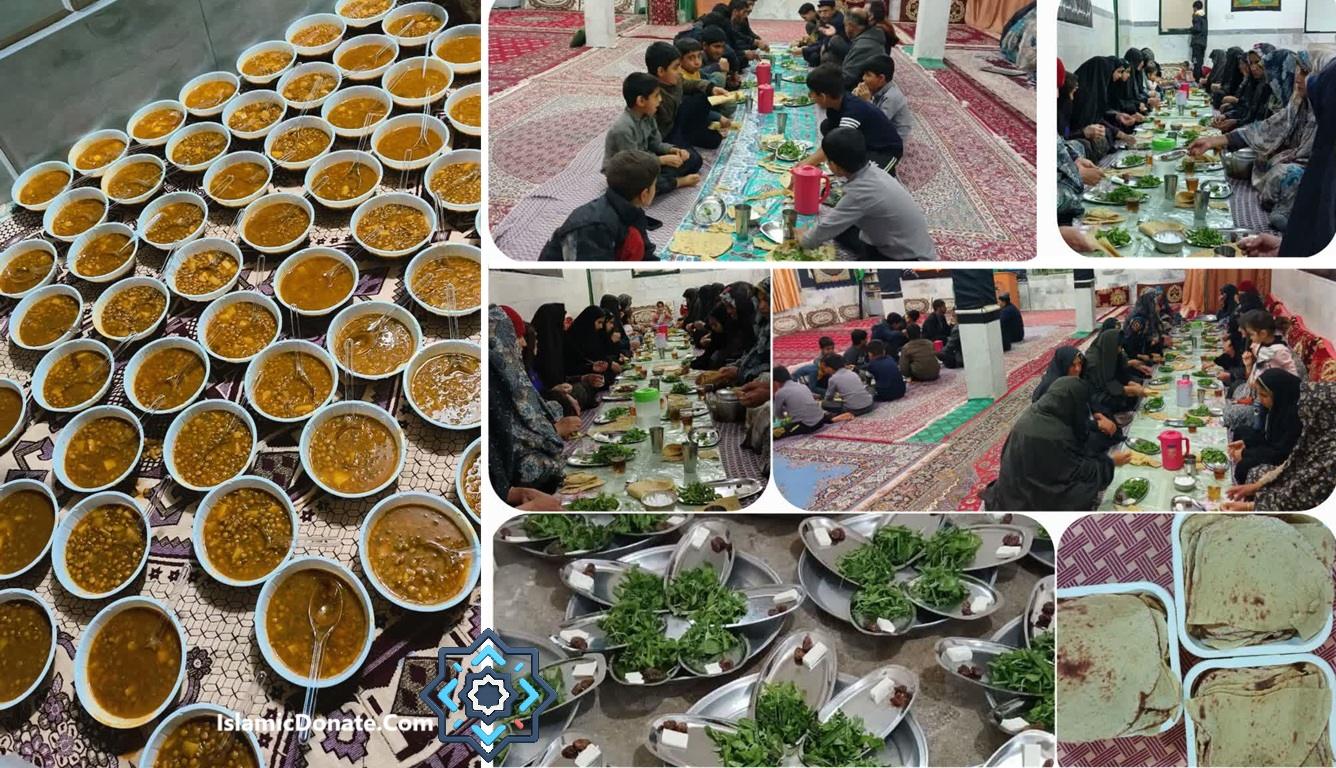
Kaffarah Explained: The Path to Spiritual Purification
Kaffarah is a mandatory Islamic expiation paid by individuals who have violated specific religious obligations, such as breaking a Ramadan fast without valid reason or violating a solemn oath. Unlike voluntary charity, it is a prescribed corrective action. The primary cases for spending Kaffarah involve feeding sixty poor people (Masakin), clothing them, or financial equivalents intended to provide immediate relief to those struggling with food insecurity.
Turning Regret into Redemption
To err is human. In the journey of faith, we sometimes stumble. We make vows we cannot keep, or we falter during the holy days of Ramadan. This often leaves a heavy burden on the heart – a lingering sense of spiritual debt.
But Islam is a religion of mercy, not despair. It offers a beautiful mechanism to transform that mistake into a miracle for someone else. This mechanism is Kaffarah.
Imagine that the very act intended to cleanse your conscience also fills the empty plate of a starving child. Your spiritual redemption becomes their physical survival. However, to ensure your expiation is valid, understanding the specific cases of spending Kaffarah is vital. You need to know where your funds go and trust that they reach the people who need them most.
The Core Cases of Spending Kaffarah in Islamic Jurisprudence
While the original draft suggests a lack of guidelines, Islamic jurisprudence (Fiqh) actually provides clear categories for Kaffarah, specifically regarding who qualifies to receive it. While the method of payment has evolved, the recipients remain unchanged.
- Feeding the Poor (Ityam al-Masakin)
This is the most common and universally accepted case for spending Kaffarah.
The Rule: For breaking a fast (Kaffarah Sawm), one must feed 60 needy persons. For breaking an oath (Kaffarah Yameen), one must feed 10 needy persons.
The Application: Funds allocated for Kaffarah are strictly used to purchase food staples (wheat, rice, dates) or prepared meals to support families living below the poverty line. - Clothing the Needy
If feeding is not the chosen path for a broken oath, the expiation can be fulfilled by providing decent clothing to ten poor individuals. In modern philanthropy, this often translates to funding winter aid kits or essential garments for refugees. - Supporting Religious and Social Welfare
Scholarship indicates that the definition of “spending” has broadened to ensure the highest impact.
Educational Support: Providing supplies to underprivileged students involves seeking divine blessings by empowering the next generation.
Institutional Aid: While the primary target is the individual poor, channeling Kaffarah through reputable institutions (like mosques or transparent charities) ensures the funds are aggregated to solve systemic hunger issues rather than providing a single temporary meal.
Trust and Transparency: The Philanthropic Necessity
When paying Kaffarah, you are not just making a transaction; you are fulfilling a religious duty. The validity of your expiation depends on the effective transfer of wealth to the needy.
In traditional systems, donors often wonder: Did my Kaffarah actually feed 60 people? Did it reach them in time?
This is where modern technology bridges the gap between ancient obligation and future-proof integrity. We utilize blockchain technology to provide an immutable record of impact. We ensure that your expiation is not swallowed by administrative black holes but is directed efficiently to the cases of spending deemed valid by Sharia standards.
Why Your Crypto Donation Makes a Bigger Impact
As a forward-thinking donor, you understand the power of decentralized finance. When it comes to Kaffarah, donating cryptocurrency offers distinct advantages over fiat currency.
- Unmatched Speed for Immediate Expiation
Hunger does not wait for bank settlements. Traditional banking systems can take days to clear international transfers. Crypto transactions are near-instant. When you send Kaffarah in Bitcoin, Ethereum, or USDC, the value moves across borders in minutes, allowing aid workers to procure food for the hungry almost immediately. - Radical Transparency
The blockchain is an open ledger. By donating crypto, you are engaging in a system where capital flow is traceable. You can see the movement of funds, ensuring your Kaffarah is applied strictly to the valid cases of spending – specifically feeding the poor and needy – without opaque intermediaries skimming off the top. - Lower Fees, More Food
International remittances and credit card processors often take significant percentages in fees. Crypto networks generally operate with a fraction of these costs. This means a higher percentage of your Kaffarah goes directly to the beneficiary. Your mistake, converted into crypto, yields more meals for the destitute. - Global Reach
Many of the world’s most vulnerable populations live in unbanked regions where fiat transfer is difficult. Crypto bypasses these failing financial infrastructures, delivering value directly to digital wallets used by aid organizations on the ground.
Fulfill Your Obligation Today
The weight of a broken oath or a missed fast can be lifted instantly. You have the power to turn a spiritual debt into a lifeline for a family in crisis. Do not let procrastination invalidate your intention.
Make your expiation count.
By choosing to pay your Kaffarah through cryptocurrency, you are ensuring speed, transparency, and maximum impact. You are not just following a rule; you are saving lives.
Redeem Your Oath: Feed the Hungry via Blockchain