

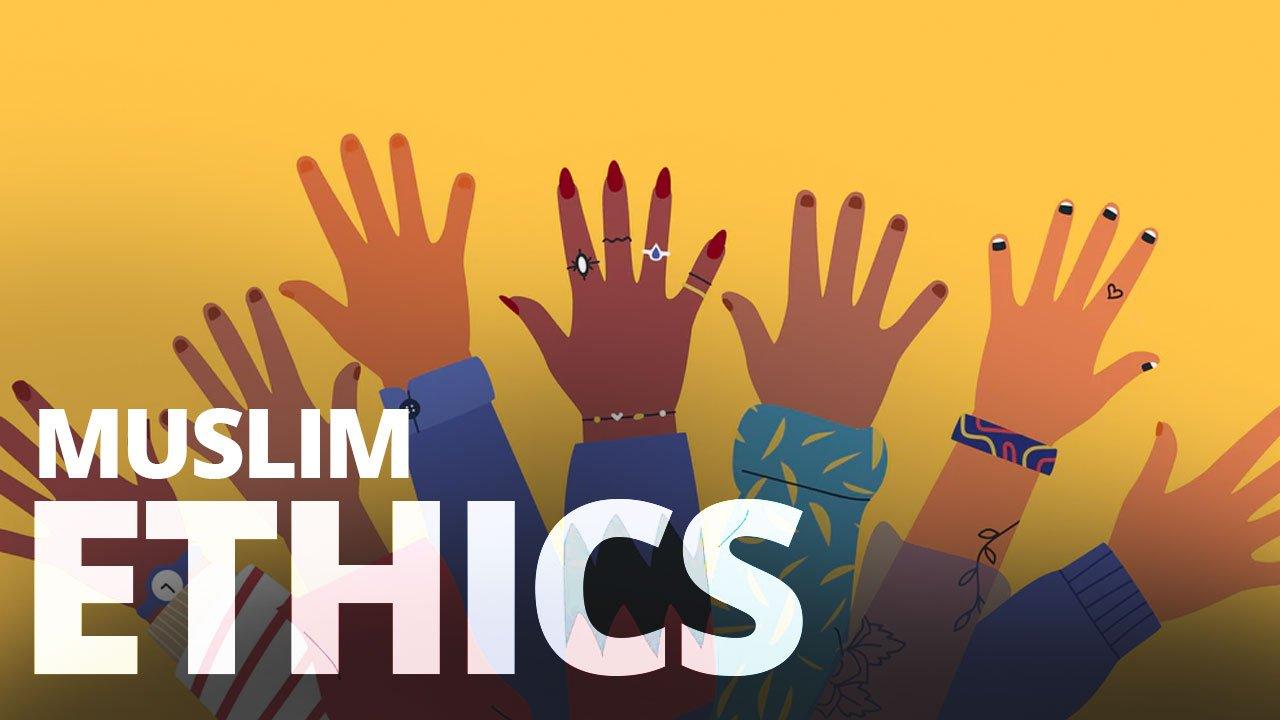
Living a good life isn’t just about following rules, it’s about cultivating a generous heart. Islamic ethics, rooted in the Quran and teachings of Prophet Muhammad (PBUH), provide a beautiful framework for this. Let’s explore some key principles that guide us towards kindness, good manners, and openness in our daily interactions.
Kindness: A Reflection of God’s Mercy
The Quran emphasizes compassion and generosity as core qualities of a believer. Surah Ar-Rahman (The Most Merciful) reminds us that God’s mercy encompasses all creation. By reflecting this kindness in our own actions, we become vessels of positive change in the world.
Imagine encountering someone having a difficult day. A simple smile, a helping hand, or a listening ear can make a world of difference. The Prophet (PBUH) said, kindness is a mark of faith, and its absence is a mark of hypocrisy. Kindness isn’t limited to humans either. Treating animals with respect and care is also an aspect of good character.
Good Manners: The Art of Living Together
Respectful interactions are the cornerstone of a strong community. Islamic teachings provide guidance on good manners, known as “adab” in Arabic. This encompasses everything from using polite greetings to respecting personal space, avoiding gossip, and fulfilling promises.
Think about the positive impact our words can have. The Prophet (PBUH) said, let your speech be good, and you will be loved. By choosing our words carefully and avoiding harsh language, we create a more positive atmosphere for everyone.
“You shall not enter Paradise until you believe, and you have not believed until you love one another. Shall I tell you of something you can do to make you love one another? Spread the greetings of Salam (peace) amongst yourselves (i.e. between each other).” (Hisn al-Muslim 224)
Open-Mindedness: Embracing Differences
Islam encourages openness to diverse perspectives. The Quran itself acknowledges the existence of different communities and ways of life (Surah Al-Hujurat). This doesn’t mean compromising our own beliefs, but rather fostering understanding and respectful dialogue.
“O humanity! Indeed, We created you from a male and a female, and made you into peoples and tribes so that you may get to know one another. Surely the most noble of you in the sight of Allah is the most righteous among you. Allah is truly All-Knowing, All-Aware.” (Surah Al-Hujurat 49:13)
Imagine encountering someone with a different viewpoint. Listen actively, seek common ground, and focus on respectful communication. The Prophet (PBUH) said:
“The believer who mixes with people and endures their annoyance is better than the believer who does not mix with people and does not endure their annoyance.” (Sunan Ibn Majah 4032).
A Smile: The Universal Language of Kindness
A smile is a powerful tool for fostering connection. A genuine smile can disarm tension, create a welcoming atmosphere, and even brighten someone’s day. The Prophet (PBUH) said:
“Your smiling in the face of your brother (or sister) is charity, commanding good and forbidding evil is charity, your giving directions to a man lost in the land is charity for you. Your seeing for a man with bad sight is a charity for you, your removal of a rock, a thorn or a bone from the road is charity for you. Your pouring what remains from your bucket into the bucket of your brother is charity for you.” (Jami` at-Tirmidhi 1956)
Living These Principles: Every Day, Every Interaction
These Islamic ethical principles are not just grand ideals; they are meant to be practiced in our daily lives. Whether it’s showing patience in a crowded marketplace, offering sincere condolences to a grieving friend, or simply volunteering our time to help others, every act of kindness contributes to a more positive and compassionate world. Do your part in kindness today. Visit the different sections of the charity and see the role of Islamic ethics in helping the underprivileged. Talk to your friends about Islamic ethics and promote kindness.
As part of Islamic Donate Charity, we believe in fostering these ethical values. Join us in making a difference, one kind act at a time.