
Hibah is a voluntary gift of ownership with nothing expected in return. Learn its definition, conditions, and how it differs from Sadaqah and a will.
Hibah is a voluntary gift of ownership given during the giver’s lifetime, with nothing expected in return. It takes effect once it is offered, accepted, and received.
What Is Hibah?
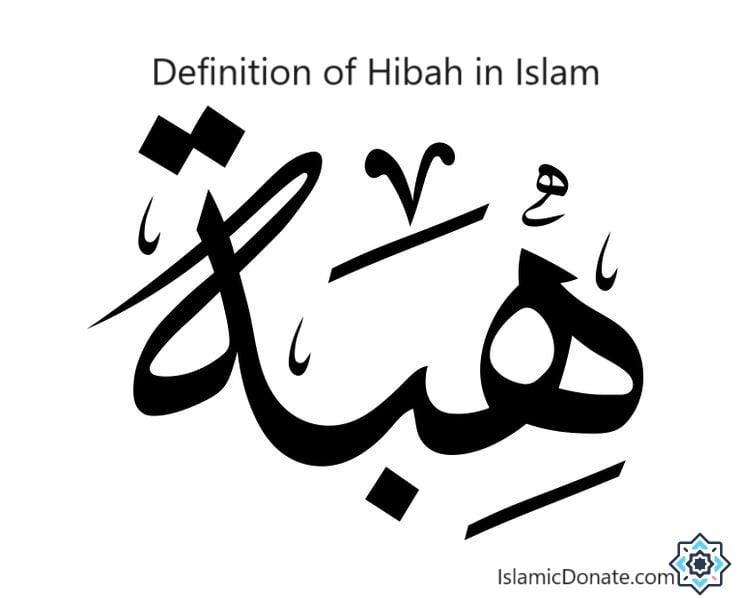
Hibah comes from the Arabic word hiba (هبة), meaning “gift” or “offering.” In Islamic law, it is the voluntary transfer of ownership of something you own to another person, during your lifetime, and without expecting any payment or anything in return.
That timing matters. A will only takes effect after death; a Hibah takes effect now, while the giver can still see it help someone. For the full comparison, see What Is the Difference Between Hibah and Will?
A Hibah does not have to go to family. It can go to anyone, a relative, a friend, a neighbour, or a stranger in need. And if you want your gift to reach people in need today, you can give voluntary Sadaqah online or give Zakat or explore all the ways to donate.
The Qur’an counts this kind of giving among the marks of the righteous. In Surah Al-Baqarah (2:177), Allah (SWT) describes those who:
“give wealth, in spite of love for it, to relatives, orphans, the needy, the traveler, those who ask [for help], and for freeing slaves”.
The Prophet Muhammad (PBUH) put the human side of it in one short sentence, narrated by Abu Hurayra:
“Give gifts and you will love one another.” (Al-Adab Al-Mufrad 594)
So Hibah is two things at once. Legally, it is a transfer of ownership. In practice, it is a Sunnah of generosity, a gift given freely, in life, that the giver watches benefit someone else.
Conditions of a Valid Hibah
Three things have to happen for a Hibah to be valid. Scholars call them the pillars:
- Offer (Ijab): the giver clearly offers the gift.
- Acceptance (Qabul): the receiver accepts it.
- Possession (Qabd): the receiver takes possession of it.
The gift itself has to meet three conditions as well. It must belong to the giver, it must be lawful, and it must exist when it is given. Giving away something you do not own, or something forbidden (haram wealth), does not count as Hibah. One cannot purify illicitly acquired wealth by gifting it; however, there are four methods for disposing of haram wealth, which we have examined in full detail.
Can a Hibah Be Taken Back?
As a rule, no, and the warning in the hadith is unusually strong. Ibn Abbas (RA) narrated that the Prophet (PBUH) said: “One who takes back his gift (which he has already given) is like a dog that swallows its vomit.” (Sahih al-Bukhari 2589; Sahih Muslim 1622)
There is one well-known exception, stated in the same ruling: a father regarding what he gave to his child. The Prophet (PBUH) said: “It is not lawful for a man to make a donation or give a gift and then take it back, except a father regarding what he gives his child.” (Sunan Abi Dawud 3539, graded Sahih by Al-Albani)
Most scholars and imams hold that a gift cannot be taken back, while the Hanafi school permits revocation in some cases. Either way, the practical advice is the same, be certain before you give, because once the gift is received, it belongs to the receiver.
Hibah vs Sadaqah vs Will
Hibah, Sadaqah and a will can look alike from the outside, all three move wealth from one person to another. The differences are when they take effect, who can receive them, and whether they can be undone.
| Evaluation Criterion | Hibah | Sadaqah | Will (Wasiyya) |
| When it takes effect | During the giver’s lifetime | During the giver’s lifetime | After the giver’s death |
| Who can receive it | Anyone, including family and heirs | Usually the needy | Anyone except an heir, unless the other heirs agree |
| Can it be taken back? | No, except a father to his child | No | Yes, it can be changed before death |
| Limit | No fixed limit | No fixed limit | At most one-third of the estate |
| Main purpose | Gift and love between people | Charity and reward from Allah | Distributing wealth after death |
Why Giving Gifts is a Profound Good Deed
Islam places immense value on social harmony, and Hibah (giving gifts) is seen as one of the most effective ways to nurture a healthy community. Here is why it is emphasized as such a noble act:
- It Softens Hearts: Giving a gift naturally removes feelings of malice, envy, or resentment between people. It breaks down walls and replaces negative feelings with warmth and appreciation.
- It Builds Brotherhood and Sisterhood: As the Prophet (ﷺ) stated, the direct result of giving gifts is mutual love. It strengthens bonds between family members, friends, neighbors, and even strangers.
- It Emulates Divine Generosity: Giving generously without expecting a return is a reflection of divine attributes. It trains the soul to detach from materialism and greed, turning the simple act of sharing into an act of worship (Ibadah) when done to please the Creator.
- It Spreads Barakah (Blessings): In Islamic tradition, wealth does not decrease through charity and giving. Providing a Hibah brings spiritual blessings to both the giver’s wealth and the receiver’s life.
Giving is not just a transaction in Islam; it is an active, ongoing effort to spread joy and unite people’s hearts.
The Power of Hibah: Leaving an Enduring Legacy
Giving through Hibah allows you to witness the impact of your generosity firsthand. It fosters a sense of connection, strengthens social bonds, and leaves an enduring legacy. It sets a powerful example for future generations, inspiring them to embrace the Islamic tradition of giving.
Islamic Donate charity is dedicated to upholding the values of compassion and generosity. We invite you to explore the many ways you can share the light of generosity with others. Whether it’s through a financial contribution, volunteering your time, or simply spreading awareness about the importance of Hibah, every act of giving has the potential to make a significant difference. You can use the link to donate and participate in many of our kindness projects.
Together, let’s cultivate a spirit of giving that reflects the spirit of Islam and brings light to the lives of those in need.
Frequently Asked Questions about Hibah
1. How does giving Hibah benefit the relationship between individuals?
Gifts foster mutual love and social harmony. A Hibah can soften hearts by removing envy and resentment, and it strengthens the bonds of brotherhood and sisterhood among family, friends, and the wider community, as the Prophet (PBUH) said, “Give gifts and you will love one another” (Al-Adab Al-Mufrad 594).
2. Can Hibah consist of things other than money or physical goods?
Yes. Hibah is not restricted to material wealth. It can be your time, your expertise, or emotional support, for example, volunteering at a food bank or visiting a lonely neighbour.
3. What are the spiritual rewards of practicing Hibah in Islam?
Giving trains the soul to detach from materialism and, when done to please Allah (SWT), becomes an act of worship. In Islamic tradition, giving does not decrease wealth; it spreads Barakah (blessings).
Frequently Asked Questions
1- What are the conditions for a valid Hibah?
A valid Hibah requires three essential pillars: a clear offer (Ijab) by the giver, acceptance (Qabul) by the recipient, and physical transfer of possession (Qabd). Furthermore, the gifted item must currently exist, be lawful under Islamic law, and belong entirely to the donor at the exact time of transfer.
2- Can a Hibah be revoked after being received?
Generally, a Hibah cannot be revoked once the recipient takes possession. Islamic teachings strongly discourage retracting gifts, comparing it to reprehensible behavior. The primary exception recognized by prophetic tradition applies to a father taking back what he granted his child. However, certain legal schools permit revocation under specific, limited circumstances.
3- How does a Hibah differ from an Islamic will?
A Hibah transfers ownership during the donor's lifetime with immediate effect and has no asset limitation, whereas an Islamic will (Wasiyya) executes only after death. Furthermore, a Hibah can be gifted to any individual, including legal heirs, while a will cannot grant estate shares to heirs without consent.
4- Who is eligible to receive a Hibah in Islam?
A Hibah can be granted to virtually anyone, regardless of family ties. A donor may gift property or wealth to relatives, friends, neighbors, or strangers in need. Unlike an Islamic will, which strictly limits inheritances to heirs, Hibah allows total flexibility to support heirs or non-heirs during your lifetime.