

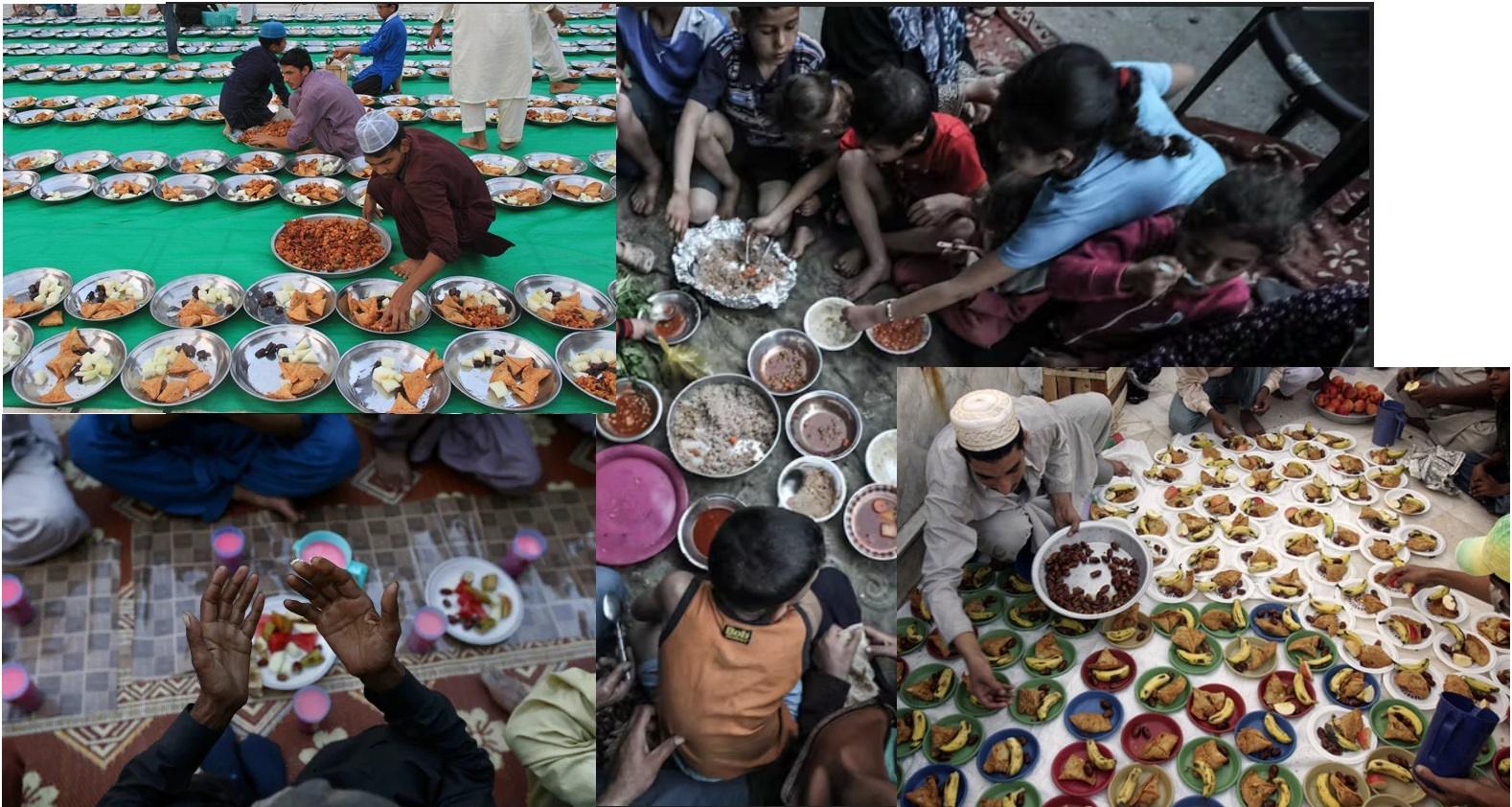
What is the Definition of Kaffarah?
Kaffarah (Expiation) is a mandatory act of worship in Islamic jurisprudence required to atone for specific violations of religious laws, such as breaking an oath or intentionally breaking a fast during Ramadan. derived from the root word Kufr (to cover), it serves to “cover” or obliterate the sin committed. The purpose of Kaffarah is not merely punishment, but a spiritual purification that allows a believer to make amends through fasting, feeding the poor, or financial compensation, thereby restoring their relationship with Allah.
The Weight of a Broken Promise and the Path to Redemption
We are all human. In the heat of the moment, we make oaths we cannot keep. In moments of weakness, we may falter in our obligations during Ramadan. The spiritual weight of these errors can feel like a heavy chain, distancing us from our Creator and creating a sense of inner turmoil. You may worry: How can I face Allah with this hanging over me?
But Islam is a religion of mercy, not despair. Expiation (Kaffarah) is the divine mechanism designed to lift that burden.
The Quran states:
“And whoever does that in aggression and injustice – then We will soon cast him into a Fire… If you avoid the major sins which you are forbidden, We will remove from you your lesser sins and admit you to a noble entrance [into Paradise].” (Quran 4:30-31)
By performing Kaffarah, you transform a mistake into a powerful act of charity. You turn a spiritual debt into food for the hungry. Today, with the transparency of blockchain technology, you can fulfill this obligation instantly, ensuring your atonement reaches the most vulnerable immediately.
Deep Dive: The Types of Kaffarah and Required Payments
Understanding the specific requirements for Kaffarah is essential for your atonement to be valid. Based on the Quran and Sunnah, the forms of expiation vary depending on the nature of the violation.
1. Kaffarah for Breaking an Oath (Yamin)
When a Muslim swears by Allah to do or not do something and then breaks that promise, expiation becomes mandatory.
- The Ruling: You must feed ten poor people, clothe them, or free a slave. If you are financially unable to do so, you must fast for three consecutive days.
- The Donation Amount: The food requirement is half a sa’ (approx. 1.5 kg) of staple food (wheat, rice, dates) per person.
- Impact: By donating the equivalent value in cryptocurrency, you provide 15 kg of food to a starving family, turning your broken word into their survival.
2. Kaffarah for Breaking the Fast (Sawm)
Intentionally breaking the fast during Ramadan without a valid Islamic excuse (such as illness or travel) is a serious violation.
- The Ruling: One must fast for 60 consecutive days. If unable to do so due to health or old age, one must feed 60 poor people.
- The Donation Amount: One mudd (approx. 750 grams) of staple food per person.
- The Calculation: Feeding 60 people roughly equals 45 kg of food.
- Note: For those who miss fasts due to illness or ailments (Fidya), similar principles of feeding apply as referenced in the Quran:
“And if any of you is ill or has an ailment in his scalp… (he should) in compensation either fast, or feed the poor, or offer sacrifice.” (Quran 2:196)
3. Kaffarah for Violations Involving Life and Dignity
Islamic jurisprudence outlines strict atonement for violations regarding the sanctity of life or specific severe transgressions.
- Killing an Animal/Violations: Historically, or in the context of specific restrictions (like hunting while in Ihram), unauthorized killing requires expiation. This generally involves feeding 60 poor people or fasting for 60 consecutive days.
Sexual Relations During Ramadan Days: This severe violation of the fast requires the - heavier penalty: fasting 60 consecutive days or feeding 60 poor people (approx 750g of food each).
4. Spiritual Kaffarah: Usury (Riba) and Abandoned Prayers
Not all Kaffarah is financial; some require a deep internal shift.
- For Usury (Riba): The expiation is to cease the activity immediately, repent (Tawbah), and give away all interest earnings to charitable causes (without expecting reward for the charity itself, but to cleanse one’s wealth).
- For Abandoning Prayer: There is no financial payment that “buys off” missed prayers. The remedy is sincere repentance, making up the missed prayers (Qada), and increasing voluntary worship to seek Allah’s forgiveness.
Transparency in Action: How Your Donation is Managed
Trust is the foundation of charity. When you pay Kaffarah, you need certainty that the specific amount of food reaches a specific number of poor people to fulfill your religious obligation.
We utilize a blockchain-verified tracking system. Unlike traditional fiat models where funds pass through dozens of intermediaries (eroding the value), our crypto-native approach ensures:
- Direct Transfer: Funds move from your wallet to the implementation partners efficiently.
- Immutable Record: The transaction is recorded on the blockchain, providing proof of your action.
- Low Overhead: We minimize banking fees, meaning more of your Kaffarah goes directly to feeding the hungry.
Fulfill Your Obligation Now
Do not let the burden of a broken oath or missed fast linger. The Quran reminds us: “And that, for Allah, is [always] easy.” The path to forgiveness is open. You have acknowledged the mistake; now take the action to wipe it clean.
Pay Kaffarah Via Crypto