

Understanding Poverty Alleviation: Sustainable Strategies and Cultural Transformation
Poverty transcends the mere absence of financial capital. It represents a profound, systemic deprivation that restricts access to fundamental human necessities like nutrition, secure housing, healthcare, and economic mobility. Poverty alleviation strategies seek to dismantle these entrenched cycles of hardship. Effective solutions require a sophisticated methodology that addresses immediate survival requirements while simultaneously targeting long term structural vulnerabilities.
Core Pillars of Poverty Alleviation
Addressing global economic inequality demands structured interventions. Meaningful progress relies on several foundational approaches.
- Direct Assistance: Immediate relief interventions provide essential resources such as food, shelter, and medical care to populations facing acute crises.
- Economic Empowerment: Sustainable development requires creating pathways to self sufficiency. Initiatives like microfinance, vocational training, and localized entrepreneurship build durable financial resilience.
- Educational Access: Knowledge transfer is a primary mechanism for dismantling generational poverty. Skill acquisition directly elevates employment prospects and empowers communities to make informed decisions regarding their collective future.
- Health Equity: Physical well being dictates economic participation. Effective programs improve healthcare access while mitigating the environmental hazards that perpetuate cyclical illness.
- Systemic Policy Reform: Enduring change requires dismantling institutional barriers. Advocacy for equitable resource distribution and inclusive legal frameworks addresses the macroeconomic drivers of inequality.
Cultural Transformation and Sustainable Agriculture
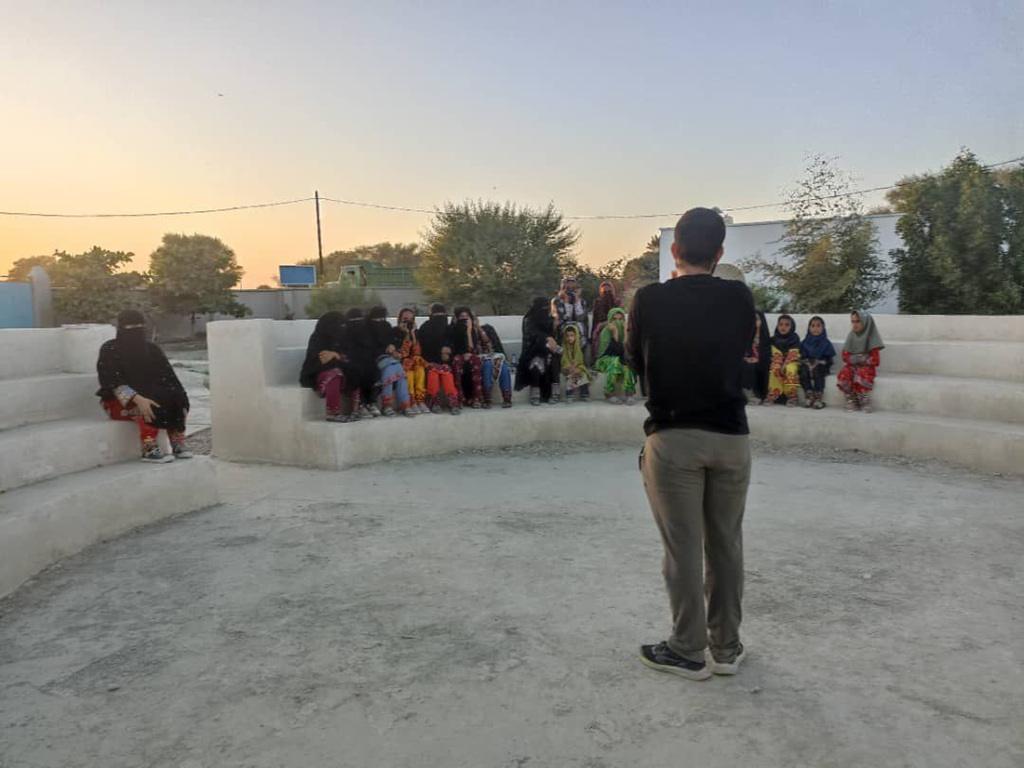
A compelling demonstration of targeting the root causes of poverty can be seen in our recent initiatives as an Islamic charity operating in Pakistan. At Islamic Donate Charity between 2022 and 2025, targeted educational interventions fundamentally changed the socio-economic trajectory of remote mountain villages.
The strategy bypassed traditional, short term financial handouts. Instead, the focus shifted toward ecological and cultural education. By instructing local youth in the preservation, pruning, and harvesting of wild desert trees and medicinal plants, the initiative cultivated a localized, sustainable economy. This environmental conservation effort generated a crucial dual benefit. It actively restored the fragile vegetation of the arid regions while establishing an independent revenue stream for the community through the commercialization of native flora. Through this precise intervention, the village successfully transitioned out of absolute poverty.
Eradicating the Subculture of Poverty
Financial injection alone rarely cures systemic deprivation. Authentic poverty alleviation necessitates directing targeted capital toward strategic interventions that fundamentally modify communal behavioral patterns. Skepticism regarding the broader impact of a localized agricultural training class fails to recognize how lasting cultural shifts occur.
Poverty permeates a society gradually. It embeds itself into the subculture, cognitive frameworks, and daily habits of a community over generations. Consequently, the eradication of poverty demands a proportional, long term commitment to cultural restructuring. True economic liberation is achieved not by treating the symptoms of scarcity, but by guiding a society to adopt new operational behaviors that turn local environmental knowledge into enduring prosperity.