

Take Dengue Fever Seriously: Understanding the Disease and Caring for Yourself
Dengue fever, a mosquito-borne illness prevalent in tropical and subtropical regions, can cause significant discomfort and even pose serious health risks. As a community, it’s crucial for us to be aware of this disease, its symptoms, and how to care for ourselves and others who might be infected.
Understanding Dengue Fever: A Historical Perspective
Dengue fever has plagued humanity for centuries. Early mentions of the disease can be traced back to the 17th century, with documented outbreaks occurring in Southeast Asia. Over time, the virus responsible for dengue fever, known as the dengue virus, has evolved into five distinct serotypes. Each serotype can cause infection, and some individuals may even contract dengue fever multiple times in their lifetime, with each subsequent infection potentially increasing the severity of symptoms.
The Culprit: The Aedes Mosquito and Transmission
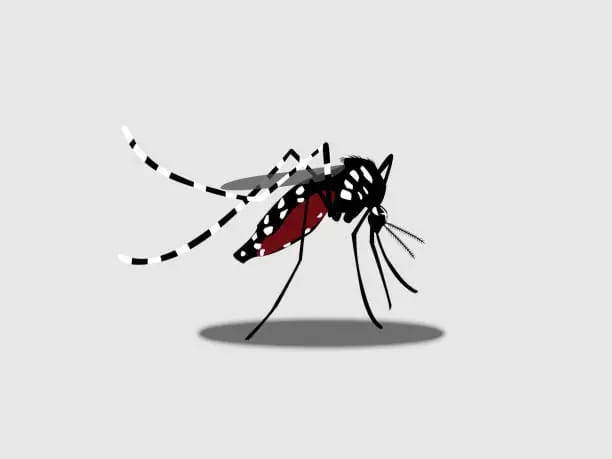
The Aedes mosquito, a type of mosquito identifiable by its black and white markings, acts as the primary vector for transmitting dengue fever. These mosquitoes breed in stagnant water, making them particularly common in urban areas with poor sanitation. When an infected Aedes mosquito bites a human, it transmits the dengue virus into the bloodstream, triggering the onset of the illness.
Dengue fever is a global health concern, with a higher prevalence in tropical and subtropical regions. East Asia and Southeast Asia have historically borne the brunt of the disease burden. However, the dengue virus is also present in parts of Africa, the Americas, and the Pacific. As climate change and travel patterns evolve, the risk of dengue fever outbreaks is increasing even in areas previously not considered high-risk.
Recognizing the Signs: Symptoms of Dengue Fever
Dengue fever symptoms can vary depending on the severity of the infection. In some cases, individuals may not experience any noticeable symptoms at all. However, for those who do develop symptoms, the most common ones include:
- Sudden high fever (up to 104°F or 40°C)
- Severe headache
- Muscle and joint pain
- Nausea and vomiting
- Fatigue and weakness
- Skin rash
In more severe cases, dengue fever can progress to a hemorrhagic form, characterized by bleeding gums, nosebleeds, and internal bleeding. This is a medical emergency and requires immediate hospitalization.
Self-Care and Treatment for Dengue Fever
There is currently no specific medication to cure dengue fever. However, there are steps you can take to manage the symptoms and promote healing:
- Rest: Getting plenty of rest allows your body to focus its energy on fighting the infection.
- Hydration: Dengue fever can lead to dehydration due to fever and vomiting. Ensure you drink plenty of fluids, such as water, clear broths, and electrolyte solutions.
- Pain Management: Over-the-counter pain relievers like acetaminophen (paracetamol) can help manage fever and muscle aches. Avoid medications like ibuprofen and aspirin, which can increase bleeding risk.
- Monitor Symptoms: Closely monitor your symptoms, especially for signs of severe dengue fever, such as persistent vomiting, severe abdominal pain, or bleeding. If you experience any of these symptoms, seek immediate medical attention.
By following these self-care measures and remaining vigilant about your health, you can help your body overcome dengue fever. Remember, early diagnosis and prompt medical intervention are crucial for preventing complications associated with severe dengue fever.
Working Together to Fight Dengue Fever
As a community, we can play a vital role in combating dengue fever. Here are some ways we can contribute:
- Raising Awareness: Educating ourselves and others about dengue fever, its symptoms, and preventive measures is crucial.
- Mosquito Control: Implementing measures to control mosquito populations, such as eliminating stagnant water sources and using mosquito nets, can significantly reduce the risk of transmission.
- Supporting Research: Donating to organizations dedicated to researching dengue fever treatments and vaccines can help scientists develop effective solutions in the future.
Improving the status of stagnant water and increasing environmental hygiene is one of the best measures to control the mosquito population. At Islamic Donate charity, we have events for education and raising awareness, as well as Environmental Health Events and Nature Clean-up Events in our programs.
Fighting Dengue Fever
By working together and taking proactive steps, we can create a healthier environment for ourselves and future generations, free from the threat of dengue fever.