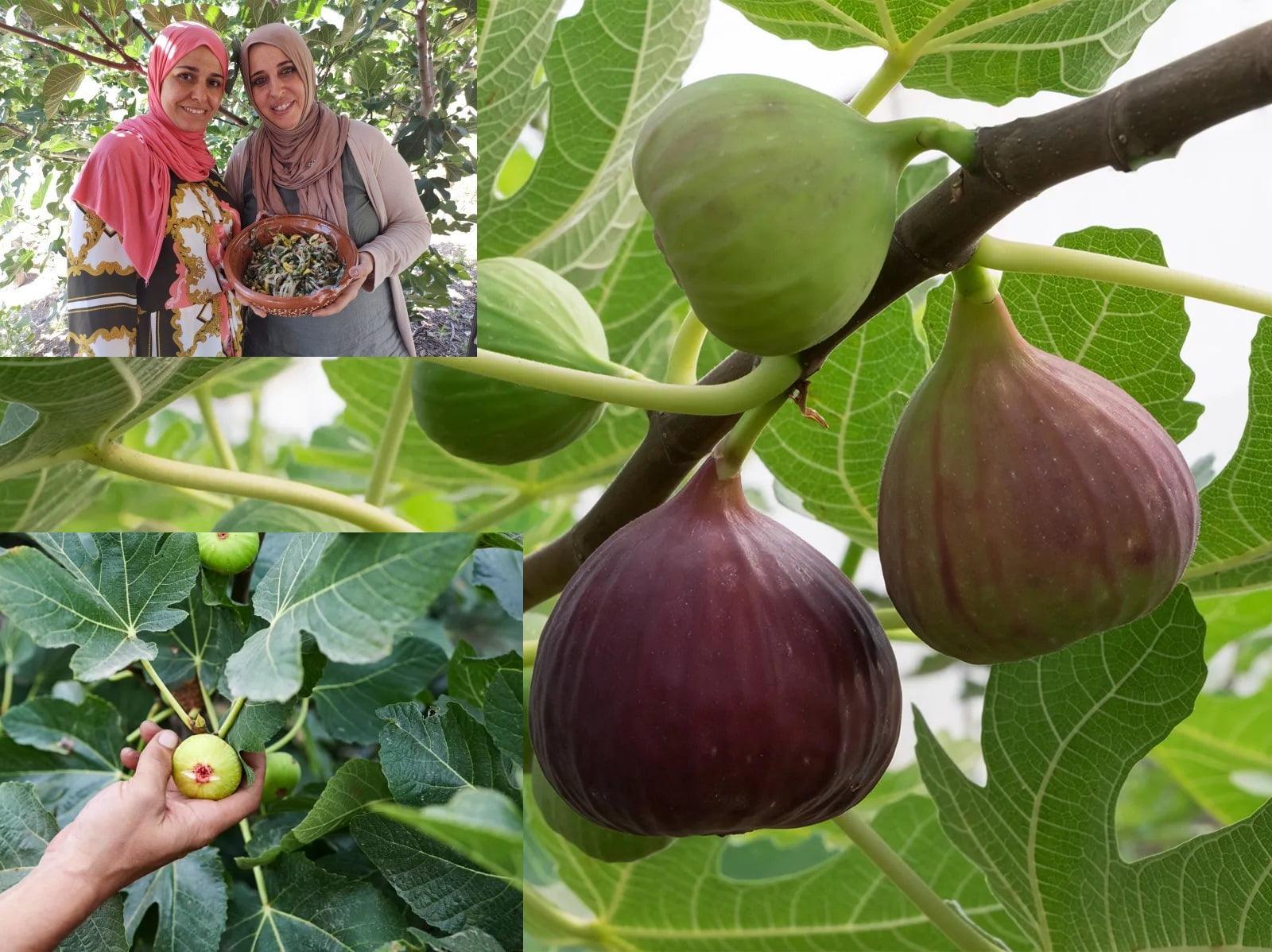
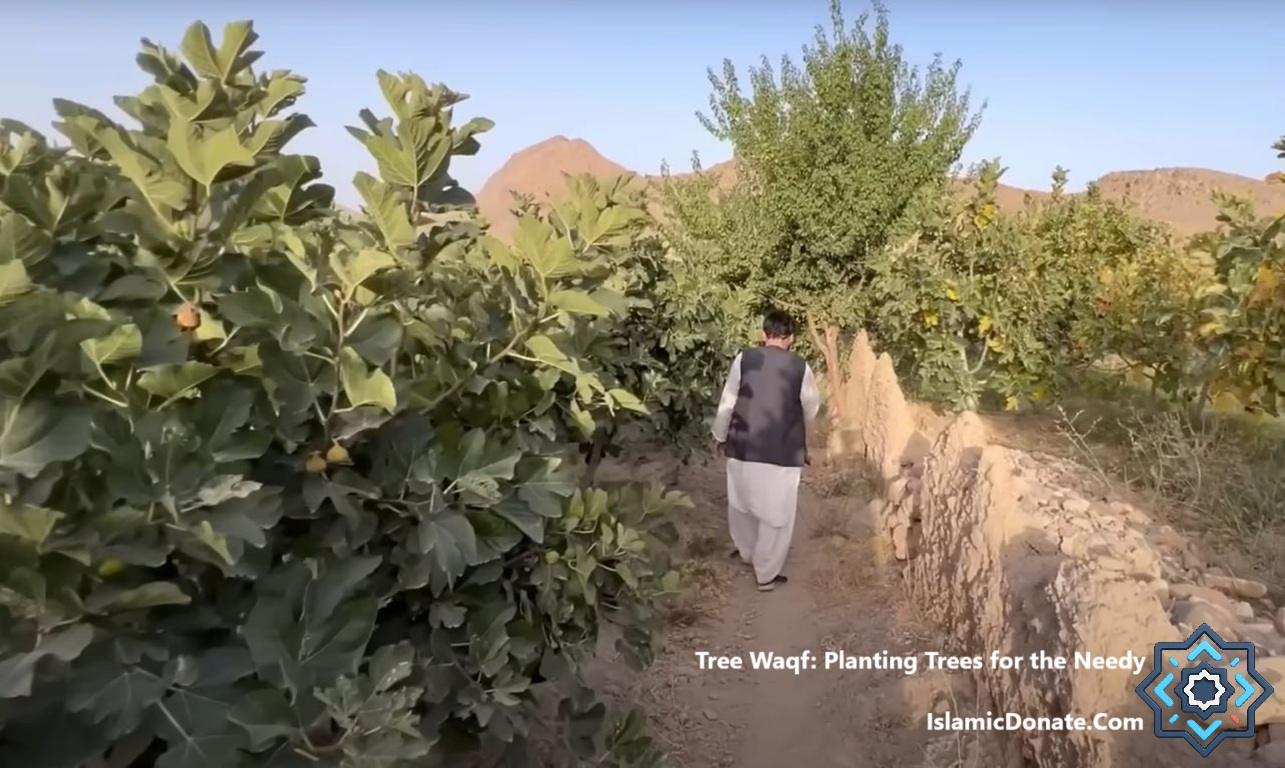
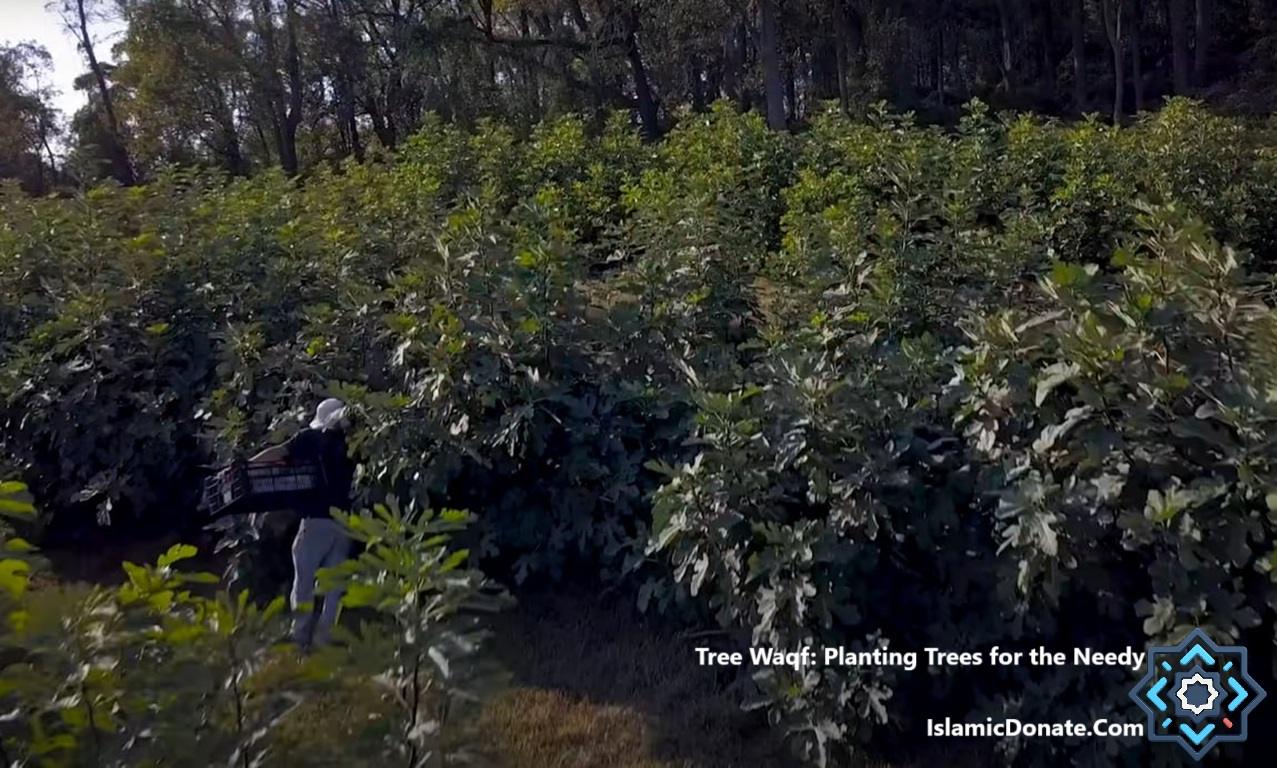
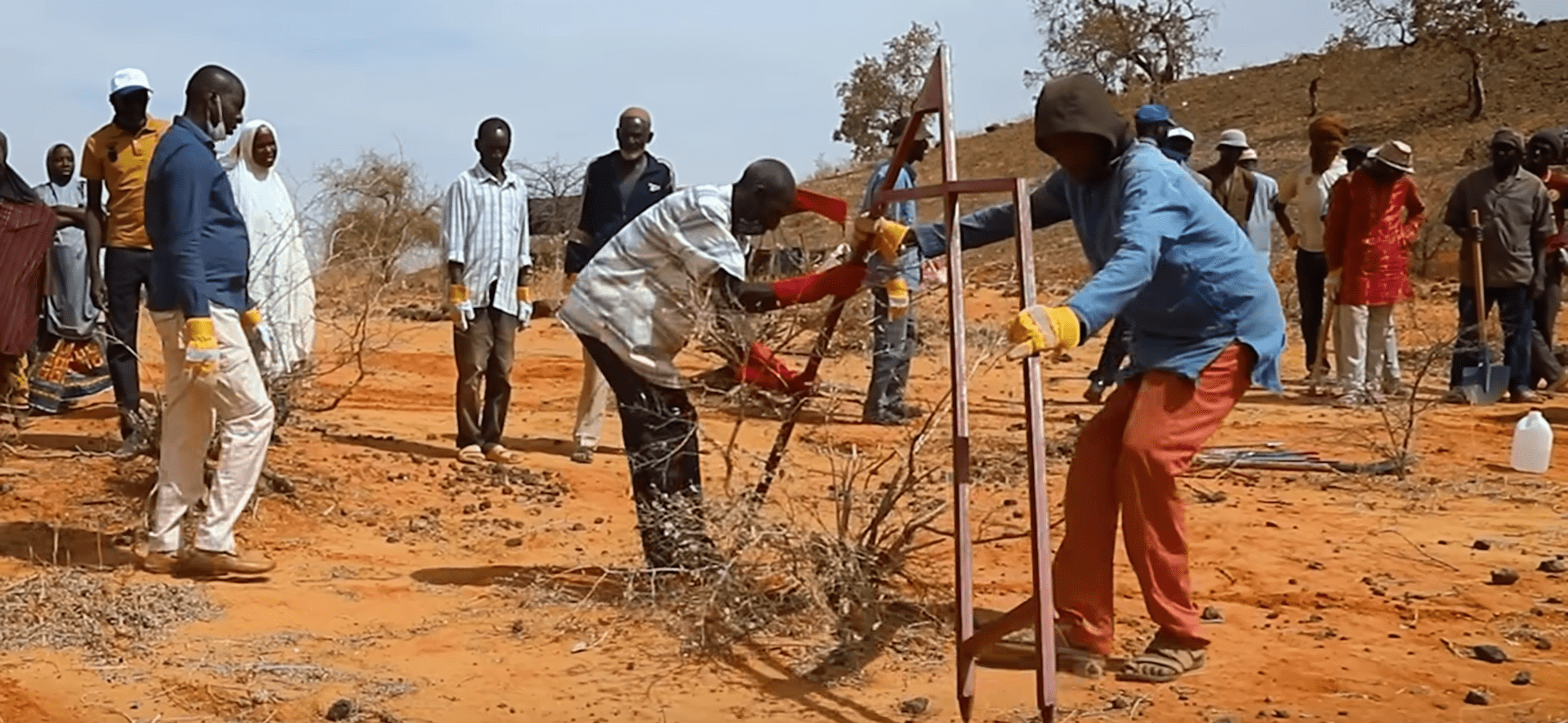
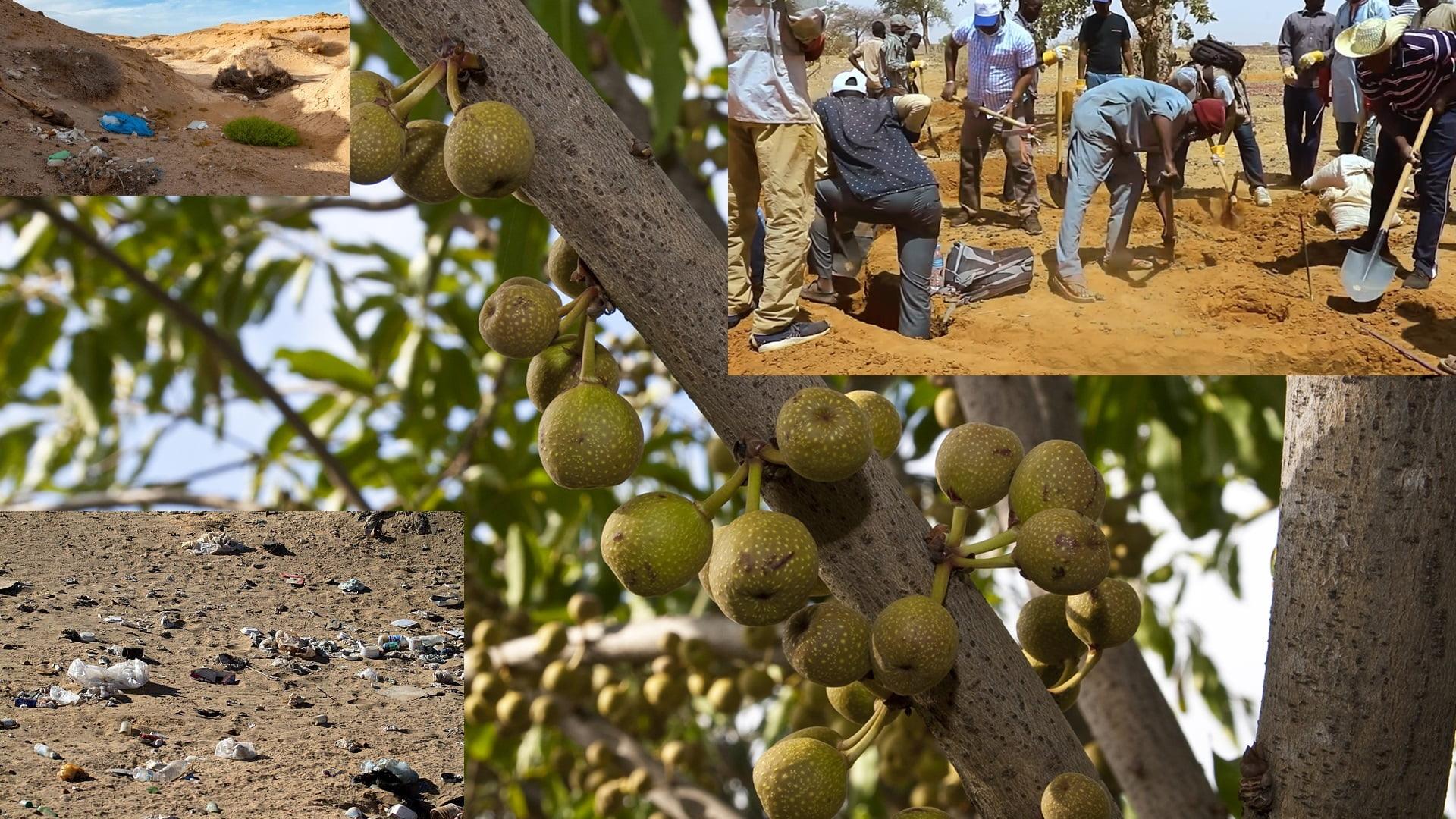
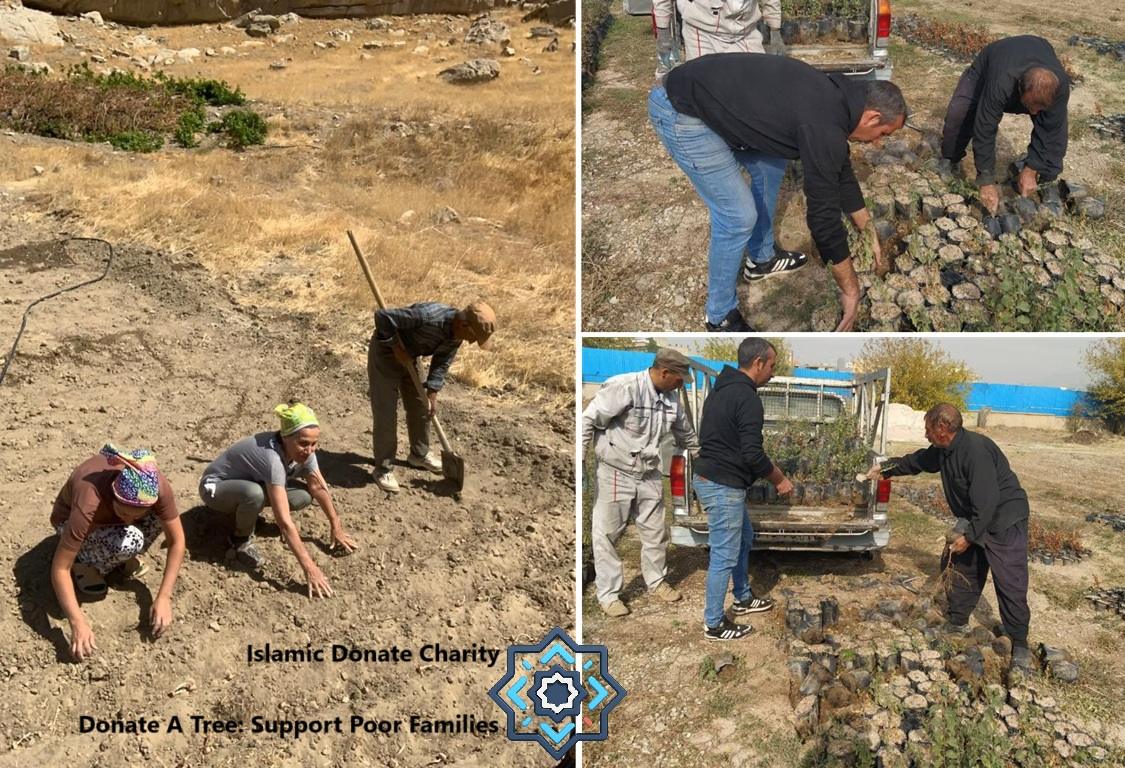
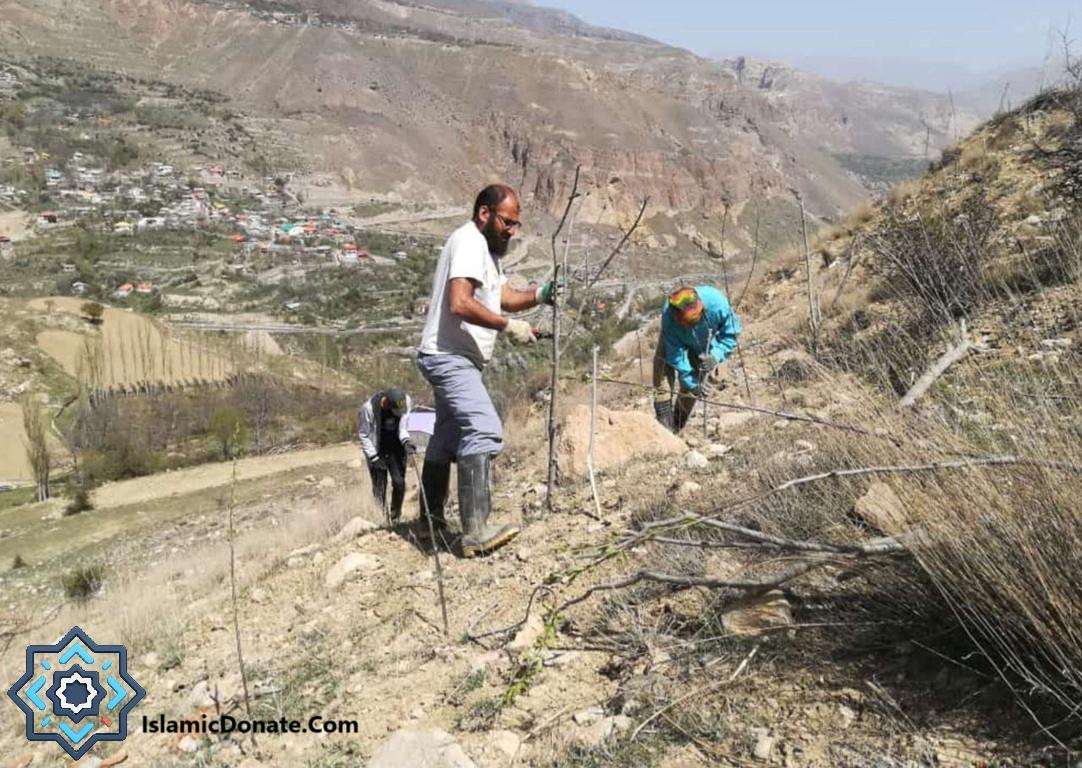
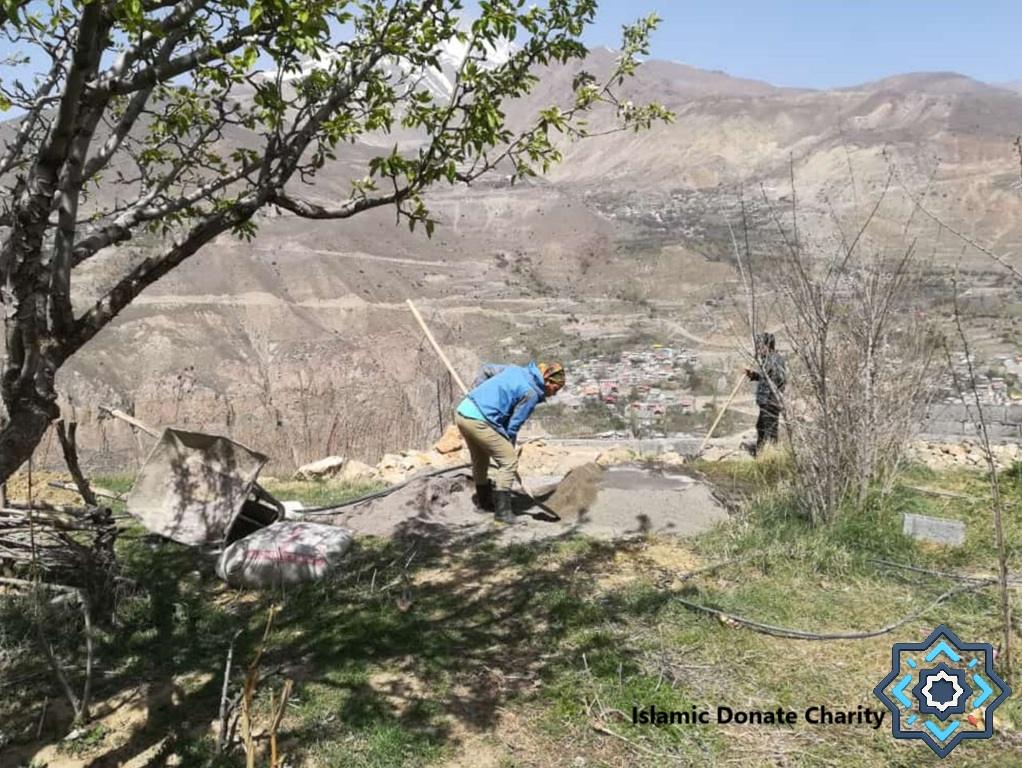
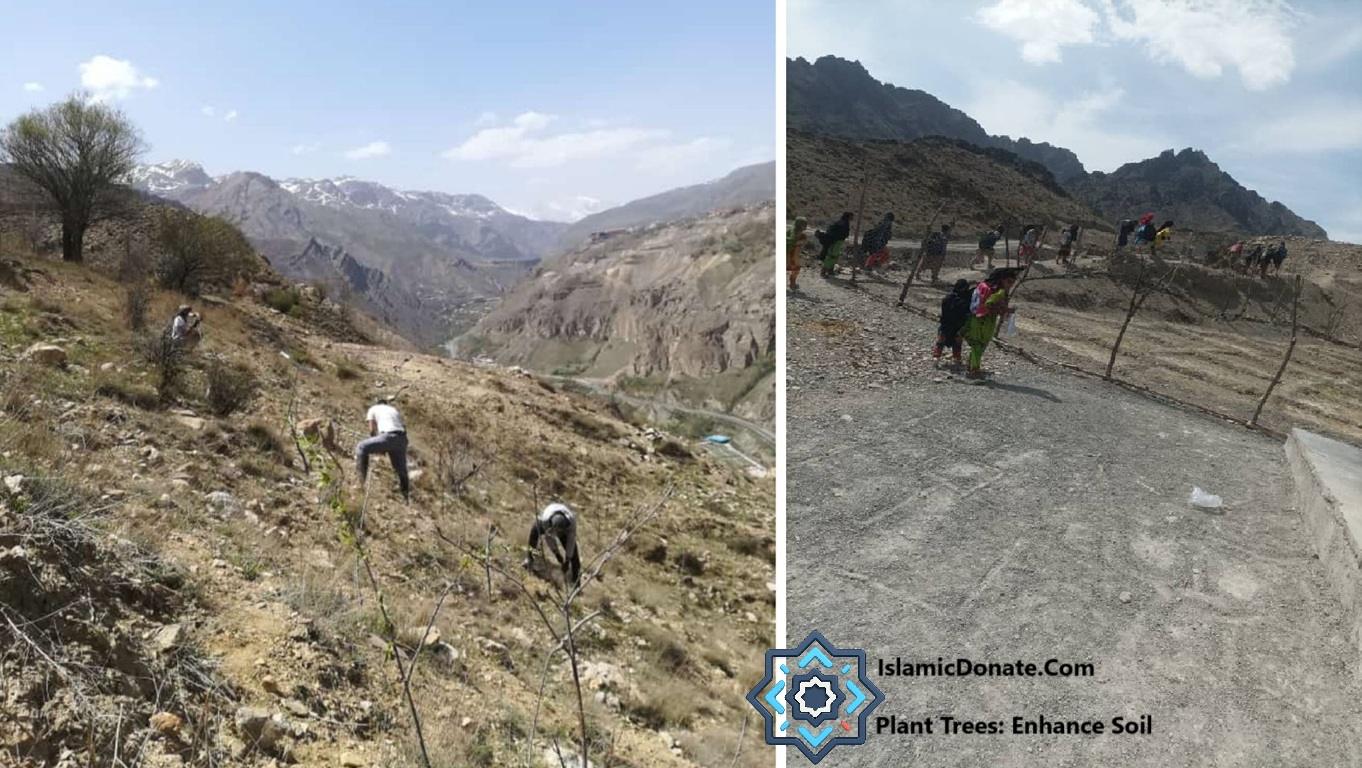
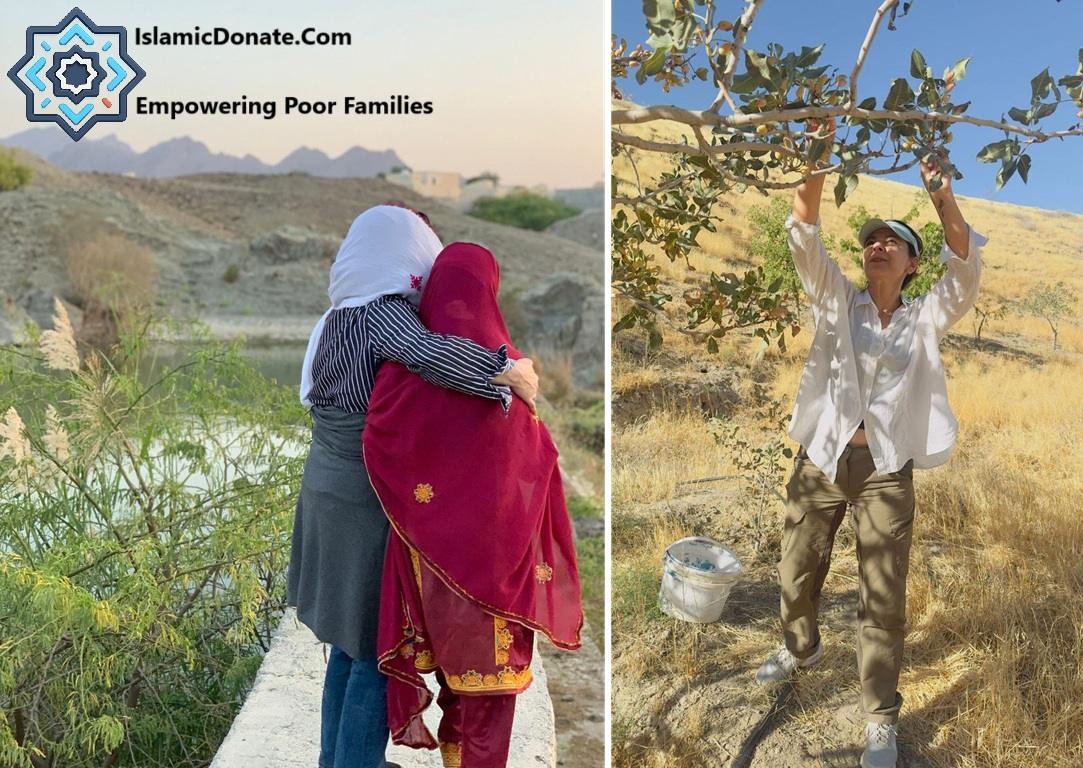
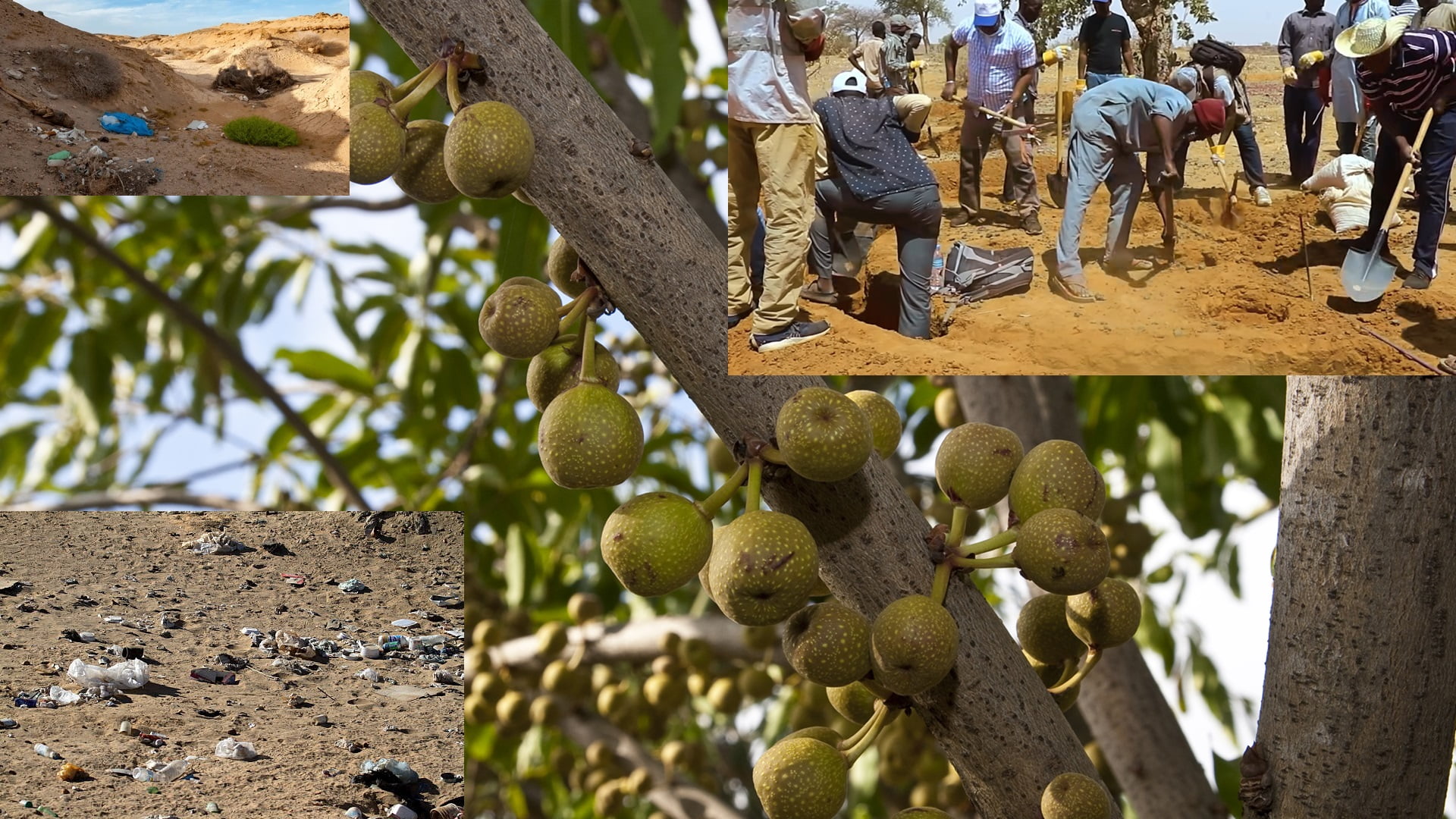
Barren lands and hunger threaten vulnerable families. You have the power to change this reality. Heals the earth under the blessing of “By the fig and the olive.”
Plant a resilient fig tree as a lasting Waqf to provide continuous food, vital income, and environmental healing. Donate your crypto today to secure ongoing blessings for the poor.
The Power of Fig Trees: A Sustainable Charity Project for Communities in Need
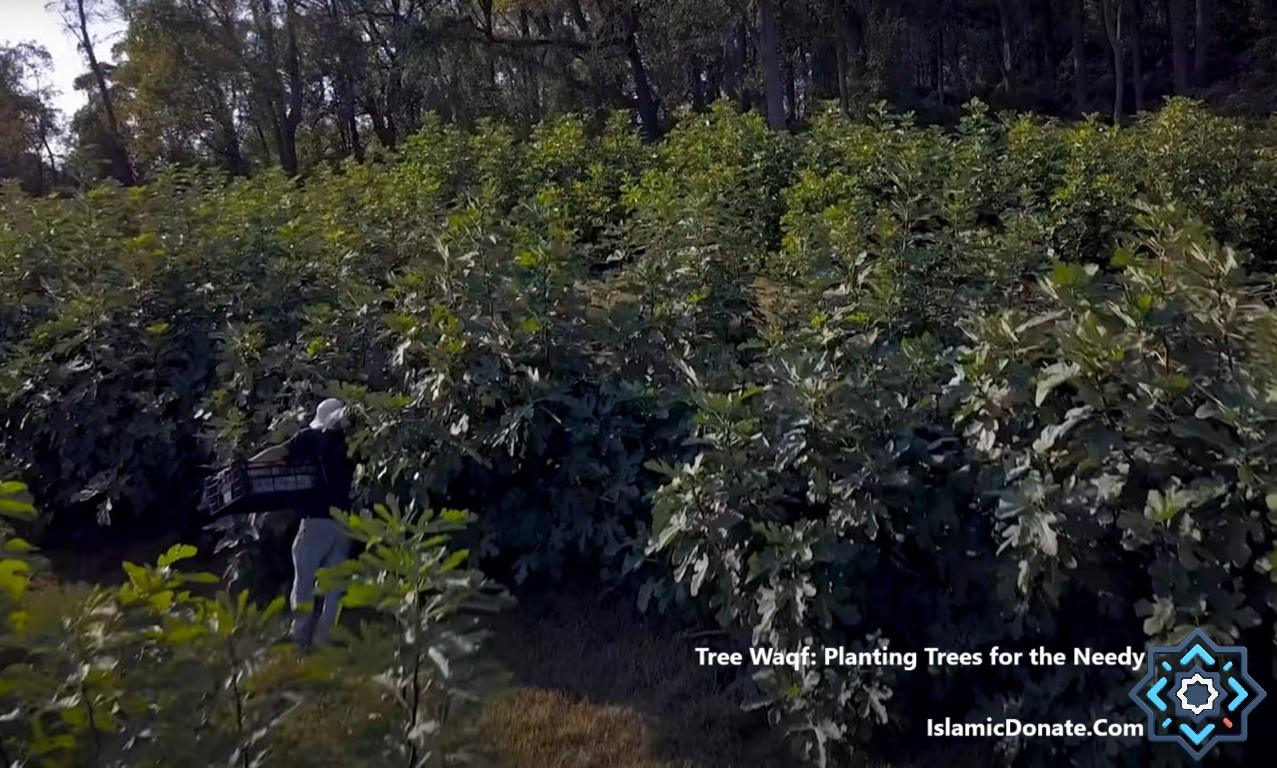
At Islamic Donate Charity, we believe in sustainable solutions that provide long-term benefits for the communities we serve. Fig trees hold a special place in our planting projects due to their resilience, nutritional value, and ability to restore and protect the environment. By planting fig trees across Africa, Asia, and the Middle East, we not only offer a sustainable food source but also contribute to soil revitalization and economic empowerment for needy families.
The fig tree (Ficus carica) holds a special place in Islamic tradition and is mentioned in the Quran:
“By the fig and the olive” (Surah At-Tin 95:1)
The Unique Benefits of Fig Trees
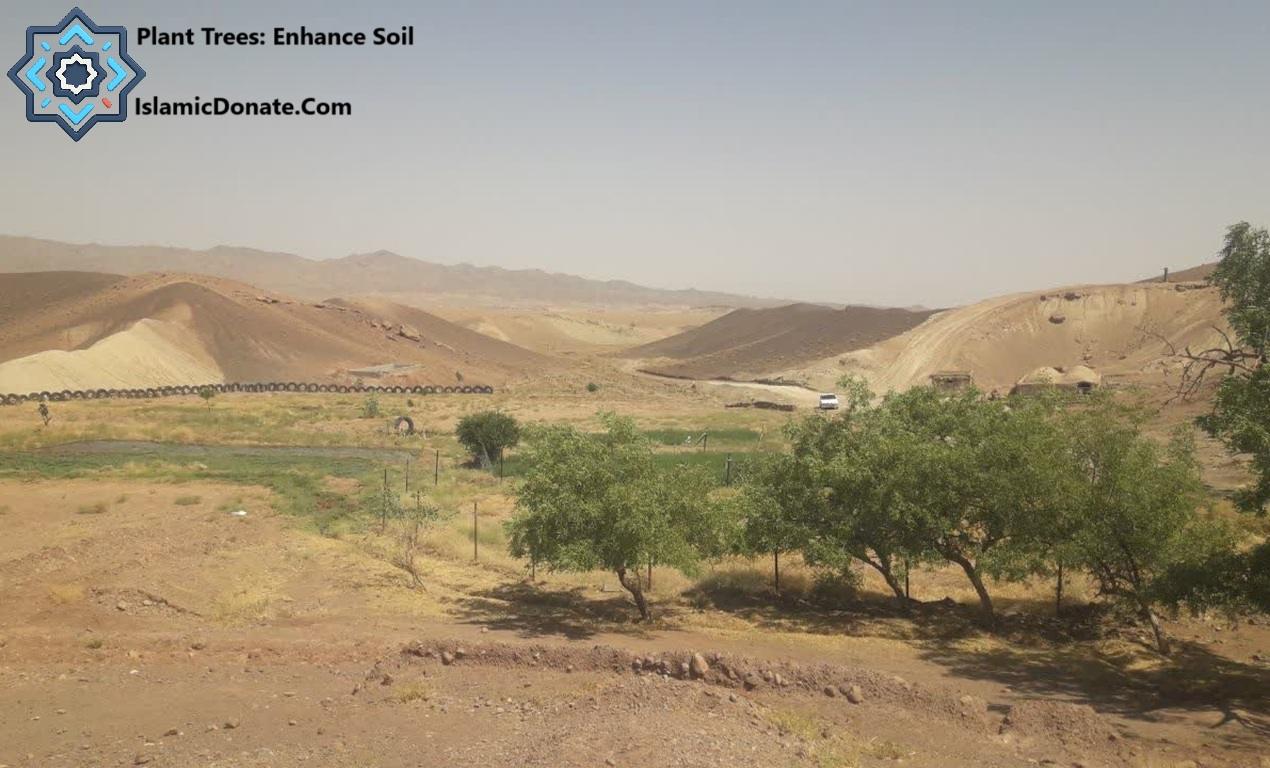
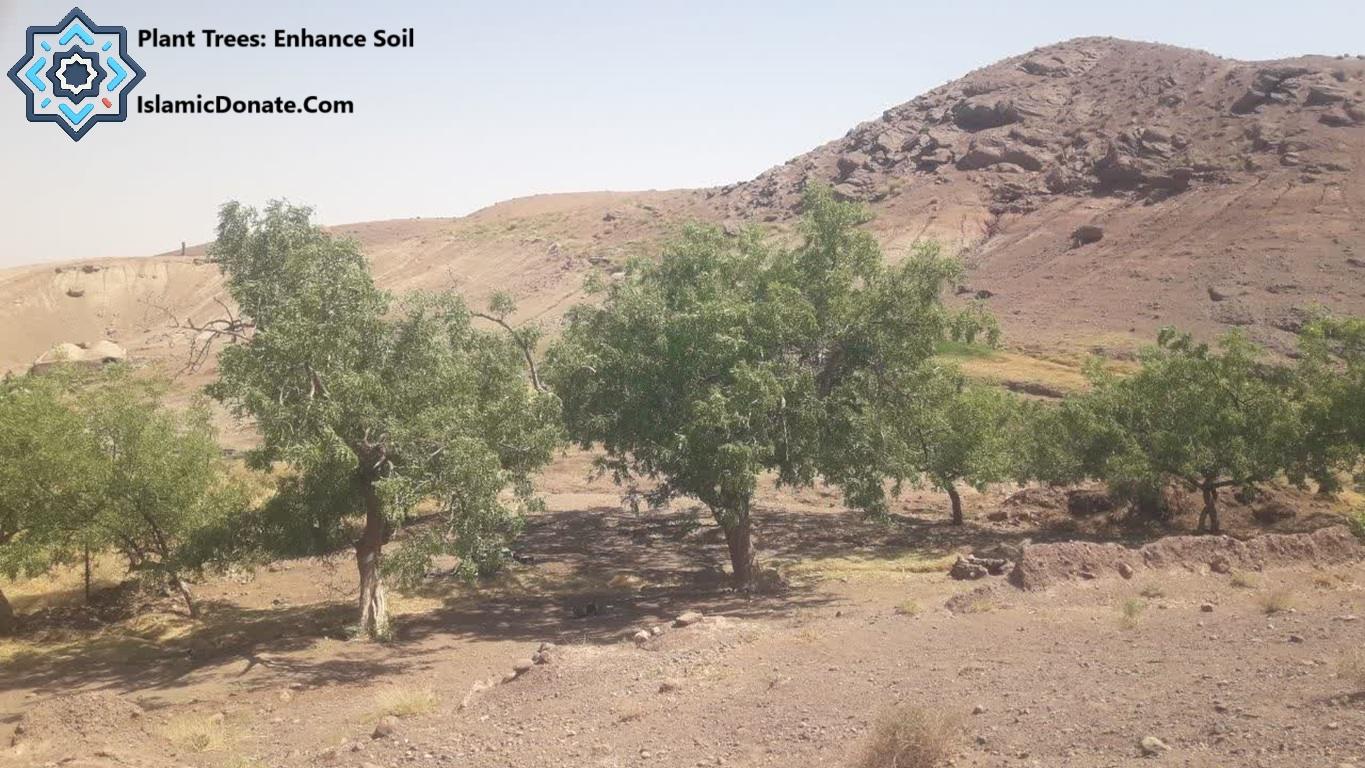
Fig trees are remarkable for their adaptability to harsh climates, particularly in arid and semi-arid regions. Their deep-rooted system helps prevent soil erosion, conserves water, and improves soil fertility. Additionally, fig trees thrive in poor soil conditions where other crops might struggle, making them an excellent choice for combating desertification in Africa and the Middle East.
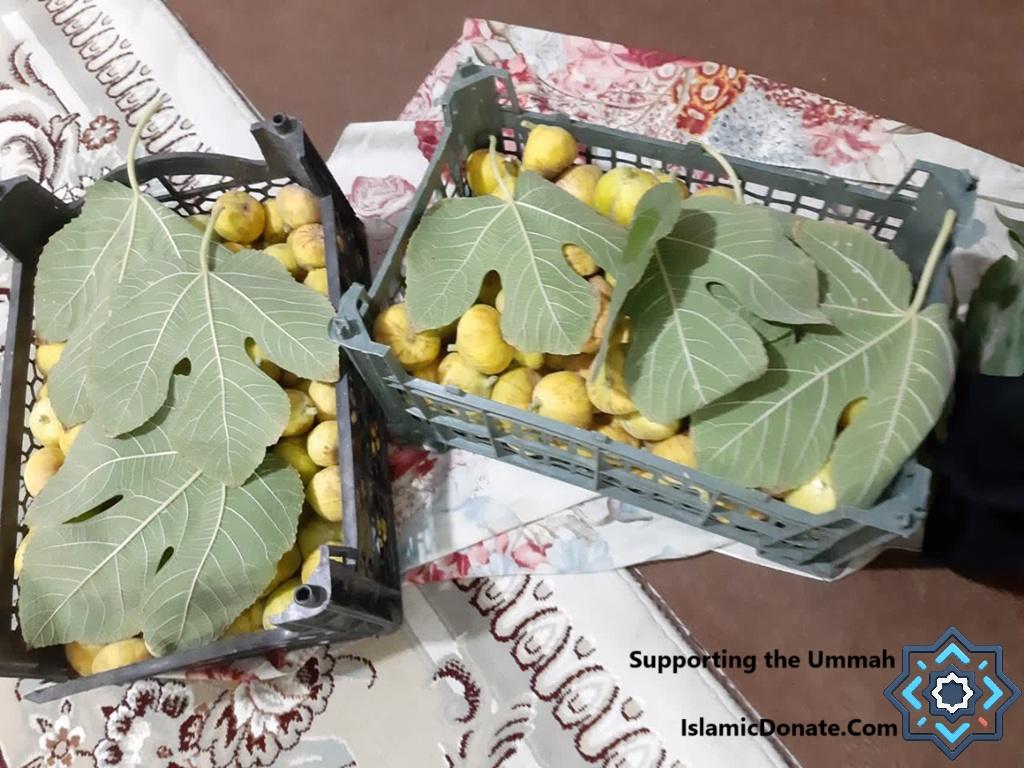
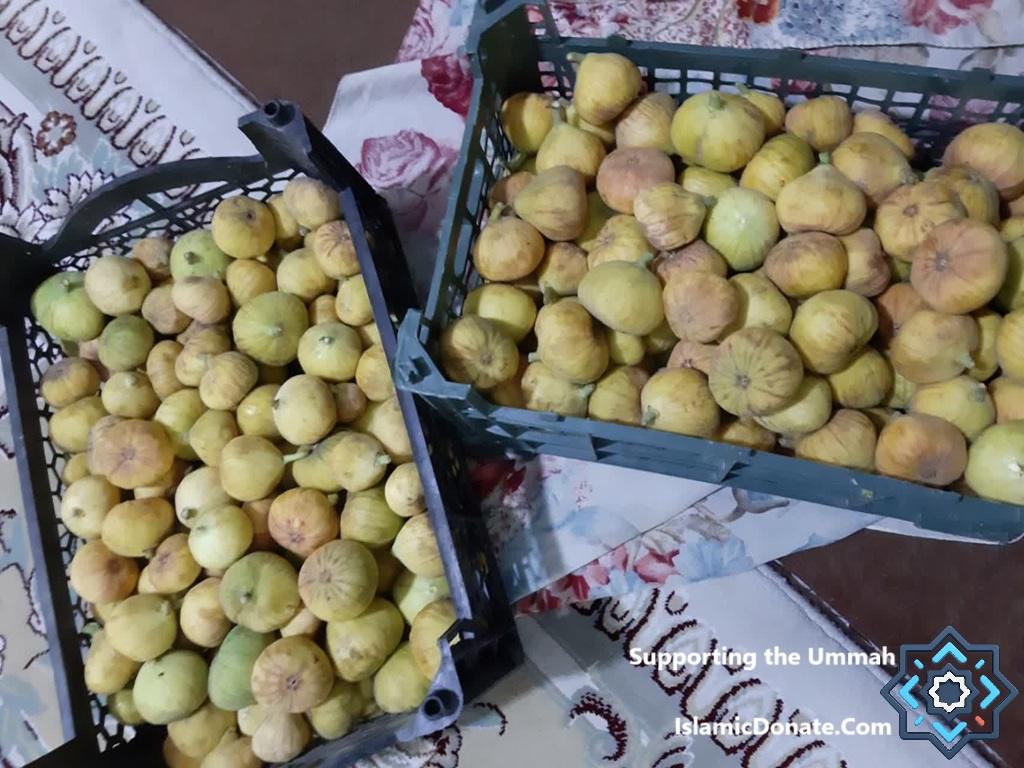
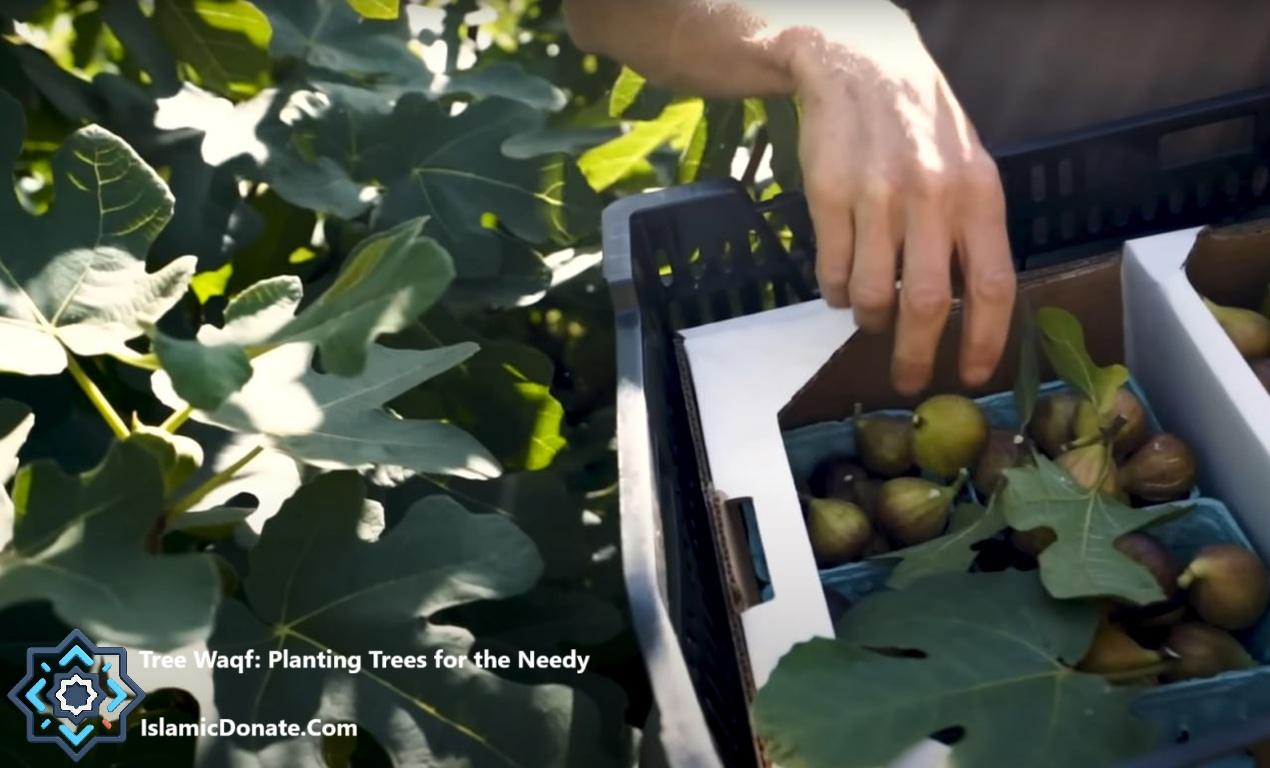
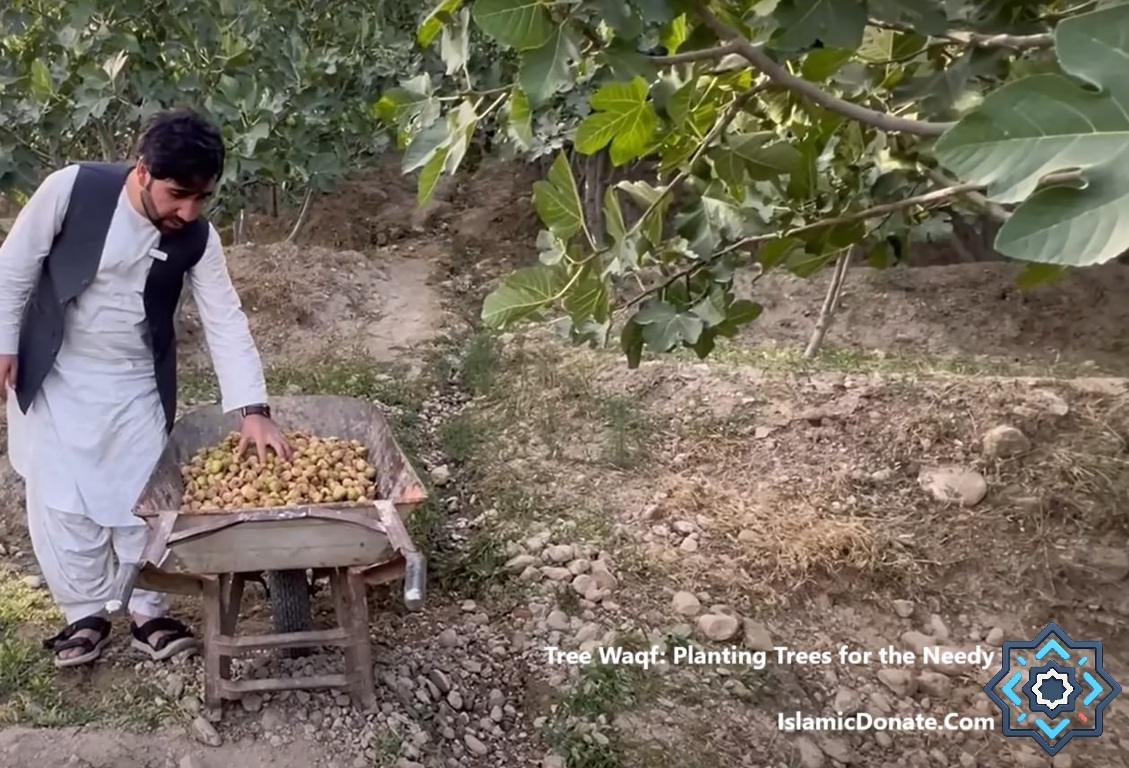
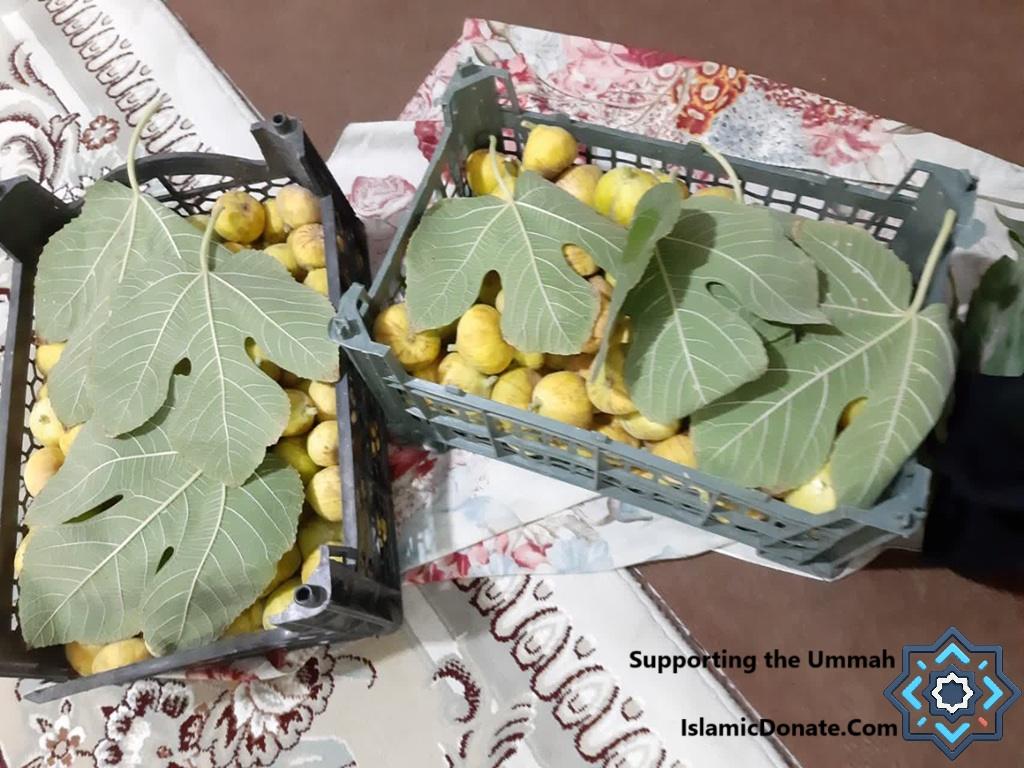
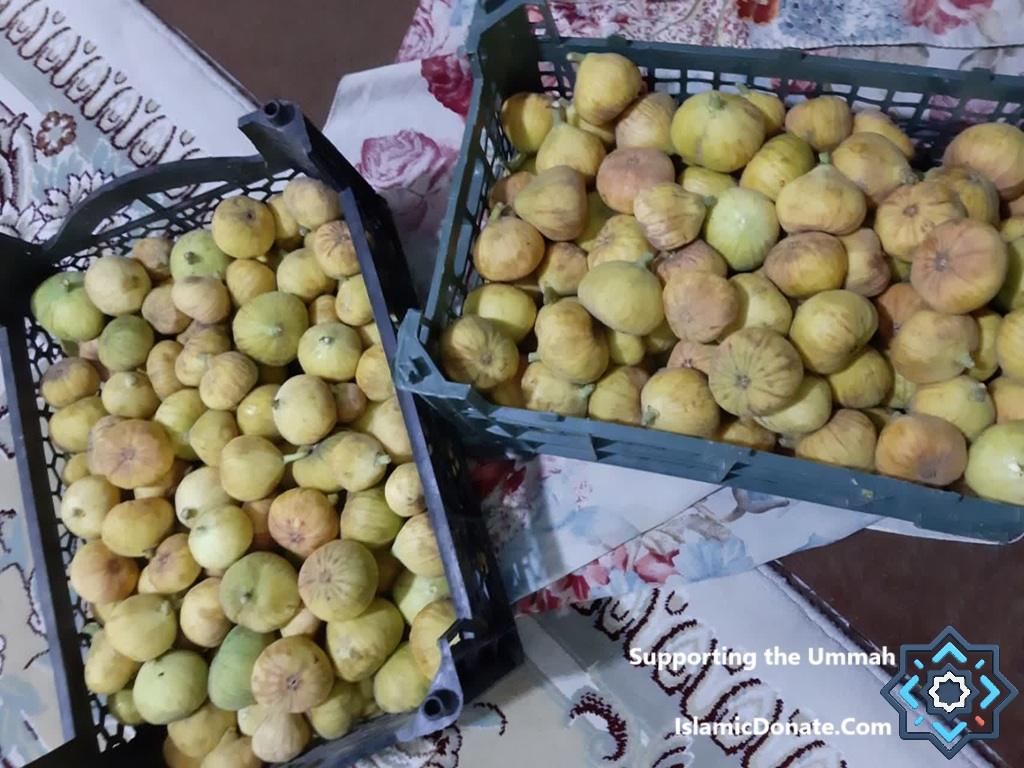
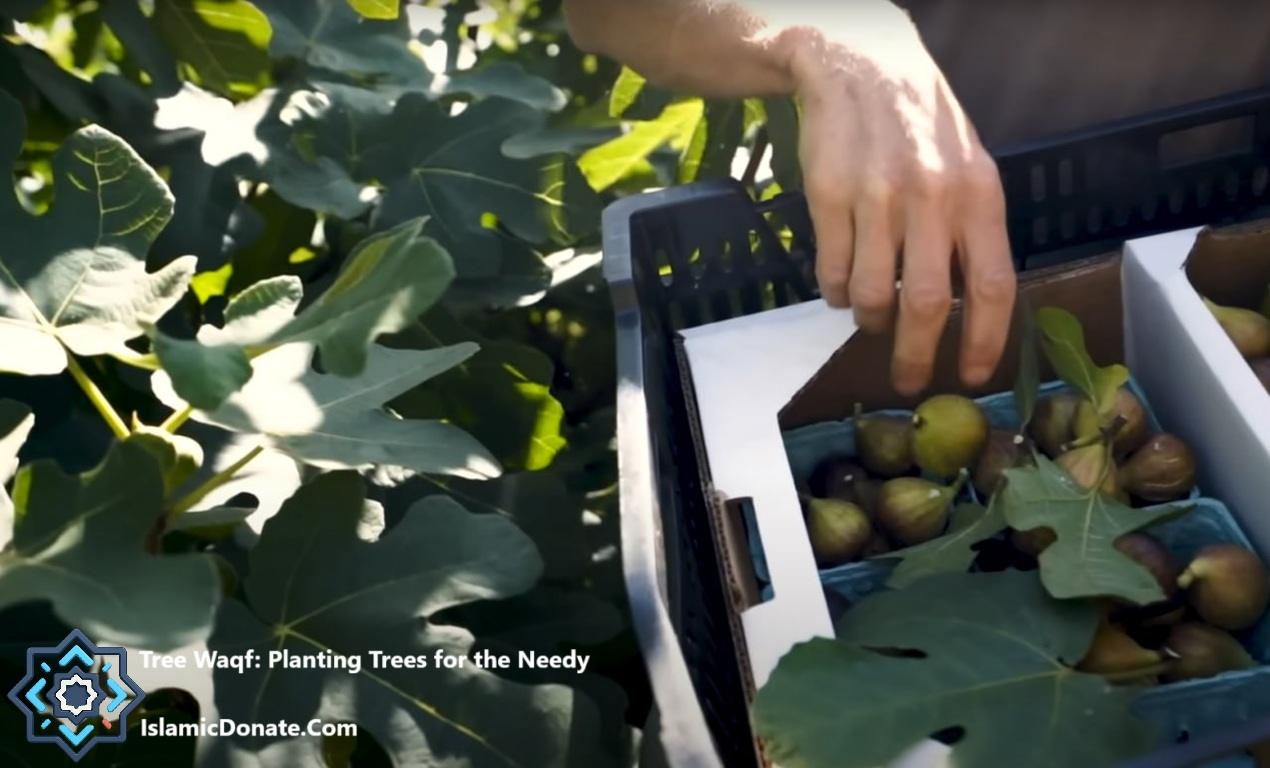
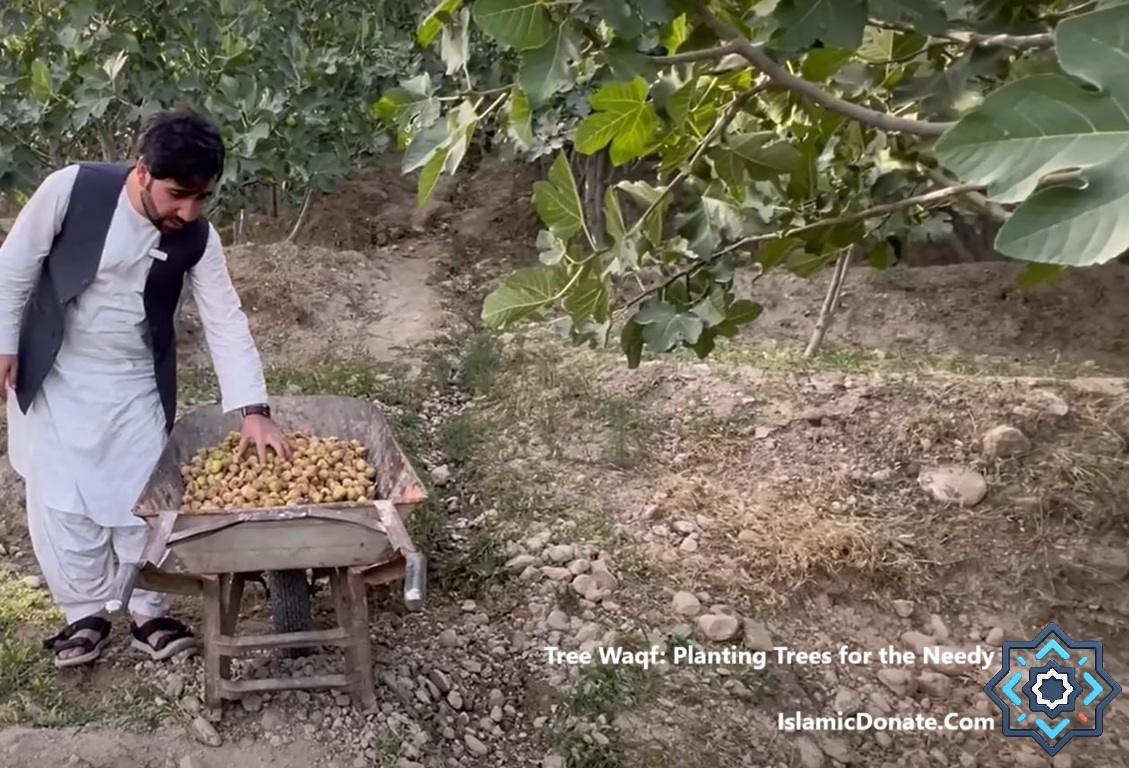
From a nutritional perspective, figs are packed with essential vitamins, minerals, and fiber, making them a valuable source of sustenance. They can be consumed fresh or dried, offering long-term food security. In many regions, dried figs are also a profitable agricultural product, providing financial stability to farming families. Dried figs, Providing food for poor families and improving the economic situation:
Fig Varieties and Their Environmental Benefits
There are numerous fig species, each offering unique advantages:
- Common Fig (Ficus carica): Widely cultivated for its edible fruit, this species thrives in dry, sunny locations with deep soil.
- Sycamore Fig (Ficus sycomorus): Native to dry and subtropical areas of Africa, this deciduous tree is tolerant of drought and poor soil conditions, making it suitable for challenging environments.
- Dwarf South African Fig (Ficus burtt-davyi): Endemic to Southern Africa, this species is known for its drought resistance and is often used in bonsai cultivation.
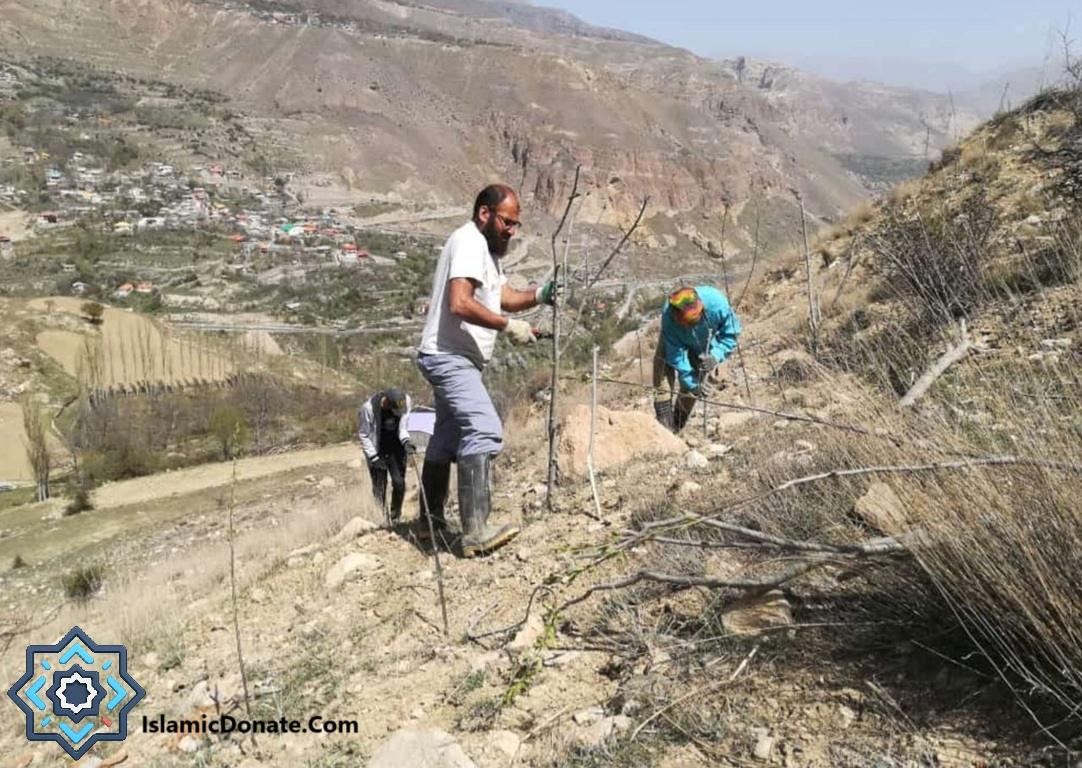
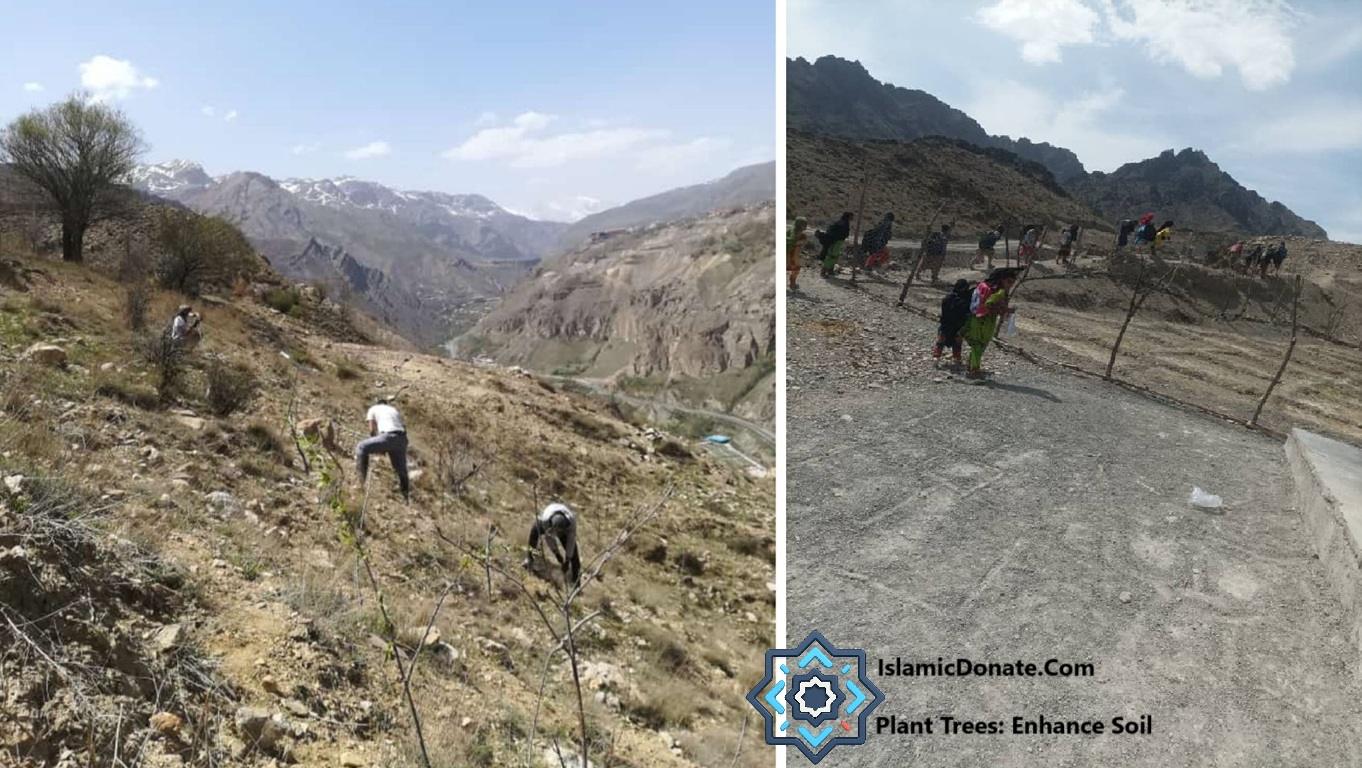
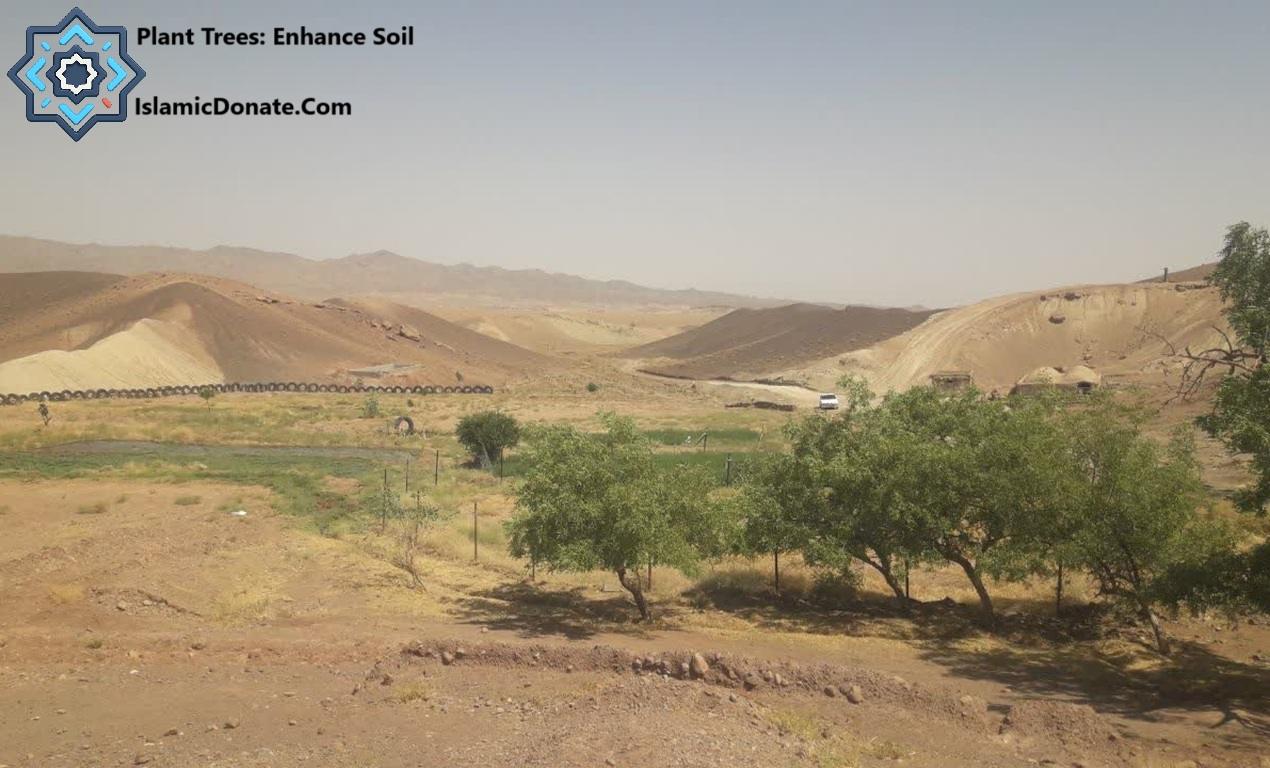
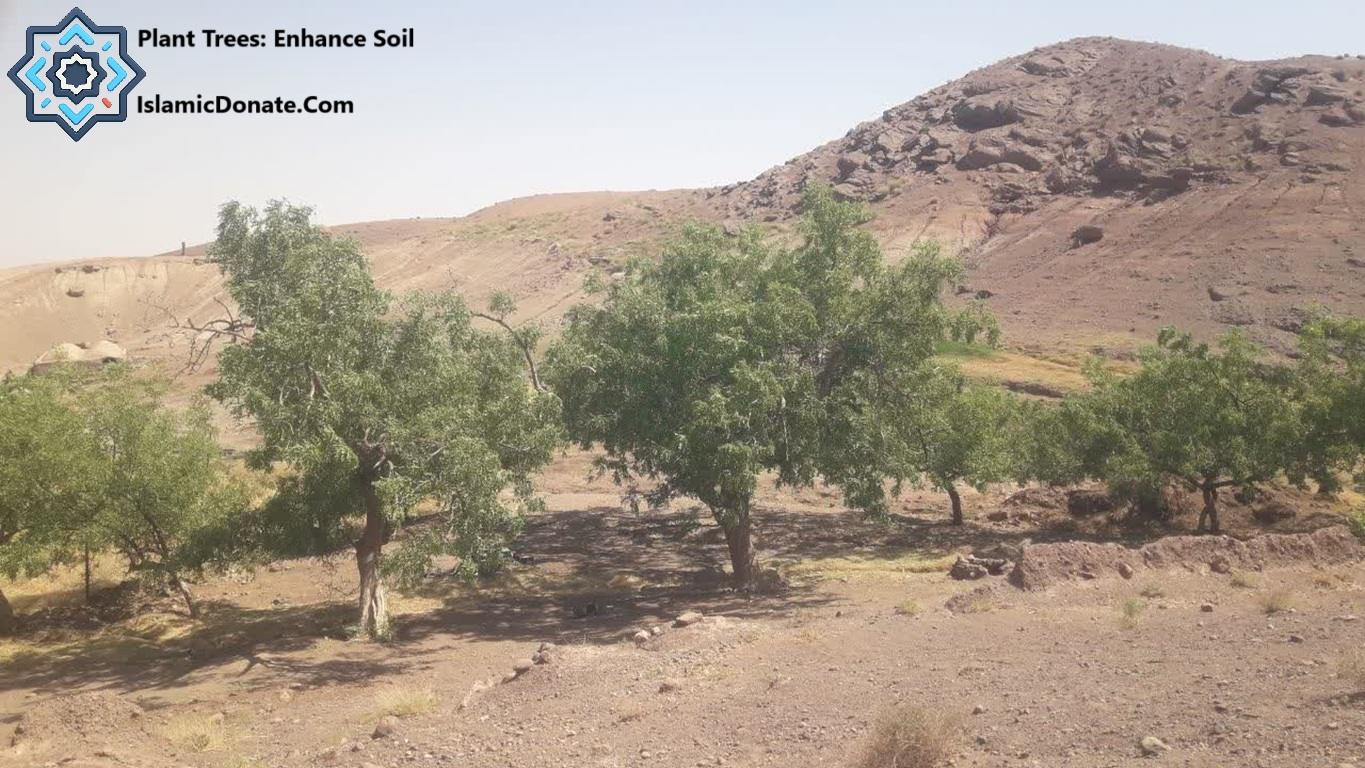
In regions prone to desertification, we plant fig trees to stabilize the soil and provide a sustainable food source. The leaves of certain fig species serve as fodder for livestock, supporting local agriculture.
Fig Tree Charity Projects: How Do You Help?
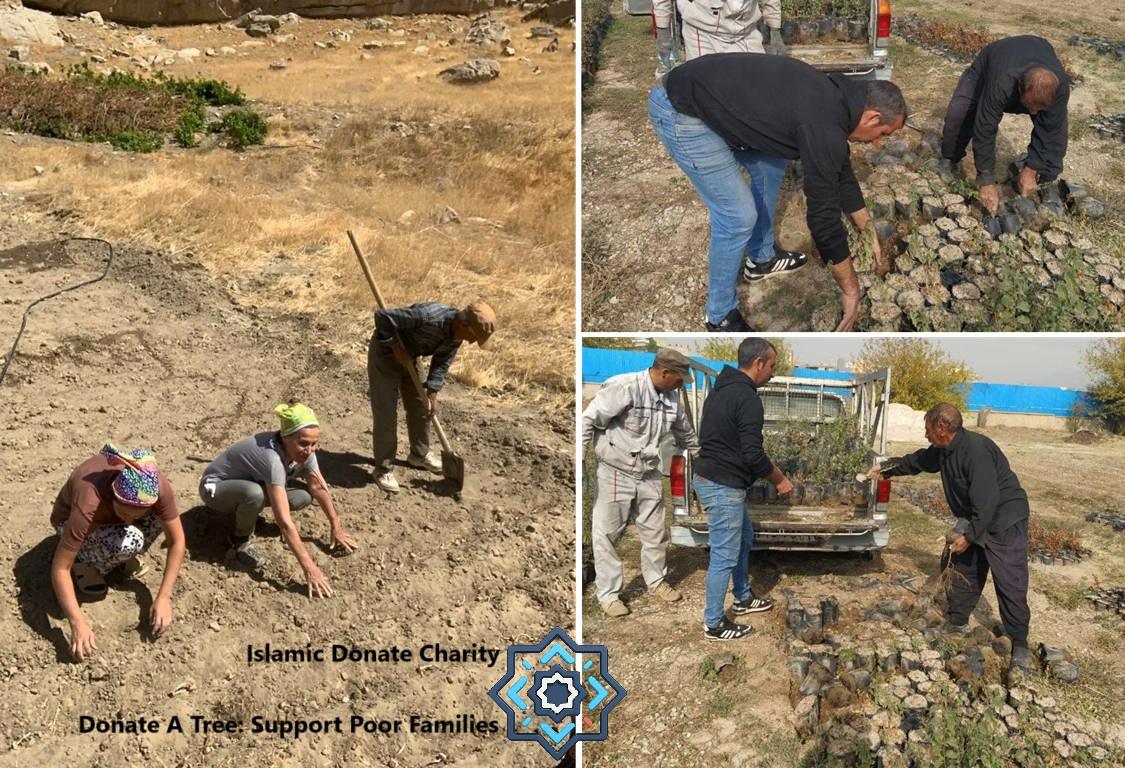
When you offer your cryptocurrency as Waqf to plant a fig tree, you are planting hope in barren soil. We tenderly care for your gift until it bears fruit, delivering every harvest directly into the hands of the poor. As the community thrives from your continuous charity, Allah is the ever-watchful witness to the purity of your intention. Your donation provides blessings in three essential ways:
1. Endowment Gardens for Needy Families
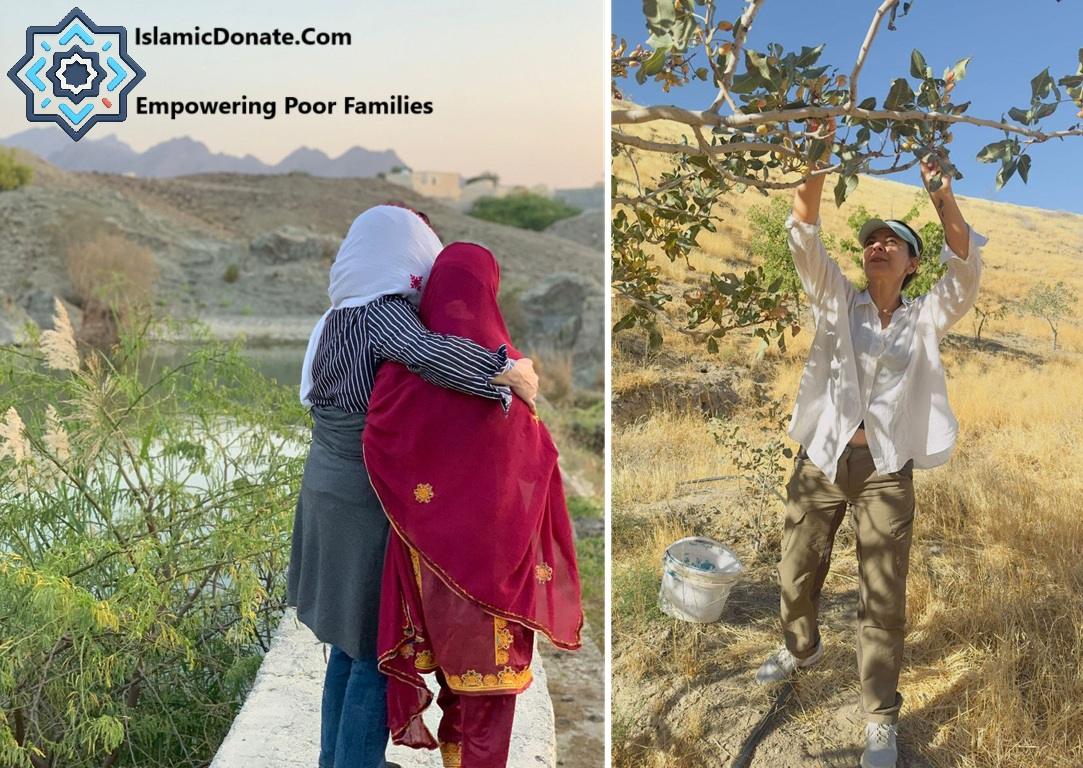
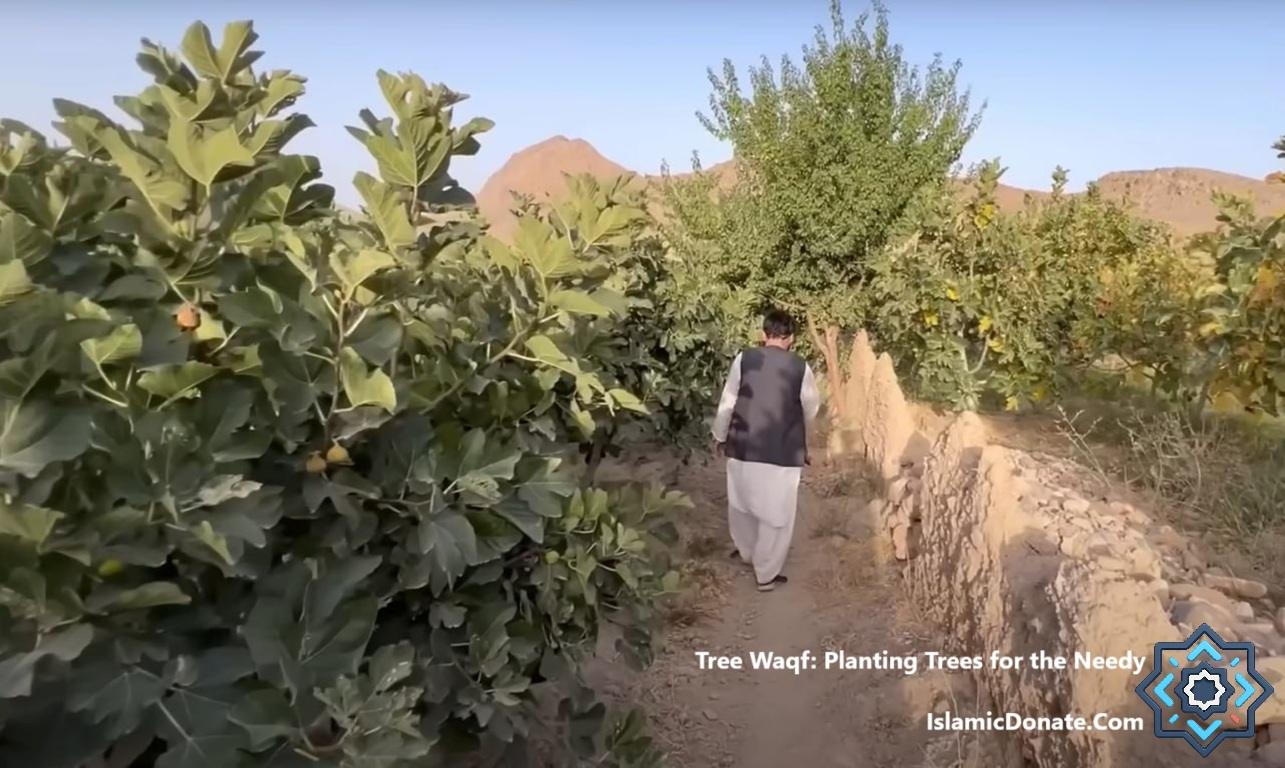
As part of our Waqf (Islamic endowment) initiatives, we establish fig tree gardens in impoverished communities. These gardens serve as a sustainable source of income for families by allowing them to cultivate, harvest, and sell figs in local markets. The long lifespan of fig trees ensures that the benefits extend across generations, creating a lasting impact.
2. Combating Desertification with Fig Trees
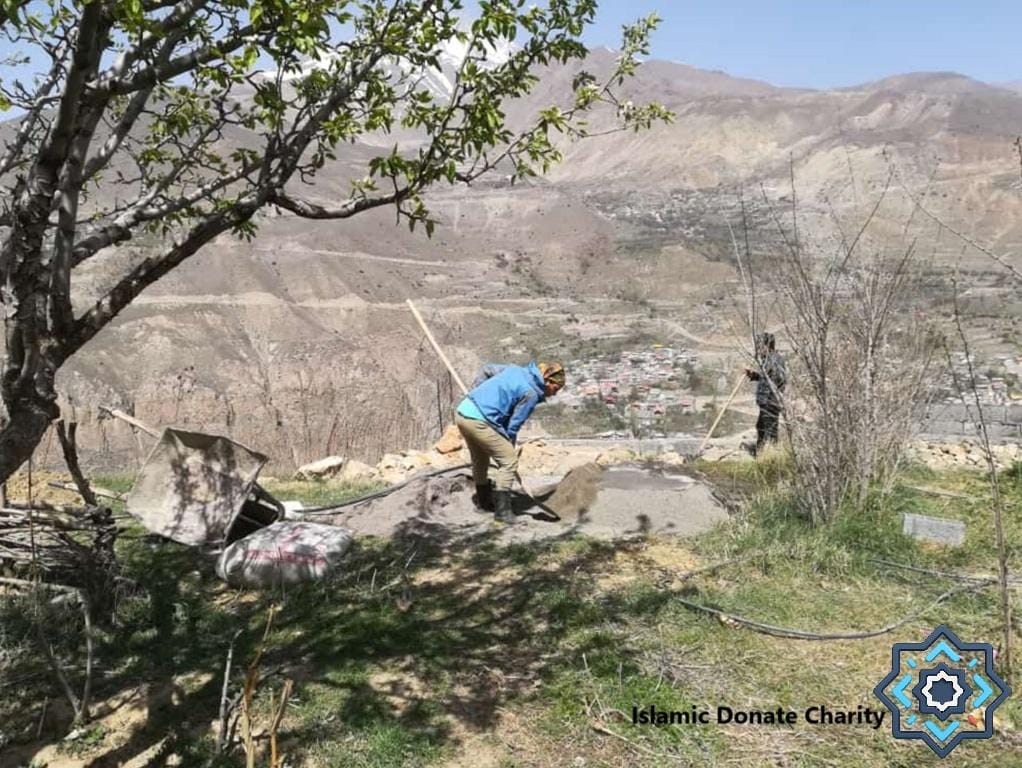
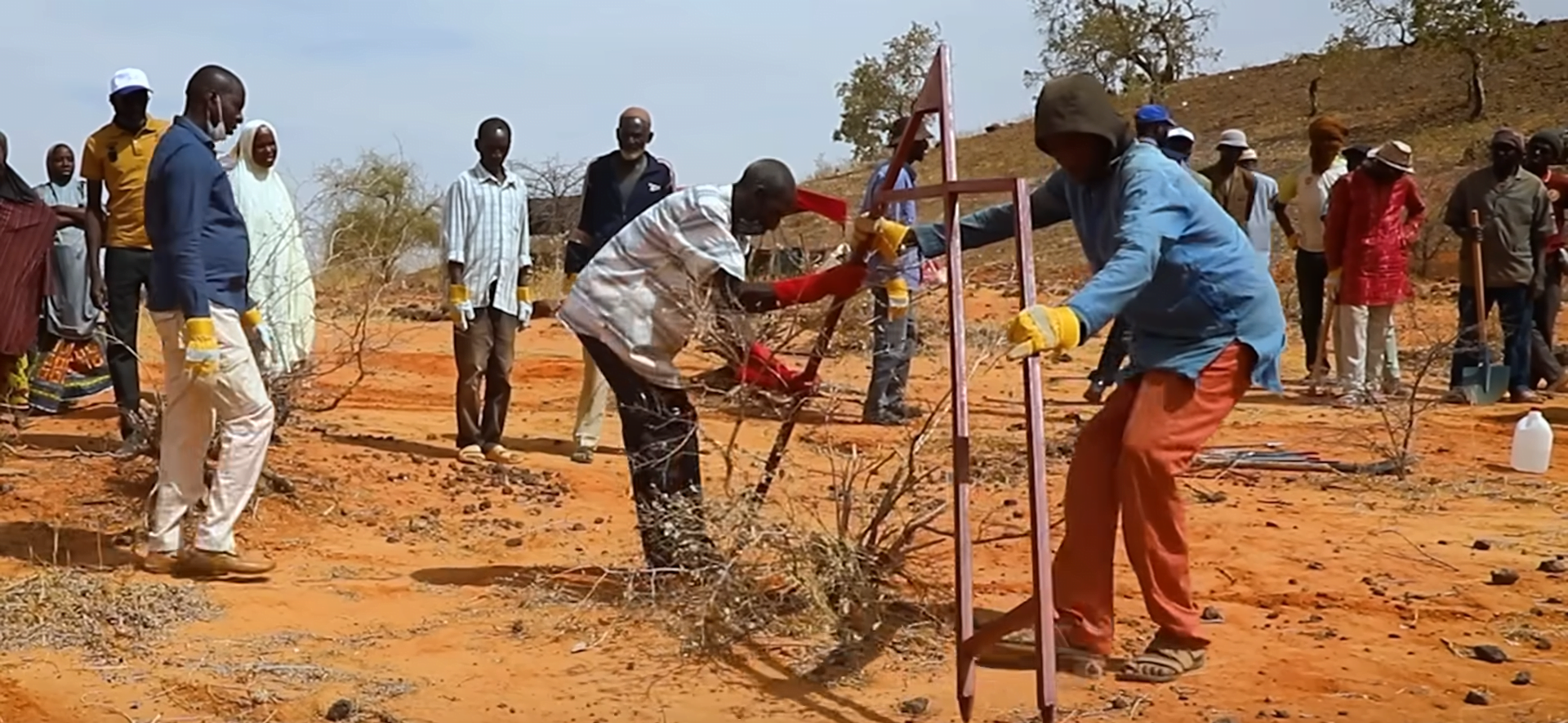
Many areas in Africa and Asia suffer from soil degradation due to deforestation and climate change. We plant fig trees to help restore these lands, as their roots enhance soil structure and retain moisture. This initiative not only revitalizes the environment but also creates employment opportunities in rural regions where agricultural work is scarce.
3. Supporting Livestock with Fodder Trees
In areas where edible fruit trees struggle to grow, we plant non-fruiting fig species, such as the African fig (Ficus sycomorus). These trees provide shade and high-quality fodder for livestock, particularly goats, which are essential for rural families in Africa. By ensuring a steady food supply for livestock, we help improve local economies and support sustainable agriculture.
How Much Is the Donation to Plant 1 Fig Tree?
🌳Planting 1 fig tree: $110 for care in the first 3 years
Hint: A young tree seedling requires the most attention during its first 3 to 5 years. Consistent watering, yearly fertilization, and protection against breakage or winter drying are essential to ensure its healthy growth and long-term survival.
Your contributions to Islamic Donate Charity expand our fig tree projects, bringing lasting change to communities in need. With your support, we build sustainable agricultural solutions, combat desertification, and empower families toward self-sufficiency.
Planting a single fig tree offers years of continuous food, income, and environmental relief. We accept cryptocurrency donations, including Bitcoin (BTC), Ethereum (ETH), Tether (USDT), USDC, BNB, Solana (SOL), Ripple (XRP), Ripple USD (RLUSD), PayPal USD (PYUSD), Litecoin (LTC), Tron (TRX), and more.
Join our mission to cultivate a greener, brighter future for those who need it most.
Frequently Asked Questions
1- How does donating a fig tree provide sustainable help to families?
Donating a fig tree establishes a long-term source of nutrition and income for impoverished families. These trees can live for generations, allowing communities to harvest fresh fruit for food or sell dried figs in local markets. This creates financial stability and empowers rural families toward lasting economic self-sufficiency.
2- Why are fig trees effective for combating desertification in Africa?
Fig trees are highly resilient and adaptable to harsh, arid climates. Their deep-rooted systems help stabilize soil structure, prevent erosion, and retain essential moisture in the earth. By planting these trees in degraded areas, we can restore soil fertility and create greener environments that withstand extreme weather conditions.
3- What is the cost to plant a fig tree and what does it cover?
A donation of $110 covers the planting and essential maintenance of one fig tree. This amount ensures the sapling receives professional care during its first three critical years of growth, including consistent watering, yearly fertilization, and protection from environmental damage, which are necessary for the tree's long-term survival.
4- Which cryptocurrencies can be used to fund these tree planting projects?
Islamic Donate Charity accepts a wide range of digital assets for fig tree donations. You can contribute using Bitcoin (BTC), Ethereum (ETH), Tether (USDT), USDC, BNB, Solana (SOL), Ripple (XRP), Litecoin (LTC), and Tron (TRX). These cryptocurrency donations serve as Waqf to provide continuous charity and environmental relief.