

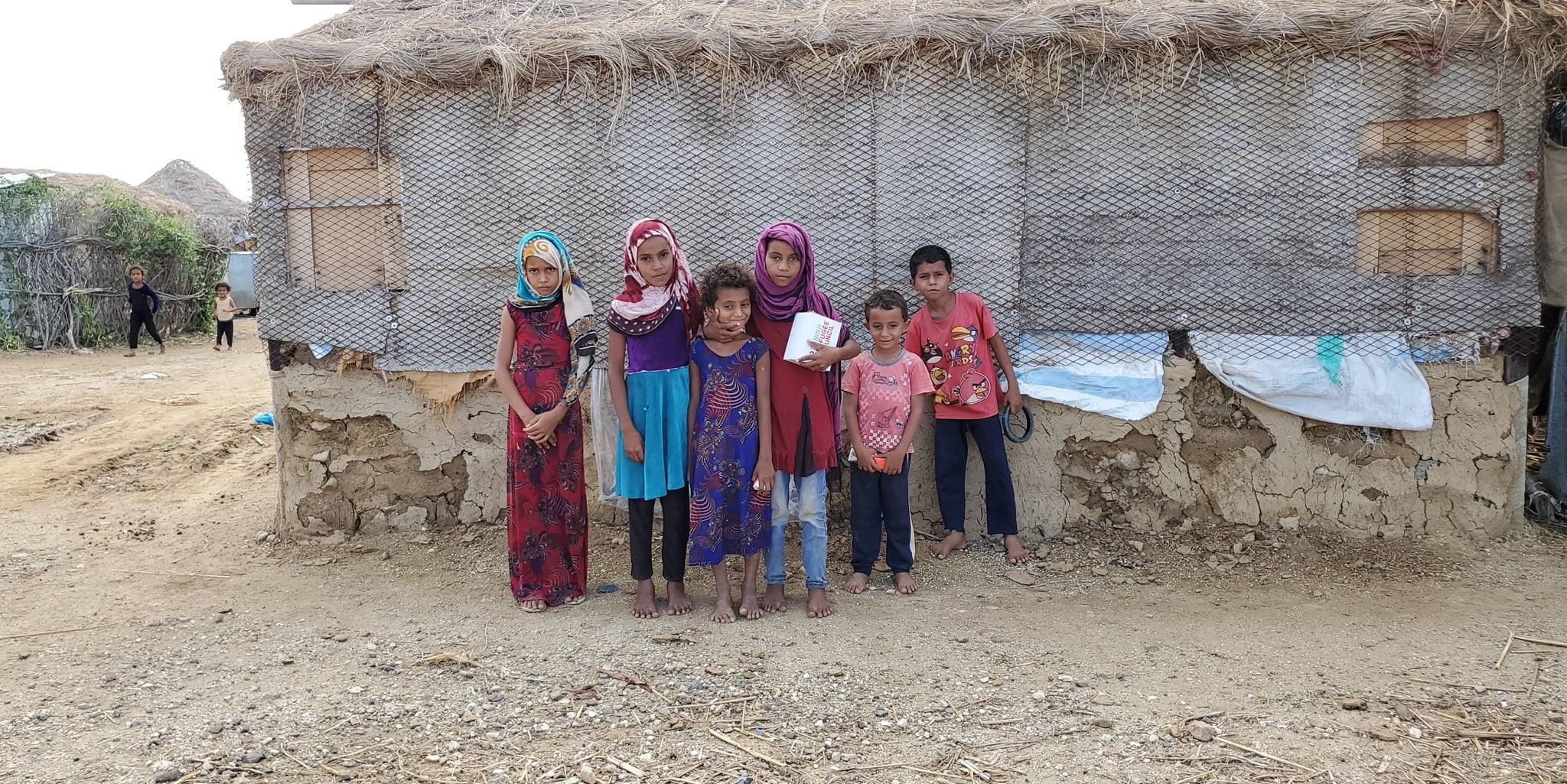
Learn how to donate crypto to Yemen. Send Bitcoin or Ethereum to deliver rapid food, water, and emergency medical aid directly to families in need.
Help Yemen
Learn how to donate crypto to Yemen. Send Bitcoin or Ethereum to deliver rapid food, water, and emergency medical aid directly to families in need.
Donating cryptocurrency to Yemen is the most efficient method to provide immediate humanitarian aid, bypassing slow traditional banking systems to deliver funds directly to relief efforts. By using digital assets like Bitcoin and Ethereum, donors ensure transparency, lower transaction fees, and near-instant transfer speeds, meaning more of your contribution goes directly to providing food, water, and medical care to families in crisis.
Yemen is currently enduring what the United Nations describes as the world’s worst humanitarian crisis. Years of conflict have decimated infrastructure, leaving millions of innocent families on the brink of famine. The statistics are not just numbers; they represent children facing severe malnutrition, communities without access to clean water, and a healthcare system on the verge of total collapse.
Traditional aid methods often face significant hurdles. High inflation, banking restrictions, and complex geopolitical borders can delay financial transfers for weeks. In a situation where a child dies every ten minutes from preventable causes, weeks are a luxury that the people of Yemen simply do not have. Every hour spent processing a bank wire is an hour that basic necessities are withheld from those desperate for survival.
You have the power to bypass these barriers. By leveraging blockchain technology, you can act as a bridge between your digital wallet and a family in need. Your crypto donation is not just a financial transaction; it is a lifeline that moves at the speed of the internet, cutting through red tape to deliver hope where it is needed most.
The humanitarian situation in Yemen is complex, but the needs are simple: food, water, medicine, and shelter. However, delivering this aid requires overcoming logistical nightmares. This is where the blockchain community steps in as a powerful force for good.
The local currency in Yemen has suffered from hyperinflation, making cash almost worthless in some areas. Cryptocurrencies offer a store of value that is independent of local economic instability. When aid organizations receive donations in Bitcoin or Ethereum, they can manage funds more effectively, preserving purchasing power until the moment it is converted to purchase local supplies.
One of the biggest hesitations donors face is the question: “Will my money actually reach the people?” Blockchain technology solves this. The inherent transparency of the public ledger allows for a level of accountability that cash simply cannot match. When you donate crypto, you are participating in a system where every transaction is traceable. This ensures that funds are directed toward procurement of aid- food baskets, medical kits, and water trucks- rather than getting lost in administrative bureaucracy.
A significant portion of the population in Yemen is unbanked, having lost access to financial institutions due to the conflict. While your donation goes to aid organizations, the decentralized nature of crypto enables these organizations to operate in regions where banks have shut their doors. Your digital assets facilitate trade and aid in zones that the traditional financial world has abandoned.
As a crypto-holder, you are already part of a financial revolution. By applying this technology to philanthropy, you maximize the impact of every dollar-equivalent you give. Here is why donating crypto is superior to writing a check.
For those looking to support the Muslim people of Yemen, cryptocurrency offers a respectful and compliant way to fulfill obligations such as Zakat or Sadaqah. Many scholars and institutions now recognize cryptocurrencies as valid assets for charitable giving.
Using Ethereum or Bitcoin to pay Zakat ensures that your contribution reaches the vulnerable swiftly. It honors the spirit of giving by utilizing the best tools available to alleviate suffering. Whether you are driven by religious duty or purely humanitarian compassion, the result is the same: children are fed, the sick are treated, and dignity is restored.
We are witnessing a shift in how the world handles humanitarian crises. The crypto community has proven time and again that it is generous, forward-thinking, and action-oriented. Yemen is calling for help, and the blockchain offers the most effective response.
Do not let your digital assets sit idle while they could be transforming lives. You have the unique ability to convert virtual currency into real-world survival for families who have lost everything.
Most major humanitarian organizations accept leading cryptocurrencies including Bitcoin (BTC), Ethereum (ETH), Litecoin (LTC), and stablecoins like USDC or USDT. These assets are preferred due to their liquidity and speed, ensuring funds can be quickly converted into essential resources like food and medicine on the ground.
In many jurisdictions, including the United States, Canada, and the UK, donating cryptocurrency to a registered non-profit is treated as a tax-deductible event. Furthermore, donors generally do not have to pay capital gains tax on the appreciated value of the crypto donated. You should always consult with a tax professional regarding your specific situation.
Blockchain technology provides a unique layer of transparency. Unlike cash, crypto transactions are recorded on a public ledger. Reputable charities utilizing crypto often provide transparency reports or transaction hashes that allow you to verify receipt of funds. This minimizes administrative overhead and ensures maximum impact for the beneficiaries.
The time to act is now. The blocks are moving, and so should we. Join the movement of modern philanthropists who are using technology to heal the world. Your Bitcoin, Ethereum, or stablecoins can be the direct reason a family in Yemen survives another week. Send a Lifeline Today. Be the difference.
Help Yemen