

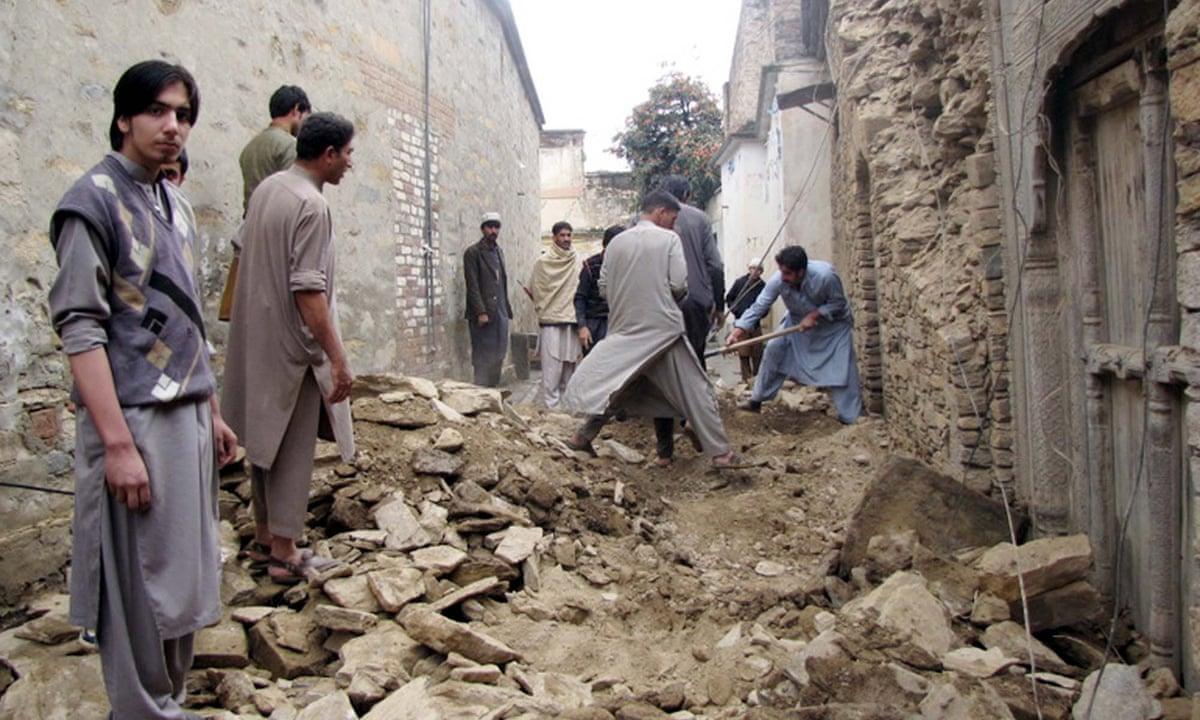
Afghanistan Earthquake Relief: How Crypto Donations Offer Hope
Afghanistan is grappling with immense devastation following the recent earthquake. While traditional aid faces significant obstacles, cryptocurrency offers a lifeline. Discover how crypto can provide immediate relief, transparency, and empowerment to those affected, and learn about our institution’s efforts to deliver aid directly to those who need it most.
Why Cryptocurrency is a Vital Tool for Humanitarian Aid in Afghanistan
The earthquake in Afghanistan has created a dire humanitarian crisis. Traditional aid delivery methods are often slow, expensive, and susceptible to corruption, especially in conflict zones and regions facing economic instability. Cryptocurrency presents a powerful alternative, offering:
- Speed and Reduced Costs: Crypto transactions are significantly faster and cheaper than traditional banking or wire transfers. Funds can reach recipients within minutes, bypassing intermediaries and minimizing transaction fees. This allows a greater percentage of each donation to go directly to those in need.
- Transparency and Accountability: Blockchain technology provides an immutable, public ledger of all transactions. Donors can track their contributions in real-time, ensuring funds are used as intended. This enhanced transparency builds trust and reduces the risk of corruption or misappropriation.
- Empowerment and Direct Assistance: Crypto transactions are peer-to-peer, removing the need for intermediaries like banks or aid organizations. This empowers recipients to manage their funds directly, prioritizing their most urgent needs. Furthermore, crypto can provide access to financial resources for individuals who may lack traditional banking access.
- Security and Anonymity: In conflict zones, security is paramount. Crypto transactions can offer a degree of anonymity, protecting recipients from potential risks associated with receiving aid.
Expanding on the challenges of traditional aid:
- Bureaucratic Delays: Traditional aid can be slow to mobilize, especially in disaster situations where immediate action is critical. Complex approval processes and logistical challenges can hinder the rapid delivery of essential supplies.
- Corruption and Mismanagement: Unfortunately, aid can be diverted or misappropriated, preventing it from reaching those who need it most. Corruption can occur at various levels, undermining the effectiveness of humanitarian efforts.
- Accessibility Issues: Reaching remote or conflict-affected areas can be extremely difficult for traditional aid organizations. Infrastructure limitations and security concerns can impede the delivery of essential supplies and services.
- Sanctions and Restrictions: Sanctions and other restrictions can further complicate the flow of aid, creating additional obstacles for humanitarian organizations.
How Our Institution is Using Cryptocurrency to Deliver Aid in Afghanistan
Islamic Donate charity institution is leveraging the power of cryptocurrency to provide immediate and effective aid to those affected by the Afghanistan earthquake. Here’s how you can contribute:
- Visit Our Website: Navigate to our website and select the “Donate with Crypto” option.
- Choose Your Donation Amount and Aid Type: Specify the amount of cryptocurrency you wish to donate and select the type of aid you want to support. We offer various programs focusing on food, water, shelter, medical care, education, and orphan support.
- Send Your Crypto Donation: Scan the QR code or copy the provided crypto wallet address associated with your chosen cryptocurrency. Use your preferred crypto wallet or exchange to send your donation securely.
- Receive Confirmation and Updates: You’ll receive a confirmation email and a receipt for your donation. We’ll also provide regular updates and reports on the impact of your contribution in Afghanistan.
A Deeper Look at Our On-the-Ground Activities After the Earthquake:
- Emergency Food Distribution: We’ve distributed essential food packages to thousands of families in the hardest-hit areas of Herat province. These packages include staples like rice, flour, oil, sugar, beans, and dates.
- Clean Water and Sanitation: We’ve provided clean water and sanitation facilities to communities in remote areas. This includes installing water tanks, pumps, filters, taps, latrines, and showers to prevent the spread of disease.
- Shelter and Housing Support: We’ve provided temporary shelters and tents to those who lost their homes. We use crypto to purchase the necessary materials and tools for building these shelters.
- Medical Assistance and Supplies: We’ve delivered medical supplies and equipment to treat the injured and sick. We use crypto to procure essential items like bandages, antiseptics, painkillers, antibiotics, and oxygen cylinders. We also work with local medical professionals to provide care and treatment.
Beyond these immediate relief efforts, we are also focusing on long-term recovery and resilience. This includes:
- Rebuilding Infrastructure: We are working to rebuild damaged infrastructure, including schools, hospitals, and homes. This will help communities recover and rebuild their lives.
- Supporting Livelihoods: We are providing training and resources to help people rebuild their livelihoods. This includes supporting small businesses and providing vocational training.
- Promoting Education: We are working to ensure that children have access to education, even in the aftermath of the earthquake. This includes providing school supplies and supporting teachers.
The Ethical Considerations of Using Crypto for Aid:
While cryptocurrency offers many benefits for humanitarian aid, it is also important to consider the ethical implications:
- Volatility: The value of cryptocurrencies can fluctuate significantly, which could impact the amount of aid received.
- Security Risks: Crypto wallets can be vulnerable to hacking and theft.
- Regulation: The regulatory landscape for cryptocurrencies is constantly evolving, which could create uncertainty for aid organizations.
- Environmental Concerns: Some cryptocurrencies, such as Bitcoin, have a high energy consumption, which raises environmental concerns.
Addressing these concerns:
- We prioritize stablecoins for donations to minimize volatility.
- We use secure wallets and implement strict security protocols to protect funds.
- We stay informed about the latest regulations and comply with all applicable laws.
- We are exploring more sustainable cryptocurrency options with lower energy consumption.