

A Brief Explanation of the Different Names for Sacrifice
Qurbani, also known as Eid al-Adha or the Festival of Sacrifice, is an important Islamic holiday that commemorates the prophet Ibrahim’s willingness to sacrifice his son Ismail as an act of obedience to Allah. According to Islamic tradition, as Ibrahim was about to sacrifice his son, Allah intervened and provided a lamb in his place.
- Qurbani: This refers to the act of sacrificing an animal and is most commonly known by this name in Urdu and Persian. It is a general term for sacrifice and has no connection to the type of sacrifice, whether obligatory or recommended.
- Udhiyah: It refers to the sacrifice of an animal and is mostly known by this name in Arabic. It is a general word for sacrifice, but the sacrifice of Eid al-Adha is known by this name.
- Aqiqah(Aqeeqah): It is called the sacrifice of an animal but is performed for the birth of a baby. Aqiqah is recommended for a baby boy with 2 goats or sheep and for a baby girl with 1 goat or sheep. Aqiqah was recommended by the Prophet to bless the life of the baby.
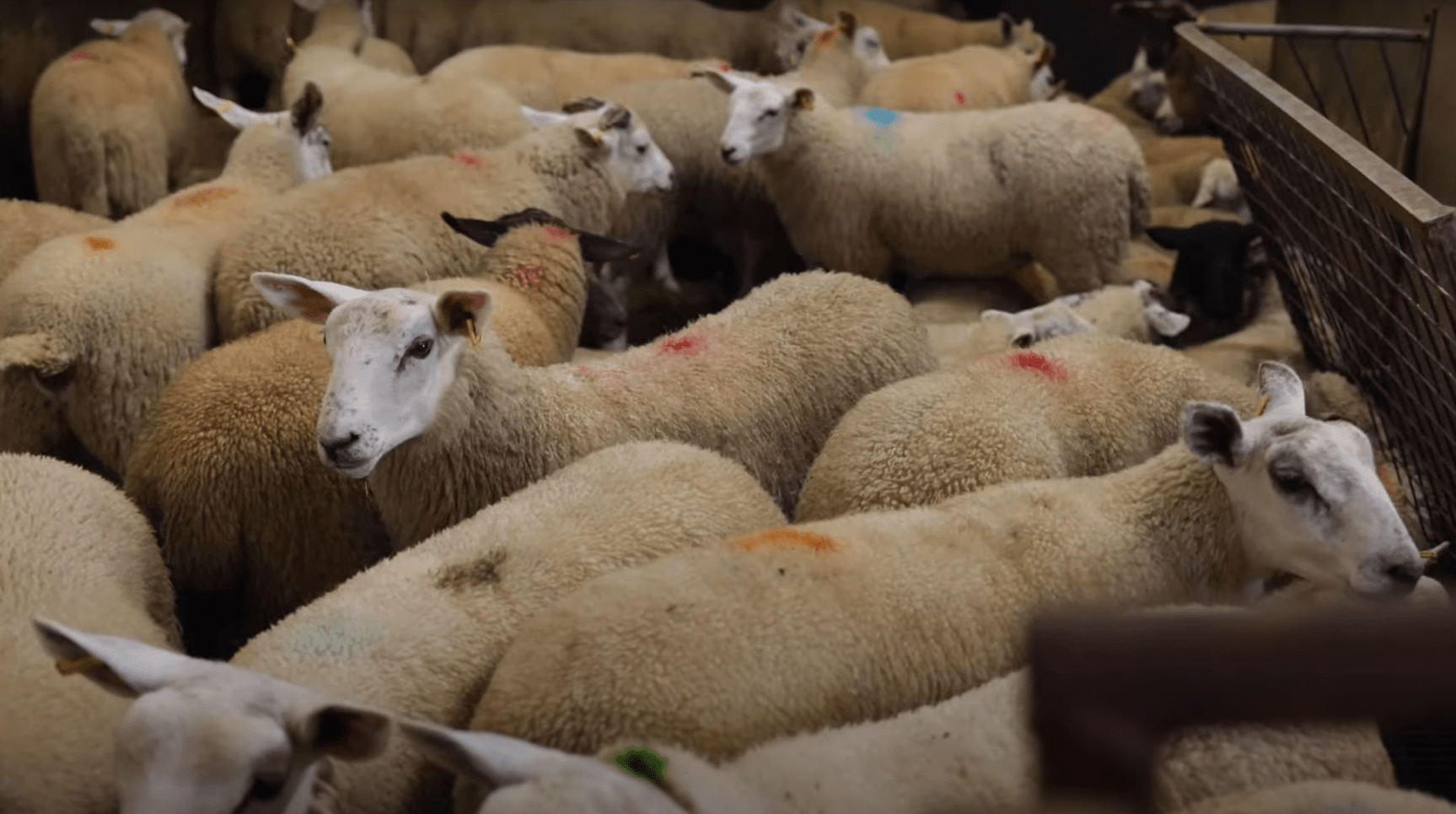
During the days of Eid al-Adha, Muslims around the world sacrifice a domestic animal such as a cow, goat, or sheep as a symbol of Ibrahim’s sacrifice. The meat from the animal is then distributed among family, friends, and the needy. The meat can also be donated to charitable organizations to help those in need.
Qurbani is performed on the 10th, 11th, and 12th days of the Islamic month of Dhul Hijjah, which is the last month of the Islamic calendar. It is a time of great joy and celebration for Muslims, as they reflect on the story of Ibrahim’s sacrifice and the importance of obedience to Allah.
It is important to note that Qurbani is not obligatory for all Muslims, but rather it is a recommended act of worship for those who are able to afford it.
Types of Qurbani in Islam
There are three types of Qurbani in Islam:
- Wajib Qurbani: This type of Qurbani is obligatory on those Muslims who meet certain financial criteria. According to Islamic jurisprudence, those who have reached the age of puberty, are mentally sound, and possess the minimum amount of wealth known as Nisab, must perform Wajib Qurbani. The Nisab amount is calculated based on the current value of gold and silver, and it is the minimum amount of wealth a person must have before they can be liable to pay Zakat or perform Qurbani. Wajib Qurbani must be performed on behalf of the individual and cannot be fulfilled through a donation to charity.
- Sunnah Qurbani: This type of Qurbani is a recommended act of worship that is performed by Muslims who are financially able to do so. It is not obligatory like Wajib Qurbani, but it is highly encouraged as a way to follow the example of Prophet Ibrahim and to express gratitude to Allah for His blessings. Sunnah Qurbani can be performed on behalf of oneself or on behalf of another person, such as a deceased family member.
- Nafl Qurbani: This type of Qurbani is a voluntary act of worship that can be performed at any time throughout the year, unlike Wajib and Sunnah Qurbani which are specific to the days of Eid al-Adha. Nafl Qurbani is performed by Muslims who wish to earn extra rewards and blessings from Allah. It can be performed on behalf of oneself or on behalf of another person, such as a sick or needy individual.
Regardless of the type of Qurbani, the animal being sacrificed must meet certain criteria related to its health and age, and the slaughter must be performed in a humane and proper manner following Islamic guidelines. The meat from the animal is then distributed among family, friends, and the needy, as well as to charitable organizations.
As a brief explanation, Aqiqah(Aqeeqah) and Udhiyah is two separate Islamic ritual and is not considered a type of Qurbani. While Aqiqah and Udhiyah and Qurbani involve the sacrifice of an animal, they have different purposes and requirements.