

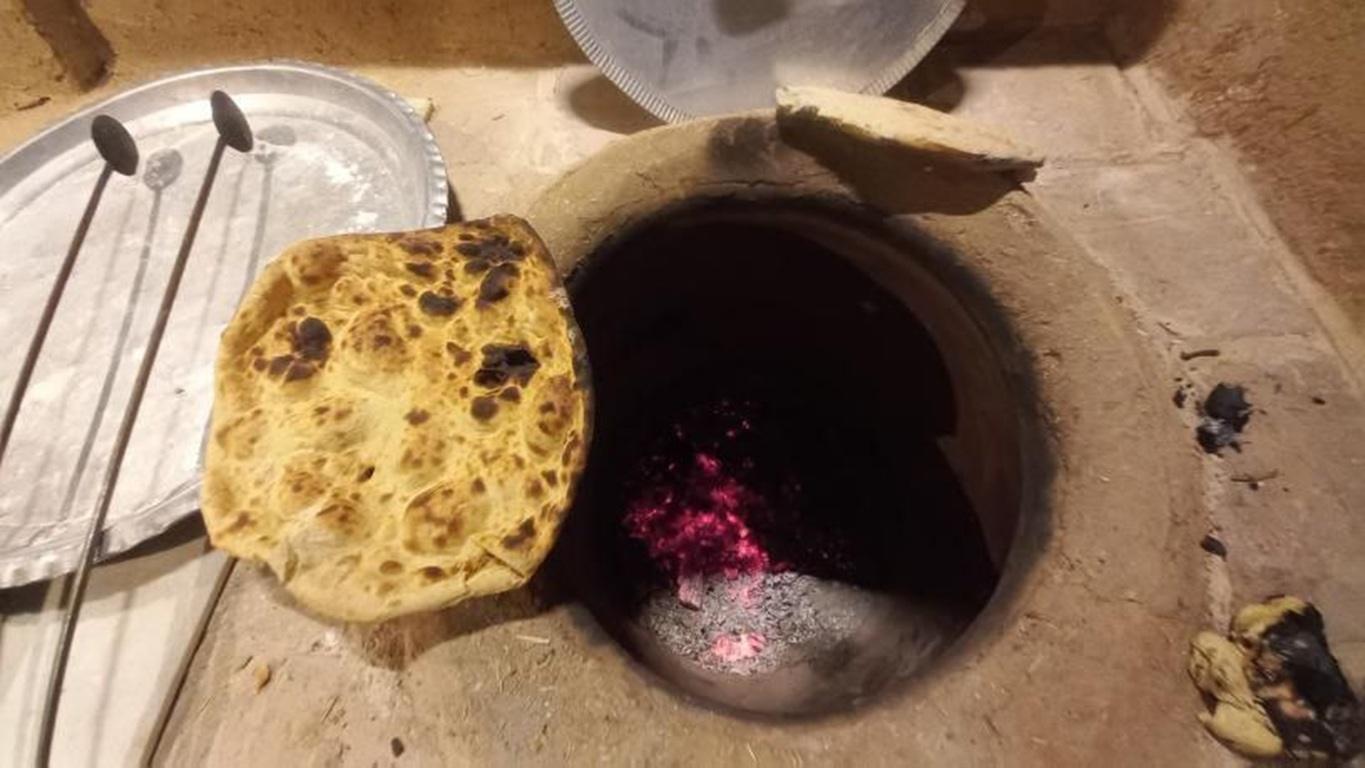
Rural Mothers Are True Artists
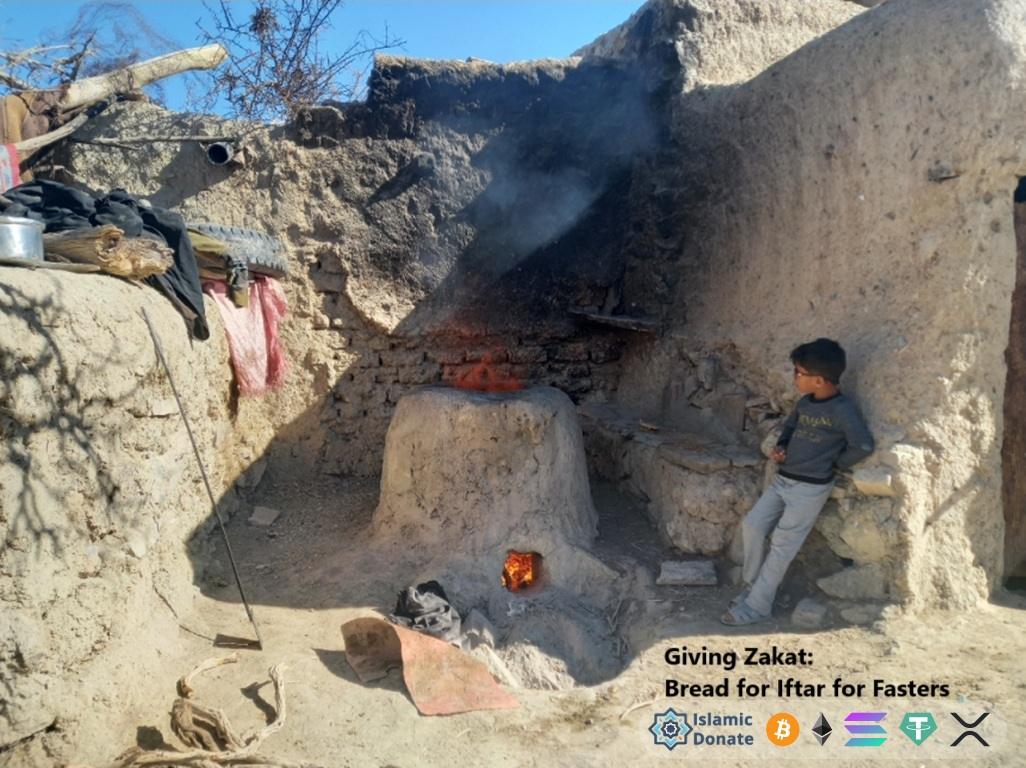
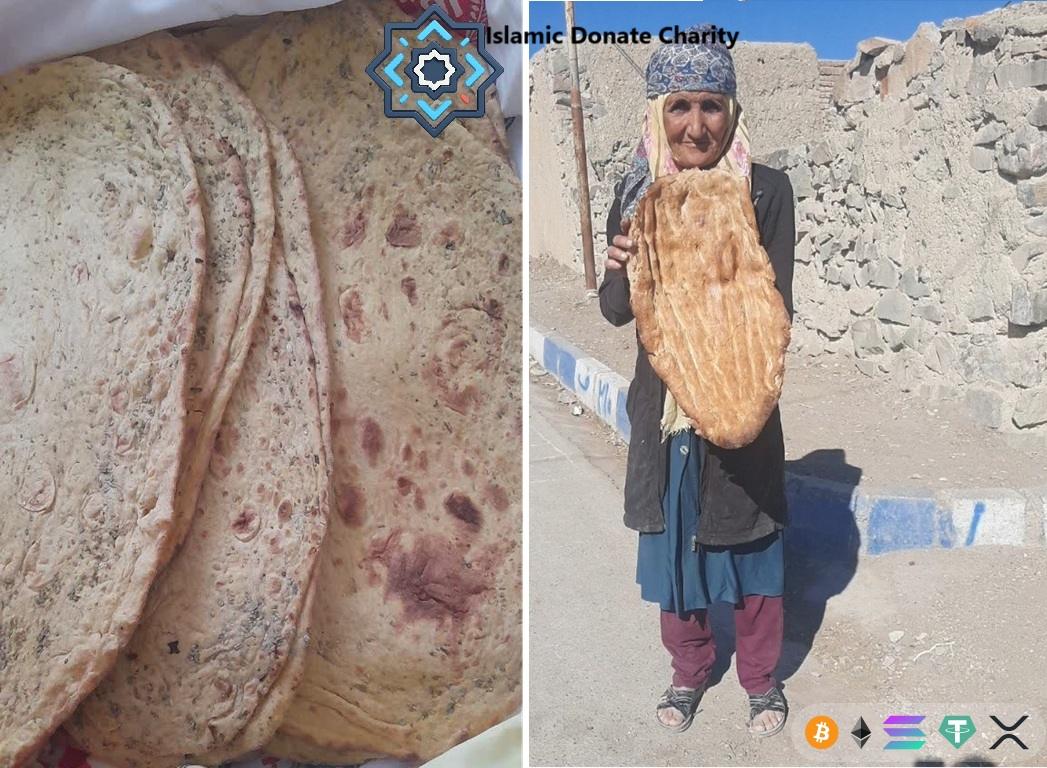
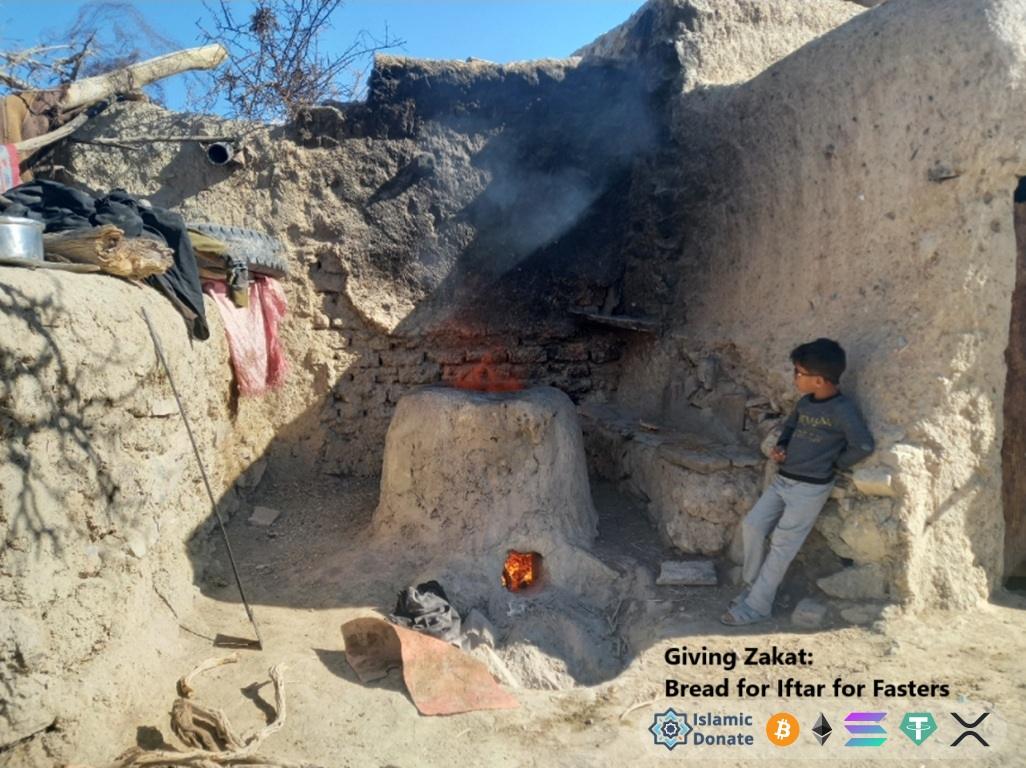
Islamic Donate Charity executed a targeted nutritional intervention across rural districts during the Ramadan 2026 period. Local infrastructure in these regions relies heavily on communal baking ovens. Extreme economic hardship left households without the fundamental raw materials required for traditional bread production. Families lacked flour, natural syrups, and sugar, directly compromising their ability to prepare sustaining Suhoor and Iftar meals. Low-income households often face the holy month without the prepare nutritious Suhoor and Iftar meals.
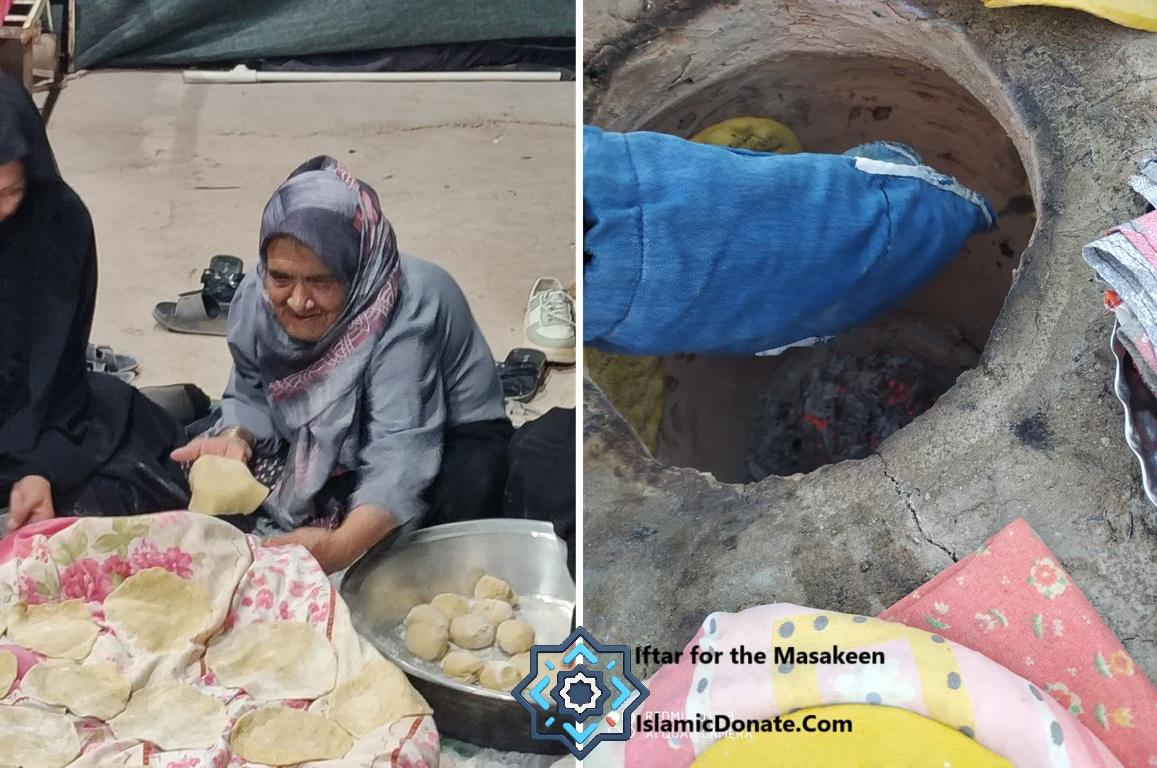
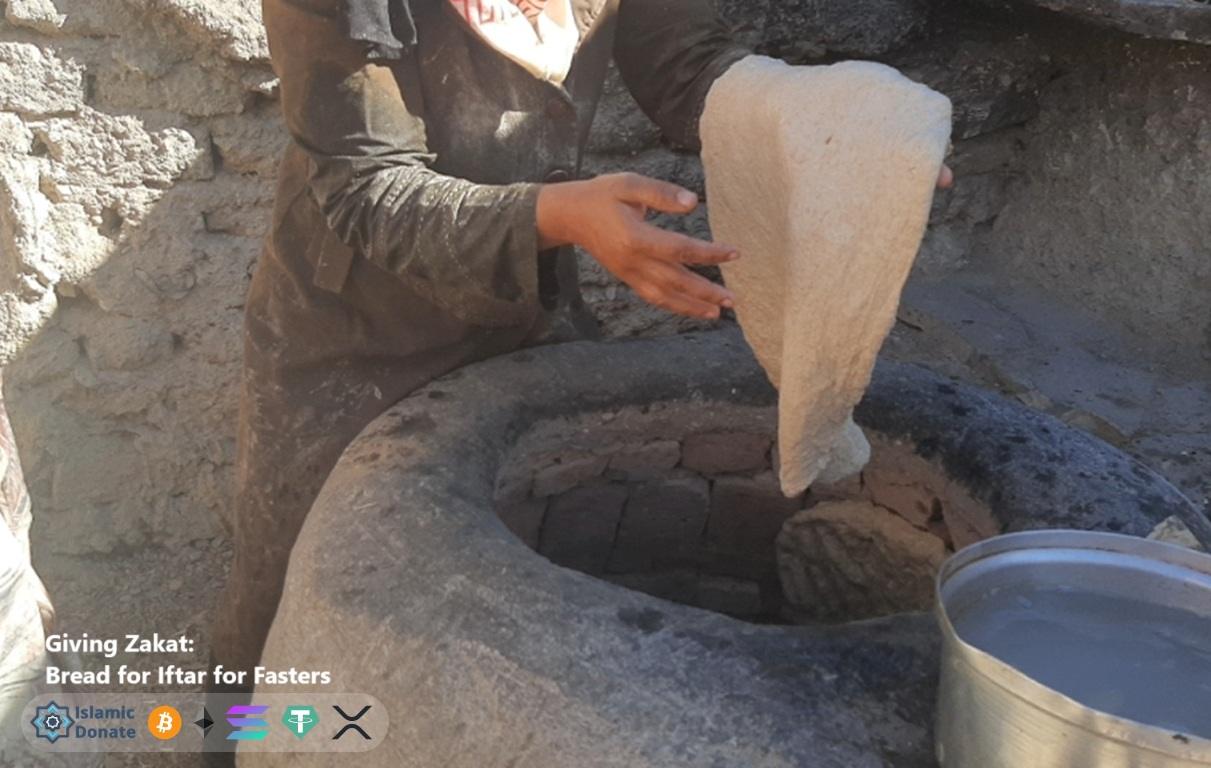
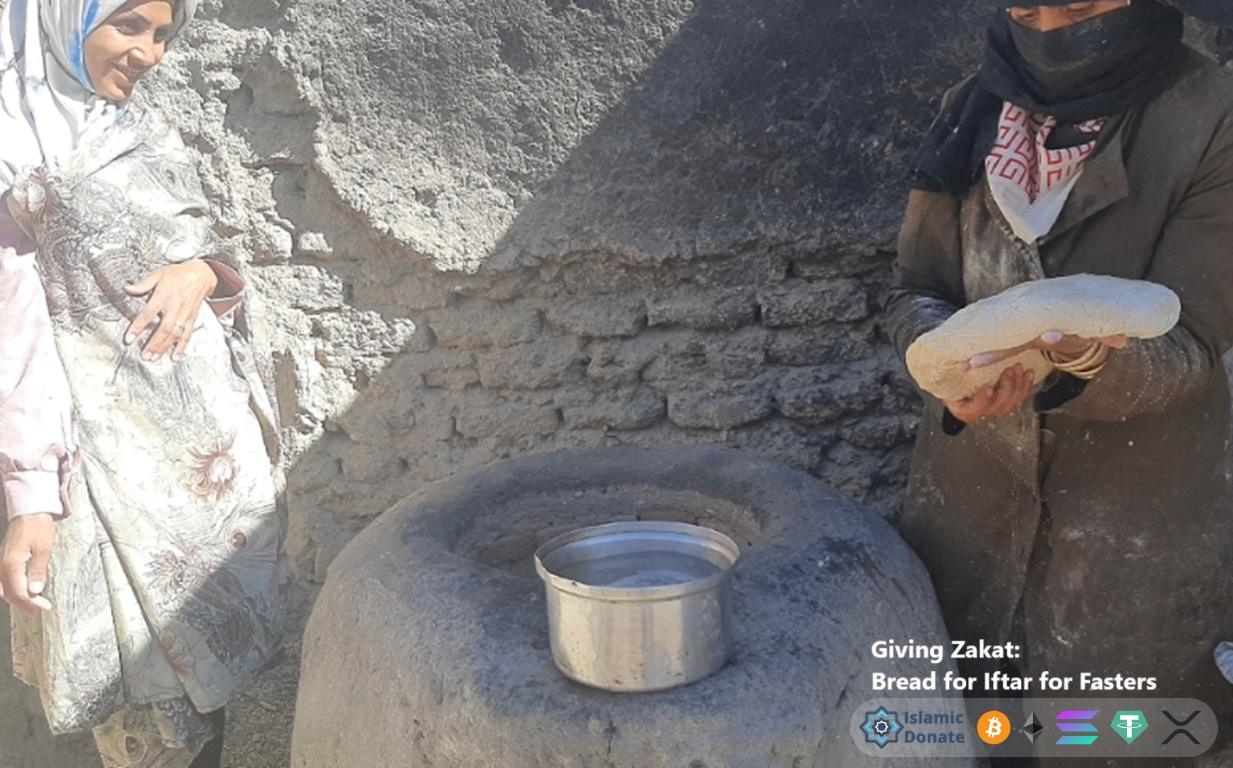
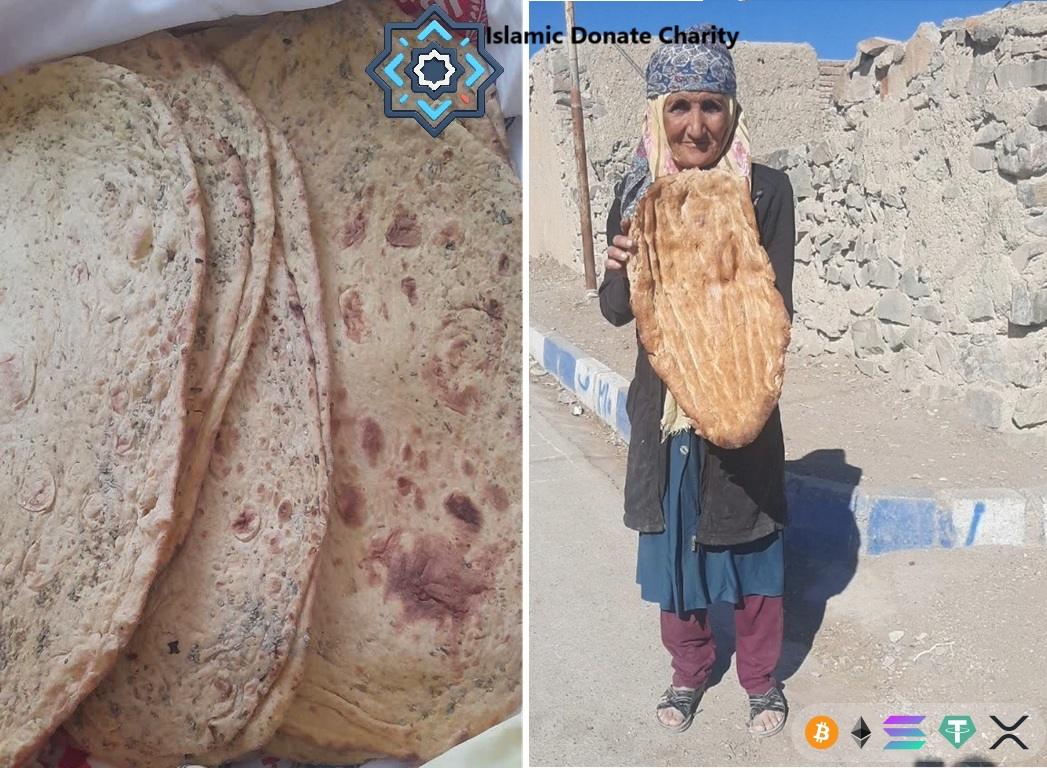
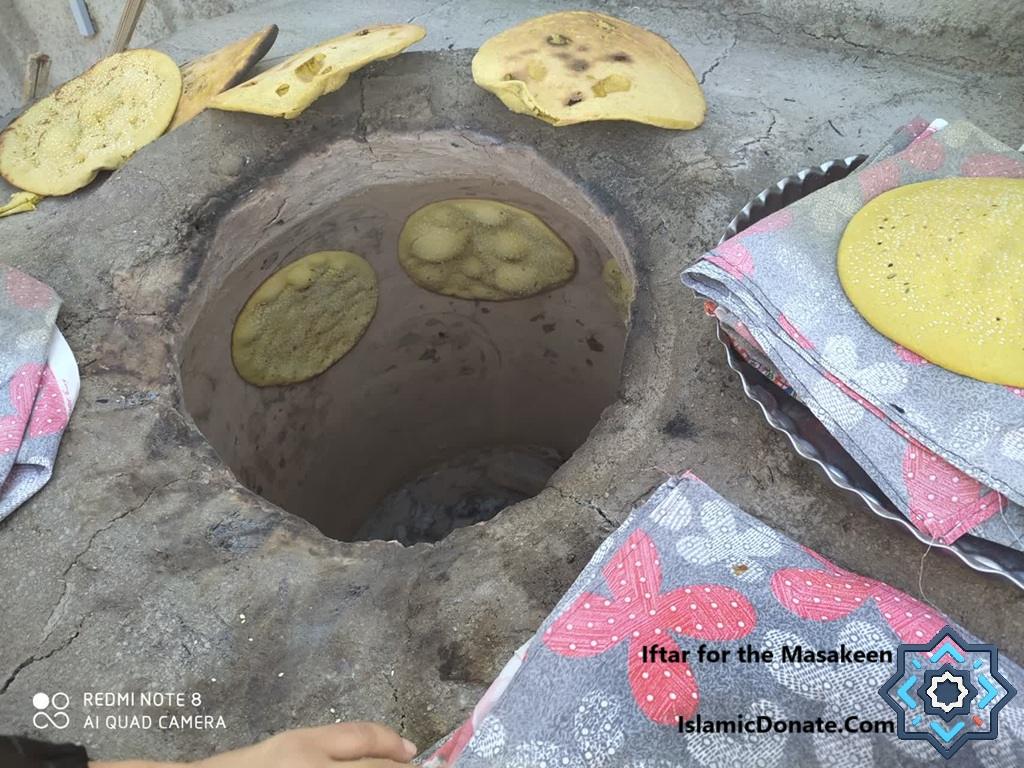
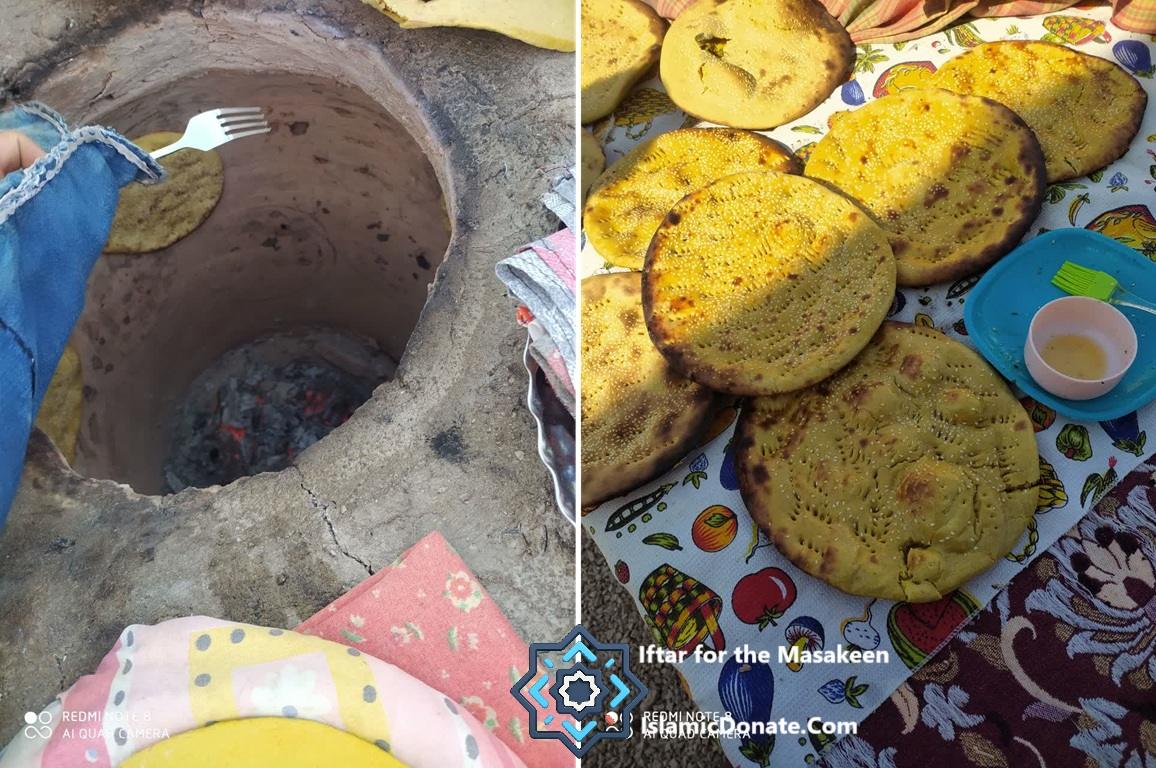
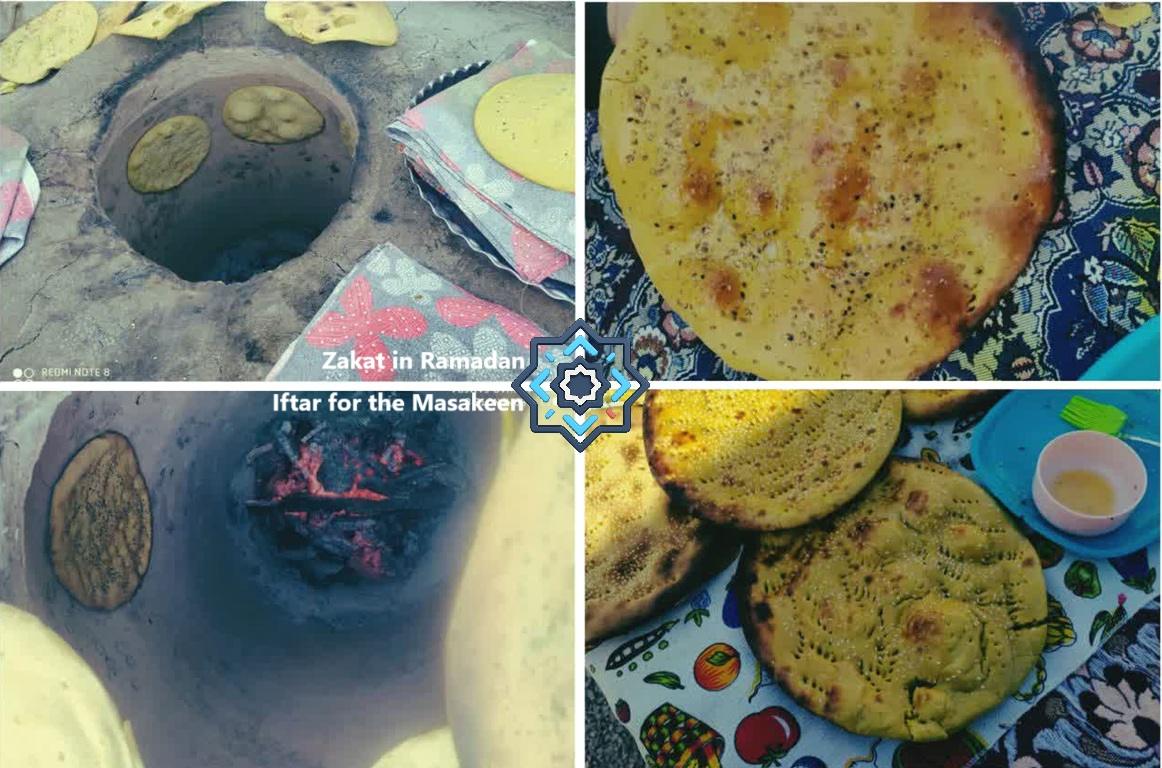
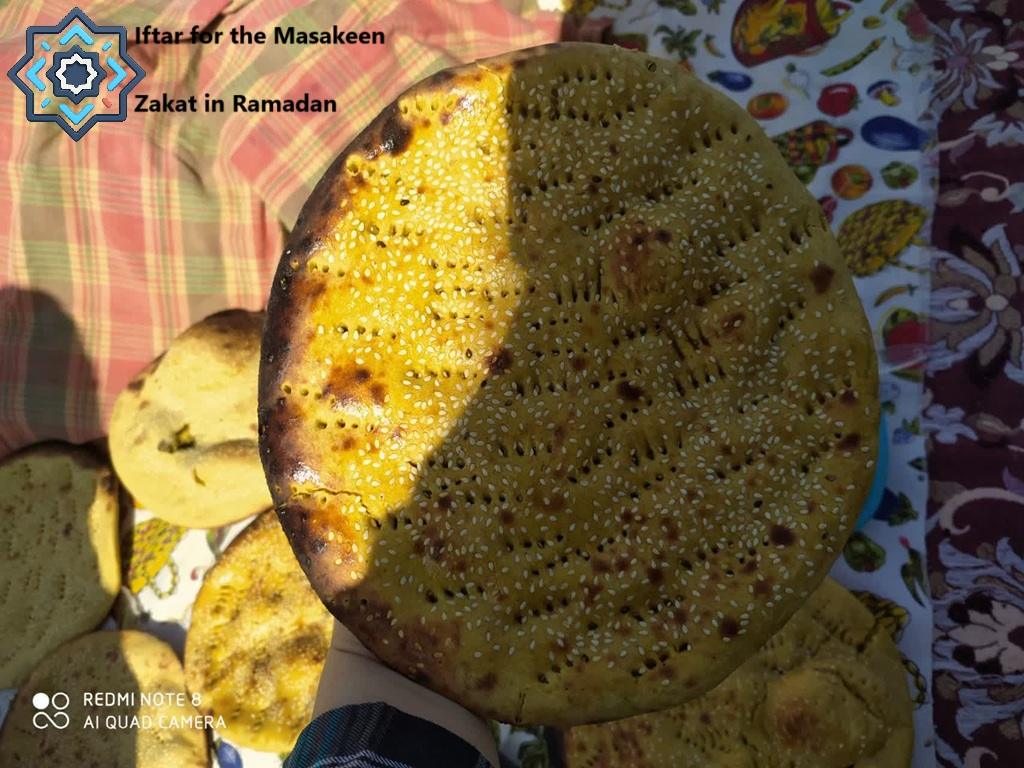
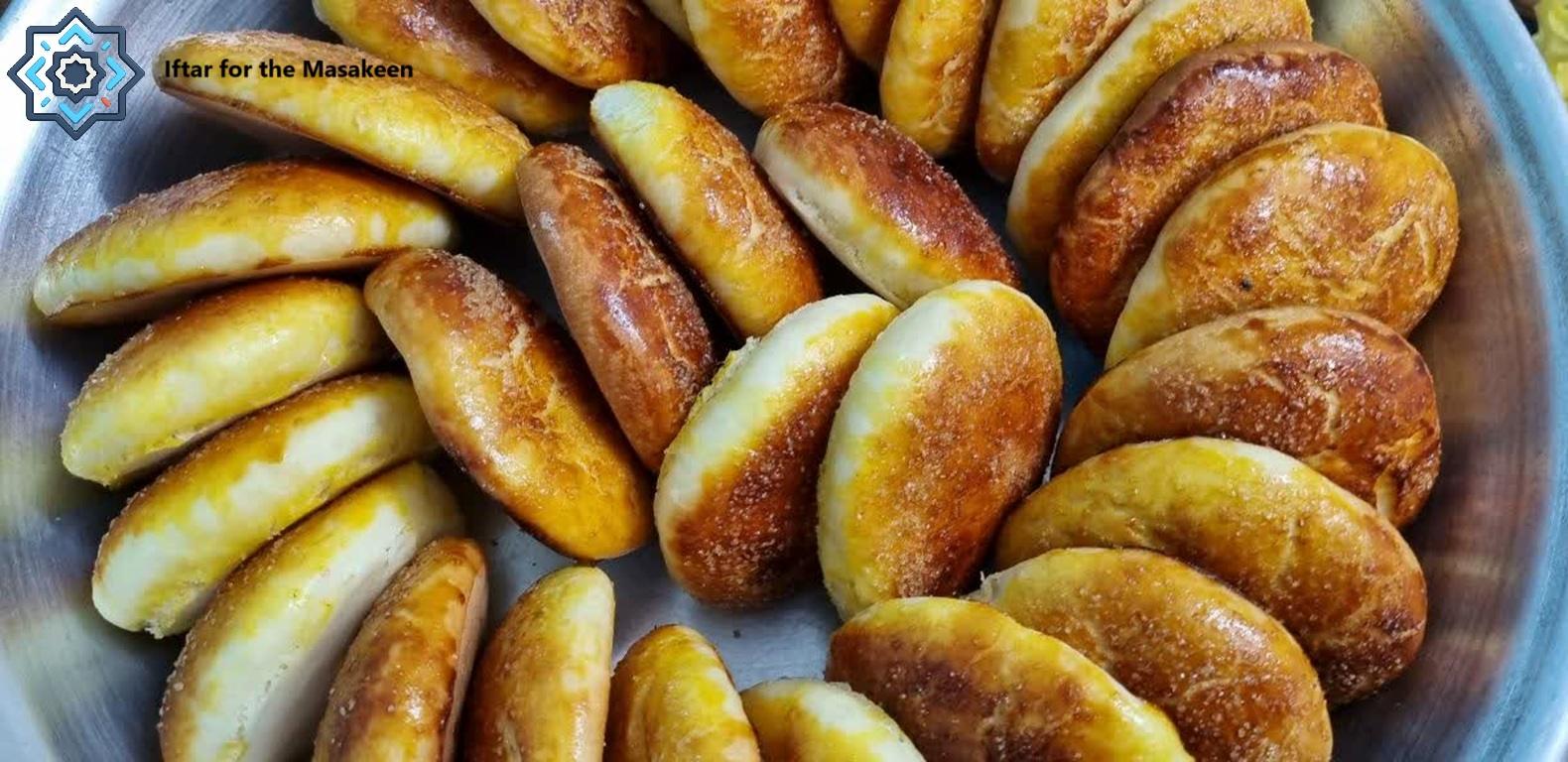
Women are true artists, meaning they prepare the best homemade fatirs (Traditional bread that, according to the customs of each country, can vary in terms of raw materials, color and baking method) and cookies for their children and families with simple means, and in Ramadan 2026, we saw how these simple breads provide nutritious iftar and suhoor for the family.
Crypto Zakat Funding and Procurement
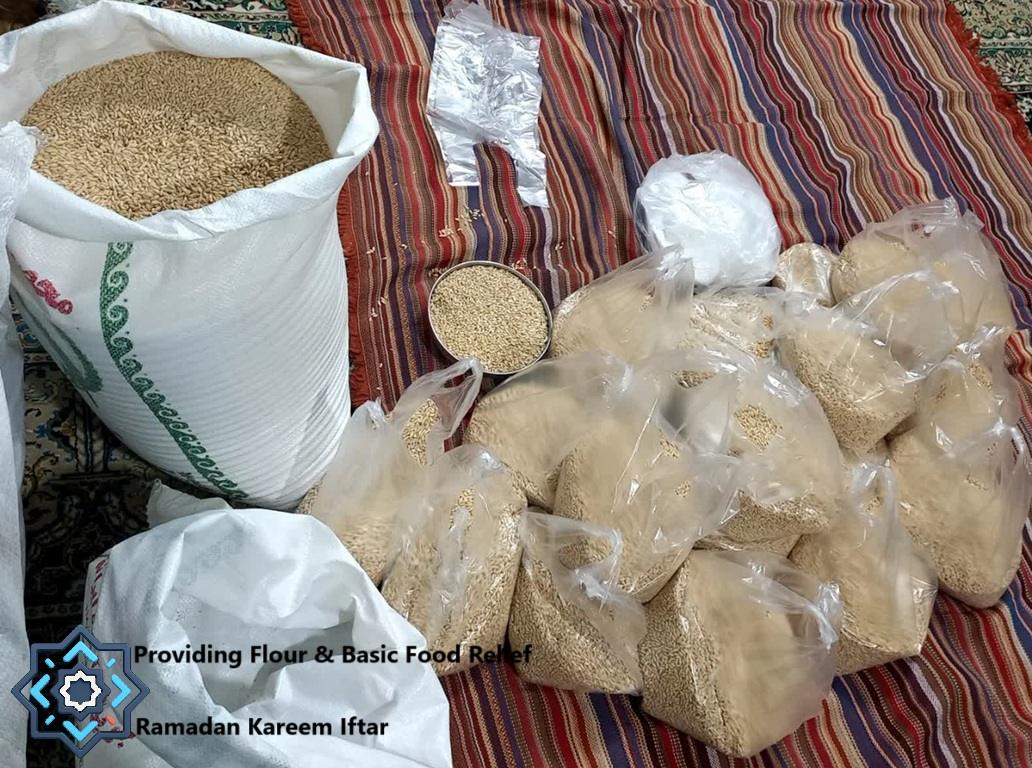
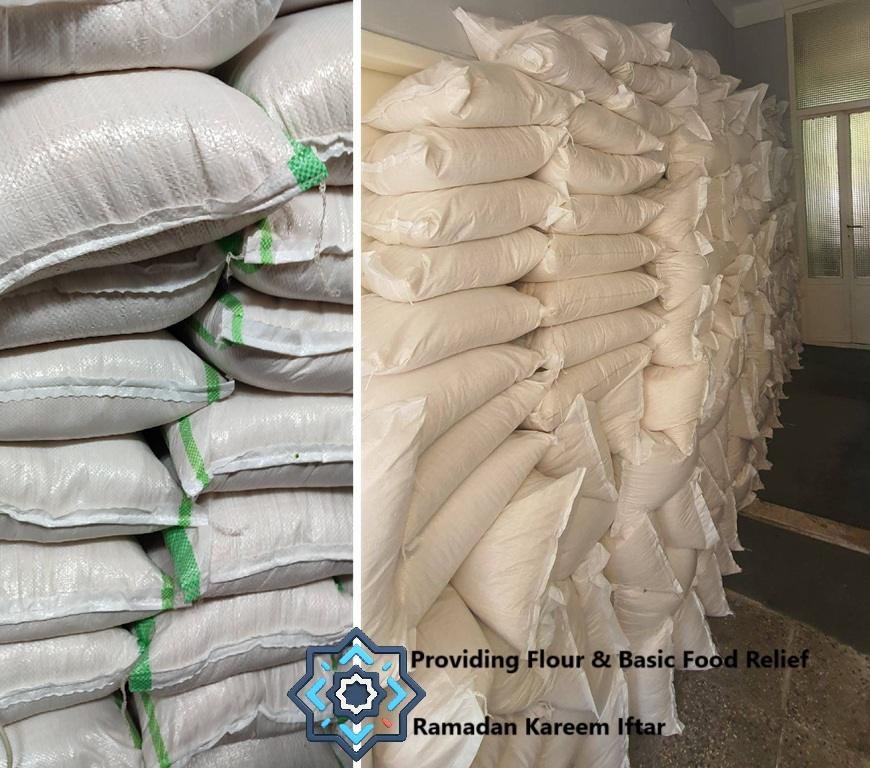
To address this daytime food scarcity, Islamic Donate Charity mobilized global digital asset contributions. The 2026 Crypto Zakat campaign funded the immediate procurement of over four tons of raw baking supplies. Logistics teams distributed substantial quantities of flour, milk, eggs, and sugar directly to rural communal centers.


Transaction analytics demonstrate strong donor utilization of decentralized finance networks. Monero, Tether, Bitcoin, Ethereum, and USD Coin represented the highest share of campaign funding. Our payment gateways successfully processed supporting transactions across more than 30 distinct cryptocurrency networks to facilitate these emergency material drops.
Health Risks in Pregnant and Nursing Women in Ramadan
Let’s talk about the Islamic right of mothers: they have the right to eat during the day during Ramadan! But poverty creates compounding health risks for specific vulnerable groups within these regions.
Field assessments revealed a compounding health risk for pregnant and nursing mothers. Islamic jurisprudence strictly exempts these women from fasting to protect maternal and infant development. Severe poverty deeply complicates this religious provision. Low income households concentrate their limited food distribution entirely around pre dawn and evening hours to support fasting members. This structural reality left exempt women without access to necessary daytime sustenance. Nursing mothers lacked the continuous caloric intake required to safely breastfeed and care for infants during daylight hours.
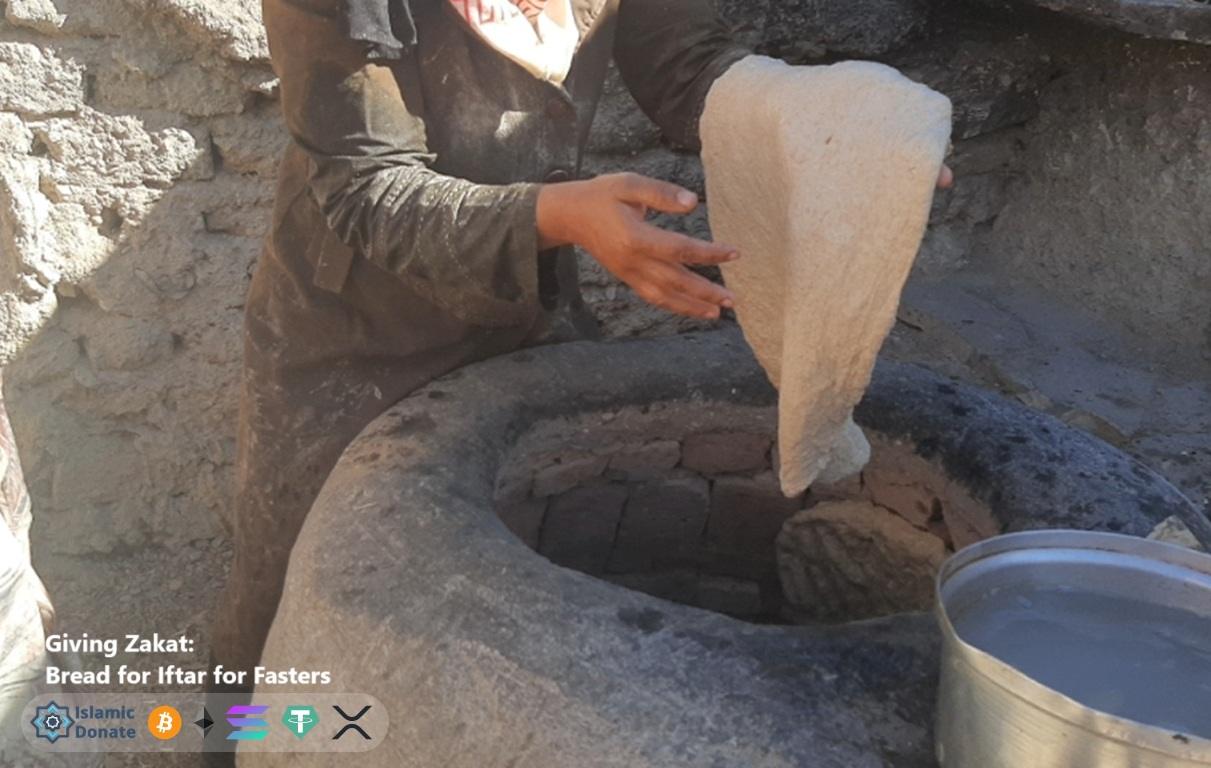
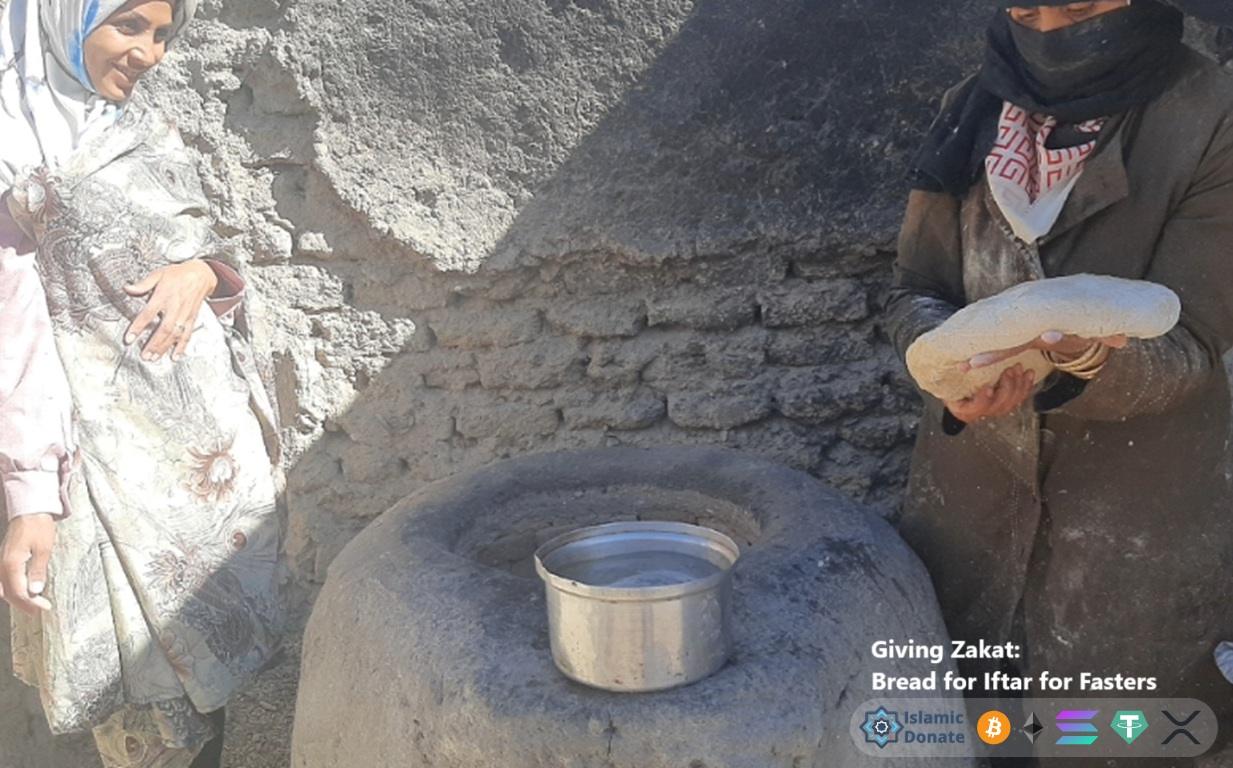
Providing raw materials empowered rural mothers to utilize their established culinary expertise. Women transformed the supplied ingredients into high calorie, unleavened breads and local fatirs. The exceptional shelf life of these specific baked goods successfully resolved the daytime food deficit.
Nursing mothers now maintain secure, personal food reserves. They consume these long lasting provisions throughout the daylight hours, ensuring adequate physical strength for infant care. By funding raw materials rather than perishable prepared meals, Islamic Donate Charity enabled isolated communities to build sustainable nutritional resilience using their own communal infrastructure.


Cryptocurrency Donation for Mothers
At Islamic Donate Charity Two things come together: mothers and Ramadan. Both are special. Ramadan is the most blessed month of Allah, and mothers have special needs, to the extent that Allah has set special rules for them in Ramadan and exempted them from fasting.
Give Zakat
Every year in Ramadan, we plan food programs for mothers who are not fasting so that they can breastfeed their babies properly and completely. If you want to give your crypto zakat in the best way during Ramadan, help mothers and women heads of households.