

Learn how rehabilitation services restore mobility and independence. Explore common therapy types, care settings, and essential relief efforts.
Comprehensive Guide to Rehabilitation Services: Restoring Independence and Health
Rehabilitation services encompass a broad range of diagnostic, therapeutic, and support services designed to help individuals regain or improve their physical, mental, and cognitive abilities. These abilities may have been lost or impaired as a result of disease, injury, or complex medical treatments. Whether the goal is to return to daily life, regain independence, or learn to live comfortably with ongoing challenges, these services are a critical component of holistic healthcare.
The Most Common Types of Rehabilitation Services
Depending on a patient’s unique needs, rehabilitation can take many forms. Below are the primary disciplines that make up comprehensive rehabilitation care:
Physical Therapy
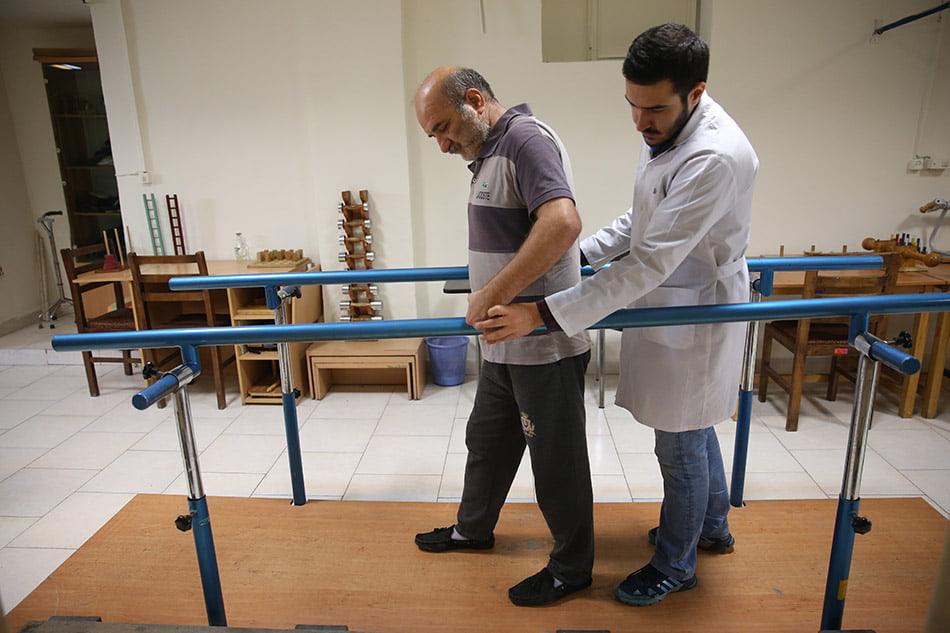
Physical therapists work with patients who have lost physical abilities due to accidents, surgery, or conditions like stroke, arthritis, or spinal cord injuries. They use targeted techniques such as guided exercises, massage, heat treatment, and ultrasound to help improve mobility, strength, flexibility, balance, and coordination.
Occupational Therapy
Occupational therapists help patients regain the ability to perform daily living activities essential for independence, such as eating, dressing, bathing, or using a computer. They may also introduce adaptive equipment or alternative strategies to compensate for permanently lost abilities.
Speech and Language Therapy
Speech therapists assist individuals experiencing difficulty with speech, language, cognition, voice, swallowing, and fluency. These challenges can arise from conditions such as stroke, traumatic brain injury, hearing loss, developmental delays, Parkinson’s disease, or oral cancer.
Psychological and Psychiatric Rehabilitation
Mental health professionals help individuals navigate and manage a broad range of mental health conditions, including depression, anxiety disorders, schizophrenia, or substance abuse. By utilizing evidence-based therapies like cognitive-behavioral therapy (CBT) and dialectical behavior therapy (DBT), they empower individuals to live their lives fully.
Vocational Rehabilitation
These specialized services are designed to help individuals with disabilities prepare for, secure, regain, or retain meaningful employment. Programs often include job skills training, job coaching, assistive technology integration, and direct job placement services.
Cardiac Rehabilitation
Cardiac rehabilitation is a medically supervised program tailored to improve the health and well-being of people recovering from heart problems. Services typically include exercise training, education on heart-healthy living, and counseling to reduce stress and safely return to an active lifestyle.
Pulmonary Rehabilitation
Designed for individuals suffering from chronic lung diseases like COPD, sarcoidosis, and pulmonary fibrosis, this program focuses on improving respiratory function. It often incorporates exercise training, nutritional advice, disease education, and psychological counseling.
Neurological Rehabilitation
This doctor-supervised program is specifically designed for people managing diseases, trauma, or disorders of the nervous system. Treatment plans are highly individualized and can include physical therapy, occupational therapy, speech-language therapy, and peer support groups.
Pediatric Rehabilitation
Pediatric therapists work directly with children and teens to address developmental delays, congenital disabilities, injuries, or severe illnesses. The primary goal is to support and improve the child’s motor skills, balance and coordination, cognitive ability, and overall social and emotional development.
Geriatric Rehabilitation
Focusing on the unique needs of the aging population, this program helps older adults maintain their independence and preserve their quality of life. It seamlessly combines physical, occupational, and speech therapy with other specialized geriatric care services.
Where Are Rehabilitation Services Provided?
Rehabilitation services are highly adaptable and are typically provided across a variety of healthcare settings to meet the patient where they are. These include:
-
Inpatient Rehabilitation Centers
-
Outpatient Clinics
-
Home Health Agencies
-
Skilled Nursing Facilities
The type and intensity of rehabilitation vary greatly depending on the individual’s specific medical needs. A multidisciplinary team of professionals, usually including doctors, nurses, therapists, dietitians, and social workers, collaborates closely to design and implement a comprehensive, customized rehabilitation plan for each patient.
Our Commitment: Rehabilitation Services at Islamic Donate Charity
At Islamic Donate Charity, providing comprehensive rehabilitation services is a cornerstone of our humanitarian mission. Operating actively in refugee camps, active war zones, and deeply impoverished regions, we serve poor and vulnerable populations who have endured unimaginable hardships. Because many of the people we care for and provide relief to have suffered devastating physical injuries and profound mental trauma, offering robust rehabilitation services is not just a medical necessity, but a moral imperative. We are fiercely diligent in their recovery journeys. Restoring these shattered lives requires much more than just advanced medical equipment; it demands continuous practice, profound empathy, and countless long hours spent by our physical specialists and healthcare professionals who are dedicated to returning dignity, mobility, and hope to those who need it most.
Frequently Asked Questions
1- How does physical therapy assist in the recovery process?
Physical therapy utilizes targeted techniques like guided exercises, massage, and ultrasound to help patients regain mobility and strength. It is essential for those recovering from surgery, accidents, or conditions like stroke. By focusing on balance and coordination, therapists empower individuals to return to their daily activities with improved physical function.
2- What is the primary focus of occupational therapy for patients?
Occupational therapy focuses on helping patients regain independence by mastering daily living activities such as bathing, dressing, and eating. Therapists often introduce adaptive equipment or alternative strategies to compensate for lost abilities. This discipline is vital for ensuring that individuals can live comfortably and safely within their own environments.
3- How do specialized rehabilitation programs support chronic health conditions?
Specialized programs like cardiac and pulmonary rehabilitation provide medically supervised care including exercise training, nutritional advice, and disease education. These services are tailored for individuals recovering from heart problems or chronic lung diseases. They help manage symptoms, reduce stress, and improve overall respiratory and cardiovascular health for long-term recovery.
4- Why are rehabilitation services critical in humanitarian and relief settings?
In relief settings like war zones or refugee camps, rehabilitation is a necessity for restoring dignity to those with physical injuries and mental trauma. It involves long-term commitment from specialists to provide mobility and hope. These services ensure that vulnerable populations receive the continuous care required to overcome profound hardships.