

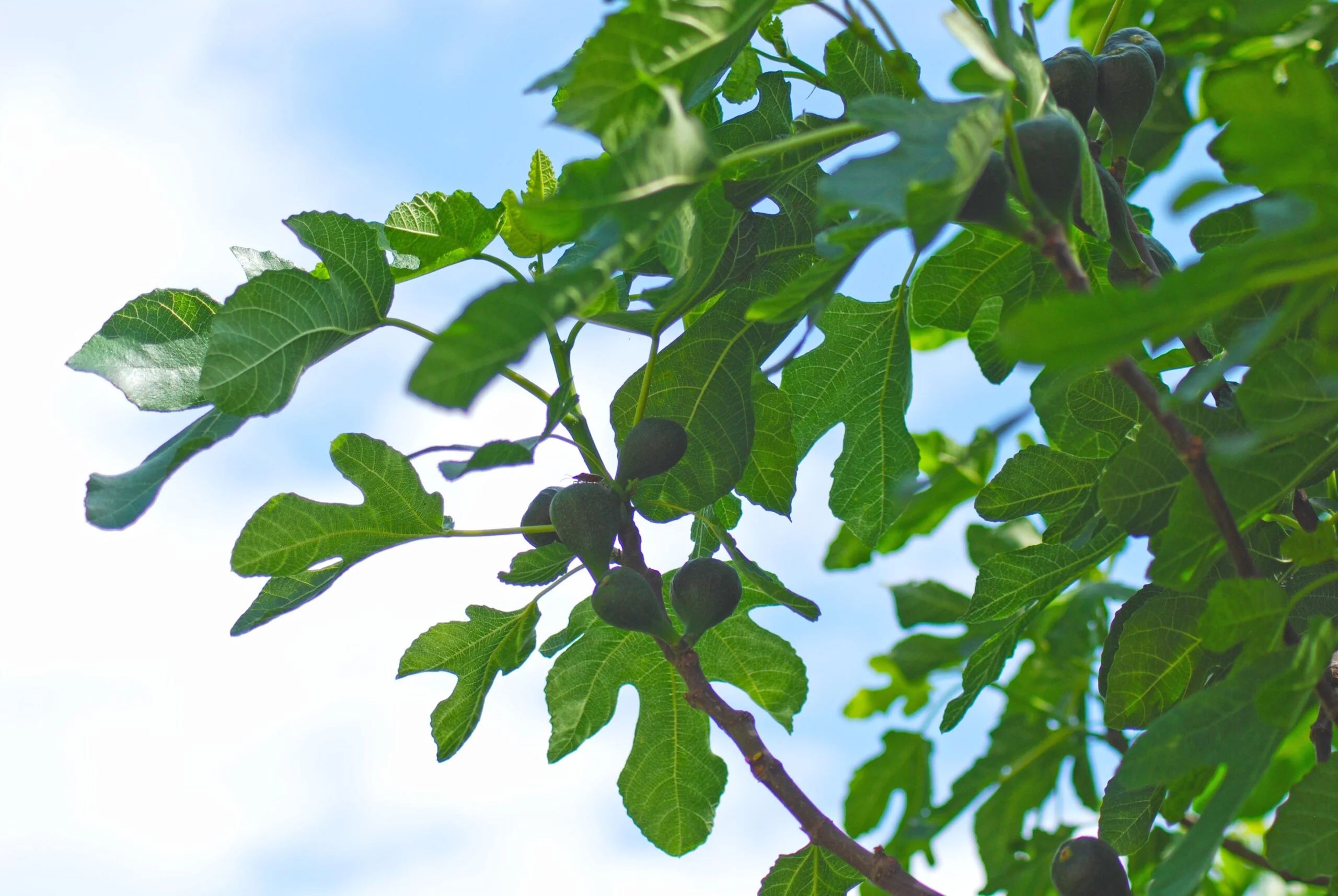
Planting a tree might seem like an ordinary act, but in Islam, it carries profound significance and abundant rewards. This seemingly simple act is more than just an environmental cause, it is a form of Sadaqah Jariyah, a continuous charity providing endless benefits. Let’s explore the beautiful intertwining of Islamic teachings and environmental stewardship, focusing on the virtues of tree planting.
Sadaqah Jariyah: The Gift That Keeps Giving
In Islamic jurisprudence, Sadaqah Jariyah represents an act of continuous charity, an ongoing act of kindness that continues to benefit others long after we pass away. It’s a concept rooted in the Hadith of the Prophet Muhammad (PBUH): “When a man dies, his acts come to an end, but three, recurring charity, or knowledge (by which people) benefit, or a pious son, who prays for him (for the deceased)” (Riyad as-Salihin 1383).
Planting a tree, therefore, is a quintessential example of Sadaqah Jariyah. The tree continues to provide shade, fruits, and oxygen long after the planter’s life, benefiting countless creatures and maintaining the balance of our environment.
The Quranic Perspective on Tree Planting
The Holy Quran frequently uses the metaphor of a tree to convey multifaceted lessons. For instance, in Surah Ibrahim (14:24), it says: “Have you not considered how Allah presents an example, [making] a good word like a good tree, whose root is firmly fixed, and its branches [high] in the sky?” This verse beautifully illustrates the potential impact of our good deeds, like planting a tree, which roots deeply and reaches high, benefiting many.
Furthermore, the Quran establishes a direct link between humans and the earth. In Surah A’raf (7:57), it says, “And it is He who sends the winds as good tidings before His mercy until, when they have carried heavy rainclouds, We drive them to a dead land, and We send down rain therein and bring forth thereby [some] of all the fruits.” This verse affirms the importance of rainfall to plant life, indirectly emphasizing the importance of planting trees.
The Green Deed: Advantages of Tree Planting
Planting trees is not just a spiritual act, but also a practical one with tangible benefits. Trees help to combat climate change by absorbing harmful CO2 from our atmosphere. They provide shade, reduce soil erosion, and contribute to the health of our ecosystems. Planting trees is thus a direct contribution to the preservation of Allah’s creation, a responsibility bestowed upon every Muslim.
Moreover, trees provide food and shelter for countless creatures, fulfilling the principle of ‘Rahmah’ (Mercy) in Islam. By planting a tree, we extend our charity to the non-human creatures of Allah’s creation, a deed we often overlook.
The Eternal Reward
In conclusion, the act of tree planting in Islam is a form of Sadaqah Jariyah, offering both worldly and spiritual benefits. By planting a tree, we practice an act of charity that continues to give, long after we’re gone. It’s a simple, yet profound act that meshes seamlessly with the Islamic principles of stewarding the earth and extending mercy to all creatures.
This beautiful interplay between faith and environmental stewardship allows us to reap the benefits in this world and the next, embodying the Hadith: “If the Hour (the day of Resurrection) is about to be established and one of you was holding a palm shoot, let him take advantage of even one second before the Hour is established to plant it.” (Authenticated by Al-Albani)
So, plant a tree, and sow the seeds for a lasting legacy, a Sadaqah Jariyah.