The Power of Purifying Wealth: Bridging Tradition and Technology
In the teachings of the Ahlulbayt (Peace Be Upon Them), charity is more than a transaction; it is a spiritual bridge connecting the believer to their Creator. Donating to charitable causes is considered a highly virtuous act and a pivotal component of a Muslim’s religious duties. It is a path to purifying one’s soul, blessing one’s wealth, and uplifting society.
At Islamic Donate Charity, we understand that your contributions are a trust (Amanah). Whether supporting the destitute, funding religious seminaries, or empowering communities, your donations serve as a beacon of hope.
Below is a guide to the various forms of giving in Shia Islam and how they transform lives.
Khums: The Purification of Surplus
One of the most significant obligations in Shia jurisprudence is Khums. Literally meaning “one-fifth,” this is an annual religious tax essential for the financial independence of the Islamic community.
It refers to the obligation of paying 20% (one-fifth) of one’s annual surplus income (income remaining after all necessary living expenses) to religious authorities. This fund is divided into two distinct portions:
- Sehm-e-Imam: The portion dedicated to the Imam of the Time (ajtf), used for propagating Islam and supporting religious institutions.
- Sehm-e-Sadat: The portion allocated for needy Sayyids (descendants of the Prophet Muhammad, PBUH).
At Islamic Donate Charity, we ensure your Khums is calculated correctly and delivered to the appropriate Maraji (religious authorities) or their authorized representatives.
Note on Khums al-Ayn: While most commonly paid on income, Khums can also apply to specific valuable items like minerals, treasures, or land, known as Khums al-Ayn, subject to specific jurisprudential conditions.
Zakat: The Welfare Obligation
Zakat is a fundamental pillar of Islam, serving as a mandatory act of charity paid on specific types of wealth and assets. Unlike Khums, which is on surplus income, Zakat is traditionally levied on specific goods (such as cattle, crops, gold, and silver) and is distributed to eight categories of people mentioned in the Holy Quran, including the poor, orphans, widows, and those in debt.
By fulfilling this obligation through Islamic Donate Charity, you ensure that the most vulnerable members of society receive the support they need to live with dignity.
Sadaqah: Voluntary Charity
While Khums and Zakat are obligatory, Sadaqah is the voluntary act of giving that knows no season. It can be given at any time, in any amount, and serves as a shield against calamity.
- Sadaqah: Can be monetary, food, clothing, or even a helping hand.
- The Benefit: It is narrated that Sadaqah pushes away bad deaths and increases one’s sustenance (Rizq).
Seasonal and Specific Donations
Shia Muslims also observe specific charitable acts during holy times or for redemptive purposes:
- Zakat al-Fitr (Fitrah): A mandatory donation given at the end of the holy month of Ramadan. It is a specific amount of food (or its monetary equivalent) provided to the needy so they too can celebrate Eid al-Fitr with joy.
- Kaffarah (Expiation): A penalty payment for missed religious duties, such as intentionally breaking a fast during Ramadan without a valid excuse. This donation is used to feed the hungry as a form of spiritual redemption.
The Impact of Your Donations with Islamic Donate Charity
When you donate, you are not just giving money; you are building a legacy. The intentions behind these donations are paramount. In Shia Islam, we give Qurbatan ilallah (seeking closeness to God), without seeking recognition or worldly gain.
Your contributions through Islamic Donate Charity are channeled into vital sectors:
- Empowering the Vulnerable: Providing food security, shelter, and clothing to orphans, widows, and families in crisis.
- Promoting Knowledge: Funding seminaries (Hawzas), supporting religious scholars, and granting scholarships to students who preserve Islamic heritage.
- Humanitarian Relief: Delivering rapid aid during natural disasters, conflicts, and refugee crises.
- Social Development: Building infrastructure such as clean water systems, schools, and healthcare clinics.
- Cultural Preservation: Supporting programs that foster interfaith dialogue and preserve the rich artistic and cultural history of the Islamic world.
A Final Thought
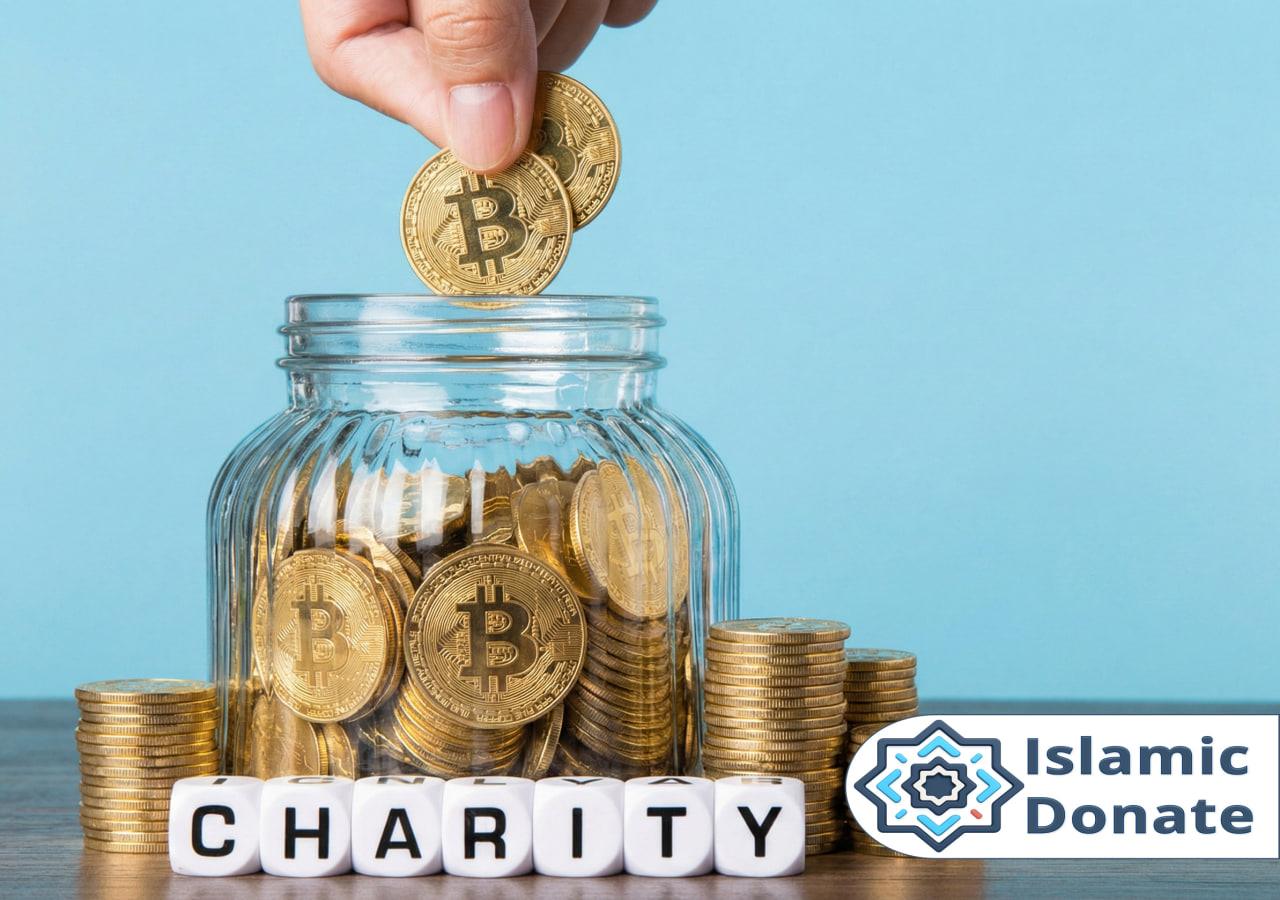
The accumulation of wealth is a test. The purification of wealth is the answer. By holding onto surplus wealth, you carry a heavy burden. But by releasing the Khums and Zakat due upon it, you spiritually cleanse your assets and unlock the doors of abundance. Do not let your digital assets sit idle while the world waits.
You have the power to change a life instantly. The intention is in your heart; the tool is in your digital wallet. Make the transaction that echoes in eternity.
View Our Wallet Address for Direct Impact
Donate today and become a partner in goodness.