
What is Eid al-Adha?
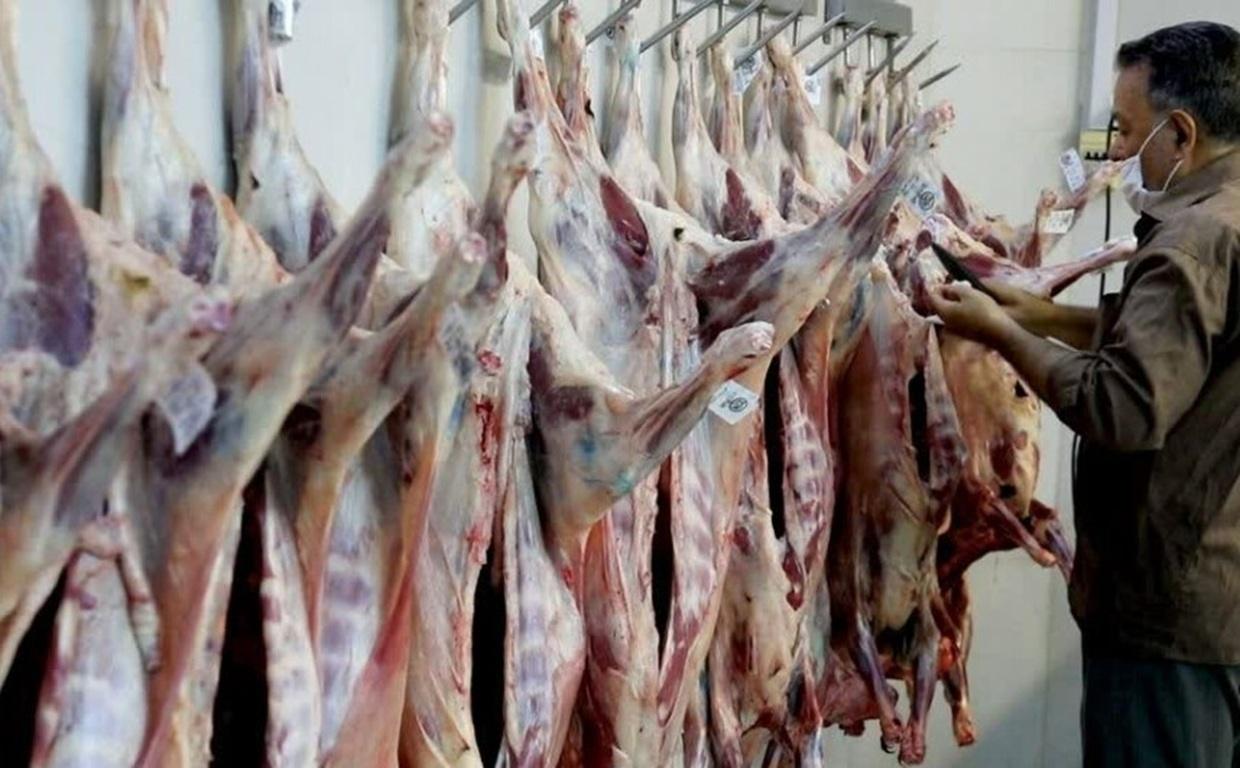
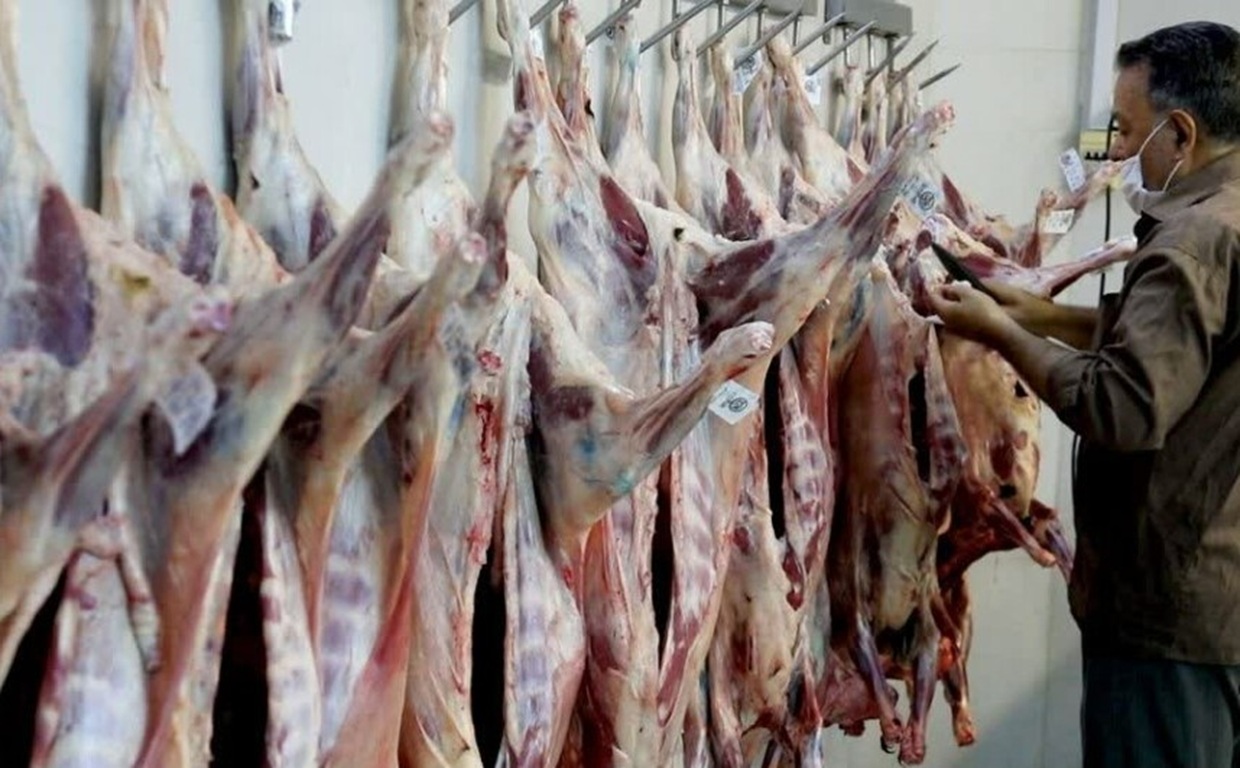
Eid al-Adha (The Festival of Sacrifice) is one of the most significant holidays in Islam, celebrated on the 10th day of Dhul Hijjah, the final month of the Islamic lunar calendar. It commemorates the unwavering obedience of Prophet Ibrahim (Abraham) to Allah, symbolizing the willingness to sacrifice worldly attachments for spiritual growth. Today, this tradition is upheld through Qurbani, the act of sacrificing an animal to feed the poor, ensuring that even the most destitute communities can partake in the celebration.
The Spirit of Sacrifice: Beyond the Celebration
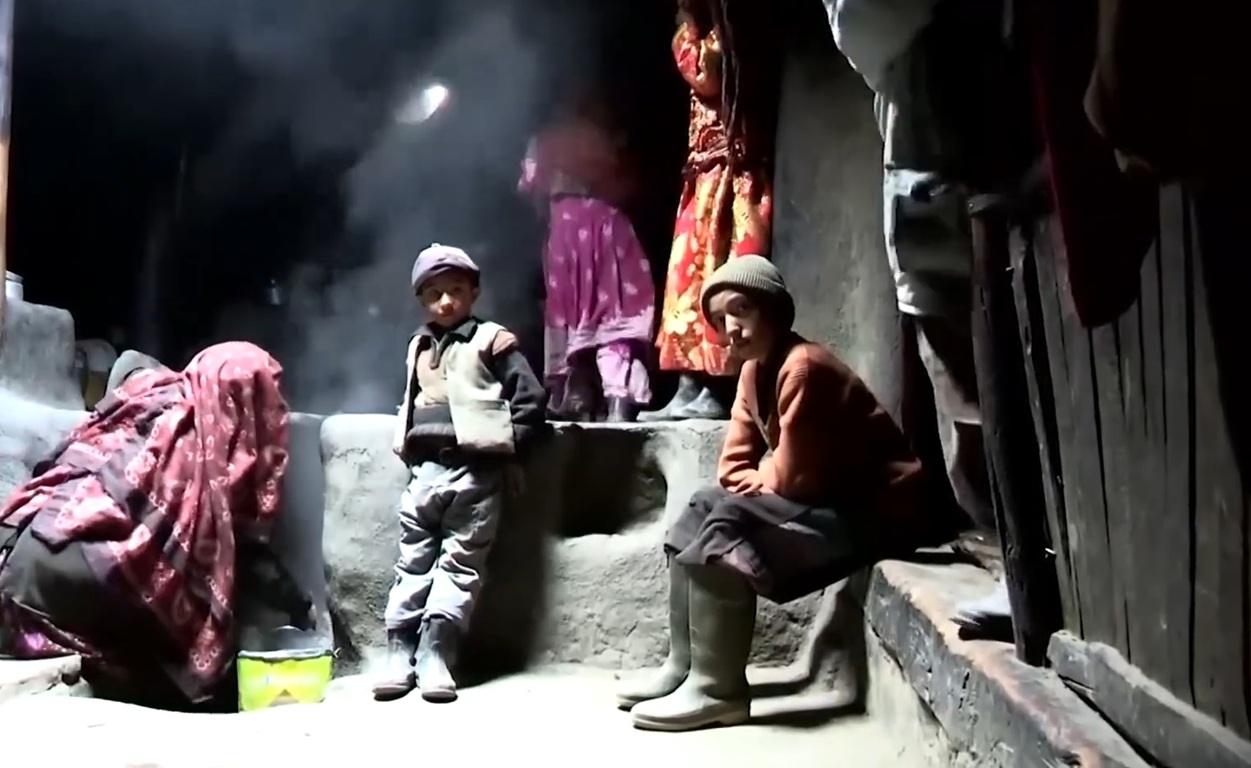
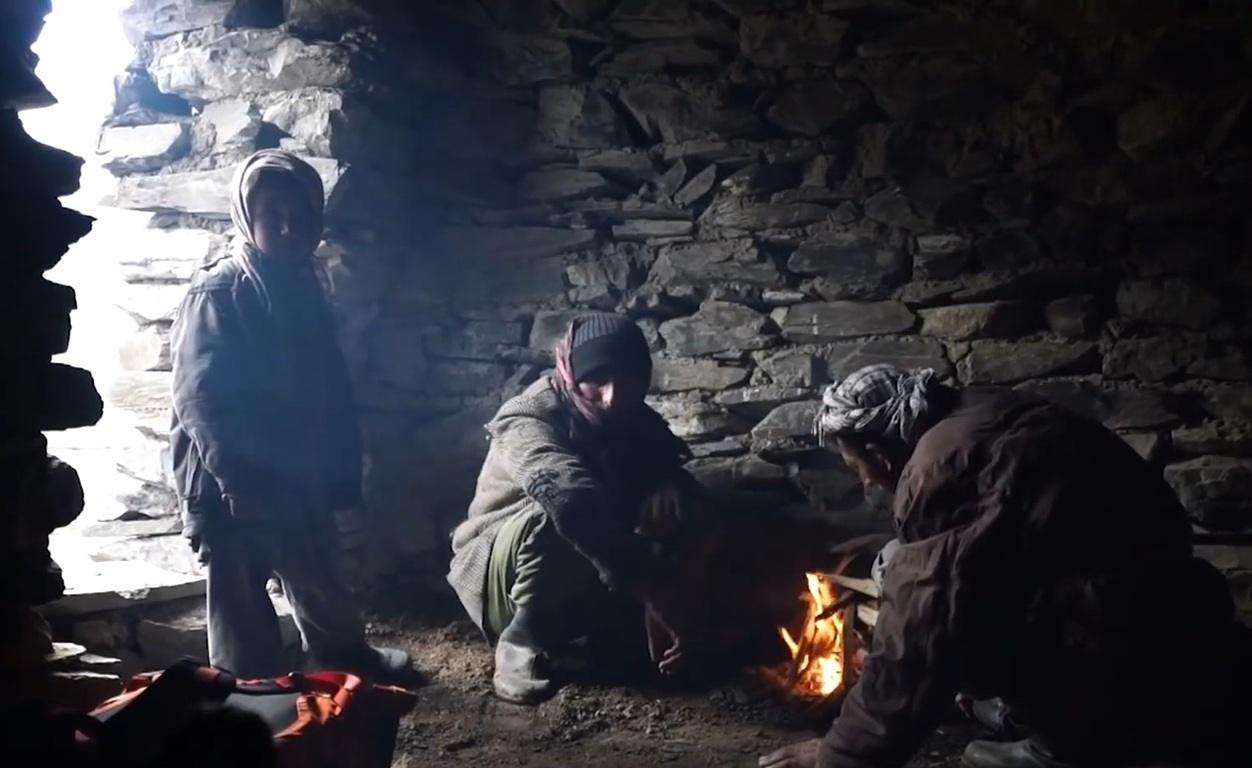
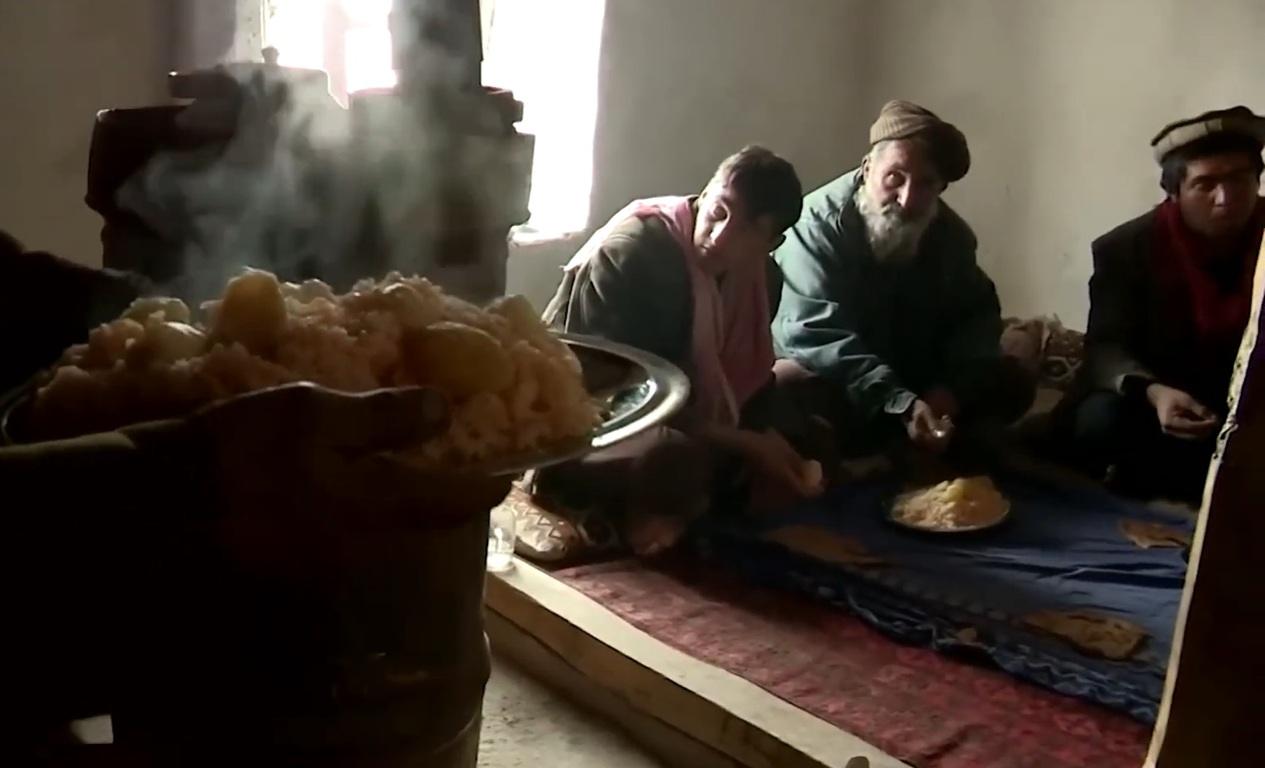
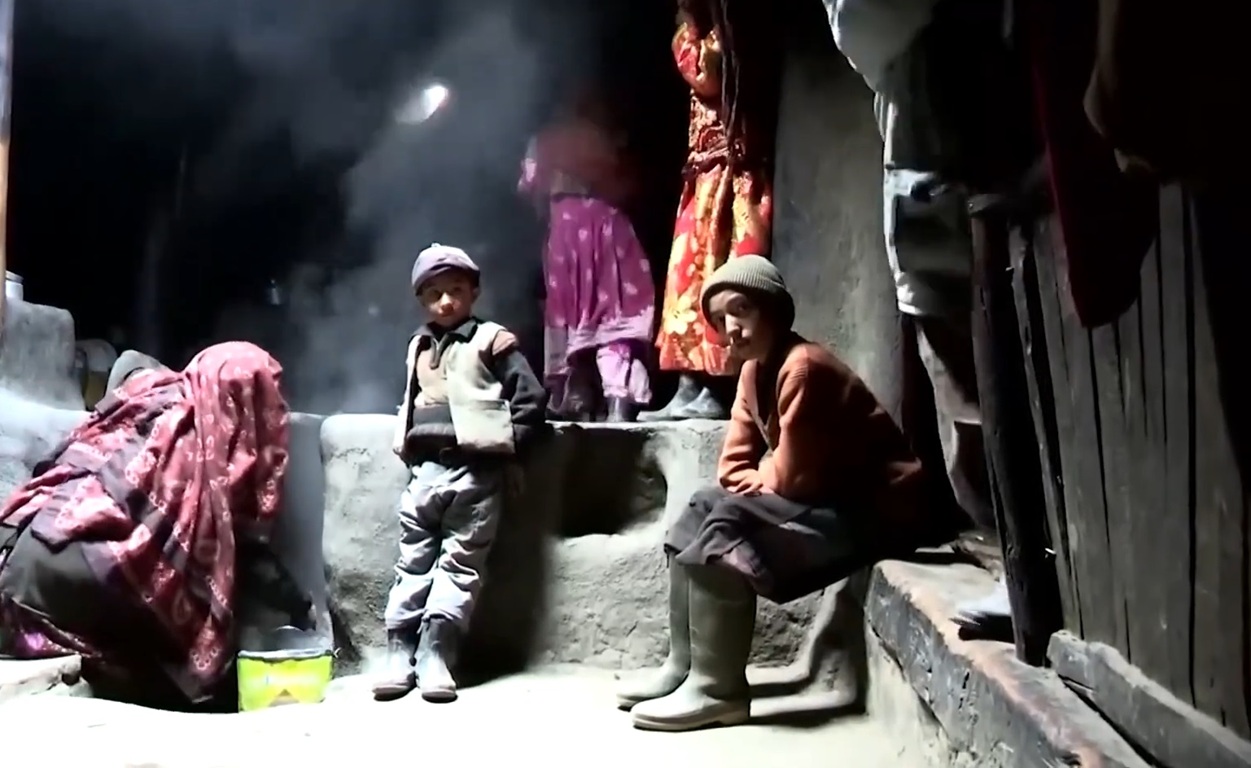
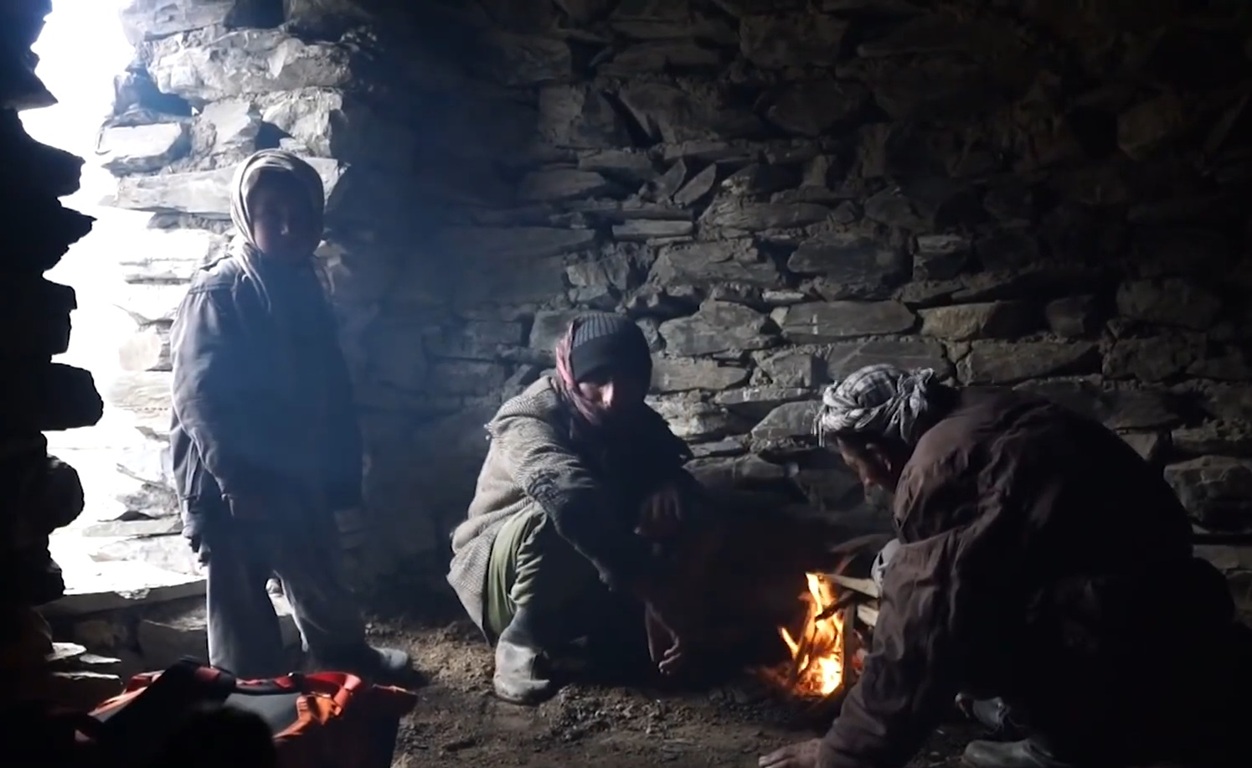
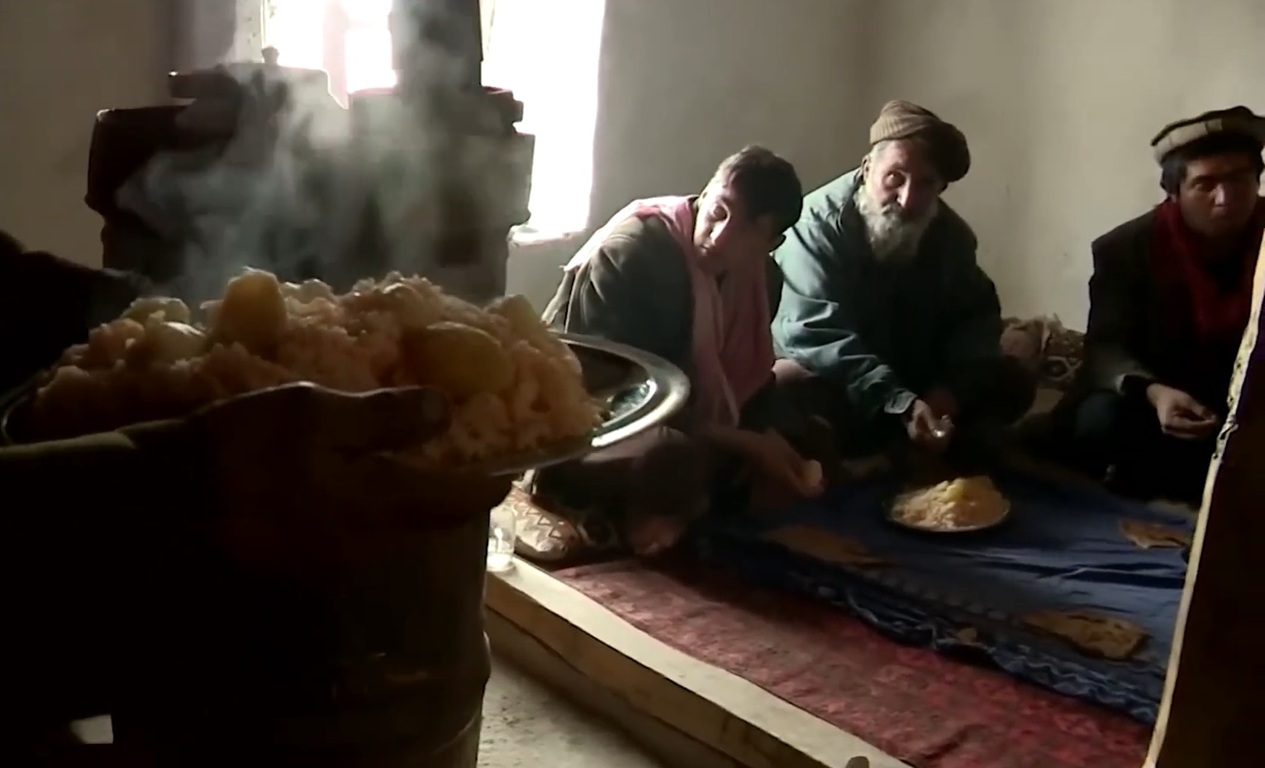
Imagine a day of joy, families gathering, and feasts being prepared. Now, imagine watching from the sidelines, unable to feed your children even a single dignified meal. For millions of families in underserved regions across Asia and Africa, this is the reality.
Eid al-Adha is not just a ritual; it is a divine intervention against hunger. It is a bridge between the haves and the, have-nots. While the festivities bring people together, the core essence of this day lies in Taqwa (God-consciousness) and empathy.
The problem in our modern world isn’t a lack of resources; it is a lack of distribution. While many celebrate with abundance, others wait for this one time of year to eat meat. You have the power to change this narrative. By channeling the spirit of Qurbani through modern, transparent means, you can turn a symbolic act into a survival lifeline.
The Historical Roots: The Evaluation of Faith
To understand the weight of this day, we must look back to the trial of Prophet Ibrahim (peace be on him). According to Islamic narrations, Allah commanded Prophet Ibrahim in a dream to sacrifice his beloved son, Ismail (Ishmael). This was not a command for bloodshed, but the ultimate test of detachment.
Prophet Ibrahim, demonstrating absolute submission, took his son to the place of slaughter. Ismail, displaying equal faith, accepted the divine will. However, just as Ibrahim prepared for the act, Allah intervened. The knife did not cut. Gabriel descending with a ram to be sacrificed in Ismail’s place.
The Divine Lesson:
Allah never desired the physical sacrifice of Ismail. The goal was to test Ibrahim’s heart and help him sever all attachments that competed with his love for the Creator. As stated in the Holy Quran:
“It is not their flesh or blood that reaches Allah; rather, it is your piety that reaches Him.” (Quran 22:37)
This verse dismantled the pre-Islamic practices of the “Age of Ignorance,” where people would hang meat on the Ka’bah hoping to appease God. The Quran declared that God does not need meat; God values the piety behind the giving.
The Philosophy of Qurbani: Feeding the Soul and the Poor
The act of sacrifice serves two profound purposes: absolute devotion to the Creator and serving humanity.
- Killing the “Inner Animal”
Philosophers, such as the Transcendental Philosopher Rafiei Qazvini, explain that Qurbani has an esoteric meaning. The physical slaughter of the livestock symbolizes the slaughtering of the “animal soul” within us. It is a commitment to cut the throat of greed, lust, and base desires. By sacrificing the animal, a believer declares their intent to rise above animalistic instincts and cultivate rationality and spiritual purity. - Social Justice and Charity
The Prophet Muhammad (peace be on him and his household) emphasized that the meat of the sacrifice is for the people. During his Farewell Pilgrimage, he offered a hundred camels, explicitly highlighting that the philosophy of this obligation is “addressing the needs of the poor.”
It has been reported in a narration that Imam al-Sadiq (peace be on him) has said:
Imam al-Sajjad and Imam al-Baqir (peace be on them) would divide the meat of sacrifice into three parts; they would give one part to their neighbors, one part to the needy and would keep the third part for their family.
Historical traditions from Imam al-Sajjad and Imam al-Baqir (peace be on them) outline the ideal distribution:
- One-third for neighbors.
- One-third for the needy.
- One-third for the family.
This structure ensures that wealth and resources circulate, preventing hoarding and ensuring community welfare.
Why Your Crypto Donation Makes a Bigger Impact
In the modern era, philanthropy is evolving. We are moving from cash handouts to transparent, blockchain-based solutions. Donating your Qurbani via cryptocurrency offers advantages that traditional banking simply cannot match.
- Unmatched Transparency
When you donate fiat currency, it often passes through multiple intermediaries, each taking a cut, with little visibility on the final destination. Blockchain technology changes this. Every transaction is recorded on an immutable ledger. This means you can trust that your contribution is actually purchasing livestock for the needy, not getting lost in administrative bureaucracy. - Speed and Efficiency
Hunger cannot wait for bank clearances or international wire delays. Crypto transactions are near-instantaneous and borderless. This speed allows aid organizations to procure animals and distribute meat in real-time during the critical days of Eid, ensuring fresh food reaches families in Mina, Africa, and Asia exactly when they need it. - Direct Impact
Crypto donations reduce the overhead costs associated with currency conversion and banking fees. This means more of your money goes directly to purchasing the animal. A crypto donation is the most efficient way to maximize the volume of meat distributed to the poor.
Remembrance and Revolution: The Connection to Karbala
The spirit of Eid al-Adha also carries a somber and powerful connection to the sacrifice of Imam Husayn (peace be on him). Reciting the Ziyarah of Imam Husayn on this day reminds the faithful that while Prophet Ibrahim’s sacrifice of his son was stopped by divine command, Imam Husayn’s sacrifice at Karbala was completed.
Imam Husayn offered seventy-two family members and companions, from infants to the elderly, to protect the integrity of Islam. Remembering this ultimate sacrifice on Eid al-Adha reinforces the believer’s commitment to standing for justice and truth, regardless of the cost.
Transform Lives This Eid
The rituals of Hajj and the sacrifice at Mina are designed to help you banish material attachments and master your inner self. But this spiritual growth remains incomplete without action.
There are millions of people for whom meat is a luxury they cannot afford. Your contribution is not just a transaction; it is a fulfillment of a divine command and a humanitarian duty.
Do not let this Eid pass without leaving a legacy.
Conclusion
Eid al-Adha is a time to witness the benefits of Allah’s provisions and share them with the world. Whether you are in the West or the East, your ability to give has never been more powerful. By utilizing cryptocurrency, you are engaging in a form of charity that is fast, transparent, and undeniably effective.
Slit the throat of greed. Revive the spirit of Ibrahim. Feed the hungry.
Relief Qurbani Today