

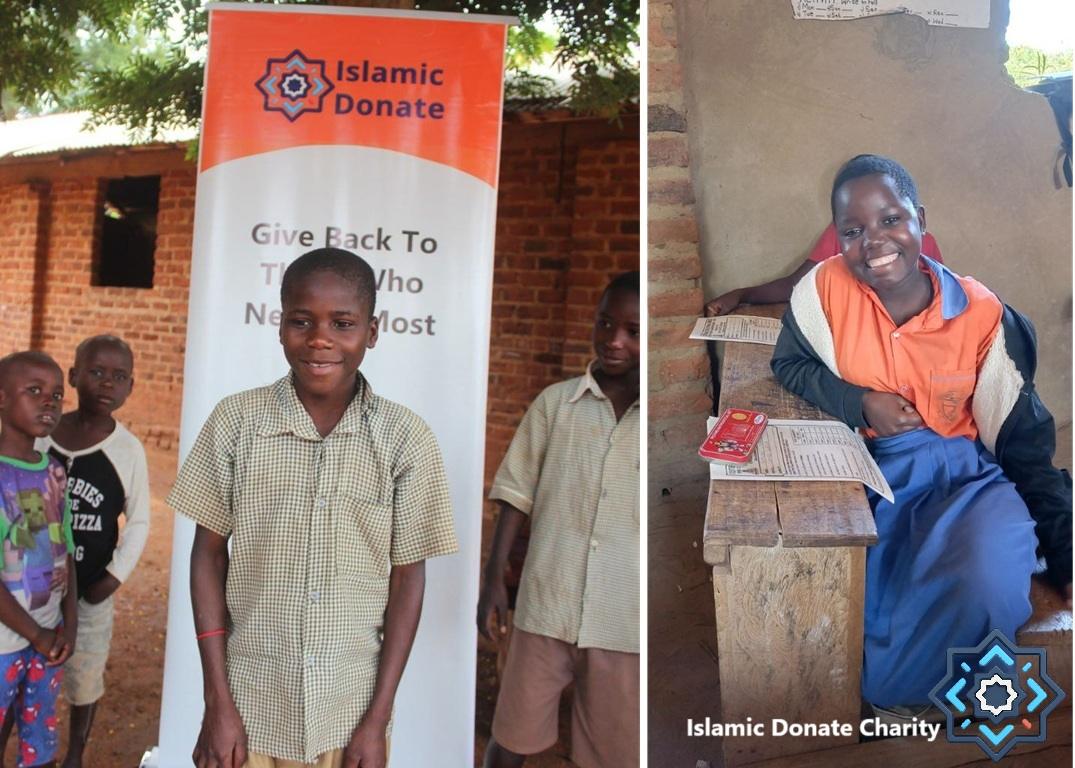
Understanding the Obligation of Zakat
Zakat represents a fundamental pillar of the Islamic faith and serves as a mandatory form of charitable giving for Muslims who possess a specific threshold of wealth. As one of the Five Pillars of Islam, it functions as a spiritual and financial mechanism for Muslims to purify their earnings while ensuring the equitable distribution of resources within the community. Unlike a conventional state-imposed tax, this practice is a deeply personal religious obligation that individuals must calculate and fulfill independently. By transferring a portion of their surplus wealth to those facing financial hardship, practicing Muslims demonstrate their commitment to social welfare and mutual support. The ultimate goal of this system is to foster a society where the basic needs of vulnerable populations, such as orphans, widows, and those living in poverty, are consistently met through the collective responsibility of the affluent.
Conditions for Mandatory Payment
According to Islamic jurisprudence, this charitable obligation does not apply universally to all adherents. A Muslim must meet several specific criteria before the payment of zakat becomes a requirement:
- Personal Freedom: The individual must be a free person (not a slave: This law exists because slavery was common in the past, and in the current world, where slavery does not exist and is even considered a crime, it is no longer as effective as it was in the past.).
- Age of Maturity: The person must have reached the age of puberty.
- Financial Independence: The wealth must be entirely owned by the individual, and they must have the financial capacity to support themselves and their direct dependents, such as children or elderly parents.
- Meeting the Nisab: The individual must possess a minimum threshold of wealth known as the nisab, and this wealth must be held for one complete lunar year. The nisab is calculated based on current market values for precious metals, typically gold. Because market prices fluctuate regularly, the equivalent currency value of the nisab changes and must be calculated using the current price of gold at the time the zakat is due. If you want to know the amount of the nisab number or calculate your zakat, click here.
Calculation and Distribution
Once a Muslim meets all the necessary prerequisites, they are required to assess their total qualifying wealth to determine the amount owed. This calculation encompasses various forms of assets, including liquid cash, financial investments (These investments also include all your investments in cryptocurrency.), real estate properties, and valuable physical items like jewelry.
The standard rate applied to this accumulated wealth is 2.5 percent. The funds collected through this process are then distributed directly to eligible recipients. The primary beneficiaries are individuals facing economic distress, ensuring that the wealth serves its intended purpose of community upliftment and poverty alleviation. Your zakat money is to help the Ummah and the needy in the Islamic community.