


Why Do Muslims Give Sadaqah? A Guide to Daily Charity and its Blessings
Sadaqah, a voluntary act of charity, is a cornerstone of Islamic practice. It’s a way to express gratitude for our blessings, purify our wealth, and connect with those in need. But beyond the practical aspects, giving Sadaqah offers a deep sense of peace, strengthens our connection to Allah (SWT), and brings a multitude of spiritual and worldly benefits.
Let’s delve into the reasons why Muslims give Sadaqah and explore how this act of generosity fosters a fulfilling and blessed life.
Peace of Mind and Spiritual Connection
The act of giving Sadaqah cultivates a sense of inner peace and satisfaction. By sharing our resources with those less fortunate, we fulfill our responsibility as stewards of Allah’s (SWT) bounty. This fosters a deep sense of gratitude for our own blessings and a connection to something larger than ourselves.
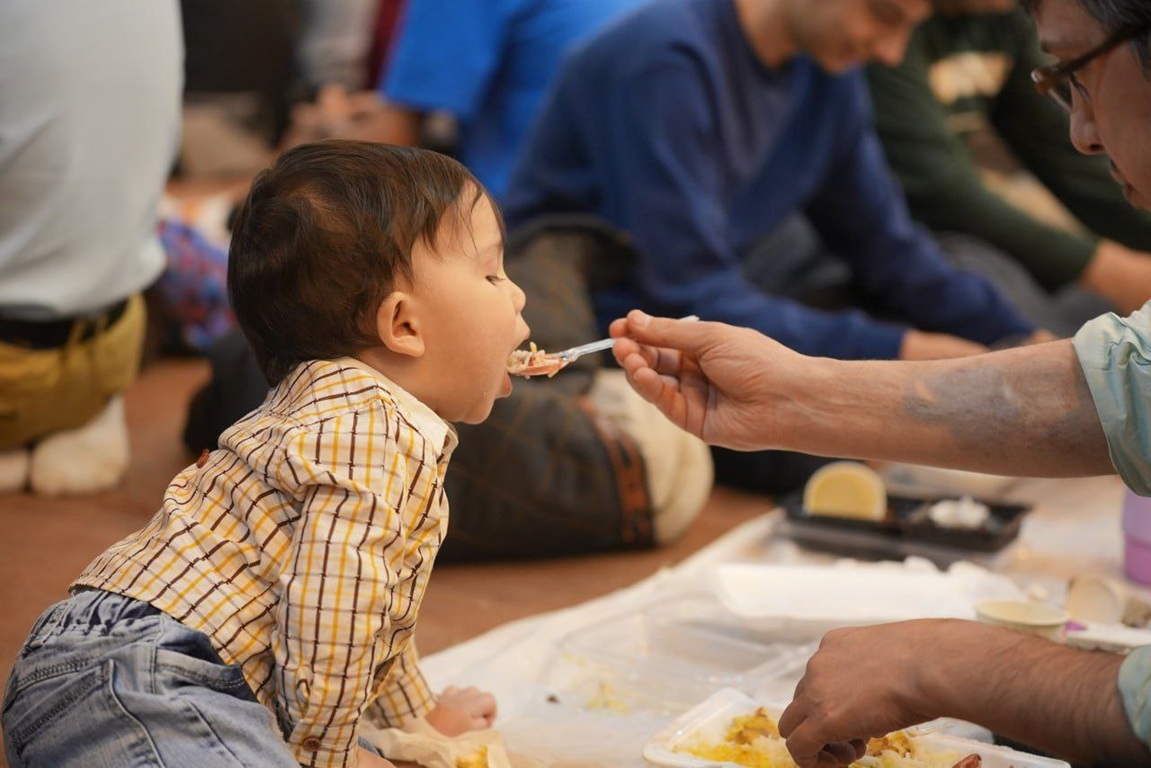
Imagine the joy of seeing a smile on the face of someone you’ve helped. That feeling of compassion and connection to another human being is a powerful source of inner peace. It reminds us of our shared humanity and the importance of helping one another.
Helping Fellow Human Beings and Building a Stronger Community
Islam emphasizes the importance of social responsibility and helping those in need. Sadaqah allows us to play a vital role in alleviating suffering, supporting worthy causes, and building a more just and compassionate society.
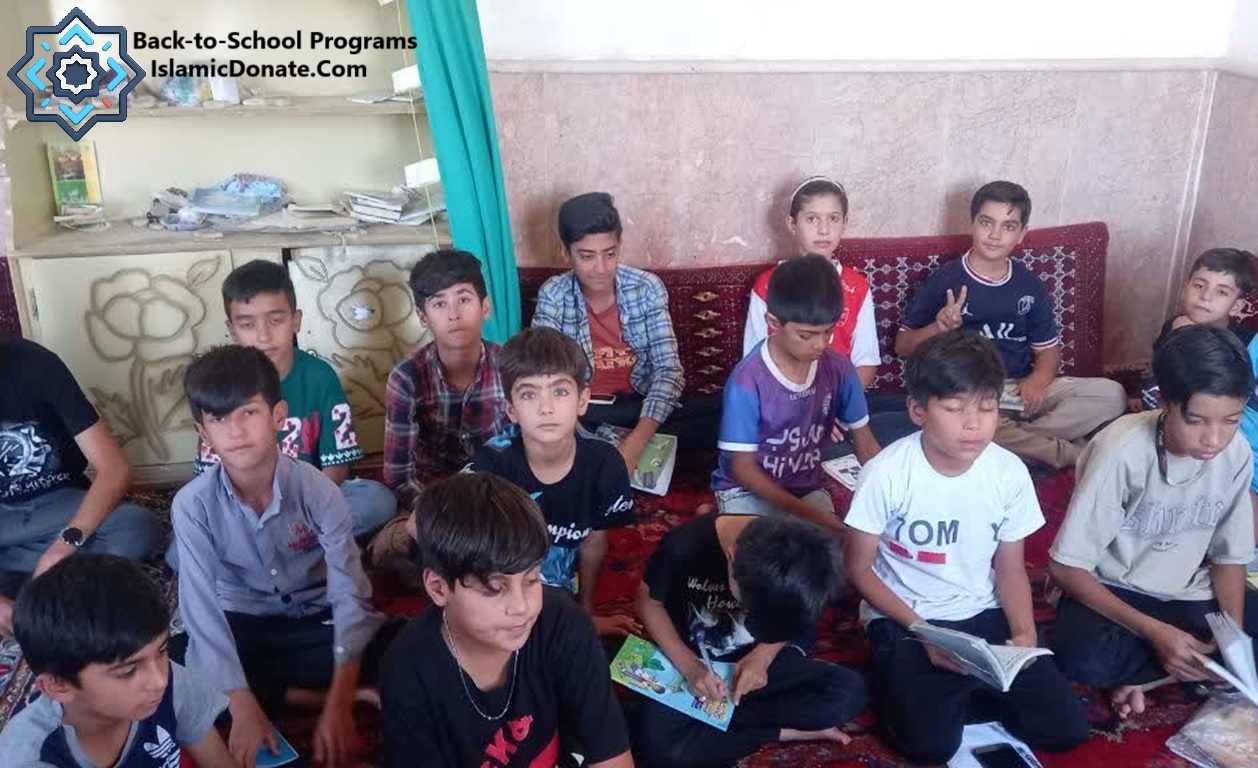
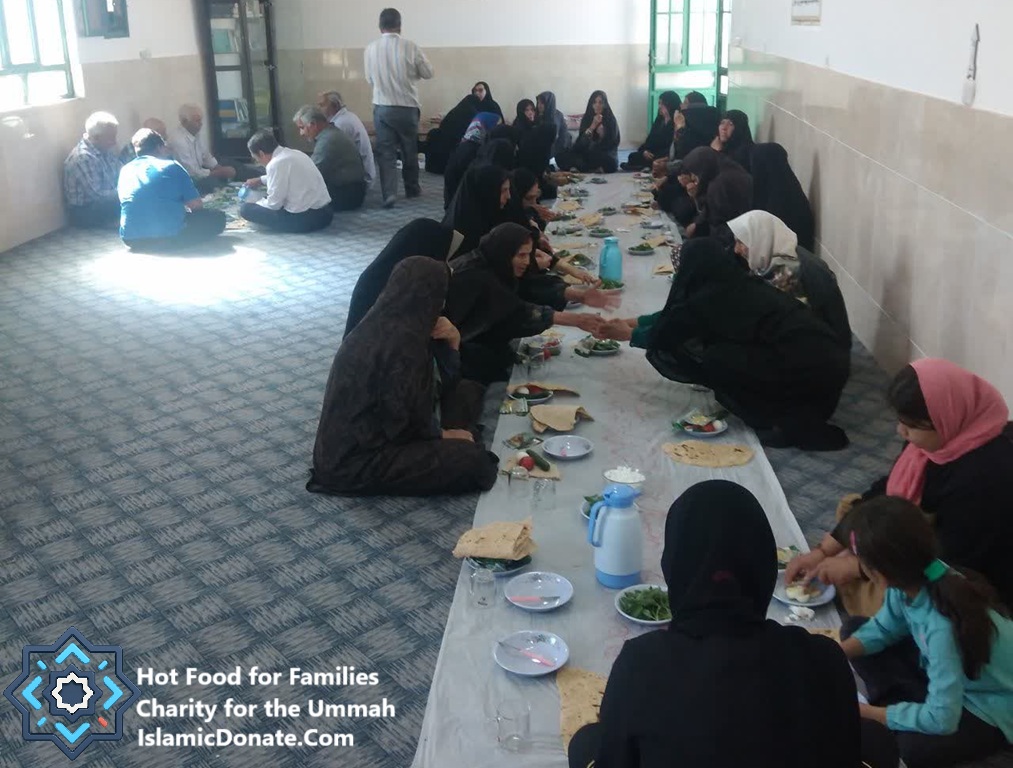
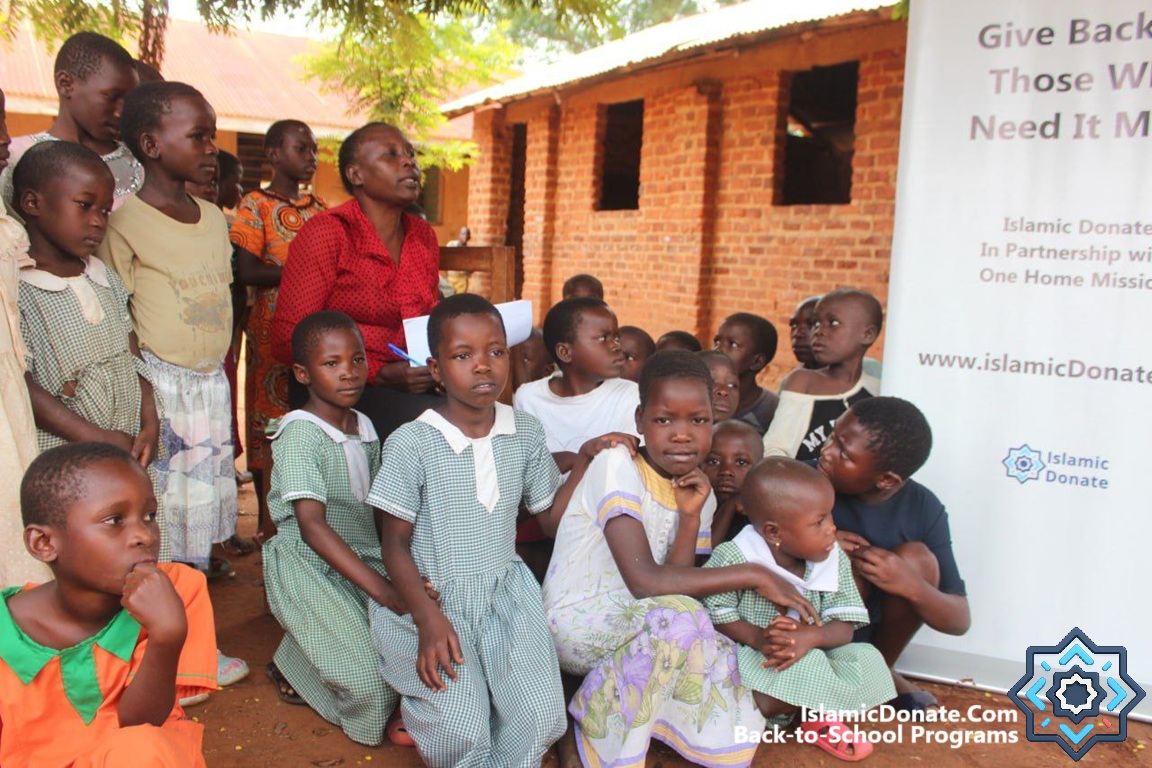
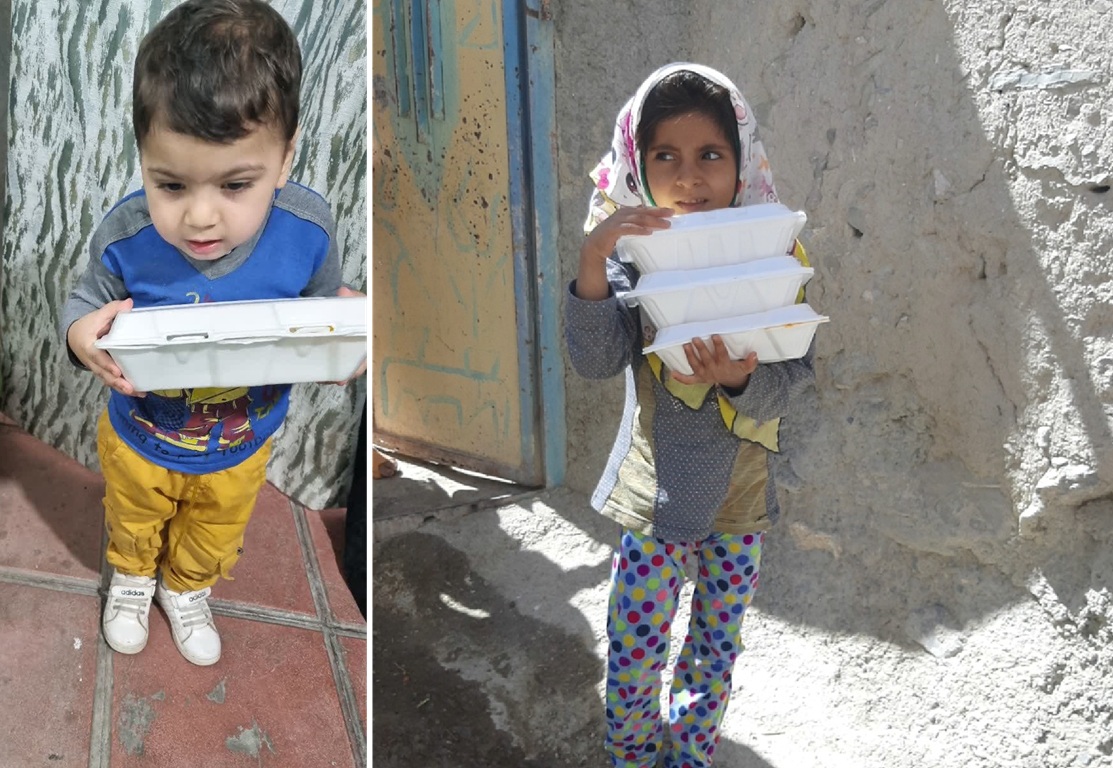
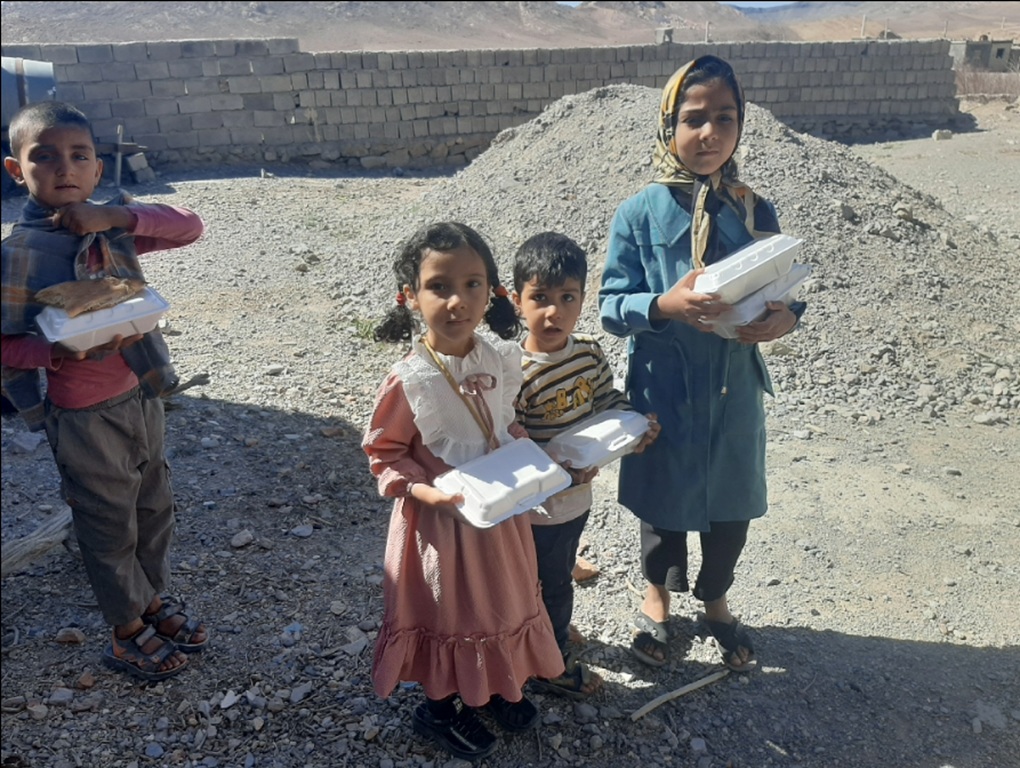
Whether it’s donating to food banks, supporting educational initiatives, or providing assistance to disaster victims, our Sadaqah can make a tangible difference in the lives of others. By giving Sadaqah, we contribute to a stronger, more supportive community where everyone feels cared for and valued.


Blessings in Life and Increased Provision
The Quran and hadiths are filled with verses and sayings that extol the virtues of Sadaqah. It’s a powerful tool for increasing our provision and attracting blessings into our lives.
“There is no good in most of their secret talks, except those encouraging charity, kindness, or reconciliation between people. And whoever does this seeking Allah’s pleasure, We will grant them a great reward.” (Quran 4:14)
Many Muslims believe that giving Sadaqah purifies our wealth and protects it from depletion. By sharing what we have, we demonstrate our trust in Allah (SWT) to provide for our needs. In return, He may increase our blessings and grant us even greater provision.
According to the Prophet, every good deed can be Sadaqah. A kind word, a helping hand, or even a simple smile can all be considered forms of Sadaqah. These acts of generosity, no matter how small, can bring immense rewards and blessings.
Warding off Hardships and Seeking Forgiveness
Sadaqah is also seen as a way to ward off hardships and calamities. By sharing our blessings with others, we demonstrate our faith and reliance on Allah (SWT) for protection.
There are also hadiths that suggest Sadaqah can be a means of seeking forgiveness for sins. While it should never be seen as a replacement for sincere repentance, giving Sadaqah can help us purify our hearts and seek Allah’s (SWT) mercy.
The Power of Daily Sadaqah: Starting Your Day with Generosity
Many Muslims believe that starting the day with Sadaqah sets a positive tone and brings blessings throughout the day. Even a small donation can be a powerful way to invite Allah’s (SWT) favor and open the door to further opportunities for giving.
Daily Sadaqah doesn’t have to be a burden. It can be as simple as donating a few coins, volunteering your time, or offering a helping hand to someone in need. By incorporating Sadaqah into your daily routine, you cultivate a spirit of generosity and compassion that becomes a way of life.
Verses and Hadiths on the Importance of Sadaqah
The Quran and hadiths are replete with verses and sayings that emphasize the importance of Sadaqah. Here are just a few examples:
- Quran (2:272): “Not upon you, [O Muhammad], is [responsibility for] their guidance, but Allah guides whom He wills. And whatever good you [believers] spend is for yourselves, and you do not spend except seeking the countenance of Allah . And whatever you spend of good – it will be fully repaid to you, and you will not be wronged.“
- Hadith (Jami` at-Tirmidhi 614): “The giving of charity extinguishes sin as water extinguishes fire.”
- Hadith (Jami` at-Tirmidhi 659): “Indeed there is a duty on wealthy aside from Zakat. Then he recited this Ayah which is in Al-Baqarah.”
- Quran (2:177): “Righteousness is not in turning your faces towards the east or the west. Rather, the righteous are those who believe in Allah, the Last Day, the angels, the Books, and the prophets; who give charity out of their cherished wealth to relatives, orphans, the poor, needy travellers, beggars, and for freeing captives; who establish prayer, pay alms-tax, and keep the pledges they make; and who are patient in times of suffering, adversity, and in the heat of battle. It is they who are true in faith, and it is they who are mindful of Allah.”
Among the verses and hadiths, pay attention to the Prophet’s hadith about the obligatory charity in addition to zakat. In the hadith itself, the Prophet of Islam refers to verse 177 of Surah Al-Baqarah that charity is obligatory for wealthy Muslims in addition to zakat, which is obligatory.
By giving Sadaqah, we not only help others but also invest in our own well-being and spiritual growth. It’s a way to connect with Allah (SWT), purify our hearts, and build a more just and compassionate world. So let’s embrace the practice of Sadaqah and experience the countless blessings it brings.
Cryptocurrency Charity