

Scroll through your feed on Instagram, TikTok, or X today, and you will see it everywhere. A simple slice of watermelon. The 🍉 emoji sits quietly in bios, captions, and protest signs from London to Jakarta.
For younger generations driving the global solidarity movement, this fruit represents much more than a summer snack. It is a calculated, creative bypass against digital censorship and a historical emblem of Palestinian resilience.
But symbols of freedom only carry weight when backed by tangible support for those fighting to survive. Right now, families facing forced displacement and famine need immediate intervention. If you want to move beyond digital activism, you can directly provide life-saving humanitarian aid to Gaza through secure platforms that bypass blockades. Delivering clean water, hot meals, and medical supplies is the most literal form of solidarity. You can also donate cryptocurrency to Palestine to rapidly fund emergency shelters and winter gear, or support broader emergency humanitarian relief efforts ensuring that displaced communities receive critical healthcare.




How a slice of fruit became an act of defiance
To understand the watermelon symbol, we have to look back to the aftermath of the 1967 Six-Day War. The Israeli military occupied the West Bank and Gaza, subsequently issuing orders that banned the public display of the Palestinian flag. Raising it could lead to arrest. Displaying its exact colors was heavily criminalized.
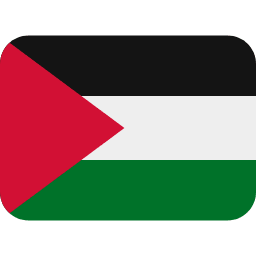
Palestinians needed a way to express their identity without facing immediate detention. The watermelon became the perfect proxy. When you slice it open, the fruit reveals the exact pan-Arab colors of the Palestinian flag: red pulp, dark black seeds, white rind, and a green outer shell.
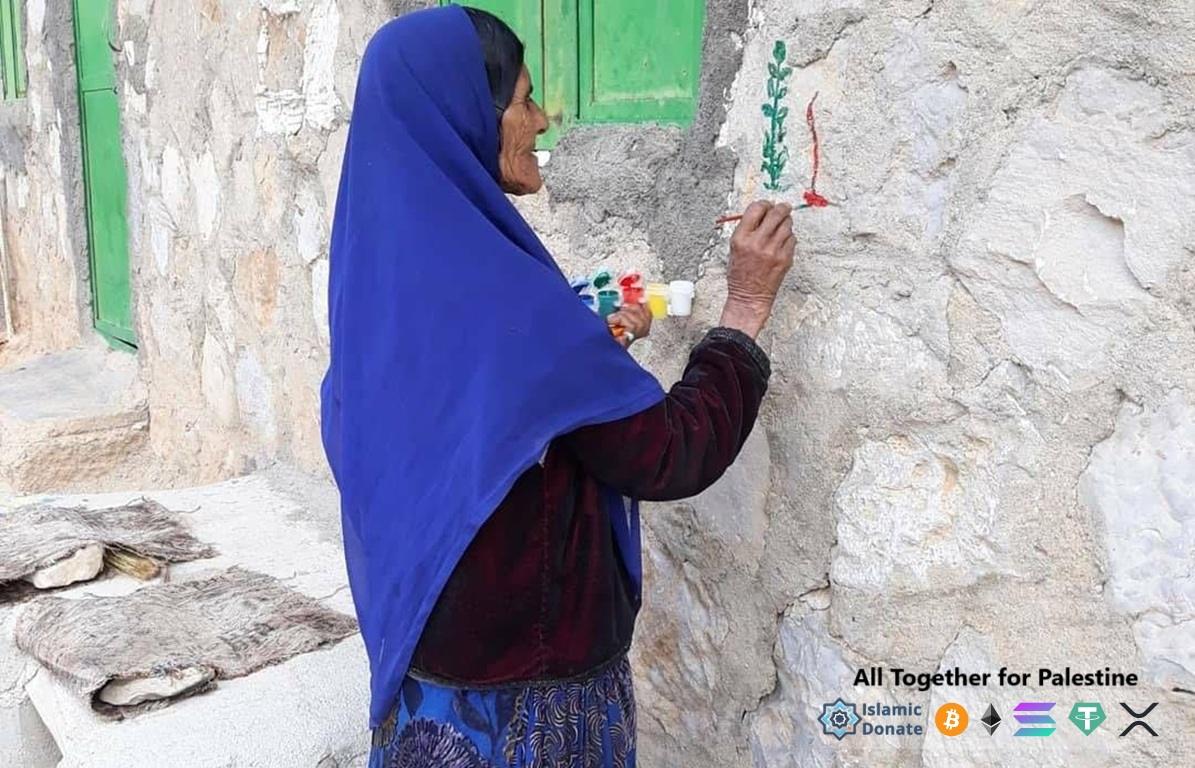
The narrative solidified in 1980 at a Ramallah art gallery. Israeli officers shut down an exhibition featuring artists Sliman Mansour, Nabil Anani, and Issam Badr because their artwork incorporated the forbidden colors. When Badr challenged an officer, asking what would happen if he simply painted a flower using red, black, white, and green, the response was chillingly clear. The officer told him that even a painting of a flower would be confiscated.
That strict prohibition birthed an icon. Palestinians began carrying sliced watermelons in the streets as a physical protest.
Beating the algorithm with the watermelon emoji
The symbol experienced a massive digital renaissance in 2021 during the Sheikh Jarrah protests. Millennial and Gen Z activists quickly realized that social media platforms were shadowbanning content. Algorithms on Instagram and TikTok actively suppressed posts containing the Palestinian flag emoji, the word “Palestine,” or related hashtags.
Internet culture is nothing if not adaptive. To outsmart the algorithmic censorship, users resurrected the historical symbol. They swapped the flag for the 🍉 emoji. It worked perfectly. The machine learning models designed to throttle political speech could not easily flag a universally used food emoji without breaking the platforms for regular users.
When the Israeli National Security Minister pushed to ban the Palestinian flag from public spaces again in 2023, the physical and digital symbol exploded globally. It became a unifying visual shorthand for human rights.
The connection to Sumud and planting seeds
There is a deeper, almost poetic layer to why this specific fruit resonates so strongly with younger demographics. It taps into the indigenous Palestinian concept of Sumud, which translates to steadfastness or deep-rooted resilience.
A watermelon holds seeds. A popular proverb among human rights activists states,
“They tried to bury us; they didn’t know we were seeds.”
The imagery is visceral. You can crush the fruit, smash it, or ban its colors from public view. Yet, the seeds scatter. They plant themselves in the dirt, grow, and multiply. The harder the attempt to erase the identity, the wider it spreads across the globe. Today, posting a watermelon is a declaration of presence. It means the people, the culture, and the resistance remain completely un-erased.