

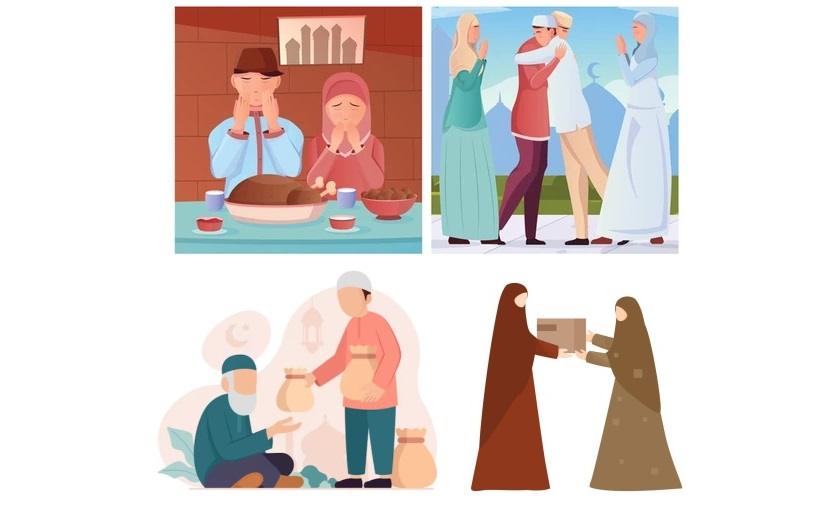
Anonymous Charity: Charitable Giving in Islam
In our journey as a community dedicated to helping those in need, we often reflect on the profound impact of anonymous charity. At Islamic Donate Charity, we understand that the essence of giving lies not just in the act itself, but in the intention behind it. This article delves into why anonymous charity is deeply rooted in our faith and how it can transform lives both for the giver and the recipient.
The Heart of Giving: Intention Matters
When you give without seeking recognition, you align yourself with the true spirit of charity. The Quran emphasizes the importance of intention in acts of kindness. Allah knows what is in our hearts, and when we donate anonymously, our focus shifts from seeking praise to genuinely helping others. The beauty of anonymous giving lies in its purity; it allows us to serve for Allah’s pleasure alone.
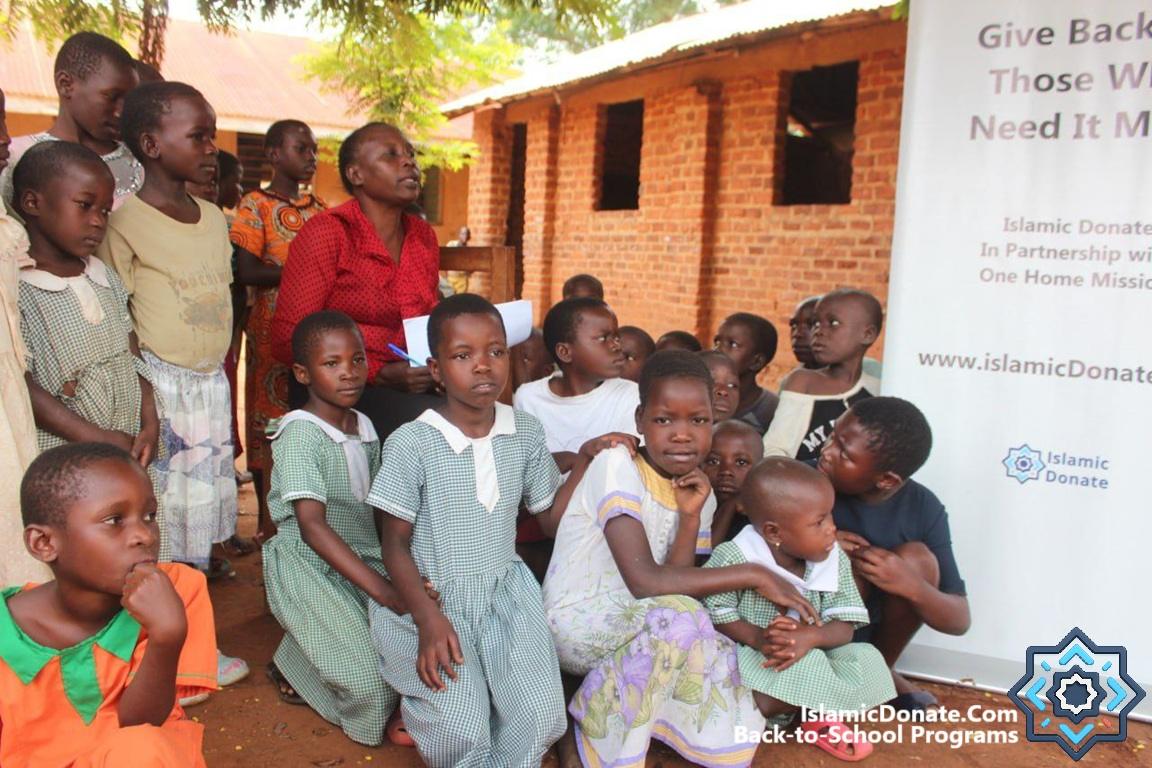
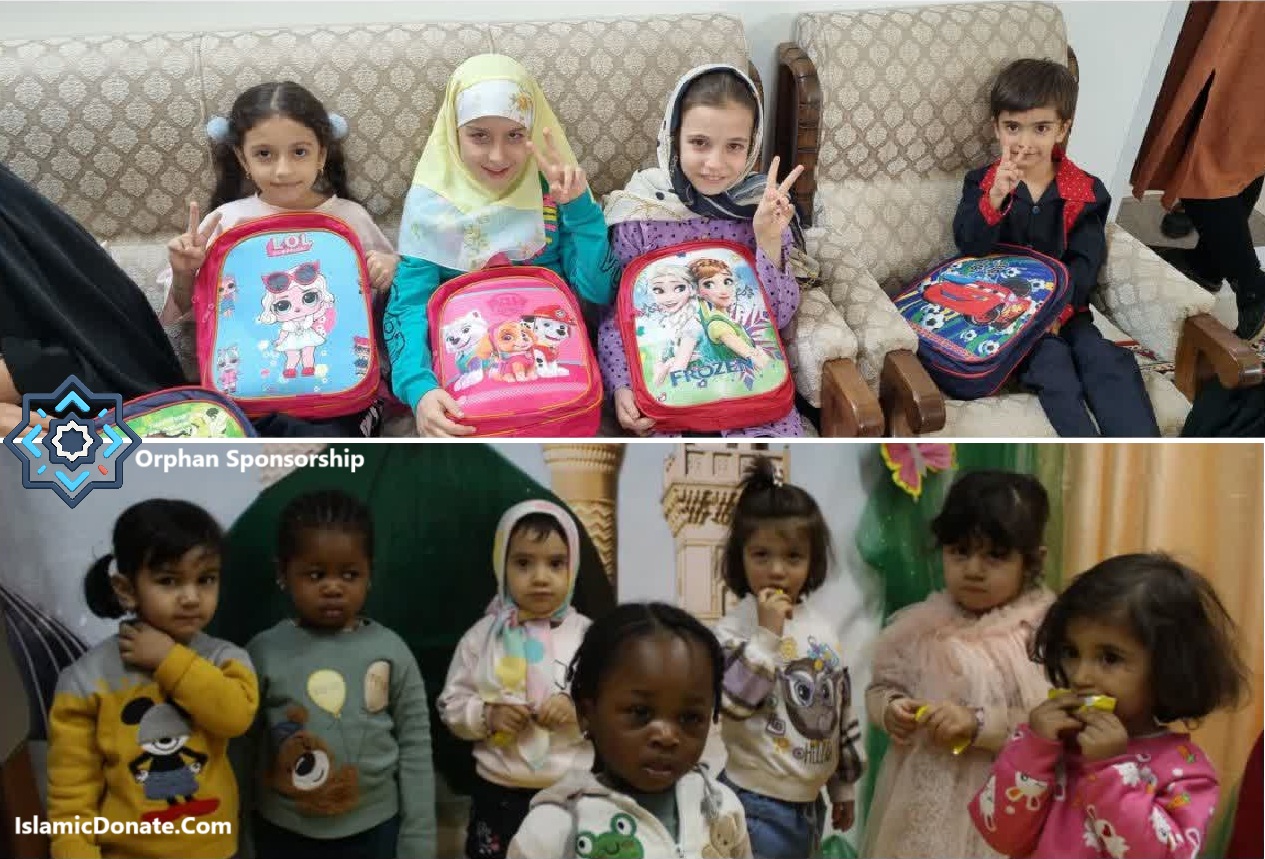
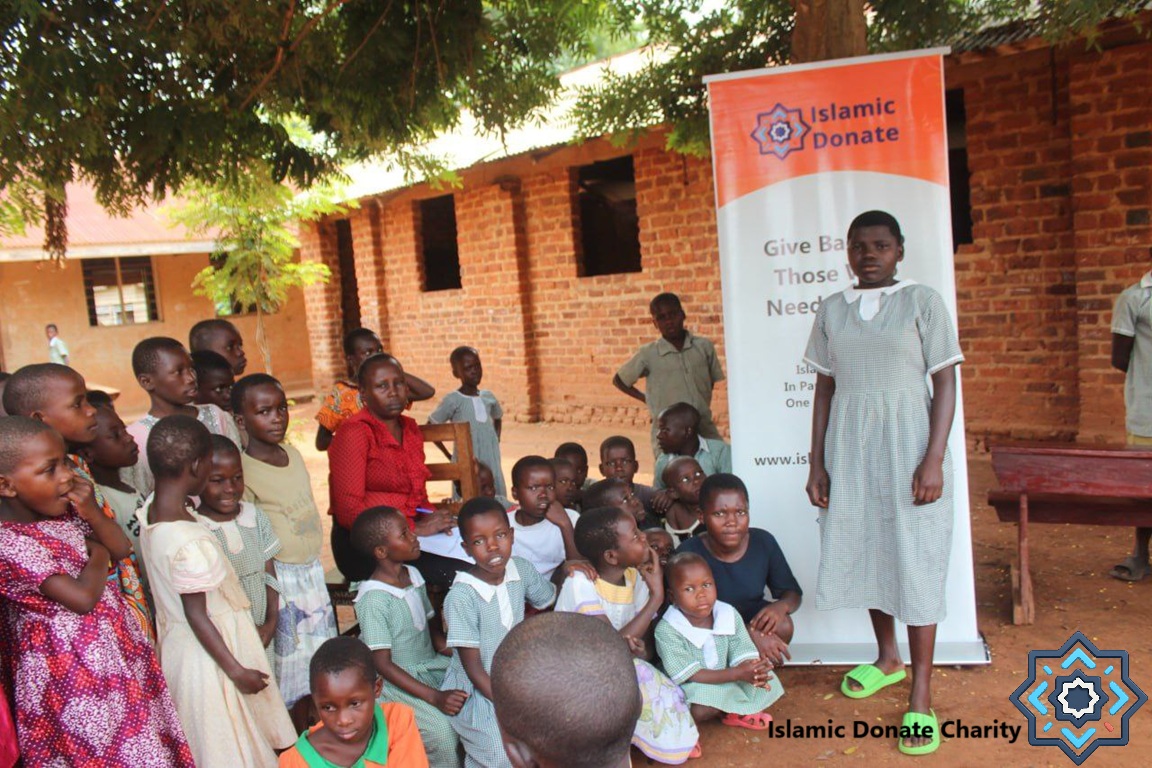
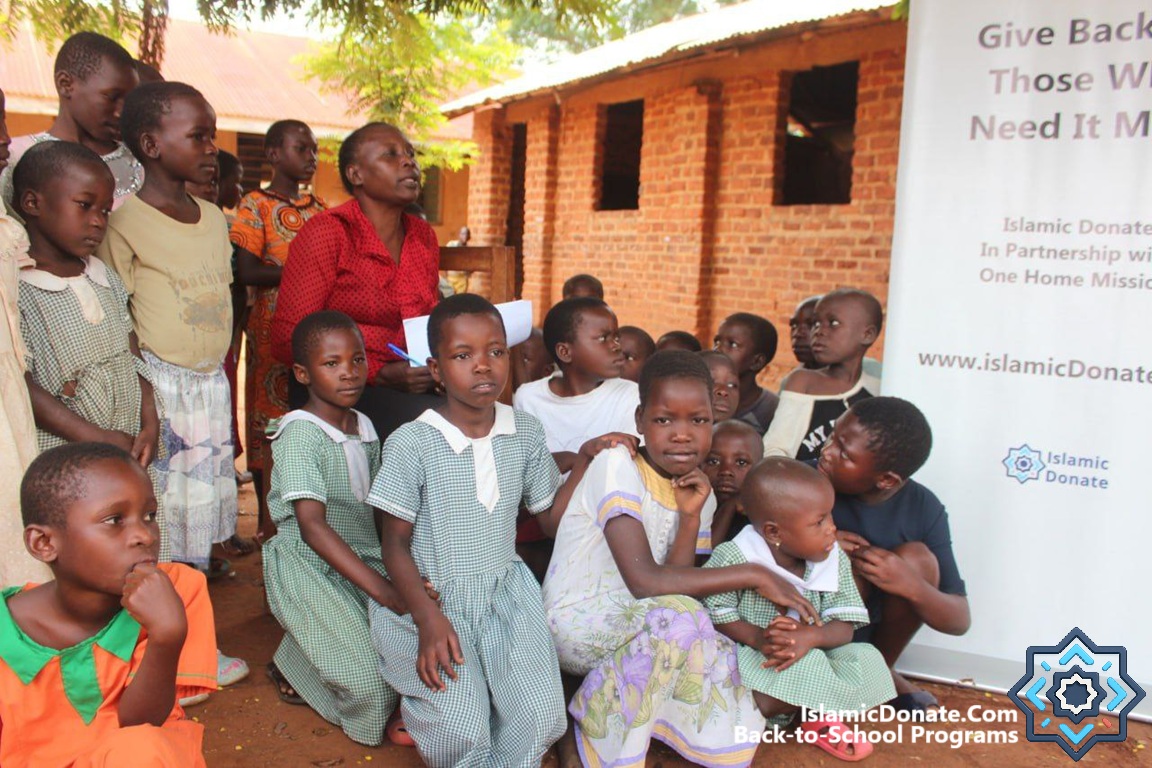
Imagine a child in a remote village calling our volunteers “uncle” or “aunt.” In those moments, we realize the profound connections we forge through our acts of kindness. It is a profound honor for me, as a volunteer from Europe, to be regarded as family by a child in Asia or Africa. Hearing that child call me a member of their family fills my heart with joy and purpose. Each donation, whether in the form of BTC or traditional currency, brings us closer to those we may never meet, yet whose lives we profoundly touch.
The Role of Anonymity in Charity
Anonymity plays a crucial role in fostering a genuine desire to help. Many of our crypto-donors choose to remain unnamed, seeking only the satisfaction of knowing they have made a difference. This approach not only prevents any feelings of pride or superiority but also protects the sanctity of our intentions.
As the Prophet Muhammad (peace be upon him) stated, the best charity is that which is given in secret because them in the shadow of Allah’s protection. This principle resonates with our community and guides our charitable activities.
“People will be shaded by Allah under His shade on the day when there will be no shade except His…. A person who practices charity so secretly that his left hand does not know what his right hand has given (i.e. nobody knows how much he has given in charity).” (Sahih al-Bukhari 1423)
In our experience at Islamic Donate Charity, we have witnessed how anonymity can protect both the giver and the receiver. For many, the fear of judgment or scrutiny can inhibit their willingness to contribute. By embracing anonymous donations, we create an environment where everyone feels empowered to help without fear of public perception. This anonymity ensures that the focus remains on the act of giving, fostering a sense of unity and purpose within the Muslim community.
The Connection Between Faith and Anonymity
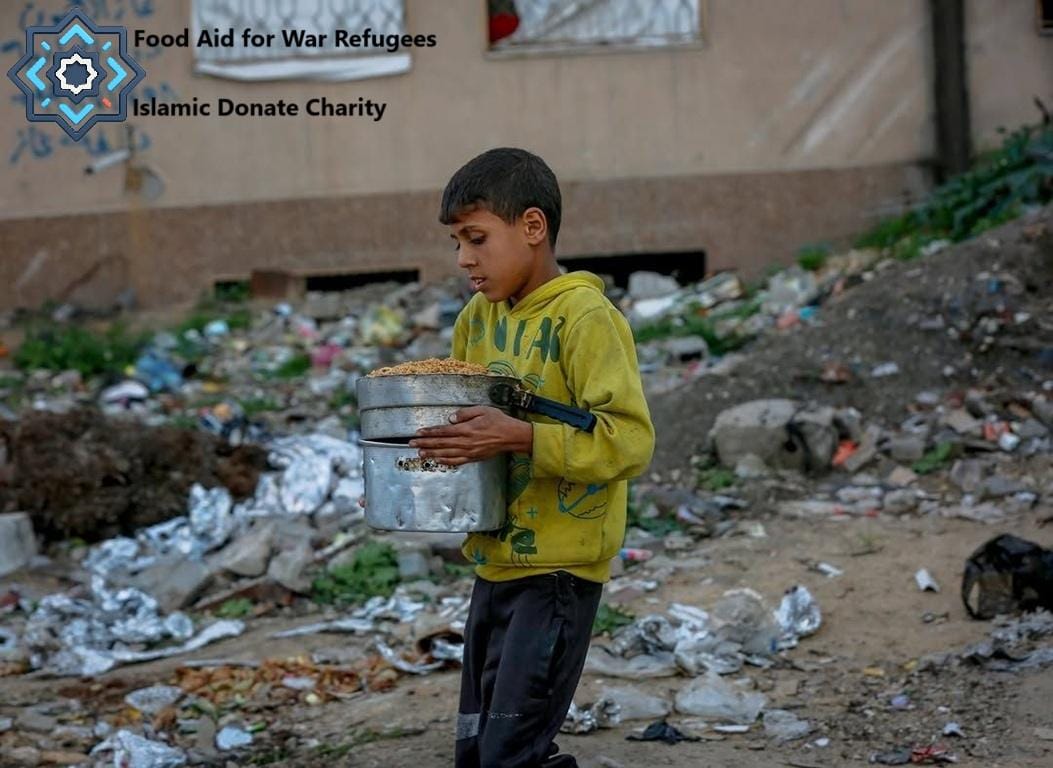
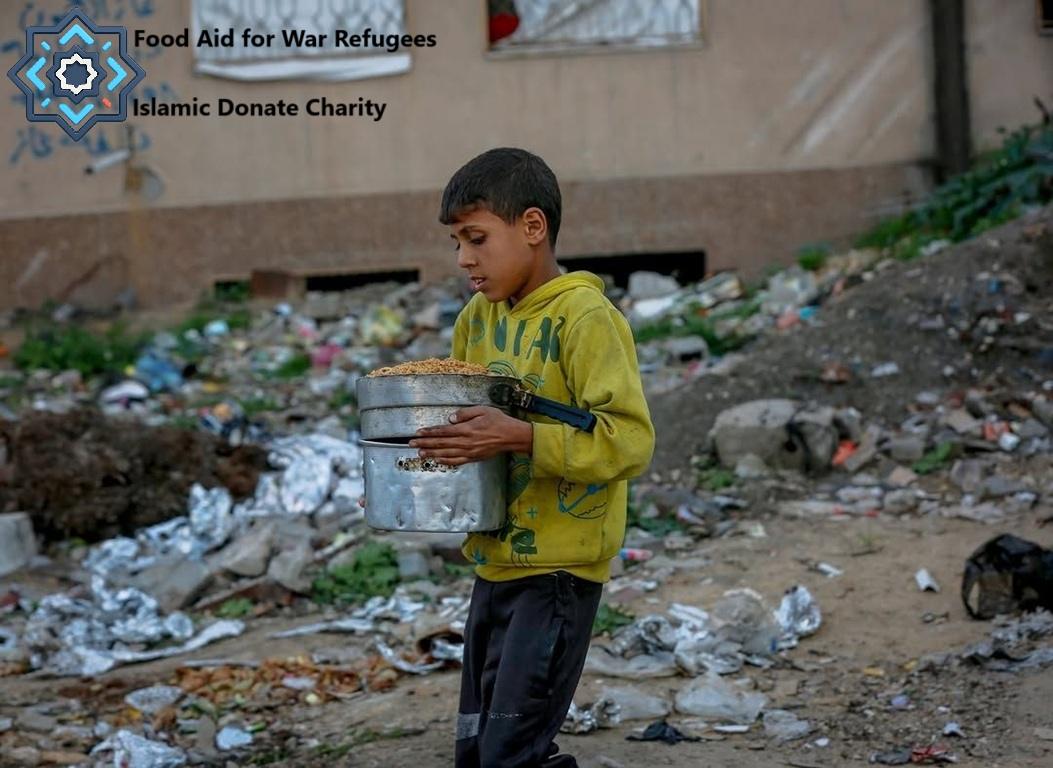
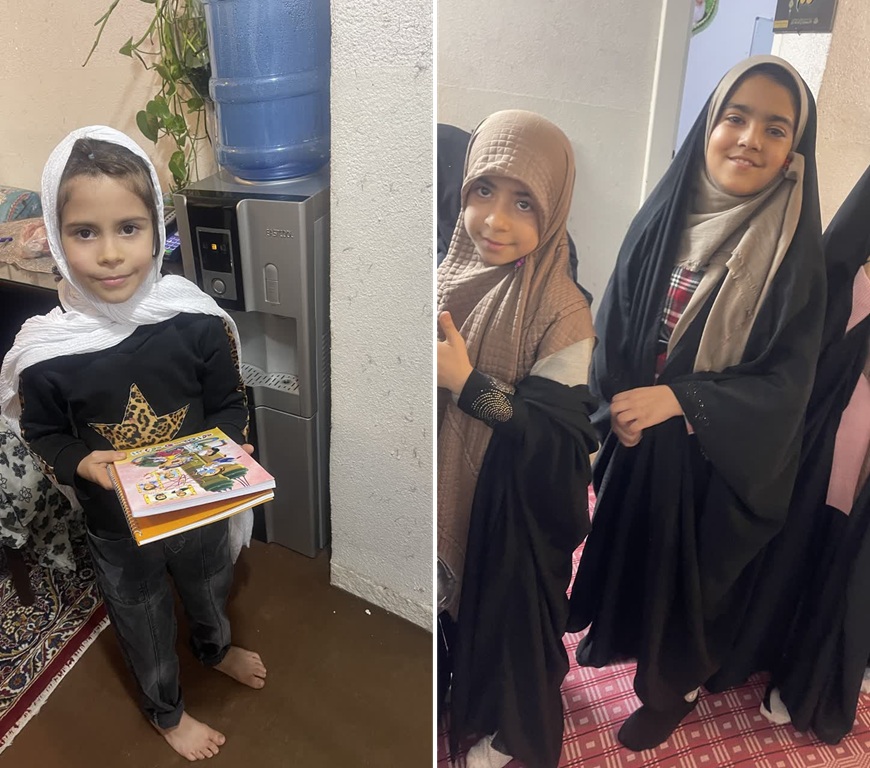
Our faith encourages us to think of others before ourselves. When we donate anonymously, we embody this principle. We become part of a larger family, the global Muslim community (Ummah), bound by the shared goal of uplifting one another. Each contribution, whether it aids a child in need in Palestine or provides support to families in Afghanistan, is a testament to our commitment to each other as brothers and sisters in faith.
Moreover, blockchain technology, including Bitcoin (BTC), Monero (XMR), Zcash (ZEC),and DASH offers a unique opportunity for anonymous donations. The very foundation of these systems is built on privacy and security. For Muslims, this creates a comfortable space to engage in charitable work, knowing their contributions are both impactful and discreet.
Silent Giving
The Power of Collective Impact
We believe that when we unite our efforts, we can achieve remarkable things. Each anonymous donation is a thread in the rich tapestry of our charitable work. Together, we can create a wave of change, reaching those who need our support most. The act of giving anonymously reinforces the message that we are all partners in this journey.
At Islamic Donate Charity, we strive to be a beacon of hope. We operate with a sense of urgency, rushing to aid Muslims in need, regardless of geographical barriers. By participating in this cause, you join a movement that transcends borders and uplifts lives.
If you’ve felt the call to help but were hesitant due to concerns about recognition, we invite you to embrace the power of anonymous charity. Together, we can make a difference while safeguarding our intentions and serving only for the pleasure of Allah.
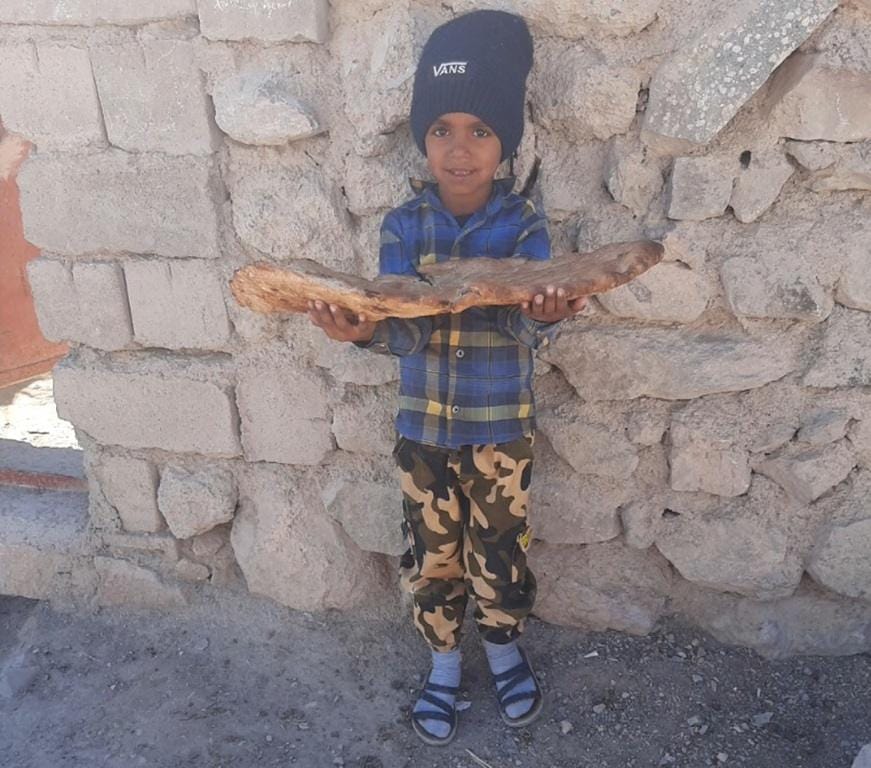
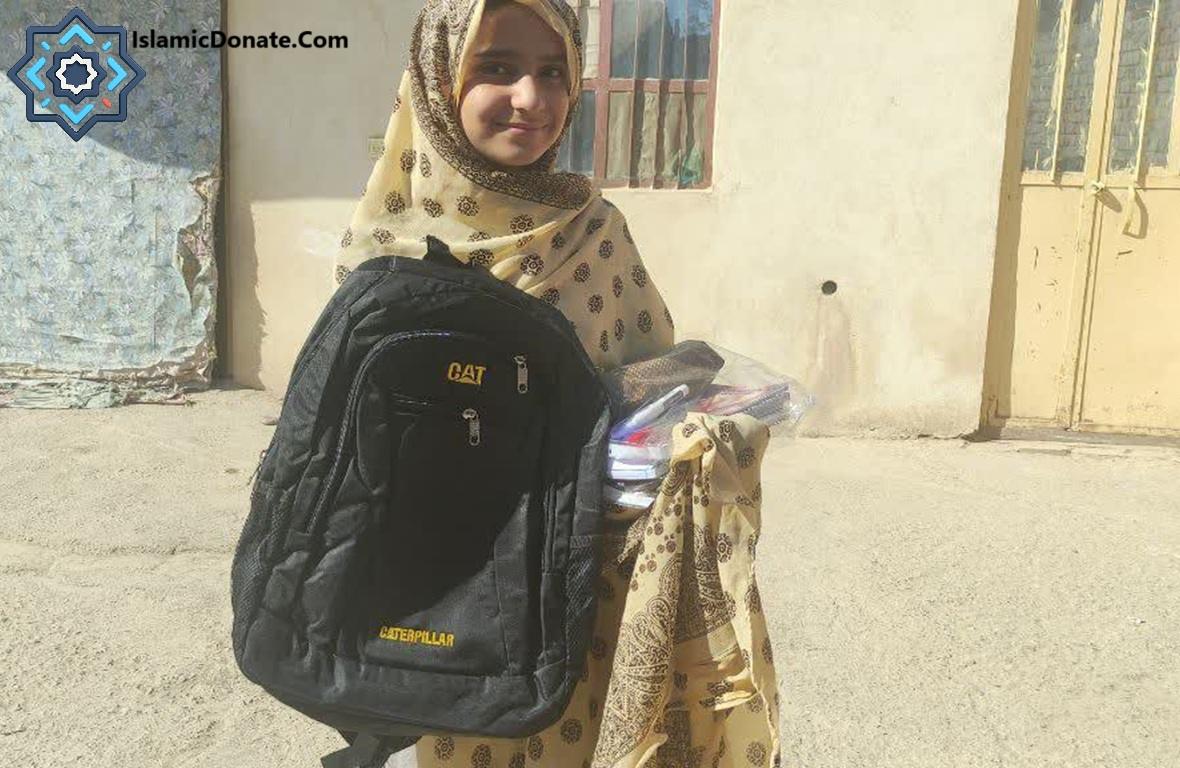
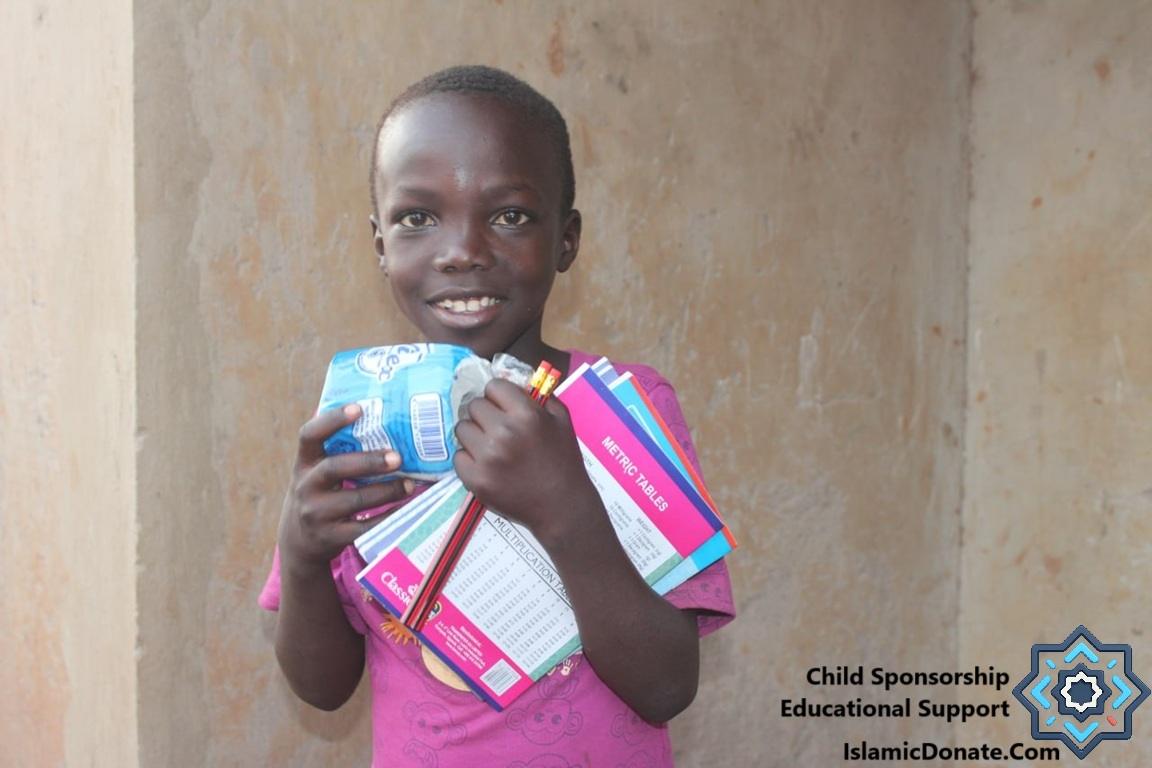
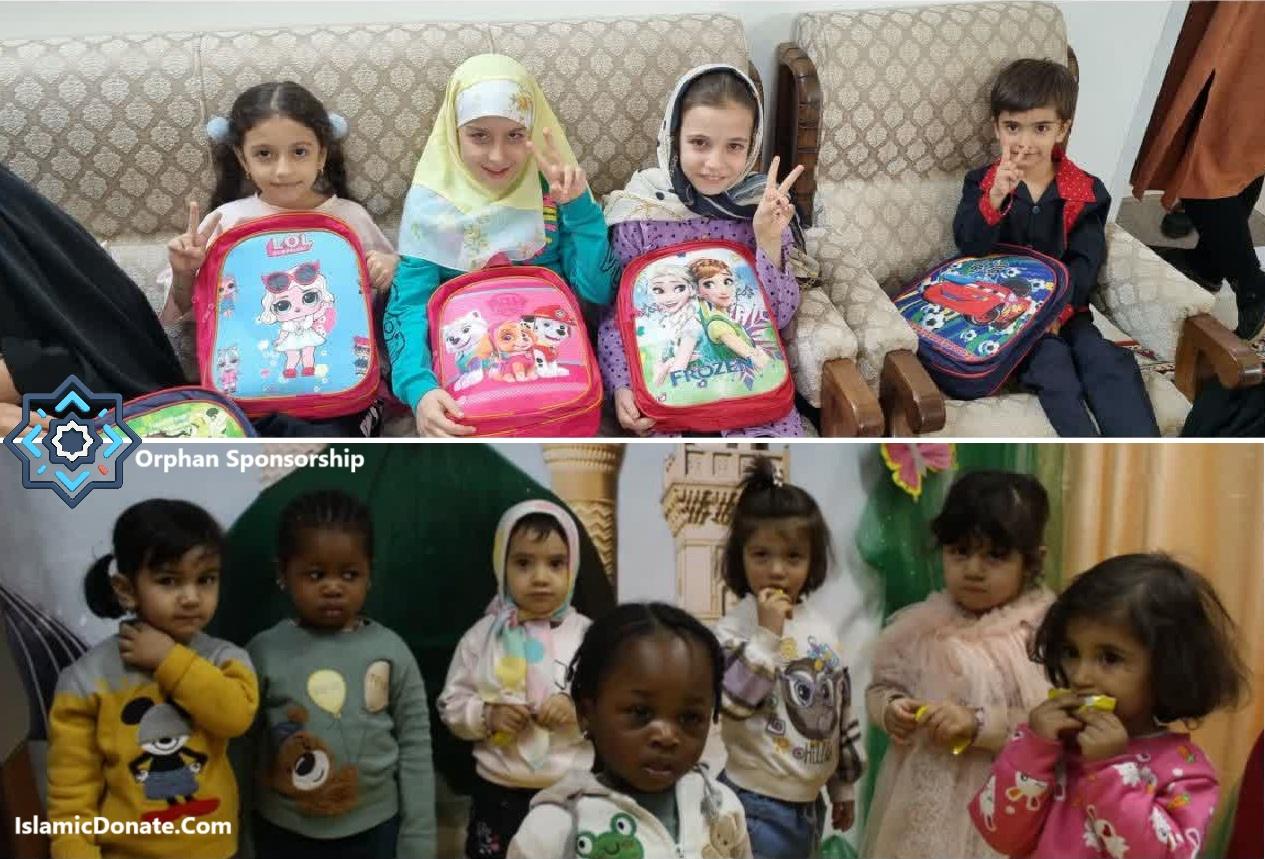
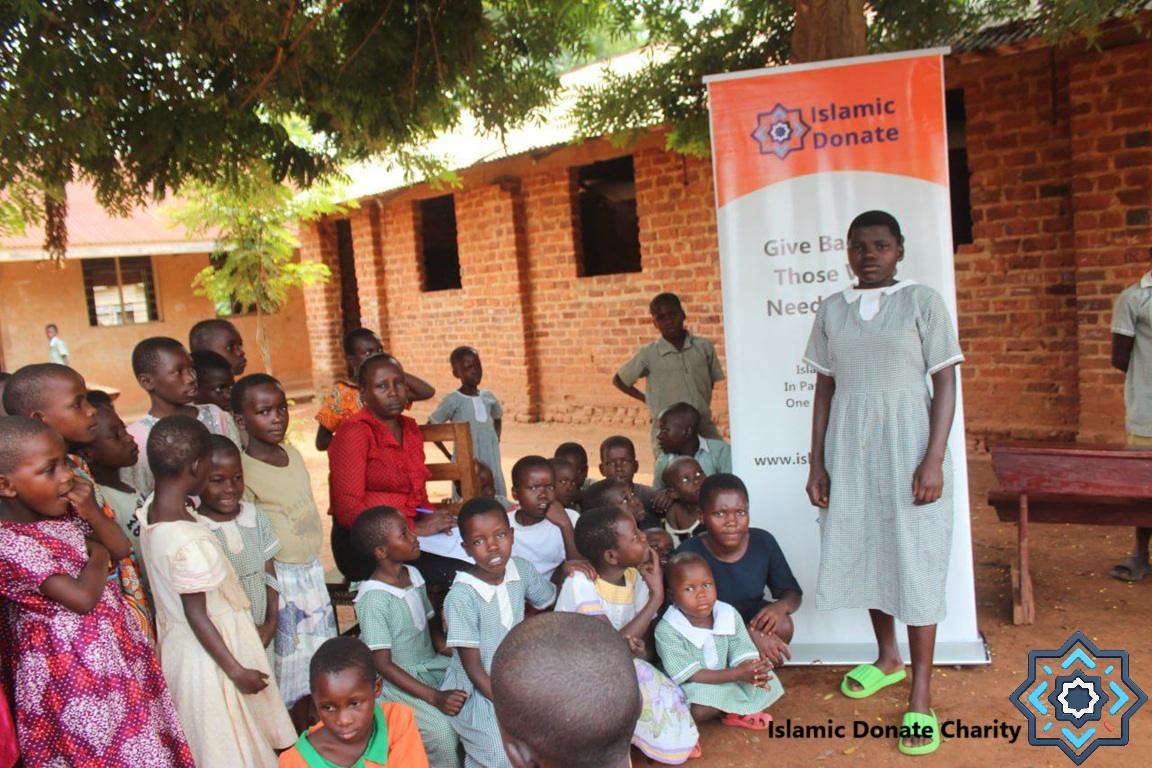
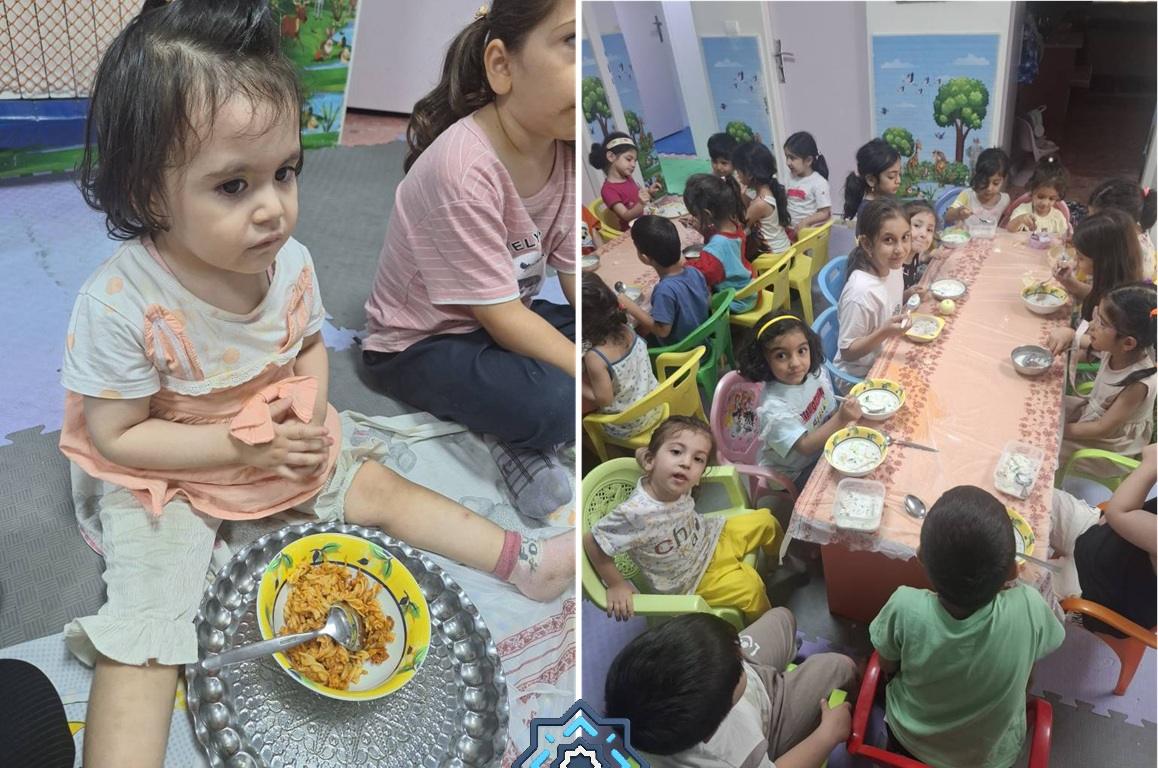
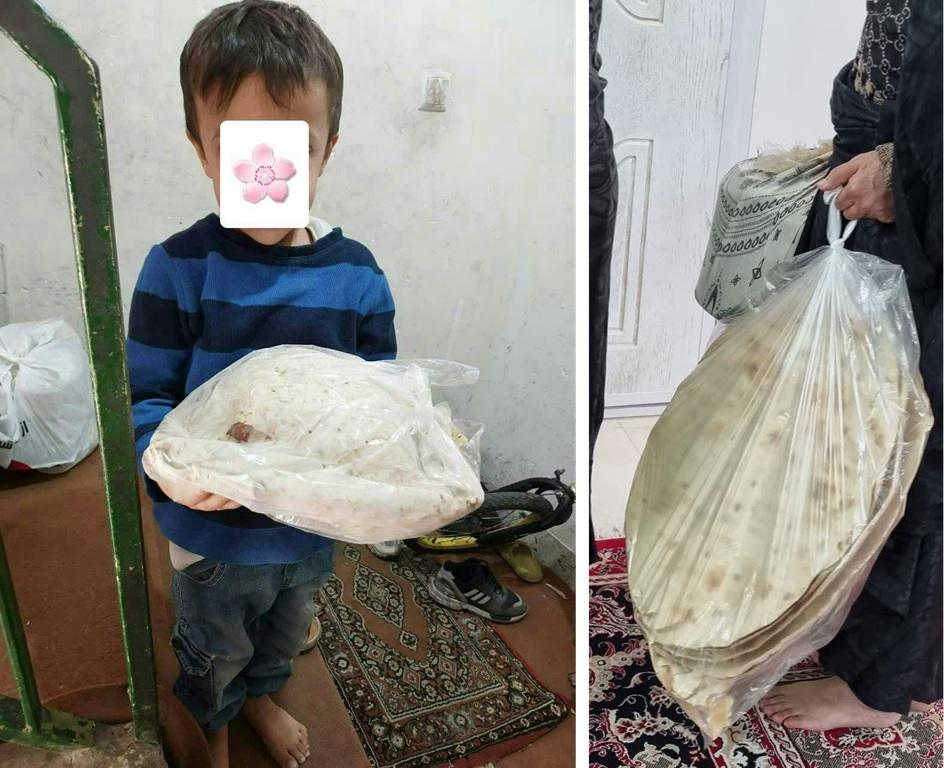
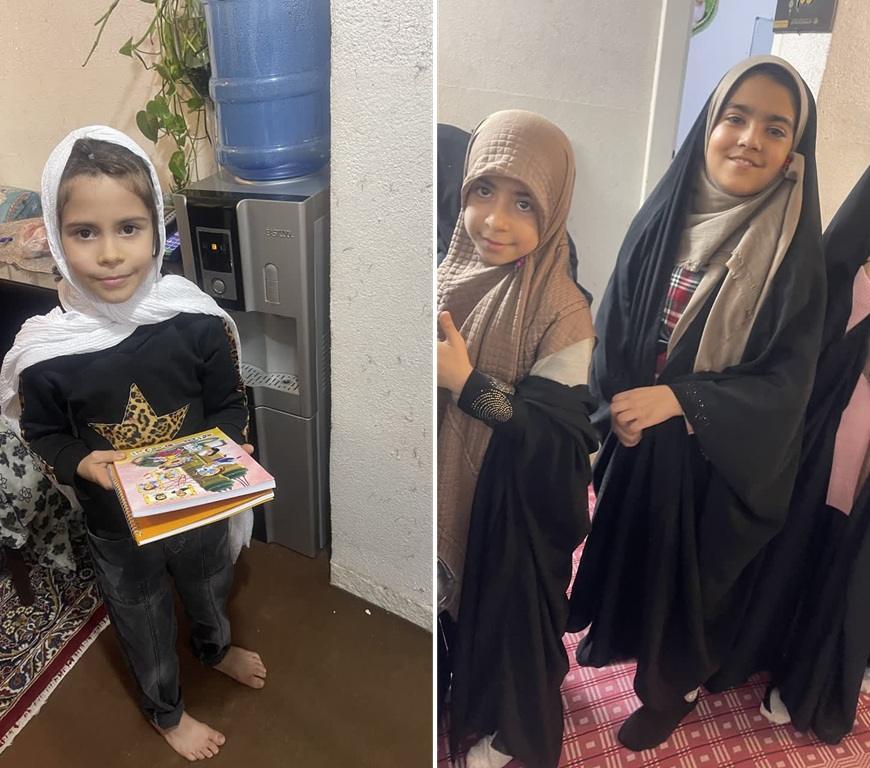
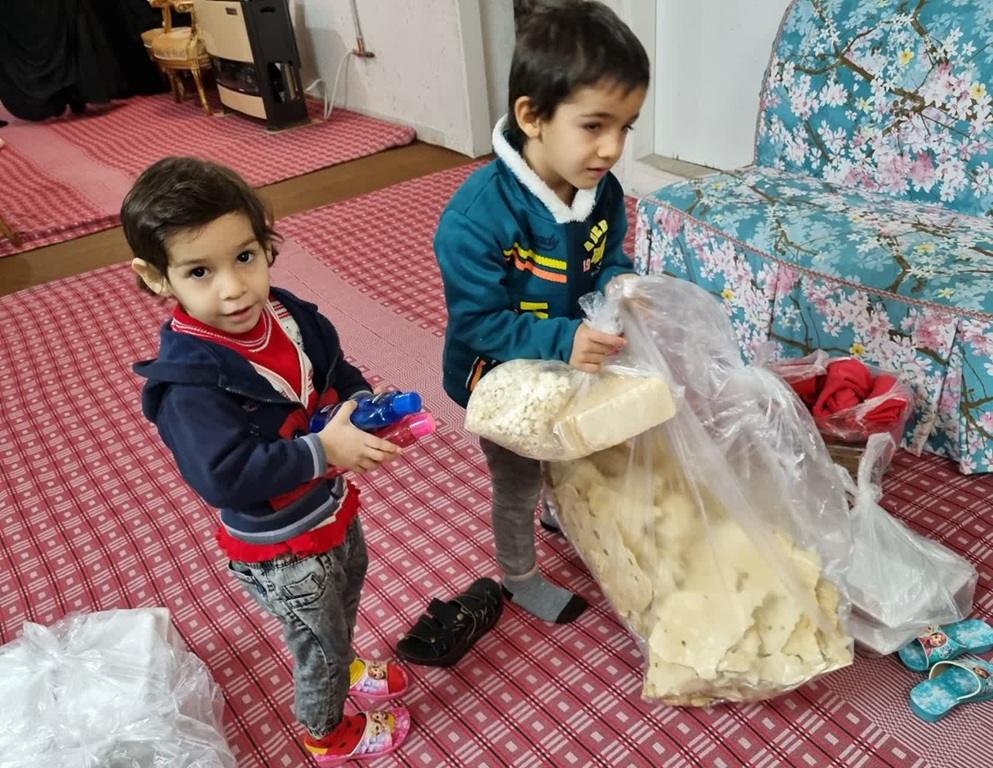
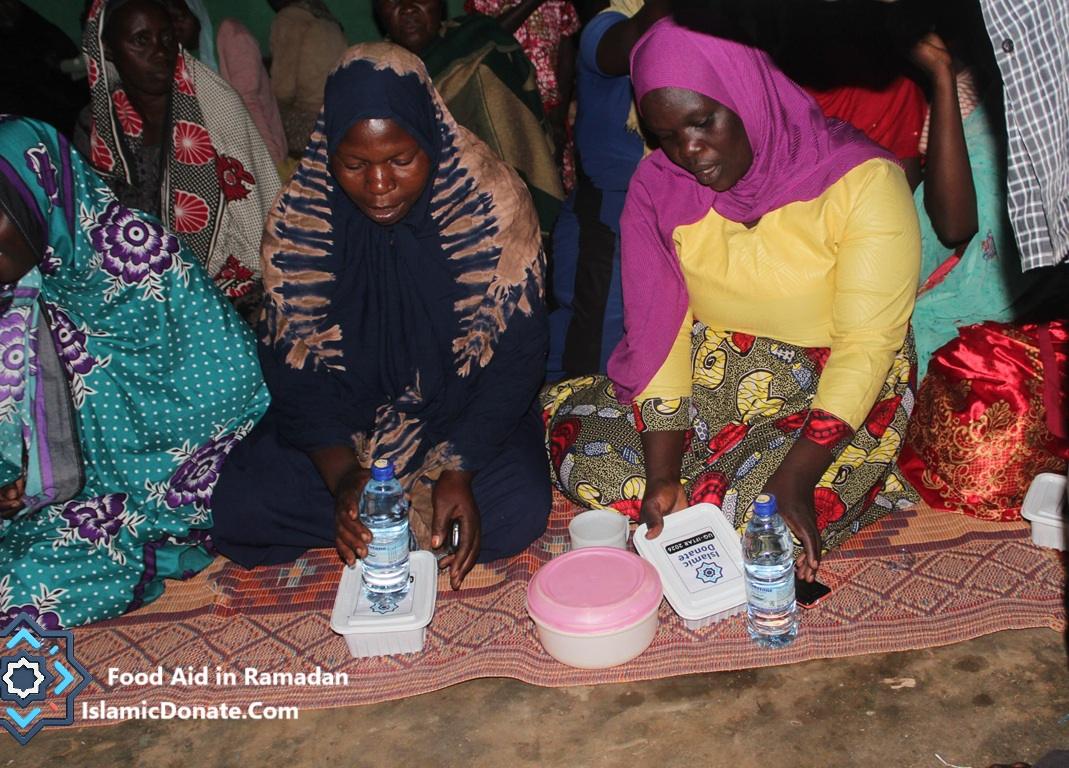
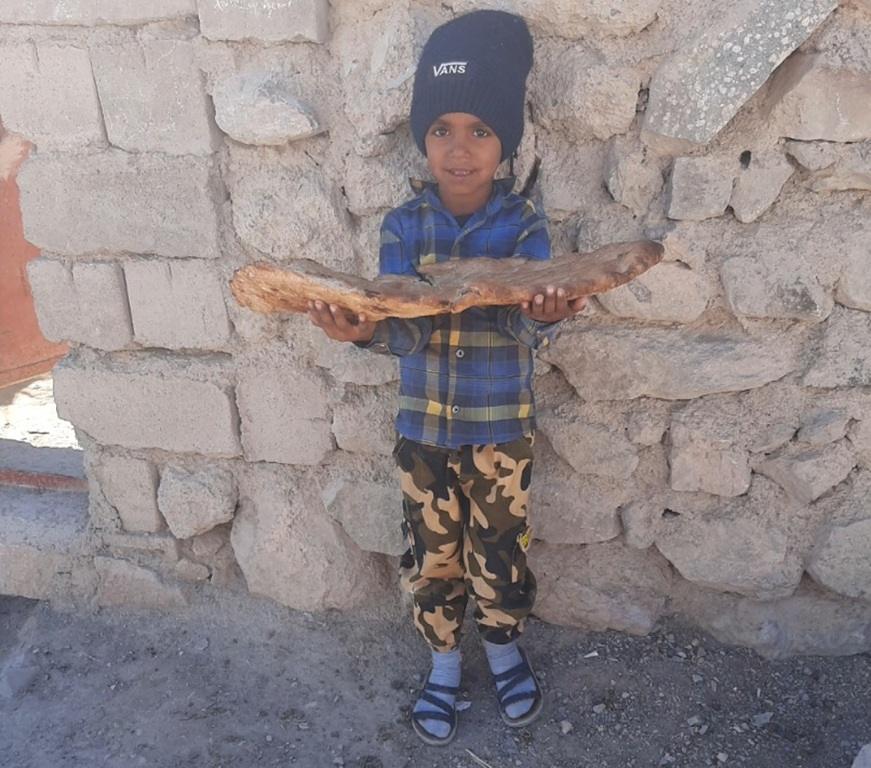
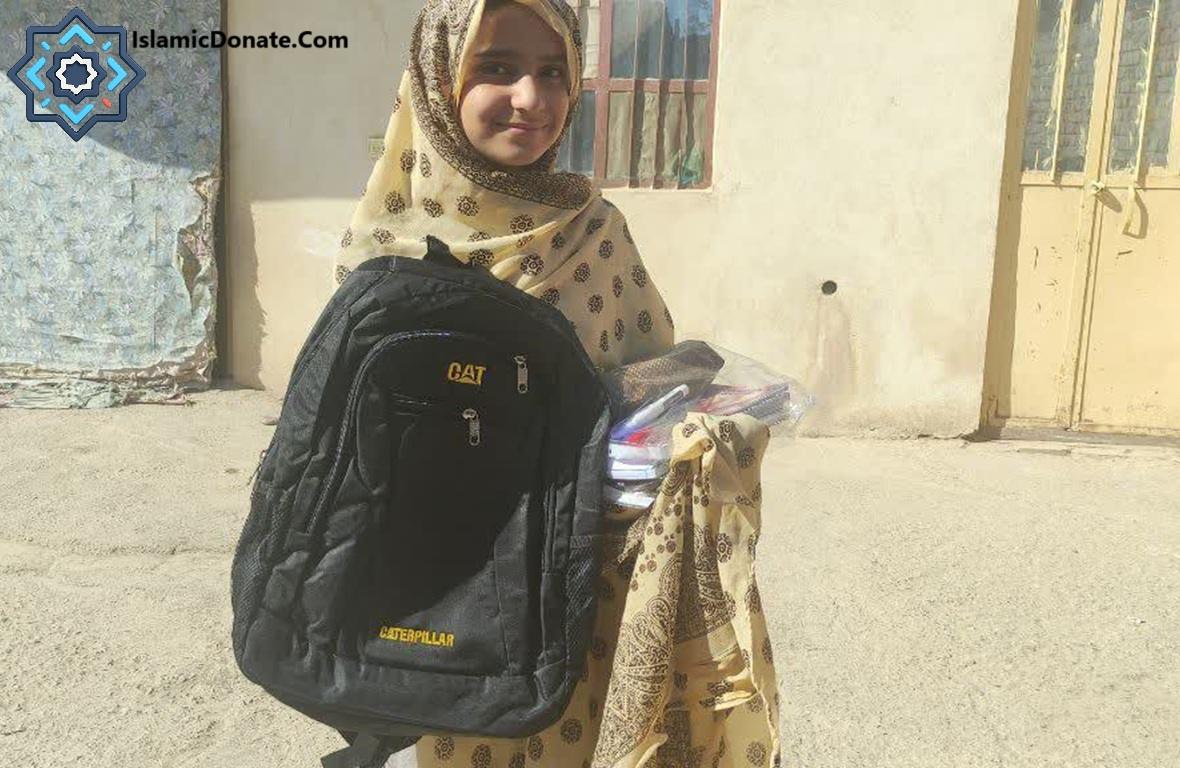
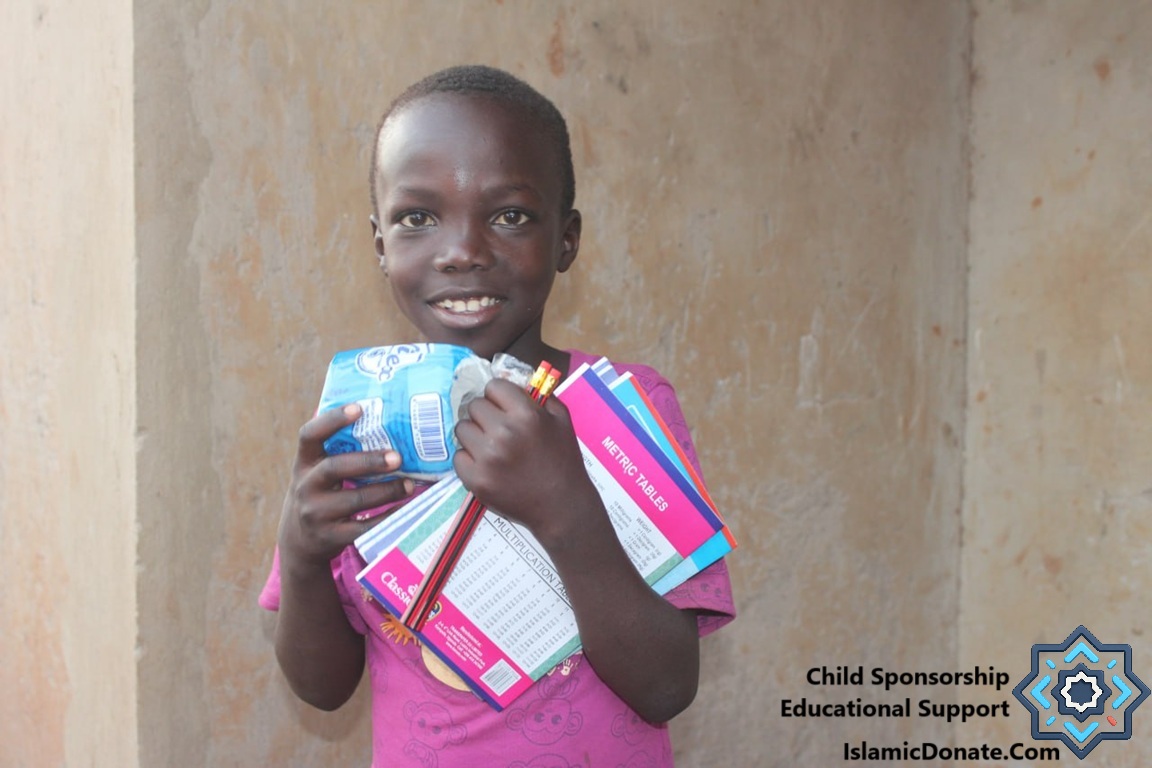
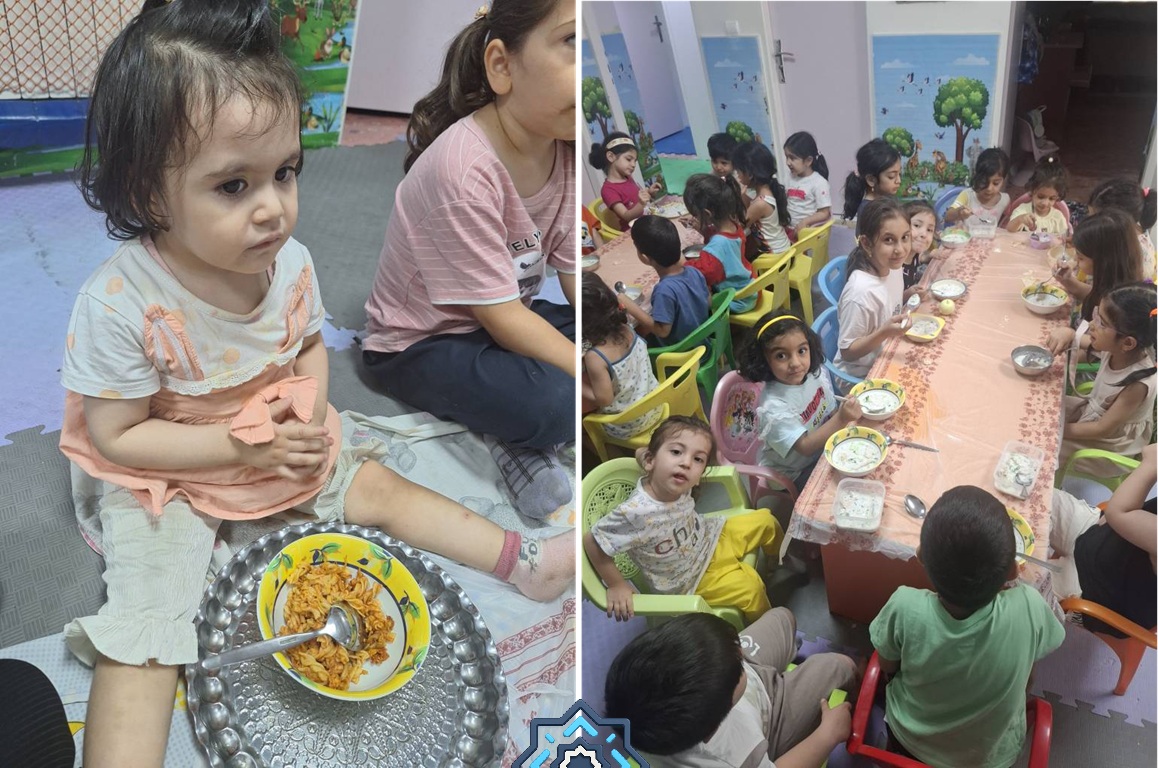
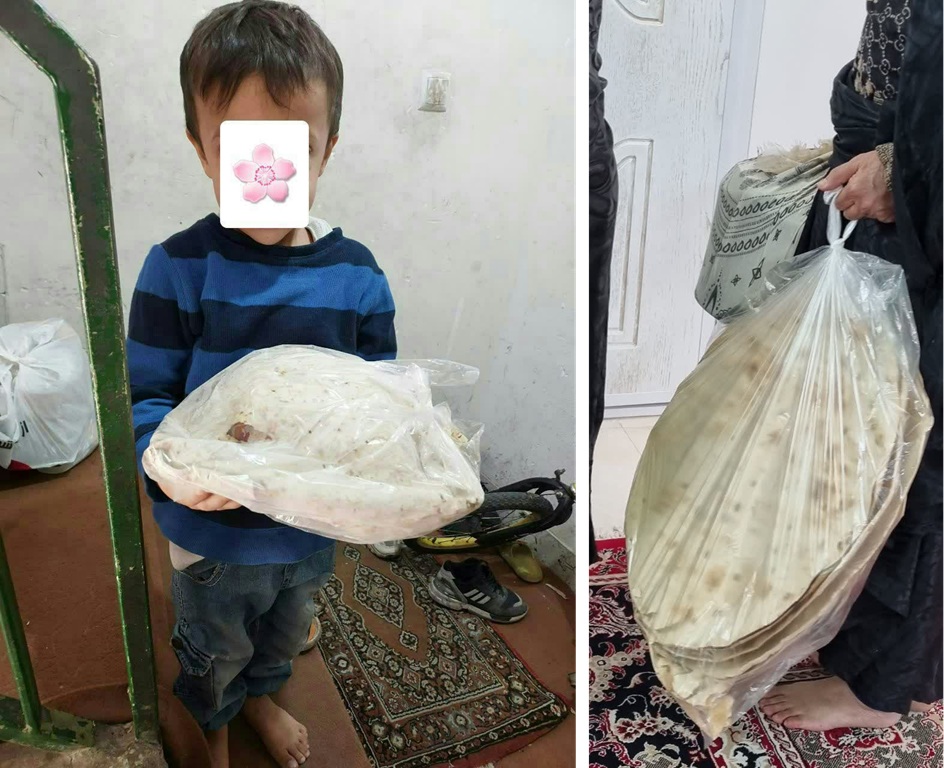
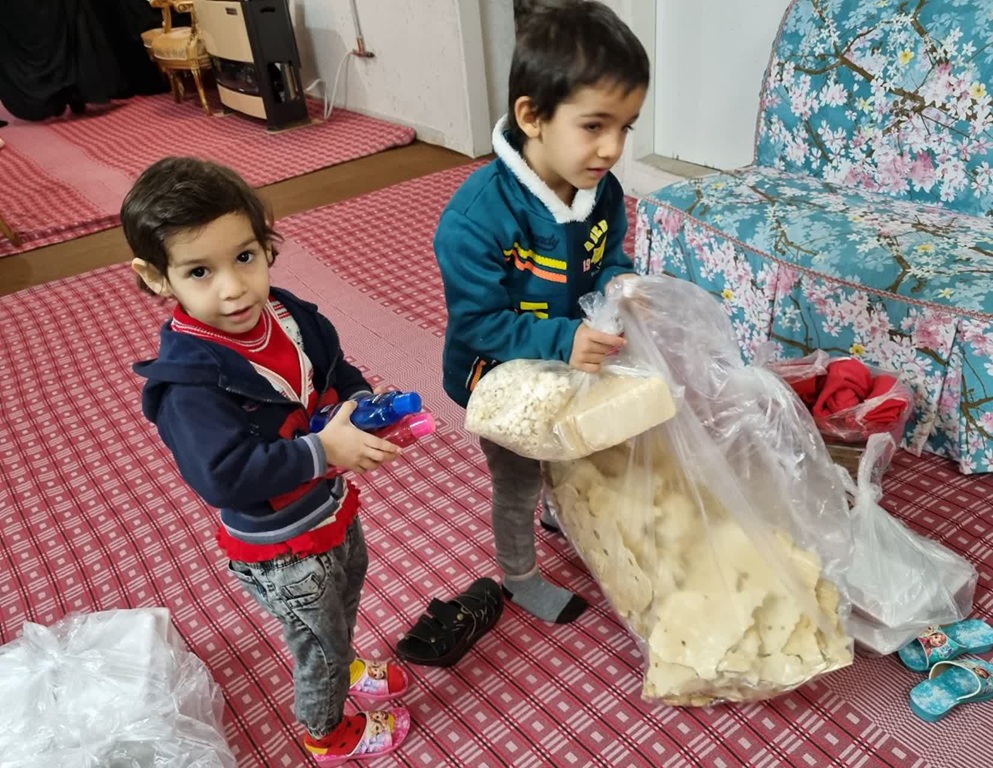
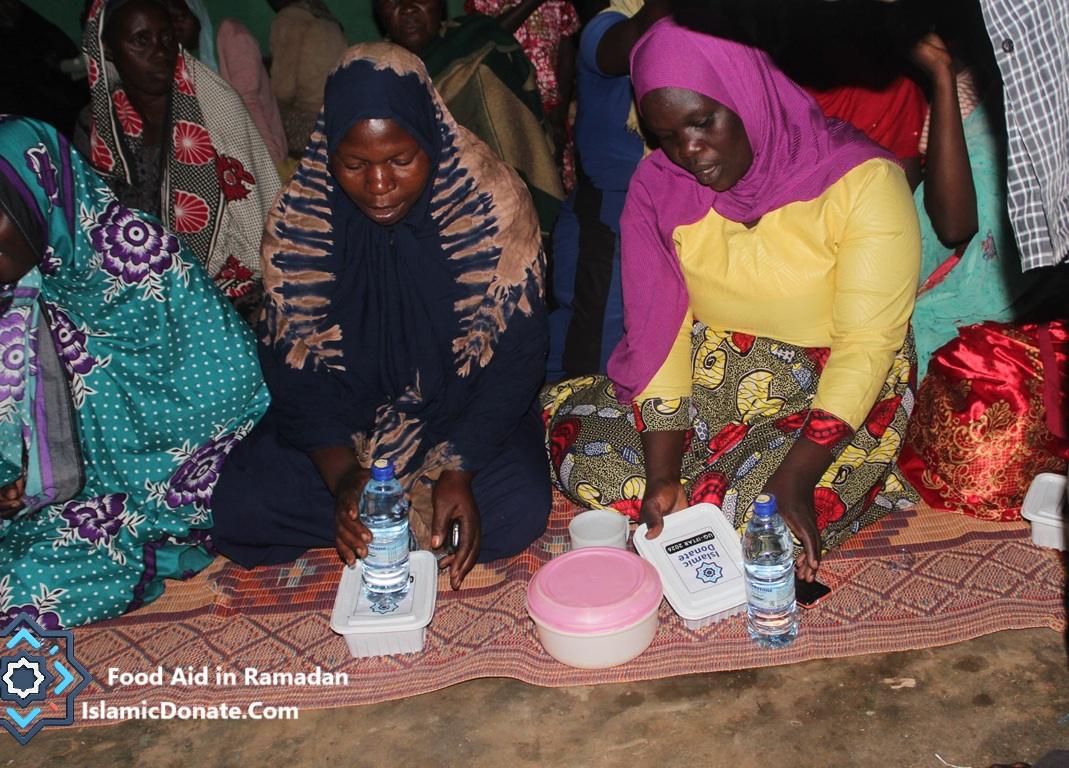
As we reflect on the significance of anonymous charity, let us remember that each of us has a role to play in our community. By giving selflessly, we embody the teachings of our faith and extend a helping hand to those who need it most. The next time you consider making a donation, think of the impact you can have not just on the lives of others, but on your own heart as well. Join us at Islamic Donate Charity as we continue to strive for a world where every act of kindness is a testament to our faith. Your silent giving is as loud as the voices of all the angels who will pray for you and provide food and water for an orphan in a corner of the world.