
The Gift of Clean Water in Islam and Beyond
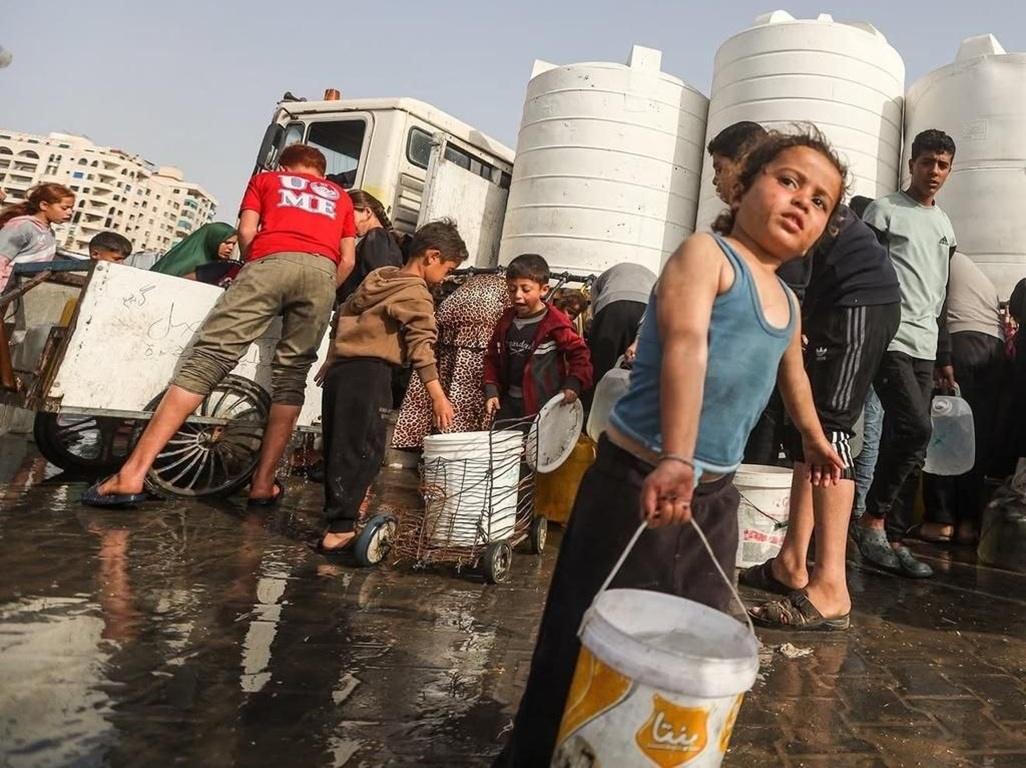
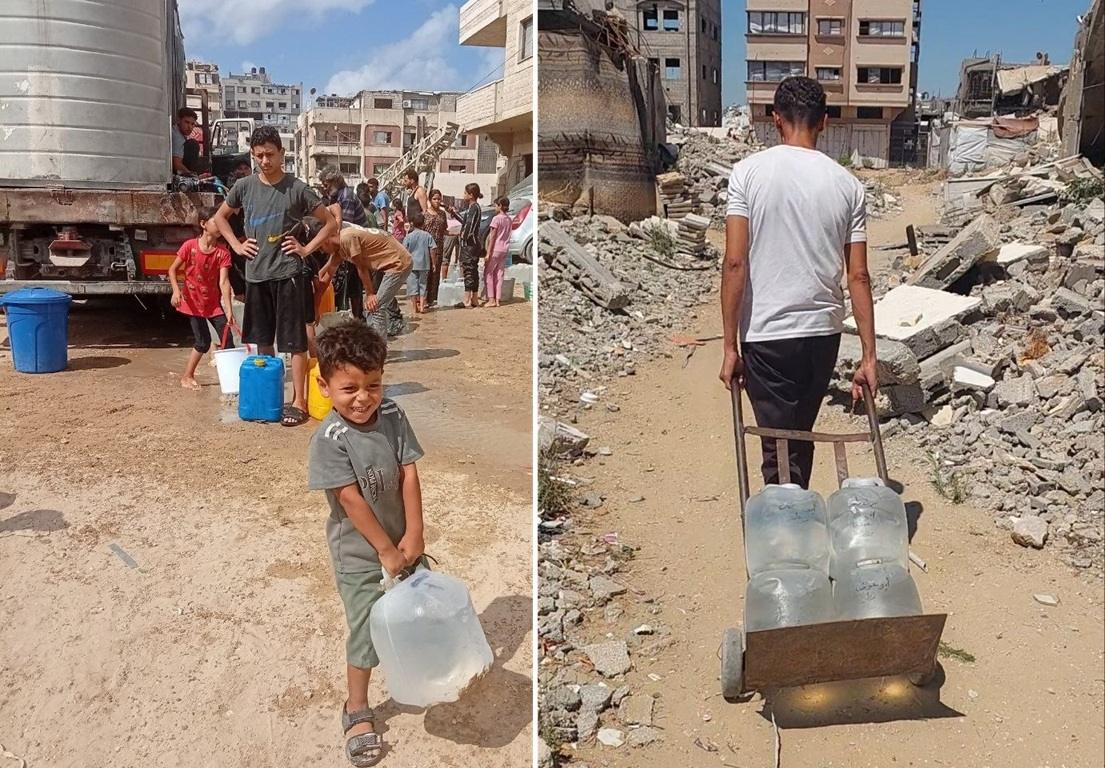
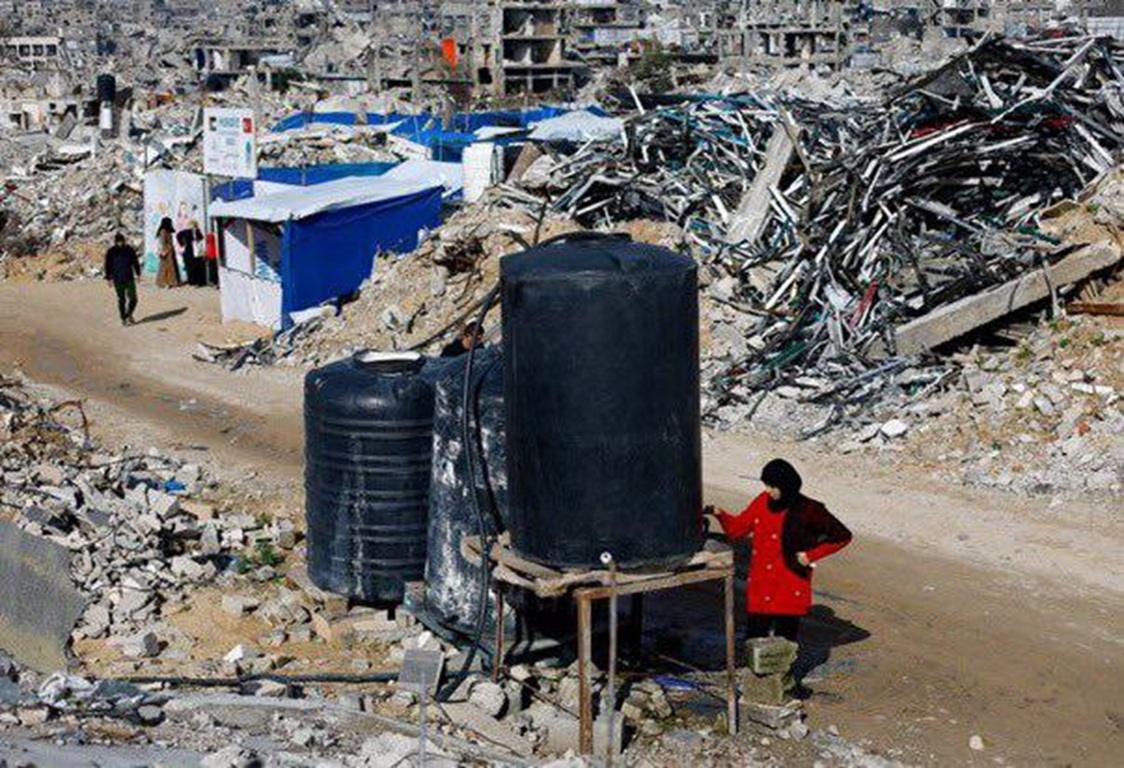
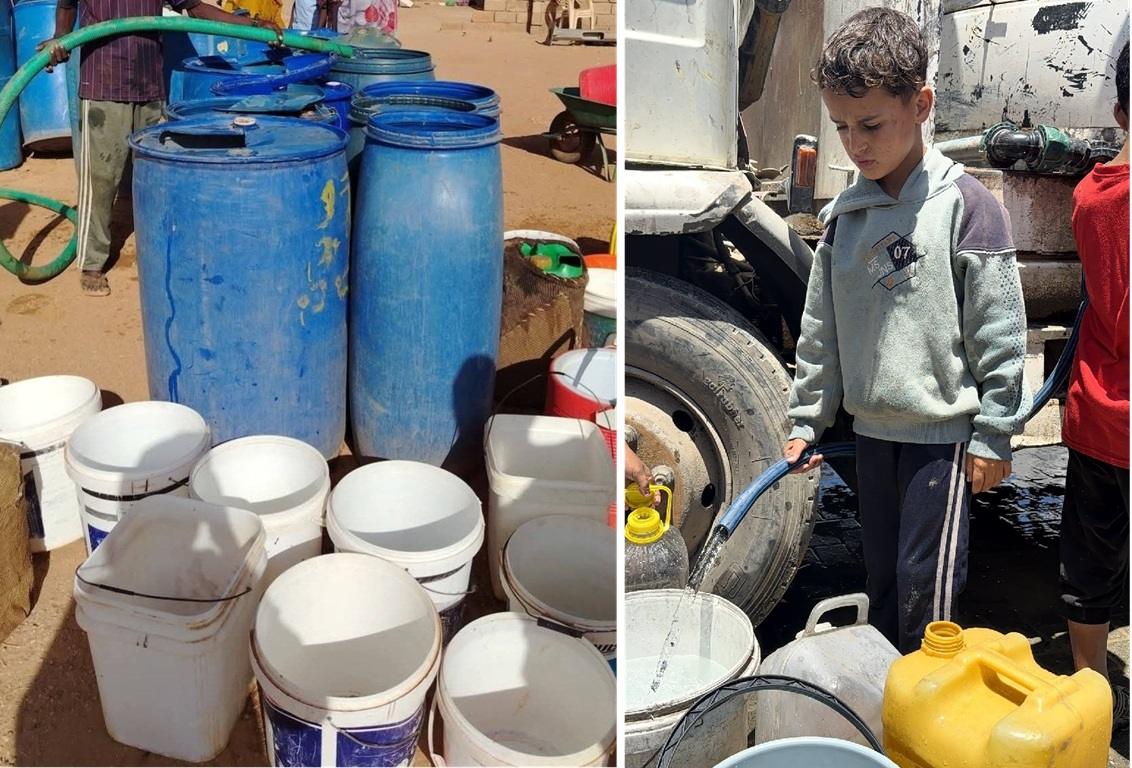
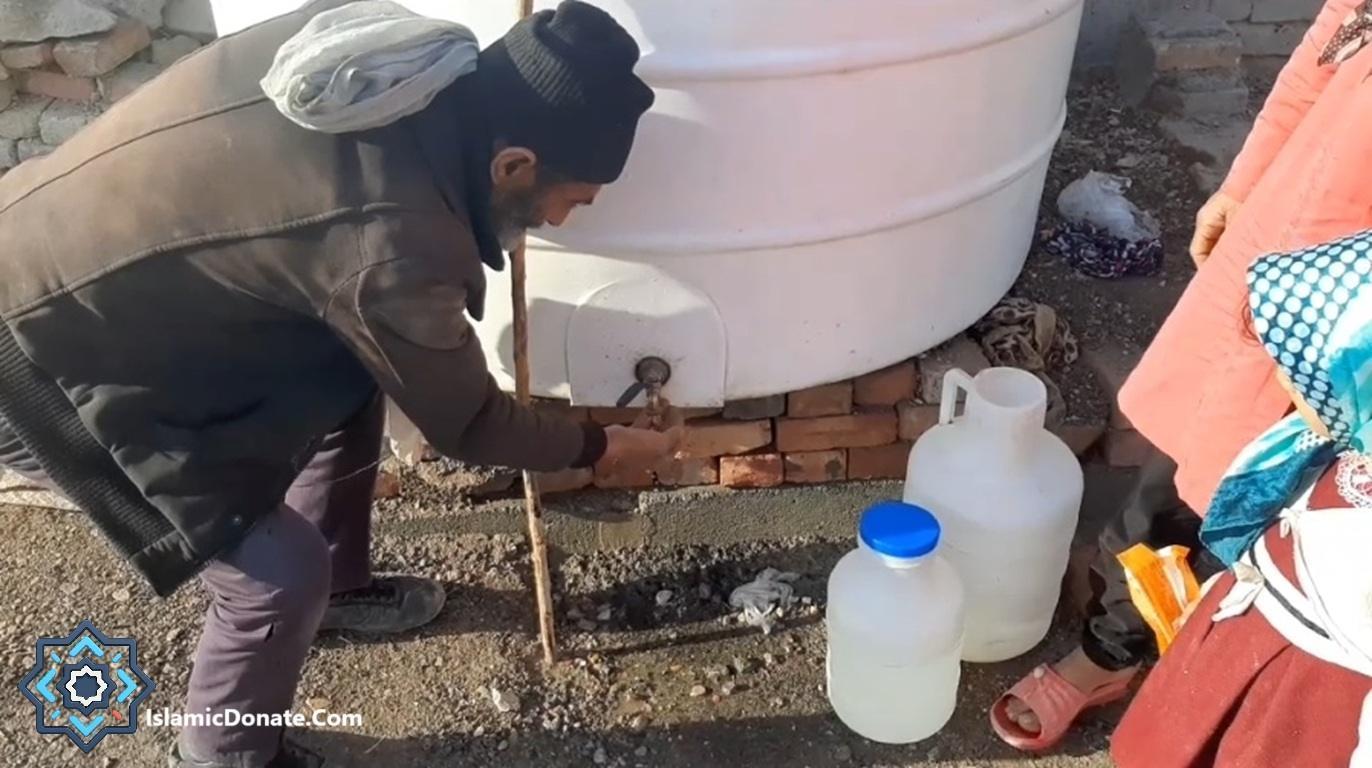
Imagine a world where the simplest act of quenching your thirst becomes a daily struggle. This harsh reality faces millions globally, lacking access to clean drinking water, a fundamental necessity for life itself. In Islam, water holds immense significance, woven into the very fabric of our faith and practices.
The Quran beautifully describes water’s role in creation:
“And We have made from water every living thing. Will they not then believe?” (Quran 21:30).
It’s a source of purification, used for ablution (ritual cleansing) before prayers. Prophetic traditions emphasize its importance, with Prophet Muhammad (ﷺ) narrating:
“I said: ‘O Messenger of Allah, my mother has died; shall I give in charity on her behalf?’ He said: ‘Yes.’ I said: ‘What kind of charity is best?’ He said: ‘Providing drinking water.'” (Sunan an-Nasa’i 3664)
This significance extends beyond religious practice. Clean water is the cornerstone of health and well-being. Medical science highlights its vital role in regulating body temperature, flushing toxins, and ensuring proper organ function. Dehydration can lead to a cascade of health complications, impacting everything from digestion to cognitive function.
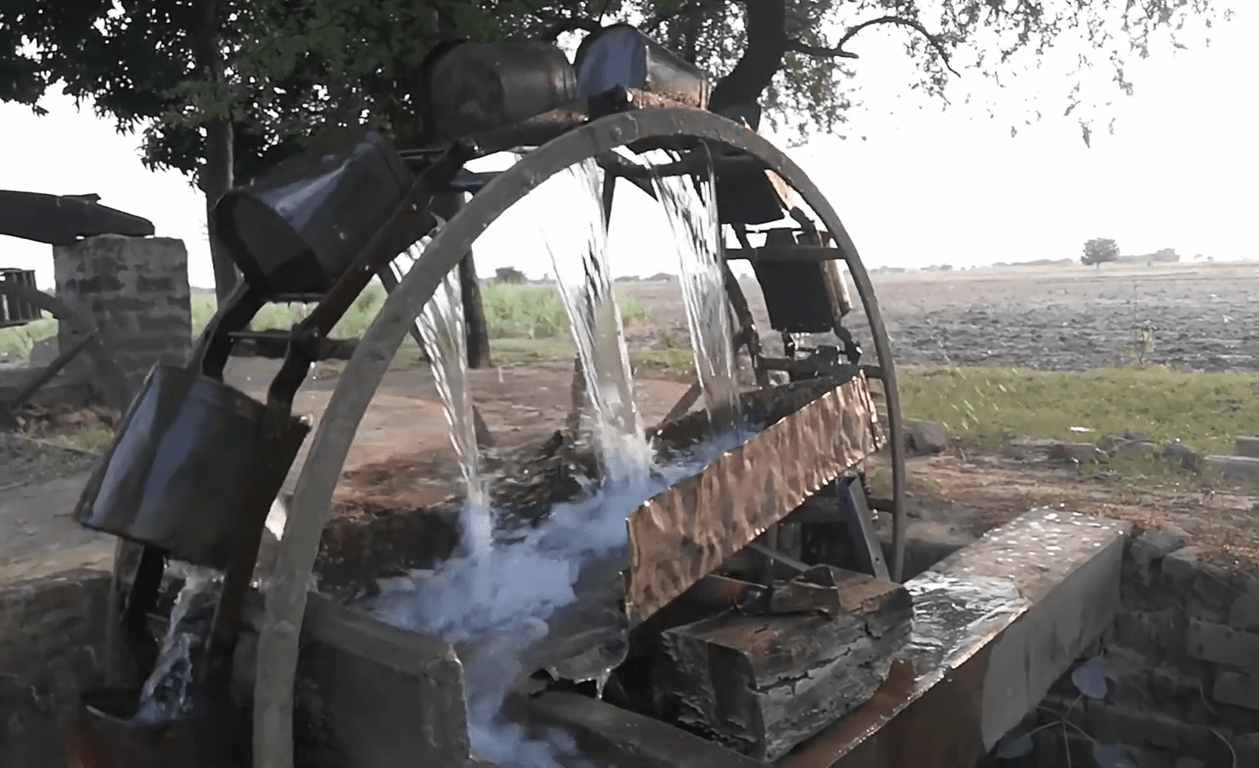
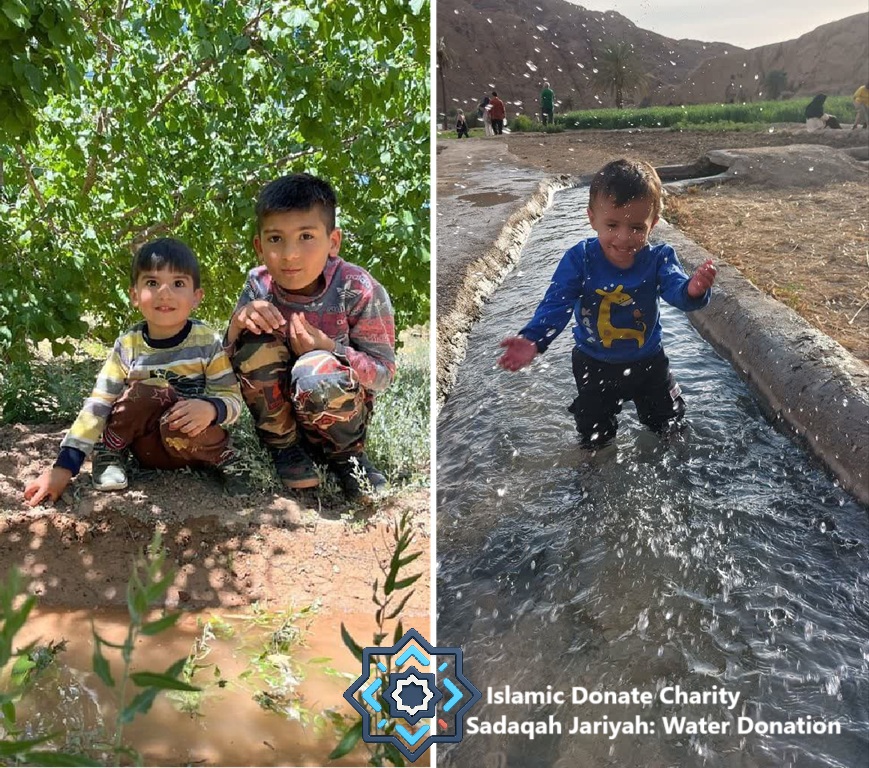
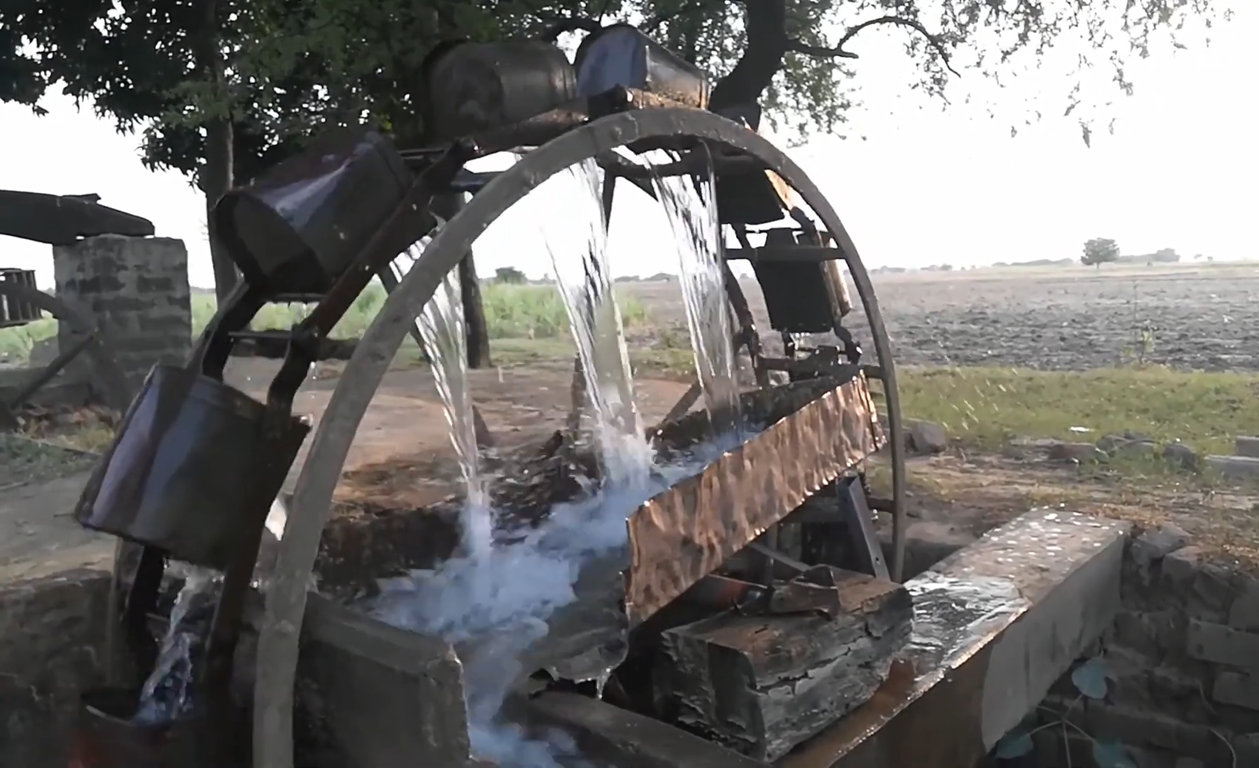
Water is also the lifeblood of agriculture. It nourishes crops, sustains livestock, and underpins food security for entire communities. When access to clean water is limited, agricultural productivity suffers, impacting food availability and potentially leading to malnutrition. Our faith actively encourages providing clean water to those in need. Prophet Muhammad (ﷺ) prayed for rain he said:
“O God, provide water for Thy servants and Thy cattle, display Thy mercy and give life to Thy dead land.” (Mishkat al-Masabih 1506)
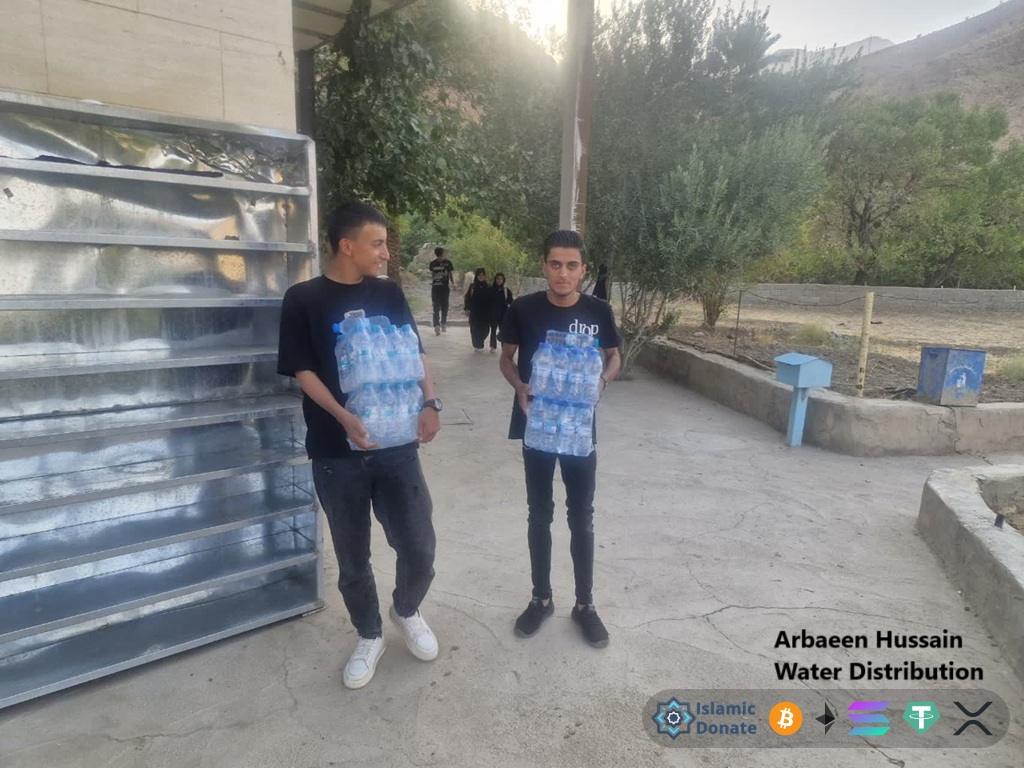
The Prophet prays to Allah for clean water for everyone, and this includes Muslims and all living beings. Among Sadaqah Jariyah (ongoing charity), providing clean water through wells or water filtration systems is a powerful and impactful choice. It offers a continuous stream of rewards in the hereafter, while alleviating immediate suffering and promoting long-term well-being for entire communities. By ensuring access to clean water, we invest in the health, livelihood, and future of those most vulnerable.
The Gift of Clean Water: A Legacy of Compassion
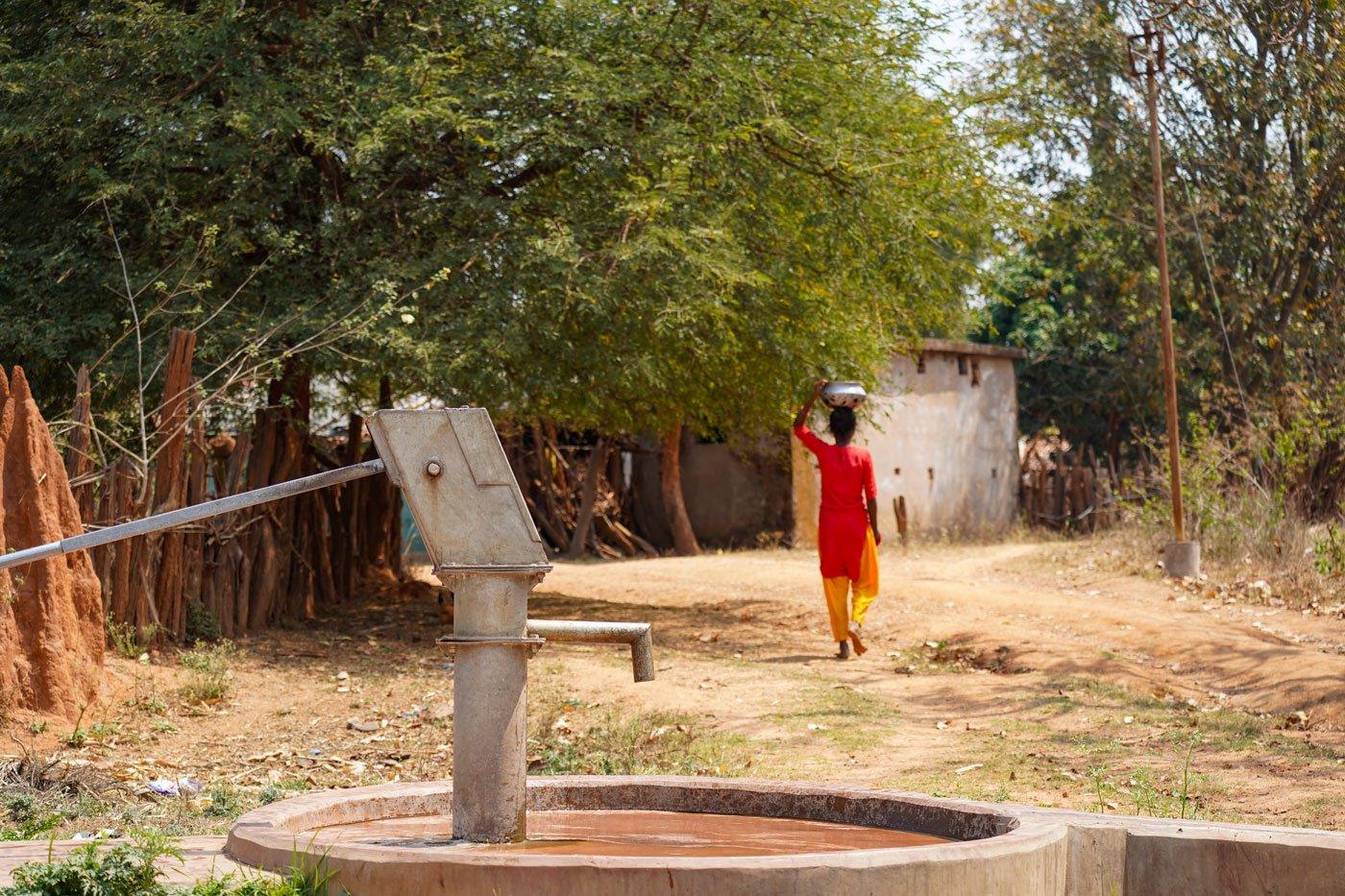
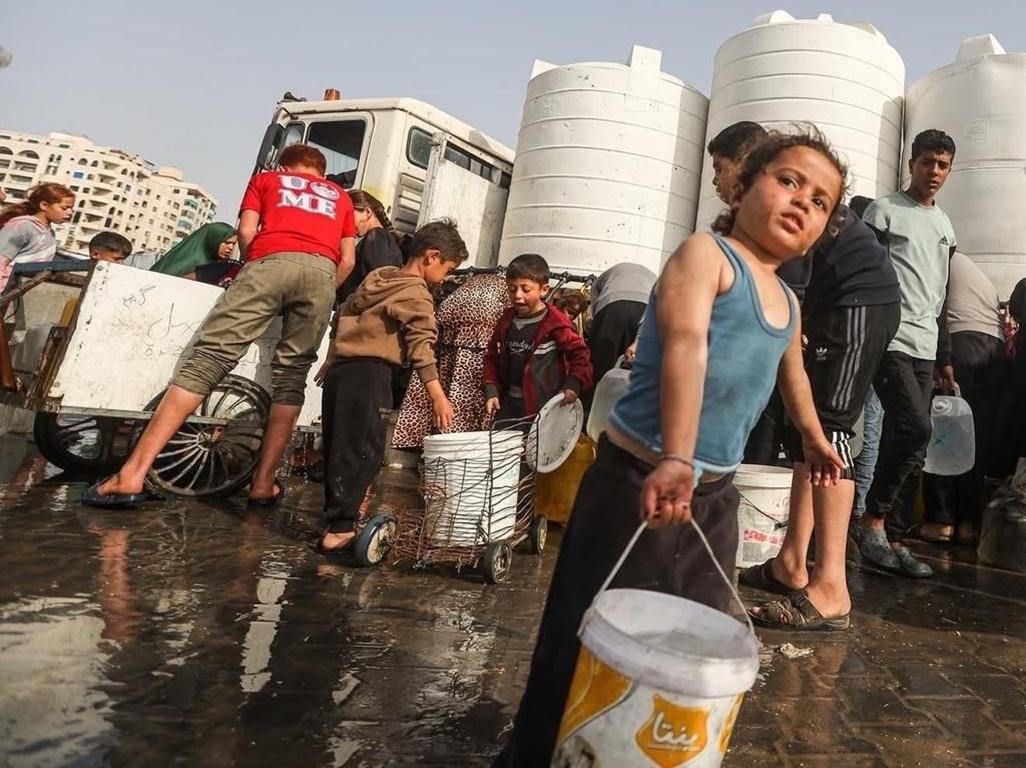
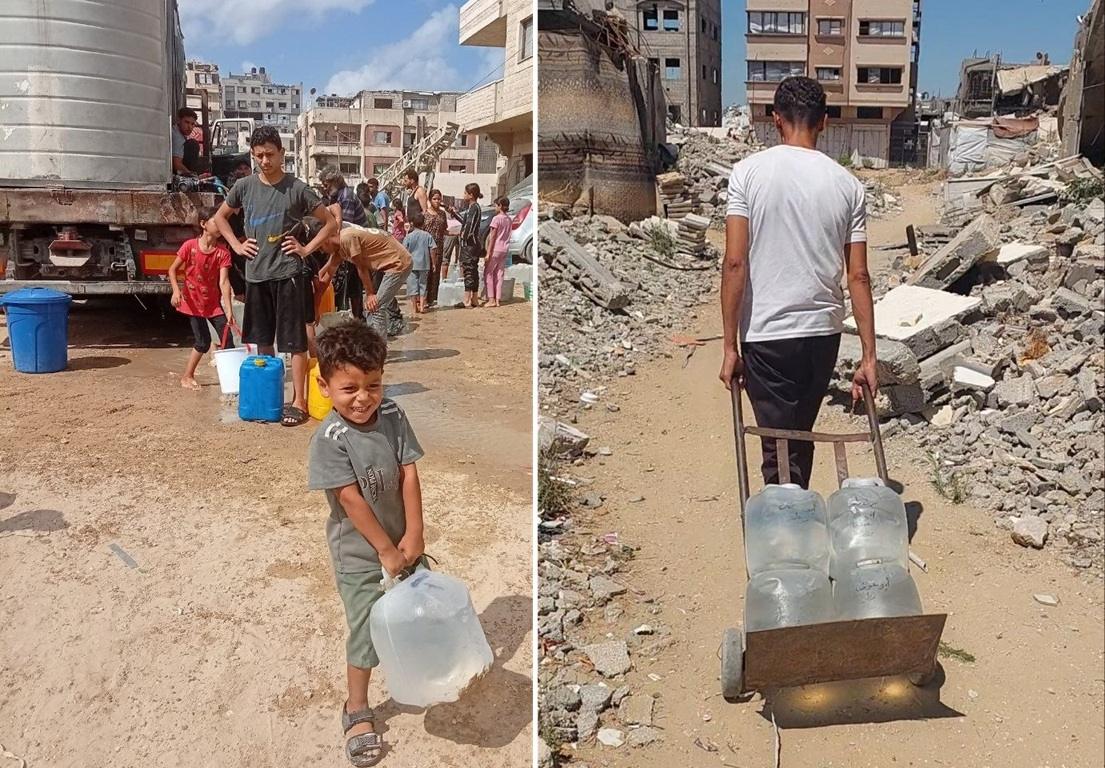
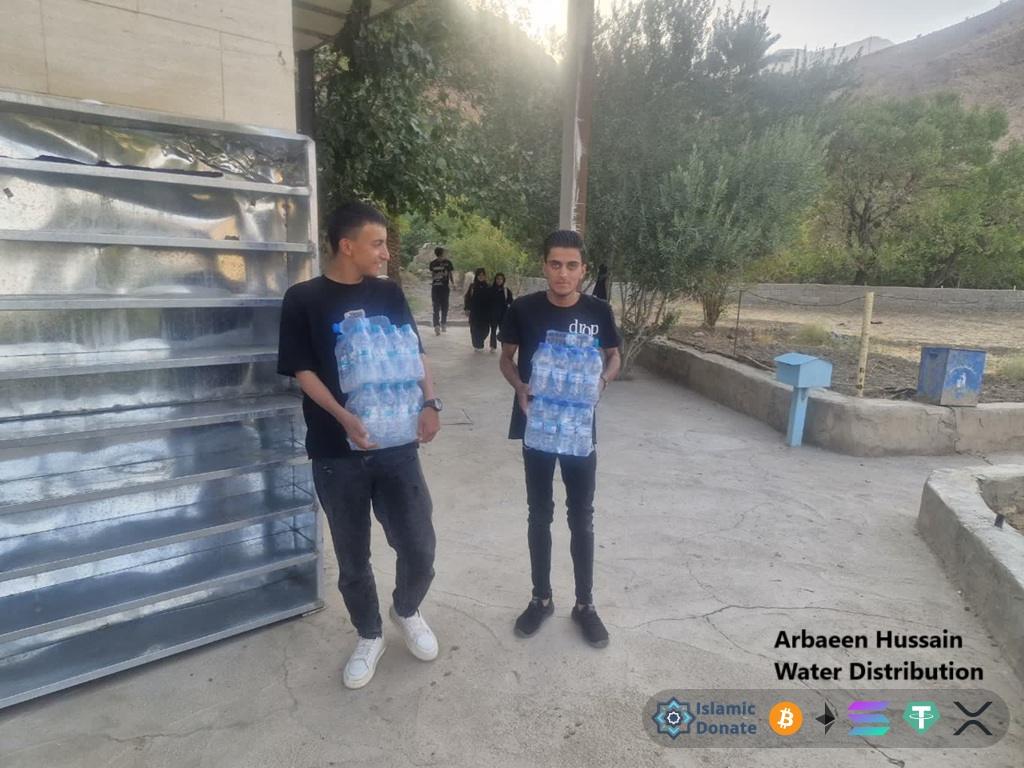
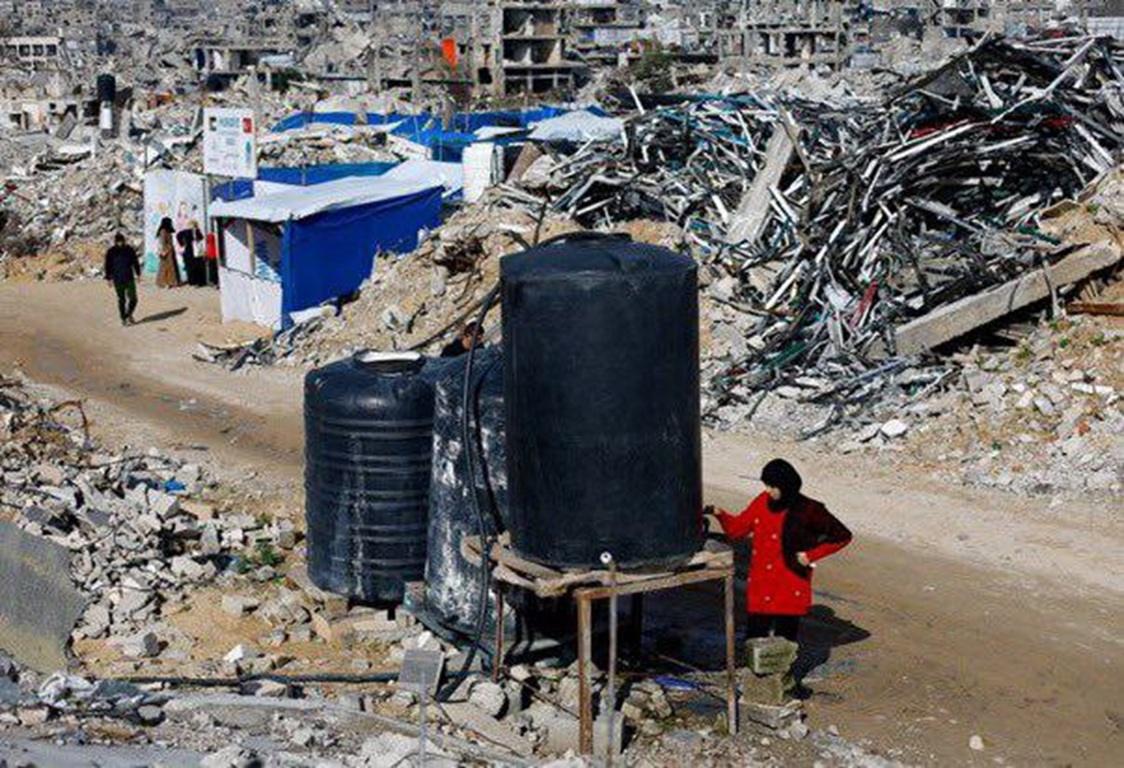
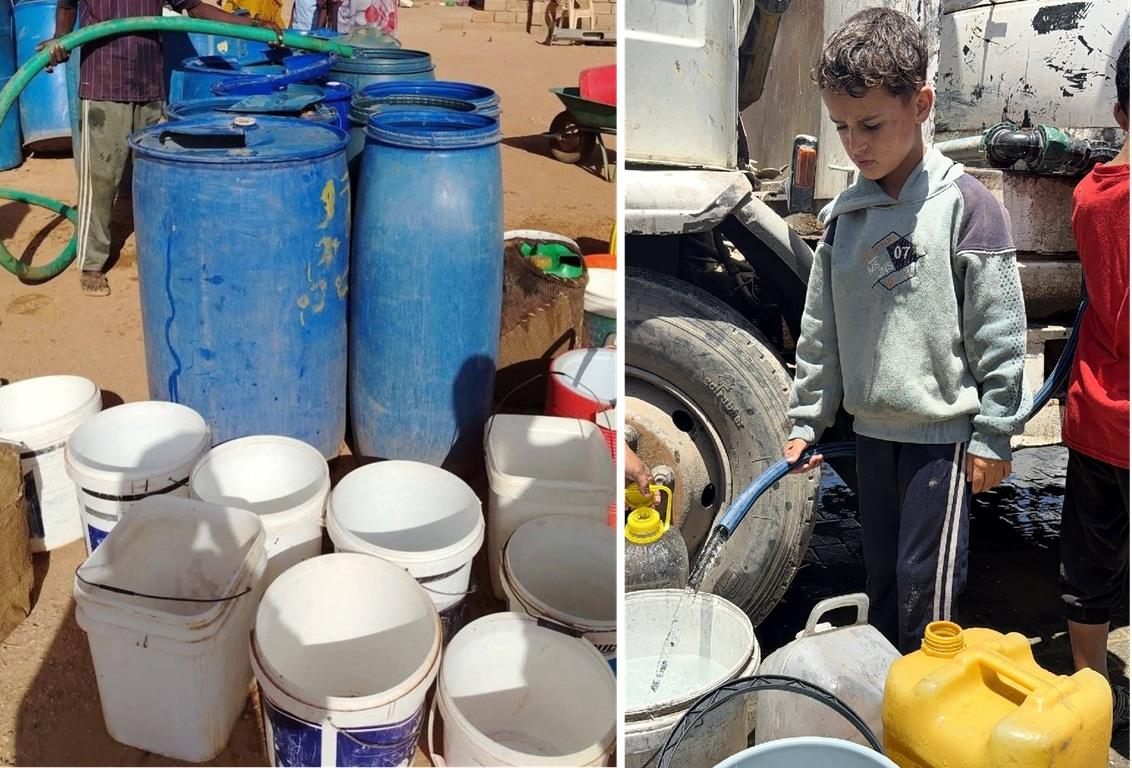
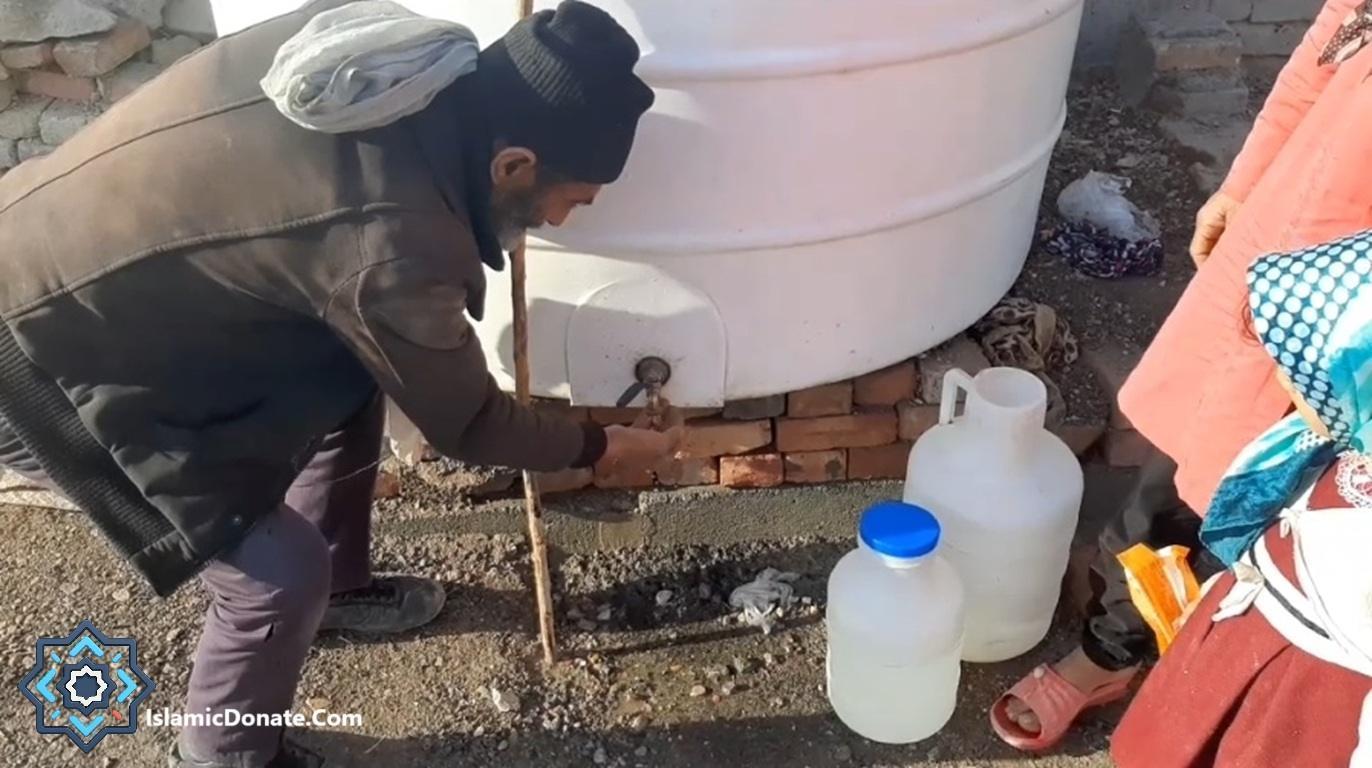
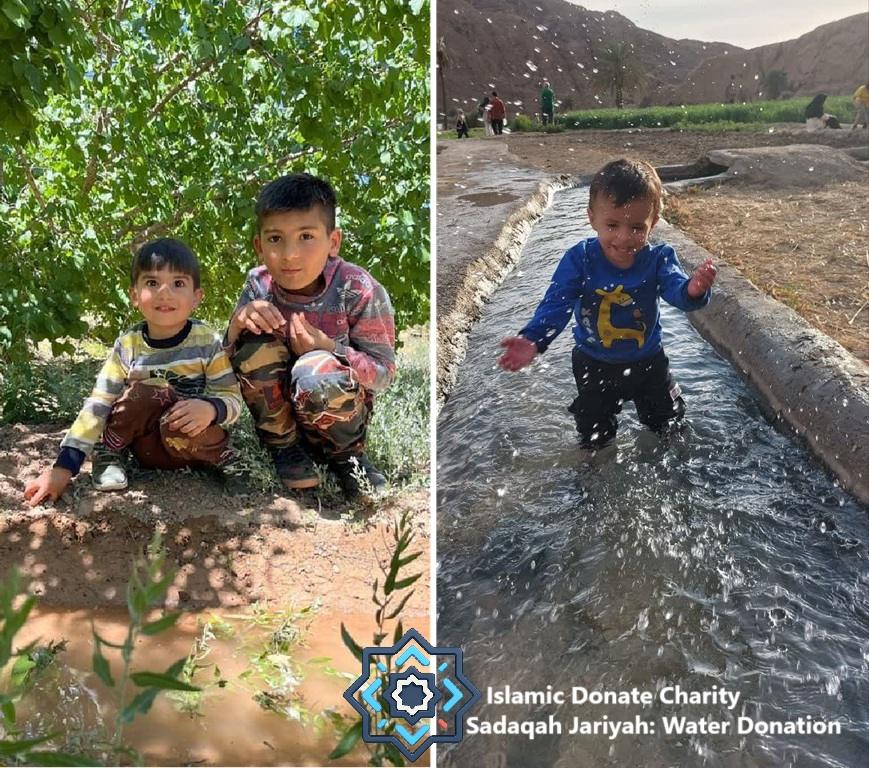
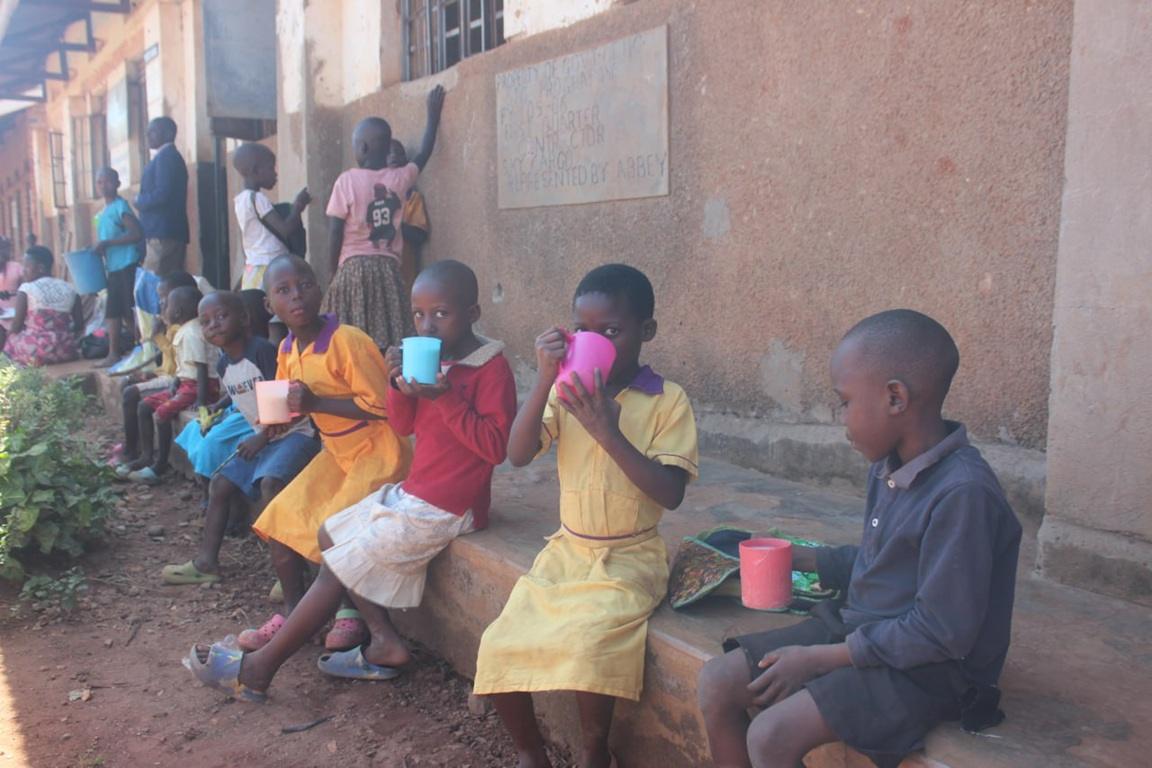
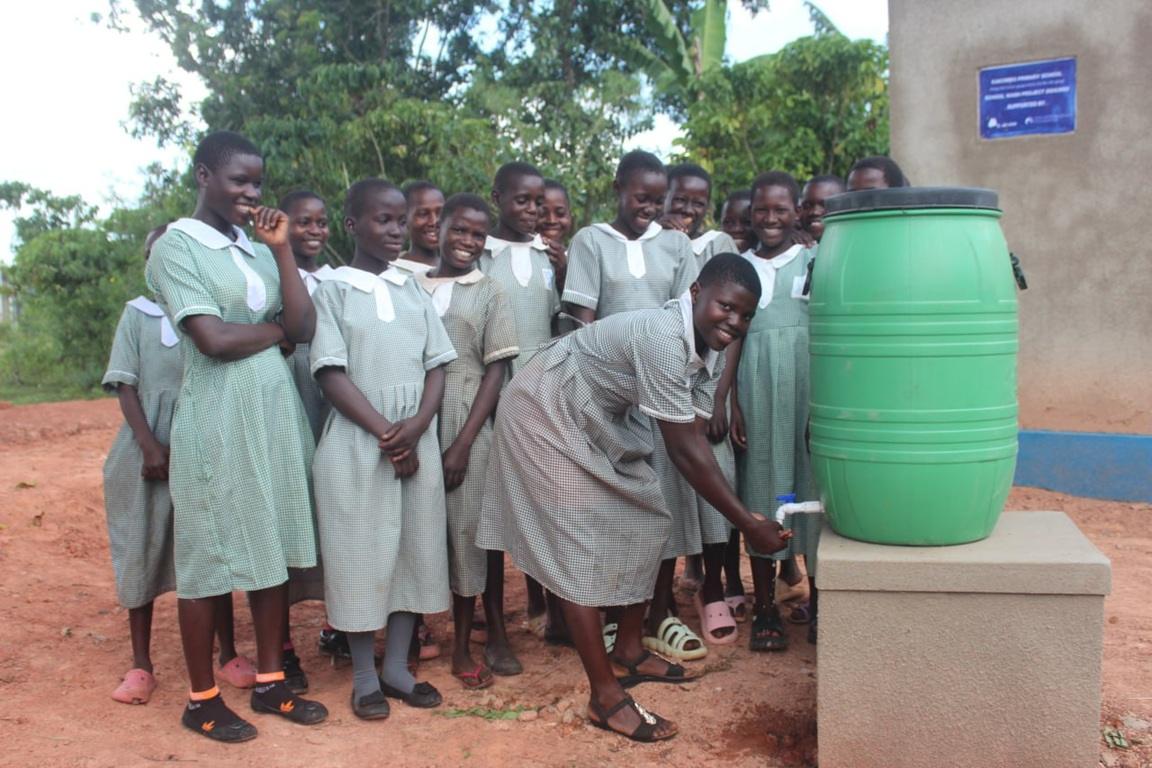
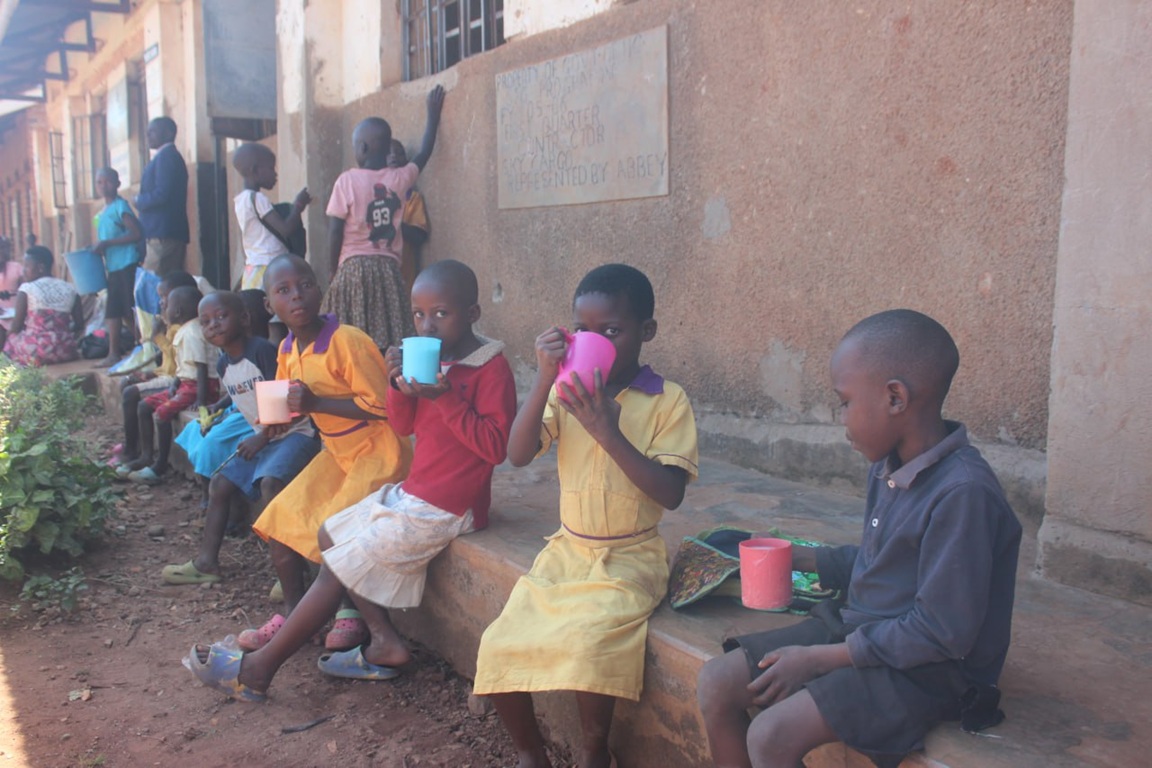
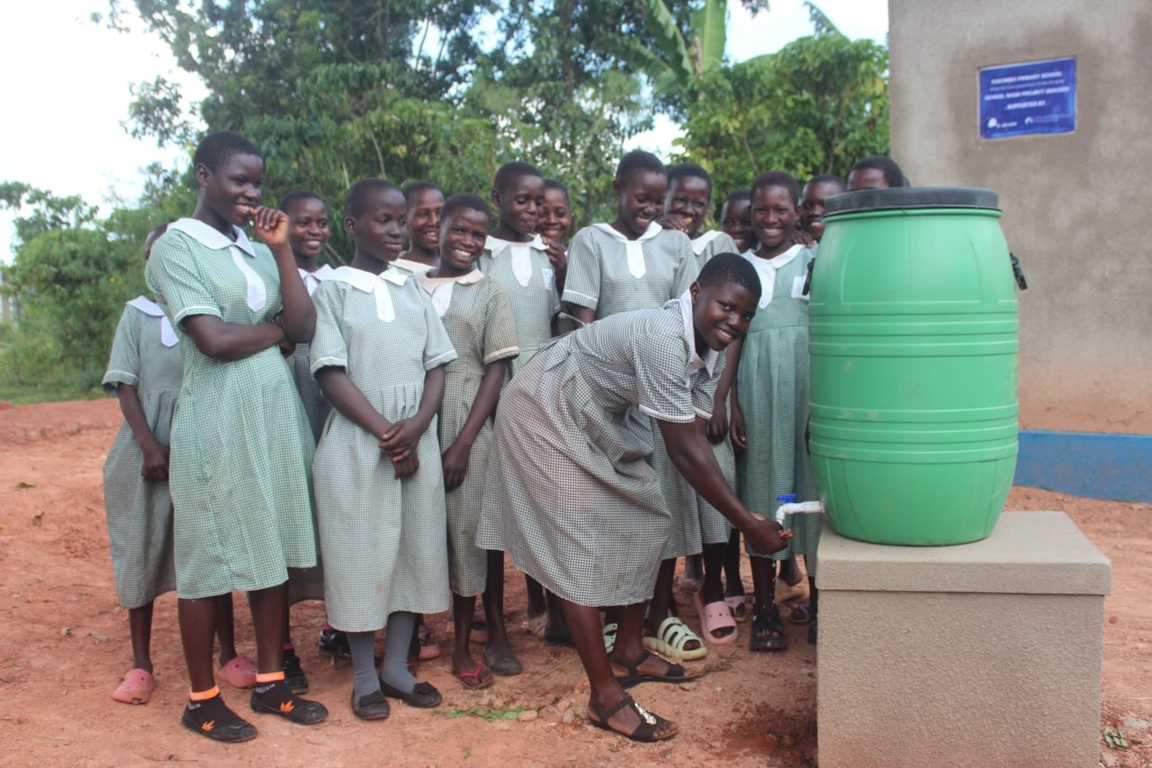
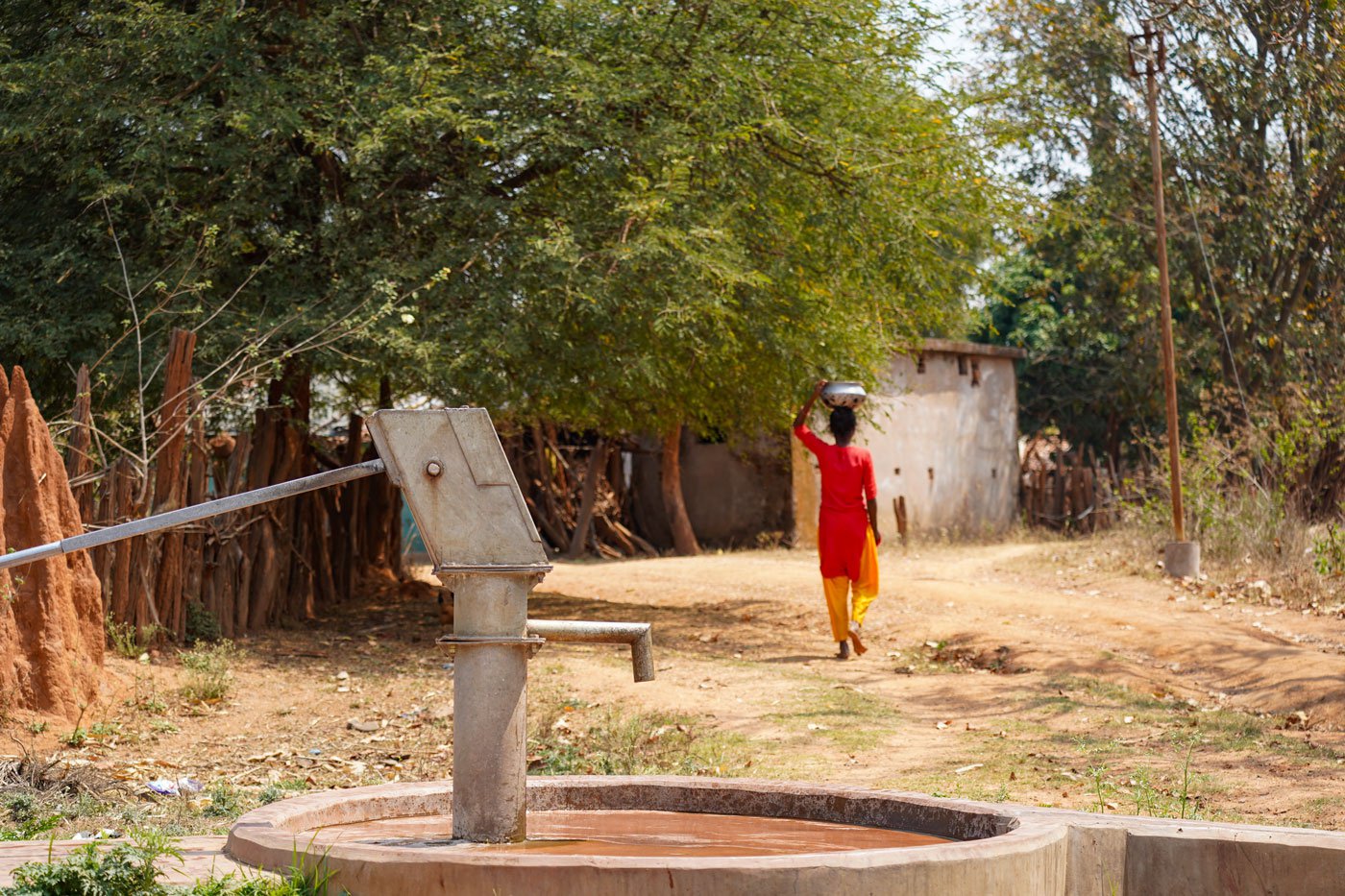
Imagine the impact of your donation. A village well, built through your generosity, becomes a source of life for generations to come. Women and children no longer have to walk for hours to collect water, allowing them to pursue education and income opportunities. The risk of waterborne illnesses diminishes, and overall health improves. This is the power of Sadaqah Jariyah through clean water projects.


Cryptocurrency: A Modern Approach to Sadaqah Jariyah
The Islamic Donate Charity Institution now accepts cryptocurrency to fund sustainable clean water initiatives. Donors can securely and transparently provide Sadaqah Jariyah using Bitcoin, Ethereum, Solana, Tron, Litecoin, Ripple, and over ten stablecoins, including Tether.
We collaborate with local partners to deliver impactful and culturally appropriate water solutions to communities in need. Providing clean water is a vital religious duty that directly builds a healthier and more prosperous future for these communities.
Visit our website to explore our ongoing water projects and make your lasting contribution using either cryptocurrency or traditional payment methods.
Clean Water & Water Well