

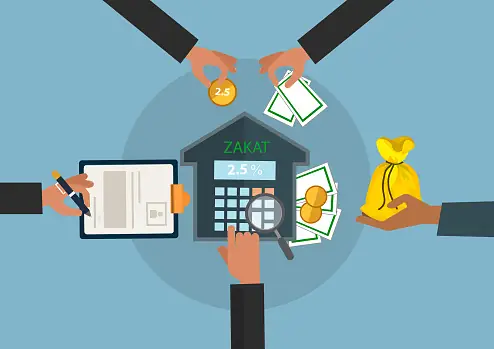
Mastering Your Financial Worship: A Guide to Zakat and Khums Dates
As Muslims, fulfilling our financial obligations – specifically Zakat and Khums – is not merely a transaction; it is a cornerstone of our faith and a profound act of worship. These contributions purify our wealth, circulate blessings (Barakah) within our homes, and provide a lifeline to the most vulnerable in our Ummah.
At Islamic Donate Charity, we often hear the question: “When is the right time to calculate and pay?” While the Sharia allows flexibility, establishing a consistent annual date is crucial for spiritual peace and financial accuracy.
Why Consistency Matters in Zakat Calculation
While the Quran and Sunnah do not mandate a specific calendar date for everyone, setting a personal “Zakat Year” (Hawl) brings immense benefits:
- Spiritual Discipline: It transforms a financial duty into a rhythmic spiritual habit, ensuring you never miss this pillar of Islam.
- Timely Impact: A designated date ensures that funds reach those in need – orphans, widows, and the poor – without delay.
- Organizational Clarity: It simplifies tracking your assets, savings, and investments, preventing calculation errors.
How to Choose Your Calculation Date
Selecting a date that is meaningful to you ensures you will remember it year after year. Here are the most recommended times to reset your Hawl:
1. The Month of Ramadan (Most Popular)
Many Muslims choose the first day or the last ten nights of Ramadan to calculate and pay Zakat. The rewards for good deeds are multiplied significantly during this holy month, making it an ideal time to maximize the spiritual return on your charity.
2. The Islamic New Year (1st of Muharram)
Aligning your financial year with the Hijri calendar represents a fresh start. It is a symbolic way to begin the year with purified wealth.
3. Personal Milestones
Some donors prefer dates with personal significance, such as a birthday, a wedding anniversary, or the 15th of Shaban. Choosing a memorable personal date ensures the obligation never slips your mind.
The Modern Era: Calculating Zakat on Cryptocurrency
With the rise of digital finance, many Muslims now hold wealth in Bitcoin, Ethereum, and other cryptocurrencies. A common question we receive at Islamic Donate Charity is: Does Zakat apply to crypto?
The short answer is yes. Cryptocurrency is treated as a digital asset or currency (Mal). If your crypto holdings – combined with your other Zakatable assets – meet the Nisab threshold and have been held for one lunar year, they are subject to Zakat.
The Rule: You must pay 2.5% of the total market value of your crypto portfolio at the time of your calculation date.
To simplify this complex process, we have developed a specialized tool. You can use our Crypto Zakat Calculator to ensure your digital assets are purified in full compliance with Islamic law.
Understanding the Difference: Zakat vs. Khums
Navigating the rules of financial worship can differ depending on your school of thought (Madhab). It is important to understand which obligations apply to you.
Should I Pay Both Khums and Zakat?
The obligation varies significantly between Sunni and Shia jurisprudence. Below is a simplified breakdown to help you guide your contributions through Islamic Donate Charity.
For Sunni Muslims
Sunni jurisprudence primarily mandates Zakat (2.5% of surplus wealth held for a year).
- Khums: Generally, in Sunni Fiqh, Khums (literally “one-fifth”) applies historically to war booty or specific extracted minerals, not to annual surplus income. Therefore, for standard annual charity, Sunni Muslims focus on Zakat and Sadaqah.
For Shia Muslims
Shia jurisprudence mandates both Khums and Zakat, though they apply to different types of wealth.
- Khums: This is a major obligation consisting of paying 20% (one-fifth) of the surplus annual income (net savings) after all legitimate household and business expenses have been deducted.
- Zakat: For Shia Muslims, Zakat is typically levied on specific categories of goods (such as cattle, crops, gold, and silver) rather than general cash savings, though rulings can vary by Marja (religious authority).
| Obligation | Sunni Perspective | Shia Perspective |
|---|---|---|
| Zakat | Obligatory (One of the 5 Pillars) on accumulated wealth. | Obligatory, but specific to certain categories of assets (gold, silver, livestock, crops). |
| Khums | Generally Not Applicable to annual savings. | Obligatory (20% of annual surplus income/savings). |
Purify Your Wealth, Elevate Your Soul
Whether you are calculating Zakat on gold, cash, or cryptocurrency, or fulfilling your Khums obligation, the intention (Niyyah) is what matters most. By choosing Islamic Donate Charity, you ensure that your contributions are handled with trust (Amanah) and delivered to those who need them most.
Do you have questions about your calculation? If you are unsure about the math or the jurisprudence, our team is here to help. Please visit our “Contact Us“ page for guidance, or use our automated calculators today.
May Allah accept your charity and increase your provision.