
What is Mpox (Monkeypox)?
Mpox (formerly known as monkeypox) is a viral zoonotic disease that manifests as a painful rash, swollen lymph nodes, and fever. To prevent transmission, avoid skin-to-skin contact with infected individuals or animals and practice rigorous hand hygiene. If you suspect exposure or display symptoms, isolate immediately and consult a healthcare provider. Vaccination remains the most effective method for containment in high-risk communities.
The Silent Crisis: Why We Must Act Now
Imagine facing a painful, isolating illness without access to basic medication or clean water. For many in vulnerable communities, the recent declared global health emergency regarding Mpox is not just a headline; it is a terrifying reality.
While the virus often causes flu-like symptoms and rashes in healthy individuals, it can be devastating for those with limited access to healthcare. The World Health Organization has sounded the alarm, but warnings alone do not cure diseases. Action does.
As a community bound by compassion, we have a unique opportunity to turn the tide. By combining the spirit of giving (Sadaqah) with the speed of modern technology, we can deploy aid before the virus spreads further.
Understanding the Enemy: What is Mpox?
Mpox is a viral infection similar to smallpox but generally less severe. While it was originally discovered in Africa, the virus respects no borders. Cases have surged globally, affecting Asia, Europe, and the Middle East, necessitating a unified human response.
Recognizing the Symptoms
Early detection is vital for preventing community spread. Symptoms typically manifest 3 to 21 days after exposure. Primary symptoms include:
- Fever and chills
- Intense headaches
- Muscle aches and back pain
- Swollen lymph nodes (a distinguishing feature)
- Exhaustion and fatigue
The Visible Tell: The Rash
A rash usually develops shortly after the fever. It often begins on the face before spreading to the hands, feet, and other body parts. The rash evolves through distinct, painful stages:
- Flat spots (Macules)
- Raised bumps (Papules)
- Fluid-filled blisters (Vesicles)
- Pus-filled blisters (Pustules)
- Scabs (The person remains contagious until scabs fall off and new skin forms).
How Spreading Occurs
Understanding transmission is key to protection. The virus does not travel through magic; it travels through contact.
- Direct Contact: Touching the rash, scabs, or body fluids of an infected person.
- Respiratory Secretions: Prolonged face-to-face interaction or intimate contact.
- Contaminated Items: Touching bedding, towels, or clothing used by an infected person.
- Zoonotic Transmission: Bites or scratches from infected animals, or processing bushmeat.
Immediate Steps: What Should You Do?
If you or a loved one exhibit symptoms, panic is not the answer. Follow this protocol:
- Isolate: Stay away from others to break the chain of transmission.
- Consult: Contact a healthcare provider immediately for testing.
- Hygiene: Wash hands frequently and wear a mask if you must be around others.
Medical Treatment and Recovery
Most individuals recover within a few weeks with supportive care. However, “supportive care” is a luxury in adhering to impoverished regions.
- Symptom Management: Using analgesics for pain and fever.
- Wound Care: Keeping the rash clean and dry to prevent secondary bacterial infections.
- Antivirals: In severe cases, antiviral medications developed for smallpox may be utilized.
Our Strategic Response: Fighting Mpox on the Frontlines
We are not just observers; we are active participants in global health security. Your support allows us to execute a three-pillared strategy to combat this outbreak.
- Mass Vaccination Campaigns
Prevention is superior to cure. Vaccines originally developed for smallpox are highly effective against Mpox. Your contribution helps us procure and transport strict temperature-controlled vaccines to remote areas that traditional aid often overlooks. - Hygiene and Sanitation Education
Knowledge saves lives. We effectuate community-led workshops that teach proper handwashing and sanitation. By breaking the chain of transmission at the source, we reduce the burden on local hospitals. - Healthcare Worker Training
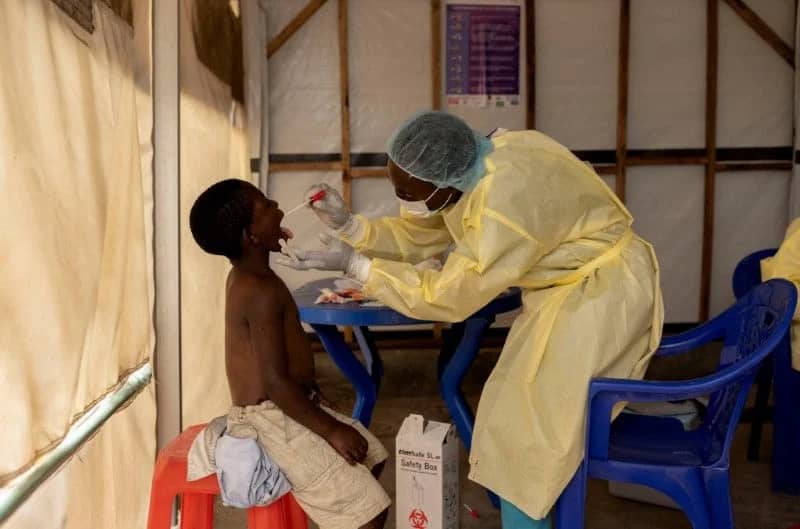
Doctors and nurses in underserved regions are the first line of defense. We provide them with the training and PPE (Personal Protective Equipment) necessary to treat patients safely without becoming victims themselves.
Why Your Crypto Donation Makes a Bigger Impact
In a rapidly spreading health crisis, speed is everything. Traditional banking systems can take days to clear international transfers, and intermediaries often take a cut of the funds. Cryptocurrency changes the game.
When you donate Bitcoin, Ethereum, or other digital assets, you act as a modern philanthropist.
- Immediate Deployment: Blockchain transactions settle in minutes, meaning your aid reaches the field faster.
- Radical Transparency: The blockchain provides an immutable record. You can trust that your funds are being used for their intended purpose.
- Global Reach: Crypto knows no borders. We can send funds to agents in affected zones without the friction of currency exchange rates or banking delays.
- Tax Efficiency: In many jurisdictions, donating crypto is a non-taxable event, meaning the charity receives the full value of your asset, and you may receive a deduction.
The Spirit of Giving: Sadaqah and Humanitarian Aid
Whether you are motivated by the Islamic principle of Sadaqah (voluntary charity) to purify your wealth, or driven by a secular desire to heal the world, the result is the same: saved lives.
We believe that every human being deserves access to healthcare, regardless of their geography or economic status. By leveraging the power of Web3 technology, we are building a bridge between the fortunate and the needy.
Be the Cure. Make an Impact.
Convert Crypto to Life-Saving Vaccines Here.
The outbreak is moving fast, but we can move faster. Your digital assets have real-world power. Do not let your crypto sit idle when it could be purchasing vaccines, soap, and medicine for a child in need today.