

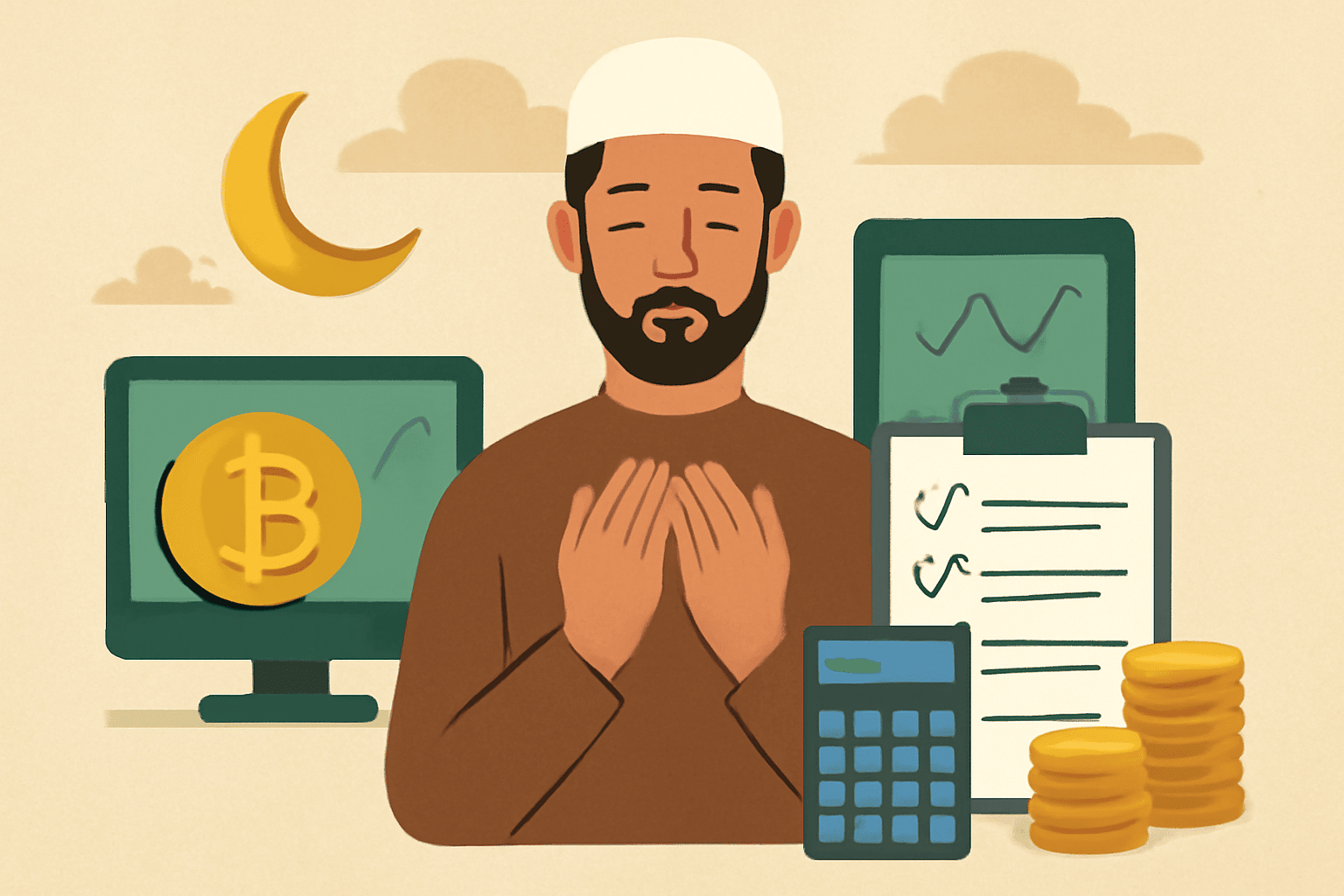
What is Zakat? (The Definition)
Zakat is a mandatory charitable contribution and one of the Five Pillars of Islam, requiring eligible Muslims to donate generally 2.5% of their qualifying wealth annually. It serves as a spiritual purification of assets and a vital social safety net to support the poor, orphans, and those in need.
The Spiritual Weight of Wealth: Why Zakat Matters
Imagine a community where no one sleeps hungry and every child has access to education. This is not just a dream; it is the ultimate goal of Zakat.
In today’s fast-paced world, it is easy to become attached to our financial achievements. However, holding onto wealth without purification acts as a spiritual burden. You may feel that despite your earnings, there is a lack of “Barakah” (blessing) in your life.
Millions of people struggle for basic necessities like food and shelter, while vast amounts of capital sit idle in bank accounts or digital wallets. In Islam, hoarding wealth while neighbors starve is considered a grave spiritual disease. Failing to pay Zakat does not just hurt the poor; it endangers the spiritual well-being of the wealthy.
It is more than a tax; it is a bridge of compassion. By giving a small portion of your wealth, you cleanse the remainder, ensuring your assets grow with divine blessing while saving lives.
Understanding the Obligation
Zakat is not optional charity; it is a divine command. It is the belief that true wealth belongs to Allah, and we are merely trustees. When you meet the Nisab (the minimum amount of wealth a Muslim must possess for a full lunar year before Zakat becomes due), you become a key player in the fight against poverty.
While the percentage varies slightly based on different assets, the general consensus among Islamic scholars is that 2.5% of your net savings and qualifying assets must be distributed.
To calculate your exact contribution instantly using our specialist tool, visit the Crypto Zakat Calculator here.
Who Receives Your Zakat?
Zakat is strictly regulated regarding who can receive it. It is designed to empower the most vulnerable. Your donation directly impacts:
- The Poor (Al-Fuqara): Those with no assets or income.
- The Needy (Al-Masakin): Those whose earnings do not cover basic needs.
- Orphans and Widows: Vulnerable individuals without family support.
- Those in Debt: People physically crushed by financial liabilities.
By paying Zakat, you are not just giving money; you are restoring dignity and promoting social justice (Adl) within the community.
Zakat vs. Sadaqa: What is the Difference?
It is vital to distinguish between these two forms of giving:
- Zakat is mandatory. If you meet the criteria and do not pay, it is considered a sin with serious spiritual consequences in this life and the afterlife.
- Sadaqa is voluntary charity. It acts as extra “spiritual credit.”
While Sadaqa is beautiful and encouraged, it cannot replace the obligation of Zakat. Zakat is the foundation; Sadaqa is the building you construct upon it.
The Two Main Types of Zakat
To fulfill your duty, you must understand the categories:
- Zakat al-Mal: This is the standard levy on wealth (savings, gold, silver, investments, and crypto) held for a year.
- Zakat al-Fitr: A small, specific contribution paid during the month of Ramadan before the Eid prayers, ensuring everyone can celebrate the festival with food on the table.
Why Your “Crypto Zakat” Makes a Bigger Impact
As a modern philanthropist, you understand the value of efficiency. The traditional banking system can be slow, expensive, and opaque. This is where Blockchain Philanthropy changes the game. When you choose to pay your Zakat using cryptocurrency, you are unlocking a new level of impact:
- 100% Transparency: Blockchain technology allows for immutable tracking. You know exactly where your funds are going. This builds the ultimate trust required for religious obligations.
- Speed of Aid: Crisis zones often have broken banking infrastructure. Crypto transfers are near-instant, meaning your Zakat reaches the hungry much faster than wire transfers.
- Lower Fees: Traditional banks take a cut for international transfers. Crypto eliminates these intermediaries, meaning more of your Zakat goes directly to the poor rather than administrative fees.
By donating digital assets, you are purifying your modern portfolio while utilizing the most advanced technology for social good.
Trust and Transparency
We believe that every Satoshi and every cent must be accounted for. Donors should verify how their funds are utilized by checking our. We ensure that your Zakat is distributed according to strict Sharia guidelines, ensuring your religious obligation is fulfilled with excellence.
What happens if I do not pay Zakat?
Zakat is a mandatory religious obligation for eligible Muslims. In Islam, failure to pay Zakat when one meets the Nisab threshold is considered a major sin. Spiritually, it is believed to withhold blessings from one’s wealth. Practically, withholding Zakat deprives the poor and needy of their rights to community support.
Can I pay Zakat with Cryptocurrency?
Yes, many Islamic scholars agree that cryptocurrencies are mal (wealth) and therefore Zakat is due on them if they reach the Nisab threshold. Furthermore, paying Zakat directly in crypto is highly effective as it reduces transaction fees and increases transaction speed, ensuring aid reaches recipients faster.
How do I calculate 2.5% Zakat on my savings?
To calculate Zakat, you must first determine if your total net assets (cash, gold, silver, investments, crypto) exceed the Nisab threshold for a full lunar year. If they do, you deduct your immediate debts and liabilities. You then pay 2.5% of the remaining total. Using a dedicated Zakat calculator is recommended to ensure accuracy.
Zakat Calculator
Transform Lives and Purify Your Wealth Today
The act of giving Zakat purifies your heart from greed and your wealth from impurity. It transforms you from a consumer into a contributor.
Do not let your wealth sit idle while others suffer. The calculation is simple, but the impact is eternal. Whether you hold Bitcoin, Ethereum, or Fiat, your contribution has the power to feed a family, clothe a child, and bring light to a dark situation.
Ready to fulfill your obligation?
Convert Crypto to Real Smiles