
Cryptocurrency

Understanding Zakat al-Fitr (Fitrana)

Zakat al-Fitra is an obligatory charity that Muslims are required to pay during the month of Ramadan. Traditionally, it has been given in the form of staple food items, but with the rise of cryptocurrencies, Muslims are now able to pay Zakat al-Fitra with this new form of currency.

Cryptocurrencies, such as Bitcoin, Ethereum, and others, are digital currencies that operate on a decentralized platform known as blockchain technology. They have gained popularity among Muslims as a means of payment for Zakat al-Fitra, as they provide a convenient and transparent way to contribute to charitable causes.

Paying Zakat al-Fitra with cryptocurrency requires Muslims to choose a reputable Zakat organization or religious authority and send the cryptocurrency amount to their digital wallet address. This ensures that the Zakat al-Fitra contribution is delivered directly to the intended recipient and can be tracked every step of the way.

One of the advantages of paying Zakat al-Fitra with cryptocurrency is the transparency of the transaction. The blockchain technology used in cryptocurrencies allows for every transaction to be recorded and verified, providing a level of transparency and accountability that is not possible with traditional forms of payment. This ensures that the Zakat al-Fitra contribution is delivered directly to the intended recipient and can be tracked every step of the way.

Another advantage of paying Zakat al-Fitra with cryptocurrency is the convenience it provides. With cryptocurrencies, Muslims can contribute to Zakat al-Fitra from anywhere in the world at any time, without the need for a third-party intermediary or a physical presence. This makes it easier for Muslims to fulfill their religious obligations and contribute to the betterment of their community.

It is important to note that the use of cryptocurrencies for Zakat al-Fitra is a relatively new concept and requires careful consideration of the Shariah guidelines for Zakat. Some scholars have raised concerns about the volatility and speculative nature of cryptocurrencies, which could potentially affect the value of the Zakat contribution. As such, it is important for Muslims to consult with their religious authorities before paying Zakat al-Fitra with cryptocurrency.

Zakat vs. Zakat al-Fitr: Understanding the Key Differences and Similarities

Both Zakat and Zakat al-Fitr are forms of Wajib(Obligatory) charity in Islam, yet they serve different purposes and have distinct rules.

Zakat is an annual pillar of Islam, required from eligible Muslims who meet the Nisab (minimum wealth threshold). It is 2.5% of savings and assets and can be distributed throughout the year to the poor, needy, and other eligible recipients.

For more information or to give Zakat, click here.

For more information about calculating Zakat with a Zakat calculator, click here.

In contrast, Zakat al-Fitr is a mandatory charity given at the end of Ramadan, meant to purify the fast and ensure that the less fortunate can celebrate Eid without hardship. Unlike regular Zakat, which is calculated based on wealth, Zakat al-Fitr is a fixed amount, typically given in food or its monetary equivalent before Eid prayer.

Zakat and Zakat al-Fitr, Both acts of charity aim to uplift the poor and strengthen the bonds of the Muslim community, emphasizing generosity, compassion, and social justice.

In conclusion, paying Zakat al-Fitra with cryptocurrency is an innovative and convenient way for Muslims to fulfill their religious obligations and contribute to charitable causes. It provides a transparent and secure means of contributing to Zakat al-Fitra, and allows Muslims to contribute to the development of their community in a meaningful way. As the use of cryptocurrencies continues to grow, paying Zakat al-Fitra with cryptocurrency will become increasingly popular among Muslims worldwide. May Allah accept the Zakat al-Fitra contributions and good deeds of all Muslims during this holy month.


CryptocurrencyZakat

Zakat al-Fitra is a special form of charity given by Muslims during the holy month of Ramadan. Traditionally, it has been given in the form of staple food items, but with the rise of digital currencies like Ethereum, Muslims are now able to pay Zakat al-Fitra with this new form of currency.

Ethereum is a decentralized blockchain platform that allows for the creation of smart contracts and decentralized applications. It has gained popularity among Muslims as a means of payment for Zakat al-Fitra, as it provides a convenient and transparent way to contribute to charitable causes.

Paying Zakat al-Fitra with Ethereum requires Muslims to choose a reputable Zakat organization or religious authority and send the Ethereum amount to their digital wallet address. This ensures that the Zakat al-Fitra contribution is delivered directly to the intended recipient and can be tracked every step of the way.

One of the advantages of paying Zakat al-Fitra with Ethereum is the transparency of the transaction. The blockchain technology used in Ethereum allows for every transaction to be recorded and verified, providing a level of transparency and accountability that is not possible with traditional forms of payment. This ensures that the Zakat al-Fitra contribution is delivered directly to the intended recipient and can be tracked every step of the way.

Another advantage of paying Zakat al-Fitra with Ethereum is the convenience it provides. With Ethereum, Muslims can contribute to Zakat al-Fitra from anywhere in the world at any time, without the need for a third-party intermediary or a physical presence. This makes it easier for Muslims to fulfill their religious obligations and contribute to the betterment of their community.

In conclusion, paying Zakat al-Fitra with Ethereum is an innovative and convenient way for Muslims to fulfill their religious obligations and contribute to charitable causes. It provides a transparent and secure means of contributing to Zakat al-Fitra, and allows Muslims to contribute to the development of their community in a meaningful way. As the use of digital currencies continues to grow, paying Zakat al-Fitra with Ethereum will become increasingly popular among Muslims worldwide. May Allah accept the Zakat al-Fitra contributions and good deeds of all Muslims during this holy month.
CryptocurrencyZakat

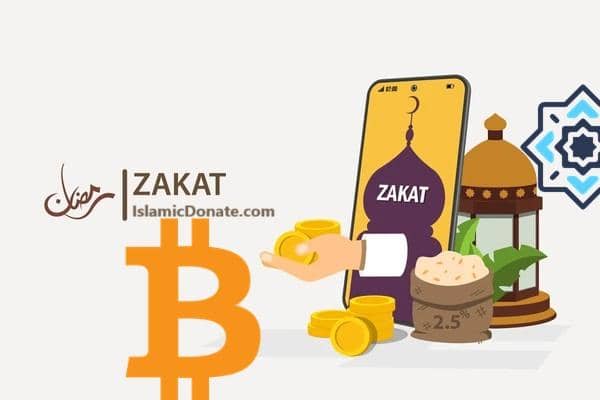
Zakat al-Fitra is a special form of charity given by Muslims during the holy month of Ramadan. Traditionally, it has been given in the form of staple food items, but with the rise of digital currencies like Bitcoin, Muslims are now able to pay Zakat al-Fitra with this new form of currency.

Bitcoin is a decentralized digital currency that operates independently of any government or financial institution. It allows for secure and fast transactions that are recorded on a public ledger known as the blockchain. Bitcoin has gained popularity among Muslims as a means of payment for Zakat al-Fitra, as it provides a convenient and transparent way to contribute to charitable causes.

Paying Zakat al-Fitra with Bitcoin requires Muslims to choose a reputable Zakat organization or religious authority and send the Bitcoin amount to their digital wallet address. This ensures that the Zakat al-Fitra contribution is delivered directly to the intended recipient and can be tracked every step of the way.

One of the advantages of paying Zakat al-Fitra with Bitcoin is the transparency of the transaction. The blockchain technology used in Bitcoin allows for every transaction to be recorded and verified, providing a level of transparency and accountability that is not possible with traditional forms of payment. This ensures that the Zakat al-Fitra contribution is delivered directly to the intended recipient and can be tracked every step of the way.

Another advantage of paying Zakat al-Fitra with Bitcoin is the convenience it provides. With Bitcoin, Muslims can contribute to Zakat al-Fitra from anywhere in the world at any time, without the need for a third-party intermediary or a physical presence. This makes it easier for Muslims to fulfill their religious obligations and contribute to the betterment of their community.

In conclusion, paying Zakat al-Fitra with Bitcoin is an innovative and convenient way for Muslims to fulfill their religious obligations and contribute to charitable causes. It provides a transparent and secure means of contributing to Zakat al-Fitra, and allows Muslims to contribute to the development of their community in a meaningful way. As the use of digital currencies continues to grow, paying Zakat al-Fitra with Bitcoin will become increasingly popular among Muslims worldwide. May Allah accept the Zakat al-Fitra contributions and good deeds of all Muslims during this holy month.

CryptocurrencyZakat

Ramadan is a special month in the Islamic calendar, where Muslims fast from dawn to sunset as a way of purifying their souls and becoming closer to Allah. One of the important aspects of Ramadan is the emphasis on charity and community service, and this is where Waqf comes in.

Waqf is an Islamic term that refers to the endowment of property or money for a religious, charitable or educational purpose. This has been a longstanding practice in Islamic culture, with the aim of supporting those in need and promoting social welfare. With the rise of digital currencies like Bitcoin, Muslims are now able to pay Waqf with this new form of currency.

Bitcoin is a decentralized digital currency that operates independently of any government or financial institution. It allows for secure and fast transactions that are recorded on a public ledger known as the blockchain. Bitcoin has gained popularity among Muslims as a means of payment for Waqf, as it provides a convenient and transparent way to contribute to charitable causes.

Paying Waqf with Bitcoin requires Muslims to choose a reputable Waqf organization or religious authority and send the Bitcoin amount to their digital wallet address. This ensures that the Waqf contribution is delivered directly to the intended recipient and can be tracked every step of the way.

One of the advantages of paying Waqf with Bitcoin is the transparency of the transaction. The blockchain technology used in Bitcoin allows for every transaction to be recorded and verified, providing a level of transparency and accountability that is not possible with traditional forms of payment. This ensures that the Waqf contribution is delivered directly to the intended recipient and can be tracked every step of the way.

Another advantage of paying Waqf with Bitcoin is the convenience it provides. With Bitcoin, Muslims can contribute to Waqf from anywhere in the world at any time, without the need for a third-party intermediary or a physical presence. This makes it easier for Muslims to fulfill their religious obligations and contribute to the betterment of their community.

In conclusion, paying Waqf with Bitcoin is an innovative and convenient way for Muslims to fulfill their religious obligations and contribute to charitable causes. It provides a transparent and secure means of contributing to Waqf, and allows Muslims to contribute to the development of their community in a meaningful way. As the use of digital currencies continues to grow, paying Waqf with Bitcoin will become increasingly popular among Muslims worldwide. May Allah accept the Waqf contributions and good deeds of all Muslims during this holy month.

CryptocurrencyReligion

Ramadan is a time of spiritual reflection and devotion for Muslims worldwide. It is a month of fasting, prayer, and charity, during which Muslims strive to purify their souls and seek the forgiveness of Allah. One of the important aspects of Ramadan is the obligation to pay Kaffara, which is a form of religious expiation required of Muslims for certain violations of the Islamic law. With the growing popularity of digital currencies such as Bitcoin, Muslims are now able to pay Kaffara with this new form of currency.

Bitcoin is a decentralized digital currency that operates independently of any government or financial institution. It allows for secure and fast transactions that are recorded on a public ledger known as the blockchain. Bitcoin has gained popularity among Muslims as a means of payment for Kaffara, as it provides a convenient and transparent way to pay this important religious obligation.

Paying Kaffara with Bitcoin requires Muslims to calculate the amount of Kaffara they owe based on the violation they have committed. Once the Kaffara amount is calculated, it can be paid directly to a religious authority or organization using a Bitcoin wallet. This ensures that the Kaffara payment is delivered directly to the intended recipient and can be tracked every step of the way.

One of the advantages of paying Kaffara with Bitcoin is the transparency of the transaction. The blockchain technology used in Bitcoin allows for every transaction to be recorded and verified, providing a level of transparency and accountability that is not possible with traditional forms of payment. This ensures that the Kaffara payment is delivered directly to the intended recipient and can be tracked every step of the way.

Another advantage of paying Kaffara with Bitcoin is the convenience it provides. With Bitcoin, Muslims can pay their Kaffara obligation from anywhere in the world at any time, without the need for a third-party intermediary or a physical presence. This makes it easier for Muslims to fulfill their religious obligations and seek the forgiveness of Allah.

In conclusion, paying Kaffara with Bitcoin is an innovative and convenient way for Muslims to fulfill their religious obligations and seek the forgiveness of Allah. It provides a transparent and secure means of paying this important religious obligation, and allows Muslims to contribute to the betterment of their community in a meaningful way. As the use of digital currencies continues to grow, paying Kaffara with Bitcoin will become increasingly popular among Muslims worldwide. May Allah accept the Kaffara and good deeds of all Muslims during this holy month.

CryptocurrencyReligion