Cryptocurrency

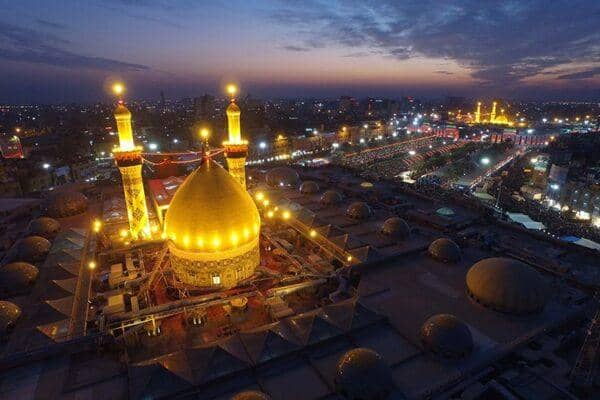
The Imam Hasan al-Askari Holy Shrine, located in Samarra, Iraq, is a site of great significance for Shia Muslims around the world. The shrine is dedicated to Imam Hasan al-Askari, the 11th Imam of Shia Islam, and his son Imam Muhammad al-Mahdi, who is believed to be in hiding and will return to bring justice to the world. The shrine is a symbol of faith, hope, and unity, and it attracts millions of visitors every year. With the rise of cryptocurrencies such as Bitcoin and Ethereum, donating to the Imam Hasan al-Askari Holy Shrine has become easier and more accessible than ever before.

Cryptocurrencies offer several advantages over traditional payment methods, such as lower fees, faster transactions, and greater privacy. These advantages make them an attractive option for people who want to donate to causes they care about. To donate to the Imam Hasan al-Askari Holy Shrine with Bitcoin or Ethereum, you first need to find a reputable cryptocurrency exchange that supports these currencies. Some popular exchanges include Coinbase, Binance, and Kraken. Once you have set up an account on the exchange, you can buy Bitcoin or Ethereum using your local currency or another cryptocurrency. After purchasing the desired amount of Bitcoin or Ethereum, you can transfer it to the donation address provided by the Imam Hasan al-Askari Holy Shrine.

Donating with Bitcoin or Ethereum offers several benefits. First, it allows donors to make secure and anonymous transactions without revealing their personal information. This can be particularly important for people who live in countries where religious donations are not always accepted or encouraged. Second, it allows donors to make donations quickly and easily, without having to go through the hassle of traditional payment methods such as wire transfers or checks. Finally, it allows donors to take advantage of the potential for cryptocurrency appreciation, meaning that the value of their donation may increase over time.

In addition to donating with Bitcoin and Ethereum, the Imam Hasan al-Askari Holy Shrine also accepts traditional forms of payment, such as credit cards and wire transfers. However, donating with cryptocurrency is a unique and innovative way to support this important religious site. By donating with Bitcoin or Ethereum, you can help to preserve the rich cultural heritage of the shrine, support ongoing restoration and renovation efforts, and provide essential services to visitors from around the world.

The Imam Hasan al-Askari Holy Shrine is committed to promoting interfaith dialogue and understanding, and it welcomes visitors from all backgrounds and faiths. Your donation can help to support these efforts, as well as provide for the needs of the local community. Whether you are a Shia Muslim or a supporter of interfaith dialogue, donating to the Imam Hasan al-Askari Holy Shrine with Bitcoin or Ethereum is a powerful way to make a difference.

In conclusion, donating to the Imam Hasan al-Askari Holy Shrine with Bitcoin and Ethereum offers a convenient, secure, and innovative way to support this important religious site. With the rise of cryptocurrency, it has become easier than ever to make donations from anywhere in the world, without having to worry about fees, delays, or security issues. If you are interested in supporting the shrine and its mission, consider making a donation with Bitcoin or Ethereum today. Your contribution will help to ensure that this sacred site remains a symbol of faith, hope, and unity for generations to come.

Cryptocurrency

A Sacred Beacon of Faith: The Enduring Legacy of the Imam Hussain Holy Shrine

The Imam Hussain Holy Shrine stands as a monumental pillar of faith and reverence, nestled in the historic city of Karbala, Iraq. As the revered resting place of Imam Hussain, the beloved grandson of Prophet Muhammad, this sacred site draws millions of devoted Shia Muslims annually from every corner of the globe. These pilgrims undertake journeys of profound spiritual significance, visiting to offer their heartfelt prayers, pay deep respects, and contribute to the ongoing preservation and charitable endeavors supported by the shrine. The dedication of these individuals ensures the shrine’s legacy continues, serving as a beacon of guidance and compassion for generations.

A New Era of Giving: Crypto Donations to the Imam Hussain Holy Shrine

In a remarkable convergence of ancient tradition and modern innovation, the opportunity to donate to the Imam Hussain Holy Shrine now extends to the burgeoning world of digital currencies. The rapid ascent of cryptocurrencies like Bitcoin and Ethereum has revolutionized global finance, making them increasingly popular tools for philanthropy. For the first time, a streamlined and accessible pathway exists for Shia Muslims worldwide to support this vital religious institution through Bitcoin and Ethereum, simplifying the act of giving in unprecedented ways.

Why Cryptocurrency Donations Empower the Imam Hussain Holy Shrine

The decision to embrace cryptocurrency donations for the Imam Hussain Holy Shrine is rooted in the myriad advantages these digital assets offer.

  • Firstly, the hallmark of cryptocurrency transactions is their speed and security. Unlike traditional banking channels that often involve multiple intermediaries and processing delays, donations made with cryptocurrencies can be initiated and confirmed almost instantly. This direct peer-to-peer transfer mechanism bypasses financial institutions, significantly reducing transaction times and inherently mitigating risks of fraud or theft, ensuring that your generosity reaches its destination efficiently and safely.
  • Secondly, Another profound benefit inherent in using cryptocurrencies for charitable giving is the unparalleled transparency and accountability they provide. The underlying blockchain technology of cryptocurrencies creates an immutable, public ledger of all transactions. Every donation is recorded on this distributed network, forming a tamper-proof history that can be independently verified. This level of openness assures donors that their contributions are indeed being channeled for their intended purpose, fostering a deep sense of trust and allowing them to track the journey of their support with clarity.

Empowering Faith-Based Giving Through Cryptocurrency

The positive implications of integrating cryptocurrency into charitable donation frameworks are far-reaching and extend well beyond the Imam Hussain Holy Shrine. A growing number of philanthropic organizations globally are now recognizing and accepting Bitcoin and other digital currencies. This forward-thinking approach is a significant step towards democratizing philanthropy, empowering individuals to contribute to causes they deeply care about, irrespective of their geographical location or the complexities often associated with international wire transfers. You can donate and pay vows to Imam Hussain’s shrine with cryptocurrency here.

In essence, donating to the Imam Hussain Holy Shrine using Bitcoin, Ethereum, and other cryptocurrencies represents a harmonious blend of convenience, robust security, and unwavering transparency. This modern approach to supporting a cherished religious institution is a testament to how technology can enhance faith-based giving. As digital currencies continue their trajectory of global adoption, we anticipate an expanding landscape where an increasing number of charitable entities will embrace this innovative and highly effective method of garnering support.

How to donate Bitcoin to Imam Hussain Shrine?

Donating Bitcoin to the Imam Hussain Holy Shrine is a straightforward process designed for simplicity and security. Typically, you would navigate to the designated donation platform, such as IslamicDonate.com, which facilitates these contributions. Once there, you will find an option to select Bitcoin as your preferred donation currency. The platform will then provide you with a unique Bitcoin wallet address, often accompanied by a QR code, specific to the shrine’s donation account. From your personal Bitcoin wallet or cryptocurrency exchange, you would initiate a transfer to this provided address, specifying the amount of Bitcoin you wish to contribute. Always double-check the wallet address before confirming the transaction to ensure accuracy, as cryptocurrency transactions are irreversible.

Can I pay Nazr with Ethereum to Imam Hussain Shrine?

Absolutely, paying your Nazr (vows or offerings) to the Imam Hussain Holy Shrine with Ethereum is entirely possible and offers a modern, efficient method for fulfilling your spiritual commitments. Ethereum, much like Bitcoin, is a widely accepted cryptocurrency for charitable contributions due to its robust network and global reach. When you visit the shrine’s official donation portal or a trusted third-party platform supporting its mission, you can select Ethereum as your payment method for Nazr. The process will involve transferring the desired amount of Ethereum from your digital wallet to the shrine’s designated Ethereum address. This allows devotees to honor their pledges and contribute to the shrine’s welfare from anywhere in the world, with the added benefits of speed and transparency that blockchain technology provides.

Is donating crypto to Imam Hussain Shrine safe?

Donating cryptocurrency to the Imam Hussain Holy Shrine is considered very safe when conducted through official and reputable channels. The inherent security features of blockchain technology play a significant role here. Every transaction is encrypted and recorded on a decentralized, immutable ledger, making it extremely difficult for unauthorized alterations or fraud to occur. Furthermore, when you donate to an established institution like the Imam Hussain Holy Shrine via platforms endorsed by them, these platforms typically employ advanced security protocols, including multi-factor authentication and secure server environments, to protect donor information and transaction integrity.

What is Benefits of crypto donations to religious charities?

Cryptocurrency donations offer numerous compelling benefits for religious charities like the Imam Hussain Holy Shrine. Firstly, they enable global accessibility, allowing individuals from any country to donate without the complexities and high fees often associated with international bank transfers. Secondly, transactions are remarkably fast, ensuring funds reach the charity quicker than traditional methods. Thirdly, the transparency of blockchain provides an auditable record of all donations, fostering greater trust and accountability. Fourthly, in many jurisdictions, crypto donations can offer potential tax benefits similar to cash donations, encouraging larger contributions. Lastly, for donors who hold crypto, it provides a convenient way to give without converting their digital assets to fiat currency first.

what is Steps to donate cryptocurrency to Holy Shrines?

Donating cryptocurrency to Holy Shrines generally involves a few clear steps. First, identify the official donation platform or website for the specific shrine you wish to support. Second, look for the option to donate with cryptocurrency, often listed alongside traditional payment methods. Third, select your preferred cryptocurrency, such as Bitcoin or Ethereum. Fourth, the platform will provide you with a unique wallet address (and often a QR code) for that specific crypto. Fifth, open your personal cryptocurrency wallet or exchange account and initiate a transfer of the desired amount to the provided wallet address. Sixth, confirm the transaction details carefully before sending, as crypto transactions are usually irreversible. Finally, once the transaction is broadcasted and confirmed on the blockchain, your donation is complete.

Why use Bitcoin for charitable giving?

Using Bitcoin for charitable giving offers several compelling reasons for donors and charities alike. Bitcoin transactions are borderless, enabling anyone with an internet connection to send donations from anywhere in the world without geographic restrictions. This eliminates the complexities and delays of international banking. Furthermore, transaction fees for sending Bitcoin can often be lower than traditional wire transfers, especially for large amounts. Bitcoin’s decentralized nature means there are no central authorities to censor or block transactions, ensuring resilient channels for giving. For many crypto holders, donating Bitcoin also allows them to contribute directly from their digital assets without needing to convert to fiat currency first, potentially offering tax advantages in some regions.

Transparency in crypto donations to Karbala

Transparency is a cornerstone benefit of utilizing cryptocurrency for donations to sacred sites like the Imam Hussain Holy Shrine in Karbala. Every transaction made with cryptocurrencies like Bitcoin and Ethereum is recorded on a public blockchain ledger. This ledger is an open, immutable database that anyone can view, providing an unparalleled level of transparency. While the identities of donors remain pseudonymous, the transaction amount, timestamp, and destination address are all verifiable. This allows for clear accountability, ensuring that funds are received by the intended recipient and preventing misuse, thereby building strong donor trust and upholding the integrity of the charitable process.

How quickly are crypto donations processed for Imam Hussain Shrine?

Cryptocurrency donations to the Imam Hussain Holy Shrine are processed with remarkable speed, far surpassing traditional banking methods. Once a donor initiates a transfer from their crypto wallet, the transaction is almost immediately broadcasted to the blockchain network. While confirmation times can vary slightly depending on network congestion and the specific cryptocurrency (e.g., Bitcoin confirmations might take minutes, Ethereum typically faster), the funds are generally accessible to the recipient much faster than bank transfers, which can take days or even weeks for international transactions. This rapid processing ensures that contributions can quickly be put to use for the shrine’s immediate needs and ongoing projects.

Supporting Imam Hussain Shrine from abroad with crypto

Supporting the Imam Hussain Holy Shrine from abroad with cryptocurrency is one of its most powerful advantages, completely overcoming geographical barriers. Traditional international donations often involve high fees, unfavorable exchange rates, and lengthy processing times, making it cumbersome for global devotees. Cryptocurrencies, however, operate on a global, borderless network. A Shia Muslim in Europe, North America, or Asia can send Bitcoin or Ethereum to the shrine in Karbala as easily as sending it to a wallet in their own country. This global reach ensures that every devotee, regardless of their location, can contribute efficiently and cost-effectively to the upkeep and charitable activities of the sacred shrine.

How does crypto donation benefit the Imam Hussain Shrine’s mission?

Crypto donations significantly benefit the Imam Hussain Holy Shrine’s mission by providing a modern, efficient, and globally accessible funding stream. These contributions directly support the shrine’s core activities, including the ongoing preservation and maintenance of the sacred complex, ensuring it remains a welcoming and pristine spiritual sanctuary for millions of pilgrims. Funds also empower the shrine’s extensive charitable initiatives, which often encompass humanitarian aid, educational programs, and community services for the less fortunate in Karbala and beyond. By expanding the donor base and making giving easier and more transparent, cryptocurrency helps the shrine fulfill its spiritual and social responsibilities more effectively, amplifying its positive impact on the world.

As we embrace this powerful harmony between timeless devotion and modern innovation, we are reminded that every act of generosity carries the potential to illuminate lives far beyond our own. At IslamicDonate, our mission is to transform compassion into meaningful action supporting sacred institutions like the Imam Hussain Holy Shrine and uplifting vulnerable communities across the world.
If this message resonates with your heart, we warmly invite you to join us in this journey of faith and service. Your contribution, whether in Bitcoin, Ethereum, or any form of giving, becomes a lasting light for those who need it most. Learn more about our story and support our work at IslamicDonate.com.

Imam Hussain’s Nazr: Pay and Amplify Your Devotion with Cryptocurrency

CryptocurrencyIbadah / Acts of WorshipImams of Athar

Paying Nazr with Cryptocurrency: A Guide for Muslims in the Digital Age

In Islamic tradition, Nazr is a voluntary offering or donation made by a person as a way of expressing gratitude, seeking blessings, or fulfilling a vow. This offering can take various forms, including money, food, or other items of value. With the growing popularity of cryptocurrencies, some Muslims are beginning to wonder whether it is possible to pay Nazr using Bitcoin, Ethereum, and other cryptocurrencies. In this article, we will explore this topic in more detail.

Understanding Cryptocurrencies

First, it is important to understand the nature of cryptocurrencies. Bitcoin, Ethereum, and other cryptocurrencies are digital assets that use cryptography to secure their transactions and to control the creation of new units. They are decentralized, meaning that they are not controlled by any government or financial institution. This makes them attractive to people who are looking for an alternative to traditional banking and payment systems.

When it comes to paying Nazr, there are a few things to consider. First, it is important to ensure that the donation is made in a way that is acceptable according to Islamic law. This means that the donation must be made voluntarily, without any coercion or expectation of reward. It must also be made with the intention of pleasing Allah and seeking His blessings.

Considerations for Using Crypto for Nazr

In terms of using cryptocurrencies to pay Nazr, there are a few practical considerations to keep in mind. One of the main advantages of using cryptocurrencies is that they offer a fast and secure way to transfer funds. Transactions can be completed in a matter of minutes, and the fees are typically lower than those charged by traditional payment systems.

However, there are also some challenges to consider. One of the main challenges is that cryptocurrencies are still relatively new, and many people are not yet familiar with how they work. This can make it difficult to find an Imam or other religious authority who is willing to accept cryptocurrencies as a form of Nazr payment.

Another challenge is that the value of cryptocurrencies can be volatile, meaning that their value can change rapidly and unpredictably. This can make it difficult to determine the exact amount of Nazr to be paid, and it can also make it difficult to ensure that the donation is being made in a way that is fair and equitable.

The Evolving Landscape of Crypto Nazr

Despite these challenges, many Muslims are beginning to explore the use of cryptocurrencies for paying Nazr. Some mosques and Islamic organizations are beginning to accept cryptocurrencies as a form of donation, and there are also online platforms that allow Muslims to make Nazr payments using cryptocurrencies.

Ultimately, the decision of whether or not to use cryptocurrencies for paying Nazr is a personal one. It is important to consider the Islamic legal and ethical implications of using cryptocurrencies, as well as the practical challenges and opportunities that they offer. With careful consideration and guidance from religious authorities, it is possible to use cryptocurrencies in a way that is both acceptable and beneficial according to Islamic teachings.

Cryptocurrency

Waqf, an Islamic philanthropic concept, has been around for centuries. The term refers to the act of endowing property or assets for charitable purposes in perpetuity. Traditionally, waqf has been associated with donating land, buildings, or other tangible assets for the benefit of the community. However, as technology advances, it is now possible to donate cryptocurrency such as Ethereum for waqf.

Ethereum is a decentralized blockchain platform that enables smart contracts and decentralized applications (DApps) to be built and run without any downtime, fraud, or interference from a third party. Ethereum has become one of the most popular cryptocurrencies, and its potential for waqf is gaining recognition.

There are many advantages to using Ethereum for waqf. One of the most significant benefits is the speed and efficiency of transactions. With Ethereum, transactions can be completed in minutes, compared to traditional methods, which can take days or even weeks. This means that waqf projects can be funded and implemented much more quickly, allowing for more rapid and effective impact.

Another advantage of using Ethereum for waqf is transparency. The Ethereum blockchain is a public ledger that records every transaction on the network. This means that all waqf transactions can be tracked and verified, making the process more transparent and accountable. Donors can also choose to remain anonymous while still making their donations public through the blockchain.

The use of Ethereum for waqf also eliminates the need for intermediaries such as banks or other financial institutions. This can reduce transaction fees and make the process more efficient. It also enables people from all over the world to participate in waqf projects, regardless of their location or financial status.

To pay waqf with Ethereum, donors can simply send their Ethereum to a waqf wallet address. The waqf organization can then use the Ethereum to fund projects or distribute the funds to other charitable organizations. This process is straightforward and can be done quickly and easily.

However, there are some challenges associated with using Ethereum for waqf. One of the main issues is the volatility of the cryptocurrency market. Ethereum prices can fluctuate rapidly, making it difficult to determine the value of donations over time. Additionally, there may be legal and regulatory challenges associated with using cryptocurrency for waqf in certain countries.

In conclusion, the use of Ethereum for waqf has enormous potential to revolutionize Islamic philanthropy. It offers many advantages, such as speed, transparency, and efficiency, while also enabling people from all over the world to participate in waqf projects. However, there are also some challenges that need to be addressed to ensure the sustainability and effectiveness of this approach. Overall, the use of Ethereum for waqf is an exciting development that could help to transform the way that charitable giving is done in the Muslim world.

Cryptocurrency

Waqf, or Islamic endowment, is a charitable donation that is made for the benefit of society, typically in the form of property or money. In Islamic tradition, waqf is considered to be a highly virtuous act, as it allows the donor to leave a lasting legacy that benefits others even after their death. With the rise of cryptocurrency and blockchain technology, it is now possible to make waqf donations using Ethereum.

Ethereum is a decentralized, open-source blockchain platform that allows developers to create smart contracts and decentralized applications. One of the unique features of Ethereum is its ability to create and manage digital tokens, known as ERC-20 tokens. These tokens can be used for a variety of purposes, including as a means of exchange, a store of value, or as a representation of assets or ownership.

To pay waqf with Ethereum, one option is to create a waqf token that is backed by a smart contract on the Ethereum blockchain. The waqf token can be designed to represent a specific waqf project, such as the construction of a mosque or the establishment of a scholarship fund. Investors can then purchase the waqf token using Ethereum, and the funds raised can be used to finance the waqf project.

One of the benefits of using Ethereum to pay waqf is the transparency and accountability that comes with using a blockchain-based system. The smart contract that governs the waqf token can be programmed to ensure that the funds raised are only used for the specified waqf project, and that the project is completed within a set timeframe. The use of blockchain technology also allows for greater transparency in the management of waqf funds, as all transactions are recorded on a public ledger.

Another benefit of using Ethereum for waqf is the speed and efficiency of transactions. Ethereum transactions are processed much faster than traditional banking transactions, and the fees associated with Ethereum transactions are typically lower than those charged by banks. This means that waqf donations can be processed quickly and efficiently, without the need for intermediaries or lengthy processing times.

In addition to creating waqf tokens, there are also a number of existing charities and non-profit organizations that accept Ethereum donations for waqf projects. These organizations can use Ethereum to fund a wide range of waqf projects, from the construction of mosques and schools to the provision of healthcare and clean water.

Overall, paying waqf with Ethereum has the potential to revolutionize the way that waqf donations are made and managed. By using blockchain technology and smart contracts, waqf donations can be made more transparent, efficient, and accountable. This can help to increase public trust in waqf institutions, and encourage more people to make waqf donations to support important charitable causes.

Cryptocurrency