Cryptocurrency

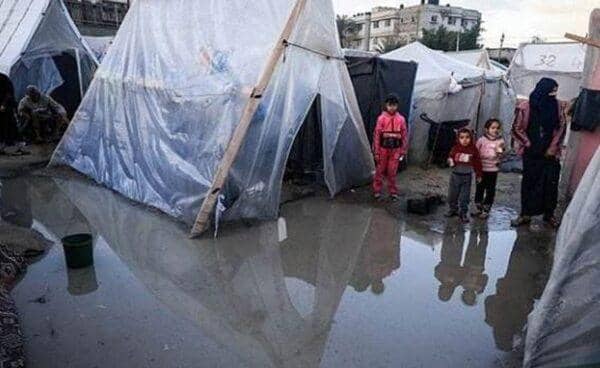
In the aftermath of a natural disaster, such as an earthquake, one of the most pressing issues is the need for immediate relief and aid for those who have been affected. Traditional forms of aid, such as sending physical resources and supplies, can be costly, slow, and inefficient. However, with the rise of cryptocurrency and blockchain technology, there may be a new way to help those in need.

Bitcoin and other cryptocurrencies have the potential to revolutionize the way that aid is delivered to those affected by natural disasters. The decentralized nature of blockchain technology means that funds can be sent quickly and securely without the need for intermediaries. This is particularly important in disaster situations, where time is of the essence.

One of the main advantages of using cryptocurrency for disaster relief is the ability to bypass traditional banking systems. In the aftermath of a disaster, local banks and financial institutions may be damaged or inaccessible, making it difficult to transfer funds. Cryptocurrency, on the other hand, can be sent directly to those in need, without the need for a bank account or other financial infrastructure.

Another advantage of using cryptocurrency for disaster relief is the transparency and accountability that comes with blockchain technology. Because transactions are recorded on a public ledger, it is possible to track the flow of funds and ensure that they are being used for their intended purpose. This can help to prevent fraud and ensure that aid is reaching those who need it most.

There are already several organizations that are using cryptocurrency to provide disaster relief. For example, the Red Cross has launched a cryptocurrency-based platform called “Blockchain for Humanity” to provide aid to disaster-stricken areas. The platform allows users to donate cryptocurrency, which is then converted into local currency and used to provide aid.

Similarly, Our website which uses cryptocurrency to provide immediate relief to those affected by natural disasters. The funds are distributed through local organizations on the ground, ensuring that they are reaching those who need them most.

While cryptocurrency is still a relatively new technology, its potential for disaster relief is clear. By providing a fast, secure, and transparent way to send funds to those in need, it has the potential to revolutionize the way that aid is delivered in the aftermath of natural disasters. As the technology continues to evolve and become more widely adopted, we may see more and more organizations using cryptocurrency to provide disaster relief.
Cryptocurrency

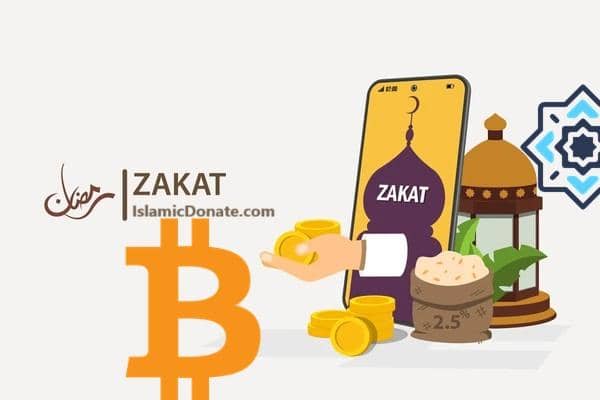
Zakat is an Islamic concept that requires Muslims to give a portion of their wealth to those in need.
The practice of Zakat has traditionally involved giving money to charity organizations or individuals in need.
With the rise of digital currencies, some Muslims have begun to question whether Zakat can be paid using cryptocurrencies like Bitcoin.
Proponents of paying Zakat with Bitcoin argue that it offers several advantages over traditional methods.
For one, it is more secure and less prone to fraud than traditional methods, as transactions are recorded on a public ledger and cannot be altered.
Additionally, Bitcoin transactions are fast and inexpensive, allowing for Zakat to be distributed more efficiently and effectively.
Furthermore, using Bitcoin can increase financial inclusion, as it allows individuals in countries with weak currencies or limited access to traditional banking to participate in the practice of Zakat.
In conclusion, the use of Bitcoin for paying Zakat has the potential to greatly improve the efficiency and accessibility of this important religious practice.

CryptocurrencyReligionZakat

Donating bitcoin to support the poor people of Pakistan is a way for individuals to help address one of the world’s pressing issues, poverty. Despite being one of the largest economies in South Asia, poverty remains a significant problem in Pakistan, with millions of people living in poverty and struggling to access basic necessities such as food, water, and healthcare.

One way to help address this issue is by donating bitcoin to organizations that are working to support the poor and vulnerable populations of Pakistan. These organizations are often working on the front lines of poverty, providing essential services and support to those in need.

The use of bitcoin for donations offers a number of advantages over traditional methods of giving. For example, bitcoin transactions are secure, transparent, and fast, making it possible for individuals to make a donation quickly and easily. In addition, bitcoin is a decentralized form of currency, which means that it is not controlled by any government or financial institution, providing greater security and privacy for those who use it.

Another advantage of donating bitcoin to support the poor in Pakistan is that it provides a way for individuals to support the cause without the need for a middleman or intermediary. This reduces the risk of fraud or mismanagement, as well as the costs associated with traditional methods of giving, such as bank fees and currency conversion charges.

For those who are interested in donating bitcoin to support the poor people of Pakistan, there are several options available. One option is to make a direct donation to an organization working on the ground in Pakistan, such as the Edhi Foundation, the Pakistan Red Crescent Society, or the Pakistan Poverty Alleviation Fund. These organizations typically have their own websites, where they provide information on how to make a donation, including instructions on how to donate using bitcoin.

Another option is to make a donation through an online platform, such as a cryptocurrency exchange or a crowdfunding website. These platforms allow individuals to make a donation using bitcoin, as well as other cryptocurrencies, and provide a secure and convenient way to support the cause.

It is also possible to donate bitcoin to support the poor in Pakistan through a charity, such as the Al-Khidmat Foundation, which supports a number of causes related to the welfare and development of the Muslim community. These organizations typically have a wide reach and provide a variety of services and support, including financial assistance, education, and healthcare.

In addition to financial donations, individuals may also choose to volunteer their time and resources to support the cause. This may involve working directly with organizations on the ground in Pakistan, or providing support from a distance through fundraising or advocacy efforts.

Regardless of the method chosen, it is important for individuals to ensure that their donations are made to a reputable and trustworthy organization. This can be done by researching the organization and its mission, as well as checking for any reports of fraud or mismanagement.

In conclusion, donating bitcoin to support the poor people of Pakistan is a way for individuals to make a difference in the lives of those who are facing poverty and struggling to access basic necessities. With its security, transparency, and ease of use, bitcoin provides an effective and efficient way for individuals to support a cause they believe in and to help bring about positive change in the world.

CryptocurrencyReligion

Bitcoins Role in Alleviating the Humanitarian Crisis in Yemen

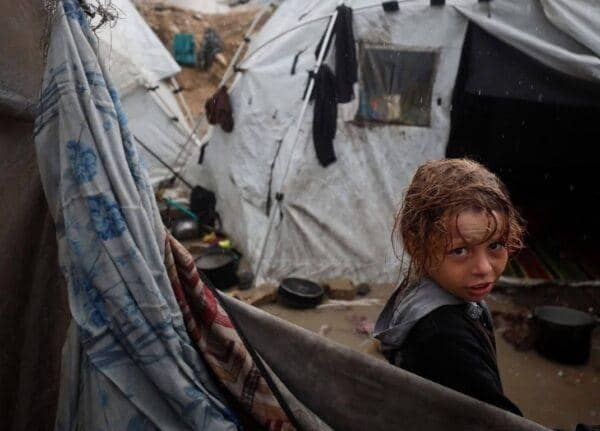
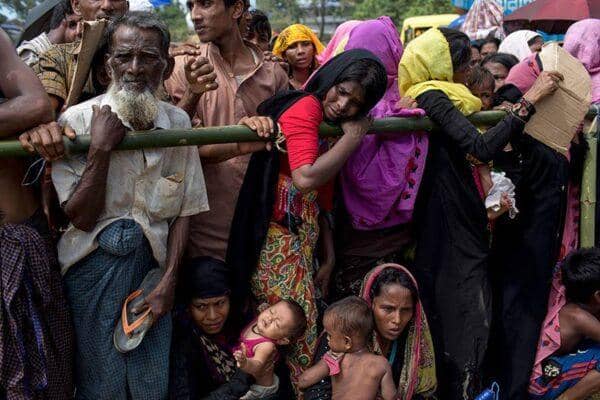
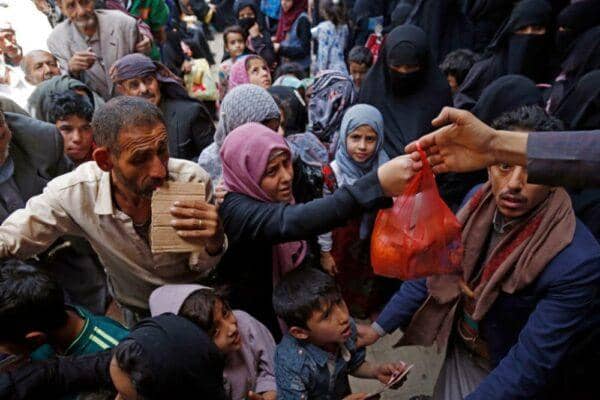
The ongoing situation in Yemen represents one of the most severe humanitarian emergencies in modern history. The nation is currently grappling with the devastating convergence of armed conflict, economic collapse, and the breakdown of public infrastructure. Millions of Yemeni citizens face the stark realities of famine, severe malnutrition, and a critical shortage of medical supplies and clean water. The disintegration of the traditional banking sector and the fluctuation of the local currency have made standard financial aid difficult to distribute efficiently. In this complex landscape, donating Bitcoin to Yemen and utilizing other cryptocurrencies has emerged as a vital alternative for international donors seeking to provide immediate support to impoverished families and displaced communities.

Understanding the Urgency of the Yemen Crisis

To understand why alternative donation methods are necessary, one must first grasp the depth of the crisis. Years of political instability have decimated the economy, leaving a significant portion of the population without income or purchasing power. Humanitarian organizations struggle not only with the logistics of delivering physical goods but also with the financial hurdles of transferring funds into a war-torn region where the banking infrastructure is often compromised or sanctioned. This is where digital assets offer a unique lifeline. Unlike fiat currency, which can be trapped in bureaucratic bottlenecks or subject to high inflation rates upon conversion, cryptocurrency operates on a borderless network that remains accessible as long as there is internet connectivity.

Why Cryptocurrency is Effective for Humanitarian Aid

Donating Bitcoin offers distinct logistical advantages over traditional fiat donations, particularly in conflict zones. The primary benefit is speed. Traditional bank transfers, especially cross-border transactions into high-risk zones, can take days or even weeks to clear and are often subject to hefty transaction fees and currency conversion rates that eat into the donation. Bitcoin transactions, conversely, can settle in minutes, ensuring that funds arrive when they are most needed.

Transparency and Trust

A significant concern for donors contributing to foreign aid is the mismanagement of funds. Blockchain technology addresses this through its inherent transparency. Every Bitcoin transaction is recorded on a public ledger, allowing for a level of traceability that cash or traditional bank transfers cannot match. While donor privacy is maintained, the flow of funds can often be audited to ensure that resources are reaching their intended wallets. This technological accountability fosters trust and encourages more individuals to participate in philanthropic efforts.

Bypassing Financial Censorship and reducing Overhead

Yemen suffers from fragmented financial systems due to the blockade and internal division. Traditional money transfer operators often charge exorbitant fees or have ceased operations in certain areas entirely. Cryptocurrency is a decentralized form of currency, meaning it operates independently of central banks and government restrictions. This allows direct peer-to-peer transfers that bypass intermediaries. By eliminating the middleman, donors can ensure that a larger percentage of their contribution goes directly to aid efforts rather than administrative costs and banking fees.

How to Donate Bitcoin to Support Yemen

For those ready to contribute, the process has been streamlined by the adoption of crypto-philanthropy by major organizations. Donors have several reliable pathways to ensure their digital assets make a real-world impact.

Direct Donations to Major Aid Organizations

Many established international charities have modernized their payment gateways to accept cryptocurrency. Organizations such as UNICEF, Save the Children, and the World Food Programme have set up dedicated crypto donation pages. These entities have the on-the-ground infrastructure to convert digital assets into food, medicine, and shelter efficiently. When donating to these extensive networks, look for their official crypto wallet addresses or their partnership with crypto payment processors to ensure authenticity.

Using Reputable Crypto Philanthropy Platforms

It is also possible to donate bitcoin to support the poor in Yemen through a charity, such as the Islamic Charitable Society, which supports a number of causes related to the welfare and development of the Muslim community. These organizations typically have a wide reach and provide a variety of services and support, including financial assistance, education, and healthcare.

Volunteering and Advocacy

Beyond financial contributions, the crypto community is known for its strong advocacy networks. Individuals can volunteer their time by raising awareness on social media platforms, organizing crypto fundraising drives, or educating others about the utility of blockchain in humanitarian aid. Advocacy helps keep the plight of the Yemeni people in the public consciousness and drives further resource mobilization.

The Future of Aid in Yemen

The integration of Bitcoin into the humanitarian sector is not just a trend but a necessary evolution in how the world responds to crises. By leveraging the speed, security, and borderless nature of cryptocurrency, donors can bypass the obstacles that often hinder relief efforts. Donating Bitcoin to support the poor people of Yemen empowers individuals to act directly and effectively, providing a lifeline of hope to millions who are struggling to survive.

In moments of profound crisis, compassion must find a way forward. At IslamicDonate, we were founded on the belief that dignity, transparency, and swift action can change lives even in the most challenging environments like Yemen. By donating Bitcoin through our trusted platform, you help transform digital value into food, medicine, and hope for families who need it most. Your contribution is more than a transaction; it is a lifeline that reaches beyond borders and speaks the language of humanity. Learn more about our mission and be part of this impact at IslamicDonate.com.

CryptocurrencyReligion

Donating bitcoin to the Abbas ibn Ali holy shrine is a way for individuals to support the preservation and maintenance of one of the most significant sites in the world for Shia Muslims. The shrine, located in the city of Karbala in Iraq, is dedicated to the memory of Abbas ibn Ali, who was the son of the first Shia Imam and a martyr in the Battle of Karbala. The shrine is considered one of the holiest sites in Islam and is a site of pilgrimage for millions of Shia Muslims around the world.

The maintenance and preservation of the shrine is a significant responsibility, and donations from individuals and organizations around the world are essential in order to keep the site in good condition and to provide for the needs of visitors and pilgrims. Donating bitcoin to the shrine provides a convenient and secure way for individuals to make contributions, regardless of their location or the state of the global economy.

The use of bitcoin for donations also offers a number of advantages over traditional methods of giving. For example, bitcoin transactions are secure, transparent, and fast, making it possible for individuals to donate quickly and easily. In addition, bitcoin is a decentralized form of currency, which means that it is not controlled by any government or financial institution, providing greater security and privacy for those who use it.

Another advantage of donating bitcoin to the shrine is that it provides a way for individuals to support the cause without the need for a middleman or intermediary. This reduces the risk of fraud or mismanagement, as well as the costs associated with traditional methods of giving, such as bank fees and currency conversion charges.

Despite these advantages, it is important for individuals to carefully consider their donations and to research the organization or cause they wish to support. It is also important to understand the potential risks associated with cryptocurrency, such as the volatility of the market and the possibility of cyber attacks.

For those who are interested in donating bitcoin to the Abbas ibn Ali holy shrine, there are several options available. One option is to make a direct donation to the organization responsible for the maintenance and preservation of the shrine, such as the Karbala Foundation or the Abbas ibn Ali Foundation. These organizations typically have their own websites, where they provide information on how to make a donation, including instructions on how to donate using bitcoin.

Another option is to make a donation through an online platform, such as a cryptocurrency exchange or a crowdfunding website. These platforms allow individuals to make a donation using bitcoin, as well as other cryptocurrencies, and provide a secure and convenient way to support the cause.

It is also possible to donate bitcoin to the shrine through a charity, such as the Islamic Charitable Society, which supports a number of causes related to the welfare and development of the Shia Muslim community. These organizations typically have a wide reach and provide a variety of services and support, including financial assistance, education, and healthcare.

In addition to financial donations, individuals may also choose to volunteer their time and resources to support the shrine. This may involve helping with the maintenance and upkeep of the site, providing support for visitors and pilgrims, or participating in events and activities related to the shrine.

Regardless of the method chosen, it is important for individuals to ensure that their donations are made to a reputable and trustworthy organization. This can be done by researching the organization and its mission, as well as checking for any reports of fraud or mismanagement.

In conclusion, donating bitcoin to the Abbas ibn Ali holy shrine is a way for individuals to support one of the most significant sites in the world for Shia Muslims and to preserve the legacy of Abbas ibn Ali.

CryptocurrencyReligion