Ibadah / Acts of Worship

Imam Hasan al-Askari Shrine Embraces Bitcoin for Global Charitable Giving

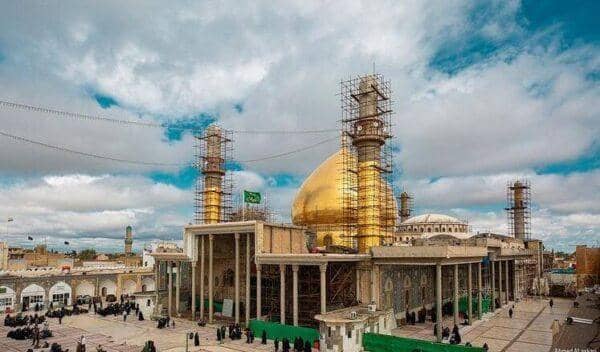
The Holy Shrine of Imam Hasan al-Askari, revered as the eleventh and final Shia Imam and celebrated for his profound devotion to Allah and unwavering dedication to aiding those in need, stands as a pivotal spiritual destination. Located in the historic city of Samarra in Iraq, this sacred site draws millions of Shia Muslims annually for pilgrimage, reflecting centuries of profound spiritual reverence. In a significant and forward-thinking move, the shrine has recently begun to accept Bitcoin as a form of sadaqa, or charitable donation, thereby opening up unprecedented avenues for individuals across the globe to contribute to its noble mission. This embrace of digital currency marks a notable evolution in charitable giving, blending ancient spiritual traditions with modern technological advancements.

Holy Shrine of Imam Hasan al-Askari Embraces Bitcoin to Enhance Global Philanthropy

Bitcoin, a pioneering digital currency, operates on a decentralized network known as the blockchain, which underpins its foundational principles of speed, security, and transparency. By integrating Bitcoin into its donation framework, the Holy Shrine of Imam Hasan al-Askari is strategically leveraging these inherent benefits, creating a contemporary and efficient pathway for people to support its enduring charitable endeavors. This adoption of cryptocurrency is not merely a technological upgrade but a strategic decision designed to enhance the accessibility and impact of global philanthropic efforts directed towards the shrine.

Fast, Secure, and Global: The Benefits of Donating Bitcoin to the Imam Hasan al-Askari Shrine

One of the foremost advantages of donating with Bitcoin to the Imam Hasan al-Askari Shrine is the exceptional speed and efficiency of the transaction process. Unlike conventional payment methods, which often entail lengthy processing times, high international transfer fees, and complex currency exchange procedures, Bitcoin transactions can be finalized remarkably quickly and typically with minimal associated costs. This efficiency means that generous donors can contribute to the Holy Shrine of Imam Hasan al-Askari from virtually any corner of the world without encountering concerns related to unfavorable exchange rates, cumbersome bank transfer fees, or other common international financial complications. Furthermore, the inherent security of Bitcoin transactions is paramount, as the digital currency employs sophisticated encryption protocols and robust verification techniques to ensure that funds are transferred safely and securely from the donor to the shrine’s designated digital wallet. This robust security infrastructure helps answer common donor questions about the safety of donating Bitcoin to Imam Hasan al-Askari Shrine.

Unmatched Transparency: How Bitcoin Donations Empower Humanitarian Efforts at Imam Hasan al-Askari Shrine

Another profound benefit of utilizing Bitcoin for donations is the unparalleled transparency of the transaction. Given that Bitcoin operates on a decentralized blockchain network, every single transaction is meticulously recorded and is publicly visible to anyone who possesses access to the blockchain ledger. This inherent transparency empowers donors to precisely track where their funds are being directed and how they are being utilized. The Holy Shrine of Imam Hasan al-Askari has made a solemn commitment to allocate all Bitcoin donations exclusively for humanitarian and charitable purposes. These vital initiatives include providing essential food supplies, offering shelter to the displaced, facilitating critical medical care, and supporting educational programs for those most in need. By embracing Bitcoin, the shrine significantly enhances its transparency and accountability, unequivocally demonstrating to donors that their contributions are genuinely making a tangible and positive difference in the lives of countless individuals. This commitment directly addresses how transparent Bitcoin donations to Imam Hasan al-Askari Shrine truly are. The blockchain’s immutable ledger ensures a level of oversight that traditional financial systems often struggle to match, offering a clear record of every incoming donation.

Empowering Holy Causes: How Bitcoin Enables Anonymous and Instant Donations to the Samarra Shrine

In addition to these core advantages, donating with Bitcoin extends a range of practical benefits for both the donor and the recipient institution. For instance, Bitcoin donations can be made with a degree of anonymity, allowing donors to contribute without necessarily disclosing their personal identity or sensitive financial information. This particular feature can be highly significant for donors who prioritize their privacy or for those residing in regions where contributing to certain causes might entail personal risks or scrutiny. Many wonder, can I make anonymous Bitcoin donations to Samarra Shrine, and the answer lies in the design of the Bitcoin network itself. Moreover, Bitcoin donations can be processed almost instantly, eliminating the need for intermediaries such as banks or payment processors, which often introduce delays in fund processing. This immediate transfer capability means that the Holy Shrine of Imam Hasan al-Askari can receive funds with exceptional speed and efficiency, enabling it to respond far more effectively and promptly to urgent humanitarian crises and immediate community needs. This instantaneous access to funds empowers the shrine to make a rapid impact where it is most critically required, showcasing how the shrine can support Imam Hasan al-Askari’s mission with crypto in a timely manner. The overall impact of cryptocurrency donations on holy sites like this is transformative, ushering in an era of faster, more efficient aid delivery.

Donating Bitcoin to Imam Hasan al-Askari Shrine: A Global Path for Sadaqa

For those considering how to donate Bitcoin to Imam Hasan al-Askari Shrine, the process generally involves acquiring Bitcoin from a reputable exchange and then sending it to a specific wallet address provided by the shrine for charitable contributions. While the specific Imam Hasan al-Askari Shrine Bitcoin address for donations would be published on the shrine’s official platforms, the underlying mechanics are designed to be straightforward for anyone familiar with digital assets. Understanding Bitcoin donations for religious charities begins with recognizing the inherent advantages it brings. The digital nature of the funds means that geographical distance becomes irrelevant, fostering a global community of support for the shrine’s humanitarian endeavors. This global reach extends the opportunity for sadaqa with Bitcoin for religious purposes to a far wider audience than ever before possible through traditional means.

Imam Hasan al-Askari Shrine Embraces Bitcoin: A New Era for Charitable Giving in the Digital Age

The decision by the Holy Shrine of Imam Hasan al-Askari to accept Bitcoin as a form of sadaqa represents a pivotal and transformative stride in the evolution of charitable giving within the digital age. By proactively embracing Bitcoin, the shrine is not only opening up innovative new avenues for individuals worldwide to support its vital mission but also powerfully demonstrating the immense potential of digital currencies to revolutionize charitable giving, making it inherently more efficient, transparent, and secure. As an increasing number of organizations globally begin to recognize and accept Bitcoin and other cryptocurrencies, we can reasonably anticipate a fundamental transformation in how we conceptualize and engage in charitable giving. This shift promises to usher in a new era of enhanced transparency and accountability within the broader landscape of global philanthropy, showcasing the advantages of digital currency for Islamic charities and beyond. This progressive approach allows the shrine to harness technology for spiritual and humanitarian good, proving that ancient traditions and modern innovations can coexist for a greater purpose.

In this new chapter where faith meets innovation, you have the chance to turn your digital assets into timeless acts of compassion. Every Bitcoin you give to the Holy Shrine of Imam Hasan al-Askari is more than a transaction. By joining us, you become part of a global community that blends ancient devotion with modern generosity. Let your giving be a light that echoes beyond borders.

Support Holy Shrines: Donate with Cryptocurrency
Ibadah / Acts of WorshipImams of Athar

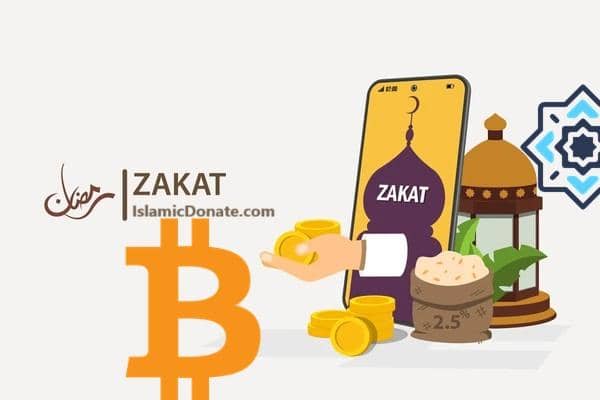
Ramadan is the holy month of Islamic faith that holds a lot of importance for Muslims all around the world. It is the month of fasting, prayer, and charity, and Muslims are encouraged to perform good deeds and help others in need. One of the most significant aspects of Ramadan is the payment of Zakat, which is a mandatory charity paid by Muslims who meet the eligibility criteria. In recent years, with the advent of digital currency, the question has arisen as to whether Zakat can be paid with Bitcoin. In this article, we will explore this issue in detail.

Zakat is one of the five pillars of Islam and is obligatory for every Muslim who meets the eligibility criteria. It is a fixed percentage of a person’s wealth that is paid annually to help the poor and needy. The current rate of Zakat is 2.5% of one’s total wealth, including cash, investments, and assets. The payment of Zakat is a way for Muslims to purify their wealth and fulfill their obligation to help those in need.

Bitcoin is a digital currency that has gained a lot of popularity in recent years. It is a decentralized currency that is not controlled by any government or financial institution. Bitcoin is based on a technology called blockchain, which is a decentralized ledger that records all Bitcoin transactions. Bitcoin can be bought, sold, and traded like any other currency, and it is accepted as a form of payment by many merchants around the world.

The question arises as to whether Zakat can be paid with Bitcoin. The answer is yes, Zakat can be paid with Bitcoin. In fact, there are several Muslim charities that accept Bitcoin donations as a form of Zakat payment. These charities convert the Bitcoin donations into cash and distribute them to the needy as per Islamic guidelines.

However, there are certain conditions that must be met for Bitcoin to be considered a valid form of Zakat payment. Firstly, the Bitcoin must be held as an investment and not for speculative purposes. Secondly, the Bitcoin must have reached the minimum threshold for Zakat payment, which is equivalent to the value of 85 grams of gold. If the value of a person’s Bitcoin holdings exceeds this threshold, they must pay Zakat on the excess amount.

Another issue that arises when paying Zakat with Bitcoin is the question of valuation. Bitcoin is a highly volatile currency, and its value can fluctuate rapidly. Therefore, it is essential to determine the value of Bitcoin at the time of Zakat payment. This can be done by referring to the current exchange rate of Bitcoin and converting the value of Bitcoin into the local currency.

In conclusion, Zakat is an important obligation for Muslims, and it can be paid with Bitcoin. However, certain conditions must be met for Bitcoin to be considered a valid form of Zakat payment. It is essential to ensure that Bitcoin is held as an investment and not for speculative purposes, and the value of Bitcoin must be determined at the time of Zakat payment. As digital currency becomes more widespread, it is likely that more and more Muslims will choose to pay Zakat with Bitcoin as a convenient and secure way to fulfill their religious obligation.

CryptocurrencyZakat

A Sacred Beacon of Faith: The Enduring Legacy of the Imam Hussain Holy Shrine

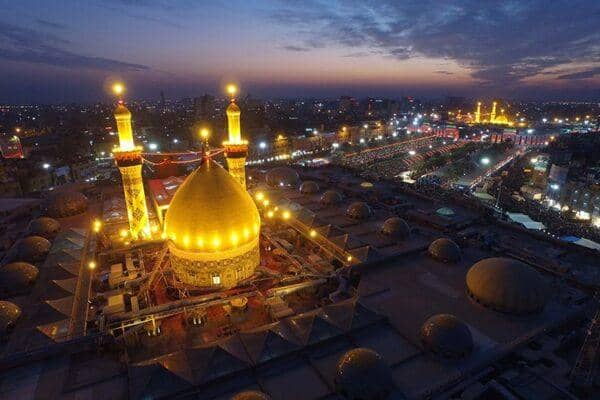
The Imam Hussain Holy Shrine stands as a monumental pillar of faith and reverence, nestled in the historic city of Karbala, Iraq. As the revered resting place of Imam Hussain, the beloved grandson of Prophet Muhammad, this sacred site draws millions of devoted Shia Muslims annually from every corner of the globe. These pilgrims undertake journeys of profound spiritual significance, visiting to offer their heartfelt prayers, pay deep respects, and contribute to the ongoing preservation and charitable endeavors supported by the shrine. The dedication of these individuals ensures the shrine’s legacy continues, serving as a beacon of guidance and compassion for generations.

A New Era of Giving: Crypto Donations to the Imam Hussain Holy Shrine

In a remarkable convergence of ancient tradition and modern innovation, the opportunity to donate to the Imam Hussain Holy Shrine now extends to the burgeoning world of digital currencies. The rapid ascent of cryptocurrencies like Bitcoin and Ethereum has revolutionized global finance, making them increasingly popular tools for philanthropy. For the first time, a streamlined and accessible pathway exists for Shia Muslims worldwide to support this vital religious institution through Bitcoin and Ethereum, simplifying the act of giving in unprecedented ways.

Why Cryptocurrency Donations Empower the Imam Hussain Holy Shrine

The decision to embrace cryptocurrency donations for the Imam Hussain Holy Shrine is rooted in the myriad advantages these digital assets offer.

  • Firstly, the hallmark of cryptocurrency transactions is their speed and security. Unlike traditional banking channels that often involve multiple intermediaries and processing delays, donations made with cryptocurrencies can be initiated and confirmed almost instantly. This direct peer-to-peer transfer mechanism bypasses financial institutions, significantly reducing transaction times and inherently mitigating risks of fraud or theft, ensuring that your generosity reaches its destination efficiently and safely.
  • Secondly, Another profound benefit inherent in using cryptocurrencies for charitable giving is the unparalleled transparency and accountability they provide. The underlying blockchain technology of cryptocurrencies creates an immutable, public ledger of all transactions. Every donation is recorded on this distributed network, forming a tamper-proof history that can be independently verified. This level of openness assures donors that their contributions are indeed being channeled for their intended purpose, fostering a deep sense of trust and allowing them to track the journey of their support with clarity.

Empowering Faith-Based Giving Through Cryptocurrency

The positive implications of integrating cryptocurrency into charitable donation frameworks are far-reaching and extend well beyond the Imam Hussain Holy Shrine. A growing number of philanthropic organizations globally are now recognizing and accepting Bitcoin and other digital currencies. This forward-thinking approach is a significant step towards democratizing philanthropy, empowering individuals to contribute to causes they deeply care about, irrespective of their geographical location or the complexities often associated with international wire transfers. You can donate and pay vows to Imam Hussain’s shrine with cryptocurrency here.

In essence, donating to the Imam Hussain Holy Shrine using Bitcoin, Ethereum, and other cryptocurrencies represents a harmonious blend of convenience, robust security, and unwavering transparency. This modern approach to supporting a cherished religious institution is a testament to how technology can enhance faith-based giving. As digital currencies continue their trajectory of global adoption, we anticipate an expanding landscape where an increasing number of charitable entities will embrace this innovative and highly effective method of garnering support.

How to donate Bitcoin to Imam Hussain Shrine?

Donating Bitcoin to the Imam Hussain Holy Shrine is a straightforward process designed for simplicity and security. Typically, you would navigate to the designated donation platform, such as IslamicDonate.com, which facilitates these contributions. Once there, you will find an option to select Bitcoin as your preferred donation currency. The platform will then provide you with a unique Bitcoin wallet address, often accompanied by a QR code, specific to the shrine’s donation account. From your personal Bitcoin wallet or cryptocurrency exchange, you would initiate a transfer to this provided address, specifying the amount of Bitcoin you wish to contribute. Always double-check the wallet address before confirming the transaction to ensure accuracy, as cryptocurrency transactions are irreversible.

Can I pay Nazr with Ethereum to Imam Hussain Shrine?

Absolutely, paying your Nazr (vows or offerings) to the Imam Hussain Holy Shrine with Ethereum is entirely possible and offers a modern, efficient method for fulfilling your spiritual commitments. Ethereum, much like Bitcoin, is a widely accepted cryptocurrency for charitable contributions due to its robust network and global reach. When you visit the shrine’s official donation portal or a trusted third-party platform supporting its mission, you can select Ethereum as your payment method for Nazr. The process will involve transferring the desired amount of Ethereum from your digital wallet to the shrine’s designated Ethereum address. This allows devotees to honor their pledges and contribute to the shrine’s welfare from anywhere in the world, with the added benefits of speed and transparency that blockchain technology provides.

Is donating crypto to Imam Hussain Shrine safe?

Donating cryptocurrency to the Imam Hussain Holy Shrine is considered very safe when conducted through official and reputable channels. The inherent security features of blockchain technology play a significant role here. Every transaction is encrypted and recorded on a decentralized, immutable ledger, making it extremely difficult for unauthorized alterations or fraud to occur. Furthermore, when you donate to an established institution like the Imam Hussain Holy Shrine via platforms endorsed by them, these platforms typically employ advanced security protocols, including multi-factor authentication and secure server environments, to protect donor information and transaction integrity.

What is Benefits of crypto donations to religious charities?

Cryptocurrency donations offer numerous compelling benefits for religious charities like the Imam Hussain Holy Shrine. Firstly, they enable global accessibility, allowing individuals from any country to donate without the complexities and high fees often associated with international bank transfers. Secondly, transactions are remarkably fast, ensuring funds reach the charity quicker than traditional methods. Thirdly, the transparency of blockchain provides an auditable record of all donations, fostering greater trust and accountability. Fourthly, in many jurisdictions, crypto donations can offer potential tax benefits similar to cash donations, encouraging larger contributions. Lastly, for donors who hold crypto, it provides a convenient way to give without converting their digital assets to fiat currency first.

what is Steps to donate cryptocurrency to Holy Shrines?

Donating cryptocurrency to Holy Shrines generally involves a few clear steps. First, identify the official donation platform or website for the specific shrine you wish to support. Second, look for the option to donate with cryptocurrency, often listed alongside traditional payment methods. Third, select your preferred cryptocurrency, such as Bitcoin or Ethereum. Fourth, the platform will provide you with a unique wallet address (and often a QR code) for that specific crypto. Fifth, open your personal cryptocurrency wallet or exchange account and initiate a transfer of the desired amount to the provided wallet address. Sixth, confirm the transaction details carefully before sending, as crypto transactions are usually irreversible. Finally, once the transaction is broadcasted and confirmed on the blockchain, your donation is complete.

Why use Bitcoin for charitable giving?

Using Bitcoin for charitable giving offers several compelling reasons for donors and charities alike. Bitcoin transactions are borderless, enabling anyone with an internet connection to send donations from anywhere in the world without geographic restrictions. This eliminates the complexities and delays of international banking. Furthermore, transaction fees for sending Bitcoin can often be lower than traditional wire transfers, especially for large amounts. Bitcoin’s decentralized nature means there are no central authorities to censor or block transactions, ensuring resilient channels for giving. For many crypto holders, donating Bitcoin also allows them to contribute directly from their digital assets without needing to convert to fiat currency first, potentially offering tax advantages in some regions.

Transparency in crypto donations to Karbala

Transparency is a cornerstone benefit of utilizing cryptocurrency for donations to sacred sites like the Imam Hussain Holy Shrine in Karbala. Every transaction made with cryptocurrencies like Bitcoin and Ethereum is recorded on a public blockchain ledger. This ledger is an open, immutable database that anyone can view, providing an unparalleled level of transparency. While the identities of donors remain pseudonymous, the transaction amount, timestamp, and destination address are all verifiable. This allows for clear accountability, ensuring that funds are received by the intended recipient and preventing misuse, thereby building strong donor trust and upholding the integrity of the charitable process.

How quickly are crypto donations processed for Imam Hussain Shrine?

Cryptocurrency donations to the Imam Hussain Holy Shrine are processed with remarkable speed, far surpassing traditional banking methods. Once a donor initiates a transfer from their crypto wallet, the transaction is almost immediately broadcasted to the blockchain network. While confirmation times can vary slightly depending on network congestion and the specific cryptocurrency (e.g., Bitcoin confirmations might take minutes, Ethereum typically faster), the funds are generally accessible to the recipient much faster than bank transfers, which can take days or even weeks for international transactions. This rapid processing ensures that contributions can quickly be put to use for the shrine’s immediate needs and ongoing projects.

Supporting Imam Hussain Shrine from abroad with crypto

Supporting the Imam Hussain Holy Shrine from abroad with cryptocurrency is one of its most powerful advantages, completely overcoming geographical barriers. Traditional international donations often involve high fees, unfavorable exchange rates, and lengthy processing times, making it cumbersome for global devotees. Cryptocurrencies, however, operate on a global, borderless network. A Shia Muslim in Europe, North America, or Asia can send Bitcoin or Ethereum to the shrine in Karbala as easily as sending it to a wallet in their own country. This global reach ensures that every devotee, regardless of their location, can contribute efficiently and cost-effectively to the upkeep and charitable activities of the sacred shrine.

How does crypto donation benefit the Imam Hussain Shrine’s mission?

Crypto donations significantly benefit the Imam Hussain Holy Shrine’s mission by providing a modern, efficient, and globally accessible funding stream. These contributions directly support the shrine’s core activities, including the ongoing preservation and maintenance of the sacred complex, ensuring it remains a welcoming and pristine spiritual sanctuary for millions of pilgrims. Funds also empower the shrine’s extensive charitable initiatives, which often encompass humanitarian aid, educational programs, and community services for the less fortunate in Karbala and beyond. By expanding the donor base and making giving easier and more transparent, cryptocurrency helps the shrine fulfill its spiritual and social responsibilities more effectively, amplifying its positive impact on the world.

As we embrace this powerful harmony between timeless devotion and modern innovation, we are reminded that every act of generosity carries the potential to illuminate lives far beyond our own. At IslamicDonate, our mission is to transform compassion into meaningful action supporting sacred institutions like the Imam Hussain Holy Shrine and uplifting vulnerable communities across the world.
If this message resonates with your heart, we warmly invite you to join us in this journey of faith and service. Your contribution, whether in Bitcoin, Ethereum, or any form of giving, becomes a lasting light for those who need it most. Learn more about our story and support our work at IslamicDonate.com.

Imam Hussain’s Nazr: Pay and Amplify Your Devotion with Cryptocurrency

CryptocurrencyIbadah / Acts of WorshipImams of Athar

Kaffara is a form of penance in Islam, which is performed when a person breaks a vow or fails to fulfill an obligation. The purpose of Kaffara is to atone for the wrong that has been done and to demonstrate a person’s regret and commitment to making amends.

Kaffara is typically performed in situations where a person has failed to fulfill a religious obligation, such as fasting during the month of Ramadan or breaking a vow to perform a certain act of worship. It is also performed when a person has committed a sin or has acted in a way that is considered sinful in Islam.

The exact form of Kaffara depends on the situation and the type of obligation that has been broken. In some cases, Kaffara may involve fasting for a certain number of days, giving a certain amount of money to charity, or performing a specific act of worship. (You can click to calculate the amount of Kaffara.)

Kaffara is not a substitute for genuine remorse and a change in behavior. The purpose of Kaffara is not simply to perform a ritual, but to reflect on one’s actions and to make a genuine effort to change for the better.

Kaffara is also seen as an opportunity for spiritual growth and renewal. By performing Kaffara, a person demonstrates their commitment to making amends and to living in accordance with the principles of Islam.

In some cases, Kaffara may also be performed as a form of community service. For example, a person may perform Kaffara by volunteering their time and resources to help those in need, such as by helping to build a mosque or by providing food and shelter to the homeless.

Kaffara is not a punishment or a form of retribution, but rather a means of atoning for one’s mistakes and of demonstrating a commitment to making amends. It is a means of seeking forgiveness from God and of cultivating a deeper connection with the divine.

Kaffara is a form of worship that is performed voluntarily, and it is not compulsory in all situations. In some cases, it may be recommended or encouraged, but the decision to perform Kaffara is ultimately up to the individual.

Kaffara is not a one-time event, but rather a process of growth and renewal. The act of performing Kaffara is an opportunity for a person to reflect on their actions and to make a genuine effort to improve their behavior and to live in accordance with the principles of Islam.

In conclusion, Kaffara is a form of penance in Islam that is performed when a person breaks a vow or fails to fulfill an obligation. It is a means of atoning for the wrong that has been done and of demonstrating a person’s regret and commitment to making amends. Kaffara is seen as an opportunity for spiritual growth and renewal, and it is a form of worship that is performed voluntarily and with genuine remorse.

KaffarahReligion
  1. Sadaqa is a voluntary act of charity in Islam that is given out of love for God and for the sake of helping others. Unlike Zakat and Khums, which are mandatory forms of charity, Sadaqa is an optional act of kindness that goes above and beyond the requirements of these other forms of charity.
  2. Sadaqa can take many forms, including monetary donations, food, clothing, and other forms of assistance. It can be given to anyone in need, including the poor, orphans, widows, and those who are struggling to make ends meet.
  3. The act of giving Sadaqa is considered a virtue in Islam and is said to earn reward from God. It is a way for Muslims to demonstrate their compassion and generosity and to help those who are less fortunate.
  4. Sadaqa can be given at any time and in any amount, and there is no specific requirement for how much or how often it should be given. Some Muslims choose to give a small amount each day, while others give larger amounts on special occasions, such as the end of Ramadan or during Eid al-Fitr.
  5. Sadaqa can be given to individuals or to organizations that work to help those in need. Many Muslim communities have charitable organizations that are dedicated to providing assistance to those who are struggling, and these organizations can be excellent sources for giving Sadaqa.
  6. In addition to helping those in need, Sadaqa can also have a positive impact on the giver. By giving to others, Muslims can cultivate a spirit of generosity and compassion and can develop a deeper connection to God and their community.
  7. Sadaqa is also a means of purifying one’s wealth, as it helps to remove the negative effects of accumulating wealth and helps to ensure that wealth is used for good purposes.
  8. Sadaqa can also be a way to seek forgiveness from God, as it is believed that giving to others can help to erase the negative effects of past sins.
  9. Sadaqa is an important part of Islamic culture and is considered a means of promoting social justice and equality in the world. By giving to those in need, Muslims can help to reduce poverty and provide assistance to those who are struggling.
  10. In conclusion, Sadaqa is a voluntary act of charity in Islam that is given out of love for God and for the sake of helping others. It is an important means of demonstrating compassion and generosity and of promoting social justice in the world. By giving to those in need, Muslims can purify their wealth and cultivate a deeper connection to God and their community.
KhumsReligion