Environmental Protection

How Water-Free Solar Panel Cleaning Enhances Renewable Energy Projects

As members of Our Islamic Charity, we are committed to advancing renewable energy projects that not only harness the power of the sun but also conserve vital resources like water. One significant challenge in maintaining solar panel efficiency is keeping them clean, especially in regions where water is scarce. Traditional cleaning methods consume substantial amounts of water, which is neither sustainable nor feasible in arid areas such as Central Africa and the Middle East.

The Water Consumption Challenge in Solar Panel Maintenance

Maintaining optimal performance of solar panels necessitates regular cleaning to remove dust and debris. Conventional cleaning methods typically involve the use of water, leading to considerable consumption. For instance, cleaning a single solar panel may require approximately 5 liters of water. In a 1-megawatt (MW) solar power plant, which can consist of around 3,000 panels, this translates to about 15,000 liters of water per cleaning session.

Given that such panels might undergo cleaning multiple times a year, the annual water usage can be substantial. This level of consumption poses a significant concern in water-scarce regions, where every drop is precious.

Innovative Water-Free Cleaning Solutions

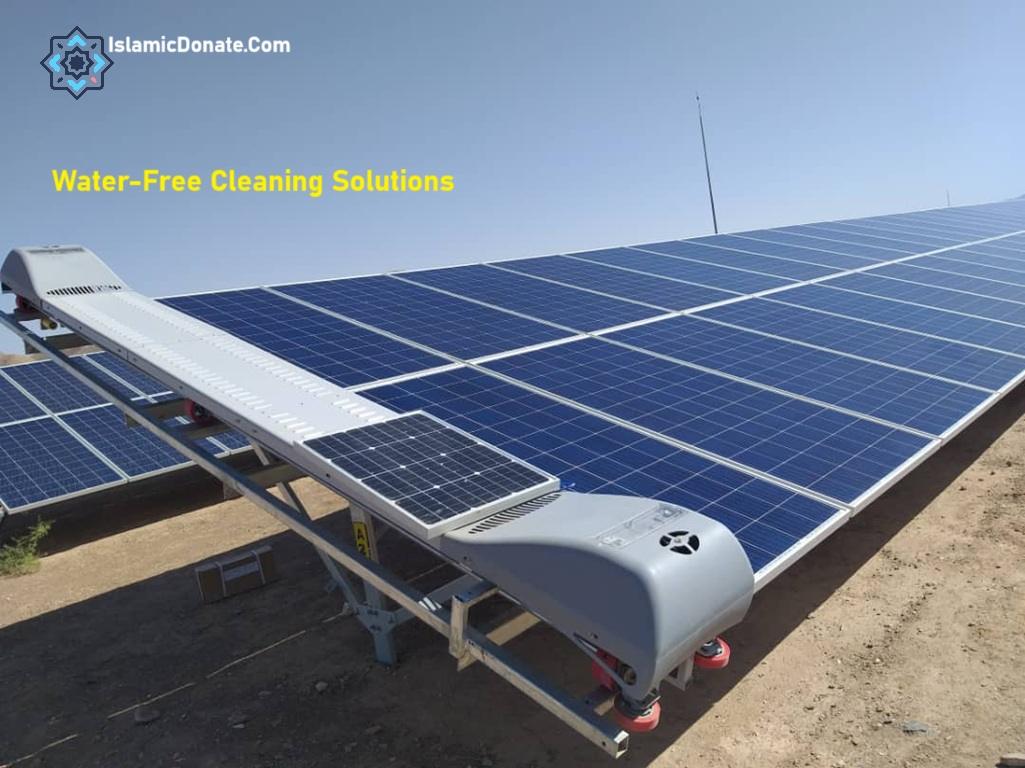
To address this issue, we have adopted advanced water-free cleaning technologies for our solar installations. These systems utilize automated robots equipped with soft microfiber brushes and controlled airflow to effectively remove dust and debris without the need for water. By implementing these innovative solutions, we significantly reduce water consumption, aligning with our commitment to environmental stewardship and resource conservation.

Case Study: Implementing Water-Free Cleaning in Pakistan

In recent years, Our Islamic Charity launched a solar energy project in Pakistan, aiming to provide sustainable power to local communities. Initially, the maintenance of the solar panels relied on traditional water-based cleaning methods. However, recognizing the environmental impact and the importance of water conservation, we transitioned to an automatic, water-free cleaning system.

This shift not only preserved thousands of liters of water annually but also enhanced the efficiency and longevity of the solar panels. The success of this initiative has inspired us to replicate similar solutions in other regions facing water scarcity.

Solar Energy Water-Free Cleaning crypto green project donation BTC ETH SOL USDC cryptocurrency for good

The support from donors, particularly through cryptocurrency contributions, has been instrumental in implementing these sustainable solutions. By adopting water-free solar panel cleaning systems, we are taking a significant step toward sustainable renewable energy practices. You can donate to clean energy projects or environmental protection. Click to see our various environmental projects.

The Broader Impact on Renewable Energy Projects

Embracing water-free cleaning technologies in solar energy projects offers multiple benefits:

  • Water Conservation: By eliminating the need for water in cleaning processes, we conserve a vital resource, particularly in arid regions where water is scarce.
  • Enhanced Efficiency: Regular and effective cleaning without water ensures that solar panels operate at peak efficiency, maximizing energy production.
  • Environmental Sustainability: Reducing water usage and avoiding chemical runoff contribute to a healthier ecosystem and support the broader goals of environmental preservation.
  • Cost-Effectiveness: Automated cleaning systems reduce labor costs and minimize the expenses associated with water procurement and disposal.

The Role of Cryptocurrency Donations in Advancing Green Projects

As part of our community, you have the opportunity to support and promote these sustainable practices. By donating to Our Islamic Charity’s renewable energy projects, you contribute to initiatives that not only provide clean energy but also prioritize environmental conservation. Your support enables us to implement innovative solutions like water-free solar panel cleaning systems, bringing sustainable development to regions that need it most.

Together, we can make a significant impact by advancing renewable energy technologies that respect and preserve our planet’s precious resources. Let’s continue to work hand in hand towards a greener, more sustainable future.

Environmental ProtectionProjectsReportWhat We Do

Suhoor and Iftar Meals for Needy Muslims

Ramadan is a time of reflection, devotion, and generosity. As we prepare for Ramadan 2025, our priority remains clear: to provide nourishing Suhoor and Iftar meals to the needy while also strengthening the economic cycle of struggling families. One of our recent initiatives has been the purchase of 900 kilos of corn from local farmers, ensuring that both the farming community and those in need benefit from this charitable project.

The Importance of Corn in Ramadan Meals

Corn is a versatile grain that holds an important place in many traditional dishes across the Muslim world. With its ability to be transformed into a variety of meals, salads, and desserts, it is a staple ingredient for Iftar. Some beloved Muslim desserts made from corn include:

  • Basbousa – A semolina and corn flour cake soaked in syrup, often flavored with coconut or rose water.
  • Atayef – Small pancakes filled with sweetened cream or nuts, sometimes made with a touch of corn flour for extra texture.
  • Corn Pudding (Mihallabiya) – A smooth and creamy dessert made with corn flour, milk, and sugar, topped with nuts or cinnamon.
  • Sweet Corn Soup – A light and nourishing appetizer, perfect for breaking the fast before the main meal.

By incorporating corn into Iftar, we provide a nutrient-rich ingredient that can be prepared in various forms to satisfy different dietary needs and cultural tastes.

Strengthening the Local Economy Through Charity

At ‘Our Islamic Charity,’ we are committed to ethical sourcing. That’s why we prioritize purchasing from local farmers, many of whom struggle with financial instability. By buying corn from them at a fair price, we not only support their families but also create a positive economic impact within the community.

The purchase of 900 kilos of corn was a moment of joy and relief for these farmers, who often face difficulties in selling their crops at sustainable rates. Our initiative directly contributes to improving their livelihoods, ensuring they can continue their work with dignity and hope.

From Farm to Iftar: The Journey of Giving

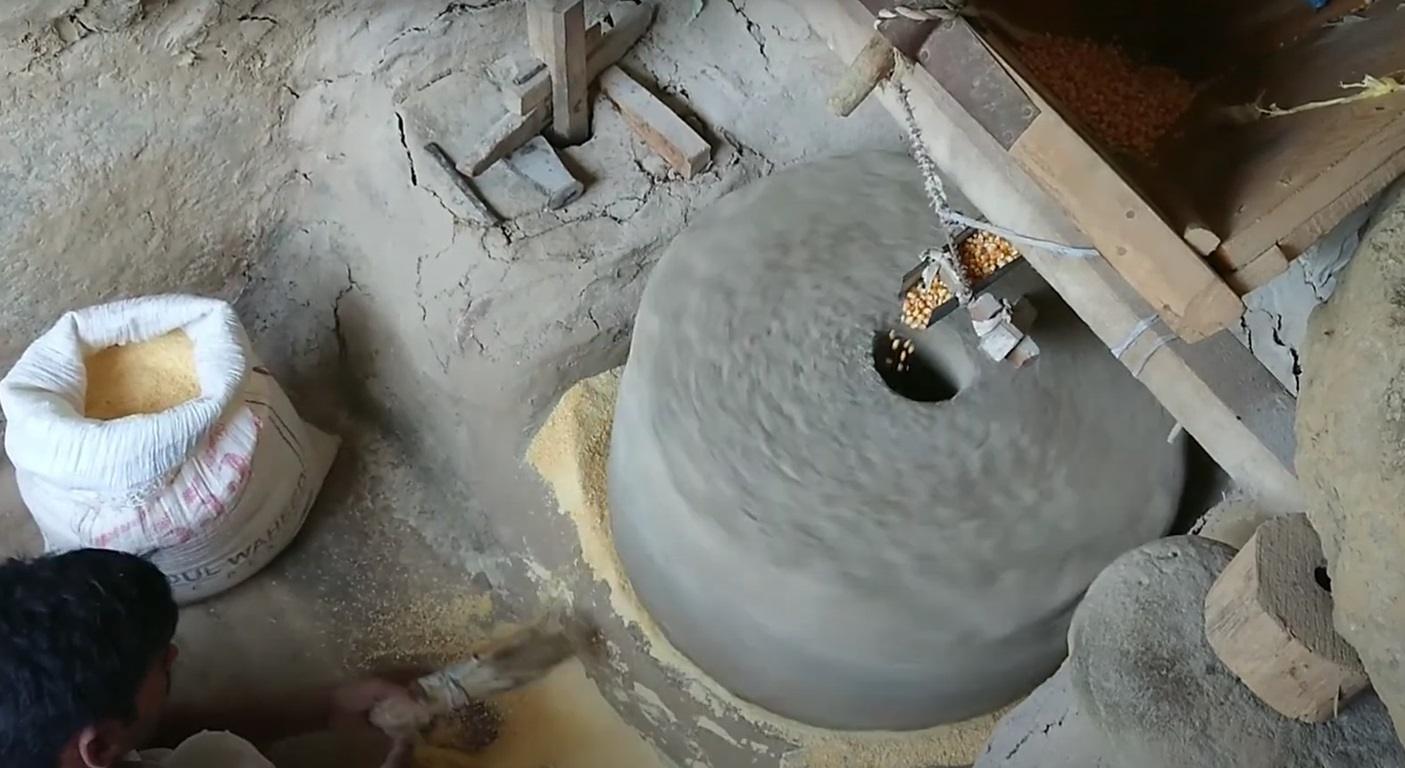
The process of transforming this corn into nourishing meals was truly inspiring. A portion of the corn was milled into flour using traditional water mills, an initiative undertaken by devoted Muslim volunteers who participated with enthusiasm. Witnessing their dedication to serving those who fast during Ramadan was one of the most touching aspects of this project.

Once processed, the corn and its flour were carefully packaged and distributed to our charity kitchens. These essential ingredients will now be turned into warm, hearty dishes for Suhoor and Iftar, providing sustenance to those who need it most. The entire journey–from the hands of the farmers to the tables of the needy–was driven by the spirit of Islamic generosity and communal support.

Supporting War-Torn Countries in Ramadan 2025

As we enter Ramadan 2025, we must be more attentive to the needs of our brothers and sisters in war-torn countries. As Muslims, we have a duty to care for one another, as Allah says in the Quran:

The believers are but brothers, so make settlement between your brothers. And fear Allah that you may receive mercy.” (Surah Al-Hujurat 49:10).

In this blessed month, ‘Our Islamic Charity’ will continue focusing on the war-torn countries of Palestine, Lebanon, Syria, and Yemen. Many of our fellow Muslims in these regions are displaced and struggling to fulfill their religious duties. We will strive to provide them with the support they need to observe fasting with dignity and sustenance. We also ask them to pray for all Muslims around the world, as we stand together in faith and compassion.

Your Crypto Donations Make a Difference

Every meal we prepare and every family we support is made possible through your donations. By contributing cryptocurrency to our charitable projects, you are directly helping us fund these meaningful initiatives. Your generosity ensures that farmers receive fair compensation, volunteers continue their noble work, and the needy receive nutritious meals throughout Ramadan. Visit our Ramadan 2025 programs.

We pray that your contributions are accepted by Allah and that your rewards multiply in this blessed month. With your support, we will continue to uplift communities, strengthen economies, and provide essential sustenance to those who rely on us. Let’s come together to make Ramadan 2025 a time of even greater giving and compassion.

Environmental ProtectionFood and NutritionIbadah / Acts of WorshipProjectsReportWhat We DoZakat

Donate Olive Tree as Sadaqah Jariyah: Planted 200 Olive Trees in 2024

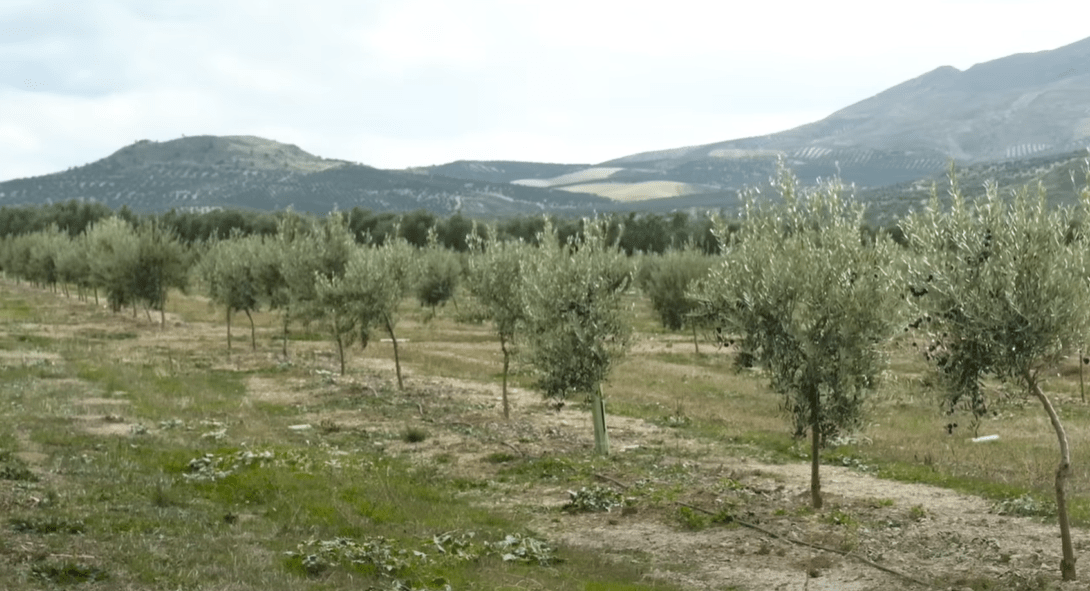
Planting trees is one of the most beautiful and lasting forms of charity. In Islam, this act is highly recommended as a form of Sadaqah Jariyah–an ongoing charity that continues to benefit others long after it is done. Read more about Sadaqah Jariyah… At Our Islamic Charity, we’ve taken this concept to heart, especially with our latest initiative to plant 200 olive trees for needy families in Syria and Pakistan. And with your support through crypto donations, we’ve been able to make this possible.

As we move forward into the tree-planting season of 2024, we’re excited to see how this project is already making a difference. But our work doesn’t end here. With your help, we’re committed to planting even more trees across various regions, ensuring that the poor and needy benefit from the economic and environmental value that these trees provide.

Why Olive Trees? The Perfect Sadaqah Jariyah

Olive trees hold a special place in both our religion and our hearts. Mentioned multiple times in the Quran, they are symbolic of peace, prosperity, and blessings. Read the names of trees mentioned in the Quran here. The olive tree is also a source of sustenance, providing fruit and oil that can be used by families for both consumption and sale. For needy families in places like Syria and Pakistan, owning olive trees can be life-changing.

When we think about the long-term impact of planting trees, it’s easy to see why this form of Sadaqah Jariyah is so highly encouraged in Islam. Trees continue to provide benefits for decades, offering shade, oxygen, and food, and even contributing to the local economy. By planting an olive tree, you are not just giving a family a temporary solution–you’re giving them a future filled with potential.

At Our Islamic Charity, we’ve taken this Islamic principle and modernized it by accepting crypto donations to fund these projects. With Bitcoin, Ethereum, and other cryptocurrencies, we can bypass traditional barriers and deliver immediate resources where they’re needed most. Through your crypto donations, we’ve already been able to plant 200 olive trees in 2024, and this is just the beginning.


The Process: How We Plant and Care for the Trees

We don’t just plant a tree and walk away. The process of planting and caring for these olive trees is carefully planned and executed with the families’ long-term well-being in mind. When you contribute through a Crypto Donate, here’s how we ensure your donation is put to good use:

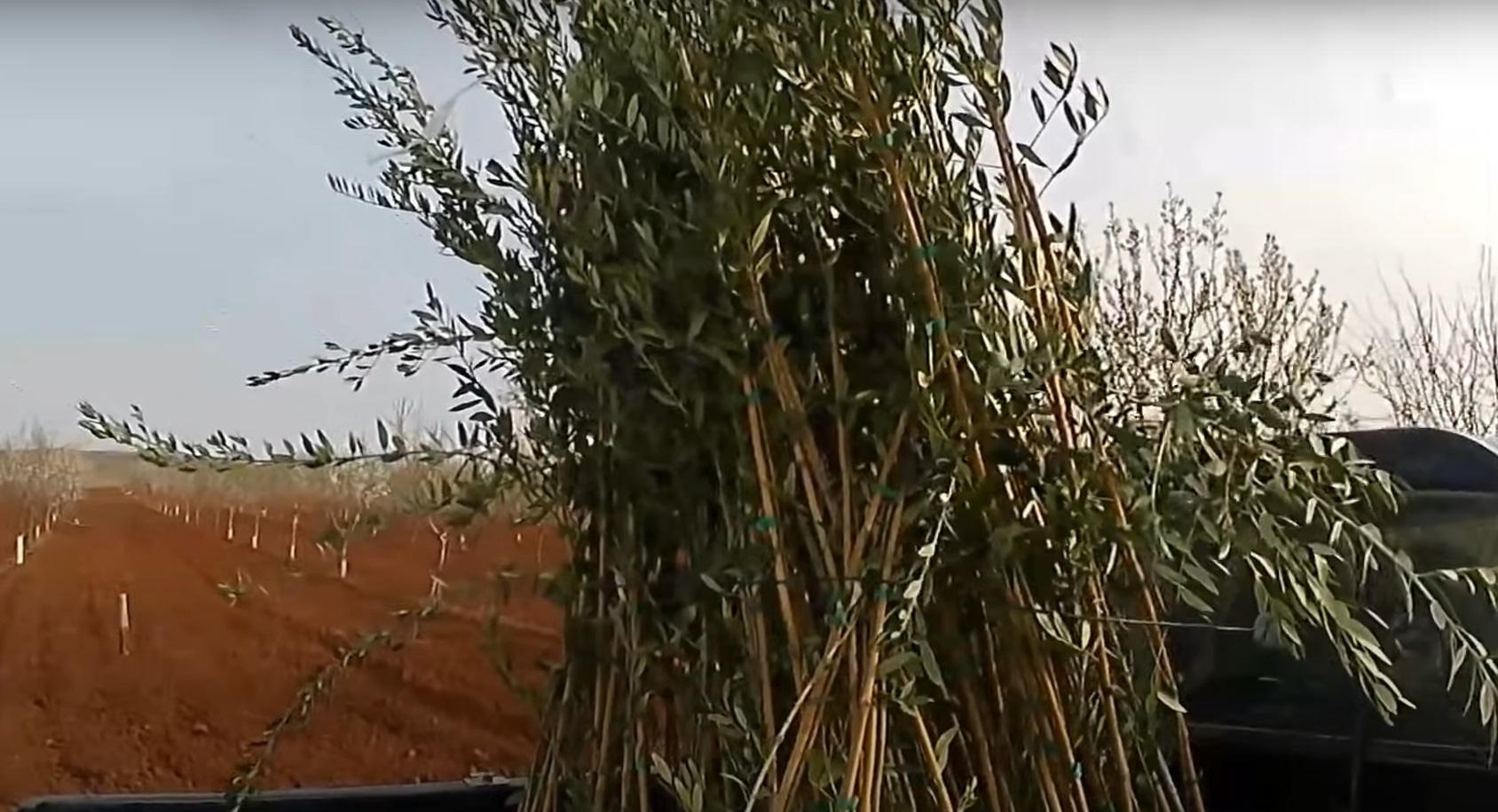
  • Planting: With the start of the 2024 tree planting season, we prepared the land, selected high-quality olive saplings, and got to work. Each tree was planted with expert supervision to ensure that it would thrive in the local environment.
  • Irrigation and Care: Olive trees need water to grow, and in regions where droughts are common, this can be a challenge. That’s why we equip each planting site with efficient irrigation systems. These systems are vital in helping the trees grow strong and healthy, especially in the early stages.
  • Future Maintenance: Fertilizers, pesticides, and ongoing care are crucial for the longevity of these trees. We provide all the necessary supplies and training to the families receiving the trees, so they can take over the care of the trees themselves.
  • Sustainable Income: Once the trees begin to bear fruit, families can either consume the olives or sell them in local markets. This provides them with a sustainable income, allowing them to improve their living conditions and become more self-sufficient.

Your donation isn’t just a one-time gift–it’s a contribution to an ongoing, sustainable project that continues to benefit needy families for years to come. With each tree, you are helping to uplift communities, improve the environment, and fulfill the obligations of zakat.

Why Crypto Donations Make a Difference

We’ve entered a new era of charity, where donating doesn’t have to be slowed down by bank transfers, red tape, or geographical limitations. By using cryptocurrency to fund these projects, we can make sure that your donation reaches us faster and more securely. Crypto donations provide a modern, efficient way to give, and they’ve been instrumental in making this tree planting project a reality.

If you’ve ever wondered how to use your cryptocurrency for a worthy cause, look no further. By donating Bitcoin, Ethereum, USDT, or other digital currencies, you’re contributing to something that will have a lasting impact. You’re helping us plant trees, provide sustainable income to families, and improve the overall quality of life in regions that have suffered greatly from poverty and conflict. From here you can donate crypto for tree planting projects.

The Economic Impact of Tree Planting

While the environmental benefits of planting olive trees are clear, the economic impact is just as important. For families who are struggling to make ends meet, owning a tree that produces fruit is an invaluable asset. Each olive tree we plant has the potential to produce olives that can be harvested, sold, or processed into olive oil. At the beginning of 2024, we revived an olive oil workshop, which you can read here.

Over time, as the trees continue to grow, the families who receive them will see their financial situations improve. They’ll have a steady source of income that can help them pay for necessities like food, education, and healthcare. The long-term impact is significant–not just for individual families, but for entire communities.

When you donate through Our Islamic Charity, you’re contributing to this cycle of economic growth. Your donation is directly improving the lives of those who need it most, while also helping the environment through the planting of trees. It’s a win-win for everyone involved.

Our Future Projects: Expanding Tree Planting Efforts

We’re not stopping at 200 olive trees. Our goal is to expand our tree planting projects into more regions, with the next phase focusing on Africa. By 2025, we hope to have planted thousands of olive trees across countries that desperately need both environmental and economic support.

A Call to Action for Our Ummah

In Islam, giving is an act of worship and a means to create lasting change. At Our Islamic Charity, we are dedicated to uplifting the lives of the needy through projects that benefit both their immediate and long-term well-being. The olive tree planting initiative is just one example of how we can fulfill our duty to the Ummah by helping those in need.

Now, it’s time for all of us to take part. Whether through your crypto donations, sharing our cause, or volunteering, you have the opportunity to contribute to meaningful change. Your involvement is crucial to planting more trees and helping more families build better lives. By donating Bitcoin, Ethereum, or other cryptocurrencies, you are directly impacting lives in Syria, Pakistan, and beyond.

Together, as one Ummah, we can continue planting hope, providing relief, and making the world a better place–one olive tree at a time.


Economic EmpowermentEnvironmental ProtectionIbadah / Acts of WorshipProjectsReportWhat We DoZakat

Combating Climate Change and Protecting Communities: A Guide for Muslim Crypto Donors

As Muslims, we are called upon to be stewards of the Earth and care for those in need. Climate change and harmful UV radiation pose a significant threat to our planet and its inhabitants, disproportionately impacting developing countries. But there’s hope! By leveraging innovative solutions and the power of cryptocurrency donations, we can make a real difference.

This guide explores several low-cost, high-impact projects that our Islamic charity, alongside dedicated donors like you, can implement to combat these challenges:

Creating Cooler Cities: The Cool Roofs Initiative

Imagine a world where homes stay naturally cooler, reducing energy consumption and the urban heat island effect. The Cool Roofs Initiative does just that! By encouraging residents to paint or coat rooftops with highly reflective materials, typically white or light colors, we can significantly decrease building temperatures. This translates to lower electricity bills, improved indoor comfort, and potentially less air pollution. Additionally, this approach can help reduce heat-related illnesses, a growing concern in many regions.

We can achieve this by:

  • Raising awareness: Educational campaigns and workshops explaining the benefits of cool roofs to local communities.
  • Partnering with local businesses: Collaborating with paint manufacturers to offer discounts or subsidies for reflective coatings.
  • Providing resources: Creating a network of volunteers who can assist with painting or coating projects for those in need.

This initiative not only tackles climate change but also empowers communities by promoting collaboration and self-sufficiency.

Cultivating Green Havens: Urban Green Spaces

Imagine lush parks and vibrant community gardens transforming concrete jungles into thriving ecosystems. This vision is the driving force behind our Urban Green Spaces project. By creating or expanding green spaces within urban areas, we can provide much-needed shade, improve air quality, and further mitigate the urban heat island effect.

The benefits extend beyond the environment. Studies show that access to green spaces can lead to improved public health, reduced stress levels, and enhanced biodiversity. Additionally, these spaces can function as community hubs, fostering social interaction and promoting a sense of well-being.

A Story of Success: Afar region of Ethiopia 2023

In 2023, our Islamic charity, in collaboration with local trustees in the Afar region of Ethiopia, implemented this project. We witnessed firsthand the positive impact on the community. The creation of parks and green spaces not only provided much-needed shade and improved air quality but also served as a gathering point for families and social activities.

This experience underscores the importance of tailoring projects to specific regional and cultural contexts. We will continue to build upon these successes, replicating this model in other developing countries.

Capacity Building: Workshops to Local Communities

The key to sustainable change lies not just in implementing projects but in empowering communities to maintain and build upon them. This is where our focus on capacity building comes in.

We believe in investing in training and education to equip local communities, especially the youth, with the skills and knowledge necessary to address environmental challenges. This might involve workshops on sustainable agricultural practices, renewable energy technologies, or even project management.

Why Capacity Building?

Imagine a community where young people, armed with the knowledge and skills gained from our workshops, spearhead initiatives like creating and maintaining community gardens or promoting the use of solar power. Their energy and enthusiasm are crucial for long-term success. In our experience, follow-up workshops where these young people share their strategies and activities further encourage participation and ensure the project’s longevity.

By fostering a culture of learning and action, we can empower communities to become active participants in creating a more sustainable future.

Be Stewards of the Earth

The fight against climate change and UV radiation requires a multi-faceted approach. Our Islamic charity, with the support of generous crypto donors like you, is committed to implementing these low-cost, high-impact projects.

Through the Cool Roofs Initiative, we can create cooler cities. By expanding Urban Green Spaces, we can cultivate green havens for communities. And by investing in Capacity Building, we can empower future generations to be stewards of the Earth.

Remember, every donation, big or small, can make a difference. Donate anonymously using cryptocurrency and join us in creating a lasting positive impact on our planet and its inhabitants.

Together, we can build a more sustainable future for all.


Education and TrainingEnvironmental ProtectionIbadah / Acts of WorshipReportWhat We Do

When Does Planting Hope Begin? Seasonal Wisdom for Giving Back

Planting a tree is a beautiful act of charity, a Sadaqah Jariyah that offers continuous good deeds long after the planting is done. But with so many regions we serve and climates to consider, you might wonder: when is the best time to plant a tree through our Islamic charity?

Just like the changing seasons, our charitable work follows a rhythm throughout the year. Here’s a look at when your generous Crypto Donate can blossom into a flourishing tree, offering shade, sustenance, and a symbol of hope for years to come.

Autumn’s Bounty: The Ideal Time for Growth

In many temperate regions, late fall and winter (between November and March in the Northern Hemisphere) present the perfect window for planting trees. During this dormant period, trees are less stressed by transplanting, allowing them to focus their energy on establishing a strong root system in the cool, moist soil. This sets them up for success when spring arrives and new growth begins.

Spring’s Renewal: Expanding Our Reach

As winter loosens its grip and spring paints the world in vibrant hues, our focus shifts towards nurturing the trees planted in the previous season. Many of our projects during this time involve caring for these young trees, ensuring they thrive in their new homes. This might involve tasks like weeding, watering, and monitoring their progress.

Spring also opens the door for planting in some warmer climates. Here, we take advantage of the mild temperatures and increased moisture levels to give newly planted trees the best chance of survival.

Summer’s Harvest: Empowering Families

By summertime, the trees planted in late winter and spring begin to bear fruit (literally, in the case of olive trees!). This joyous time signifies not only the success of our plantings but also the empowerment of the families we assist.

Our approach goes beyond simply providing food. We deliver these flourishing gardens directly to families in need, ensuring a sustainable source of nutritious produce for their tables. But the benefits extend even further. The surplus harvest can be sold at local markets, creating a vital income stream for these families. This income allows them to not only meet their basic needs but also invest in their futures. You can read our latest activity report on olive tree planting here.

In essence, our summer projects achieve two important goals.

First, we create jobs by equipping families with the means to cultivate and sell their produce.
Second, we contribute to the economic well-being of these families, fostering self-sufficiency and long-term stability.

This revised section emphasizes the income generated from the harvest as a tool for empowering families, creating jobs, and fostering economic independence. It aligns better with the overall message of your Islamic charity.

Trees for Every Climate

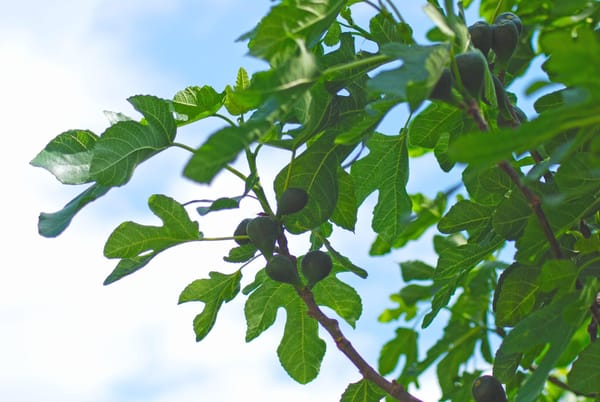
While temperate regions benefit from fall and winter plantings, our charitable work adapts to the unique needs of each environment. In hotter and drier African countries like Sudan, South Sudan, Niger, and Somalia, we strategically plant trees like African figs (Ficus) that thrive in these harsher conditions. These carefully chosen species serve a multitude of purposes, aligning perfectly with our core goals:

  • Providing vital fodder: The leaves and fruits of these trees offer a valuable source of sustenance for the livestock owned by families in need. This ensures the health and well-being of the animals, a critical asset for these communities.
  • Combating soil erosion: The root systems of these trees help to anchor the soil, preventing erosion caused by strong winds and heavy rains. This safeguards the precious topsoil, essential for future agricultural endeavors.
  • Improving the regional climate: Trees act as natural air conditioners, providing shade and reducing temperatures. By increasing tree cover, we contribute to a cooler, more comfortable environment for the communities we serve.

By tailoring our tree selection and planting times to specific climates, we ensure the long-term success of our projects and maximize the positive impact on the lives of those we assist. You can read our latest activity report on tree planting in Africa here.

Beyond the Harvest: Creating Lasting Value

Sometimes, our summer efforts extend beyond simply delivering gardens and harvesting produce. When resources allow, we take the initiative to create even greater value for our beneficiary families. In the case of olive-growing families, this might involve setting up small-scale olive oil production workshops. By providing the tools and knowledge for processing their olives into high-quality olive oil, we empower them to command a premium price for their harvest in local markets. This not only increases their income but also equips them with valuable skills and opens doors to new economic opportunities.

An Everlasting Gift: The Legacy of Sadaqah Jariyah

The beauty of Sadaqah Jariyah lies in its continuity. Just like the seasons that turn, our charitable work is a cycle of planting, nurturing, and harvesting. Your Crypto Donate becomes a gift that keeps on giving, a symbol of your generosity that continues to benefit communities for years to come.

We invite you to join us in planting the seeds of hope. Give Sadaqah today through our secure platform and be a part of something truly special. May Allah accept your donations and bless you for your compassion.

Economic EmpowermentEnvironmental ProtectionIbadah / Acts of WorshipSadaqahWhat We Do

Take Dengue Fever Seriously: Understanding the Disease and Caring for Yourself

Dengue fever, a mosquito-borne illness prevalent in tropical and subtropical regions, can cause significant discomfort and even pose serious health risks. As a community, it’s crucial for us to be aware of this disease, its symptoms, and how to care for ourselves and others who might be infected.

Understanding Dengue Fever: A Historical Perspective

Dengue fever has plagued humanity for centuries. Early mentions of the disease can be traced back to the 17th century, with documented outbreaks occurring in Southeast Asia. Over time, the virus responsible for dengue fever, known as the dengue virus, has evolved into five distinct serotypes. Each serotype can cause infection, and some individuals may even contract dengue fever multiple times in their lifetime, with each subsequent infection potentially increasing the severity of symptoms.

The Culprit: The Aedes Mosquito and Transmission

The Aedes mosquito, a type of mosquito identifiable by its black and white markings, acts as the primary vector for transmitting dengue fever. These mosquitoes breed in stagnant water, making them particularly common in urban areas with poor sanitation. When an infected Aedes mosquito bites a human, it transmits the dengue virus into the bloodstream, triggering the onset of the illness.

Recognizing the Signs: Symptoms of Dengue Fever

Dengue fever symptoms can vary depending on the severity of the infection. In some cases, individuals may not experience any noticeable symptoms at all. However, for those who do develop symptoms, the most common ones include:

  • Sudden high fever (up to 104°F or 40°C)
  • Severe headache
  • Muscle and joint pain
  • Nausea and vomiting
  • Fatigue and weakness
  • Skin rash

In more severe cases, dengue fever can progress to a hemorrhagic form, characterized by bleeding gums, nosebleeds, and internal bleeding. This is a medical emergency and requires immediate hospitalization.

Geographic Prevalence: Dengue Fever Around the World

Dengue fever is a global health concern, with a higher prevalence in tropical and subtropical regions. East Asia and Southeast Asia have historically borne the brunt of the disease burden. However, the dengue virus is also present in parts of Africa, the Americas, and the Pacific. As climate change and travel patterns evolve, the risk of dengue fever outbreaks is increasing even in areas previously not considered high-risk.

Self-Care and Treatment for Dengue Fever

There is currently no specific medication to cure dengue fever. However, there are steps you can take to manage the symptoms and promote healing:

  • Rest: Getting plenty of rest allows your body to focus its energy on fighting the infection.
  • Hydration: Dengue fever can lead to dehydration due to fever and vomiting. Ensure you drink plenty of fluids, such as water, clear broths, and electrolyte solutions.
  • Pain Management: Over-the-counter pain relievers like acetaminophen (paracetamol) can help manage fever and muscle aches. Avoid medications like ibuprofen and aspirin, which can increase bleeding risk.
  • Monitor Symptoms: Closely monitor your symptoms, especially for signs of severe dengue fever, such as persistent vomiting, severe abdominal pain, or bleeding. If you experience any of these symptoms, seek immediate medical attention.

By following these self-care measures and remaining vigilant about your health, you can help your body overcome dengue fever. Remember, early diagnosis and prompt medical intervention are crucial for preventing complications associated with severe dengue fever.

Working Together to Fight Dengue Fever

As a community, we can play a vital role in combating dengue fever. Here are some ways we can contribute:

  • Raising Awareness: Educating ourselves and others about dengue fever, its symptoms, and preventive measures is crucial.
  • Mosquito Control: Implementing measures to control mosquito populations, such as eliminating stagnant water sources and using mosquito nets, can significantly reduce the risk of transmission.
  • Supporting Research: Donating to organizations dedicated to researching dengue fever treatments and vaccines can help scientists develop effective solutions in the future.

Improving the status of stagnant water and increasing environmental hygiene is one of the best measures to control the mosquito population. At our Islamic charity, we have events for education and raising awareness, as well as Environmental Health Events and Nature Clean-up Events in our programs.

By working together and taking proactive steps, we can create a healthier environment for ourselves and future generations, free from the threat of dengue fever.

Environmental ProtectionHealthcareWhat We Do

Plant Hope, Grow Resilience: Empowering Afar with Ficus Trees

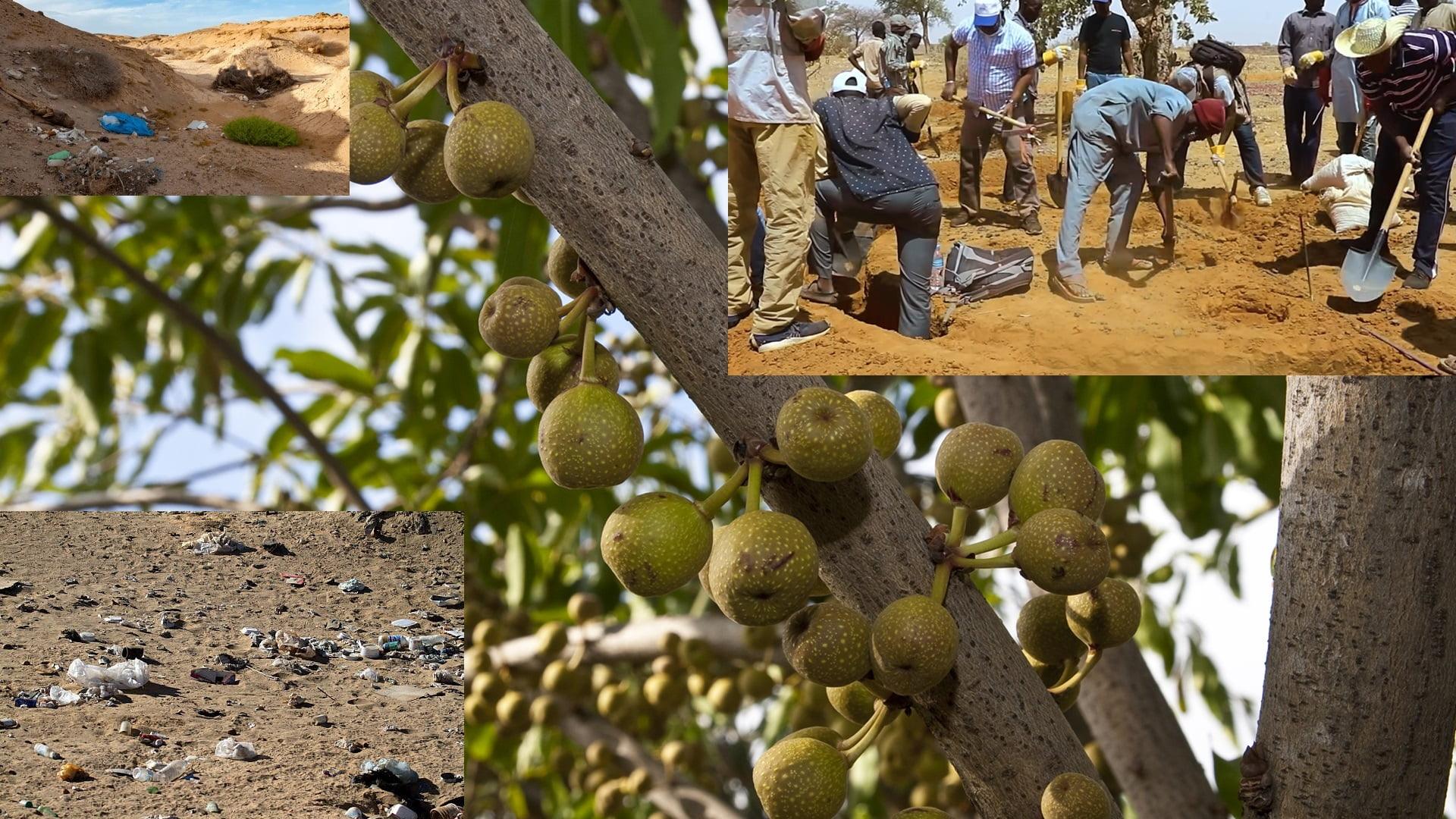
Imagine a vast, sun-baked landscape. This is the Afar region of Ethiopia, where strong winds whip across arid plains and resilient communities strive for a better life. Our Islamic Charity, driven by the power of hope, is partnering with these communities to bring not just a cleaner environment, but a path to a more sustainable future.

Our journey began with a simple act – cleaning a large area littered with waste. It wasn’t easy. With a handful of dedicated youth, we tackled the challenge head-on. Slowly, our efforts gained momentum. Local residents saw our commitment and joined the cause. Together, we transformed a wasteland into a space brimming with renewed hope.

But this is just the first step. We envision a future where the Afar region thrives, not just survives. Here’s where the remarkable Ficus thonningii comes in – a drought-resistant tree perfectly suited for this harsh environment. Imagine rows upon rows of these trees standing tall, their leaves providing a much-needed source of food for livestock, the lifeblood of Afar communities.

Planting 100 Ficus Trees

Planting 100 Ficus thonningii trees is not just about beautification. It’s about:

  • Combating Soil Erosion: The strong winds of the Afar region can easily sweep away precious topsoil. Ficus thonningii acts as a natural barrier, anchoring the soil and preventing desertification.
  • Revitalizing Pastoral Life: The leaves of the Ficus thonningii are a valuable source of fodder for livestock, especially goats, a mainstay for Afar communities. These trees provide a vital source of food, especially during dry seasons, ensuring the health and well-being of animals.
  • Empowering Communities: By planting these trees together, we empower Afar communities to take charge of their future. The project fosters a sense of ownership and builds a foundation for long-term environmental sustainability.

This initiative is more than just planting trees. It’s about planting hope. It’s about empowering communities to create a greener, more resilient future for themselves and generations to come.

Join us in this endeavor. Your generous crypto donation, big or small, can make a world of difference. Together, let’s turn the Afar region into a beacon of hope, where life flourishes hand-in-hand with a thriving environment.

Defining Projects and Local TrusteesEconomic EmpowermentEnvironmental ProtectionProjectsReportWhat We Do

In the serene embrace of our villages, where the rustling leaves sing in harmony with the flowing waters, lies the cradle of our environmental consciousness. On this International Day of Forests 2024, we, at Our Islamic Charity, extend our heartfelt gratitude for your unwavering support. Your donations have sown seeds of change, fostering a greener future for our cherished native landscapes.

The Heart of Our Habitat: Valuing Native Trees

Native trees are the pillars of our ecological heritage, deeply rooted in the cultural and environmental fabric of our region. They are the custodians of biodiversity, providing shelter and sustenance to myriad forms of life. Through your contributions, we have embarked on a journey to reintroduce and protect these natural guardians, ensuring they continue to thrive and support the intricate web of life that depends on them.

Cultivating Community: Reviving Village Forests

The revival of our village forests is a testament to the collective spirit of our community. Your generosity has enabled us to organize gatherings aimed at rejuvenating these green havens. These meetings are a melting pot of ideas, where villagers, experts, and enthusiasts come together to chart a sustainable path forward. By planting new trees and caring for the existing ones, we are breathing new life into our forests, one sapling at a time.

Empowering the Young: Educating on Tree Stewardship

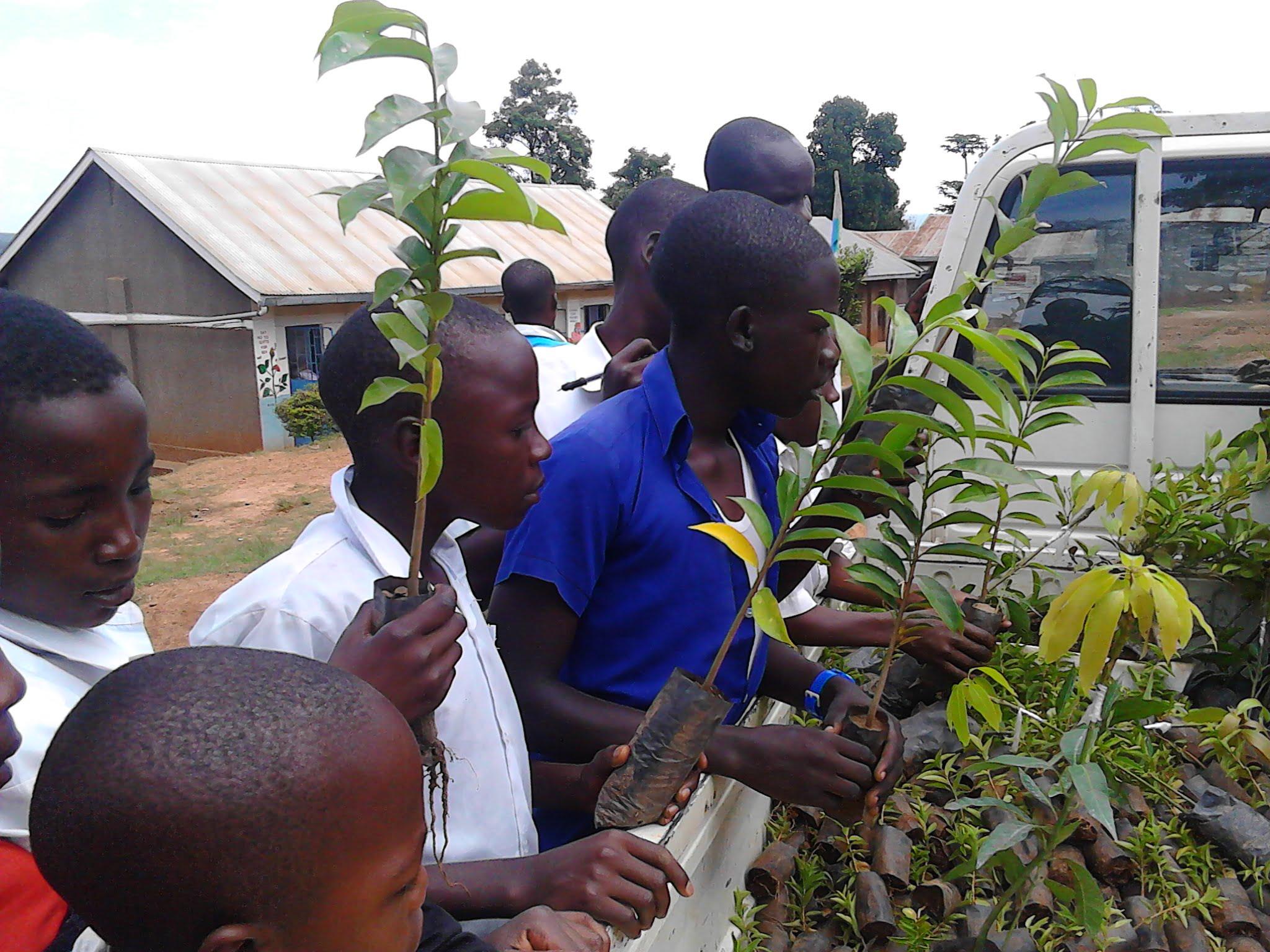
The youth are the future stewards of our environment, and educating them on the importance of tree maintenance is pivotal. Thanks to your donations, we have initiated programs to teach the younger generation the art of arboriculture. These hands-on sessions are not merely lessons in tree care; they are classes in responsibility, nurturing a sense of ownership and pride in the natural treasures that surround their homes.

On this International Day of Forests 2024, let us reaffirm our commitment to preserving the lush tapestry of our forests and waters. Your donations are more than just monetary contributions; they are the lifeblood of our environmental initiatives. Together, we can ensure that the legacy of our forests and waters remains a vibrant and vital part of our villages for years to come. Let’s continue to donate, protect, and educate, for the love of our planet and the well-being of our communities.

Environmental ProtectionProjectsReportWhat We Do

Embracing Our Vow to Nature: A Journey into Green Philanthropy
Hello there, dear friend! As an environmentalist and a member of our beloved Islamic Charity, I’m thrilled to bring you along on a journey that’s close to my heart, and hopefully, soon to be close to yours as well. It’s a venture we affectionately call our ‘Vow to Nature’. So grab your virtual hiking boots, and let’s explore this together!

Our Pledge: A Symphony with Nature
Our Vow to Nature is, in essence, a pledge to align our daily actions with the rhythm of Mother Earth. Every activity we undertake, every meeting we hold, is imbued with a profound respect for our natural world. But it’s not just a statement of intent; it’s a call to action, a commitment to roll up our sleeves and get our hands a little dirty for a cleaner, greener future.

Our activities range from the simple act of picking up litter during our community clean-ups to more specialized tasks like tree-pruning. We believe that every act, no matter how small, plays a vital role in this grand symphony we’re creating with nature.

Rolling Up Our Sleeves: Action for a Greener Tomorrow
Now, you might wonder why tree-pruning merits mention. Well, in the grand tapestry of our ecosystem, trees are the towering giants that breathe life into our world. But like any living organism, trees too need a bit of tender loving care. Properly pruned trees live longer, healthier lives, providing us with cleaner air, shade, and habitats for countless creatures.

But it’s not just about the trees. Every piece of litter we pick up during our cleaning drives, every effort we make to reduce, reuse and recycle, contributes to a healthier planet. And isn’t that a beautiful way to express our gratitude to Allah for the bountiful Earth He has gifted us?

A Journey of a Thousand Miles
As the old Chinese proverb goes, “A journey of a thousand miles begins with a single step.” And our Vow to Nature is just that – countless single steps taken by individuals like you and me, culminating into a journey of epic proportions.

So, my dear friend, I invite you to join us in this journey. It doesn’t matter if you’re an environmental expert, a gardening enthusiast, or a novice eager to make a difference. There’s room for everyone in this voyage towards a sustainable future.

Remember, it’s not just about the destination; it’s about the journey, the camaraderie, and the shared joy of working towards a common goal. So, let’s lace up our boots, roll up our sleeves, and take that first step together, for the love of our planet, and for the love of Allah, the most merciful and the most loving.

Environmental ProtectionWhat We Do

Tree Planting Projects to Combat Desertification

There’s an old saying that the best time to plant a tree was twenty years ago; the second best time is now. In our struggle against desertification and soil erosion, we at our Islamic charity believe that the second best time is not just now, but every day for the next three to five years. We’re excited to share our long-term plan focusing on the planting and nurturing of specific tree species, including Haloxylon spp., Prosopis spp., Eucalyptus spp., Acacia spp., Baobab, Saxaul, and Olive trees. Each of these species has been carefully selected for their resilience and adaptability to harsh conditions, making them our warriors in the battle against desertification.

The Project Outlined

Our tree-planting project is more than just digging holes and dropping in saplings. It is about creating a sustainable and lasting impact on our environment and community. Imagine a barren, sandy landscape transforming into a lush, green oasis over the course of a few years. That’s the transformation we’re striving for.

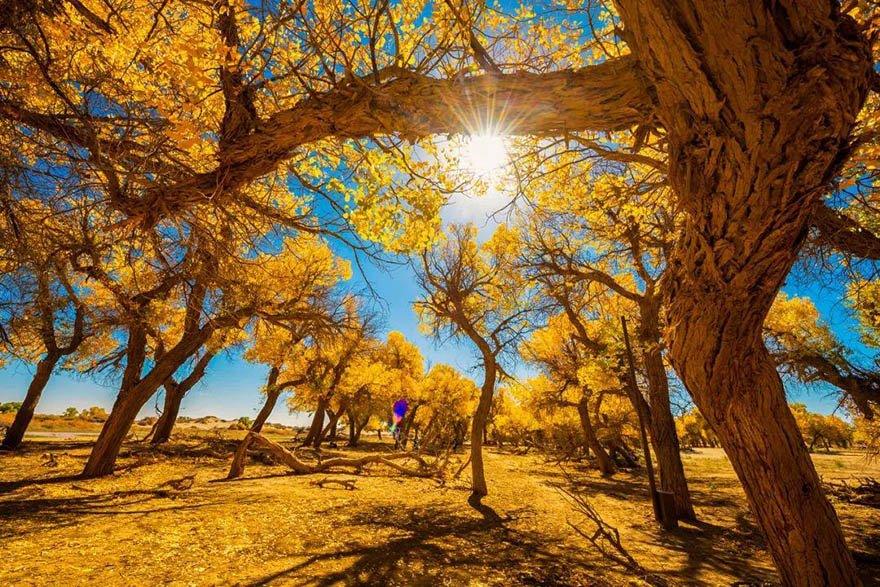
We’ve chosen a variety of tree species native to regions in East Africa, Central Asia, and the Middle East, each of which is uniquely equipped to withstand drought and poor soil conditions. Haloxylon and Saxaul trees, for instance, are known for their hardiness in Central Asian desert conditions. They store water in their trunks and branches and play a crucial role in stabilizing dunes and reducing wind erosion.

Acacia and Baobab trees, natives of East Africa, are not just drought-resistant, but they also improve soil quality, making the environment more conducive for other plants. The iconic Baobab even stores large amounts of water in its trunk, a natural adaptation to the harsh African climate.

Prosopis spp., commonly known as Mesquite, and Olive trees are ideal for the arid Middle Eastern climate. They are hardy, drought-resistant, and valuable for their fruit and wood. Meanwhile, Eucalyptus trees, with their rapid growth and adaptability, provide shade and timber, playing a vital role in the ecosystem.

Sustaining Growth: The Importance of Regular Watering

Planting the trees is just the first step. The real challenge is ensuring their survival and growth, especially in the critical initial years. And that’s where our long-term plan comes into play. Over the next three to five years, we’re committed to providing regular and scheduled watering to these trees.

Just as a newborn needs care and nourishment, these young saplings also require consistent attention. Water is life, and regular watering is crucial to help the trees take root and flourish. Our team will closely monitor the health of these saplings, adjusting watering schedules as necessary to ensure their survival and growth.

While we know that this journey won’t be easy, we’re inspired by the vision of a greener, healthier environment for our communities. Imagine a child today who will, in a few years, sit in the shade of a tree that we plant now. That’s the future we’re working towards.

Our fight against desertification and soil erosion is not a sprint; it’s a marathon. It’s a commitment that requires patience, dedication, and community effort. We invite you to join us on this journey, to plant the seeds of change and nurture them for a more sustainable future.

By embarking on this project, we’re not just planting trees; we’re planting hope. Hope for a greener planet, hope for healthier communities, and hope for a future where we live in harmony with nature. Let’s dig in and make a difference, one tree at a time.

Remember, every tree we plant is a statement of faith in our future. Let’s write that future together, one sapling at a time.

Environmental ProtectionProjectsReportWhat We Do