
See how our tree planting projects fight desertification and restore arid landscapes using hardy native trees. Learn how you can make a lasting difference.
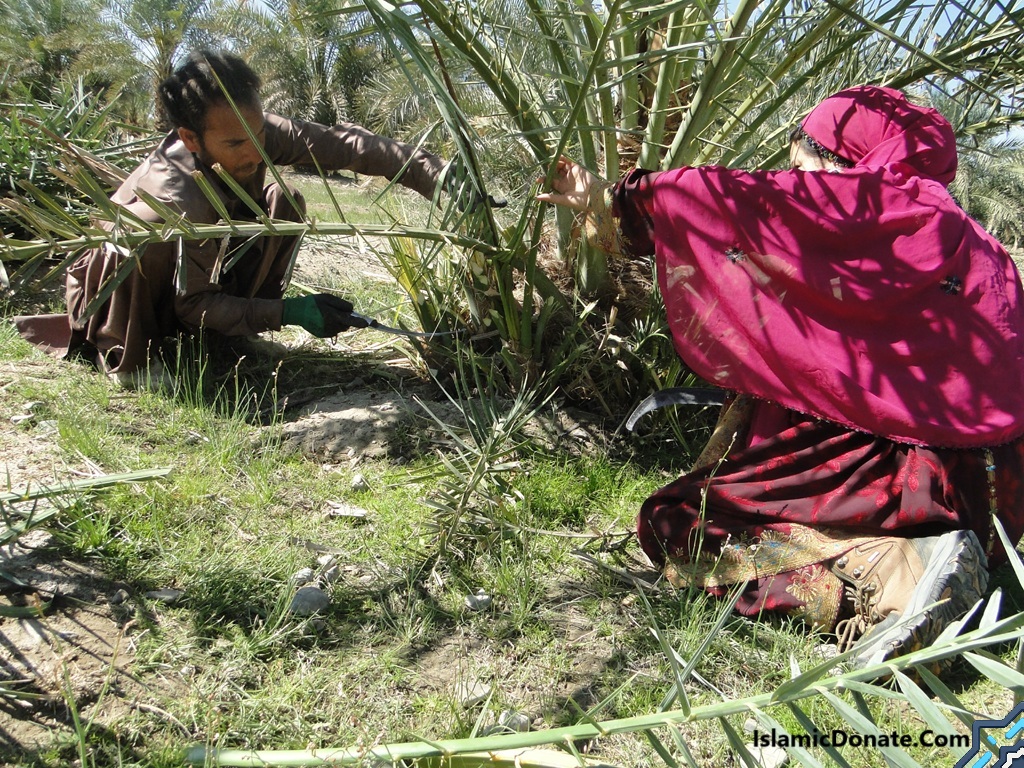
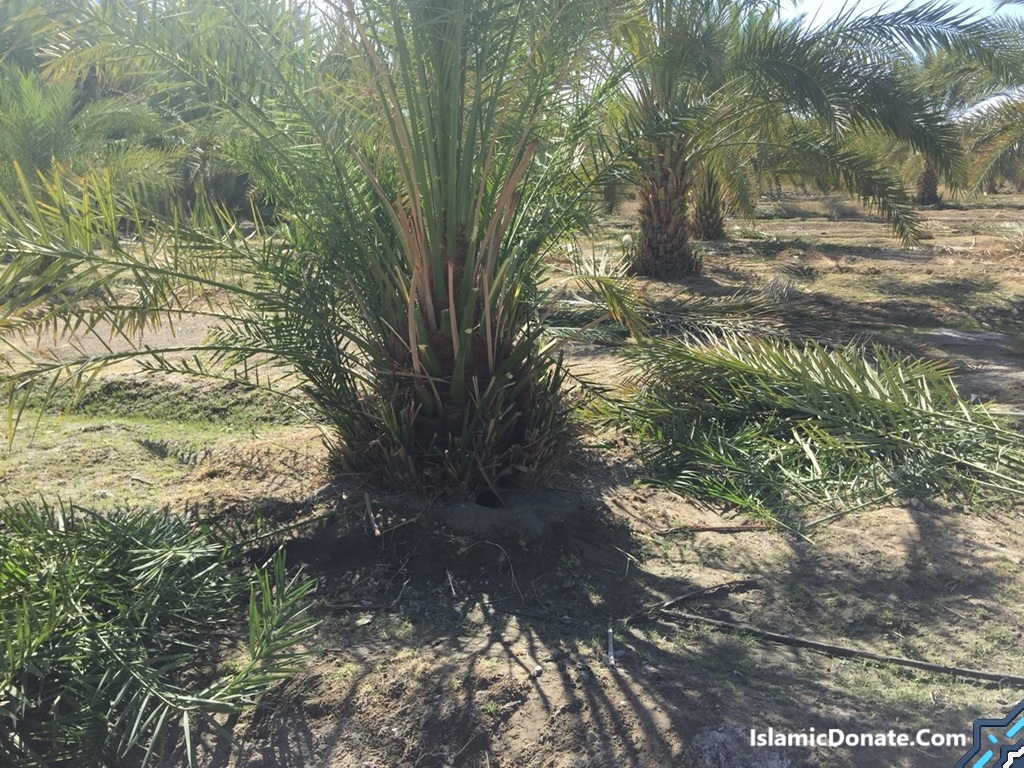
Plant Trees Online & Stop Deserts
See how our tree planting projects fight desertification and restore arid landscapes using hardy native trees. Learn how you can make a lasting difference.
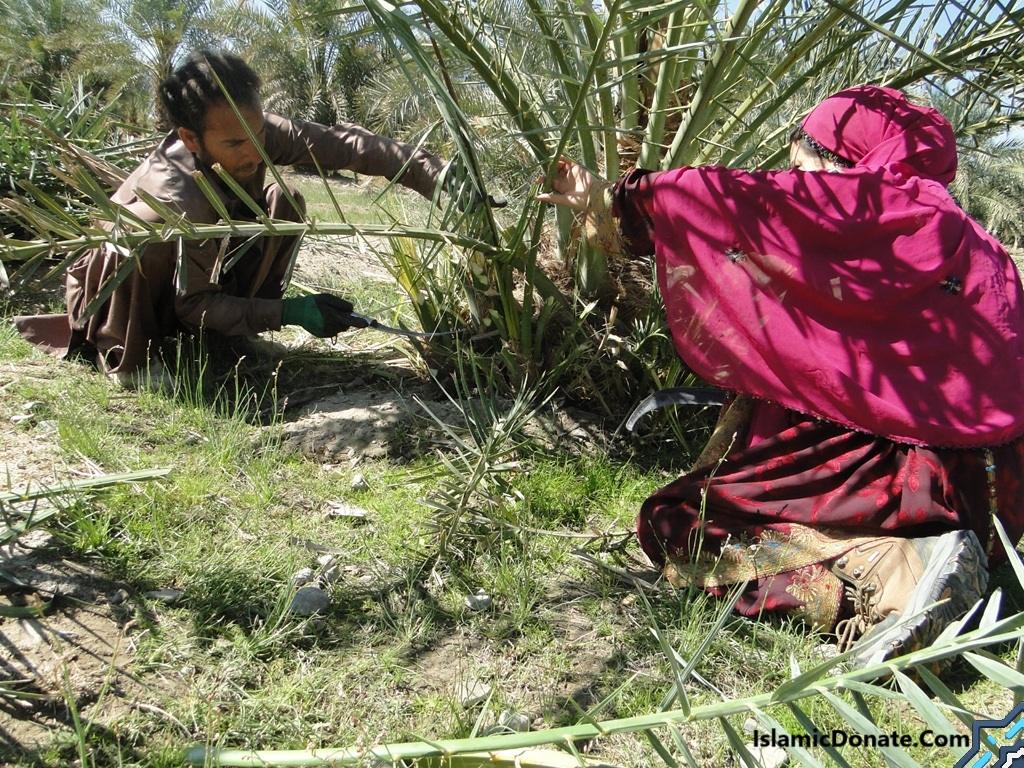
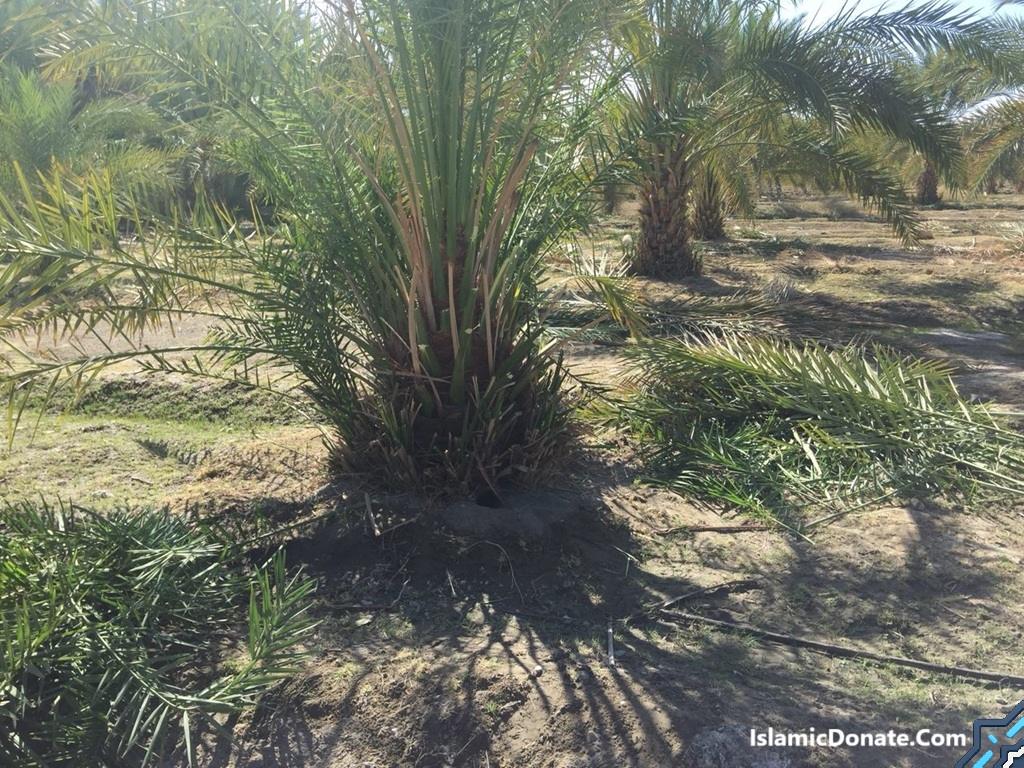
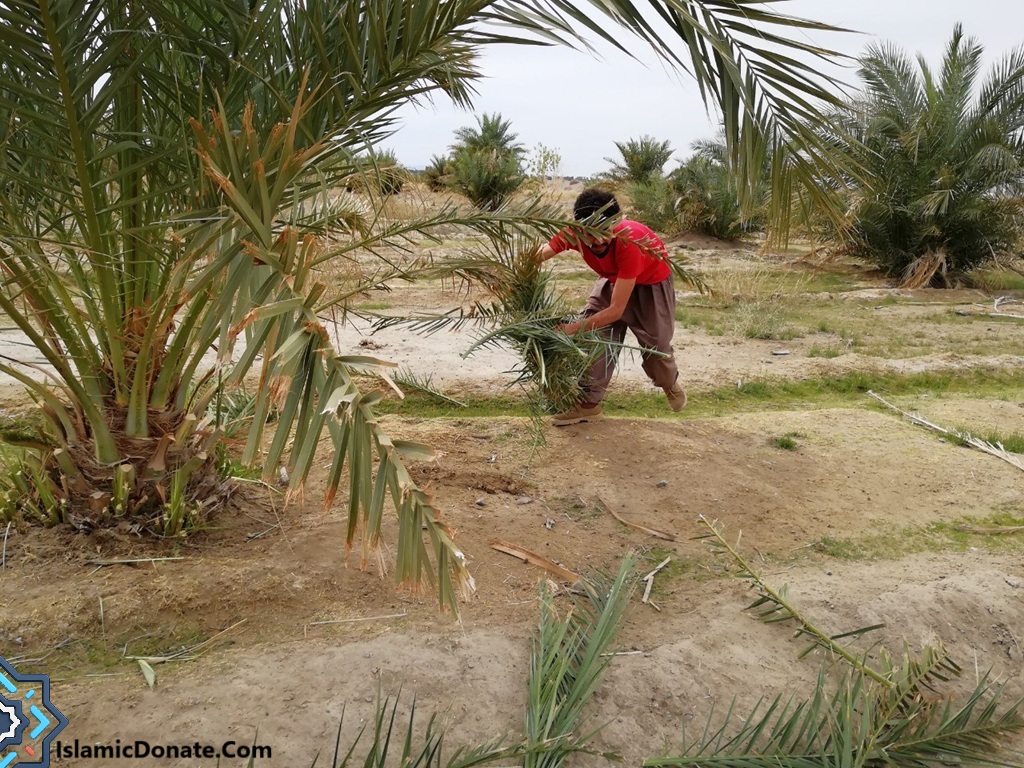
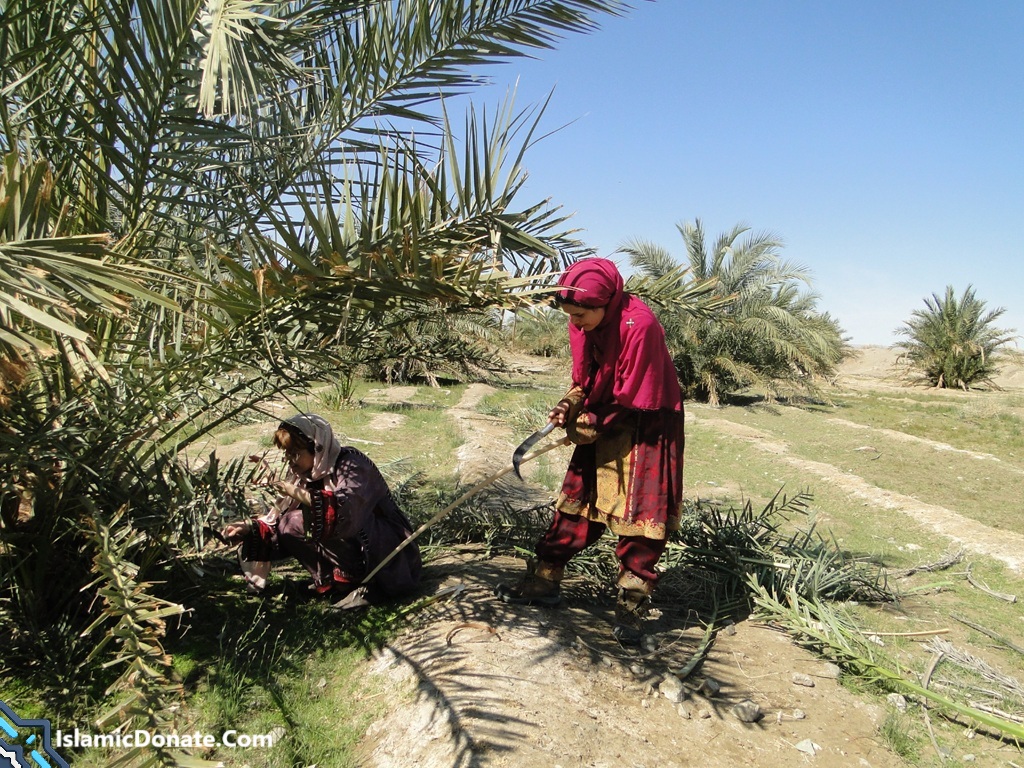
There’s an old saying that the best time to plant a tree was twenty years ago; the second best time is now. In our struggle against desertification and soil erosion, we at our Islamic charity believe that the second best time is not just now, but every day for the next three to five years. We’re excited to share our long-term plan focusing on the planting and nurturing of specific tree species, including Haloxylon spp., Prosopis spp., Eucalyptus spp., Acacia spp., Baobab, Saxaul, and Olive trees. Each of these species has been carefully selected for their resilience and adaptability to harsh conditions, making them our warriors in the battle against desertification.
Our tree-planting project is more than just digging holes and dropping in saplings. It is about creating a sustainable and lasting impact on our environment and community. Imagine a barren, sandy landscape transforming into a lush, green oasis over the course of a few years. That’s the transformation we’re striving for.
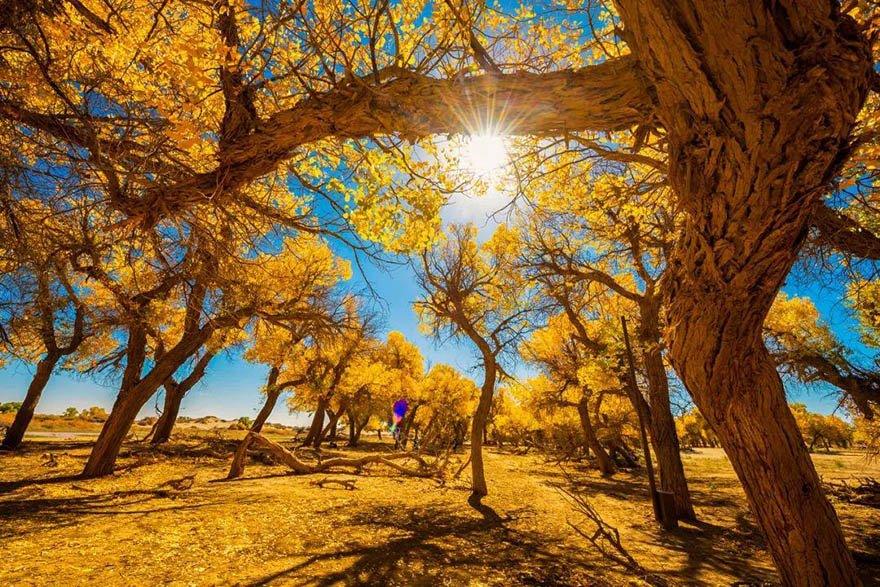
We’ve chosen a variety of tree species native to regions in East Africa, Central Asia, and the Middle East, each of which is uniquely equipped to withstand drought and poor soil conditions. Haloxylon and Saxaul trees, for instance, are known for their hardiness in Central Asian desert conditions. They store water in their trunks and branches and play a crucial role in stabilizing dunes and reducing wind erosion.
Acacia and Baobab trees, natives of East Africa, are not just drought-resistant, but they also improve soil quality, making the environment more conducive for other plants. The iconic Baobab even stores large amounts of water in its trunk, a natural adaptation to the harsh African climate.
Prosopis spp., commonly known as Mesquite, and Olive trees are ideal for the arid Middle Eastern climate. They are hardy, drought-resistant, and valuable for their fruit and wood. Meanwhile, Eucalyptus trees, with their rapid growth and adaptability, provide shade and timber, playing a vital role in the ecosystem.
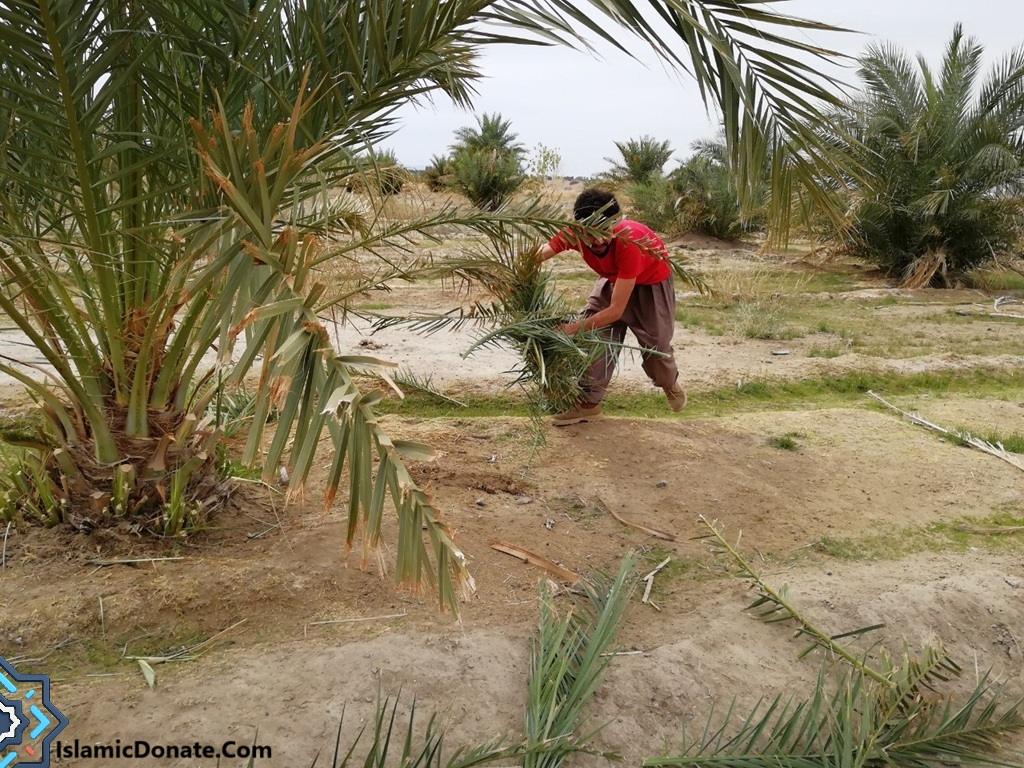
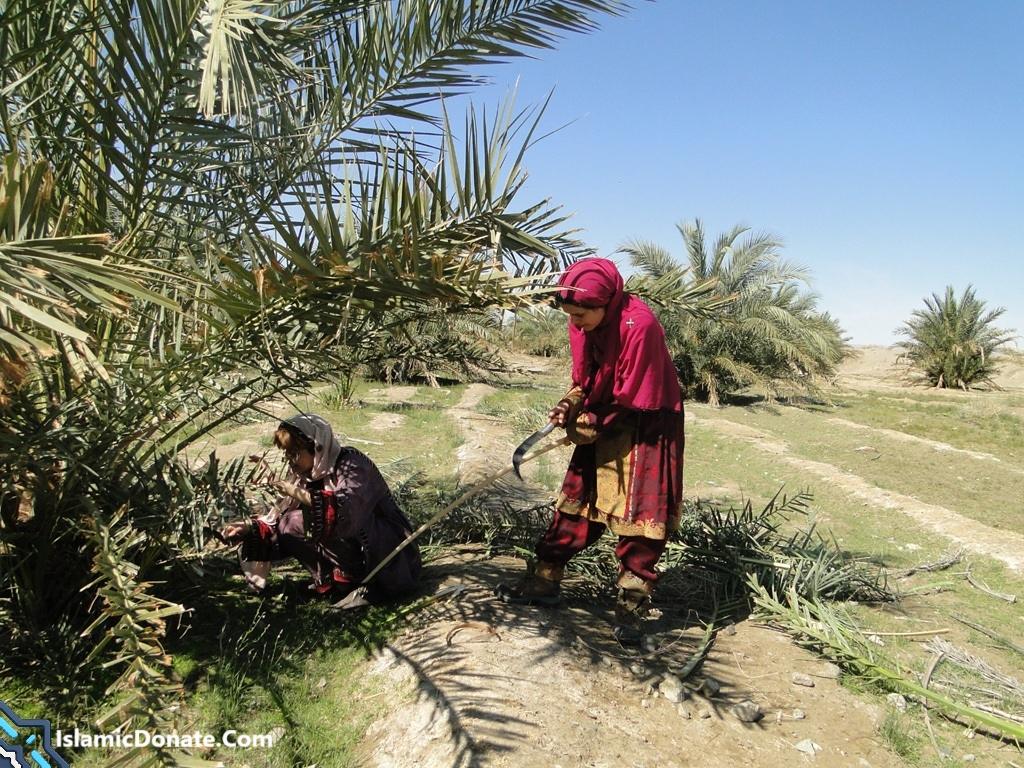
Planting the trees is just the first step. The real challenge is ensuring their survival and growth, especially in the critical initial years. And that’s where our long-term plan comes into play. Over the next three to five years, we’re committed to providing regular and scheduled watering to these trees.
Just as a newborn needs care and nourishment, these young saplings also require consistent attention. Water is life, and regular watering is crucial to help the trees take root and flourish. Our team will closely monitor the health of these saplings, adjusting watering schedules as necessary to ensure their survival and growth.
While we know that this journey won’t be easy, we’re inspired by the vision of a greener, healthier environment for our communities. Imagine a child today who will, in a few years, sit in the shade of a tree that we plant now. That’s the future we’re working towards.
Our fight against desertification and soil erosion is not a sprint; it’s a marathon. It’s a commitment that requires patience, dedication, and community effort. We invite you to join us on this journey, to plant the seeds of change and nurture them for a more sustainable future.
By embarking on this project, we’re not just planting trees; we’re planting hope. Hope for a greener planet, hope for healthier communities, and hope for a future where we live in harmony with nature. Let’s dig in and make a difference, one tree at a time.
Plant Trees Online & Stop Deserts
Remember, every tree we plant is a statement of faith in our future. Let’s write that future together, one sapling at a time.