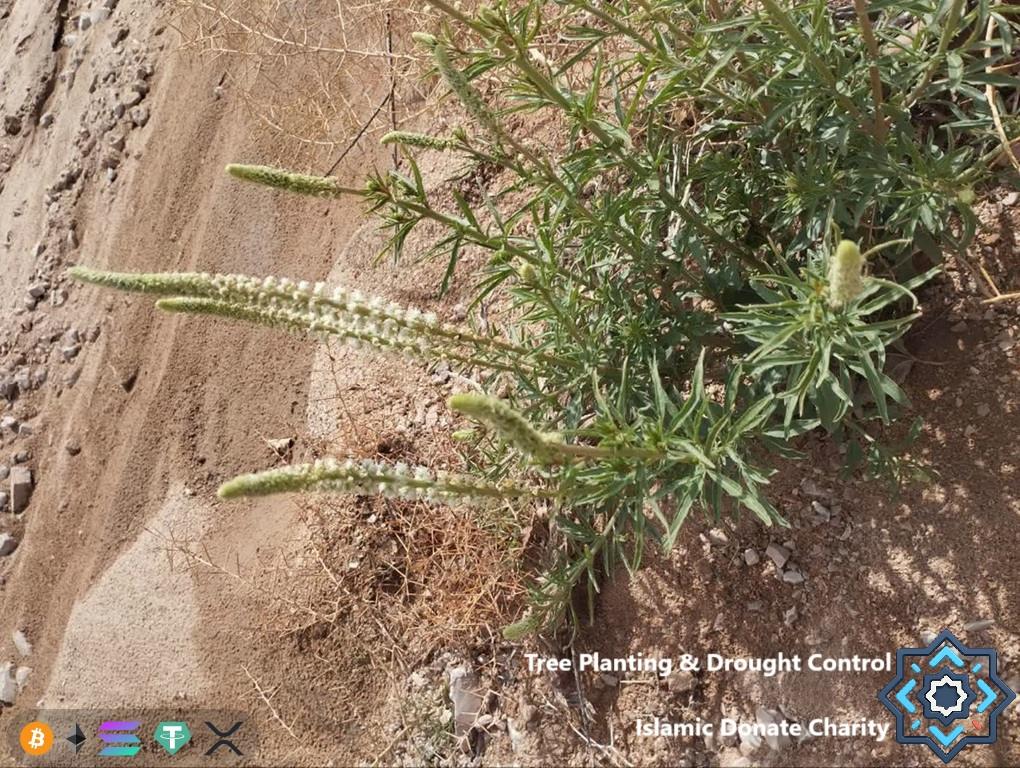
Your cryptocurrency donation directly funds the planting and five years of essential irrigation for resilient desert trees. This Sadaqah Jariyah transforms arid lands into fertile ground. Your contribution provides vulnerable families with vital shade, firewood, and livestock feed.
Donate today and plant resilient trees that offer shade, fodder, and firewood.
Transforming Deserts into Green Havens: A Sadaqah Jariyah Opportunity
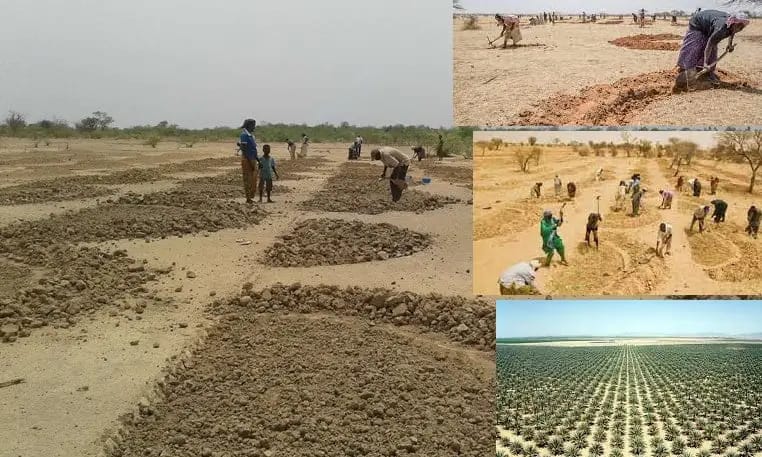
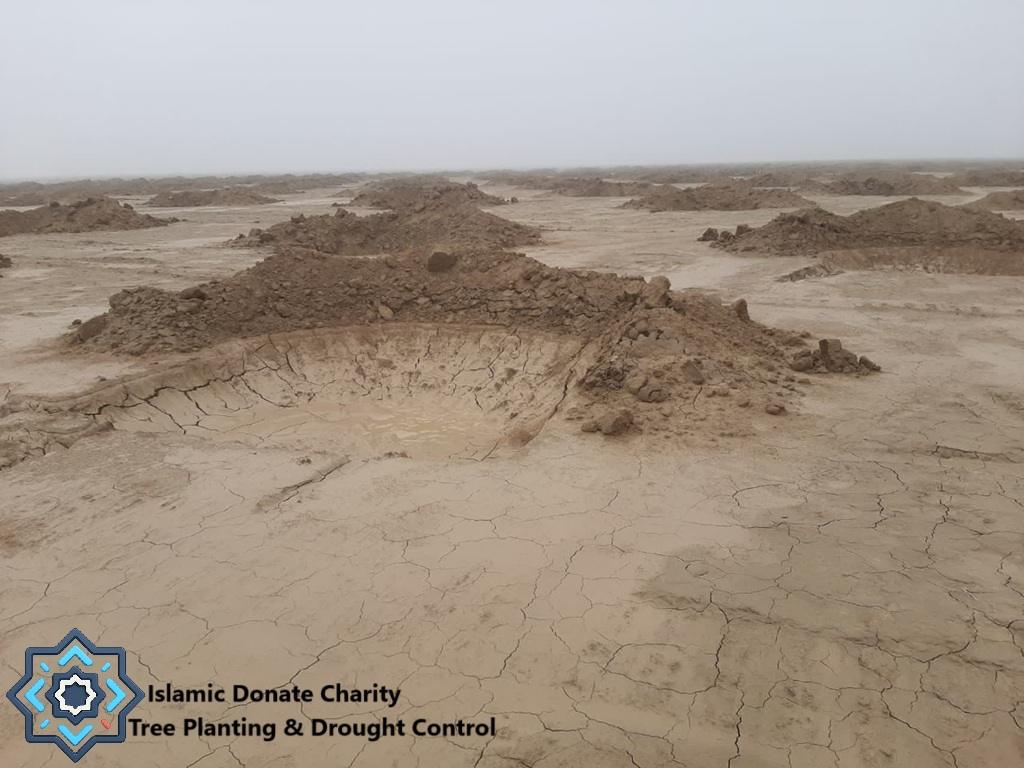
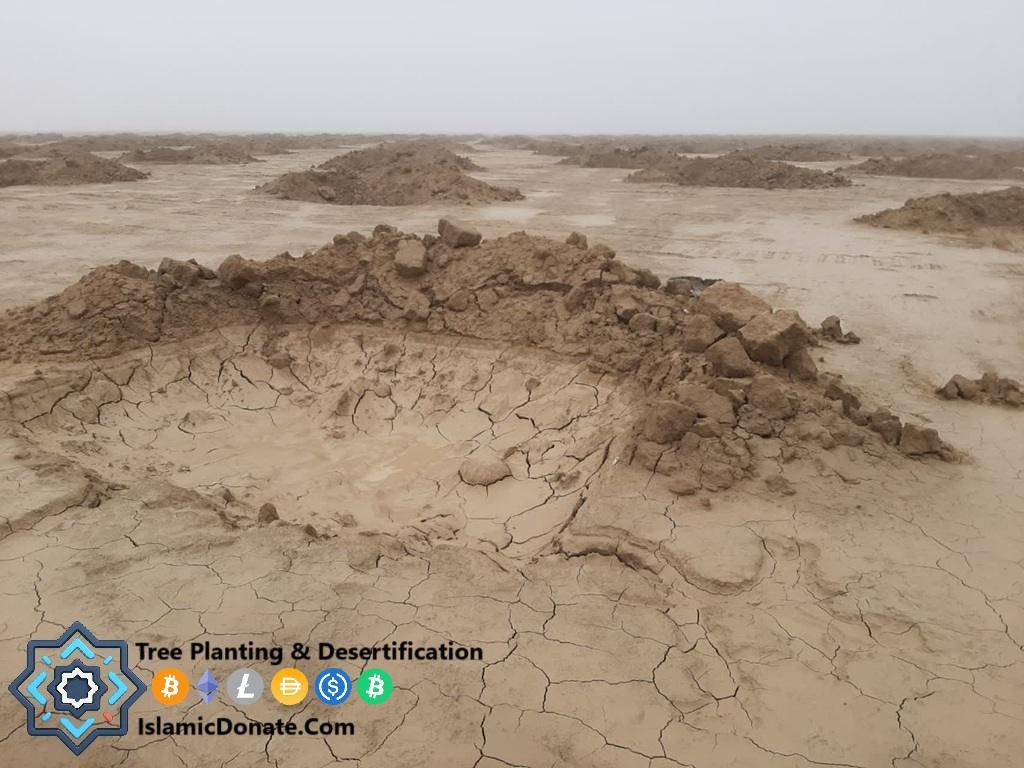
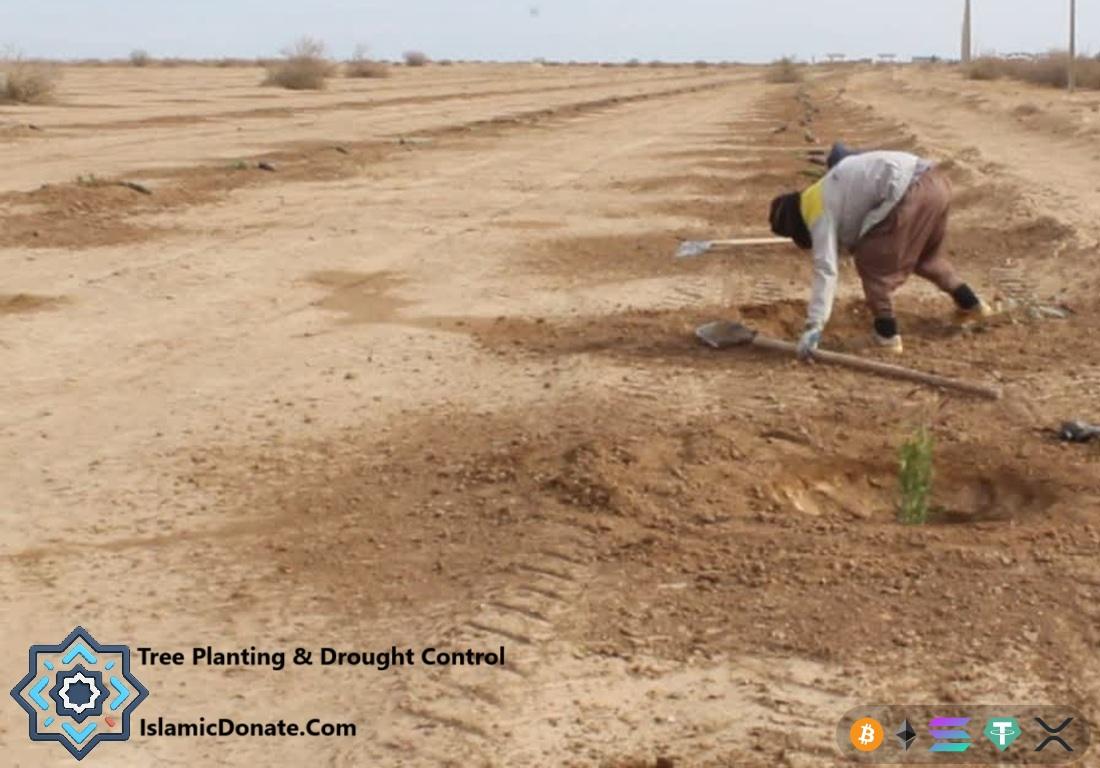
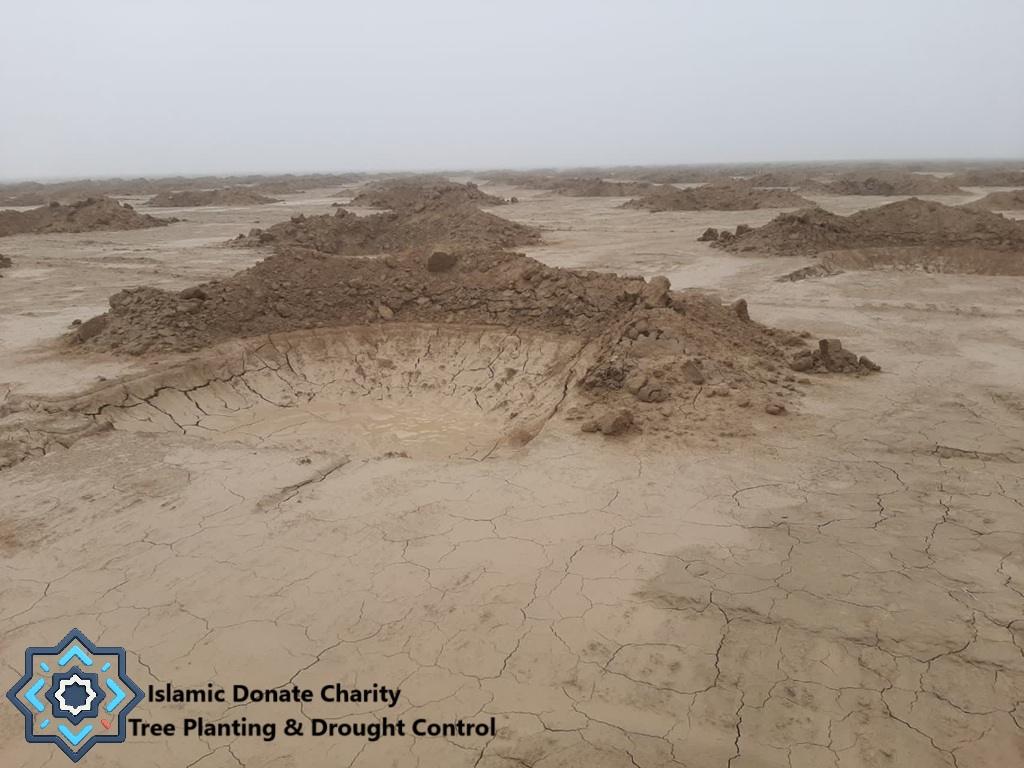
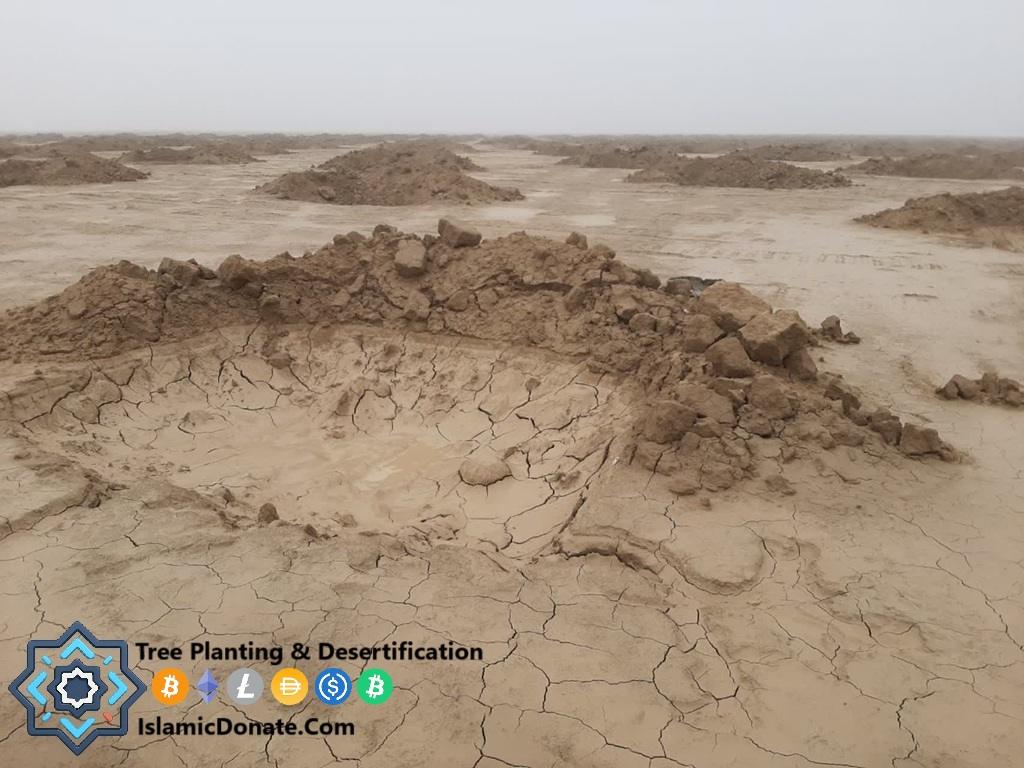
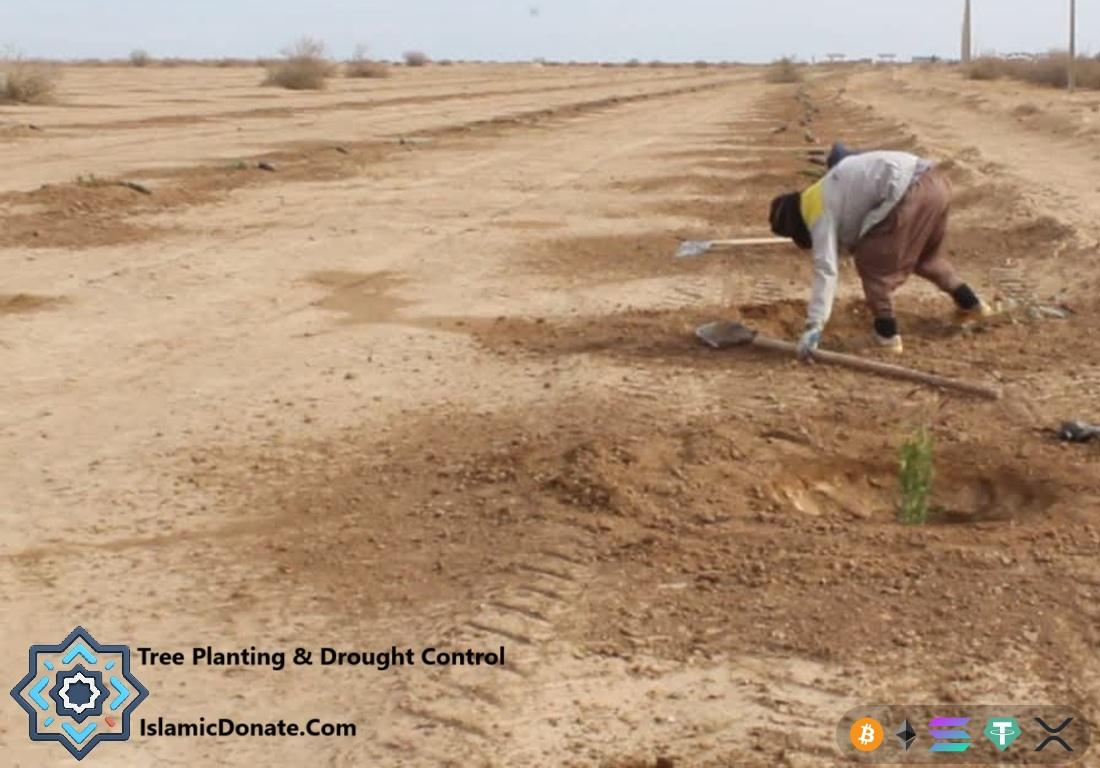
Deserts are expanding, swallowing fertile lands and displacing communities. But together, we can reverse this process. Through tree planting, we breathe life into barren landscapes, restore balance, and give struggling communities hope. As part of Islamic Donate charity, we have personally witnessed how the Half-Moon Water Harvesting Technique (demi-lunes) revives desolate lands. With your cryptocurrency donation, you contribute to an initiative that is not only an act of charity but a long-term investment in sustaining livelihoods.
How Trees Change Lives in Desert
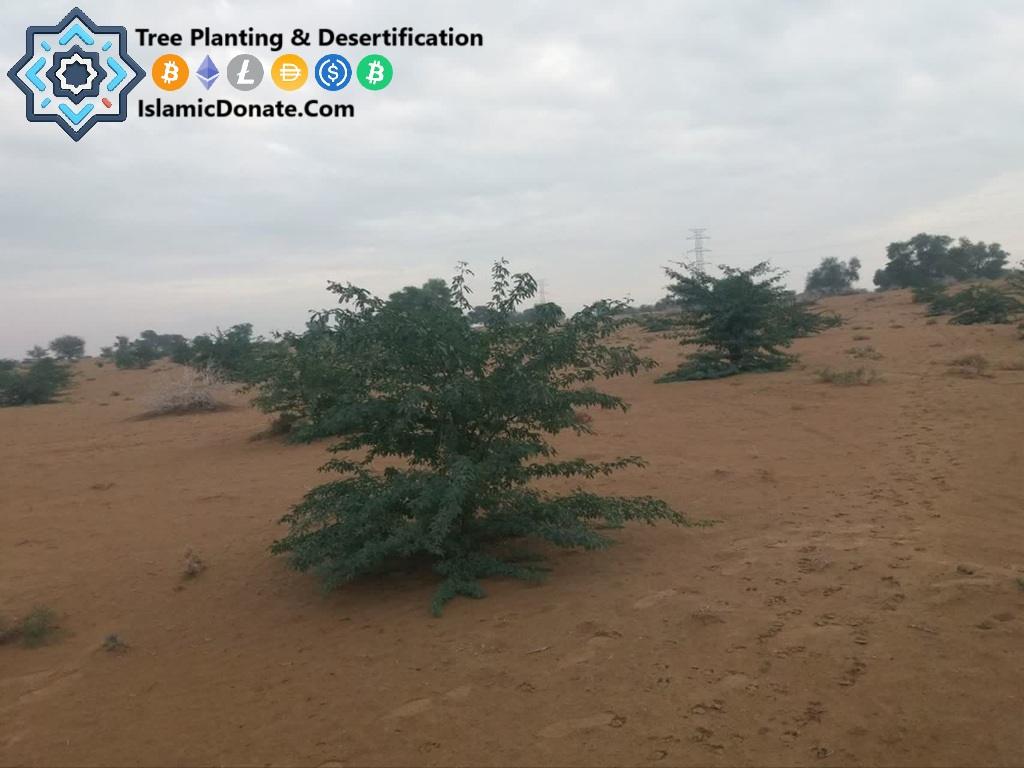
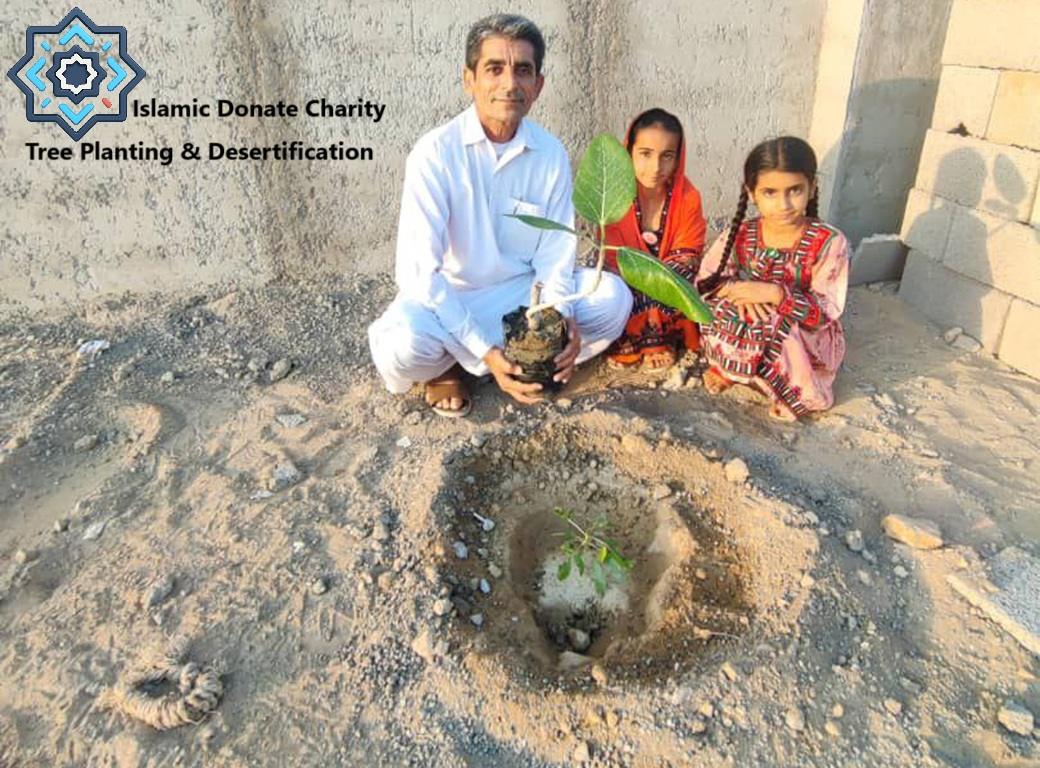
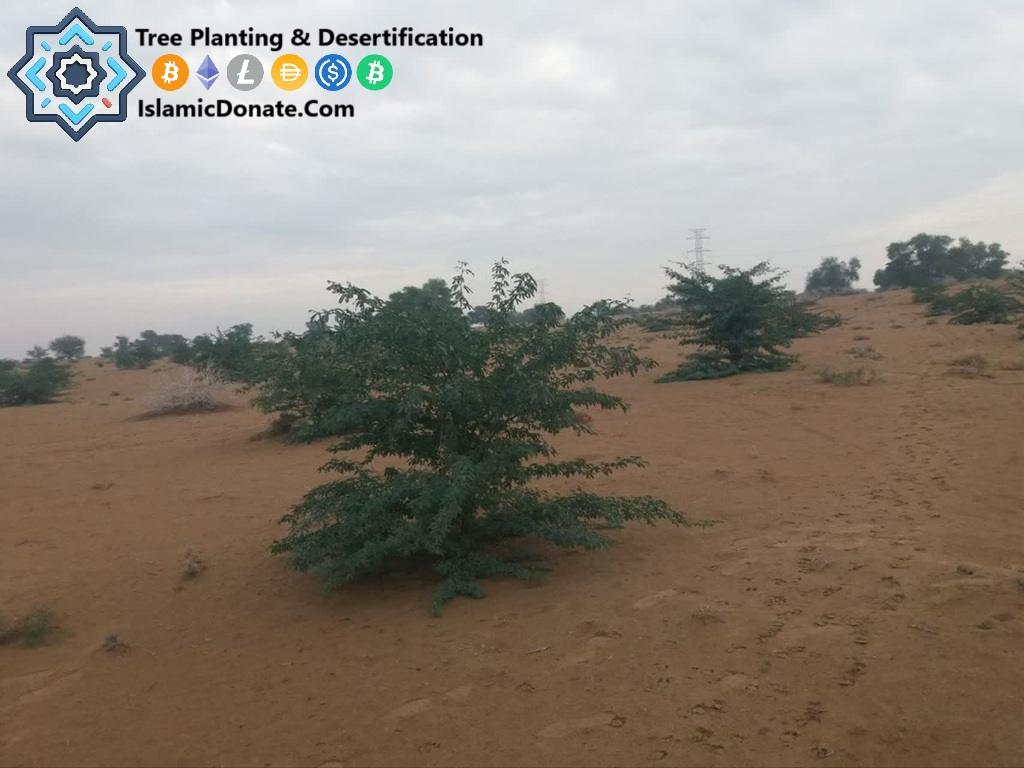
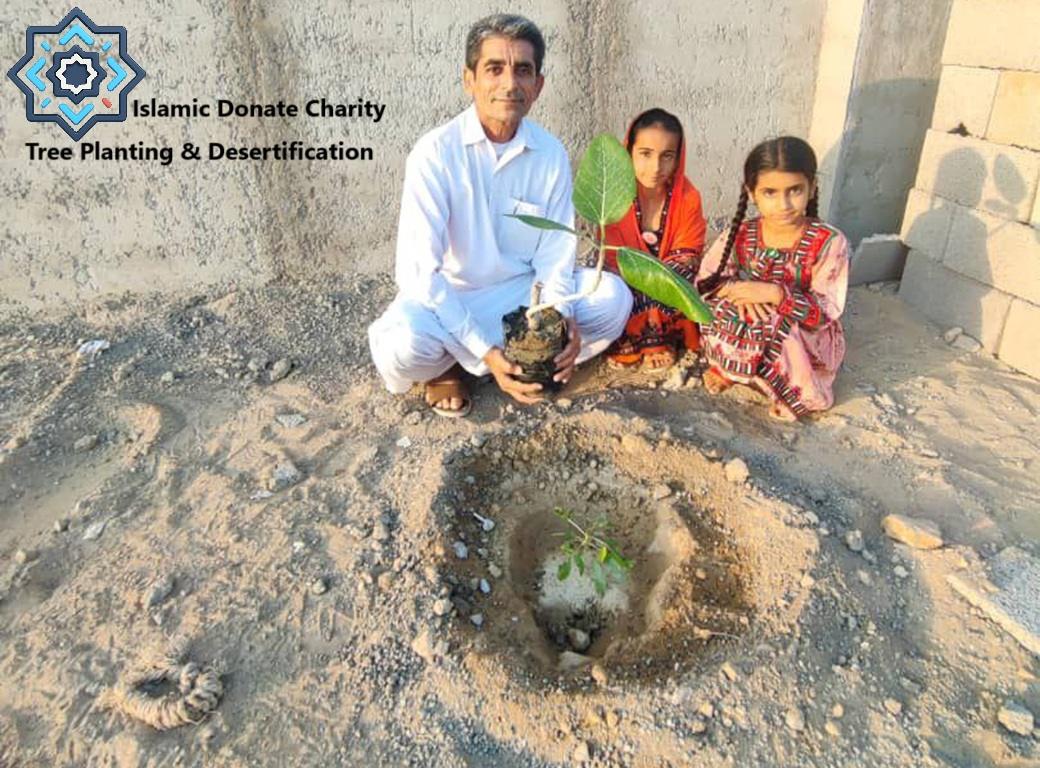
We’ve seen firsthand how a single tree can transform an entire village. In Africa, where desertification threatens food security, planting trees means more than just greenery, it means survival. The impact is undeniable:
- Improved Living Conditions: During the hot season, trees shield families from scorching sun and desert winds that carry fine dust, reducing respiratory issues and making daily life more bearable.
- Livestock Support: The leaves serve as fodder for goats, a critical source of livelihood for many families.
- Sustainable Firewood: The wood and foliage from these trees provide essential fuel for cooking and heating, reducing dependence on unsustainable deforestation practices.
The Half-Moon Water Harvesting Technique: How It Works
One of the most effective methods for restoring arid lands is the Half-Moon Water Harvesting Technique. This simple yet powerful system consists of digging semicircular basins that capture and retain rainwater, preventing runoff and allowing trees to thrive. By implementing this technique, we have seen once-barren lands flourish, turning into oases of life.
How Can This Turn the Desert into a Forest?
- Encouraging Vegetation Growth: Once plants establish themselves in the half-moons, they help improve soil structure, increase humidity, and attract beneficial microorganisms.
- Positive Feedback Loop: As vegetation grows, it provides shade, reduces soil temperature, and prevents further desertification, encouraging more plant life.
- Wildlife Attraction: Birds and insects are drawn to the greenery, spreading seeds and further accelerating reforestation.
- Long-Term Soil Regeneration: Over time, the land becomes more fertile, capable of sustaining larger trees and diverse plant species, ultimately transforming barren desert into thriving forests or agricultural land.
Planting Resilient Trees: What We Are Doing
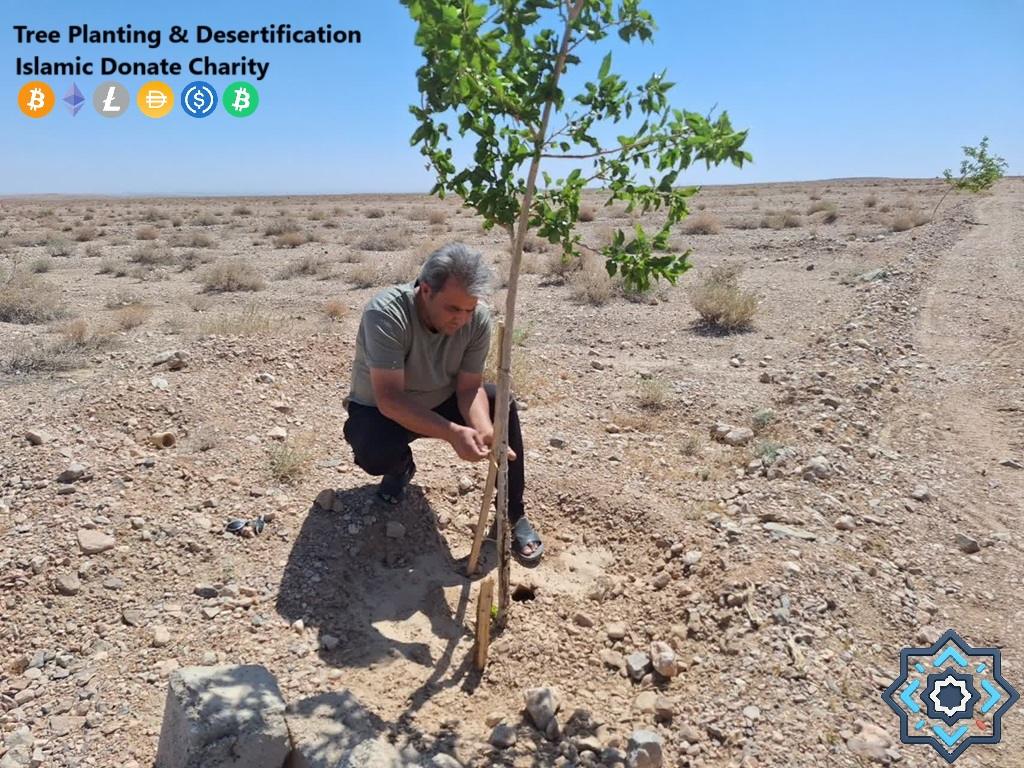
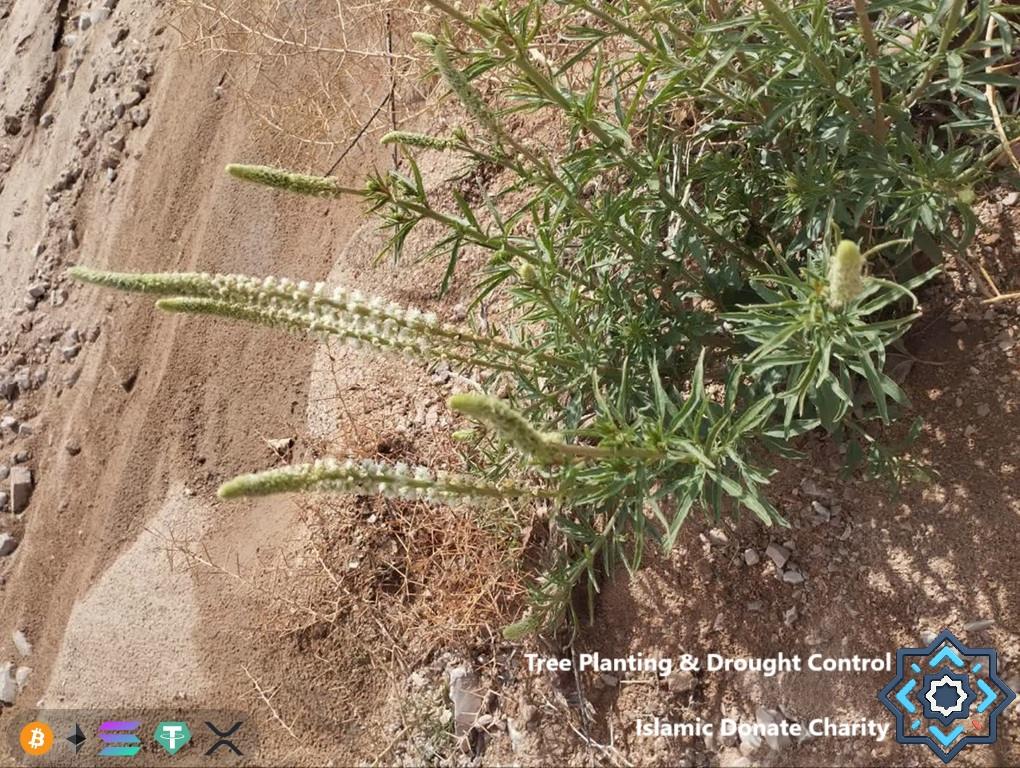
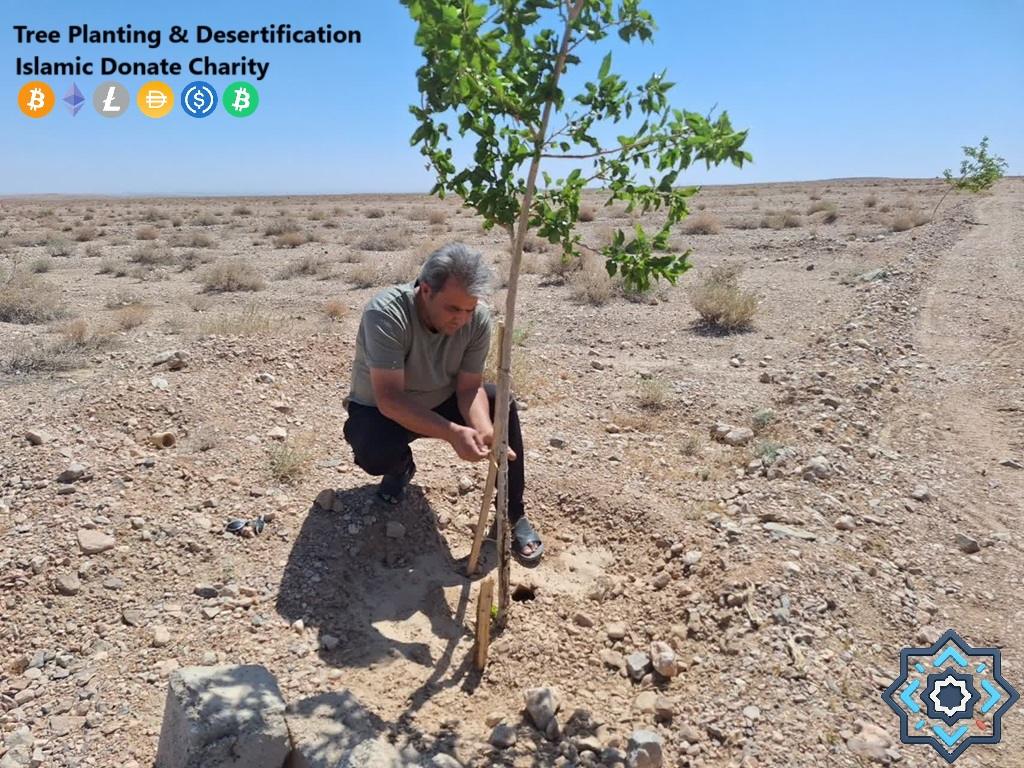
Our small scale tree planting projects focus on 50 to 60 trees per site, carefully selecting species that can withstand harsh environments. We prioritize Haloxylon spp., Prosopis spp., Eucalyptus spp., and Acacia spp., all known for their drought resistance and ability to enhance biodiversity.
Why These Trees?
- Haloxylon spp.: Thrives in saline soils and helps prevent sand movement.
- Prosopis spp.: Grows quickly, providing essential shade and livestock feed.
- Eucalyptus spp.: Absorbs excess groundwater, making it ideal for semi-arid regions.
- Acacia spp.: Enhances soil fertility, fostering agricultural sustainability.
By planting these trees at the beginning of the rainy season in the Sahara Desert (Deserted but arable parts of Africa) and the dry deserts of West Asia, we ensure that they receive enough water to develop deep roots, increasing their survival rate.
Maintenance and Watering: A Commitment to Growth
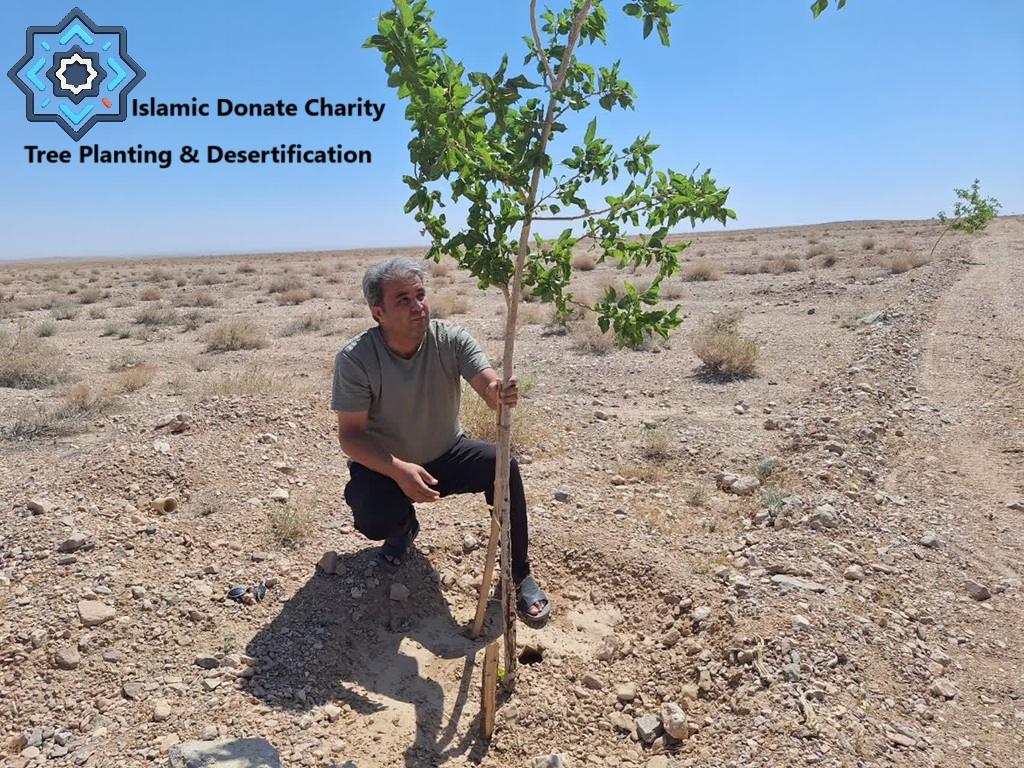
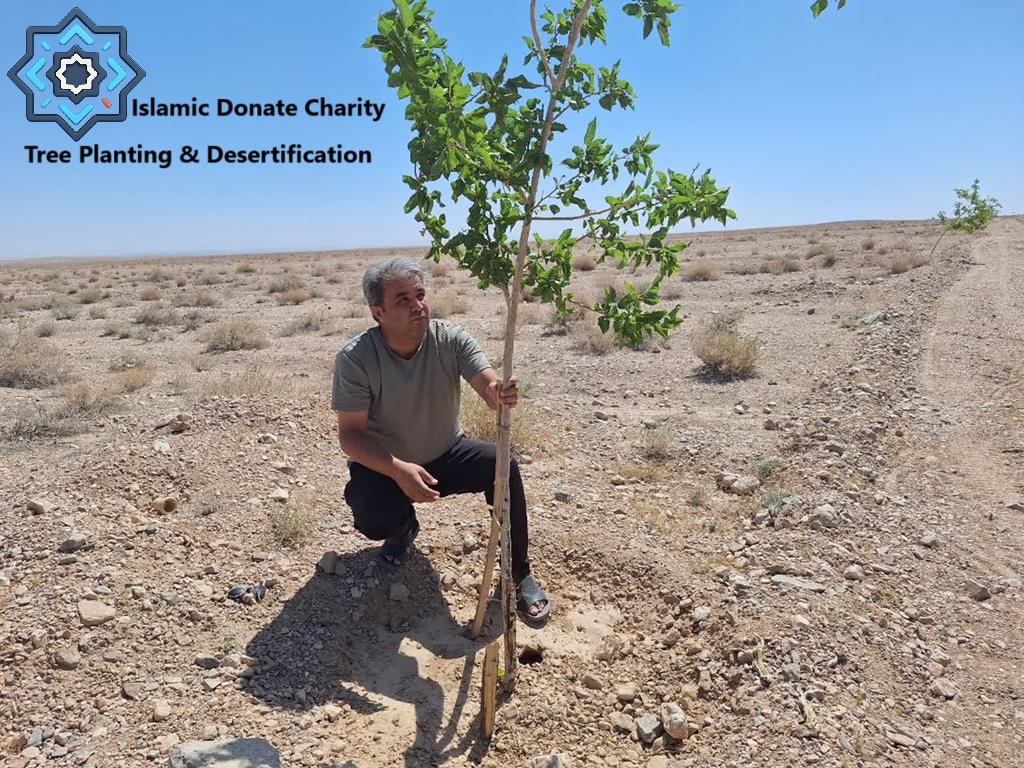
Our commitment goes beyond planting, we nurture these trees to maturity. The first few years are crucial for their survival, requiring consistent care:
- Year 1-2: Intensive Care
- Trees need 15-20 liters of water per week.
- Mulching helps retain moisture and prevents weed growth.
- Pest control measures ensure healthy growth.
- Year 3-5: Strong Roots, Less Watering
- By the third year, trees develop deep roots and require minimal watering.
- During dry periods, we provide supplementary irrigation to maintain growth.
- Fully grown trees reduce soil erosion and create a microclimate, benefiting the surrounding environment.
Planting trees is one of the most rewarding forms of Sadaqah Jariyah. The rewards continue long after the tree is planted, every leaf, every breath of fresh air, every animal that finds shade, all contribute to your ongoing blessings. When you donate crypto to plant a tree, your contribution covers five years of irrigation. We use these funds to protect your tree until it develops strong roots and can fully withstand the dry desert climate.
How Much Is the Donation to Plant 1 Desert Tree? Combating Desertification
🌵Planting 1 desert tree: $90 for care in the first 5 years
Hint: A desert tree seedling needs the most attention during its first 5 years. Consistent watering, annual fertilization, and protection from winter breakage or drying out are essential to ensure healthy growth and long-term survival.
You can fund your tree planting donation using cryptocurrency. We accept Bitcoin (BTC), Ethereum (ETH), Litecoin (LTC), Tron (TRX), Solana (SOL), Ripple (XRP), Stellar (XLM), Tether (USDT), USD Coin (USDC), Ripple USD (RLUSD), PayPal USD (PYUSD), and more.
Your crypto donation can help fund the planting of trees, changing the landscape and the lives of those who depend on it.
Join us today. Donate a tree. Revive the land. Give life.
Frequently Asked Questions
1- How does the Half-Moon Water Harvesting Technique help trees grow in deserts?
The Half-Moon Water Harvesting Technique involves digging semicircular basins to capture and retain scarce rainwater. This prevents runoff and allows water to penetrate deep into the soil. By providing a stable water supply, this method helps young trees survive the harsh environment and eventually transforms barren land into fertile soil.
2- Which tree species are selected for anti-desertification projects?
Projects prioritize drought-resistant species including Haloxylon, Prosopis, Eucalyptus, and Acacia. These trees are chosen for their ability to thrive in saline soils, provide livestock fodder, and improve soil fertility. Planting occurs at the start of the rainy season to ensure seedlings develop the strong root systems necessary for long-term survival.
3- What maintenance is required to ensure a desert tree reaches maturity?
During the first two years, trees require intensive care, including 15-20 liters of water weekly, mulching, and pest control. Between years three and five, trees develop deeper roots and need less intervention. This comprehensive care plan ensures the trees become self-sufficient and capable of withstanding the dry desert climate independently.
4- How much does it cost to plant and maintain a desert tree?
A donation of $90 covers the cost of planting one desert tree and providing essential care for its first five years. This includes consistent watering, annual fertilization, and protection from environmental damage. Donors can use various cryptocurrencies like Bitcoin and Ethereum to fund these vital long-term sustainability efforts.