Healthcare

Lifeline in Crisis

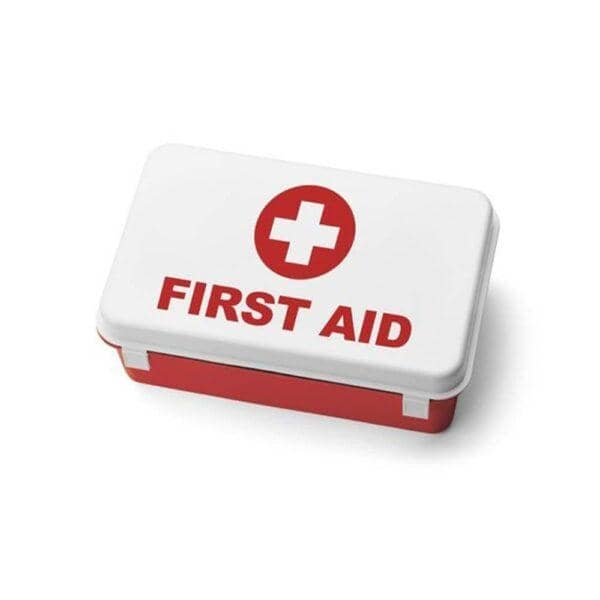
When the unexpected strikes, be it a natural disaster, a health crisis, or a tragic accident, it’s the immediate response that often makes the biggest difference. Picture this: you’re in a community hit by a hurricane. Chaos ensues, and emergency services are stretched thin. Now, what’s the one thing that could significantly impact the outcomes? You’ve guessed it right – it’s first aid. In this article, we’ll delve into the importance of prioritizing first aid in emergency aid, and how it can be the difference between life and death.

The Heartbeat of Emergency Response: First Aid
First aid, by definition, is the immediate assistance given to any person suffering from either a minor or serious illness or injury. Think of it as the first line of defense, a critical intervention that can keep a situation from escalating until professional help arrives. Have you ever considered how crucial these initial moments can be in an emergency?

First aid is not just about bandaging a wound or performing CPR, although these are vital skills. It also encompasses the ability to assess a situation, make informed decisions, and provide comfort to the injured. It’s like being the calm in the storm, a beacon of hope amidst the chaos.

In emergency situations, where resources are scarce and help might be hours, if not days away, first aid becomes the lifeline. It can help reduce the severity of an injury, prevent a condition from worsening, and most importantly, save lives. It’s quite powerful, isn’t it? How knowledge, when applied timely, can alter the course of events?

First Aid: The Priority in Our Emergency Aid Efforts
Our focus on first aid within our emergency aid efforts is unwavering. We believe that empowering individuals with first aid skills is akin to planting seeds of resilience in communities. Picture this: a society where every individual is a potential lifesaver, ready and equipped to respond in a crisis. Wouldn’t that amplify our collective ability to cope with emergencies?

Our emergency aid programs prioritize first aid training, making it accessible to everyone, irrespective of their background or profession. We collaborate with health professionals and organizations to provide certified training programs and distribute first aid kits. Our aim is simple yet profound: preparing communities to face emergencies head-on.

But it’s not just about training. We also recognize the importance of mental well-being in crisis situations. Therefore, our programs also focus on psychological first aid, helping individuals cope with stress and trauma during and after emergencies. After all, healing is as much mental as it is physical, don’t you agree?

When individuals are trained in first aid, they are no longer just bystanders in an emergency. They become active participants, capable of making a difference. It instills a sense of confidence and duty, knowing that they have the power to help. And when communities are filled with such individuals, they become more resilient, more capable of bouncing back from crises.

Moreover, the value of first aid in emergency aid extends to everyday situations as well. From minor injuries at home to accidents on the road, first aid knowledge is universally applicable, making it a critical life skill.

This is the ethos that drives our work. We strive to make first aid a priority in emergency aid, equipping communities with the skills and tools they need to face crises. Because, at the end of the day, every life matters. And if we can make a difference, even in the smallest way, shouldn’t we?

The importance of first aid in emergency aid cannot be overstated. It is the first, and often the most crucial, step in a chain of survival. It is a skill that can, and should, be learned by everyone. After all, in the face of crisis, wouldn’t you want to be more than just a helpless spectator? Wouldn’t you want to be a lifeline?

Disaster ReliefHealthcareWhat We Do

Mobility aids are devices designed to assist individuals who have difficulty moving around independently. These aids enhance mobility, often improving the quality of life, independence, and safety for those with physical impairments or limitations. Here are some common types of mobility aids:

  1. Walking Canes: Canes are simple, handheld devices that provide balance and support. They can be used by those with mild to moderate mobility issues. Canes come in various styles, including the standard single-point cane, the quad cane with four points of contact for increased stability, and the offset cane, designed to distribute weight more evenly.
  2. Walkers: Walkers provide more support than canes. Standard walkers have four legs and need to be lifted for movement, while rollator walkers have wheels and brakes, making them easier to maneuver. They often come with a seat to allow the user to rest when needed.
  3. Wheelchairs: Wheelchairs are used by individuals who cannot walk or have great difficulty walking. They come in different types, including manual wheelchairs, which require physical power to move, and power or electric wheelchairs, which are battery-powered.
  4. Mobility Scooters: Mobility scooters are electrically powered and are used by individuals who can walk a little but have difficulty covering longer distances. These scooters often have a seat over two rear wheels, a flat area for the feet, and handlebars in front to turn one or two steerable wheels.
  5. Crutches: Crutches are often used by those with temporary disabilities, such as a broken leg. They transfer weight from the legs to the upper body and can be used singly or in pairs.
  6. Stair Lifts: Stair lifts are installed in homes to assist individuals with mobility issues in getting up and down stairs safely. They consist of a motorized seat that travels along a rail fixed to the stairs.
  7. Patient Lifts: These devices are used in homes or healthcare settings to help caregivers transfer individuals with severe mobility limitations from one place to another, such as from a bed to a chair.
  8. Ramps and Handrails: Ramps replace or supplement stairs for those using wheelchairs, scooters, or walkers. Handrails installed in homes, particularly in bathrooms or stairways, provide support and balance.

Each mobility aid serves a unique purpose and is suited to different levels of mobility impairment. The choice of a mobility aid depends on the individual’s specific needs, physical strength, and the environment in which the aid will be used. An occupational or physical therapist can provide valuable advice when choosing the appropriate mobility aid.

HealthcareHumanitarian AidWhat We Do

At our Islamic charity organization, we recognize that certain members of society are at greater risk and require more healthcare support than others. Our team is committed to identifying these vulnerable groups and providing them with the necessary assistance to improve their overall health and well-being. Some of the key populations that typically face greater health risks and challenges include:

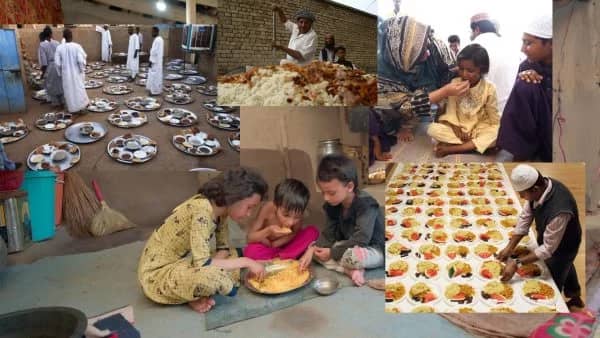
  1. Low-income individuals and families: Poverty often leads to limited access to healthcare services, inadequate nutrition, and poor living conditions. These factors can contribute to the development of various health issues. Our Islamic charity organization strives to support low-income individuals and families by offering financial assistance for medical treatments, establishing healthcare facilities in underprivileged areas, and providing basic necessities such as food, clean water, and hygiene supplies.
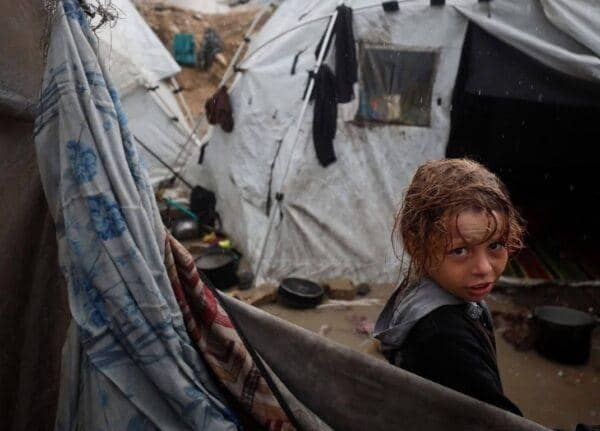
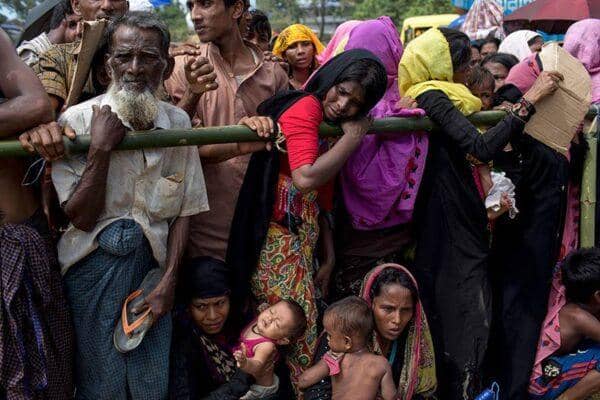
  2. Refugees and internally displaced persons: People who have been forced to flee their homes due to conflict, persecution, or natural disasters often face significant health challenges. They may lack access to basic healthcare services, proper nutrition, and clean water. Our team works to provide healthcare and humanitarian assistance to these vulnerable populations, ensuring their physical and mental well-being.
  3. Elderly individuals: As people age, they become more susceptible to chronic diseases and other health issues. Our Islamic charity organization recognizes the importance of offering specialized care and support to the elderly members of our society. This may include providing access to healthcare services tailored to their needs, offering financial assistance for treatments, and organizing social activities to promote mental and emotional well-being.
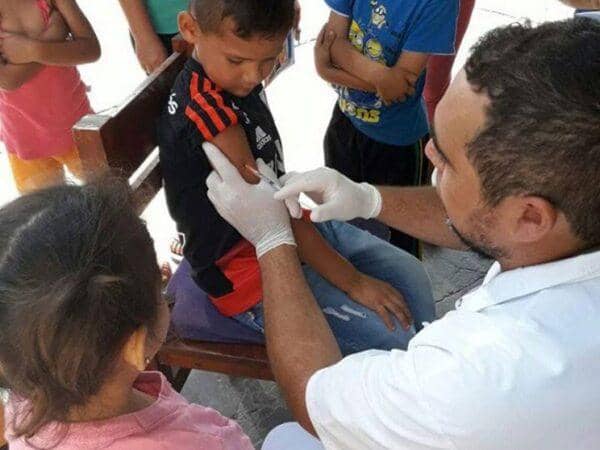
  4. Children: Children, particularly those from underprivileged backgrounds, are more vulnerable to malnutrition, infectious diseases, and other health problems. Our team is dedicated to improving the health of children by providing access to essential healthcare services, such as vaccinations and regular check-ups, as well as ensuring proper nutrition and hygiene.
  5. Persons with disabilities: Individuals with physical, mental, or intellectual disabilities often face barriers to accessing healthcare services and may require specialized care. Our Islamic charity organization is committed to promoting inclusive healthcare by offering tailored services and support to persons with disabilities and advocating for their rights within the broader healthcare system.
  6. Women and girls: Women and girls may face unique health challenges and require specific healthcare services, such as reproductive and maternal health care. Our team is dedicated to ensuring that women and girls receive the necessary support and care to address their specific health needs, as well as promoting gender equality in access to healthcare services.

By focusing on these vulnerable populations, our Islamic charity organization aims to address the disparities in healthcare access and outcomes within our society. Our team is committed to working tirelessly to improve the health and well-being of those in need, guided by the principles of compassion, justice, and service inherent in our faith.


HealthcareWhat We Do

Healthcare and hygiene are essential aspects of life that significantly impact the well-being and prosperity of individuals and communities. At our Islamic charity organization, we recognize that maintaining good health and hygiene practices is integral to fulfilling our mission to serve humanity and uphold Islamic values. Our team is committed to improving healthcare and promoting hygiene for the betterment of society as a whole.

There are several reasons why healthcare and hygiene hold great importance for the people in our society:

  1. Physical health: Access to quality healthcare and adherence to proper hygiene practices helps prevent and control diseases, infections, and other health-related issues. Good health enables individuals to lead fulfilling lives and contribute positively to their families, communities, and the society at large.
  2. Emotional and mental well-being: Illness and poor health can have a significant impact on an individual’s emotional and mental well-being. By providing healthcare services and promoting healthy habits, our Islamic charity organization helps to reduce stress, anxiety, and depression associated with health problems, ultimately contributing to improved mental health.
  3. Social and economic development: A healthy population is more productive and contributes to the overall social and economic development of society. By investing in healthcare and hygiene, our team is actively participating in the growth and progress of our communities.
  4. Islamic teachings: Islam places great emphasis on maintaining good health and cleanliness. The Prophet Muhammad (peace be upon him) said, “Cleanliness is half of faith” (Sahih Muslim). By promoting healthcare and hygiene, our Islamic charity organization is upholding the teachings and values of our faith.
  5. Reducing inequalities: Access to healthcare and hygiene facilities is often limited for marginalized and underprivileged communities. Our team works to provide these essential services to those in need, thereby reducing inequalities and ensuring that everyone has the opportunity to live a healthy life.

Our Islamic charity organization is dedicated to improving healthcare and hygiene by implementing various programs and initiatives. These may include:

  • Providing medical assistance and support to individuals and communities in need, such as medical camps, mobile clinics, and financial aid for treatments.
  • Raising awareness about the importance of hygiene and cleanliness through educational programs and campaigns.
  • Distributing hygiene kits and sanitation supplies to underprivileged communities to improve their living conditions.
  • Collaborating with local health authorities and other organizations to strengthen the healthcare infrastructure and improve the overall quality of healthcare services.

By focusing on healthcare and hygiene, our team at the Islamic charity organization strives to improve the quality of life for individuals and communities. We believe that by investing in health, we are investing in a brighter and more prosperous future for all.


HealthcareWhat We Do