

Humanitarian Aid

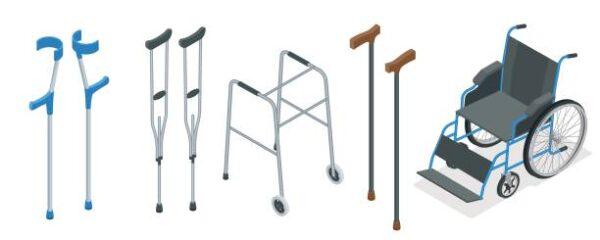
Mobility aids are devices designed to assist individuals who have difficulty moving around independently. These aids enhance mobility, often improving the quality of life, independence, and safety for those with physical impairments or limitations. Here are some common types of mobility aids:

  1. Walking Canes: Canes are simple, handheld devices that provide balance and support. They can be used by those with mild to moderate mobility issues. Canes come in various styles, including the standard single-point cane, the quad cane with four points of contact for increased stability, and the offset cane, designed to distribute weight more evenly.
  2. Walkers: Walkers provide more support than canes. Standard walkers have four legs and need to be lifted for movement, while rollator walkers have wheels and brakes, making them easier to maneuver. They often come with a seat to allow the user to rest when needed.
  3. Wheelchairs: Wheelchairs are used by individuals who cannot walk or have great difficulty walking. They come in different types, including manual wheelchairs, which require physical power to move, and power or electric wheelchairs, which are battery-powered.
  4. Mobility Scooters: Mobility scooters are electrically powered and are used by individuals who can walk a little but have difficulty covering longer distances. These scooters often have a seat over two rear wheels, a flat area for the feet, and handlebars in front to turn one or two steerable wheels.
  5. Crutches: Crutches are often used by those with temporary disabilities, such as a broken leg. They transfer weight from the legs to the upper body and can be used singly or in pairs.
  6. Stair Lifts: Stair lifts are installed in homes to assist individuals with mobility issues in getting up and down stairs safely. They consist of a motorized seat that travels along a rail fixed to the stairs.
  7. Patient Lifts: These devices are used in homes or healthcare settings to help caregivers transfer individuals with severe mobility limitations from one place to another, such as from a bed to a chair.
  8. Ramps and Handrails: Ramps replace or supplement stairs for those using wheelchairs, scooters, or walkers. Handrails installed in homes, particularly in bathrooms or stairways, provide support and balance.

Each mobility aid serves a unique purpose and is suited to different levels of mobility impairment. The choice of a mobility aid depends on the individual’s specific needs, physical strength, and the environment in which the aid will be used. An occupational or physical therapist can provide valuable advice when choosing the appropriate mobility aid.

HealthcareHumanitarian AidWhat We Do

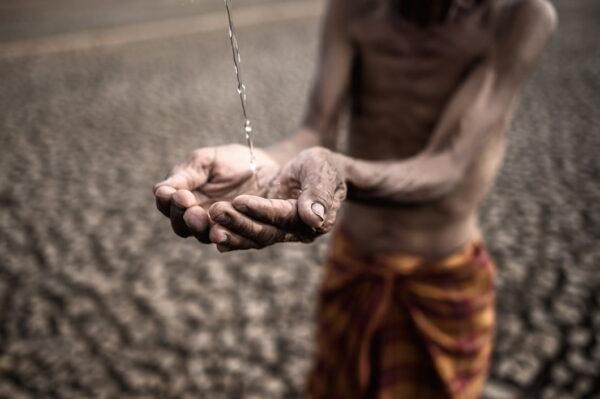
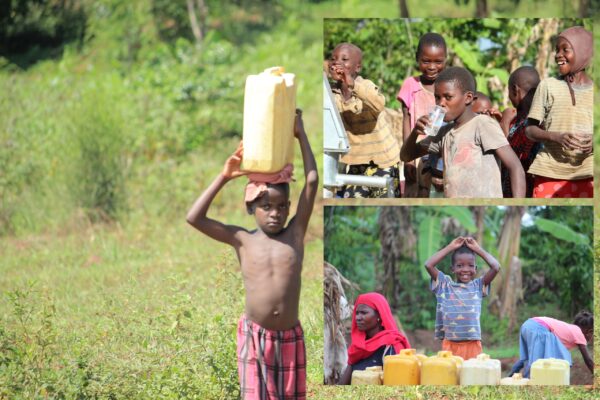
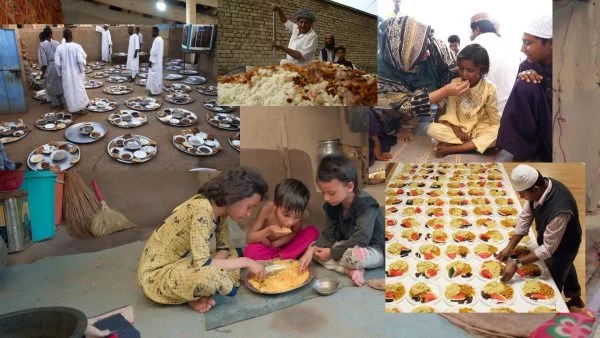
Food and water aid is a form of humanitarian assistance that is provided to individuals and communities who are suffering from hunger, malnutrition, and lack of access to clean water. It is a critical form of support that is often provided in emergency situations such as natural disasters, conflicts, and other crises that may disrupt the normal functioning of communities.

The provision of food aid is based on the principle that every person has the right to access adequate food and nutrition, regardless of their circumstances. When individuals or communities are unable to meet their basic food needs due to factors such as poverty, conflict, or natural disasters, food aid is provided to help them survive and recover.

Food aid can come in many forms, including ready-to-eat meals, food rations, and food vouchers. These forms of assistance are designed to meet the varied needs of different communities in different contexts. In some cases, food aid is provided as a short-term emergency response, while in other cases, it may be provided as a longer-term development initiative to help communities become more self-sufficient.

Water aid, on the other hand, is focused on providing access to clean and safe water sources to communities that lack this basic necessity. Access to clean water is essential for maintaining health and preventing the spread of disease. In many developing countries, lack of access to clean water is a major cause of illness and death, particularly among children.

Water aid can take many forms, including the provision of water treatment systems, the drilling of wells and boreholes, and the installation of water storage facilities. In some cases, water aid is provided as a short-term emergency response, while in other cases, it may be provided as a longer-term development initiative to help communities become more self-sufficient.

Food and water aid is generally used in circumstances where communities are facing acute food shortages or lack of access to clean water. These circumstances may arise due to natural disasters such as floods, earthquakes, or droughts, or due to conflict or economic instability. Food and water aid is often provided by international humanitarian organizations, governments, and non-governmental organizations (NGOs) in coordination with local partners.

In addition to providing immediate relief to communities in need, food and water aid can also help to build resilience and promote long-term development. By providing communities with access to food and water, they are better able to withstand the impacts of emergencies and to recover more quickly. Furthermore, food and water aid can help to improve health outcomes, increase school attendance, and promote economic development.

In conclusion, food and water aid is a critical form of humanitarian assistance that is provided to individuals and communities who are suffering from hunger, malnutrition, and lack of access to clean water. It is a powerful tool for saving lives and building resilience, and it is an essential component of any effective humanitarian response.

Humanitarian Aid

In Islam, providing humanitarian aid to those in need is considered a virtuous act and is strongly encouraged. While it is not mandatory, it is seen as a fundamental principle of the faith to assist those who are suffering and in need, regardless of their religion or background.

The Quran instructs Muslims to help those in need, regardless of their faith. In Surah Al-Ma’idah, Verse 2, it is stated, “And help one another in righteousness and piety, but do not help one another in sin and transgression.” This verse indicates that Muslims should assist others in doing good deeds and in acts of righteousness, regardless of their faith.

Similarly, in Surah Al-Baqarah, Verse 177, it is stated, “It is not righteousness that you turn your faces towards the East or the West, but righteousness is to believe in Allah and the Last Day, and the Angels, and the Book, and the Prophets, and to give wealth, however cherished, to kinsfolk, and orphans, and the needy, and the wayfarer, and to those who ask, and to set slaves free.” This verse indicates that Muslims should give their wealth to those in need, regardless of their faith.

In addition, there are many Hadiths (sayings of the Prophet Muhammad) that emphasize the importance of helping others, regardless of their faith. For example, the Prophet Muhammad is reported to have said, “All creatures are the family of Allah, and he is the most beloved of Allah who does good to His family” (Tirmidhi).

In summary, providing humanitarian aid is strongly encouraged in Islam, regardless of the recipient’s religion. Muslims are encouraged to provide aid to those in need and to treat all people with kindness and compassion.

Humanitarian Aid

Understanding the Difference: Humanitarian Aid Versus Disaster Relief

The terms humanitarian aid and disaster relief are frequently used interchangeably, yet a clear distinction exists between these two critical forms of assistance. While deeply interconnected and often overlapping, grasping their specific definitions helps in understanding the scope, intent, and duration of support provided to communities in crisis. Essentially, disaster relief is a focused subset within the much broader domain of humanitarian aid.

What is Humanitarian Aid?

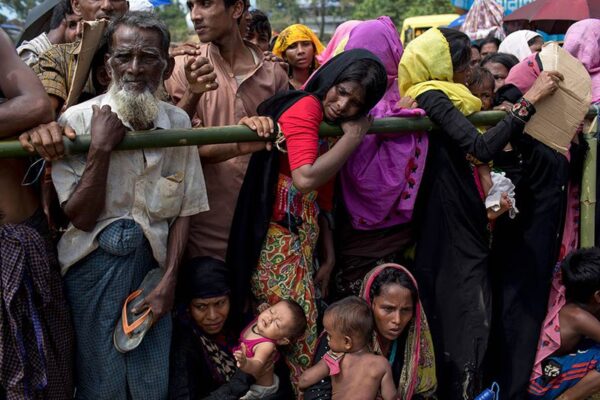
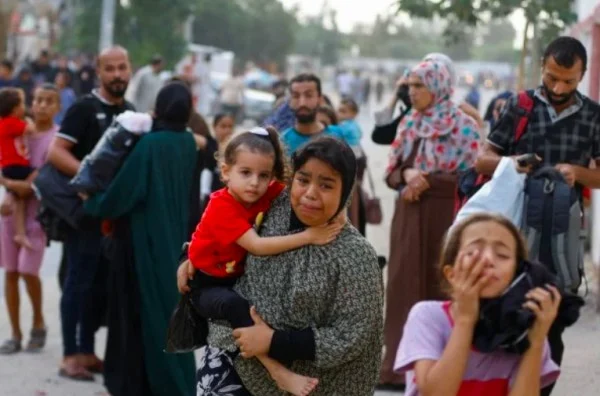
Humanitarian aid represents a comprehensive and expansive category of assistance given to people affected by various crises. These crises are not limited to natural phenomena; they encompass a wide range of emergencies including natural disasters, armed conflicts, epidemics, famines, and forced displacement. The core objective of humanitarian aid is to save lives, alleviate suffering, and uphold human dignity. It extends beyond immediate emergency response to include a range of interventions aimed at addressing both the symptoms and the underlying causes of vulnerability. This broader scope involves not only immediate relief efforts, such as providing essential food, clean water, shelter, and medical assistance, but also longer-term strategies. These longer-term efforts are crucial for addressing the root causes of crises, fostering self-reliance, and building resilience within affected communities to better withstand future shocks.

What is Disaster Relief?

Disaster relief, on the other hand, is a more specific and immediate form of assistance. It refers precisely to the urgent response provided in the direct aftermath of a natural disaster. Events such as earthquakes, hurricanes, floods, tsunamis, volcanic eruptions, or severe droughts trigger disaster relief operations. The primary focus of disaster relief is the provision of emergency aid during the acute phase of a disaster. This includes life-saving provisions like emergency food supplies, safe drinking water, temporary shelter, medical assistance for the injured, and search and rescue operations. The immediate goal is to mitigate loss of life, alleviate acute suffering, and help survivors cope with the immediate and chaotic aftermath of a sudden natural catastrophe. Disaster relief operations are characterized by their rapid deployment and short-term focus, aiming to stabilize the situation and prevent further harm.

Key Differences Between Humanitarian Aid and Disaster Relief

The core difference lies in their scope and duration. Humanitarian aid addresses a wide spectrum of crises, including those caused by humans, and involves both immediate and sustained efforts. Disaster relief is exclusively focused on the rapid, initial response to natural disasters. While disaster relief prioritizes immediate survival, humanitarian aid encompasses a continuum that moves from emergency response through recovery to long-term development.

Is humanitarian aid the same as disaster relief?

No, humanitarian aid is not the same as disaster relief. Disaster relief is a vital component of humanitarian aid, but it does not represent the entirety of it. Humanitarian aid’s reach is far wider, covering a multitude of crisis types and involving a more extensive range of activities, from life-saving interventions to long-term community development.

Key differences between humanitarian aid and disaster relief

The key differences between humanitarian aid and disaster relief are primarily in their triggers, scope, and timeline. Disaster relief is triggered by natural disasters, focuses on immediate survival, and is short-term. Humanitarian aid is triggered by various crises (natural, conflict, epidemic) and involves a continuum of short-term relief, medium-term recovery, and long-term development.

When does disaster relief become humanitarian aid?

Disaster relief doesn’t “become” humanitarian aid because it is already a type of humanitarian aid. However, the immediate phase of disaster relief transitions into broader humanitarian efforts when the focus shifts from purely emergency response to addressing underlying vulnerabilities, rebuilding infrastructure, and supporting long-term recovery and resilience. This transition illustrates the continuum.

Examples of humanitarian aid activities

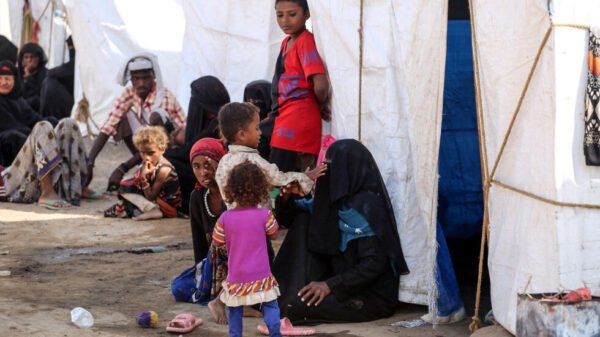
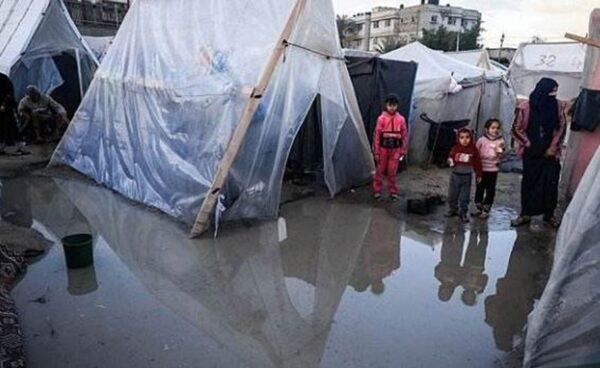
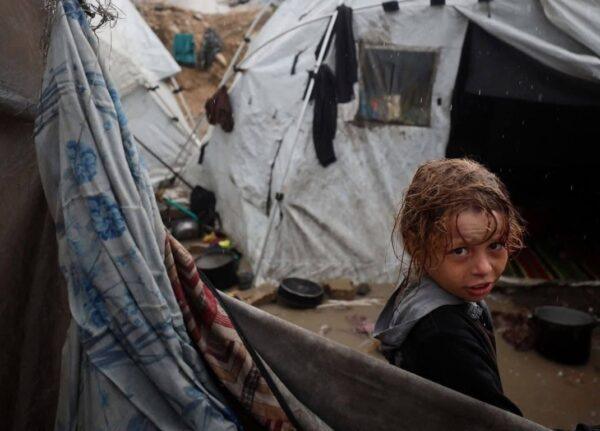
Examples of humanitarian aid activities include providing emergency food and water during a famine, offering medical care in conflict zones, setting up refugee camps for displaced populations, delivering vaccines during an epidemic, supporting peacebuilding initiatives, establishing education programs in crisis-affected areas, and implementing long-term food security projects to prevent future hunger.

Examples of disaster relief efforts

Examples of disaster relief efforts include search and rescue missions after an earthquake, distributing blankets and tents following a hurricane, providing clean water purification tablets after a flood, setting up emergency field hospitals for injured survivors, and delivering ready-to-eat meals to people displaced by a tsunami.

Scope of humanitarian aid vs disaster relief

The scope of humanitarian aid is global and comprehensive, addressing any crisis that threatens human life and dignity, including complex emergencies. It encompasses relief, recovery, and development. The scope of disaster relief is specifically limited to the immediate aftermath of natural disasters, focusing on emergency life-saving actions.

Funding humanitarian aid vs disaster relief

Funding for both humanitarian aid and disaster relief comes from diverse sources, including individual donors, national governments, international organizations, and private foundations. Disaster relief funding often mobilizes quickly in response to specific, visible natural catastrophes. Humanitarian aid funding is often more complex, covering a wider array of ongoing crises and longer-term programs, requiring sustained commitment.

Organizations involved in humanitarian aid and disaster relief

A wide array of organizations are involved in both humanitarian aid and disaster relief. These include United Nations agencies (such as OCHA, UNHCR, UNICEF, WFP), international non-governmental organizations (NGOs) like the Red Cross/Red Crescent Movement, Doctors Without Borders, Oxfam, national governments, and local community-based organizations. Many of these organizations play roles in both immediate response and longer-term programming.

Long-term goals of humanitarian aid

The long-term goals of humanitarian aid extend beyond mere survival. They aim to reduce vulnerability, strengthen local capacities, rebuild resilient communities, promote sustainable development, ensure respect for human rights, and ultimately help people recover their livelihoods and self-sufficiency, reducing reliance on future aid.

Short-term focus of disaster relief

The short-term focus of disaster relief is intensely concentrated on saving lives, alleviating immediate suffering, and meeting the most urgent basic needs of affected populations. This includes providing immediate medical care, food, water, and shelter to stabilize the situation in the critical hours and days following a natural disaster.

Principles guiding humanitarian aid operations

Humanitarian aid operations are guided by core principles: Humanity (to prevent and alleviate human suffering wherever it may be found), Impartiality (aid is provided solely on the basis of need, without discrimination), Neutrality (humanitarian actors must not take sides in hostilities or engage in controversies of a political, racial, religious or ideological nature), and Independence (humanitarian action must be autonomous from political, economic, military or other objectives).

What distinguishes humanitarian response from disaster recovery?

Humanitarian response generally refers to the immediate and short-to-medium term actions taken to address a crisis, encompassing both initial disaster relief and broader life-saving interventions. Disaster recovery, conversely, focuses on the longer-term process of rebuilding physical infrastructure, restoring livelihoods, and re-establishing social services in the aftermath of a disaster, often spanning months or even years. Recovery is part of the broader humanitarian aid continuum, following the initial response.

How do natural disasters fit into humanitarian aid?

Natural disasters fit directly into humanitarian aid as one of the primary triggers for such assistance. The immediate response to a natural disaster is disaster relief, which is a specific and urgent type of humanitarian aid. Beyond the immediate relief, the ongoing recovery and rebuilding efforts in disaster-affected areas also fall under the umbrella of broader humanitarian aid and development programming.

Understanding the humanitarian aid spectrum

The humanitarian aid spectrum is a continuum that illustrates the progression of assistance from immediate emergency response to long-term development. It starts with preparedness, moves through rapid disaster relief, then into recovery and rehabilitation, and finally integrates into long-term development efforts aimed at building resilience and addressing root causes. This continuum is dynamic and non-linear, adapting to evolving needs.

Why is the distinction between aid and relief important?

The distinction between aid and relief is important for several reasons. It helps in appropriate planning and allocation of resources, ensures effective coordination among different aid actors, guides policy development, and clarifies donor expectations. Understanding the specific nature of the crisis and the type of intervention required leads to more targeted, efficient, and ultimately more effective assistance that genuinely serves the affected populations across the full cycle of a crisis.

In conclusion, while disaster relief is an indispensable and high-profile component, humanitarian aid represents a much larger, overarching framework of assistance. It encompasses the immediate urgency of disaster response while also addressing complex, protracted crises and striving for sustainable solutions that build a more resilient future for vulnerable communities worldwide.

In a world where crises test the limits of human endurance, compassion remains our most powerful response. At IslamicDonate, we believe that every act of generosity no matter how small can restore dignity, hope, and stability to those whose lives have been shattered by disaster and hardship. Your contribution can turn empathy into action, and action into lasting change. Join us in rebuilding lives and nurturing hope: IslamicDonate.com

Disaster Relief: Donate with Cryptocurrency

Disaster ReliefHumanitarian Aid