

Tangled up in haram from your wallet? Cleanse your halal crypto portfolio through Tathir. Shed illicit funds securely today to fund urgent global relief projects.
Purification Crypto Assets: Give & Tathir

Halal Crypto: The Technical Guide to Tathir and Portfolio Purification
No Muslim actively seeks out haram income (forbidden). You enter the Web3 space with pure intentions and a commitment to halal investing. But the modern crypto market is incredibly complex. Between interconnected decentralized finance protocols and automated smart contracts, your portfolio can unintentionally absorb impermissible yield. The question then becomes: how should the status of these funds and tokens be resolved?
This is the exact purpose of Tathir. Tathir is the Islamic framework for wealth purification. It is the mandatory process of isolating and giving away illicit income to cleanse your core investments.
The crypto ecosystem is built on shared liquidity. Even if you avoid margin trading or obvious casino tokens, your assets can easily get entangled with haram yield. Here is exactly how your crypto holdings might inadvertently mix with impermissible earnings:
- Liquid Staking Derivatives: Holding receipt tokens like stETH or wstETH often involves automated smart contracts that compound rewards from validator nodes. Problems arise if the underlying protocol routes funds through secondary lending markets to boost yield. If any part of that architecture utilizes interest bearing mechanisms, a percentage of your yield becomes impermissible.
- EVM Compatible Liquidity Pools: Providing liquidity on automated market makers across Ethereum, BNB Smart Chain, or Avalanche earns you trading fees. If you enter a pool that pairs a halal asset with a haram token like an algorithmic stablecoin backed by interest or a casino utility token, a portion of your LP rewards is instantly compromised.
- Cross Chain Bridges and Wrapped Assets: Moving assets across networks like the KuCoin Community Chain or Arbitrum often involves wrapped tokens. Some bridge architectures generate passive yield on locked collateral through lending markets before wrapping the asset on the destination chain.
- Centralized Exchange Passive Earn Programs: Leaving idle stablecoins or tokens on centralized platforms often auto enrolls your wallet in flexible savings programs. These programs typically lend your assets to institutional margin traders. This generates direct interest, which is categorically classified as Riba.
P.S. The points mentioned do not necessarily imply that the tokens themselves are haram. We are discussing how to earn income from these tokens.
Illicit (Haram) Cryptocurrency Earnings Must Be Given Away
Finding a place to dump these compromised funds is a logistical headache. You cannot benefit from them. You cannot use them to pay Zakat or offset your personal debts.
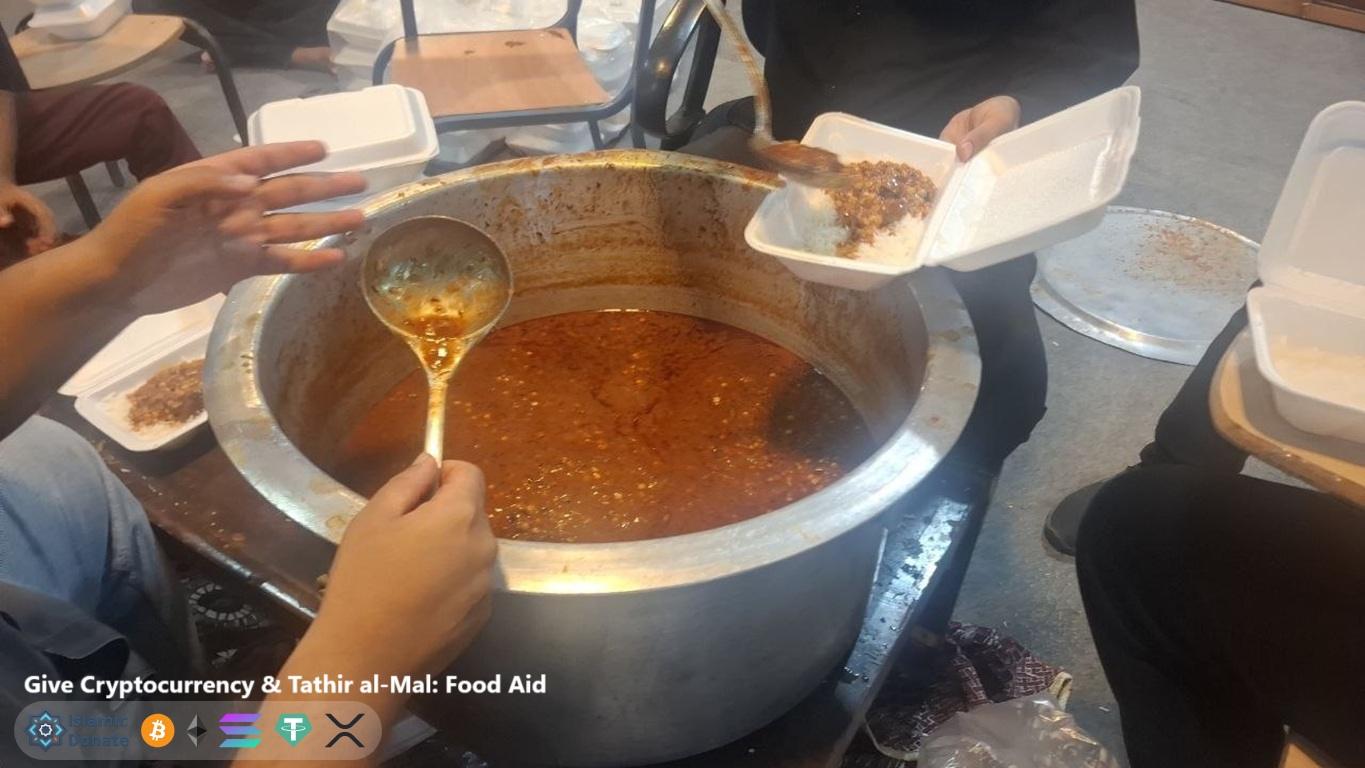
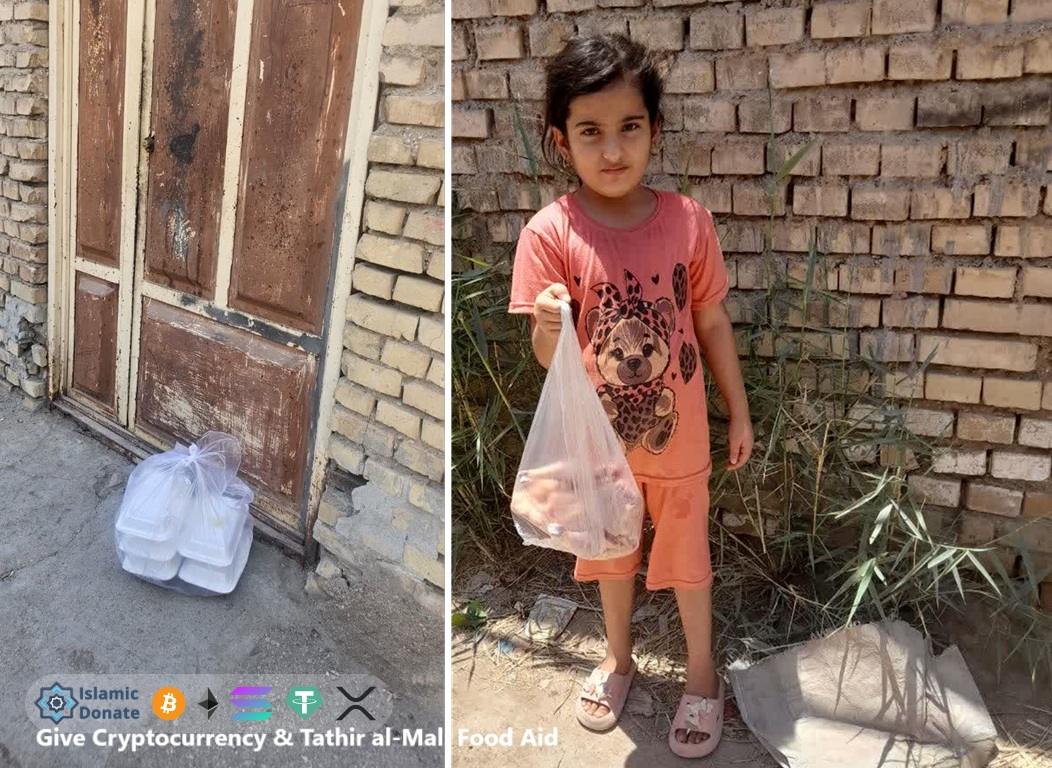
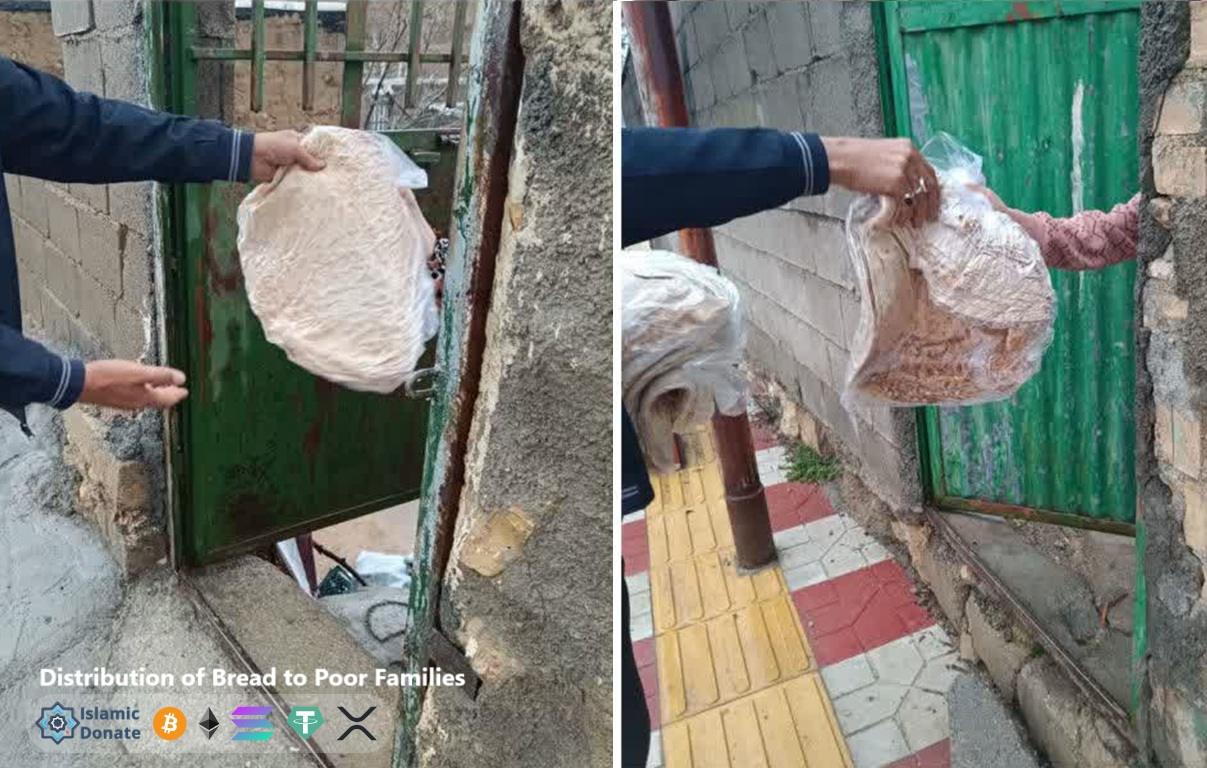
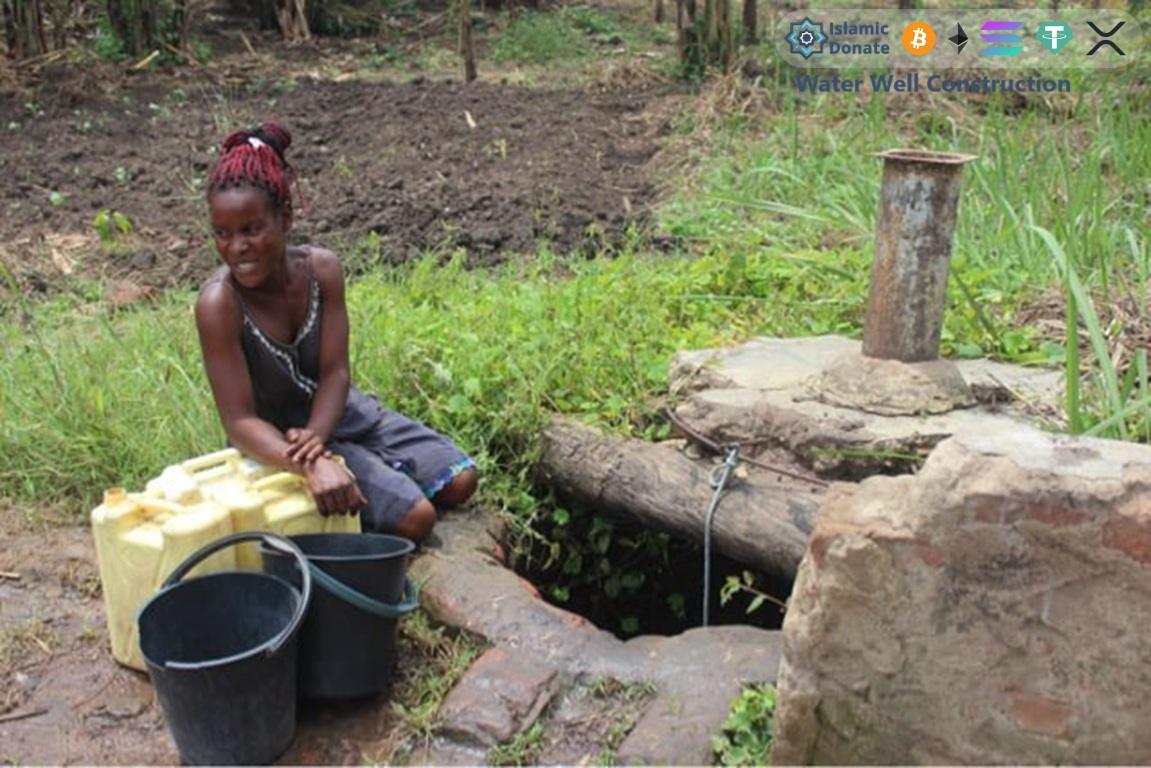
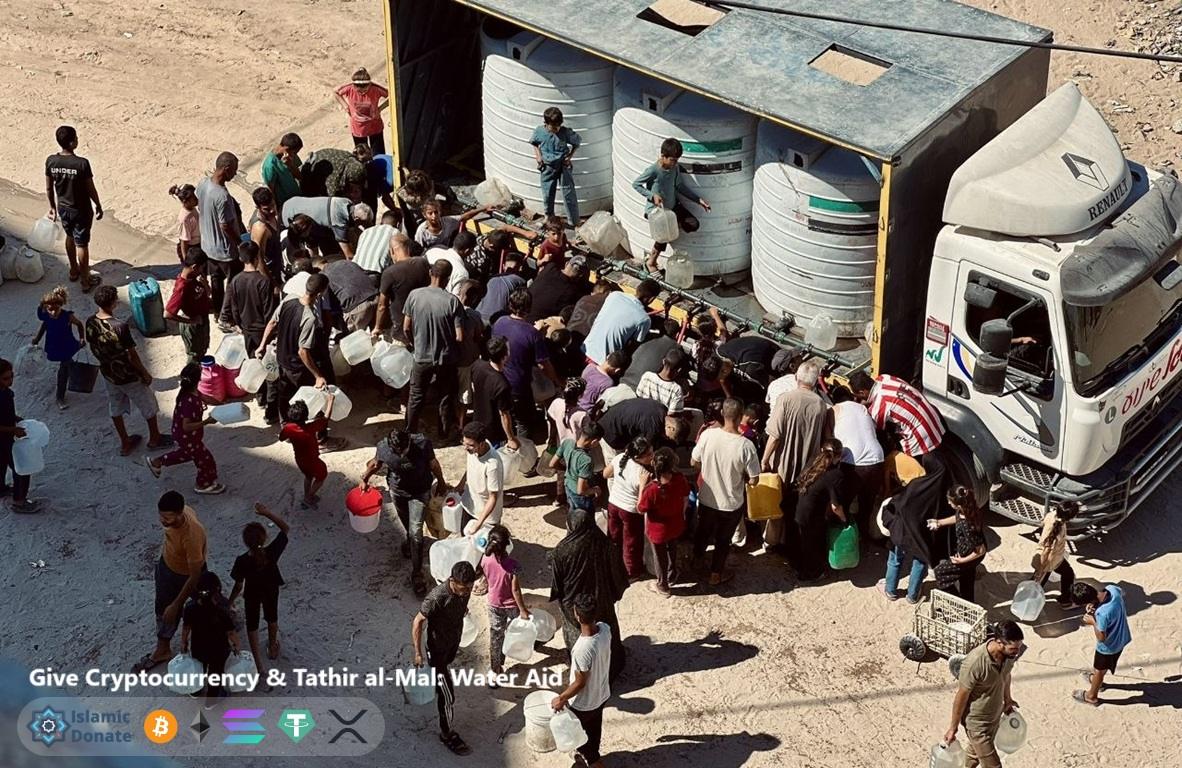
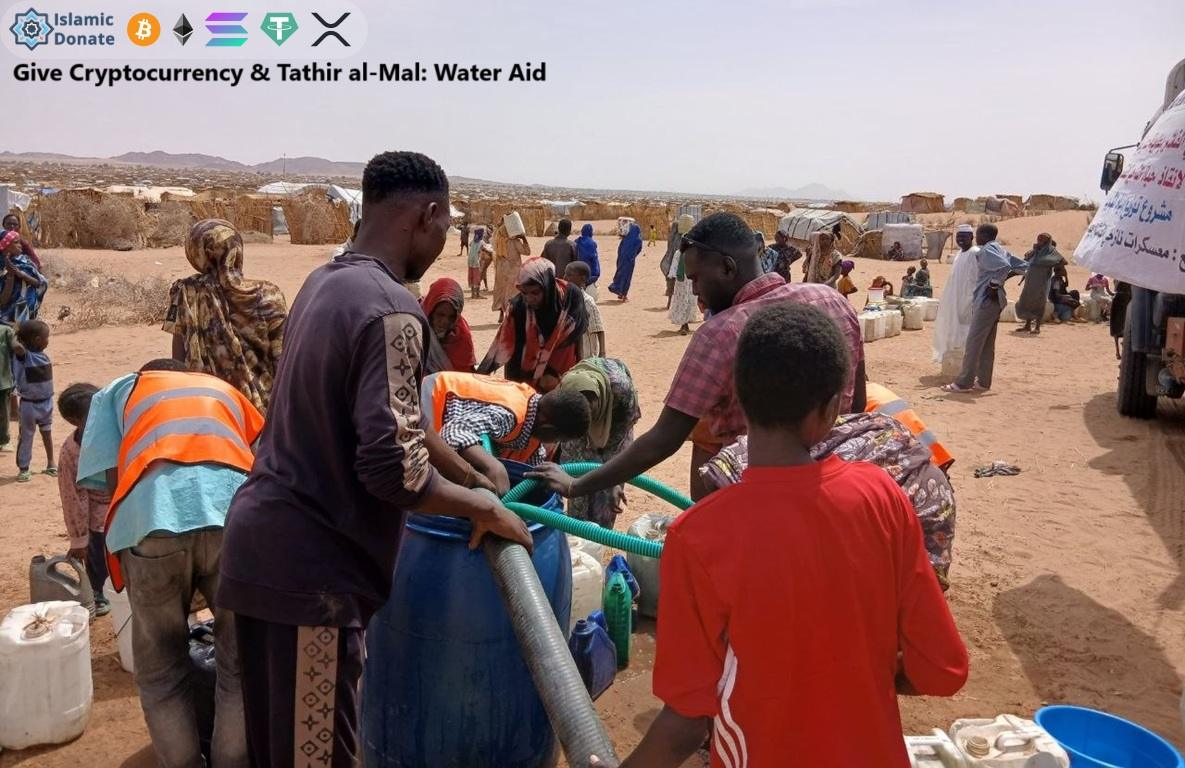
Where exactly do these funds go? We deploy your purified crypto into concrete international field projects. Your transferred stablecoins directly fund water well rehabilitations in villages like Bukonko and Bukaye in Uganda, securing clean drinking water for Gaza Strip. We allocate capital to agricultural micro grants for farming communities in Palestine to stabilize local food infrastructure. We also route these assets to emergency community aid and cold storage logistics for daily seasonal meal distributions for single mothers, widows, and orphaned children. You get the peace of mind that your portfolio is clean, while the funds serve a critical survival purpose without benefiting you personally.




Purification of Cryptocurrency Assets: Give & Tathir al-Mal
The Quran strictly commands believers to consume only what is lawful and pure. Allah commands believers to eat from the good things provided and to maintain gratitude. The Prophet Muhammad reinforced this standard by stating that Allah is pure and accepts only that which is pure. (Riyad as-Salihin 1851)
“Do not consume one another’s wealth unjustly, nor deliberately bribe authorities in order to devour a portion of others’ property, knowing that it is a sin [it is unlawful].” (Al-Baqarah 2:188)
At Islamic Donate, we accept these specific funds because Islamic jurisprudence prescribes this exact method for shedding haram wealth. We act as the routing layer to deploy these funds directly to those who need them most (poor and needy). We channel this capital strictly toward public welfare, food aid, emergency relief, and essential infrastructure. Donate tokens representing your illicit assets using over 30 cryptocurrency:
-
Common Assets: Bitcoin (BTC), Ethereum (ETH), Solana (SOL), Binance Smart Chain (BNB), Tron (TRX) and more.
-
Stablecoins: USDT, USDC, USDS, RLUSD, PYUSD, DAI, FDUSD, USDe, and BUSD.
- Altcoins: Wrapped Bitcoin (WBTC), Staked Ether (stETH), Wrapped stETH (wstETH), Litecoin (LTC), Ripple (XRP), Stellar (XLM), Arbitrum (ARB), Dogecoin (DOGE), Bitcoin-cash (BCH), Gram (TON), KCS (Kucoin), Atom (Cosmos) and more.
When you identify Riba or illicit gains in your wallet, the immediate action is separation. You keep your initial capital and surrender the excess. The Quran states clearly that if you repent, you may keep your principal, neither wronging nor being wronged.
This is the core mechanic of Tathir. It is a spiritual reset for your financial life. You calculate the exact amount of the illicit profit, withdraw it, and route it out of your ecosystem discreetly and privately. Islamic Donate provides the secure infrastructure to execute that separation efficiently.
Impact of Making Your Wealth Lawful (Halal): On your life & the those in need
- 4 Devastating Effects of Consuming Haram Wealth in Your Life
- Ultimate Guide to Cryptocurrency Trading
- How to Dispose of Haram Money in Cryptocurrency
- Purification of Haram Money: 4 Islamic methods
- 4 Reasons You Gain Total Security Through Anonymous Donation
- Charity Impact: Cryptocurrency Aid to Gaza 2026
- Iman Effect: Donate Ethereum to Our Islamic Charity
- How Does Donation Impact Children’s Literacy?
Frequently Asked Questions
1- How can crypto portfolios inadvertently generate impermissible yield?
Crypto portfolios can absorb haram yield through complex decentralized finance protocols. Common mechanisms include liquid staking tokens routing collateral through interest-bearing lending markets, automated liquidity pools pairing assets with interest-generating tokens, cross-chain bridges earning yield on locked assets, and centralized exchange passive earn programs lending funds to margin traders.
2- What is the process of Tathir for cleansing cryptocurrency investments?
Tathir is the mandatory Islamic process of isolating and relinquishing illicit earnings to purify your wealth. Investors identify the exact portion of impermissible profit or interest (Riba) earned, retain their original principal capital, and transfer the non-compliant excess out of their wallets to public welfare causes without seeking personal benefit.
3- Can purified crypto funds be used for Zakat or personal debts?
No, illicit cryptocurrency earnings cannot be used to pay Zakat or offset personal debts. Under Islamic jurisprudence, individuals cannot derive any personal, financial, or religious benefit from haram gains. Instead, these compromised funds must be entirely surrendered and directed toward essential public welfare, emergency relief, and community infrastructure projects.
4- Where are purified cryptocurrency assets deployed after donation?
Purified cryptocurrency assets are deployed directly into humanitarian and community infrastructure projects. These contributions fund essential initiatives, including water well rehabilitations in Uganda, clean drinking water access in Gaza, agricultural micro-grants for farmers in Palestine, emergency food distributions, and cold-storage logistics supporting widows, single mothers, and orphaned children worldwide.
Share & Spread the word!
