

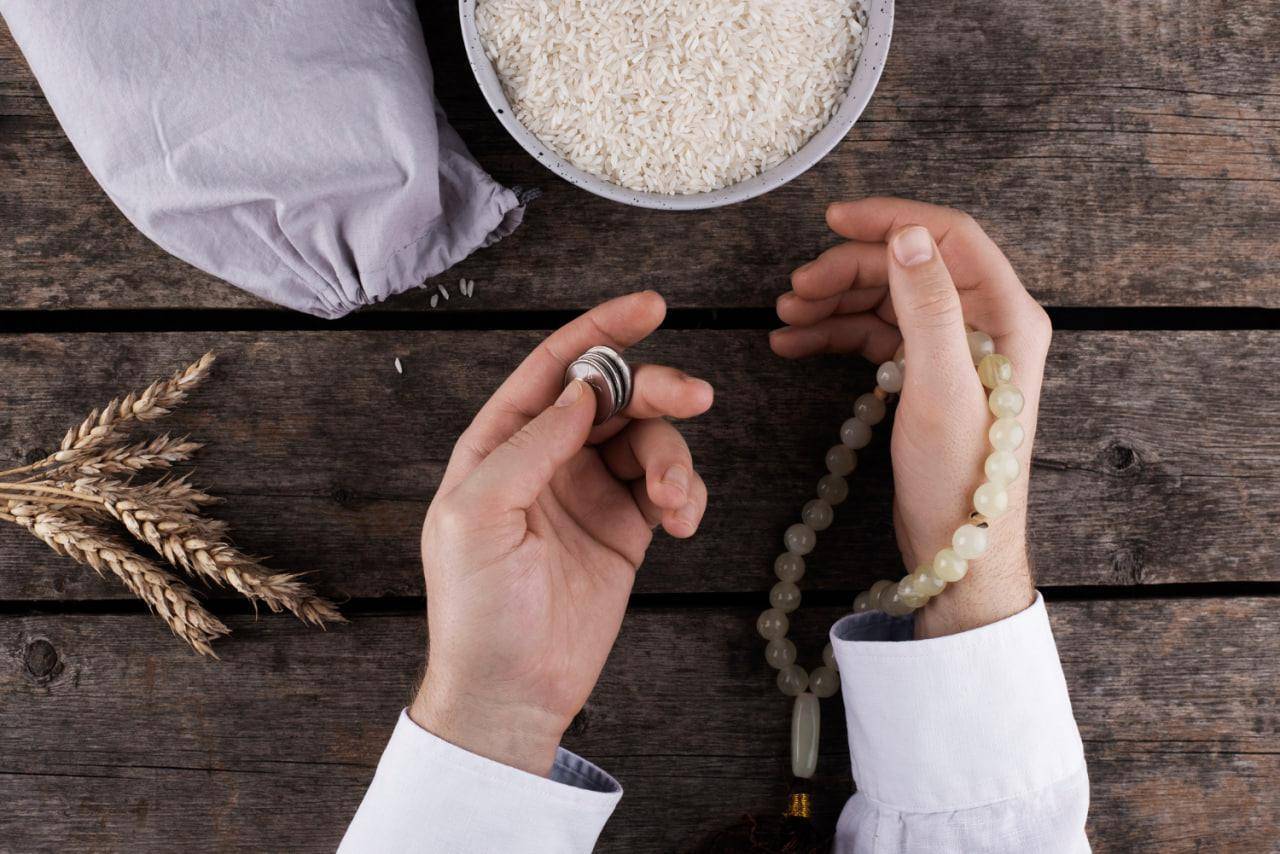
Zakat on Cryptocurrency: The Ultimate Guide to Purifying Digital Wealth
To calculate Zakat on cryptocurrency, you must determine the total market value of your holdings in local currency. If this value exceeds the Nisab threshold (equivalent to 85g of gold), you must pay 2.5% of the total value as Zakat after holding the assets for one lunar year (Hawl).
The Intersection of Faith and Future Finance
The digital age has revolutionized how we earn, save, and spend. Yet, for the Muslim investor, this rapid technological shift brings a pressing spiritual question: How does my crypto portfolio fit into my faith?
Zakat is more than a transaction; it is the Third Pillar of Islam and a divinely ordained tool to eradicate poverty and balance societal inequality. It is the act that purifies your wealth, transforming it from a mere accumulation of numbers into a source of barakah (blessing).
But as wallets move from leather pockets to the blockchain, the method of calculation can seem complex. You are a modern investor with a timeless duty. Below, we bridge the gap between complex cryptography and spiritual obligation, ensuring your wealth contributes to real-world change.
What is Zakat? (Beyond the Basics)
Any discussion regarding Islam’s economic justice starts with defining Zakat. It is not merely charity (Sadaqah), which is voluntary; Zakat is a mandatory spiritual tax on wealth.
The word Zakat linguistically means “to cleanse” or “to grow.” By giving away a calculated portion of your surplus wealth, you are spiritually cleansing the remainder, ensuring it is free from greed and hoarding.
When you fulfill this obligation, you become a lifeline for the most vulnerable members of our Ummah. Your contribution directly impacts:
- Widows and Orphans: Providing stability where guardians have been lost.
- Refugees: Offering shelter to those displaced by conflict.
- The Impoverished: Delivering food and water to families facing starvation.
To pay Zakat, one must first determine if they possess the Nisab (minimum wealth threshold). From there, they assess their “Zakatable” assets, which traditionally include:
- Personal wealth (Gold, Silver, Cash).
- Liquid assets and stocks.
- Agricultural produce.
- Livestock.
- And now: Digital Assets and Cryptocurrency.
Is Cryptocurrency Subject to Zakat?
Yes. The vast majority of Islamic scholars agree that cryptocurrency is treated as a distinct asset class with value, often categorized under “currency” or “tradeable commodities.”
Cryptocurrency is entirely digital, secured by cryptography, and operates independently of central banks. However, its decentralized nature does not exempt it from religious duty. Because it possesses the key characteristics of money – scarcity, divisibility, utility, and transferability – it falls under the category of Personal Wealth and Assets.
Therefore, if you hold Bitcoin (BTC), Ethereum (ETH), or other tokens as an investment or currency, calculating Zakat on them is incumbent upon you.
How to Calculate Zakat on Crypto: A Step-by-Step Guide
Calculating your obligation doesn’t require a degree in finance. It requires clarity on your holdings and the current value of precious metals.
- Step 1: Establish Your Valuation Date
You should calculate the value of your crypto holdings based on their market price on the day your Zakat is due (usually the anniversary of when you first reached the Nisab threshold). Many Muslims choose to align this with the holy month of Ramadan to maximize spiritual rewards, though it can be any time the lunar year (Hawl) is complete.
- Step 2: Determine the Nisab Threshold
Nisab is the minimum amount of wealth a Muslim must possess for a full lunar year before they are liable to pay Zakat. There are two standards:
Gold Standard: The value of 85 grams of gold.
Silver Standard: The value of 595 grams of silver.
For currency and crypto, scholars generally recommend using the Gold Standard to protect the payer’s wealth, although the Silver standard is safer if one wishes to ensure the poor are absolutely covered.
The Formulas:
- Gold Nisab: Current Gold Price (per gram) x 85.
- Silver Nisab: Current Silver Price (per gram) x 595.
Example:
If the price of gold is $65.00 per gram:
$65.00 x 85 grams = $5,525.00 (This is the Nisab threshold).
- Step 3: The Calculation
If the total value of your crypto properties (plus your cash and other liquid assets) exceeds the Nisab threshold calculated above, you owe 2.5% on the total amount.
The Formula:
(Total Value of Crypto Holdings) x 0.025 = Zakat Due
Real-World Scenario:
Imagine you have held 1.5 Bitcoin (BTC) for a full lunar year.
- Current BTC Price: $40,000 per coin.
- Total Holdings Value: $60,000.
- Check Nisab: $60,000 is greater than the Gold Nisab ($5,525). You are liable.
- Calculate Payment: $60,000 x 0.025 = $1,500.
You would owe $1,500 in Zakat.
Zakat Calculator
Why Your Crypto Donation Makes a Bigger Impact
While you can sell your crypto, withdraw fiat to your bank, and then donate cash, there is a more efficient, transparent, and powerful way to fulfill your duty: Donate Cryptocurrency Directly.
you act as a modern philanthropist. Here is why direct crypto Zakat is superior:
- Unmatched Transparency: One of the biggest concerns donors have is, “Where is my money going?” Blockchain technology resolves this. The immutable nature of the blockchain ledger allows for unprecedented transparency in how funds are moved and managed. You can trust that your Zakat reaches those who need it most.
- Speed is Survival: In crisis zones – whether it is an earthquake aftermath or a conflict zone – centralized banking systems are often slow or frozen. Cryptocurrency transfers are near-instant. Your Zakat can move across borders in minutes, providing immediate relief when families cannot wait days for bank clearance.
- Cost-Efficiency: Traditional banking involves intermediaries, exchange fees, and administrative bloat that eats into your donation. Crypto removes many of these middlemen. This means a higher percentage of your wealth goes directly to the beneficiary.
Do I pay Zakat on crypto I am holding for the long term (HODL)?
Yes. If you have purchased cryptocurrency with the intention of selling it later for profit or holding it as a store of value (similar to gold or savings), and the value meets the Nisab threshold for one lunar year, it is subject to Zakat at a rate of 2.5% of its current market value.
Can I pay my Zakat using the cryptocurrency itself, or must I sell it first?
You can often pay Zakat directly in cryptocurrency if the charity accepts it. This is frequently more efficient as it saves on exchange fees and capital gains tax events. The charity will then liquidate the assets or use them to fund aid directly. If the charity only accepts cash, you must calculate the value, sell the necessary portion, and donate the fiat equivalent.
How do I handle volatility when calculating Zakat?
Because crypto prices fluctuate wildly, you should check the market value of your holdings on the specific day your Zakat is due (the day you complete your lunar year or ‘Hawl’). Use the value at that precise moment for your calculation, regardless of what the price was a week prior or what it might be in the future.
Purify Your Wealth Today
The volatility of the crypto market serves as a reminder that wealth is fleeting and ultimately belongs to the Creator. Zakat is the anchor that stabilizes our spiritual relationship with money.
Don’t let technicalities delay your duty. The calculation is simple, but the impact is profound. By transferring your digital assets to the poor, you convert virtual currency into tangible hope – food plates, warm blankets, and safe shelter.
Do not wait for the market to change. The blessings of Zakat are immediate.
Convert Crypto to Real Smiles