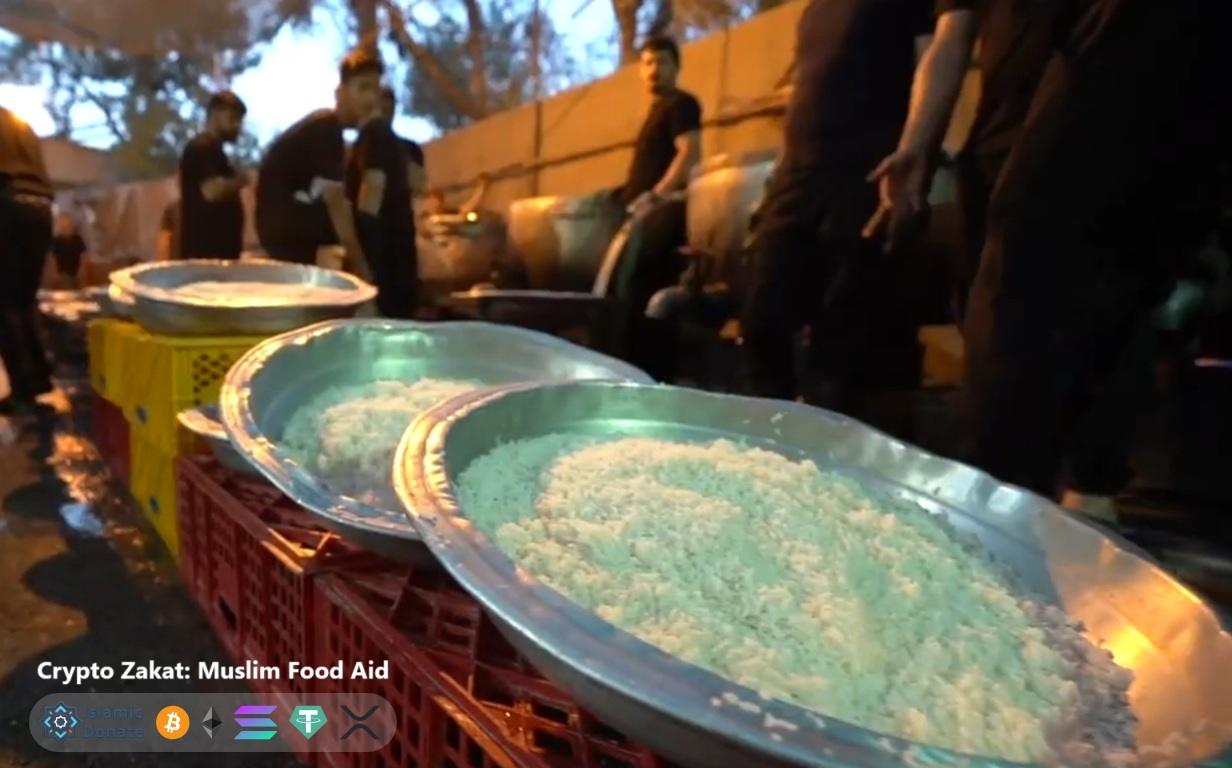
Why millions Muslim choose to pay Zakat in Ramadan to maximize spiritual rewards. Learn how Hawl works, rectify missed payments, and donate with crypto.
While Zakat becomes obligatory once a lunar year (Hawl) has passed on wealth reaching the Nisab threshold, Ramadan is widely considered the best time to pay Zakat. Islamic scholars agree that good deeds performed during this holy month are multiplied significantly in reward often cited as 70 times greater than other months. Many Muslims intentionally calculate and pay their Zakat in advance (Ta’jeel) during Ramadan to maximize spiritual blessings and address the urgent needs of the community during this sacred period.
Note: One condition matters more than the reward, if your Hawl ends before Ramadan, pay your Zakat. Do not hold it back until Ramadan arrives.
Is Ramadan the Best Time to Purify Your Wealth?
The moon is sighted, the fast begins, and a unique tranquility descends upon the heart. Yet, amidst the spiritual highs of prayer and fasting, a pressing reality exists just outside our doors. For millions, Ramadan is not a time of feasting, but a reminder of persistent hunger.
Zakat is more than a transaction; it is the Third Pillar of Islam and a divine mechanism for social justice. It purifies your wealth (Tazkiyah) and serves as a lifeline for the vulnerable. But is there a strategic time to give?
While you can fulfill your obligation at any moment the lunar year concludes, aligning your Zakat with Ramadan offers a dual benefit: it creates an explosion of spiritual “ROI” (Return on Intention) for you, and it delivers critical aid when the poor need it most. Whether you hold traditional assets or digital currency, this guide explores how to elevate your giving this holy month.
Why Ramadan Generates Unmatched Spiritual Returns
Ramadan is a season of overflowing mercy. It is a time when the gates of Heaven are open, and the spiritual value of every action is compounded. When you synchronize your Zakat calculation with Ramadan, you are tapping into a powerful multiplier effect:
-
- Multiplied Rewards: The Prophet Muhammad (PBUH) indicated that “…and he who fulfills an obligatory duty in it will be like one who fulfills seventy obligatory duties in another month.” (Mishkat al-Masabih 1965) It is the ultimate spiritual investment.
- The Spirit of Solidarity: Ramadan softens hearts. As we feel the pangs of hunger during the day, our empathy involves into action. Paying Zakat now aligns your wealth with your heightened state of consciousness (Taqwa).
- Double the Impact with Zakat al-Fitr: The final nights of Ramadan, which culminate in Eid al-Fitr, offer the greatest and most significant reward for the payment of both Zakat al-Mal (obligatory alms on wealth) and Zakat al-Fitr (alms given at the end of Ramadan); this is because the reward for giving during Laylat al-Qadr (the Night of Decree) exceeds that of 1,000 months. This ensures families have food for Iftar today and financial security for the months ahead. The Messenger of Allah said:
“There has come to you Ramadan, a blessed month, which Allah, the Mighty and Sublime, has enjoined you to fast. In it the gates of heavens are opened and the gates of Hell are closed, and every devil is chained up. In it Allah has a night which is better than a thousand months; whoever is deprived of its goodness is indeed deprived.” (Sunan an-Nasa’i 2106)
Missed Your Zakat Deadline? It Is Time to Act.
Life moves fast. Between managing portfolios, family, and work, the specific date your wealth matured (Hawl) might have slipped your mind. If you have delayed your Zakat, panic is not the answer, immediate action is.
While intentionally withholding Zakat is a grave matter, Islam is a religion of mercy. If you forgot, the door to rectification is open. Here is your recovery plan:
- Calculate Immediately: Do not wait another hour. Gather your assets cash, gold, stocks, and crypto holdings. Use trusted tools to determine your liability. Check zakat calculation with crypto assets.
- Discharge the Duty: Pay the full amount instantly. The right of the poor is significantly more important than your bank balance. Participate directly and online in Ramadan relief efforts by donating cryptocurrency. Fulfill your obligatory religious payments or offer voluntary charity (sadaqah) for the sake of Allah, and earn the reward for doing good to those in need.
- Prioritize the Current Year: Focus on clearing your current obligation first. If you have missed previous years, consult a scholar on how to estimate and repay those arrears.
- Ask for Guidance: Zakat on modern assets like staking rewards can be complex. You can ask your religious questions.
We will route these inquiries to qualified scholars to ensure your payment allows for total peace of mind. Remember, the sin of delay is wiped away by the virtue of immediate, sincere repayment.
Calculating Your Zakat Date & Shifting Dates
- What should I do if my Zakat due date has arrived? Calculate your total Zakatable wealth for the past lunar year and pay the 2.5% immediately.
- How do I determine my very first Zakat due date? Your due date is exactly one lunar year (Hawl) from the day your wealth first met or exceeded the minimum threshold (Nisab). View Current Nisab Values.
- What should I do if I have forgotten my Zakat due date? Estimate the date to the best of your ability. If completely unsure, select a meaningful new date (such as the 1st of Ramadan) and pay for the time elapsed.
- Should I track my Zakat using the lunar (Hijri) or solar (Gregorian) calendar? The lunar calendar is standard (2.5%). If calculating by the solar and gregorian (AD) calendar, the rate adjusts to 2.577% (Ensure that you calculate the figure down to the final decimal place so that the Zakat on your wealth is calculated accurately, or use an online calculator.) to account for the extra 11 days.
- f my due date is not in Ramadan, can I delay payment until Ramadan? No, Zakat cannot be delayed past your established due date. However, you are permitted to pay it early to align with Ramadan.
- What steps should I take to shift my Zakat due date to Ramadan? Calculate and pay your Zakat early for the months leading up to Ramadan. Once paid, your new annual due date officially resets to that day in Ramadan.
- When is the best time to pay Zakat during Ramadan? Many donors prefer the last 10 nights, particularly Laylat al-Qadr, to maximize spiritual rewards.
- What happens if my wealth drops below the Nisab threshold during the year? Your Zakat year resets. You only owe Zakat once your wealth remains at or above Nisab for one full, uninterrupted lunar year.
- If I receive a sudden windfall or new asset, does it get a separate due date? No. For administrative ease, you can consolidate all new wealth into your existing Zakat due date, paying on the total combined balance on that day.
- At what exact time or market rate should I value cryptocurrency on my due date? Value your crypto assets at their current fiat market price on the exact day you calculate and pay your Zakat.
- Can I pay my Zakat before my due date arrives? Yes, advancing Zakat to respond to urgent humanitarian crises is widely accepted and encouraged.
- If I use automated daily giving, how does that align with my due date? Automated payments are valid as long as the total required Zakat amount is fully distributed by the time your official due date arrives. This means that you have paid your charitable contributions in advance (before the time for calculating Zakat arrives) such that by the time the obligation to calculate Zakat falls upon you, you have already paid the amount due, and you no longer meet the nisab (the minimum threshold) requirement.
- Once I pay on my due date, how quickly is my Zakat distributed? Funds are deployed immediately to eligible beneficiaries in the field. Under our strict 100% shariah-compliant policy, volunteers cover all operational and administrative expenses out-of-pocket, ensuring every cent of your Zakat reaches those in need.
Why Your Crypto Donation Makes a Bigger Impact
In the world of modern philanthropy, cryptocurrency is no longer just an asset class; it is a vehicle for rapid, transparent change. As a forward-thinking donor, using digital assets to pay Zakat offers distinct advantages over fiat currency.
- Unmatched Speed and Efficiency
Traditional banking systems can be slow, especially with cross-border transfers involving currency conversions and intermediary banks. Crypto donations act at the speed of the blockchain. Your Ethereum or Bitcoin donation can move from your wallet to our aid programs almost instantly, meaning food and medicine reach the needy faster.
- Tax Efficiency for the Donor
In some jurisdictions, donating appreciated crypto may reduce or remove the capital gains tax on that amount, and a charitable deduction may apply. The rules differ by country, so check your local position before relying on it.
- Radical Transparency
The blockchain is immutable. For donors who value integrity, crypto offers a level of traceability that fiat cannot match. You are not just writing a check and hoping for the best; you are participating in a verified transfer of value.
Our charity is at the forefront of this evolution. We accept major cryptocurrencies, ensuring that your digital wealth translates directly into real-world blessings.
Our Islamic Charity Welcomes Zakat in All Forms
At Islamic Donate charity, we understand the importance of providing convenient and accessible avenues for fulfilling your zakat obligation. Whether you are a traditionalist or a tech-native, our goal is to make your purification process seamless.
- Traditional Fiat: We process secure credit and debit card donations globally, ensuring strictly ethical allocation of funds.
- Cryptocurrency: We accept over 30 cryptocurrencies (BTC, ETH, SOL, USDT, USDC, USDe, etc). This method is secure, transparent, and empowers you to turn market gains into eternal rewards.
Ramadan is a fleeting guest. It arrives to elevate us and departs to witness for us. Do not let this month pass without securing the safety of your wealth and the salvation of your soul.
Zakat is not a tax; it is a cleaning. It removes greed from the heart and suffering from the community. By acting now, you ensure that orphans, widows, and impoverished families feel the joy of Eid just as you do.
Don’t wait for the year to end. Let your wealth be a source of light.
Zakat calculation with crypto assets
Calculate and Convert Crypto to Real Hope Now
Frequently Asked Questions
1- Can you pay your Zakat in advance during Ramadan?
Yes, Islamic scholars permit paying Zakat in advance (Ta'jeel) during Ramadan before the lunar year (Hawl) concludes. This allows donors to maximize multiplied spiritual rewards up to seventy times while rapidly addressing the urgent needs of vulnerable families during this sacred time of heightened charity.
2- How should you rectify a missed Zakat deadline?
If you missed your Hawl maturity date, take immediate action. Calculate your current liabilities across cash, gold, stocks, and crypto without delay. Discharge the full owed amount instantly to clear your religious obligation, and consult a qualified Islamic scholar if you need to calculate historical missed arrears.
3- What are the advantages of paying Zakat using cryptocurrency?
Paying Zakat with digital assets offers rapid settlement, bypassing slow banking systems to deliver aid faster. Blockchain transactions offer radical transparency and traceability. Additionally, donating crypto may eliminate capital gains taxes in various jurisdictions, allowing donors to give more fair market value directly to eligible recipients.
4- What is the difference between Zakat al-Mal and Zakat al-Fitr in Ramadan?
Zakat al-Mal is the annual obligatory alms on accumulated wealth exceeding the Nisab threshold. In contrast, Zakat al-Fitr is a specific, mandatory charitable contribution given at the end of Ramadan before Eid al-Fitr prayers, ensuring poor families have immediate food to celebrate the religious festival.