
What is Ibadah in Islam?
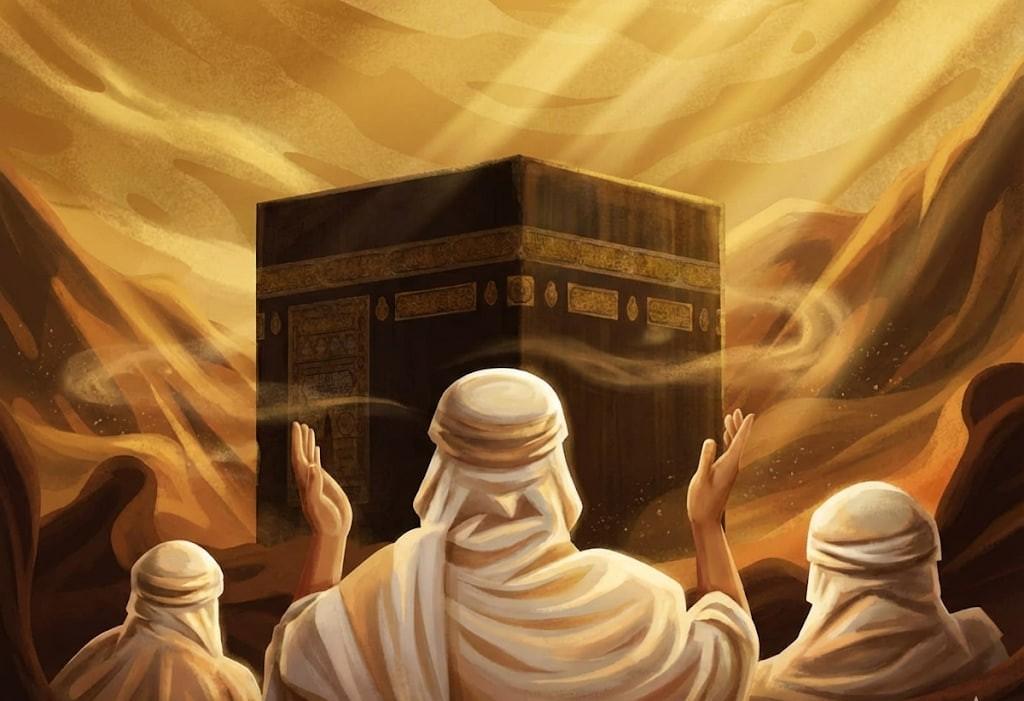
Ibadah in Islam is the holistic concept of worship, signifying total submission and devotion to Allah. It encompasses not just ritual prayers, but every intention, thought, and action including charity and kindness performed with sincerity (Ikhlas) to please the Creator based on the Quran and Sunnah.
Beyond Rituals: The True Essence of Islamic Worship
Many people mistakenly believe that worship in Islam is limited to the prayer rug or the month of Ramadan. If you have ever felt that your spiritual life is disconnected from your daily grind, you are missing the profound beauty of Ibadah.
The reality is that Islam offers a transformative framework where every breath can be a form of worship. By restricting Ibadah to mere rituals, we deny ourselves the immense spiritual rewards available in our everyday interactions. The solution lies in shifting your perspective: understanding that your work, your family life, and your generosity are all pathways to the Divine.
Ibadah is not just a set of movements; it is a state of being. It is the bridge between the temporary world and eternal success in the Hereafter (Akhirah).
The Core Definition: Submission and Service
Linguistically, Ibadah comes from the Arabic root meaning “to serve, worship, and humble oneself.” In the Islamic context, it represents a complete surrender to Allah’s will.
However, this submission is not passive. It is an active, dynamic pursuit of Allah’s pleasure (Ridwan). The Prophet Muhammad (peace be upon him) taught that the validity of Ibadah rests on two pillars:
- Sincerity (Niyyah): Doing the act potential solely for Allah, free from the desire for social validation or vanity.
- Adherence (Sunnah): Performing the act in accordance with the guidance of the Prophet (peace be upon him).
When these two conditions meet, even a simple smile becomes a spiritually weighty deed.
The Spectrum of Ibadah: From Obligation to Volition
Islamic scholars categorize Ibadah to help Muslims prioritize their spiritual journey. Understanding these levels is crucial for a balanced life.
- Fard (Obligatory)
These are the non-negotiables. They form the foundation of a Muslim’s identity. Neglecting them is a sin, while fulfilling them is the primary source of reward.
The Five Pillars: Shahada (Faith), Salah (Prayer), Zakat (Almsgiving), Sawm (Fasting), and Hajj (Pilgrimage). - Mustahabb (Recommended)
These are the acts that beautify your faith. While not punishable if missed, they are the key to drawing closer to Allah.
Examples: Voluntary prayers (Taraweeh/Tahajjud), constant Dhikr (remembrance), and Sadaqah (voluntary charity). - Wajib Kaffarah (Expiation)
These are specific acts mandatory to correct mistakes or sins.
Relevance to Charity: Often, when a fast is broken or an oath is violated, the prescribed method of atonement is feeding the poor or financial charity. - Mubah (Permissible)
These are neutral actions converted into worship through intention. Eating to gain strength for prayer, or working to support your family halal, transforms the mundane into the sacred.
The Ripple Effect: Why Ibadah Matters
When performed with mindfulness (Khushu’), Ibadah does not just change the individual; it transforms society.
- Spiritual Purification: It scrubs the heart of envy, greed, and arrogance.
- Moral Refinement: It instills honesty and integrity.
- Social Justice: Through Zakat and Sadaqah, Ibadah redistributes wealth, ensuring that the vulnerable are not left behind.
Modern Ibadah: The Role of Financial Sacrifice
One of the most powerful forms of Ibadah is financial sacrifice. In a world obsessed with accumulation, giving away wealth is a radical act of trust in Allah. The Quran mentions prayer (Salah) and charity (Zakat) together frequently, indicating they are inseparable partners in faith.
Why Your Crypto Donation Makes a Bigger Impact
In the digital age, the concept of Ibadah meets innovation. For the modern Muslim philanthropist, cryptocurrency offers a unique way to fulfill the obligation of Zakat and the virtue of Sadaqah with unprecedented efficiency.
- Transparency as Trust (Amanah): Traditional charity often involves opaque administrative costs. Blockchain technology creates an immutable ledger. You can verify exactly where your funds go, ensuring your Ibadah reaches those who need it most.
- Speed and Urgency: Crises do not wait for bank clearances. Crypto donations are near-instant, meaning your aid reaches disaster zones or hungry families immediately.
- Global Reach: Crypto bypasses borders and bureaucratic red tape, allowing you to support the Ummah in the most remote corners of the world.
Donating cryptocurrency is not just a transaction; it is Smart Ibadah. It maximizes the value of your donation by removing intermediaries, ensuring that every satoshi or wei serves the purpose of alleviating suffering.
Actionable Ibadah: Transform Intentions into Deeds
The Prophet Muhammad (peace be upon him) said,
“Actions are judged by intentions.” But intention without action is potential unfulfilled.
True Ibadah connects the heart to the hand. It is finding the orphan, feeding the hungry, and uplifting the oppressed. At IslamicDonate, we provide the platform for you to actualize your worship.
Do not let your wealth sit idle when it could be building your palace in Jannah. Whether it is calculating your Zakat or giving a spontaneous Sadaqah, your contribution is a testament to your faith.
Ibadah is a lifelong journey of aligning your frequency with the Divine will. It is the prayer on your lips, the sincerity in your heart, and the charity in your hand. By embracing a comprehensive view of worship, you unlock the doors to spiritual peace and eternal success.
Make your worship count. Ensure your legacy is one of impact, generosity, and unwavering faith.