
What is Ramadan? (The Essential Summary)
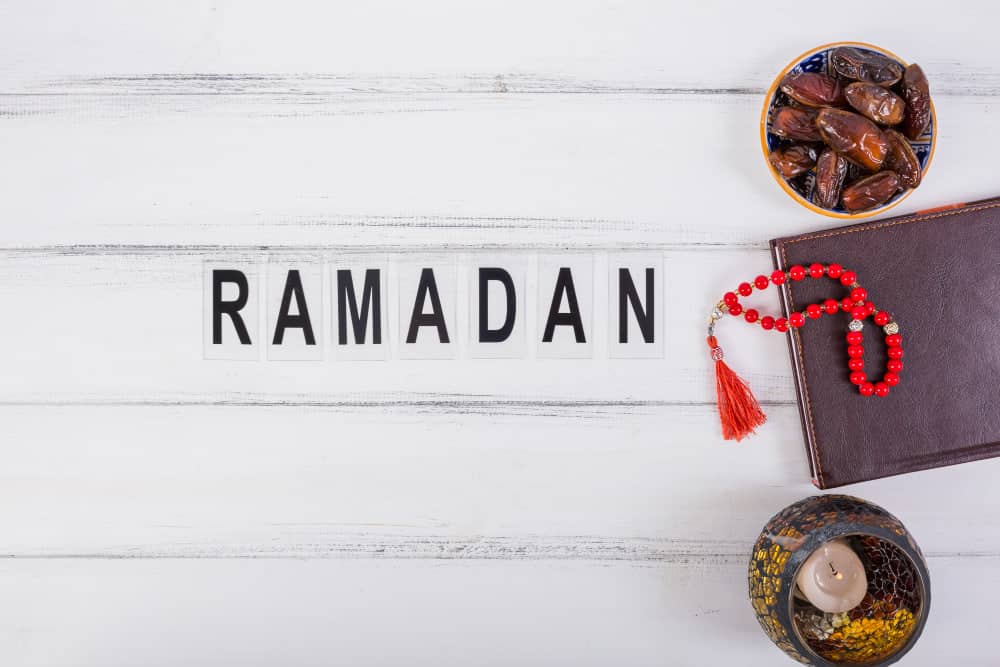
Ramadan is the ninth and holiest month of the Islamic calendar, observed by Muslims worldwide as a period of fasting (Sawm), prayer, and introspection. During this time, believers fast from dawn until sunset, abstaining from food, drink, and physical needs to purify the soul and develop self discipline (Taqwa). It is a season dedicated to strengthening one’s relationship with the Creator, reciting the Quran, and significantly increasing acts of charity and humanitarian aid.
Beyond Hunger: The Spiritual Significance of Ramadan
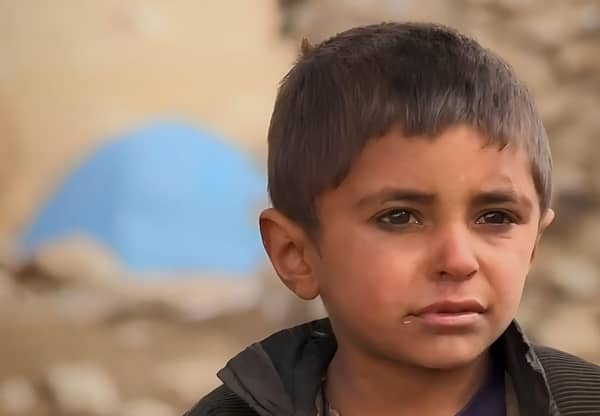
Hunger is a powerful teacher. For millions around the globe, hunger is not a choice; it is a daily reality defined by conflict, poverty, and displacement.
Ramadan changes the narrative. It transforms a physical act of abstention into a spiritual feast. The temporary deprivation of food serves a specific purpose: to empty the vessel of the body so it may be filled with spiritual light. It is a “reset button” for the human soul.
While the physical fast is the most visible aspect, the internal fast is where true transformation happens. It is a time when the “gates of heaven are open” and the faithful are encouraged to seek forgiveness. However, personal salvation is deeply tied to communal welfare. You cannot attain true piety while ignoring the suffering of your neighbors. This is why Ramadan is the peak season for philanthropy and global giving.
The Mechanics of the Month: Rules and Observance
To understand Ramadan in brief, one must understand the structure that governs the days and nights of this holy month.
- Fasting (Sawm)
Fasting is one of the Five Pillars of Islam. It is mandatory for all healthy adult Muslims. The fast begins at the break of dawn (Fajr) and ends precisely at sunset (Maghrib).
Physical Discipline: No food, water, or intimate relations.
Moral Discipline: Abstaining from lying, gossip, anger, and negative thoughts.
Exceptions to the Rule: Islam serves to ease, not burden. Those who are ill, elderly, pregnant, nursing, or traveling are exempt from fasting. In many cases, those who cannot fast contribute a specific charitable donation (Fidya) to feed the poor instead, reinforcing the month’s focus on humanitarian aid. - Nightly Prayers and Community
The isolation of the day’s fast is balanced by the community of the night. Muslims break their fast (Iftar) with family and friends, often starting with dates and water. Following this, communities gather at mosques for special nightly prayers called Taraweeh. These gatherings strengthen the bonds of brotherhood and remind us that we are part of a single, global humanity. - Laylat al-Qadr: The Night of Power
Toward the end of the month lies a night “better than a thousand months” (Quran 97:3). Known as Laylat al-Qadr, or the Night of Power, it marks the anniversary of the first revelation of the Quran to the Prophet Muhammad.
For the philanthropist, this night is crucial. Good deeds performed on this night carry the weight of 83 years of worship. It is the most significant moment of the year to make a donation, seeking maximum spiritual return on investment.
Why Your Crypto Donation Makes a Bigger Impact This Ramadan
In a world where trust in traditional institutions is wavering, blockchain technology offers a solution that aligns perfectly with the Islamic principles of honesty and stewardship.
As you reflect on your Zakat (obligatory charity) or Sadaqah (voluntary charity), consider why modern donors are switching to cryptocurrency.
1. Radical Transparency
When you donate via traditional banking, up to 30% of your money can be lost to intermediaries, exchange rates, and administrative bloat. With blockchain philanthropy, every transaction is recorded on a public ledger. You can verify exactly when your funds were sent. This ensures your contribution directly impacts the beneficiaries without disappearing into a “black box.”
2. Speed Saves Lives
Ramadan often highlights the plight of those in conflict zones or disaster areas. Traditional bank transfers can take days to clear international borders. Crypto transactions settle in minutes. Whether it is Bitcoin, Ethereum, or Stablecoins, your digital assets can cross borders instantly to provide food and medical supplies when they are needed most.
3. Asset Appreciation for Good
Donating appreciated assets (like crypto) is often more tax-efficient than donating cash (depending on your jurisdiction). By avoiding capital gains tax, the full value of your asset goes to the cause. This means your “Zakat” has a higher purchasing power, allowing you to feed more families and fund more development projects.
Don’t Let Compassion Wait.
Hunger does not adhere to banking hours. Your crypto donation can provide immediate relief to families fasting involuntarily due to poverty.
Eid al-Fitr: The Celebration of Gratitude
Ramadan concludes with the sighting of the new moon, ushering in Eid al-Fitr (The Festival of Breaking the Fast). It is a joyous holiday marked by:
- Communal Prayers: Held in large open spaces or mosques.
- Zakat al-Fitr: A mandatory charity given before the prayer to ensure the poor can also celebrate.
- Feasts and Gifts: Families gather, children receive gifts, and gratitude is expressed for the spiritual strength gained during the month.
A Call to Action for the Conscious Donor
Ramadan in brief is a journey from self-denial to self-actualization. It is a time to cleanse the soul and purify one’s wealth through generosity.
Whether you are a devout Muslim calculating your annual Zakat or a humanitarian moved by the spirit of the season, your contribution matters. By leveraging cryptocurrency, you ensure that your generosity is delivered with speed, transparency, and maximum impact.
The gates of mercy are open. The technology for change is in your hands. Turn Your Digital Assets into Real-World Smiles.