

Understand Sadaqah in Islam, from ongoing charity to secret giving. Learn how to donate Bitcoin and crypto directly to urgent humanitarian aid projects.
Charitable giving operates as the heartbeat of Islamic social finance. It purifies wealth, elevates the soul, and actively rebuilds fractured communities. We see this transformation firsthand every single day. At Islamic Donate, our team bridges classical Islamic jurisprudence with modern decentralized financial infrastructure to ensure your contributions create maximum impact. Understanding the framework of voluntary charity allows you to strategize your spiritual investments effectively.
Infaq is the broadest category for charitable endeavors
Infaq is the broadest and most encompassing term. Linguistically meaning to disburse, Infaq in Islam covers any expenditure made to seek the pleasure of Allah.
In Islam, infaq (charitable spending) is primarily divided into obligatory alms (Zakat) and voluntary giving (Sadaqah). Of course, infaq encompasses other forms of expenditure as well, which have been explained in detail in a separate section.
What is the true meaning of Sadaqah in Islam?
Voluntary charity is expressed using different terms across various languages. In English, for instance, the concept is often referred to as a “donation.” In Islam, there is also a specific term for voluntary charity: sadaqah (Arabic: الصَدَقَة).
The term originates from the Arabic root word “Sidq,” which translates strictly to sincerity and truthfulness. Giving voluntary charity serves as tangible proof of a believer’s faith. It extends far beyond the mere transfer of fiat currency. Islamic tradition dictates that sharing beneficial knowledge, clearing a hazard from a public walkway, or speaking a kind word all qualify as valid charitable acts.
However, financial contributions remain a highly effective method to alleviate immediate human suffering. When you choose to give your daily Sadaqah through our established digital framework, you transform your surplus wealth into immediate relief for families facing extreme hardship. We designed our platform to make this sincere act of giving as seamless and impactful as possible.
What are the different types of Sadaqah?
Islamic scholars categorize voluntary charity into four distinct classifications based on intention and obligation.
- Sadaqah Wajibah (Binding Charity)
These are mandatory charitable obligations triggered by specific circumstances rather than accumulated wealth. This category includes Zakat al-Mal, Zakat al-Fitr (a required donation given at the end of Ramadan before Eid prayers), Fidyah (compensation for those physically unable to fast), Kaffarah (expiation for broken oaths or fasts), and Nadhr (vowed charity promised to Allah). - Sadaqah Jariyah (Continuous Charity)
This is an ongoing charity that continues to benefit communities and generate spiritual reward for the donor long after the initial gift, even after the donor’s death. Classic examples include building a water well, planting fruit-bearing trees, constructing a school or hospital, or establishing a permanent endowment (Waqf). You can establish your own legacy today by building a water well in communities suffering from severe drought. Our team recently finalized the construction of our 17th well in Bukonko village, Uganda, providing clean water to over 800 residents. You can also fund sustainable community initiatives like our emergency food distribution networks across Africa and Asia. - Sadaqah Nafilah (Voluntary Charity)
This covers any optional, non-binding charity given freely at any time with no minimum threshold. It extends far beyond financial donations; Islamic teachings emphasize that sharing useful knowledge, removing a harmful obstacle from the road, feeding an animal, or simply smiling at someone are all recognized as valid acts of Sadaqah. When Muslims use the word sadaqah, they are typically referring to sadaqah nafilah, supererogatory charity, an act of benevolence that is unconditional and intended for the general good. - Sadaqah Sirriyah (صدقة السر)
Translates to “secret charity” and represents the highest spiritual tier of voluntary giving in Islam. It is heavily prioritized because it accomplishes two critical goals simultaneously: it completely protects the dignity of the recipient from public embarrassment, and it purifies the donor’s intention by eliminating the risk of Riya (giving for public praise, ego, or social status).
What is the difference between Zakat and Sadaqah?
Confusion often arises regarding the boundaries between obligatory alms and voluntary giving. Zakat is a mandatory pillar of Islam requiring Muslims who meet the Nisab wealth threshold to calculate and donate 2.5% of their qualifying assets annually. It acts as a strict tax meant to redistribute stagnant wealth specifically to eight designated categories of recipients.
Sadaqah carries no minimum threshold, no strict annual deadline, and broader eligibility rules. You can give a fraction of a cent or half of your entire net worth. You can direct these funds to immediate family members, public infrastructure, or environmental projects like tree planting initiatives in arid regions.
How can you give Sadaqah every day using cryptocurrency?
Consistency holds immense value in Islamic teachings. The Prophet Muhammad emphasized that the most beloved deeds to Allah are those done consistently, even if they are small (Sunan Ibn Majah 4240). Modern blockchain technology now allows us to automate and execute these consistent micro-donations flawlessly.
In 2022, we integrated official multi-currency digital asset donation capabilities into our charitable infrastructure. You can now execute daily charitable transfers using a non-custodial single-address wallet structure. Our systems seamlessly accept digital assets across EVM-compatible networks like Ethereum, BNB Smart Chain, Arbitrum, and Base, alongside non-EVM chains like Solana and Tron. This technological architecture eliminates expensive intermediary banking fees and ensures your daily giving reaches the field instantly. Please note that while we provide the infrastructure for digital asset donations, Islamic Donate does not issue any proprietary cryptocurrency tokens, participate in speculative trading, or offer financial investment advice.
Can you give Sadaqah anonymously online?
The concept of Sadaqah Sirriyah or secret charity represents the highest spiritual tier of voluntary giving. Concealing your charitable acts protects the dignity of the recipient and purifies your own intentions by eliminating the risk of Riya (acting for public praise).
The Quran explicitly elevates this practice in Surah Al-Baqarah (2:271), stating that while public charity is acceptable, concealing it and giving it directly to the poor is far better and serves as an expiation of sins. Our digital asset infrastructure perfectly replicates this ancient principle for the modern era. We implement strict donor confidentiality protocols by maintaining a definitive firewall between public on-chain blockchain transaction hashes and off-chain personal identities. The flow of funds remains fully transparent and verifiable on a public ledger, yet your personal identity remains entirely hidden from public view. This allows you to fulfill the ideal of secret charity where your left hand does not know what your right hand has given.
How do you pay Sadaqah with cryptocurrency?
- Choose the amount you wish to give as charity: from 1 Tether to 1 million Tether, you may donate any amount for the sake of Allah.
- Select your network and asset: Choose your preferred blockchain from our supported networks, including Bitcoin, Ethereum, BNB Smart Chain, Arbitrum, Base, Solana, or Tron. We accept over 30 cryptocurrencies and stablecoins on these networks.
- Transfer your Sadaqah: Copy the address of your chosen charity token. Send your cryptocurrency directly to our verified organization wallet address. This peer-to-peer transfer eliminates intermediary banking fees and maintains strict donor confidentiality.
Activate the daily Sadaqah feature: Specify your intention for daily distribution during your donation process. You execute one single cryptocurrency transfer, and our internal system allocates that exact amount evenly across your chosen number of days. This internal routing bypasses the manual transaction requirements of standard blockchain smart contracts, allowing you to automate your daily spiritual giving effortlessly.
How does cryptocurrency transform into physical humanitarian aid?
Once your digital assets arrive, our operational team immediately liquidates them into localized currency to fund active field projects. We operate under a strict 100% donation policy established in 2018, meaning we cover all administrative and technical overhead out of pocket. Every fraction of your crypto goes directly to the ground.


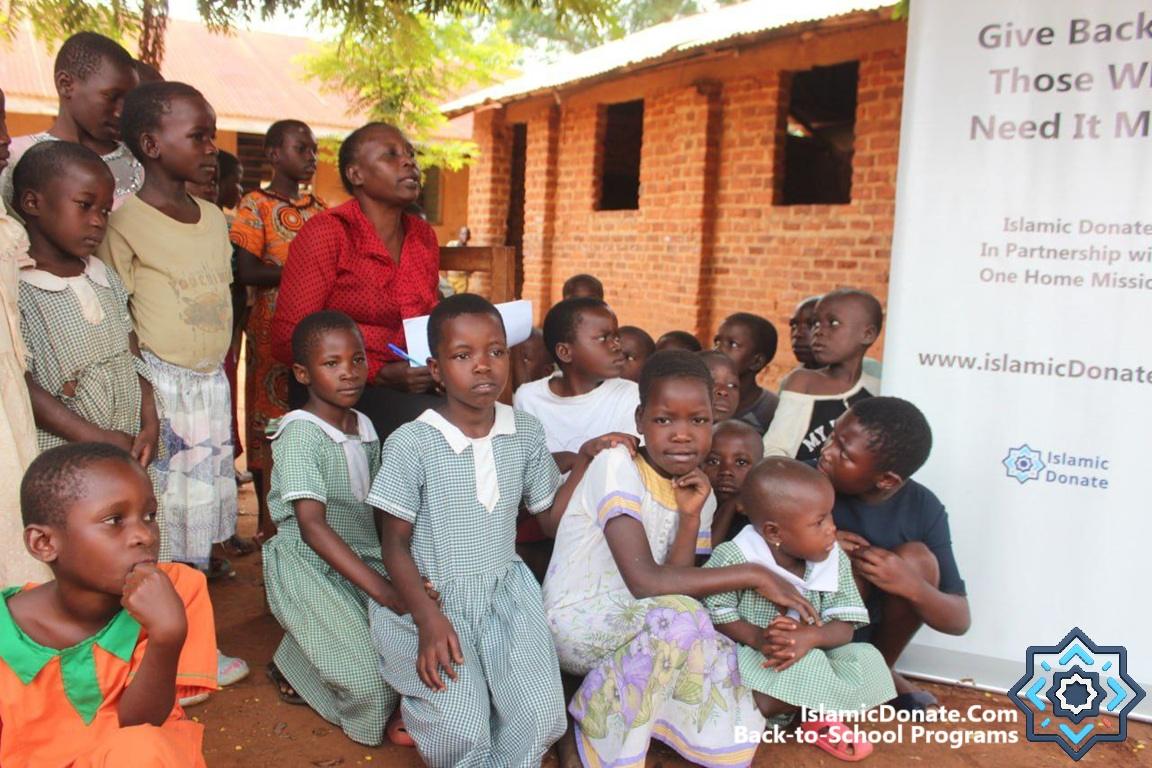


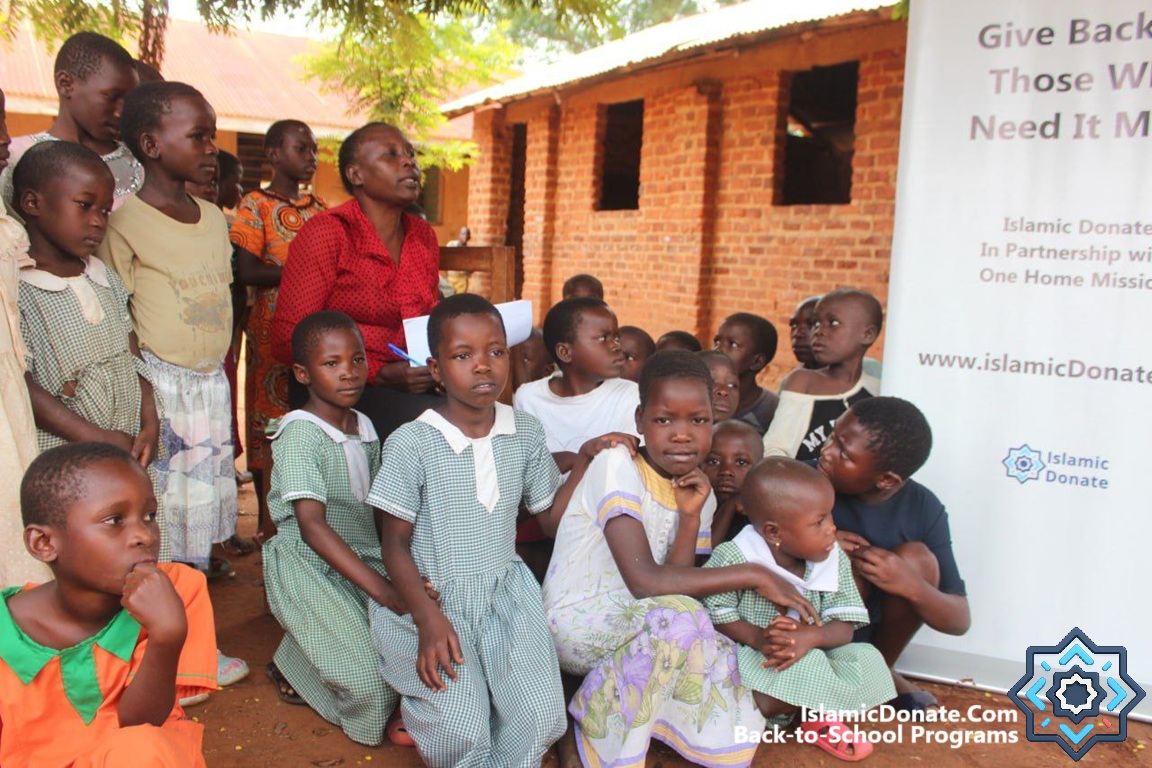


Your digital transfer directly purchases food and water in regions like Gaza in Palestine. It funds the local agricultural procurement of wheat and livestock to distribute thousands of hot cooked meals. It also directly finances the emergency supplies required to stock our mobile health clinics across Africa, Asia, and the Middle East. Your secure blockchain transaction immediately becomes clean water, vital nutrition, and life-saving medicine for those facing extreme hardship.
Frequently Asked Questions About Charity (Sadaqah) in Islam
1. Who is eligible to receive voluntary charity?
While Zakat has strict recipient categories, Sadaqah possesses broad eligibility. You can give it to impoverished individuals, community organizations, relatives, neighbors, or even animals. Islamic teachings highly prioritize giving to one’s own needy family members first. At Islamic Donate, we route these funds globally to widows, orphans, and displaced refugees facing severe hardship.
2. Is donating cryptocurrency halal in Islam?
Using digital assets for charitable giving is entirely permissible under Islamic jurisprudence provided the underlying asset itself is halal. Donating recognized cryptocurrencies like Bitcoin or Ethereum functions exactly like transferring fiat currency or physical gold. The transaction facilitates the transfer of actual value to those in need. We only accept assets that comply with Shariah principles, actively rejecting proprietary tokens built on speculation.
3. Can you pay Sadaqah with Bitcoin or Ethereum?
Yes. Giving sadaqah (charity) is highly encouraged in Islam. Furthermore, cryptocurrency is generally accepted within the Islamic framework, with many Islamic scholars deeming this type of asset halal (permissible). At Islamic Donate charity, you can carry out your Islamic charitable activities by donating to those in need using over 30 halal cryptocurrencies.
4. What is Sadaqah Wajibah and when is it required?
Sadaqah Wajibah refers to binding charity. Unlike standard voluntary giving, specific circumstances trigger this obligation. Examples include Kaffarah (expiation for breaking a sworn oath) and Fidyah (compensation required when an individual is physically unable to fast during the month of Ramadan). Muslims must fulfill these specific charitable payments to clear their spiritual debts.
5. How does secret charity work on a public blockchain?
Sadaqah Sirriyah (secret charity) aims to protect recipient dignity and eliminate donor ego. Blockchain technology perfectly enables this. While the ledger transparently records the flow of funds, it does not record your personal identity. Our systems utilize single-address wallet structures. This creates a firewall between your public transaction hash and your private identity, allowing you to give completely anonymously.
6. Which digital assets are accepted for Islamic donations?
At Islamic Donate, we support a wide range of established cryptocurrencies across both EVM and non-EVM networks. You can contribute major assets like Bitcoin, Ethereum, Solana, and Tron. We also accept stablecoins including USDT, USDC, and DAI for those who prefer to donate without price volatility. This broad network support ensures low fees and instant transfers globally.
7. Does a smile or a kind word count as Sadaqah?
Yes. The Prophet Muhammad explicitly stated that meeting your brother with a cheerful face is an act of charity. Islamic jurisprudence recognizes physical and emotional support as valid forms of Sadaqah for those who lack financial means. Removing a harmful object from a public road, resolving a dispute between two people, or giving sincere advice all generate identical spiritual rewards.
8. How do you automate daily Sadaqah using cryptocurrency?
Blockchain smart contracts typically require manual authorization for every single transaction. To solve this, we engineered an internal distribution feature. You execute a single cryptocurrency transfer to Islamic Donate and specify your timeline. Our internal routing system then divides that lump sum and distributes the exact fractions daily to the field. This brings automation to decentralized finance.
9. Can I give Sadaqah on behalf of someone who has passed away?
Yes. Giving charity on behalf of deceased loved ones is a deeply rooted Islamic practice. You can fund a Sadaqah Jariyah project, such as a water borehole or a community mosque, in their name. The spiritual rewards generated from these ongoing projects are credited directly to the deceased, elevating their status in the Hereafter while simultaneously providing relief on earth.
10. What are the most rewarding Sadaqah Jariyah projects?
Providing clean water is historically recognized as the best form of charity in Islam. Constructing deep water wells in drought-stricken regions saves lives immediately and transforms entire agricultural economies over decades. Funding educational infrastructure and equipping medical clinics also stand out as highly rewarding choices, as they create generational pathways out of severe poverty.
11. Why is giving charity in secret preferred in Islam?
Secret charity ranks higher spiritually because it requires absolute sincerity. Public giving carries the dangerous risk of Riya, which means performing good deeds merely to gain social status or praise from others. Concealing your donation purifies your intention so that the act is done solely for the pleasure of Allah. It also shields the poor from public embarrassment.
12. How do crypto charities handle market volatility?
Cryptocurrency markets experience rapid price fluctuations. To protect the value of your donation, our operational team immediately liquidates digital assets into stablecoins. We do not hold or trade donor funds. This rapid conversion process guarantees that the exact monetary value you intended to give translates directly into purchasing power for emergency supplies.
13. Does giving Sadaqah decrease your overall wealth?
Islamic theology insists that charity never decreases wealth. While your bank balance may temporarily drop, the act of giving invites Barakah (divine blessing) into your remaining assets and protects you from unforeseen financial calamities. The Prophet Muhammad promised that wealth spent in the way of Allah is fundamentally protected and ultimately multiplied.
14. What does the Quran say about voluntary charity?
The Quran heavily emphasizes the power of charitable giving throughout its chapters. In Surah Al-Baqarah (2:261), Allah compares those who spend their wealth in charity to a single grain of wheat that sprouts seven distinct ears, with each ear containing a hundred grains. The text repeatedly links true piety with the willingness to spend out of what one loves.
15. How does a crypto donation physically become food or water?
Your digital transfer bypasses traditional banking delays. Once the crypto hits our verified wallet, we instantly convert it to local currency in the target region. Our ground teams then use those exact funds to procure concrete for well construction, buy livestock from local farmers, or purchase medical supplies. Your transaction hash translates to physical logistics within hours.
16. Does Islamic Donate take a percentage of cryptocurrency donations?
No. We operate under a strict 100% donation policy. Our management and internal research teams cover all administrative, marketing, and operational expenses privately out of pocket. We never dilute your charitable contributions to pay for overhead or technical infrastructure. Every fraction of your cryptocurrency goes directly toward funding humanitarian interventions in the field.
17. Why should you give charity when you are afraid of poverty?
Human nature dictates hoarding wealth during times of economic uncertainty. However, classical Islamic jurisprudence identifies giving charity while healthy and actively fearing poverty as the most spiritually rewarding form of Sadaqah. It demonstrates absolute reliance on Allah rather than material assets. Giving when it feels difficult proves the highest level of sincere faith.
Frequently Asked Questions
1- How do you donate Sadaqah using cryptocurrency?
To donate Sadaqah using cryptocurrency, select your donation amount and choose a supported blockchain network like Bitcoin, Ethereum, Solana, or Tron. Send the funds directly to the verified organization wallet address. You can also activate the daily giving feature with a single transfer to automate consistent daily charitable distributions.
2- Can you give Sadaqah anonymously online?
Yes, digital assets enable anonymous giving aligning with Sadaqah Sirriyah, or secret charity. A technical firewall separates public on-chain blockchain transaction hashes from off-chain personal identities. The flow of funds remains fully transparent and verifiable on the public ledger, while donor identity stays concealed, protecting recipient dignity and purifying intentions.
3- How does cryptocurrency transform into physical humanitarian aid?
Once digital assets arrive, the operational team liquidates them into local currency to finance active field projects under a strict 100% donation policy. Every contribution directly funds emergency food distribution, clean water wells, hot cooked meals, and vital medical supplies distributed through mobile health clinics across Africa, Asia, and the Middle East.
4- What is the difference between Zakat and Sadaqah?
Zakat is an obligatory pillar of Islam requiring eligible Muslims meeting the Nisab threshold to donate 2.5% of qualifying assets annually to eight specific recipient categories. Conversely, Sadaqah represents voluntary charity with no minimum threshold, no annual deadline, and broader eligibility rules, allowing donors to fund water wells, families, or infrastructure.