Humanitarian Aid

Crypto-Powered Aid: Islamic Charity Responds to the 2023 Afghanistan Earthquake

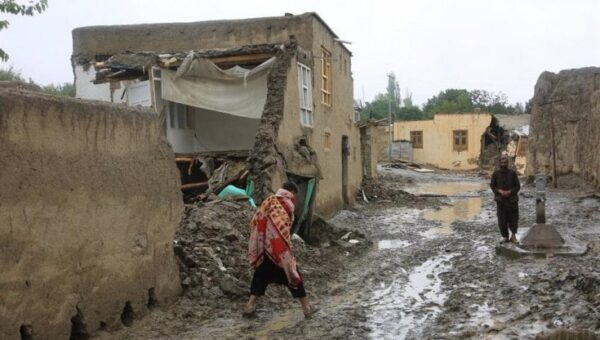
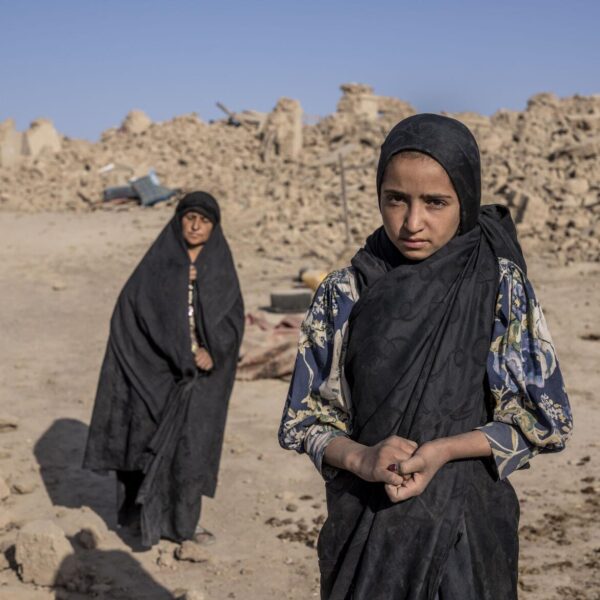
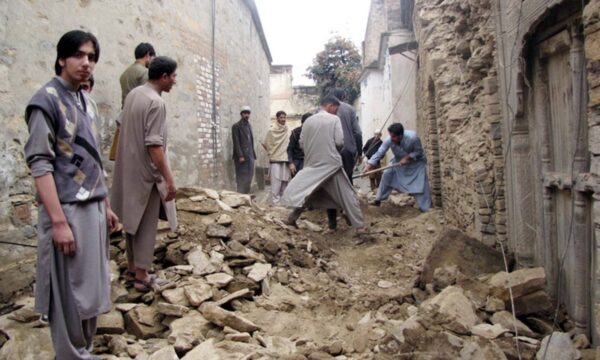
The Afghanistan earthquake 2023 was one of the worst natural disasters in the history of the country. The 6.3-magnitude earthquake struck the western province of Herat on October 8, followed by several aftershocks in the following days. The earthquake killed more than 2,000 people, injured thousands more, and destroyed or damaged tens of thousands of homes. The earthquake also triggered landslides, floods, and fires that worsened the situation. The people of Afghanistan are facing a humanitarian crisis that requires an urgent and effective response from the international community.

As an Islamic charity institution, we are committed to helping our brothers and sisters in Afghanistan who are suffering from this calamity. We believe that providing first aid to the victims is one of the best forms of Sadaqah Jariyah, or ongoing charity, that benefits both the giver and the receiver in this life and the hereafter. In this article, we will share with you how our Islamic charity is providing first aid to the victims of the 2023 Afghanistan earthquake using crypto as a means of payment and donation.

What is First Aid?

First aid is the immediate and temporary care given to a person who is injured or ill until professional medical help arrives. First aid can save lives, prevent further harm, and reduce pain and suffering. First aid can include actions such as:

  • Checking for signs of life, such as breathing and pulse
  • Calling for emergency services or contacting local authorities
  • Performing cardiopulmonary resuscitation (CPR) or using an automated external defibrillator (AED) if needed
  • Stopping bleeding by applying pressure or bandages
  • Cleaning and dressing wounds to prevent infection
  • Immobilizing broken bones or sprains with splints or slings
  • Treating burns with cool water or moist dressings
  • Giving painkillers or antibiotics if available
  • Providing emotional support and reassurance

First aid can also involve using items such as:

  • A first aid kit that contains essential supplies such as bandages, gauze, antiseptics, scissors, tweezers, gloves, etc.
  • A first aid manual that provides instructions and guidelines on how to perform first aid
  • A mobile phone or radio that can be used to call for help or communicate with others
  • A flashlight or whistle that can be used to signal for help or attract attention
  • A blanket or warm clothes that can be used to keep the person warm and prevent shock

How Did We Provide First Aid to the Victims of the Afghanistan Earthquake 2023?

We provided first aid to the victims of the 2023 Afghanistan earthquake in four different ways. According to the new report on this relief, we were able to provide these services to our brothers and sisters for the second time and thanks to our dear donors:

  • We distributed first aid kits to more than 1000 families in the worst-hit areas of Herat province. Each first aid kit contained essential supplies such as bandages, gauze, antiseptics, scissors, tweezers, gloves, etc. We also included a first aid manual that provided instructions and guidelines on how to perform first aid.
  • We trained more than 800 people in basic first aid skills in the remote and rural areas of Herat province. We taught them how to check for signs of life, call for help, perform CPR or use AEDs if needed, stop bleeding, clean and dress wounds, immobilize broken bones or sprains, treat burns, give painkillers or antibiotics if available, and provide emotional support and reassurance.
  • We delivered first aid supplies and equipment to more than 2,000 people who were injured or sick in the earthquake. We used mobile phones or radios to communicate with the local authorities or health facilities and identify the locations and needs of the people who required urgent medical attention. We also used trucks or motorcycles to transport the first aid supplies and equipment, such as bandages, gauze, antiseptics, syringes, thermometers, oxygen cylinders, etc. We also partnered with local doctors and nurses to provide medical care and treatment.
  • We provided blankets and warm clothes to more than 3,000 people who were cold and in shock in the earthquake. We used flashlights or whistles to signal for help or attract attention in the dark or noisy areas. We also used blankets or warm clothes to keep the people warm and prevent shock. We also gave them water and food to keep them hydrated and nourished.

These concerted efforts are just some of the examples of how our Islamic charity institution is making a profound difference in the lives of people and their communities through vital first aid projects, bolstered by the innovative application of crypto. We extend our deepest gratitude for your generous support and invaluable donations that have made this life-saving work possible. Your contributions directly support Afghanistan earthquake victims with essential first aid and long-term recovery. May Allah (SWT) reward you abundantly for your kindness, generosity, and unwavering commitment to helping those in desperate need.

Help Afghanistan: Donate with Cryptocurrency
Humanitarian AidReportWhat We Do

Afghanistan Earthquake Relief: How Crypto Donations Offer Hope

Afghanistan is grappling with immense devastation following the recent earthquake. While traditional aid faces significant obstacles, cryptocurrency offers a lifeline. Discover how crypto can provide immediate relief, transparency, and empowerment to those affected, and learn about our institution’s efforts to deliver aid directly to those who need it most.

Why Cryptocurrency is a Vital Tool for Humanitarian Aid in Afghanistan

The earthquake in Afghanistan has created a dire humanitarian crisis. Traditional aid delivery methods are often slow, expensive, and susceptible to corruption, especially in conflict zones and regions facing economic instability. Cryptocurrency presents a powerful alternative, offering:

  • Speed and Reduced Costs: Crypto transactions are significantly faster and cheaper than traditional banking or wire transfers. Funds can reach recipients within minutes, bypassing intermediaries and minimizing transaction fees. This allows a greater percentage of each donation to go directly to those in need.
  • Transparency and Accountability: Blockchain technology provides an immutable, public ledger of all transactions. Donors can track their contributions in real-time, ensuring funds are used as intended. This enhanced transparency builds trust and reduces the risk of corruption or misappropriation.
  • Empowerment and Direct Assistance: Crypto transactions are peer-to-peer, removing the need for intermediaries like banks or aid organizations. This empowers recipients to manage their funds directly, prioritizing their most urgent needs. Furthermore, crypto can provide access to financial resources for individuals who may lack traditional banking access.
  • Security and Anonymity: In conflict zones, security is paramount. Crypto transactions can offer a degree of anonymity, protecting recipients from potential risks associated with receiving aid.

Expanding on the challenges of traditional aid:

  • Bureaucratic Delays: Traditional aid can be slow to mobilize, especially in disaster situations where immediate action is critical. Complex approval processes and logistical challenges can hinder the rapid delivery of essential supplies.
  • Corruption and Mismanagement: Unfortunately, aid can be diverted or misappropriated, preventing it from reaching those who need it most. Corruption can occur at various levels, undermining the effectiveness of humanitarian efforts.
  • Accessibility Issues: Reaching remote or conflict-affected areas can be extremely difficult for traditional aid organizations. Infrastructure limitations and security concerns can impede the delivery of essential supplies and services.
  • Sanctions and Restrictions: Sanctions and other restrictions can further complicate the flow of aid, creating additional obstacles for humanitarian organizations.

How Our Institution is Using Cryptocurrency to Deliver Aid in Afghanistan

Our Islamic charity institution is leveraging the power of cryptocurrency to provide immediate and effective aid to those affected by the Afghanistan earthquake. Here’s how you can contribute:

  1. Visit Our Website: Navigate to our website and select the “Donate with Crypto” option.
  2. Choose Your Donation Amount and Aid Type: Specify the amount of cryptocurrency you wish to donate and select the type of aid you want to support. We offer various programs focusing on food, water, shelter, medical care, education, and orphan support.
  3. Send Your Crypto Donation: Scan the QR code or copy the provided crypto wallet address associated with your chosen cryptocurrency. Use your preferred crypto wallet or exchange to send your donation securely.
  4. Receive Confirmation and Updates: You’ll receive a confirmation email and a receipt for your donation. We’ll also provide regular updates and reports on the impact of your contribution in Afghanistan.

A Deeper Look at Our On-the-Ground Activities After the Earthquake:

  • Emergency Food Distribution: We’ve distributed essential food packages to thousands of families in the hardest-hit areas of Herat province. These packages include staples like rice, flour, oil, sugar, beans, and dates.
  • Clean Water and Sanitation: We’ve provided clean water and sanitation facilities to communities in remote areas. This includes installing water tanks, pumps, filters, taps, latrines, and showers to prevent the spread of disease.
  • Shelter and Housing Support: We’ve provided temporary shelters and tents to those who lost their homes. We use crypto to purchase the necessary materials and tools for building these shelters.
  • Medical Assistance and Supplies: We’ve delivered medical supplies and equipment to treat the injured and sick. We use crypto to procure essential items like bandages, antiseptics, painkillers, antibiotics, and oxygen cylinders. We also work with local medical professionals to provide care and treatment.

Beyond these immediate relief efforts, we are also focusing on long-term recovery and resilience. This includes:

  • Rebuilding Infrastructure: We are working to rebuild damaged infrastructure, including schools, hospitals, and homes. This will help communities recover and rebuild their lives.
  • Supporting Livelihoods: We are providing training and resources to help people rebuild their livelihoods. This includes supporting small businesses and providing vocational training.
  • Promoting Education: We are working to ensure that children have access to education, even in the aftermath of the earthquake. This includes providing school supplies and supporting teachers.

The Ethical Considerations of Using Crypto for Aid:

While cryptocurrency offers many benefits for humanitarian aid, it is also important to consider the ethical implications:

  • Volatility: The value of cryptocurrencies can fluctuate significantly, which could impact the amount of aid received.
  • Security Risks: Crypto wallets can be vulnerable to hacking and theft.
  • Regulation: The regulatory landscape for cryptocurrencies is constantly evolving, which could create uncertainty for aid organizations.
  • Environmental Concerns: Some cryptocurrencies, such as Bitcoin, have a high energy consumption, which raises environmental concerns.

Addressing these concerns:

  1. We prioritize stablecoins for donations to minimize volatility.
  2. We use secure wallets and implement strict security protocols to protect funds.
  3. We stay informed about the latest regulations and comply with all applicable laws.
  4. We are exploring more sustainable cryptocurrency options with lower energy consumption.

FAQ for Crypto for Afghanistan Relief

1.How can I donate crypto to Afghanistan earthquake victims?

You can donate crypto to Afghanistan earthquake victims through reputable organizations that accept cryptocurrency donations. Our Islamic charity institution provides a secure and transparent platform for donating various cryptocurrencies. Visit our website, select “Donate with Crypto,” choose the amount and aid type, and send your donation to the provided wallet address. You’ll receive a confirmation and updates on how your contribution is making a difference.

2. What is the best cryptocurrency to donate for Afghanistan relief?

Stablecoins like USDT or USDC are often preferred for donations due to their price stability, minimizing the impact of market volatility. Bitcoin and Ethereum are also widely accepted. Our institution accepts a range of cryptocurrencies; check our donation page for the most up-to-date list and choose the one that suits you best.

3. Which Islamic charities accept Bitcoin for Afghanistan earthquake aid?

Our Islamic charity institution is a verified organization that accepts Bitcoin and other cryptocurrencies for Afghanistan earthquake aid. We ensure transparency and accountability in the distribution of funds, providing regular updates on our activities and impact.

4. How does crypto help with transparency in Afghanistan aid efforts?

Crypto transactions are recorded on a public blockchain, creating an immutable ledger of all donations and expenditures. This transparency allows donors to track their funds and ensures that aid reaches its intended recipients, reducing the risk of corruption and mismanagement, fostering trust and accountability.

5. Is it safe to donate crypto to Afghanistan through online charities?

Donating crypto through reputable and verified charities is generally safe. Look for organizations with a proven track record, transparent operations, and secure wallet infrastructure. Research the charity’s history, check for independent audits, and verify their credentials before donating.

6. How to use crypto to directly help Afghanistan earthquake survivors?

By donating crypto to our institution, you are directly helping Afghanistan earthquake survivors. We use these funds to provide essential resources such as food, water, shelter, medical care, and long-term support for rebuilding their lives. Our efficient crypto-based system ensures minimal overhead, so a greater percentage of your donation reaches those in need.

7. What are the benefits of using crypto for humanitarian aid in Afghanistan?

The benefits include faster and cheaper transactions, greater transparency and accountability, empowerment of recipients, and enhanced security. Crypto bypasses traditional banking systems, minimizing fees and delays, while the blockchain provides a public record of all transactions. This direct and transparent approach ensures aid reaches those who need it most.

8. Can I track my crypto donation to Afghanistan earthquake relief?

Yes, you can track your crypto donation using the transaction ID (TXID) on the blockchain. While you won’t see the recipient’s personal information, you can verify that the transaction was processed and confirmed on the public ledger. Our institution also provides regular updates and reports on how donations are being used.

9. Where can I find a crypto wallet for donating to Afghanistan?

You can use any reputable crypto wallet that supports the cryptocurrency you wish to donate. Popular options include Coinbase, Binance, Trust Wallet, and MetaMask. Ensure the wallet is secure and compatible with the cryptocurrency you intend to use for your donation.

10. What percentage of crypto donations actually reaches Afghanistan earthquake victims?

Our institution is committed to maximizing the impact of your donations. Due to the efficiency of cryptocurrency transactions and our streamlined operations, a high percentage of your donation directly reaches Afghanistan earthquake victims. We minimize overhead costs and ensure that funds are used effectively to provide essential aid.

11. Are there any tax benefits for donating crypto to Afghanistan earthquake relief?

Tax benefits for donating crypto vary depending on your location and tax laws. In some jurisdictions, crypto donations to registered charities are tax-deductible. Consult with a tax professional to determine the specific benefits available in your region.

12. What are the risks of donating crypto to Afghanistan charities?

Potential risks include market volatility, security breaches, and the possibility of funds being diverted by unscrupulous actors. To mitigate these risks, donate to reputable charities with transparent operations, use secure wallets, and stay informed about the latest developments in the crypto space.

13. How is blockchain technology used in Afghanistan earthquake relief efforts?

Blockchain technology provides a secure and transparent ledger of all transactions, ensuring accountability and preventing fraud. It allows donors to track their funds and verify that aid reaches its intended recipients, fostering trust and confidence in the relief efforts.

14. What are the alternatives to donating crypto to Afghanistan earthquake victims?

Alternatives include donating through traditional charities that accept fiat currency, volunteering your time, or raising awareness about the crisis. However, crypto offers unique advantages in terms of speed, transparency, and direct impact, making it a powerful tool for humanitarian aid.

15. How is cryptocurrency overcoming challenges of traditional aid to Afghanistan?

Cryptocurrency overcomes challenges such as slow transaction times, high fees, corruption, and lack of transparency that often plague traditional aid delivery. It provides a faster, cheaper, and more transparent way to deliver aid directly to those in need, empowering recipients and fostering trust in the relief process.

We remain committed to providing transparent and accountable aid to the people of Afghanistan. Your generous donations are making a real difference in the lives of those affected by the earthquake. May Allah (SWT) reward your kindness and generosity.

n moments when the earth trembles and lives are shattered, hope must rise stronger than fear. Through your crypto donation, you have the power to send not just financial aid, but a message of humanity, dignity, and solidarity. At IslamicDonate, we turn digital assets into real-world relief — food, shelter, medicine, and mercy. Let your generosity echo beyond borders and blockchains. Help us heal the broken hearts of Afghanistan.Donate now at IslamicDonate.com


Humanitarian AidWhat We Do

Afghanistan is a country that has suffered from decades of war, violence, and instability. Now, it is facing another crisis that threatens the lives and livelihoods of millions of people.

The crisis in Afghanistan is a result of several factors, including the withdrawal of foreign troops, the takeover by the Taliban, the sanctions imposed by the international community, the collapse of the economy, the disruption of humanitarian aid, and the outbreak of Covid-19. These factors have created a humanitarian emergency that requires urgent action and support.

According to some sources, more than half of the population of Afghanistan is in need of humanitarian assistance. That means more than 20 million people are facing hunger, malnutrition, displacement, insecurity, and lack of access to basic services such as health care, education, water, and sanitation. Women and children are particularly vulnerable and at risk of abuse, exploitation, and discrimination.

As Muslims, we have a duty to help our fellow human beings who are suffering and in need. Allah says in the Quran: “And whoever saves one [life] – it is as if he had saved mankind entirely.” (Al-Maidah 5:32) He also says: “And spend [in the way of Allah] from what We have provided you before death approaches one of you and he says, ‘My Lord, if only You would delay me for a brief term so I would give charity and be among the righteous.'” (Al-Munafiqun 63:10)

One of the ways we can help our brothers and sisters in Afghanistan is by donating to our islamic charity. Our islamic charity is a nonprofit organization that works to provide humanitarian aid and relief to the most vulnerable and marginalized people in Afghanistan. We have been working on the ground for many years, delivering food, water, medicine, shelter, education, and protection to those who need it most.

Our islamic charity accepts donations in cryptocurrency, which is a digital form of money that can be transferred securely and quickly over the internet. Cryptocurrency donations have many advantages over traditional forms of money, such as:

  • They are more accessible and inclusive for people who do not have bank accounts or access to financial services.
  • They are more transparent and accountable for donors who want to see how their money is used and where it goes.
  • They are more efficient and cost-effective for organizations who want to avoid fees, delays, and restrictions imposed by banks or governments.
  • They are more innovative and adaptable for situations where conventional money is not available or reliable.

By donating cryptocurrency to our islamic charity, you can make a difference in the lives of millions of people in Afghanistan. You can help them survive this crisis and rebuild their future. You can also earn rewards from Allah for your generosity and compassion.

To donate cryptocurrency to our islamic charity, you can visit our website and select your preferred cryptocurrency from the list. You will then see a QR code or an address that you can scan or copy with your crypto wallet app. You can then send your donation amount to that QR code or address.

We appreciate your support and your trust in our islamic charity. We assure you that your donation will be used wisely and effectively to serve the people of Afghanistan. We also ask you to keep them in your prayers and to spread the word about their plight and our work.

May Allah reward you for your kindness and generosity. May He protect you and your family from all harm and hardship. May He grant you peace and happiness in this life and the hereafter.

Humanitarian AidProjectsWhat We Do

World Humanitarian Day: Honoring Selfless Service to Humanity

Every year on August 19, the world unites to commemorate World Humanitarian Day, a pivotal moment dedicated to recognizing the unwavering courage and commitment of humanitarian aid workers globally. This significant day not only honors those who serve humanity in its darkest hours but also marks the somber anniversary of the 2003 bombing of the United Nations headquarters in Baghdad, Iraq. That tragic event claimed the lives of 22 dedicated individuals, including the UN’s High Commissioner for Human Rights, Sergio Vieira de Mello, a testament to the immense risks inherent in humanitarian service. World Humanitarian Day stands as a powerful reminder of the vital role these individuals play and the sacrifices they often make to uphold human dignity and provide essential aid where it is most needed.

Understanding World Humanitarian Day and its Core Purpose

The primary purpose of World Humanitarian Day is to advocate for the safety and security of humanitarian workers, as well as for the survival, well-being, and dignity of people affected by crises. It spotlights the global humanitarian challenges and the collective efforts required to address them. This day is a call to action, urging everyone to support the work of humanitarians and to stand in solidarity with the millions affected by conflict, disaster, and displacement. It serves as a global platform to celebrate the spirit of compassion and highlight the urgent need for international cooperation in humanitarian relief.

Who are Humanitarian Aid Workers? Defining the Heroes Who Serve Humanity

Humanitarian aid workers are extraordinary individuals who dedicate their lives to alleviating human suffering. They are the frontline responders, often operating in challenging, volatile, and remote environments. These professionals come from diverse backgrounds-doctors, nurses, logisticians, engineers, educators, food security experts, protection officers, and community mobilizers. Their shared motivation is a profound sense of compassion and an unshakeable belief in the inherent worth of every human life. They are the lifelines for communities shattered by unforeseen events, providing not just immediate relief but also hope for a better future. Their work often extends beyond direct aid to advocating for human rights and sustainable development.

The Foundational Pillars: Explaining Humanitarian Principles

At the heart of all legitimate humanitarian action are four fundamental principles: humanity, impartiality, neutrality, and independence. These principles are not mere guidelines; they are the ethical bedrock that ensures aid reaches those who need it most, without prejudice or political influence.

  1. Humanity: This principle asserts that human suffering must be addressed wherever it is found, with particular attention to the most vulnerable. Its purpose is to protect life and health and to ensure respect for human beings. It underpins the very essence of humanitarian work-a universal imperative to alleviate pain and uphold dignity.
  2. Impartiality: Aid must be provided solely on the basis of need, without discrimination as to nationality, race, religious belief, class, or political opinions. This means that assistance is distributed based on a rigorous assessment of needs, ensuring that the most vulnerable receive help first, irrespective of any other factor.
  3. Neutrality: Humanitarian actors must not take sides in hostilities or engage in controversies of a political, racial, religious, or ideological nature. This ensures that aid workers are perceived as non-threatening and can gain access to all populations in need, regardless of the conflicting parties involved.
  4. Independence: Humanitarian action must be autonomous from political, economic, military, or other objectives that the aid actor might have. This principle ensures that humanitarian actions are guided purely by humanitarian imperatives, free from the influence or control of governments, donors, or other external actors.

The Unseen Frontlines: Challenges Faced by Humanitarian Workers

The environments in which humanitarian aid workers operate are often fraught with danger and complexity. They face a myriad of challenges, both physical and psychological. Physical risks include exposure to violence, armed conflict, kidnapping, and direct attacks, which tragically claim lives every year. The very nature of working in disaster zones or conflict areas means they can be caught in crossfire or face treacherous terrain and inadequate infrastructure. Beyond the immediate physical threats, humanitarian workers often endure intense mental and emotional stress, exhaustion, and the profound trauma of witnessing extreme suffering. They grapple with ethical dilemmas, limited resources, and the immense pressure of high expectations in situations where every decision can mean the difference between life and death. Isolation from family and friends, coupled with the constant pressure to perform under duress, can also take a heavy toll on their mental well-being.

The Ripple Effect: Impact of Humanitarian Work on Lives

The impact of humanitarian work extends far beyond immediate relief. It saves lives, alleviates suffering, and helps communities rebuild. When disaster strikes or conflict erupts, humanitarian assistance provides critical necessities: food, clean water, shelter, and medical care. These interventions prevent disease outbreaks, stave off starvation, and offer a safe haven for displaced families. Beyond these initial life-saving measures, humanitarian efforts contribute to long-term recovery by establishing temporary schools, supporting livelihoods, and strengthening local capacities. This work fosters resilience, empowers communities to cope with future shocks, and helps restore a sense of normalcy and hope, laying the groundwork for sustainable development. The impact resonates across generations, creating a pathway from despair to dignity and progress.

Our Collective Duty: An Islamic Perspective on Humanitarian Aid and Islam

As an Islamic charity team, we are deeply honored to be an integral part of the global humanitarian community. We firmly believe that humanitarian service is not merely a noble profession but a profound religious imperative. Islam profoundly teaches us the principle of universal brotherhood and sisterhood, emphasizing that all humanity is connected and that it is our sacred duty to support one another in times of adversity. The Quran eloquently states that :

“whoever saves one life, it is as if he saved all of humanity” (Quran 5:32).

This powerful verse underscores the immense value placed on every individual life and serves as a constant motivation for our work. Our faith inspires us to act with compassion, uphold justice, and alleviate suffering wherever it may exist, guided by the timeless values of generosity and solidarity that are central to Islamic teachings.

Making a Tangible Difference: Our Humanitarian Relief Projects

Guided by our Islamic values and the universal humanitarian principles, our charity actively supports a diverse range of projects designed to improve the lives of those grappling with humanitarian emergencies and ongoing crises. These initiatives are tailored to address critical needs and foster long-term resilience. Some of our key humanitarian relief projects include: providing nourishing food aid to vulnerable families, ensuring access to clean and safe water through well-digging and purification programs, delivering essential healthcare services and medical supplies, supporting education initiatives for displaced children, establishing sustainable livelihood projects to empower communities economically, offering emergency relief in the immediate aftermath of disasters, and implementing climate change adaptation strategies to help communities build resilience against environmental shocks. These projects collectively work towards preventing suffering and promoting human dignity, aiming to create lasting positive change.

How You Can Support Humanitarian Aid Workers and Causes

There are many meaningful ways to contribute to humanitarian efforts and stand in solidarity with aid workers. One of the most direct methods is to donate to reputable humanitarian organizations. Financial contributions provide the flexibility needed to address the most urgent needs, procure essential supplies, and support frontline operations. Becoming a humanitarian volunteer, whether locally or internationally, offers hands-on experience and direct impact. Advocacy is another powerful tool; raising awareness about humanitarian issues, sharing stories of resilience, and urging policymakers to prioritize humanitarian action can create significant change. Simply educating yourself and others about the challenges faced by vulnerable populations and the importance of humanitarian work fosters a more empathetic and engaged global community. Every action, no matter how small, contributes to the collective effort of building a more humane world.

Celebrating the Heroes Who Serve Humanity

World Humanitarian Day serves as a critical annual reminder of the bravery, dedication, and selflessness of humanitarian aid workers. These individuals often work under immense pressure and risk, driven by a commitment to helping others. Their courage in the face of adversity, their unwavering resilience, and their professional dedication ensure that help reaches those in dire need. They embody solidarity, empathy, and kindness, not only to the people they serve but also to their colleagues. As an Islamic charity team, we are immensely proud to stand alongside them in this noble mission. Together, through collective effort, compassion, and shared responsibility, we can truly make a profound difference in the world, celebrating and supporting the heroes who serve humanity every single day.

That is why we support various Islamic charity projects that aim to improve the lives of people who are affected by humanitarian crises. Some of our projects include: providing food, water, health care, education, livelihoods, emergency relief, climate change adaptation, and more to facing humanitarian emergencies.

On this World Humanitarian Day, let us transform admiration into action. At IslamicDonate, we carry forward the spirit of compassion by turning generosity into real relief for those in need. Your support whether through a donation or by sharing our mission can provide food, water, healthcare, and hope to vulnerable communities worldwide. Together, we can honor the heroes who serve humanity by standing with them in their noble cause.

Support Islamic Charity with Cryptocurrency

Humanitarian AidWhat We Do

Let’s have a heart-to-heart chat about something really close to my heart. You know, those moments when we contemplate life, its purpose, its essence. Let’s delve into a topic that’s as profound as it is beautiful – the Importance of humanity in Islam.

In the hustle and bustle of life, it’s easy to overlook the simple things. But Islam, one of the world’s major religions, holds a profound message of humanity at its core. It’s like a beautiful mosaic, each tile representing a teaching that, when pieced together, forms an exquisite pattern of compassion, love, and respect for all of humanity.

The Golden Thread of Humanity in Islam

Imagine Islam as a grand, intricate tapestry. Just like how every thread is crucial in a tapestry, every teaching in Islam holds immense importance. However, the golden thread running through this grand design is the concept of humanity. It’s what gives the tapestry its richness, its glow. It connects every element, making the design complete and harmonious.

Islam’s teachings are imbued with a deep sense of humanity. It emphasises treating others with kindness, respect, and compassion, irrespective of their race, religion, or social status. Just like the sun’s rays, Islam’s teachings of humanity spread warmth and light to everyone, without discrimination.

Think of the Prophet Muhammad’s (peace be upon him) life. His teachings and actions echo this principle – he was the epitome of compassion and mercy. His life’s work was a beacon of humanitarian principles, illuminating the path for others to follow.

Humanity: Islam’s Moral Compass

Now, you might wonder, “Why all this emphasis on humanity?” Well, imagine you’re on a journey. You have a destination in mind, but you’re unsure of the path you should take. What do you do? You use a compass, right? Humanity is that moral compass in Islam. It guides believers on their spiritual journey, helping them navigate the complex world of moral decisions.

The Quran, Islam’s holy book, frequently refers to the principles of humanity. It urges believers to uphold justice, promote peace, and assist those in need – principles that form the very framework of a healthy, harmonious society. It’s like a garden where every plant, every flower, contributes to the overall beauty and balance.

The Ripple Effect of Humanity in Islam

The beauty of humanity in Islam is that it doesn’t stop at an individual level. It’s not about you or me, it’s about ‘us.’ It promotes a ripple effect of compassion and kindness, extending beyond one’s self, reaching out to the community, and eventually echoing across the globe.

This ripple effect, my friend, is the essence of Islam. It’s about fostering a global family bound by love, respect, and understanding. It’s about erasing boundaries, breaking down walls, and building bridges.

Humanity is not just a part of Islam–it’s the heart of Islam. It’s the golden thread that weaves through every teaching, every principle. It’s a guiding light that leads towards a path of compassion, peace, and harmony. It’s a reminder that in the grand tapestry of life, each thread, each individual, matters. So let’s embrace these teachings, weave kindness into our lives, and contribute to the beautiful mosaic of humanity.

Remember, every act of kindness, no matter how small, is a step towards a more compassionate world. Like a pebble thrown into a pond, it can create ripples that reach far and wide. So, let’s be that pebble, let’s create those ripples. After all, we’re all threads in the grand tapestry of life, aren’t we?


Humanitarian AidReligion