What We Do

How Our Islamic Charity Helps family in Need with Financial Support
As an Islamic charity team, we are inspired by our faith to help those who are suffering from poverty, hardship, illness, conflict or disaster. We believe that every human being deserves dignity, respect and compassion, regardless of their ethnicity, gender or nationality. That is why we provide financial support in various forms to ease the burden of our beneficiaries and empower them to improve their lives.

What Kind of Family Financial Support Do We Provide?
We follow the principles of Islamic social finance, which are based on the Sharia values of socioeconomic justice, equality and collective prosperity. We use different tools of Islamic giving, such as Zakat and Sadaqah, to mobilize funds from generous donors and distribute them to low income families.

Some of the forms of family financial support that we provide are:

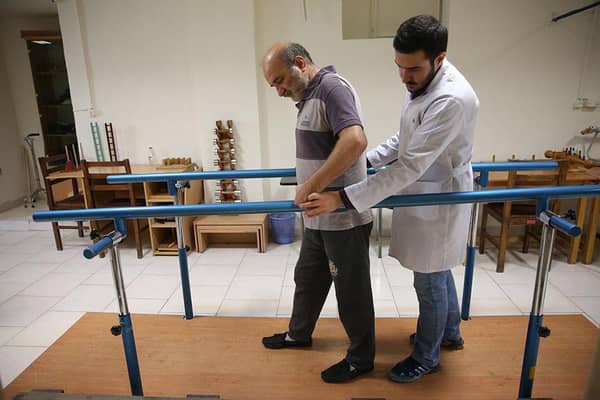
  • Medical treatment: We cover the costs of medical care for family who are sick or injured and cannot afford to pay for it. We also provide health education and awareness campaigns to prevent diseases and promote well-being.
  • Shopping vouchers: We give these to family who need to buy essential items such as food, clothing, hygiene products or medicine. We also ensure that they can access halal and nutritious food options.
  • Food packs: We deliver food packs to family who are facing food insecurity or hunger, especially during Ramadan and Eid. We also support local farmers and producers by sourcing our food from them whenever possible.
  • Direct payments to cover the costs of utility bills and rent: We help family who are struggling to pay their bills or rent due to low income, unemployment or debt. We also advise them on how to manage their finances and avoid falling into poverty traps.
  • Gifts of bedding, clothing, fuel, heating: We donate these items to family who are living in poor or inadequate housing conditions or who have lost their belongings due to natural disasters or conflicts. We also help them find suitable and safe accommodation if needed.
  • Legal fees: We assist family who are facing legal issues or challenges such as immigration, asylum, custody or inheritance. We also provide them with access to qualified and trustworthy lawyers who can represent them in court or negotiate on their behalf.
  • Phone bills: We pay for the phone bills of people who need to stay in touch with their families, friends or support networks. We also provide them with mobile phones or SIM cards if they do not have one.
  • Other household expenditures: We cover any other expenses that family may have in their daily lives such as transportation costs and debt repayment. We also offer them guidance and counseling on how to cope with stress and trauma.

We invite you to join us in this noble mission and make a difference in the world. May Allah reward you for your generosity and kindness. Ameen.

ReportWhat We Do

Tree Planting Projects to Combat Desertification

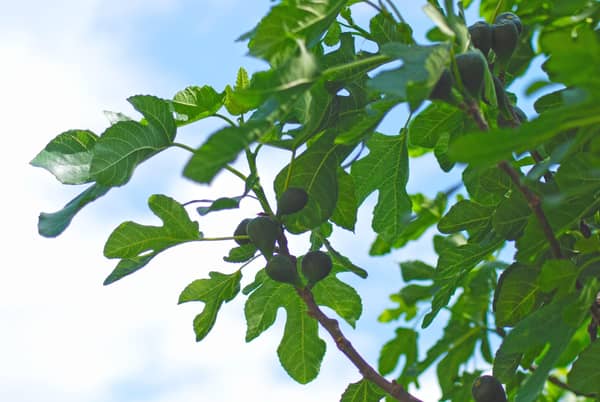
There’s an old saying that the best time to plant a tree was twenty years ago; the second best time is now. In our struggle against desertification and soil erosion, we at our Islamic charity believe that the second best time is not just now, but every day for the next three to five years. We’re excited to share our long-term plan focusing on the planting and nurturing of specific tree species, including Haloxylon spp., Prosopis spp., Eucalyptus spp., Acacia spp., Baobab, Saxaul, and Olive trees. Each of these species has been carefully selected for their resilience and adaptability to harsh conditions, making them our warriors in the battle against desertification.

The Project Outlined

Our tree-planting project is more than just digging holes and dropping in saplings. It is about creating a sustainable and lasting impact on our environment and community. Imagine a barren, sandy landscape transforming into a lush, green oasis over the course of a few years. That’s the transformation we’re striving for.

We’ve chosen a variety of tree species native to regions in East Africa, Central Asia, and the Middle East, each of which is uniquely equipped to withstand drought and poor soil conditions. Haloxylon and Saxaul trees, for instance, are known for their hardiness in Central Asian desert conditions. They store water in their trunks and branches and play a crucial role in stabilizing dunes and reducing wind erosion.

Acacia and Baobab trees, natives of East Africa, are not just drought-resistant, but they also improve soil quality, making the environment more conducive for other plants. The iconic Baobab even stores large amounts of water in its trunk, a natural adaptation to the harsh African climate.

Prosopis spp., commonly known as Mesquite, and Olive trees are ideal for the arid Middle Eastern climate. They are hardy, drought-resistant, and valuable for their fruit and wood. Meanwhile, Eucalyptus trees, with their rapid growth and adaptability, provide shade and timber, playing a vital role in the ecosystem.

Sustaining Growth: The Importance of Regular Watering

Planting the trees is just the first step. The real challenge is ensuring their survival and growth, especially in the critical initial years. And that’s where our long-term plan comes into play. Over the next three to five years, we’re committed to providing regular and scheduled watering to these trees.

Just as a newborn needs care and nourishment, these young saplings also require consistent attention. Water is life, and regular watering is crucial to help the trees take root and flourish. Our team will closely monitor the health of these saplings, adjusting watering schedules as necessary to ensure their survival and growth.

While we know that this journey won’t be easy, we’re inspired by the vision of a greener, healthier environment for our communities. Imagine a child today who will, in a few years, sit in the shade of a tree that we plant now. That’s the future we’re working towards.

Our fight against desertification and soil erosion is not a sprint; it’s a marathon. It’s a commitment that requires patience, dedication, and community effort. We invite you to join us on this journey, to plant the seeds of change and nurture them for a more sustainable future.

By embarking on this project, we’re not just planting trees; we’re planting hope. Hope for a greener planet, hope for healthier communities, and hope for a future where we live in harmony with nature. Let’s dig in and make a difference, one tree at a time.

Remember, every tree we plant is a statement of faith in our future. Let’s write that future together, one sapling at a time.

Environmental ProtectionProjectsReportWhat We Do

Planting a tree might seem like an ordinary act, but in Islam, it carries profound significance and abundant rewards. This seemingly simple act is more than just an environmental cause – it is a form of Sadaqah Jariyah, a continuous charity providing endless benefits. Let’s explore the beautiful intertwining of Islamic teachings and environmental stewardship, focusing on the virtues of tree planting.

Sadaqah Jariyah: The Gift That Keeps Giving

In Islamic jurisprudence, Sadaqah Jariyah represents an act of continuous charity, an ongoing act of kindness that continues to benefit others long after we pass away. It’s a concept rooted in the Hadith of the Prophet Muhammad (PBUH): “When a man dies, his acts come to an end, but three, recurring charity, or knowledge (by which people) benefit, or a pious son, who prays for him (for the deceased)” (Muslim).

Planting a tree, therefore, is a quintessential example of Sadaqah Jariyah. The tree continues to provide shade, fruits, and oxygen long after the planter’s life, benefiting countless creatures and maintaining the balance of our environment.

The Quranic Perspective on Tree Planting

The Holy Quran frequently uses the metaphor of a tree to convey multifaceted lessons. For instance, in Surah Ibrahim (14:24), it says: “Have you not considered how Allah presents an example, [making] a good word like a good tree, whose root is firmly fixed, and its branches [high] in the sky?” This verse beautifully illustrates the potential impact of our good deeds, like planting a tree, which roots deeply and reaches high, benefiting many.

Furthermore, the Quran establishes a direct link between humans and the earth. In Surah A’raf (7:57), it says, “And it is He who sends the winds as good tidings before His mercy until, when they have carried heavy rainclouds, We drive them to a dead land, and We send down rain therein and bring forth thereby [some] of all the fruits.” This verse affirms the importance of rainfall to plant life, indirectly emphasizing the importance of planting trees.

The Green Deed: Advantages of Tree Planting

Planting trees is not just a spiritual act, but also a practical one with tangible benefits. Trees help to combat climate change by absorbing harmful CO2 from our atmosphere. They provide shade, reduce soil erosion, and contribute to the health of our ecosystems. Planting trees is thus a direct contribution to the preservation of Allah’s creation, a responsibility bestowed upon every Muslim.

Moreover, trees provide food and shelter for countless creatures, fulfilling the principle of ‘Rahmah’ (Mercy) in Islam. By planting a tree, we extend our charity to the non-human creatures of Allah’s creation, a deed we often overlook.

The Eternal Reward

In conclusion, the act of tree planting in Islam is a form of Sadaqah Jariyah, offering both worldly and spiritual benefits. By planting a tree, we practice an act of charity that continues to give, long after we’re gone. It’s a simple, yet profound act that meshes seamlessly with the Islamic principles of stewarding the earth and extending mercy to all creatures.

This beautiful interplay between faith and environmental stewardship allows us to reap the benefits in this world and the next, embodying the Hadith: “If the Hour (the day of Resurrection) is about to be established and one of you was holding a palm shoot, let him take advantage of even one second before the Hour is established to plant it.” (Authenticated by Al-Albani)

So, plant a tree, and sow the seeds for a lasting legacy, a Sadaqah Jariyah.

Environmental ProtectionProjectsWhat We Do

Playing Our Part in Nurturing the Environment

Picture our Earth as a magnificent spaceship, carrying us on an endless journey through the cosmos. Now, let’s imagine us, the passengers, each with an essential role. We’re the ship’s caretakers, responsible for maintaining its health and ensuring the journey continues. Our shared spaceship is our environment, and our duties towards it are critical. Let’s delve into our individual, collective, and governmental roles in protecting and nurturing our shared home.

Individuals: The Foot Soldiers of Environmental Care
As individuals, we’re the foot soldiers in this environmental army, each holding a vital position. Our day-to-day choices and actions, whether big or small, leave a footprint on the environment. Picture each decision as a pebble, and the environment as a serene lake. Every choice we make, every pebble we toss, causes ripples across the lake.

We can choose to conserve water, recycle waste, or use public transport instead of private cars. Maybe we could grow our own vegetables, or switch to solar energy? These actions may seem small, but remember, a forest starts with a single seed. By choosing to act responsibly, we sow the seeds for a healthier planet, inspiring others to do the same.

Corporations
Corporations, on the other hand, are the titans in our environmental battlefield. Think of them as the heavy artillery, capable of making a significant impact. They have the resources and influence to affect large-scale changes, not just within their operations, but also in the overall market.

They can implement sustainable practices, reduce waste, and invest in renewable energy solutions. Imagine a world where every product you buy is ethically sourced and environmentally friendly. Feels good, doesn’t it? That’s the power these corporations hold. By taking the lead, they can steer the market towards a greener future.

Governments
Now, let’s think of governments as the generals in this environmental army. They strategize, formulate policies, and ensure all the pieces are moving in the right direction.

They can enact laws that protect the planet, invest in green technologies, and incentivize both individuals and corporations to adopt sustainable practices. Picture a world where every city is green, every policy is environmentally conscious, and every citizen is an environmental steward. That’s the kind of world we can create with strong governmental leadership.

The Symphony of Environmental Stewardship
In the grand symphony of environmental stewardship, each one of us–individuals, corporations, and governments–plays a crucial instrument. The melody isn’t complete unless each instrument is played in harmony with the others.

Remember, it is our spaceship, It’s up to us to keep our spaceship healthy and ensure our journey continues.

So, are you ready to play your part in this symphony? The Earth is listening, and the choice is yours.

Environmental ProtectionWhat We Do

Nurturing Minds and Hearts through Islamic Charity

Have you ever felt that there’s more to charity than just providing material help? As a team in our Islamic charity institution, we profoundly believe that true charity extends beyond fiscal aid; it reaches into the deep recesses of human hearts and minds, offering solace and healing. Our mission, as you might wonder, is twofold–educating about mental health and providing emotional and psychological support to those who need it most. We work tirelessly to turn the tide for vulnerable individuals grappling with their mental health, one meeting at a time.

A Meeting of Minds: Enlightening about Mental Health
Imagine this: a gathering of kindred spirits, united by a common cause. You see, our meetings aren’t just about discussing our charity work. They’re platforms for enlightenment, where we delve into an aspect of life often brushed under the carpet–mental health.

We’ve all heard the phrase “knowledge is power,” right? Well, in our case, knowledge is the key to understanding and empathy. By educating our attendees about the importance of mental health and the complexities of mental disorders, we help break down the walls of misunderstanding and stigma.

Think about it. How can we aid those suffering if we cannot comprehend their struggles? By fostering an environment of learning and understanding, we empower ourselves and others to recognize the signs of mental distress, making a significant step towards providing the support they need.

Identifying the Unseen
However, we don’t stop at education. We believe actions speak louder than words. You must be wondering, “What’s their next move?” Here’s where our expertise comes in.

Just as a gardener knows when a plant needs extra care, our team, through years of experience, has honed the ability to identify individuals who need more than our general meetings can offer. We recognize the subtle signs of psychological conflict, the silent pleas for help often overlooked in everyday interactions.

Private Meetings
So, what do we do when we identify someone grappling with their mental health? We extend a helping hand, an invitation to more private and focused meetings.

Consider these meetings as a sanctuary, a place where they can unburden their hearts without fear of judgment. Is there anything more liberating than being seen, heard, and understood? These private gatherings serve as a beacon of hope, offering emotional and psychological support to our brothers and sisters in distress.

We provide a listening ear, a comforting word, and professional advice, equipping them with the tools they need to navigate their struggles. Charity, in our eyes, is more than just giving–it’s about loving, caring, and supporting. It’s about reaching out to those in emotional turmoil and saying, “We see you. We understand. We’re here for you.”

We’re not just an Islamic charity organization. We’re a family, a lifeline, a beacon of hope. And together, we’re making a difference–one heart, one mind at a time.

So, are you ready to join us on this journey? To shed light on the unseen and unheard? To give your heart and soul to a cause that goes beyond the surface? We promise you, the journey is as rewarding as the destination.

HealthcareReportWhat We Do

In the broad spectrum of human health, mental and emotional wellbeing often doesn’t receive the attention it deserves. As our understanding of health evolves, we are becoming increasingly aware of the significance of mental health, especially for the vulnerable among us. This population, already dealing with physical adversities, often bears the unseen burden of psychological injuries. It’s high time we recognize this pressing issue and work to provide the necessary support through regular programs and therapeutic interventions.

Mental Health: An Unseen Priority
Mental health is as vital as physical health, yet it’s often overlooked. The mind is a complex web of thoughts, emotions, and perceptions, shaping our reality and guiding our actions. When mental health is compromised, it can lead to debilitating conditions, including depression, anxiety, and post-traumatic stress disorder (PTSD), among others. These conditions often go undetected and untreated, particularly among vulnerable individuals who may not have access to appropriate mental health resources.

The Impact on Vulnerable Individuals
Vulnerable people, such as the homeless, the impoverished, victims of domestic abuse, and refugees, are at a higher risk of developing mental health issues. They frequently encounter physically taxing situations that also leave psychological scars. The stressors these individuals face – such as violence, discrimination, and extreme poverty – are breeding grounds for mental health issues.

Their struggles aren’t limited to their circumstances; the stigma surrounding mental health adds another layer of difficulty. It hinders them from seeking help, leading to an alarming increase in untreated mental health conditions.

The Need for Regular Mental Health Programs
To combat this escalating crisis, regular mental health programs are critical. These initiatives should be designed to cater to the unique needs of vulnerable groups. These programs can offer psychoeducation, teaching individuals about mental health, the signs of mental distress, and ways to seek help.

Additionally, these programs should provide resources for therapy and counseling. Cognitive-behavioral therapy (CBT), dialectical behavior therapy (DBT), and other therapeutic approaches can help individuals manage their mental health issues effectively.

The Power of Psychoanalysis and Psychological Sessions
Psychoanalysis and psychological sessions offer a safe space for individuals to explore their inner world. They allow individuals to uncover the root of their mental discomfort and provide them with tools to navigate their mental landscape.

Psychoanalysis helps unravel the complex emotions and repressed memories that may contribute to mental health issues. By understanding these underlying issues, individuals can work through their mental health problems, fostering healing and recovery.

On the other hand, regular psychological sessions provide a supportive environment where individuals can express their feelings without judgment. They can learn coping mechanisms, resilience strategies, and ways to maintain their mental wellbeing.

In a world where physical health often overshadows mental wellbeing, it’s essential to remember that the two are not mutually exclusive. Our mental health influences our physical health and vice versa. For vulnerable individuals, this interplay becomes even more critical.

By providing regular mental health programs and access to psychoanalysis and psychological sessions, we can help alleviate the psychological injuries that these individuals carry and equip them with the tools to improve their mental health. In doing so, we don’t just help them survive – we empower them to thrive.

HealthcareReportWhat We Do

Shielding the Vulnerable: A Look into Protection Services
It’s a sad reality, isn’t it? The most vulnerable members of our society – women, children, the elderly, and persons with disabilities – often find themselves at risk of human rights violations, exploitation, abuse, or violence. This is a battle we’ve been fighting for centuries, and yet, it remains a pressing issue. But have you ever stopped to consider the role of protection services in this fight?

Our Protectors: Who are They?
Picture this: a shield, steadfast and resilient, standing between threats and the vulnerable. That’s what protection services are – a sturdy shield providing a safety net for those at risk. These services range from social initiatives, legal aid, to specialized agencies, all working together like a well-coordinated orchestra playing a symphony of safety. They work tirelessly to prevent, respond to, and ensure accountability for violations against the vulnerable.

Isn’t it comforting to know that there are entities dedicated to safeguarding the rights and dignity of these individuals? The question is, are they doing enough? And how can we, as members of the same society, contribute?

The Role of Protection Services
Protection services are like the lighthouse in a storm. They guide the vulnerable away from the dangerous shores of abuse and exploitation, towards the safe harbors of respect, dignity, and equal rights. Their work is multi-faceted and includes a wide array of tasks.

For instance, they provide immediate response to instances of abuse, be it physical, emotional, or financial. This includes providing safe spaces for victims, offering counseling services, and facilitating legal proceedings. But their work doesn’t stop there. They’re also responsible for preventive measures, like raising awareness about human rights, educating people about the signs of abuse, and advocating for stricter laws and policies to deter potential violators.

Does it seem like a lot? That’s because it is. Protection services carry a huge responsibility on their shoulders. But remember, they’re not in this alone – we all have a role to play.

We’re All In This Together
So, what can we do to support these vital services? Simple acts can make a world of difference.

Start by educating yourself and others about human rights and the signs of abuse. Knowledge is power, and the more informed we are, the better we can protect ourselves and those at risk. Speak up when you see injustice, whether it’s in your community, workplace, or even within your own family. Remember, silence often enables the violator and disempowers the victim.

Donating to organizations that provide protection services is another great way to help. These organizations often rely on donations to fund their operations. Even a small contribution can help provide a meal, a safe place to sleep, or legal aid to someone in need.

Lastly, advocate for stronger policies to protect the vulnerable. This can be as simple as signing a petition or as involved as lobbying your local government. Every voice counts, and together, we can make a real difference.

In a perfect world, we wouldn’t need protection services. But as long as there are individuals at risk, we’ll need these shields to guard them. The fight against human rights violations, exploitation, abuse, and violence is a collective effort. It’s not just the duty of protection services, but ours as well. So, will you pick up your shield and join the fight?

ReportRespect ElderlyWhat We DoWomen’s Programs

Lifeline in Crisis

When the unexpected strikes, be it a natural disaster, a health crisis, or a tragic accident, it’s the immediate response that often makes the biggest difference. Picture this: you’re in a community hit by a hurricane. Chaos ensues, and emergency services are stretched thin. Now, what’s the one thing that could significantly impact the outcomes? You’ve guessed it right – it’s first aid. In this article, we’ll delve into the importance of prioritizing first aid in emergency aid, and how it can be the difference between life and death.

The Heartbeat of Emergency Response: First Aid
First aid, by definition, is the immediate assistance given to any person suffering from either a minor or serious illness or injury. Think of it as the first line of defense, a critical intervention that can keep a situation from escalating until professional help arrives. Have you ever considered how crucial these initial moments can be in an emergency?

First aid is not just about bandaging a wound or performing CPR, although these are vital skills. It also encompasses the ability to assess a situation, make informed decisions, and provide comfort to the injured. It’s like being the calm in the storm, a beacon of hope amidst the chaos.

In emergency situations, where resources are scarce and help might be hours, if not days away, first aid becomes the lifeline. It can help reduce the severity of an injury, prevent a condition from worsening, and most importantly, save lives. It’s quite powerful, isn’t it? How knowledge, when applied timely, can alter the course of events?

First Aid: The Priority in Our Emergency Aid Efforts
Our focus on first aid within our emergency aid efforts is unwavering. We believe that empowering individuals with first aid skills is akin to planting seeds of resilience in communities. Picture this: a society where every individual is a potential lifesaver, ready and equipped to respond in a crisis. Wouldn’t that amplify our collective ability to cope with emergencies?

Our emergency aid programs prioritize first aid training, making it accessible to everyone, irrespective of their background or profession. We collaborate with health professionals and organizations to provide certified training programs and distribute first aid kits. Our aim is simple yet profound: preparing communities to face emergencies head-on.

But it’s not just about training. We also recognize the importance of mental well-being in crisis situations. Therefore, our programs also focus on psychological first aid, helping individuals cope with stress and trauma during and after emergencies. After all, healing is as much mental as it is physical, don’t you agree?

When individuals are trained in first aid, they are no longer just bystanders in an emergency. They become active participants, capable of making a difference. It instills a sense of confidence and duty, knowing that they have the power to help. And when communities are filled with such individuals, they become more resilient, more capable of bouncing back from crises.

Moreover, the value of first aid in emergency aid extends to everyday situations as well. From minor injuries at home to accidents on the road, first aid knowledge is universally applicable, making it a critical life skill.

This is the ethos that drives our work. We strive to make first aid a priority in emergency aid, equipping communities with the skills and tools they need to face crises. Because, at the end of the day, every life matters. And if we can make a difference, even in the smallest way, shouldn’t we?

The importance of first aid in emergency aid cannot be overstated. It is the first, and often the most crucial, step in a chain of survival. It is a skill that can, and should, be learned by everyone. After all, in the face of crisis, wouldn’t you want to be more than just a helpless spectator? Wouldn’t you want to be a lifeline?

Disaster ReliefHealthcareWhat We Do

Building Bridges: Combatting Social Isolation Through Our Islamic Charity
In every community, there are unseen threads that weave people together, shaping a tapestry of shared experiences, understanding, and mutual support. At our Islamic Charity, our mission is to strengthen these threads, building bridges that connect us all. Together, we’re tackling one of society’s silent challenges: social isolation.

Creating Connections through Community Outreach
Imagine being seen, being heard, being valued. That’s what our Community Outreach Program brings to those who often feel invisible. We meet them where they are, extending our hands in friendship and support. But what does this mean in real terms?

Let’s take a closer look. Our dedicated volunteers regularly visit the elderly, the disabled, and those living alone or in remote areas. They provide companionship, lend a listening ear, and offer practical assistance when needed. Through these simple acts of kindness, we’re creating a network of care that lets individuals know they’re not alone. Isn’t it wonderful how a small conversation can spark a big change?

Bringing People Together with Group Activities
What happens when you bring people together to share, learn, and create? Magic! Our Group Activities and Workshops are all about that magic. From religious study groups and children’s hobby clubs to cooking classes and wellness activities, we provide a platform for individuals to interact, learn new skills, and form connections. It’s like threading beads together, each one unique but contributing to a beautiful whole.

Embracing the Digital Age with Technology Literacy Classes
In this digital age, staying connected is just a click away. But what if you’ve never clicked before? Our Technology Literacy Classes are designed to bridge this gap. We guide individuals, especially the elderly, on how to use digital communication tools. It’s like teaching someone to read a map, and suddenly, they have a whole new world to explore.

Nourishing Bodies and Souls with Community Meals
There’s a saying that ‘food brings people together.’ Our Community Meals are a testament to this truth. We organize shared meals during Islamic holidays and on a regular basis. These gatherings are not just about nourishing the body with food, but also nourishing the soul with companionship. It’s like a family dinner, where everyone is family.

Mobilizing Change through Transportation Services
Sometimes, the journey is just as important as the destination. For those unable to travel due to age, disability, or economic constraints, we provide Transportation Services. Whether it’s attending community events, religious services, or essential appointments, we ensure they can get there. It’s like offering a pair of wings to someone who wants to fly.

Investing in the Future with our Youth Engagement Program
Youth are not just the leaders of tomorrow, they are the change-makers of today. Our Youth Engagement Program encourages young individuals to get involved in charity work. This not only instills a sense of social responsibility but also provides an opportunity for intergenerational interaction. It’s like planting a seed and watching it grow into a tree that provides shade for all.

At our Islamic Charity, we’re not just running programs. We’re creating spaces where connections can be made, bridges can be built, and lives can be transformed. We’re combatting social isolation one thread at a time. After all, isn’t it warmth and connection that makes a community feel like home?

ReportWhat We Do